Support

Nishio

About

Nishio is a charming city nestled in the southern part of Aichi Prefecture, on the banks of the Yahagi River, which flows into the scenic Mikawa Bay. This location grants the city a special atmosphere of freshness, and its proximity to the water has historically attracted both locals and travelers alike.
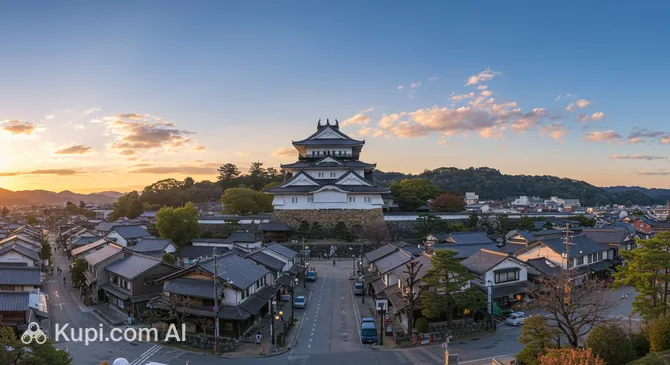
Nishio. Illustration.
Source: Kupi.com AI

With a population of about 169,000 people, Nishio is considered a medium-sized city by Japan standards, but it possesses a big heart and a rich history. Here, centuries-old traditions and a modern way of life blend in surprising harmony: ancient streets stand alongside new neighborhoods, and daily life flows at a slow and steady pace. Administratively, Nishio plays an important role in the region as one of the key centers of Aichi Prefecture.

The city is famous for its peaceful and friendly atmosphere. It is an ideal place for those seeking tranquility away from the hustle and bustle of megacities, wishing to immerse themselves in authentic Japanese culture and discover little-known but truly soulful corners of the country. In Nishio, there are no huge crowds of tourists, but there is genuine hospitality, picturesque landscapes, and many interesting discoveries at every step.

One of the main reasons to visit Nishio is its fame as one of the country's leading centers for matcha green tea production. Lovers of this drink can not only taste its freshest varieties but also learn more about the process of its cultivation and preparation. Furthermore, the city offers opportunities for leisurely walks along the river, exploring unique local crafts, and traditions. Nishio is a wonderful choice for those who value quiet relaxation and authentic cultural experiences.

You can find more interesting facts on the Nishio city history page.

Weather Overview

In Nishio, the climate is clearly divided by seasons, offering diverse weather conditions throughout the year. Summer, especially in July and August, is hot and humid here, with average temperatures hovering around 27-28°C (the average temperature in August is 28.3°C, in July — 26.9°C), while maximums can reach and exceed 31°C (up to 31.3°C in August). July stands out with the highest number of rainy days (averaging 18), while a significant number also occur in August (17 days) and June (16 days), though the total amount of precipitation remains moderate. Winters, from December to February, in Nishio are cool and relatively dry: the average air temperature stays around 5-7°C (for example, 5.6°C in January), and the amount of precipitation is minimal (1-2 mm per month). Spring and autumn are characterized by pleasant, mild weather, ideal for walking and exploring the city.

Overall, in Nishio, you can expect warm, and sometimes hot, summers with occasional rain, and cool, drier winters. To get more detailed information about weather conditions by month and plan your trip in the best way possible, we recommend exploring the Nishio climate.

Average monthly temperature

Average monthly precipitation

Interesting Facts

Beyond its picturesque landscapes and famous green tea, Nishio hides many surprising stories and little-known details that make it truly special. Ready to learn a few secrets of this charming city in Japan?

  • Many know that Japan is famous for its tea, but not everyone knows that Nishio is considered one of the main matcha production capitals. The region's unique climate and soil are said to give local matcha a uniquely rich flavor and aroma, highly valued by gourmets worldwide.

  • Behind the glow of its tea fame, Nishio hides its rich past as an important trading center on the Yahagi River. Strolling through the ancient streets, you can still find perfectly preserved merchant houses and traditional tea pavilions that seem to whisper stories of the city's former commercial power, offering a glimpse into another era of its life.

  • Forget standard city holidays! Nishio hosts very special festivals entirely dedicated to tea. Just imagine: you have the opportunity not just to taste rare varieties of matcha, but to personally participate in ancient tea ceremonies and even learn the art of whisking powdered tea with a traditional bamboo whisk under the guidance of experienced masters.

  • The dedication to the tea business in Nishio extends far beyond the tea plantations. The city is a cradle for artisans creating exquisite traditional Japanese ceramics specifically designed for tea ceremonies. Local museums tell the story of this deep connection in detail, showcasing rare artifacts and honoring Nishio natives who became celebrated tea masters and artists who made significant contributions to the national art of Japan.

How to Get There

There are various ways to reach the city of Nishio, but for international tourists, the most convenient option remains a flight followed by ground transportation. The city is conveniently located in Aichi Prefecture, near major transport hubs. If you want to know all the details and plan your route, we recommend exploring the all ways to get to the city section.

The main air gateway for travelers heading to Nishio is Chubu Centrair International Airport (NGO). It is located not in Nishio itself, but in the neighboring city of Nagoya (specifically, on an artificial island in Ise Bay), at a distance of about 23.5 km in a straight line. This is a major international hub receiving many flights. The journey from the airport to Nishio by bus or taxi takes approximately 55-60 minutes. There is a convenient bus service connecting the airport with the main stations in the region.

Alternatively, you could consider Mt. Fuji Shizuoka Airport (FSZ), located in Shizuoka city, about 102 km from Nishio. This is a smaller regional airport that may be convenient for domestic flights. The journey from there will take significantly longer—about 2.5–3 hours by car. Also located in the Kansai region is the major Itami Airport (ITM) in Osaka (about 149 km), which handles a huge flow of domestic flights, though getting from there to Nishio will require transfers between Shinkansen trains and local lines.

For clarity, here is a summary of the main airports:

AirportPassenger trafficDistance
Chubu Centrair International Airport12.3 mln23 km
Nagoya Airport735 00046 km
Shizuoka Airport691 274103 km
Itami Airport14.8 mln149 km
Matsumoto Airport112 618164 km

Rail travel is another popular and reliable way to get to Nishio. There is no Shinkansen high-speed train station in the city itself, so travelers usually need to first reach a major station like Nagoya or Toyohashi, where bullet trains stop. From there, you should transfer to the lines of the private railway company Meitetsu (Nagoya Railroad). The main station in the city is Nishio Station, located on the Meitetsu Nishio Line. A trip from Nagoya to Nishio by train with a convenient transfer usually takes about 50 minutes. It's a great way to enjoy views of the Japanese countryside on the way to your destination.

Main Attractions

The city of Nishio, located in Aichi Prefecture, offers tourists a unique combination of history, culture, and natural beauty. Here, everyone will find something to their liking, from ancient castles to modern art objects and picturesque beaches, especially given the region's fame as one of Japan's leading centers for matcha tea production.

One of the city's main gems is Nishio Castle. Although the original structures have not survived in their entirety, reconstructed parts such as the Ushitora Yagura main tower and the Chujakumon Gate, along with the remains of stone walls and moats surrounded by a picturesque park, allow visitors to immerse themselves in the atmosphere of feudal Japan. It is a wonderful place for walks, especially during the cherry blossom season in spring, and for exploring the region's historical heritage. The Nishio City Museum of History is also located on the castle grounds, where you can learn more about the city's past.

To gain a deeper understanding of the city's rich past, it is worth visiting the Nishio City Museum of History, which is often located within or very close to the castle complex. The museum's exhibits tell the story of the region's development, its famous residents, and, of course, the traditional production of high-quality matcha tea for which Nishio is famous. Here, you can see artifacts related to the samurai era and the daily life of townspeople throughout the centuries.

For art lovers and seekers of unusual experiences, a trip to Sakushima Island is a must. This small island in Mikawa Bay is known for its numerous open-air art installations created by contemporary artists as part of the "Art Plan 21" project. A walk or bike ride around the island turns into an exciting quest to find original sculptures and objects harmoniously integrated into the island's natural landscape and rural atmosphere.

If you want to relax by the sea, head to Kira Waikiki Beach. This popular sandy beach, named after the famous Hawaiian beach, attracts both locals and tourists with its clean water and developed infrastructure. In summer, you can swim, sunbathe, enjoy water sports, or simply take in the sea breeze and beautiful sunsets over Mikawa Bay.

Local Cuisine

The gastronomic scene in Nishio is a true immersion into a world of refined flavors, where the main star is the famous matcha tea. This emerald powder is not just a traditional drink here, but a key ingredient in many culinary masterpieces, giving them a unique aroma and color. A journey through local establishments promises unforgettable discoveries, especially for connoisseurs of Japanese cuisine and, of course, authentic matcha.

In Nishio, you must try the various dishes with added matcha. Start with a cup of classic matcha to appreciate its rich and fresh taste, and then feel free to move on to gastronomic experiments: delicate matcha ice cream, exquisite desserts, original noodles, and even fragrant bread with a characteristic light bitterness. Every cafe and restaurant takes pride in its unique recipes, turning matcha into a true art form.

Thanks to its location on Mikawa Bay, Nishio's cuisine is also famous for its fresh seafood. In local restaurants and bustling markets, you can enjoy excellent sushi, sashimi, and skillfully prepared grilled fish, often made following ancient recipes passed down through generations. These gifts of the sea are an integral part of the city's gastronomic heritage.

The food culture in Nishio offers diverse options for both locals and tourists. You will find cozy restaurants specializing in traditional Japanese cuisine as well as lively street markets where life is in full swing. It is at the markets where you can fully experience the authentic atmosphere, try fresh seasonal vegetables and fruits, and various local delicacies. Sweet cakes filled with bean paste and, of course, matcha are particularly popular—a perfect treat for a leisurely tea break.

For those who want to dive deeper into the gastronomic world of Nishio, it's worth paying attention to the annual festivals dedicated to tea. This is a wonderful opportunity not only to taste the full variety of matcha dishes but also to observe the preparation process, participate in engaging workshops, and bring home unique souvenirs and delicacies. Nishio's gastronomy is a vibrant culinary adventure that will leave the warmest memories for every guest in Japan.

Travel Tips

Planning a trip to charming Nishio? To ensure your journey through this unique corner of Japan goes smoothly and leaves only pleasant impressions, we have prepared some practical tips to help you navigate and enjoy your stay.

  1. Seasonal Clothing and Items:

    The climate in Nishio is temperate, with four distinct seasons. In summer (June-August), it is hot and humid—bring light clothing, a hat, and sunscreen. Spring (March-May) and autumn (September-November) are the most comfortable times with moderate temperatures, ideal for layered clothing. In winter (December-February), it can be cool, sometimes with snow, so warm clothes are a must. Extremely important is comfortable walking shoes. Don't forget a universal adapter (type A and B sockets are used in Japan, voltage 100V). When visiting temples and shrines, it is customary to dress modestly; be prepared to remove your shoes before entering many traditional establishments and temples.

  2. Transport Tips:

    It is convenient to get around Nishio and its surroundings by public transport, including local buses and trains (e.g., the Meitetsu Nishio line). Japan is famous for its punctual and efficient transport system. Taxis are available but can be quite expensive. Taxi apps like JapanTaxi can be useful. Renting a car can be a good option if you plan to explore Aichi Prefecture more widely, but remember the left-hand traffic, the need for an International Driving Permit, and potential parking difficulties in the center.

  3. Financial Matters:

    The local currency is the Japanese Yen (JPY, ¥). Credit and debit cards (Visa, Mastercard) are accepted in most hotels, large shops, and many restaurants. However, always carry some cash with you, as smaller establishments, markets, or temple entrance fees may only accept cash. You can exchange currency at the airport or banks. ATMs accepting international cards are easy to find at Japan Post Bank branches (post offices) and in 7-Eleven stores. Tipping in Japan is not practiced and may cause confusion.

  4. Health and Safety:

    Nishio, like Japan in general, is a very safe place. Pharmacies (look for the sign "薬" - kusuri) are everywhere, but staff may not always speak English. It is recommended to have travel medical insurance. In case of emergency, call 119 (ambulance, fire department). Observe general safety precautions: keep an eye on your belongings and drink plenty of water, especially during the hot season.

  5. Communication and Connectivity:

    The official language is Japanese. English is common in tourist areas but not everywhere. Learn a few basic phrases: "konnichiwa" (hello), "arigato" (thank you), "sumimasen" (excuse me/sorry). For connectivity, it's convenient to buy a local SIM card or rent a pocket Wi-Fi router at the airport. Free Wi-Fi is often available in hotels, cafes, and at stations. Apps like Google Maps and Google Translate will become your indispensable helpers.

  6. Local Etiquette:

    Japanese people highly value politeness and respect. The greeting is a bow; its depth depends on the situation. In public places, especially on transport, try not to be noisy and do not talk loudly on the phone. Remove your shoes before entering homes, temples, and some traditional restaurants. There are certain rules for using chopsticks (e.g., do not stick them vertically into rice). Observance and respect for local customs will be highly appreciated.

  7. What to Avoid:

    Firstly, as mentioned, do not leave tips—it is not expected. Secondly, avoid loud nose-blowing in public; if necessary, do it as delicately as possible or go to the restroom. Also, try not to eat or drink while walking down the street unless it is a street food area or a festival.

  8. Special Tip for Nishio:

    Nishio is famous throughout Japan for its high-quality matcha tea. Be sure to take the opportunity to visit a local tea plantation (if open to tourists) or a tea house to participate in a tea ceremony or simply enjoy the taste of real matcha and matcha-based desserts. This is a unique experience that will allow you to dive deeper into the culture of the region.

We hope these tips help you better prepare for your trip and enjoy every moment in Nishio, discovering its culture, hospitality, and, of course, its famous matcha tea! Have a great trip!

Entertainment & Nightlife

Nishio, known for its matcha tea and rich history, offers guests not only daytime excursions but also opportunities for pleasant evening and night relaxation. While the city may not boast the scale of nightlife found in Tokyo or Osaka, you can find cozy spots here to unwind after a busy day and get a taste of the local atmosphere.

Evening life in Nishio is mainly centered around small bars, traditional Japanese pubs (izakaya), and restaurants serving local cuisine. The main clusters of such establishments can be found near Nishio Station and on the adjacent shopping streets. The atmosphere here is generally calm and friendly, conducive to conversation. The crowd is mostly local, providing a great opportunity to dive into the daily life of a Japanese city.

Izakaya are the heart of Japan's informal evening culture. In Nishio, you will find many such places where you can order a variety of snacks, sake, shochu, or beer. They usually open in the early evening and stay open until late at night. There is typically no dress code—casual attire is welcomed. While specific nightclubs are not common in this list, traditional drinking establishments are widespread. Look for the signs and don't be afraid to peek into places that catch your eye—Japanese people are very hospitable. Some restaurants also stay open late, offering dinner in a quieter setting. If you're looking for more lively spots, check out karaoke bars—a popular entertainment in Japan for groups of friends. As for classic nightclubs, there may be few in a city of this size, and they will likely be small and oriented toward local youth, operating mainly on weekends.

Practical tips for evening relaxation in Nishio: The best time to visit an izakaya is after 18:00-19:00. Bars usually start to liven up later, closer to 21:00-22:00. Prices in most establishments are moderate, typical for regional cities in Japan. Keep in mind that the last public transport may stop running relatively early, so if you plan to stay late, think about a taxi in advance. You can call a taxi via an app, ask the venue staff, or find a taxi stand at the station. The areas around the station and central streets are well-lit and generally safe for evening walks, though standard precautions should always be observed.

During the day, Nishio also offers various forms of entertainment. You can visit historical sites related to tea production, stroll through city parks like Nishio History Park, or browse local museums to learn more about the region's culture and history. For shopping enthusiasts, there are streets with souvenir stalls and shops where you can purchase the famous local matcha tea and products made from it.

Parks & Museums

The city of Nishio in Aichi Prefecture offers its guests a harmonious combination of peaceful green zones and a rich cultural heritage. Here, every traveler will find opportunities for both quiet relaxation in nature and a fascinating immersion into the history and traditions of the region.

One of the main places for walking and learning about history is the Nishio City History Park. This picturesque park is laid out around the restored Nishio Castle. Here, you can not only enjoy beautiful Japanese gardens and ponds but also touch the city's past, imagining the life of the samurai. The park is especially beautiful during the cherry blossom season or the autumn leaf fall. Another wonderful place for contemplation is the Shounan-tei garden, a traditional Japanese garden known for its refined beauty and calm atmosphere, ideal for meditative walks. In addition, Nishio has other city gardens and squares where you can take a break from the hustle and bustle and admire seasonal flowers.

For those interested in culture and history, Nishio offers several noteworthy museums. A true gem is the Iwase Bunko Library – one of Japan's oldest private libraries, now a museum housing an impressive collection of rare ancient books and manuscripts. This unique place offers a glimpse into the country's intellectual heritage. Given that Nishio is famous as one of the leading centers for high-quality matcha tea production, a visit to the Matcha Museum Waku Waku by the Saijoen Aiya company is a must. Here, you can learn all about the history and production process of the famous green powdered tea, see the equipment used to make it, and often participate in a traditional tea ceremony or purchase fresh matcha. For a deeper look at local history and culture, you can visit the Nishio City Museum, which features exhibits detailing the region's development, its crafts, and daily life.

Among other significant cultural and historical sites, the Konrenji Temple stands out. This ancient Buddhist temple is known for its magnificent two-story pagoda (Tahoto), which is recognized as a National Treasure of Japan. A visit to the temple provides an opportunity to feel an atmosphere of tranquility and touch Japan's spiritual traditions. The architecture of the temple complex and the surrounding nature create a peaceful setting.

For more authentic impressions, we suggest taking a leisurely stroll through the old streets of Nishio, where you can still find traditional houses and craft shops. Also, pay attention to the local markets, where you can try fresh products and local delicacies, especially those related to matcha tea production.

Getting Around

Getting around Nishio is quite convenient thanks to its well-developed public transport system, which consists primarily of local trains and buses. Rail service is mainly provided by Meitetsu lines, which connect different areas of the city and link Nishio with other towns in Aichi Prefecture. Bus routes supplement the rail network, covering areas where trains do not go and providing convenient transfers.

The fare payment system in Nishio is integrated with national standards. The most convenient way to pay is by using rechargeable IC cards, such as Manaca (common in the Chubu region) or other compatible cards (e.g., Suica, Pasmo, ICOCA). These cards can be purchased and topped up at station vending machines or in some convenience stores. Payment with the card is done by a simple tap on the reader at the turnstile or on the bus. Purchasing single-use tickets with cash at station machines or directly from the bus driver is also available (it's advisable to have small change). The fare depends on the distance traveled.

Tourists should know that train tickets are usually bought before boarding at station machines. To validate an IC card, it must be tapped on the reader at both the entrance and exit of the station. In buses, payment with an IC card or cash is made upon entry or exit, depending on the type of bus (usually entry through the front door and exit through the middle, or vice-versa with payment upon exit). Public transport in Nishio runs regularly, usually from early morning until late evening, but frequency may decrease in the evening hours and on less popular routes. It is recommended to check schedules in advance, especially if planning a trip late in the evening.

In addition to public transport, alternative ways of getting around are available in Nishio. Taxis can be found at stands near major stations or called by phone; this is a more expensive but comfortable option. For leisurely strolls and exploring the surroundings, you can use bicycle rentals – bike rental points are sometimes found near train stations or in tourist areas. Car sharing is less common for short-term tourist use compared to major metropolitan areas, but its availability should be checked on-site.

Accommodation

In the city of Nishio, travelers will find a variety of accommodation options to suit different preferences and budgets. Economical choices such as guest houses or small hotels are available, as well as more comfortable mid-range hotels. For those seeking more space and privacy, apartments or short-term rental houses may be available, though their selection might be more limited compared to major tourist centers.

When choosing accommodation in Nishio, it is worth looking at areas located near major attractions or transport hubs, such as railway stations. Staying in the central part of the city or near key transport arteries will provide easy access to various points of interest and simplify travel both within Nishio and around its surroundings in Aichi Prefecture.

In Nishio, you can find traditional Japanese ryokans, offering a unique cultural experience that often includes dinner and breakfast in the national style, as well as modern hotels with a familiar range of services. Business hotels, common in Japanese cities, offer compact but well-equipped rooms, ideal for business trips or short stays. Standard European-style hotels offering various levels of comfort are also available.

When planning a trip to Nishio, especially during peak tourist season or during major local festivals, it is recommended to book accommodation in advance. This will help ensure the best choice and potentially better prices. Accommodation options range from budget to mid-price segments, and possibly more expensive offerings if there are high-class hotels in the city. Booking is easily done through popular international and Japanese online platforms or, in some cases, directly on hotel websites.

Nearby Cities

For those who want to explore the surrounding area, Nishio serves as an excellent starting point for day trips to several interesting nearby places:

CityPopulationDistance
Hekinan72 4807 km
Kota42 5239 km
Anjo188 80111 km
Handa117 54412 km
Taketoyo43 09514 km

These nearby destinations provide a glimpse into the region's diverse culture and landscapes, offering interesting options for short trips from Nishio.

Shopping & Souvenirs

Shopping in Nishio offers tourists a unique opportunity to immerse themselves in the world of Japanese tea and local traditions. The city is famous for its high-quality matcha tea, so most souvenirs and specialty shops are connected in one way or another to this famous product. Here you will find not so much huge shopping centers, but rather cozy boutiques and shops offering authentic goods.

The main shopping opportunities in Nishio are concentrated in the central part of the city, as well as near tourist attractions related to tea culture. Strolling through the streets, you will discover many shops specializing in various types of matcha tea, as well as tea ceremony utensils and matcha-based sweets.

While Nishio is not a magnet for large shopping malls, you can find small shopping complexes or department stores offering a range of everyday goods, clothing, and some souvenir products. However, the main focus of shopping here is on local products and crafts.

For those looking for fresh local produce, including seasonal vegetables, fruits, and, of course, tea, small local markets or farm stalls may be of interest, if available. They offer the chance to buy goods directly from the producers.

The main souvenir from Nishio is, undoubtedly, matcha tea. You will find it in various forms: powder for making the drink, matcha in sweets (such as mochi, cookies, chocolate), and even cosmetics with green tea extract. Additionally, look for beautiful ceramics for the tea ceremony ("chawan" bowls, "chasen" whisks) and other items from local artisans.

Shops in Nishio are usually open from 10:00 or 11:00 AM until 7:00 or 8:00 PM. Small private shops may have their own individual working hours. Credit cards are accepted in most places, but it is recommended to carry some cash, especially for purchases at markets or in small shops. In Japan, the Tax-Free system is common for foreign tourists. When purchasing goods for a certain amount in participating shops, you can apply for a tax refund. Look for the corresponding "Tax-Free Shopping" signs and don't forget to present your passport at the time of purchase.

Reached the end of the page?

That means the route is fully explored