Support

Handa

About

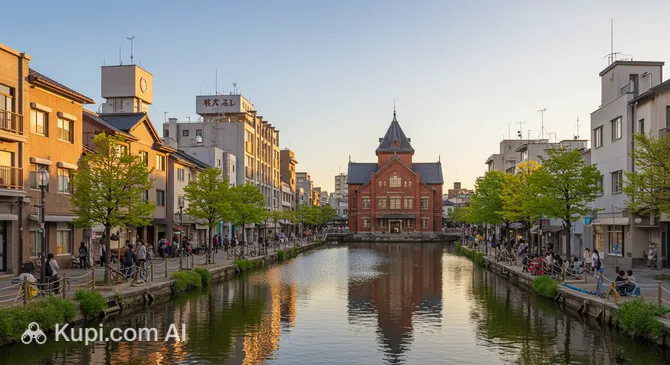
Handa is a cozy and colorful city located on the scenic Chita Peninsula in Aichi Prefecture. Washed by the waters of Ise Bay, it offers travelers an ideal combination of sea freshness and the traditional atmosphere that Japan is famous for. Thanks to its convenient location just a few dozen kilometers from Nagoya, getting here by train or car is easy.

Handa. Illustration.
Source: Kupi.com AI

With a population of about 117,000 people, Handa is a medium-sized city where provincial tranquility harmoniously intertwines with developed infrastructure. Although it was officially founded in 1937, Handa's history goes much deeper, turning it into an important cultural and industrial center of the region. The pace of life here is steady, perfect for leisurely strolls through green parks and well-maintained streets.

Unique museums, historic factories, and magnificent gardens await travelers here. The city is famous for its hospitality and the opportunity to experience authentic culture without the hustle and bustle of huge metropolises. Handa is a place where traditions live side-by-side with innovations, and amazing gastronomic discoveries will make your trip truly memorable.

Weather Overview

The climate in Handa is characterized by distinct seasons, allowing you to plan your trip based on different weather preferences. Summer here is usually hot and humid: in August, the average temperature is about 28.4°C, and daytime highs often exceed 31°C. This is also the wettest period of the year, especially July, when the highest number of rainy days is recorded.

Winters, on the other hand, are quite cool and dry. In January, the thermometer average stays around 5-6°C, and night temperatures can drop to 2°C. Precipitation during this time is minimal—only 1-2 mm per month, making winter days clear and fresh.

Expect a warm, sometimes rainy summer and cool, mostly dry winters. Spring and autumn delight with mild temperatures, ideal for long walks. To find out the exact forecast for your travel dates and prepare for your trip, check the expected weather in Handa.

Average monthly temperature

Average monthly precipitation

Interesting Facts

Handa is a city that reveals an unexpected side to the attentive traveler. Behind the facade of quiet provincial life lie amazing stories that have shaped not only the local culture but also the gastronomic traditions of the region.

  • Hometown of a Japanese storyteller. Handa is known as the birthplace of Nankichi Niimi, the author of famous children's stories such as "Gon, the Little Fox." The writer's memorial museum is open in the city, where you can immerse yourself in the world of his touching tales, which are still read by children across the country.

  • Meiji Industrial Heritage. The city has preserved a unique red brick building—the Handa Red Brick Building. Built over a hundred years ago, it became a symbol of industrial development during the Meiji era and today is considered one of the main architectural gems of the region, attracting history and urbanism enthusiasts.

  • City of vinegar and sauces. Handa is famous for its long traditions of condiment production. The impressive Mizkan Museum is located here, where visitors can trace the path of traditional Japanese vinegar from ancient times to the present and even participate in interactive tastings.

  • Echoes of an ancient trail. The historical Koya Kaido path passes through the city. According to local legends, trade caravans once stopped here, and even today, you can find atmospheric tea houses and craft shops along the route that have preserved the spirit of past centuries.

How to Get There

Route planning is an important part of any trip. Thanks to its favorable location in the central part of the country, getting to this city is quite easy. You can find all the details and explore various route options by following the link: more about how to get to Handa.

The most convenient and fastest way to reach the region is by air. The nearest major air hub to the city is Chubu Centrair International Airport (NGO). Although technically associated with the city of Nagoya, the airport is located on an artificial island just 12.7 km from Handa. It is a modern international hub with a huge passenger flow. A trip from here by taxi or rental car takes about 40 minutes, making it an ideal choice for tourists.

Alternatively, especially for those combining their trip with a visit to the Kansai region, you might consider Kansai International Airport (KIX). It is located in the city of Osaka, approximately 163.6 km from Handa. This is one of Japan's key airports. A transfer by car from there along high-quality Japanese roads will take about 2.5–3 hours.

For convenience, here is summary information for the main airports:

AirportPassenger trafficDistance
Chubu Centrair International Airport12.3 mln13 km
Nagoya Airport735 00041 km
Shizuoka Airport691 274114 km
Itami Airport14.8 mln138 km
Kobe Airport3.6 mln159 km

Regarding rail connections, Handa is excellently integrated into the region's transport network. Although there are no direct Shinkansen high-speed trains to the city, you can easily reach Nagoya Station, which is a major transport hub. From Nagoya to Handa, Meitetsu and JR lines run regular trains. The local train ride usually takes 30 to 45 minutes, allowing you to enjoy views of the suburbs and the coast.

Main Attractions

Handa is a true treasure trove for those who want to experience the industrial and cultural heritage of the region. The city is famous for its preserved traditions of brewing, vinegar production, and unique architecture. A walk through local attractions will allow you to see the authentic side that Japan is rightfully proud of.

Mizkan Museum (MIM) is one of the city's most recognizable landmarks. This interactive museum is housed in historic black-walled warehouses along the canal and is dedicated to the history of vinegar production, which plays a key role in Japanese cuisine. The exhibition masterfully combines ancient artifacts with modern technology, offering visitors a fascinating journey through time—from the Edo period to the present day. Here you can not only learn the secrets of creating seasonings but also take beautiful photos against the backdrop of the picturesque canal.

Another symbol of the city is the Handa Red Brick Building. Built during the Meiji era, it originally served as the Kabuto Beer factory. It is a rare example of industrial architecture from that time that has survived to this day, making it particularly interesting for history and urbanism enthusiasts. Tourists come here to feel the atmosphere of the early 20th century and visit the cafe, where they can try a revived version of that very historical beer.

For lovers of literature and fairy tales, the Nankichi Niimi Memorial Museum is a must-visit. The building, with its unusual architecture resembling a hilly landscape with a green roof, is dedicated to the life and work of the famous children's writer born in Handa. The museum is surrounded by a picturesque park that is especially beautiful in autumn during the blooming of the red spider lily (lycoris), creating an atmosphere straight out of the pages of the fairy tale "Gon, the Little Fox."

One cannot overlook the Kunizakari Sake Culture Museum. It is located in the building of an old sake brewery where this traditional drink was created for two hundred years. Here you can see huge wooden barrels, ancient tools, and learn all the intricacies of the fermentation process. This place attracts tourists with the opportunity to immerse themselves in the culture of Japanese winemaking and, of course, taste various types of local sake at the end of the tour.

Local Cuisine

Handa's gastronomic scene is a unique blend of sea bounty and centuries-old fermentation traditions. Since the city is historically famous for the production of vinegar and soy sauce, local cuisine is built around these key ingredients. The main dish that every tourist must try is sushi. It is here, thanks to special local vinegar, that the rice acquires that perfect flavor that ideally complements the freshness of the fish. Various marinades and snacks, where acidity and umami are in perfect balance, are also popular.

Proximity to Ise Bay and the fertile lands of the Chita Peninsula provide the city's restaurants with the freshest products. On the menus of local establishments, you will always find dishes made from seasonal fish and shellfish caught just that morning. Don't miss the thick and aromatic miso soups, which are prepared here with special care. Plant-based food lovers should pay attention to local vegetables, particularly rare varieties of daikon radish, and for dessert, be sure to try the sweet strawberries that this region is proud of.

Speaking of drinks, Handa offers travelers something special. The city is known for its sake breweries, so tasting local sake is a mandatory part of the program. In restaurants, you can find both classic and seasonal varieties of this rice wine. For those interested in history, the revived "Kabuto" beer, whose recipe dates back to the Meiji era, will be a real discovery. And as a non-alcoholic and healthy alternative, fruit vinegar-based drinks are often offered, which are refreshing on a hot day.

The food culture here is devoid of pretension: locals prefer cozy family restaurants and izakayas where a friendly atmosphere reigns. Morning farmers' markets are an excellent place to get acquainted with the local gastronomy. Here you can not only buy fresh produce and ready-made snacks to go but also observe the city's lively rhythm. Often it is at the markets or during food festivals that you can learn the secrets of preparing traditional dishes directly from local masters.

Travel Tips

Preparing for a trip to Handa doesn't require complex efforts, but knowing local nuances will make your vacation much more pleasant and relaxed. This city combines a unique industrial heritage with a traditional lifestyle, so a few practical recommendations will help you feel confident and avoid awkward situations.

  1. Clothing and Seasonality. Since Handa is located on the coast, humidity can be high, especially in summer. During the warm season, choose light, "breathable" clothing made from natural fabrics. In winter, despite the absence of severe frosts, winds from the bay can be biting, so be sure to bring a windproof jacket and a scarf. The main tip: wear the most comfortable shoes possible, as the best views along the canal and historic warehouses are discovered on foot.
  2. Transport Logistics. The city is excellently connected to the region's transport network. To get around, it's most convenient to use the Meitetsu or JR train lines. We recommend purchasing an IC transport card (such as Manaca, Suica, or Pasmo) immediately upon arrival in Japan—you can use them to pay for train and bus fares in Handa with a simple tap. Taxis exist in the city, but they are quite expensive, so use them only for trips to remote locations where public transport doesn't run.
  3. Financial Matters. Despite the country's technological advancement, in small cities like Handa, cash still plays a major role. Many traditional restaurants, souvenir shops, and the entrance to some small museums may only accept payment in yen. Withdraw cash in advance at 7-Eleven or Japan Post Bank ATMs (they accept international cards). Tipping is not customary: excellent service is already included in the price, and an attempt to leave money might confuse the staff.
  4. Health and Safety. Handa is a very safe city where you can walk calmly even in the evening. Tap water is drinkable and meets high standards of purity. If you need medicine, look for Drugstore signs, which sell everything from band-aids to cosmetics. However, keep in mind that there are few 24-hour pharmacies here, so it's better to bring specific medications with you.
  5. Communication and Language. Unlike Tokyo, the level of English proficiency among locals may be low. Install a translator app on your smartphone in advance with a photo translation feature (for menus and signs). Free Wi-Fi is available at stations and in large museums (like the Mizkan Museum), but for a stable connection, it's better to rent a pocket router or buy a SIM card at Chubu Airport upon arrival.
  6. Local Etiquette. When entering traditional establishments, tea houses, or temple premises, pay attention to the floor: if you see a step and a row of slippers, it means outdoor shoes should be removed. It's better to greet locals with a light bow rather than a handshake. On public transport, maintain silence and put your phone on silent mode.
  7. Things to Avoid. Don't eat or drink while walking—this is considered bad manners. If you buy street food or a drink from a vending machine, stop, consume it on the spot, and throw the trash in the appropriate container. Also, avoid blocking the path on narrow streets along the canal when taking photos: always leave room for other pedestrians to pass.
  8. Tip for Foodies. Handa is famous for its "Dashi" float festivals, which take place in the spring. If your trip doesn't coincide with the festival dates, be sure to visit the Handa Red Brick Building. There, you can not only see history but also buy unique souvenirs that are hard to find in other regions: for example, local "Kabuto" beer or special types of vinegar in beautiful gift bottles.

Handa is an incredibly hospitable city where respect for traditions opens any door. By following these simple rules, you can easily find a common language with the locals, fully immerse yourself in the atmosphere of the Japanese province, and take only the warmest memories home with you.

Entertainment & Nightlife

The nightlife in Handa differs significantly from the noisy, neon-lit districts of Tokyo or Osaka. You won't find massive dance clubs operating until dawn here; however, the city offers excellent opportunities for Japanese-style bar-hopping. Evening leisure here is primarily about gastronomic pleasure, socializing, and immersing oneself in the culture of drinking establishments where time flows slowly and pleasantly.

The epicenter of evening activity is the area around the Chita-Handa railway station (Meitetsu line). Most establishments are concentrated here, within a few blocks of the east and west exits. The streets come alive after 6:00 PM when the "akachochin" (red lanterns) are lit, inviting guests in for dinner and a drink. The atmosphere is very democratic and safe: the main crowd consists of local residents and office workers relaxing after a workday.

The main entertainment format in Handa is the izakaya (traditional Japanese pubs). In these places, it is customary to order many small snacks "for the table" and share them with friends. Given the city's fame as a center for sake and vinegar production, be sure to try local varieties of rice wine. There is no dress code in most establishments; the style is casual, allowing tourists to feel as comfortable as possible.

Among the specific places popular with residents and guests, the Uotami izakaya chain, located right by the station, stands out. It's a great start for beginners: they have an extensive menu with pictures (often an English version is available), private booths for groups, and a large selection of sashimi and cocktails. For lovers of spicier and heartier food, the Akakara restaurant is ideal, known for its nabe (hot pots) with varying degrees of spiciness—a perfect option for a warming dinner on a cool evening. You can also find small yakitori stalls in the alleys, where fragrant chicken skewers are grilled over charcoal.

If you're looking for things to do during the day before your evening promenade, Handa offers peaceful cultural recreation. You can walk through Handa Park, visit famous museum complexes, or enjoy the silence in local shrines. Daytime entertainment here is educational and contemplative, harmoniously preparing you for a relaxed evening.

Practical tips for tourists:

  • Opening hours: Most restaurants and bars close quite early by Japanese standards—around 11:00 PM or midnight. Only some chain karaoke bars stay open until morning. Arrive for dinner around 7:00 PM to catch the peak of the fun.
  • Transport: Public transport (buses) stops running early. Meitetsu line trains run until approximately midnight, but if you plan to stay out late, check the last train schedule in advance. At night, the only way to get around is by taxi, which can be found at the stand by Chita-Handa station or called via an app (like GO or Uber, if active in the region).
  • Safety: Handa is a very safe city. Evening walks here pose no threat, but as everywhere, you should observe basic caution and not leave your belongings unattended.
  • Prices: The average bill in an izakaya will be between 3,000 and 5,000 yen per person, including drinks. Many places have a "nomihodai" (all-you-can-drink) option for a set time, which is very economical for groups.

Parks & Museums

Handa offers travelers not only an immersion into industrial history but also wonderful opportunities for peaceful relaxation surrounded by nature. The city's green zones and educational sites harmoniously complement the image of this cozy corner of Aichi Prefecture, allowing you to alternate fresh-air walks with cultural discoveries.

One of the most picturesque natural locations is the Yakachi River embankment, also known as "Gon-no-Aki." This place is closely linked to the work of writer Nankichi Niimi and becomes a center of attraction in autumn when millions of red spider lilies (higanbana) bloom here. A walk along the dam, stretching about two kilometers, during this period resembles a journey along a red carpet created by nature itself. It is an ideal area for photoshoots and meditative relaxation away from the city's bustle.

For lovers of historical landscapes, Kariyado Park is of interest. It is famous for its centuries-old black pines, which create a majestic and slightly mysterious atmosphere. These trees once inspired Japanese poets, and today the park serves as an excellent place for picnics and walks in the shade of sprawling canopies. The proximity to the water adds freshness to this place, making it popular among locals on hot summer days.

The city's cultural program, in addition to the already mentioned gastronomic museums, is perfectly complemented by the Handa Sky Science Museum. It is a modern educational center with a planetarium that will be interesting for tourists of all ages. Here you can not only admire the starry sky but also visit interactive exhibitions dedicated to space and geology. The museum often holds special screenings and workshops, making science accessible and engaging.

To gain a deeper understanding of the region's traditions, it's worth visiting the Handa City Museum. The exhibition here is dedicated to the rich history of the area: from archaeological finds to ethnographic materials. Special attention is paid to the famous "Dashi" float festival. Even if you arrive outside the festival season, you can see these magnificently decorated wooden floats in the museum and learn about the complex craftsmanship of their creation, which is passed down from generation to generation.

In terms of architecture and atmosphere, the Handa Canal district remains a key site. Although technically not a park, the landscaped embankment along the canal with its black wooden warehouses and weeping willows serves as the city's main walking artery. In the evening, when the lights come on, the historic buildings are reflected in the water, creating a unique landscape that transports you back to the Edo period. This is the best place to end a day of sightseeing.

Insider tip: if you have time, visit the small Joraku-ji Temple. It is less well-known than the large museums but possesses a special charm due to its connection with historical figures, including Tokugawa Ieyasu. The silence of the temple garden will give you a moment of peace, so highly valued in Japanese culture.

Getting Around

Handa's transport system is well-organized and integrated into the general network of Aichi Prefecture, making travel around the city convenient even for tourists who don't know the language. The basis of public transport consists of railway lines and bus routes, which allow for easy access to major attractions and neighboring regions.

The main mode of travel for most travelers is the railway. The city is served by two main companies: Meitetsu (a private railway) and JR (Japan Railways). The central station is Chita-Handa (Meitetsu line), around which main city life, hotels, and restaurants are concentrated. The JR Handa station is nearby and is also convenient for accessing the historic canal district. Trains run frequently and strictly according to schedule, being the most reliable way to navigate.

For moving within the city, especially to places distant from stations, it is convenient to use municipal buses, which here have the cute name "Gonkuru". These buses are named after the famous fox Gon from the stories of the local writer. The routes cover almost the entire city, connecting residential areas with hospitals, shopping centers, and tourist sites like the Nankichi Niimi Museum. The buses are easy to recognize by their bright design featuring the little fox.

The fare payment system is standard for large cities. On the Meitetsu and JR lines, contactless IC cards (Manaca, Suica, Pasmo, ICOCA, and others) are accepted everywhere. This is the most convenient way: just tap the card against the turnstile at the entrance and exit. If you don't have a card, a single ticket can be purchased from machines at the station with cash. The price depends on the distance.

On "Gonkuru" buses, there is a fixed and very affordable fare (usually around 100 yen). Payment is made upon boarding: coins should be dropped into a special box next to the driver. Please note that local buses do not always accept large bills or IC cards from other regions, so tourists are strongly advised to carry change (100-yen coins).

As an alternative to public transport, you can use a taxi. Taxi stands are located at the exits of the main stations (Chita-Handa and JR Handa). This is a good option if you are traveling with luggage or want to quickly reach a distant location, such as the Red Brick Building. Apps for calling taxis work, but catching a car on the street or taking one from a stand is often faster.

For outdoor enthusiasts, bicycle rentals are available. Rental points can be found near tourist centers and Chita-Handa Station. Given that the historic canal district and main museums are located quite compactly on flat terrain, a bicycle is a great way to explore the city at your own pace, enjoying views of the old warehouses and the embankment.

If you plan to explore not only Handa but the entire picturesque Chita Peninsula with its beaches and farms, it makes sense to consider renting a car. Rental points are located near major stations. This will give you full freedom of movement, but remember to drive on the left and that an international driving permit of the appropriate format is required.
Accommodation

Где остановиться:

The choice of accommodation in Handa is primarily focused on practicality and convenience. Since the city is an important transport and business hub of the Chita Peninsula, modern western-style business hotels predominate here. There are few luxury resort complexes directly in the city center; however, the available options provide a high level of comfort, cleanliness, and excellent service for which Japan is famous. This makes Handa a convenient base for both business trips and exploring the region's attractions.

The most strategically advantageous area to stay is around the Chita-Handa railway station (Meitetsu line). By staying here, you will be within walking distance of major restaurants, shops, and transport links, saving you from spending extra time on logistics. This area concentrates the city's most popular hotels.

Among specific accommodation options, travelers often highlight Candeo Hotels Handa. This hotel is popular for its successful combination of stylish modern interiors and the presence of a "sky spa" with public baths, where you can relax after long walks while enjoying views of the city. It is an excellent choice for those seeking a bit more comfort than a standard overnight stay.

Another sought-after option is Meitetsu Inn Chita Handa Ekimae. Its main advantage is its location literally a few steps from the station. This is a classic Japanese business hotel: compact but functional rooms, all necessary amenities, and breakfast often included in the price. This option is ideal for tourists who value their time and mobility.

Booking tips and prices:

  • Price range: Accommodation in Handa is generally cheaper than in neighboring Nagoya. Most offers fall into the mid-price segment (budget and standard business hotels).
  • When to book: In normal times, finding a free room is not difficult even a couple of weeks before the trip. However, if your trip coincides with the spring "Dashi" float festival (mid-April) or the cherry blossom season, it is recommended to book accommodation at least 1–2 months in advance, as the city fills up with tourists.
  • How to book: All the city's main hotels are listed on international online booking platforms, making it easy to compare prices and terms. Payment on-site in large hotels can be made by card, but in small guesthouses (if you choose such a format), cash may be required.

Nearby Cities

For those who want to explore the surroundings, Handa serves as an excellent starting point for day trips to several interesting nearby locations:

Just a few dozen kilometers away is the city of Okazaki—a historical gem of the region and the birthplace of the famous shogun Tokugawa Ieyasu. Travelers are drawn here by the majestic Okazaki Castle, surrounded by a beautiful park, and the opportunity to visit factories producing traditional Hatcho miso, the taste of which is considered a benchmark in Japan.

Lovers of tea ceremonies and old-world atmosphere should head to Nishio, often called the "Little Kyoto" of Aichi Prefecture. This city is one of the country's leading centers for matcha tea production. Here you can walk through castle ruins, visit ancient temples, and enjoy desserts flavored with fresh tea in local cafes.

If you are interested in unusual urban landscapes, take a look at Yokkaichi. This port city is known for its impressive "factory night views" (yakei), which attract photographers from all over the world. Additionally, Yokkaichi is famous for its traditional Banko-yaki ceramics, which are ideal for brewing tea.

CityPopulationDistance
Taketoyo43 0955 km
Agui28 1765 km
Hekinan72 4805 km
Higashiura49 25210 km
Tokoname57 50710 km

These nearby destinations provide an insight into the diverse culture and landscapes of the region.

Shopping & Souvenirs

Shopping in Handa is primarily a hunt for unique local delicacies and handicrafts, rather than a chase for global brands. Unlike the noisy commercial districts of major metropolises, an atmosphere of tranquility and authenticity prevails here. Japan in this region reveals itself through tastes and traditions: the city is not famous for huge fashion malls, but it offers tourists goods that cannot be bought anywhere else in the world, especially those related to the history of brewing and condiment production.

The main shopping landmark for tourists is the area around the Chita-Handa railway station. This is the modern city center where the life of local residents is concentrated. Here, within walking distance of the station, are convenient convenience stores, pharmacies, and small boutiques. Another interesting area for shopping strolls is the historical district along the Handa Canal. While not a shopping street in the classic sense, there are shops at museums and old factories selling the most valuable products for travelers.

If you need to buy everything at once in comfortable conditions, look for the CLACITY shopping complex, which is connected to Chita-Handa Station by a pedestrian bridge. It's not a giant mall, but it has a supermarket, clothing stores, bookstores, and restaurants—a great place to buy travel essentials or groceries. For more extensive shopping, locals often head to neighboring cities or large malls on the peninsula, but for basic needs, Handa's infrastructure is quite sufficient.

The markets and fairs periodically held on the grounds of the Handa Red Brick Building deserve special attention. "Marchés" (weekend markets) are often organized here, where local farmers and artisans sell fresh vegetables, baked goods, handmade items, and seasonal treats. This is a wonderful opportunity to interact with residents and find non-standard gifts.

The choice of souvenirs in Handa is directly related to the city's gastronomic fame. Here is what's worth bringing back:

  • Mizkan Vinegar and Sauces: In the museum shop, you can buy premium types of vinegar that are not exported, as well as beautiful gift sets.
  • Local Sake: Visit the shop at the "Kunizakari" Museum to purchase a bottle of fresh sake or umeshu (plum wine).
  • Kabuto Beer: At the Red Brick Building, you can find the revived historical "Kabuto" beer with a rich taste, whose recipe dates back to the Meiji era.
  • Traditional Sweets (Wagashi): There are many old confectionery shops in the city offering sweets that pair perfectly with green tea.
  • Chita Textiles: Local cotton products (tenugui towels, handkerchiefs) are known for their high quality and traditional patterns.

Shops in Handa usually open at 10:00 AM and work until 7:00 or 8:00 PM. Supermarkets and 24-hour combini (convenience stores) are open longer. Regarding payment, credit cards are accepted without problems in large centers (like CLACITY) and museum souvenir shops. However, in small private shops, old confectioneries, or street markets, you will definitely need cash yen. We recommend always having small bills and coins with you.

The Tax-Free system (consumption tax refund) is available in large drugstores and some shops in shopping centers if the purchase amount exceeds 5,000 yen. Look for the Tax-Free sticker with a cherry blossom symbol at the entrance or cash register. In small souvenir shops, this service is rare, so check with the staff before paying.

Reached the end of the page?

That means the route is fully explored