Support

Suzuka

About

Suzuka is a fascinating city located on the coast of Ise Bay in Mie Prefecture, about an hour's drive from Nagoya. Part of Japan, it is famous for its unique atmosphere where energy and drive harmoniously blend with traditional Japanese tranquility. Geographically, Suzuka is advantageously situated between the sea and picturesque hills, creating a special microclimate with fresh sea air and the scent of pine forests.
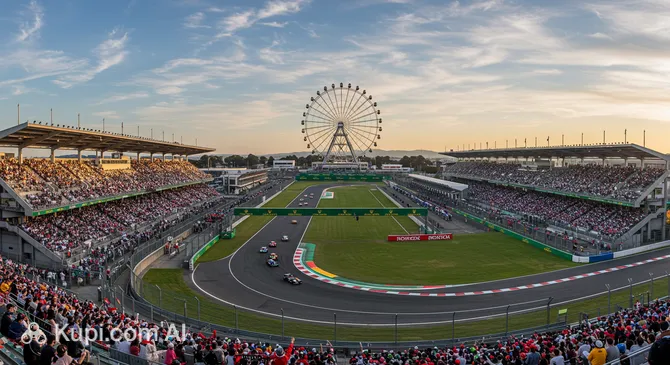
Suzuka. Illustration.
Source: Kupi.com AI

With a population of approximately 195,250 people, Suzuka is not just a large settlement but an important industrial and cultural center of the Tokai region. The city skillfully combines modern neighborhoods with historical streets and scenic natural corners, offering diverse landscapes ranging from industrial port zones to quiet parks and ancient temples.

The main highlight of Suzuka is undoubtedly the world-famous Suzuka Circuit, which attracts thousands of motorsport fans from around the globe every year. However, the city offers much more than just speed and adrenaline. Here, you can find secluded parks for peaceful walks, visit ancient temples to immerse yourself in history and culture, and enjoy excellent opportunities for family recreation.

Suzuka is the ideal destination for those seeking a combination of thrilling experiences, cultural enrichment, and natural beauty. This city is sure to leave every guest with vivid memories.

You can find more interesting facts on the history of Suzuka page.
Weather Overview

The weather in Suzuka is characterized by warm and humid summers, and cool, relatively dry winters. The average annual temperature ranges from about 4.7°C in January to 27.8°C in August. Summer, particularly from June to August, brings the highest temperatures, often exceeding 25°C, and the most precipitation, with July and August being the wettest months in terms of the number of rainy days. In winter, from December to February, temperatures drop significantly, sometimes nearing zero, and precipitation is minimal.

Expect warm summers with frequent rain and cool, drier winters. Spring and autumn offer moderate temperatures and changeable weather. For more detailed information, you can check the Suzuka Climate section.

Average monthly temperature

Average monthly precipitation

Interesting Facts

Beyond its world-famous racing circuit, the city of Suzuka hides many surprising details and cultural treasures that not everyone knows about. Here are just a few interesting facts about this Japanese city:

  • The Suzuka Circuit, built in 1961 as a test track for Honda and designed by John Hugenholtz, features a "figure-eight" layout that is unique among world racetracks. Sections of the track cross over each other via a specially built bridge, making it one of the few in the world with such a feature.

  • Suzuka is often called the "Holy Land of Motorsports." It is home to the Japanese round of the Formula 1 World Championship, as well as the famous Suzuka 8 Hours endurance motorcycle race. These competitions are renowned for their drama, frequent overtaking, and unpredictable weather conditions, making them particularly spectacular.

  • Despite its loud fame in the racing world, Suzuka carefully preserves its cultural heritage. A striking example is the Tsubaki Okami-Yashiro Shrine — one of the oldest Shinto shrines in the region, attracting pilgrims and those interested in Japanese history.

  • The city wonderfully combines ultra-modern technology with a deep respect for tradition. Suzuka hosts festivals dedicated to both motorsport achievements and ancient rituals. Famous natives and residents include not only professional racers but also masters of traditional Japanese crafts.

How to Get There

When planning a trip to the home of Japanese motorsport, it's important to know in advance how to get to Suzuka. The city has a well-developed transport infrastructure, making it easy to arrive from anywhere in the country.

There is no airport within Suzuka itself, so most international tourists fly into major hubs in neighboring cities. The most convenient option is Chubu Centrair International Airport (NGO), located in Nagoya. It is only 20.4 km from Suzuka, and a taxi or car journey takes approximately 50 minutes. This is the nearest major airport receiving many international flights.

An alternative for travelers is Kansai International Airport (KIX) in Osaka. It is one of Japan's main transport hubs with a huge passenger flow. However, keep in mind that it is significantly further away — about 132.8 km from Suzuka. A car trip from there will take around 3 hours and 40 minutes. You can also consider flying into Itami Airport (ITM) in Osaka, which serves mostly domestic flights and is 105 km from the destination.

For convenience, here is summary information on the main airports:

AirportPassenger trafficDistance
Chubu Centrair International Airport12.3 mln20 km
Nagoya Airport735 00052 km
Itami Airport14.8 mln105 km
Kobe Airport3.6 mln127 km
Kansai International Airport30.6 mln133 km

As for rail travel, it is one of the most popular ways to reach the city, especially for JR Pass holders. There are several railway stations within Suzuka, but the key transit hub for tourists is usually the station in the neighboring metropolis of Nagoya. From Nagoya Station, you can take Kintetsu or JR Kansai Main Line trains directly to Suzuka. The most popular station for visiting the race track is Shiroko (Kintetsu Line), from where buses regularly run to the circuit. The train journey from Nagoya usually takes between 40 and 60 minutes, depending on the type of express train.

Main Attractions

The city of Suzuka, well-known far beyond the borders of Japan, attracts tourists not only with its sporting events but also with its rich cultural heritage and beautiful nature. Everyone will find something interesting here while planning their journey.

The city's main claim to fame is undoubtedly the Suzuka Circuit. This world-famous racing track hosts a round of the Formula 1 World Championship — the Japanese Grand Prix — as well as many other competitions. Visitors can not only watch exciting races but also visit the Motopia amusement park, a motorsport museum, or even try their hand at go-karting. This place is a true mecca for all fans of speed and cars.

For those interested in the history and spiritual culture of Japan, the Tsubaki Grand Shrine (Tsubaki Okami Yashiro) is a must-visit. It is one of the oldest Shinto shrines in the country, dedicated to the deity Sarutahiko-no-Okami. The shrine impresses with its peaceful atmosphere, beautiful traditional architecture, and lush surrounding forests. Here, you can admire ancient buildings and learn more about Shinto rituals.

Nature lovers and fans of beautiful landscapes should head to the Suzuka Forest Garden. This garden is particularly famous for its collection of weeping plum trees (shidare ume), which create an incredible sight during the blooming season in February and March. A walk along the garden's well-kept paths among fragrant flowers will provide unforgettable impressions and serve as an excellent backdrop for photos.

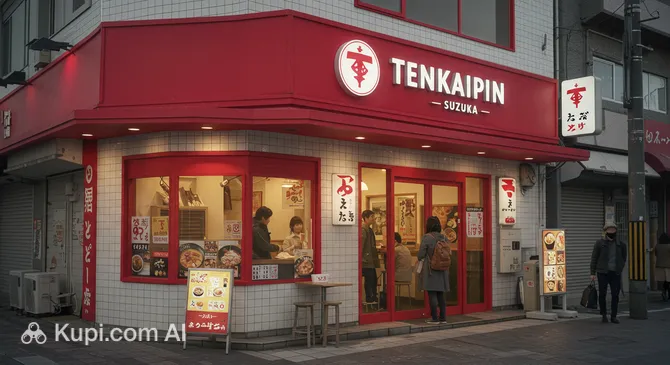
After a busy day of sightseeing in Suzuka, you can explore the local cuisine. For instance, to try popular Japanese ramen, stop by Tenkaippin Suzuka. This establishment belongs to a well-known chain and offers a classic version of this hearty dish.

Tenkaippin Suzuka. Illustration.
Source: Kupi.com AI

Traveler photos:

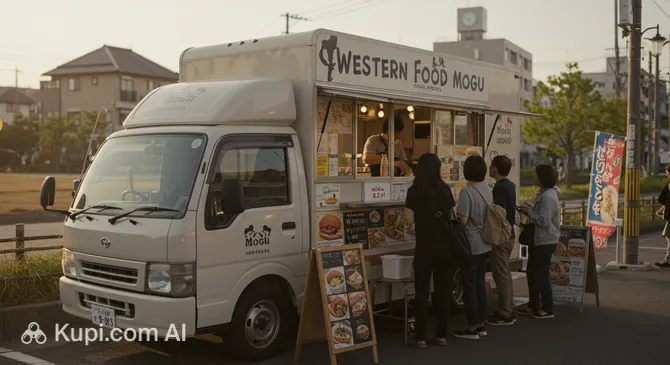
If you're in the mood for something different, Western Food Mogu offers "yoshoku" style dishes — Japanese interpretations of Western cuisine. This experience allows for a better understanding of the locals' gastronomic preferences and a chance to try something unique.

Western Food Mogu. Illustration.
Source: Kupi.com AI

Traveler photos:

Local Cuisine

The gastronomic scene in Suzuka will delight Japanese cuisine enthusiasts with its variety and emphasis on fresh local products. Thanks to its location by Ise Bay, the city is famous for its excellent seafood dishes. Be sure to try the freshest sashimi and sushi made from local fish, as well as flavorful clam and oyster stews often prepared according to old recipes, especially during food festivals.

Among the culinary delights to try in Suzuka, "Ise udon" stands out — thick wheat noodles served with a rich, dark sauce characteristic of the Mie region. Another local delicacy is the famous Mie wagyu beef, known for its incredible tenderness and rich flavor. These dishes reflect the unique culinary traditions of the prefecture and are hallmarks of the local gastronomy.

As for drinks, in Suzuka, you can enjoy high-quality sake and fragrant plum wines, many of which are produced at small family-run breweries. The street food here is a true kaleidoscope of flavors: from classic takoyaki (octopus dough balls) and okonomiyaki (savory pancakes with various fillings) to sweet rice cakes and seasonal fruits. You can always find fresh vegetables, seafood, and local treats at the farmers' markets.

The dining culture in Suzuka involves both visiting restaurants and exploring street food. Locals and tourists often choose cozy establishments specializing in traditional cuisine, such as Tenkaippin Suzuka. Additionally, various food events and festivals take place in the city throughout the year, where you can not only sample the region's best dishes but also participate in masterclasses for preparing Japanese delicacies, immersing yourself in the festive atmosphere of taste and local traditions.

Travel Tips

Planning a trip to Suzuka, the city known worldwide for its legendary racing circuit and unique atmosphere in Japan? These practical tips will help you better prepare for your journey and make your stay as comfortable and interesting as possible.

  1. Clothing and Essentials: The climate in Suzuka is subtropical, meaning it is hot and humid in summer, while winters are quite mild. We recommend taking light and breathable clothing for the summer months, layered outfits for spring and autumn, and a warm jacket for the winter period. Be sure to pack comfortable shoes, as you will be walking a lot, especially if you plan to visit the Suzuka Circuit. Don't forget a universal adapter for electrical appliances (Japan uses type A and B sockets, 100V voltage), sunscreen and a hat for summer, and an umbrella or light raincoat since rain is not uncommon. When visiting shrines, such as the Tsubaki Grand Shrine, general modesty in dress is sufficient.

  2. Transport: The main form of public transport in Suzuka is the bus. Kintetsu and JR Central railway lines connect the city with neighboring locations like Nagoya. Taxis are available but can be quite expensive. Taxi-hailing apps like JapanTaxi or DiDi may function but are less common than in major metropolises. Car rental can be a good option for exploring Mie Prefecture, but keep in mind that Japan has left-hand traffic and you will need an international driving permit. On days of major races at the Suzuka Circuit, special bus routes are often organized from the nearest railway stations, such as Shiroko Station.

  3. Finances: The local currency is the Japanese Yen (JPY, ¥). You can exchange money at airports (e.g., Chubu Centrair International Airport if you fly there), major banks, or some hotels. It is recommended to have some cash on hand upon arrival. Credit and debit cards (Visa, Mastercard) are increasingly accepted, especially in tourist spots, hotels, and large stores. However, in small establishments, local markets, or some taxis, cash may be preferred. ATMs that accept international cards can usually be found at post offices (Japan Post Bank) and 7-Eleven convenience stores (Seven Bank ATMs). A rough daily budget might be 7,000 to 15,000 yen per person, excluding accommodation and tickets for major events. Tipping is not practiced in Japan; excellent service is considered the standard.

  4. Health and Safety: Suzuka, like Japan in general, is a very safe city with a low crime rate. Nevertheless, always follow standard precautions. Pharmacies are marked with the "薬" (kusuri) sign, but pharmacists do not always speak English. Basic over-the-counter medicines are available. 24-hour pharmacies are rare outside of major cities. It is highly recommended to arrange travel insurance with good medical coverage before your trip. If necessary, medical assistance is available at local hospitals and clinics.

  5. Communication: The official language is Japanese. The level of English proficiency among the local population can be limited, though staff at hotels, the Suzuka Circuit, and other tourist sites will likely be able to communicate in English. Learning a few basic Japanese phrases, such as "Konnichiwa" (Hello), "Arigato" (Thank you), and "Sumimasen" (Excuse me/Sorry), will be very useful and appreciated by locals. A SIM card for mobile internet can be purchased at the airport or in electronics stores in larger nearby cities (like Nagoya). Renting a Pocket Wi-Fi router is a very popular and convenient option for tourists in Japan. Free Wi-Fi is often available in hotels, some cafes, and at railway stations. For navigation and planning public transport routes, use Google Maps or specialized Japanese apps like HyperDia or Jorudan.

  6. Local Etiquette: When greeting in Japan, a light bow (odjigi) is standard; handshakes are not as common unless initiated by the Japanese side. In public places, especially on transport, try to be quiet and avoid talking loudly on the phone. Eating and drinking while walking is generally discouraged. It is customary to stand patiently in lines. Don't forget to remove your shoes when entering Japanese homes, some temples, traditional restaurants (especially those with tatami), and ryokans (traditional inns). Politeness and respect for those around you are highly valued in Japanese culture.

  7. What to Avoid: Never stick your chopsticks vertically into a bowl of rice — this resembles a funeral ritual and is considered bad manners. Try not to blow your nose loudly in public; if necessary, do it discreetly or in the restroom. It is also important to take waste sorting seriously, as great attention is paid to this in Japan. If you use public bins or stay in accommodation with strict rules, follow the waste separation instructions.

  8. Extra Tip for Suzuka: If your trip to Suzuka is timed for a visit to the famous Suzuka Circuit, especially during major international competitions like Formula 1, it is highly recommended to book accommodation and transport tickets well in advance. Hotel rooms and train tickets sell out quickly, and prices can rise significantly. Always check the circuit's official website for up-to-date information on event schedules, visiting rules, and travel options.

We hope these tips help you plan an unforgettable trip and make your stay in Suzuka as comfortable and filled with pleasant experiences as possible. Enjoy every moment in this unique corner of Japan!

Entertainment & Nightlife

Suzuka, primarily known for its racing circuit, offers guests and residents a variety of options for evening and night leisure. While the city may not boast the same scale of nightlife as Tokyo or Osaka, you can find cozy spots for a pleasant time after sunset.

The main concentration of evening entertainment in Suzuka is typically found near major railway stations and in the city's central districts. Here you will find various bars, including traditional Japanese izakayas, where you can enjoy local drinks and snacks in a relaxed setting. Some venues offer karaoke, a popular pastime in Japan. While classic nightclubs may be few, bars with dance music or live performances can be found.

The atmosphere in Suzuka's evening venues is generally friendly and laid-back. The crowd is mixed, ranging from locals to tourists, especially during major events at the Suzuka Circuit. Most bars and restaurants are open until late evening or midnight, with some staying open later, particularly on weekends. There is usually no strict dress code, but a neat appearance is appreciated.

If you are planning an evening out, it's best to start after 7:00 or 8:00 PM. Average prices for drinks and food vary but generally remain affordable. For dinner, you might consider places like Tenkaippin Suzuka, famous for its ramen, or Western Food Mogu, which offers Western-style dishes. These spots are great for starting your evening.

Tenkaippin Suzuka. Illustration.
Source: Kupi.com AI

Traveler photos:

At night, the most convenient way to get around the city is by taxi. You can call a car via an app or ask the staff at a venue to assist you. The central areas of Suzuka are considered quite safe for nighttime walks, though standard precautions should always be observed.

During the day, Suzuka also offers leisure options. Besides the world-renowned Suzuka Circuit, which often features an amusement park, you can visit local parks for walks. A cultural program might include visiting small museums or temples that reflect the local character.

Parks & Museums

Suzuka is not only a city of roaring engines and a famous race track, but also a place where you can enjoy the tranquility of green zones and touch the local culture through museums and historical monuments. Here, everyone will find something for themselves, whether it's a peaceful walk in a park or an introduction to the region's rich heritage.

Among the city's green oases, Suzuka Flower Park stands out. It's a wonderful place for leisurely strolls, especially in spring and autumn when the park blooms with the vibrant colors of seasonal flowers. It attracts both locals and tourists looking to escape the city bustle and enjoy the beauty of nature. Another significant green space is the Suzuka Sports Garden. This vast complex offers not only various sports facilities but also spacious lawns perfect for picnics, active family recreation, or simply relaxing in the fresh air.

For those interested in history and culture, Suzuka offers several interesting museums. To better understand the region's past, it's worth visiting the Suzuka City Museum (names may vary, such as the Archaeological Museum or the History and Ethnography Museum). Here, you can see archaeological finds that tell the ancient history of this land, along with exhibits dedicated to traditional life and crafts. Of course, speaking of Suzuka, one cannot fail to mention the exhibition spaces and displays related to the legendary Suzuka Circuit. While these aren't traditional museums, interactive exhibits like the Racing Theater allow you to immerse yourself in the world of motorsport and learn about the track's history and its heroes, which is a vital part of the city's cultural identity.

Beyond parks and museums, other evidence of a rich past can be found in Suzuka and its surroundings. For example, the Kambe Castle Ruins serve as a reminder of the feudal era and can be of interest to history buffs. Also, like in many Japanese cities, you can find charming Shinto shrines and Buddhist temples, which are often not just places of worship but also examples of traditional architecture, offering silence and peace.

For a more authentic experience, try stepping off the beaten tourist paths. Visit one of the smaller neighborhood parks to observe the daily life of locals, or explore the side streets in search of small craft workshops where you can find unique souvenirs.

Getting Around

Public transport in Suzuka is mainly represented by rail and bus routes, allowing for fairly comfortable movement around the city and its surroundings. Although there is no metro or tram system in Suzuka, the existing transport network is well-developed.

The backbone of the transport system is the train. Lines of several railway companies pass through the city, including JR (Japan Railways) and Kintetsu Railway, which connect Suzuka with major regional cities and serve local stations. Trains run according to a schedule that is usually strictly followed. Stations are well-equipped, often with signs in English. The fare for a train journey depends on the distance and the carrier company; a short trip usually costs a few hundred yen, but for exact information, current rates should be checked at station ticket machines or on the official websites of the railway companies.

Buses play an important role in moving within the city, especially to areas not covered by railway lines, as well as for accessing certain attractions like the famous Suzuka Circuit. Bus routes and schedules can be found at stops and, sometimes, on the websites of the transport companies. Bus fares also vary depending on the route and distance; typically, short trips cost from a few hundred yen, but precise fare information should be verified at stops or on carrier websites.

The payment system is quite convenient. The most popular method is using rechargeable IC cards (such as Suica, Pasmo, ICOCA, and other regional equivalents), which are accepted on most train lines and buses nationwide. These cards can be purchased and topped up at machines in railway stations. When using an IC card, the exact fare is automatically deducted upon exiting. Cash payment is also possible, especially on buses (upon boarding or exiting, depending on the system). For cash payments on buses, it's advisable to have small change, as drivers cannot always provide change for large bills.

Tourists are recommended to purchase an IC card upon arrival for convenience and to save time. Single-trip train tickets can be bought at station machines before boarding. IC cards are validated by tapping them against the reader at the ticket gates when entering and exiting stations, and on buses when boarding and/or exiting. Public transport usually starts early in the morning and finishes late in the evening, but frequency may decrease during off-peak hours and on weekends. Apps such as HyperDia, Jorudan, Navitime, or Google Maps are very helpful for route planning, checking schedules, and clarifying fares; they will help you navigate the transport system of Japan in general and Suzuka in particular.

As an alternative to public transport, taxis are always available in Suzuka. They can be found at ranks near stations or called by phone. This is a more expensive way to travel but convenient for trips with luggage or at night. In some areas of the city, bicycle rental may be available, which is a great option for leisurely exploring the surroundings in good weather.

Accommodation

In the city of Suzuka, travelers can find a variety of accommodation options to suit different preferences and budgets. Choices include mid-range hotels, more budget-friendly guesthouses, or traditional Japanese ryokans offering a unique cultural experience. Apartment rentals are also available, which can be convenient for families or long stays.

When choosing a place to stay, it's worth paying attention to areas located near major transport hubs or the sights you're interested in. For example, if your trip is focused on visiting the famous Suzuka Circuit, it makes sense to look for accommodation nearby. Generally, the city offers hotels in bustling central parts as well as more secluded spots on the outskirts.

It is recommended to book accommodation in advance, especially if your trip coincides with major events like Formula 1 races or other motorsport competitions, when hotel demand increases significantly. This will help you secure the best choice and more competitive prices. For searching and booking, it's convenient to use popular online platforms that offer a wide range of options and allow for price comparisons, or you can contact the chosen hotels directly.

The price range for accommodation in Suzuka varies from affordable options in hostels and budget hotels to higher prices in hotels with an expanded range of services. Most hotels and booking platforms accept international bank cards for payment.

Nearby Cities

For those looking to explore the surroundings, Suzuka serves as an excellent starting point for day trips to several interesting nearby locations:

For example, you can head to Yokkaichi, known for its port and views of Ise Bay, or visit Tsu, the capital of Mie Prefecture, which features ruins of an old castle and picturesque temples. Nature and entertainment lovers will enjoy Kuwana, home to the famous Nabana no Sato flower park and a large amusement park.

CityPopulationDistance
Yokkaichi310 26310 km
Kameyama49 97112 km
Komono40 32917 km
Tsu273 26719 km
Toin25 65821 km

These nearby destinations offer a glimpse into the diverse culture and landscapes of the region.

Shopping & Souvenirs

Suzuka, primarily known for its racing circuit, offers tourists interesting shopping opportunities, though not on the scale of major metropolises. The city is famous for goods related to motorsports, but you can also find traditional Japanese items and modern stores here.

The main shopping areas in Suzuka are generally concentrated around major railway stations and along main streets. Here you can find a variety of shops, from small family-run stores to branches of famous Japanese chains. Specific shopping streets might not be as prominent as in larger cities, but commercial activity is usually concentrated in easily accessible areas.

In Suzuka, as in many Japanese cities, there are shopping malls offering a wide range of goods under one roof — from clothing and electronics to food and souvenirs. They are often located near transport hubs or are part of large retail parks on the outskirts of the city. While specific names of large malls may be less known internationally, finding modern shopping complexes is not difficult.

Although Suzuka might not be famous for large traditional markets like some other Japanese cities, you can find small local markets selling fresh produce, seasonal delicacies, and perhaps the work of local artisans. These markets provide an excellent insight into the daily life of the townspeople and allow for the purchase of unique goods.

The main souvenir from Suzuka is, of course, products related to motor racing and the Suzuka Circuit: model cars, clothing with symbols, and accessories. Additionally, it's worth looking for traditional Japanese souvenirs such as local ceramics, textiles, sweets (like wagashi), green tea, and handmade items characteristic of Mie Prefecture.

Most shops in Suzuka are typically open from 10:00-11:00 AM to 7:00-8:00 PM. Shopping centers may stay open later, especially on weekends. Cash (Japanese Yen) is widely accepted everywhere, as well as credit cards (Visa, MasterCard, JCB, American Express). In recent years, contactless payments and mobile app payments have become increasingly common.

For foreign tourists in Japan, a consumption tax refund system (Tax Free) is available. Usually, you need to make a purchase of a certain amount in stores participating in the program (look for the "Japan Tax-Free Shop" sign). Refunds can be processed directly in the store upon presentation of your passport or at special counters at the airport.

Reached the end of the page?

That means the route is fully explored