Support

Matsuzaka

About

Matsuzaka is a charming city in Mie Prefecture, located in the heart of Japan's historical Kinki region. Nestled on the coast of Ise Bay, it is a hidden gem for connoisseurs of slow travel and fine dining. With a population of about 158,000, Matsuzaka offers a unique atmosphere where centuries-old traditions harmoniously intertwine with modernity, and the city center provides easy access to both the Pacific Ocean and the sacred city of Ise.
Matsuzaka. Illustration.
Source: Kupi.com AI

The city boasts a mild marine climate and is surrounded by picturesque green hills and vast rice fields. Historically, Matsuzaka was an important trade and administrative center for the region. To this day, ancient quarters have been preserved, where the spirit of the samurai era and enterprising merchants still lingers, creating a unique sense of traveling back in time.

Among Matsuzaka's key attractions are the majestic ruins of Matsuzaka Castle, which have become the unofficial symbol of the city. A stroll through its grounds offers breathtaking views and a chance to touch history. The city is also famous for its scenic historical streets, cozy tea houses, and traditional gardens. However, Matsuzaka gained worldwide fame for its eponymous marbled beef—one of the most prized and delicious delicacies, which is a must-try for any visitor.

The atmosphere in Matsuzaka is wonderfully friendly: you will often see smiling locals on the streets, and a pleasant bustle prevails in the parks and markets. This is a place where the past and present live side by side. Matsuzaka is ideal for those seeking authentic Japanese culture away from the noisy tourist routes, wishing to enjoy the hospitality and unique culinary traditions of this remarkable corner of Japan.

You can find more interesting facts on the history of Matsuzaka page.
Weather Overview

The weather in Matsuzaka is characterized by distinct seasonality. Summer here is warm, especially in July and August. Average summer temperatures gradually rise: in June, the average temperature is around 22.0°C, in July it is about 26.3°C, and in August it reaches around 27.4°C. During these months, maximum daytime temperatures can rise above 30°C. The summer period (June-August), as well as September and October, are characterized by the highest amount of precipitation and frequent rainy days. Winters, from December to February, are quite cool in Matsuzaka. Average temperatures during this period hover around 5-7°C (for example, about 5.2°C in January), and minimums can drop to 2°C. The winter months are significantly drier than the summer ones. Overall, Matsuzaka is characterized by a warm, humid summer and a cool, drier winter. For detailed weather information by month, you can check the data on the Matsuzaka climate page.

Average monthly temperature

Average monthly precipitation

Interesting Facts

In addition to its famous restaurants serving legendary beef, Matsuzaka holds many fascinating secrets and little-known details that make it a truly unique destination. Here are just a few interesting facts about this city in Mie Prefecture:

Wadakin. Illustration.
Source: Kupi.com AI

Traveler photos:

  • Matsuzaka is the birthplace of the world-famous Matsusaka-gyu marbled beef. This meat is considered among the best in Japan, and local farmers have spent centuries perfecting special feeding methods to achieve its unsurpassed flavor and texture. You can try this delicacy in renowned establishments such as Wadakin or Isshibin Yakiniku.

  • During the Edo period, Matsuzaka was a flourishing merchant city, and its traders were famous not only for their wealth but also for their exceptional honesty. Interestingly, descendants of these merchants founded several well-known modern Japanese corporations.

  • The ancient craft of producing the unique Matsusaka momen fabric is still alive here. This durable and beautiful cotton cloth, often dyed in a characteristic indigo blue with a fine pinstripe pattern, was once a status symbol and was popular even among samurai.

  • There is a belief that in ancient times, yokai—Japanese spirits and mystical creatures—inhabited the outskirts of Matsuzaka. To appease them and attract good luck, local residents in some areas still hold special festivals and rituals to this day.

How to Get There

When planning a trip to Mie Prefecture, it is important to think about your route in advance, as the city has excellent transport accessibility from major metropolises. You can find all the details and consider various route options on the more on how to get to Matsuzaka page. International airports and a well-developed railway network serve as the main gateways to the region.

Matsuzaka itself does not have its own airport, so tourists usually fly into neighboring large cities. The closest and most convenient hub is Chubu Centrair International Airport (NGO), located in Nagoya. It is about 40 km from Matsuzaka in a straight line across Ise Bay. From the airport, you can reach the prefectural capital, Tsu, by high-speed boat (about 45 minutes), and from there, travel to Matsuzaka by train or bus in 15–20 minutes. The total travel time is about 1.5 hours.

Another popular option for international flights is Kansai International Airport (KIX) in Osaka, located about 119 km from the city. This is a major hub with a huge passenger flow. The journey from there to Matsuzaka by train (usually with a transfer in Osaka to the Kintetsu line) takes about 2–2.5 hours. For domestic flights, Itami Airport (ITM) is often used, also located in the Osaka area, about 102 km from the destination.

For clarity, here is a summary of the main airports serving this region:

AirportPassenger trafficDistance
Chubu Centrair International Airport12.3 mln40 km
Nagoya Airport735 00084 km
Itami Airport14.8 mln102 km
Kansai International Airport30.6 mln119 km
Kobe Airport3.6 mln119 km

Rail travel is one of the most comfortable and popular ways to get to Matsuzaka. The city's main station, Matsuzaka Station, is an important transport hub where the JR and Kintetsu lines intersect. It is easily accessible by direct express trains from Nagoya (travel time about 70 minutes) or from Osaka (about 1.5 hours). Trains run frequently and are known for their high punctuality, making rail travel a convenient alternative to driving.

In addition to trains, the city can be reached by intercity buses or by car via the Ise Expressway. The road network in the region is excellent, and a car trip will allow you to enjoy picturesque views of the coast and the mountains of Mie Prefecture.

Main Attractions

The city of Matsuzaka is famous throughout Japan and beyond, primarily for its magnificent "Matsusaka-gyu" beef, making local cuisine an integral part of any visit. However, the city is also rich in historical landmarks, offering tourists a diverse range of experiences.

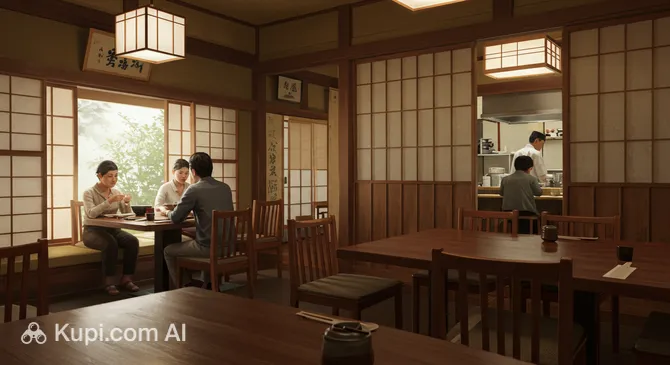
One of the most famous places to taste the legendary beef is the Wadakin restaurant. This establishment has a long history, offering top-quality meat in a traditional Japanese setting. A visit to Wadakin is not just a dinner, but a true gastronomic event that allows you to appreciate all the nuances of the famous marbled beef's flavor.

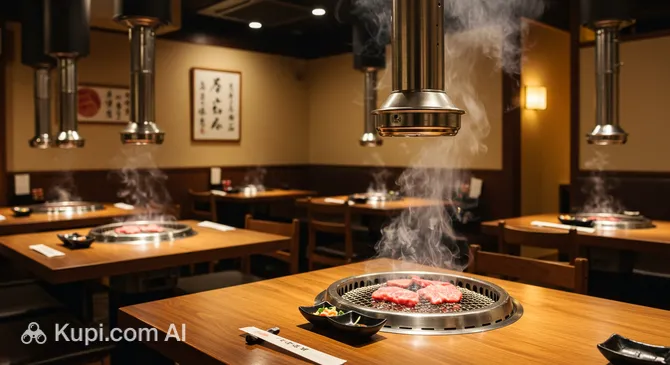
Another popular spot among meat lovers is Isshibin Yakiniku. This restaurant specializes in yakiniku (grilled meat), where guests can cook pieces of select Matsusaka beef themselves. Isshibin Yakiniku offers a more casual atmosphere while maintaining high product quality standards.

Isshobin Yakiniku. Illustration.
Source: Kupi.com AI

Traveler photos:

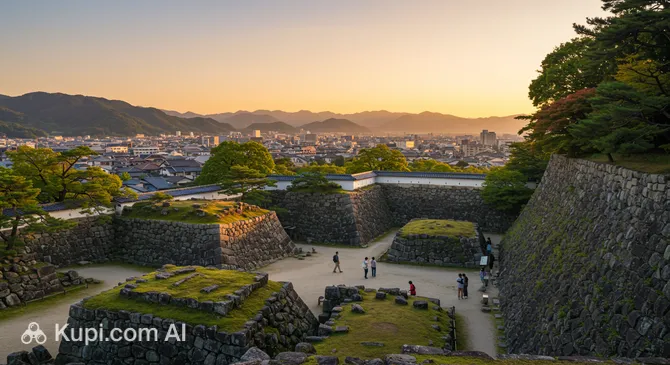
Beyond gastronomic delights, Matsuzaka is proud of its historical monuments. The Matsuzaka Castle Ruins are a must-visit. Although mostly powerful stone walls and foundations remain, the site breathes history. The ruins have been transformed into a picturesque park offering beautiful views of the city. It is an excellent place for walking and discovering the city's feudal past.

Located near the castle ruins is Gojoban Yashiki—a unique district where traditional houses of the samurai who guarded the castle have been preserved. These long rows of wooden houses, built at the end of the Edo period, are still inhabited by the descendants of those samurai today. A walk through this historical quarter allows you to immerse yourself in the atmosphere of old Japan and imagine the daily life of warriors from the past.

Local Cuisine

The gastronomic scene of Matsuzaka is a true magnet for gourmets, and its main star is undoubtedly the world-famous Matsusaka beef. This meat is renowned for its incredible tenderness, fine marbling, and unique flavor. You can try it in various forms: classic steaks, tender beef sashimi, aromatic sukiyaki (meat simmered in a sweet soy sauce with vegetables), or exquisite shabu-shabu (thin slices of meat quickly boiled in broth). Many connoisseurs come to Matsuzaka specifically to enjoy this delicacy in the authentic setting of local restaurants.

Beyond beef, Matsuzaka's cuisine is rich in fresh seafood thanks to its proximity to Ise Bay. Be sure to try local oysters, scallops, eel, and various fish. Sushi and sashimi are particularly popular here, as well as the traditional eel dish—unagi-kabayaki (grilled eel in a sweet sauce). In the city markets, you can find seasonal vegetables, traditional rice flour sweets (mochi), and unique local sauces prepared according to ancient recipes. Look out for local mandarins and the Japanese plum, ume, which is used to make delicious aromatic liqueurs.

Wadakin. Illustration.
Source: Kupi.com AI

Traveler photos:

Speaking of drinks, besides traditional Japanese sake and green tea, the local plum liqueurs, umeshu, are worth noting. The food culture in Matsuzaka is focused on quality ingredients and traditional preparation methods. Locals and tourists alike prefer dining in specialized restaurants, many of which, like Wadakin, have spent decades perfecting the art of preparing Matsusaka beef. City markets also play an important role, offering fresh produce and a chance to discover local delicacies.

Matsuzaka is a true gastronomic destination, attracting tourists with its high-quality products and loyalty to culinary traditions. Signature dishes, such as Matsusaka beef in all its forms and fresh seafood from Ise Bay, create an unforgettable culinary experience. The city is also known for its food festivals, where you can not only taste various local delicacies but also participate in workshops. If you appreciate fine cuisine and authentic flavors, Matsuzaka will not disappoint you.

Travel Tips

Welcome to Matsuzaka! To make your trip to this charming corner of Japan as comfortable and memorable as possible, we have prepared some practical tips for you. They will help you navigate better and enjoy everything Matsuzaka has to offer.

  1. Seasonal Clothing and Essentials:

    The climate in Matsuzaka, as in all of Japan, is clearly divided into seasons. In summer (June-August), it is hot and humid—choose light, breathable clothing. In winter (December-February), it can be chilly, so warm clothes, including a jacket, hat, and gloves, will come in handy. Spring and autumn are the most comfortable seasons with moderate temperatures, ideal for layered clothing. Be sure to bring comfortable shoes, as you will be walking a lot. Don't forget an adapter for electrical appliances (Japan uses Type A and B sockets, with a voltage of 100V). When visiting temples and shrines, it is advisable to wear clothing that covers your shoulders and knees out of respect for local traditions.

  2. Getting Around the City:

    In Matsuzaka, it is most convenient to move around using public transport—there is a well-developed network of local trains (JR and Kintetsu companies) and buses. For planning train routes, use apps like HyperDia or Jorudan. Taxis are available but can be expensive, especially for long distances. Renting a car may be justified if you plan to explore the surroundings of Mie Prefecture, but it's not always necessary for the city itself, and parking might be difficult. You will need an international driving permit to rent a car.

  3. Financial Matters:

    The local currency is the Japanese yen (JPY). It is recommended to exchange some cash in advance or upon arrival at the airport. Although credit cards (Visa, Mastercard) are accepted in many hotels, large shops, and restaurants, cash remains very important, especially in small establishments, at markets, and for paying entrance fees to temples. ATMs that accept international cards can be found at post offices (Japan Post Bank) and 7-Eleven stores. There is no tipping culture in Japan—good service is included in the price.

  4. Health and Safety:

    Matsuzaka, and Japan in general, is a very safe place. However, standard precautions are always wise: keep an eye on your belongings, especially in crowded areas. Pharmacies (薬, kusuri) are easy to find, but pharmacists may not speak English. For serious medical assistance, ask your hotel for a recommendation or find the nearest hospital. It is highly recommended to have travel medical insurance. Emergency numbers: Police – 110, Ambulance and Fire Service – 119.

  5. Language and Communication:

    The official language is Japanese. English proficiency among the local population may be limited, especially outside tourist zones. Learn a few basic phrases in Japanese: "konnichiwa" (hello), "arigato" (thank you), "sumimasen" (excuse me/sorry). For internet access, it is convenient to rent a pocket Wi-Fi router or buy a local SIM card. Free Wi-Fi is available in some hotels, cafes, and at stations. Apps like Google Maps and Google Translate will be very helpful.

  6. Local Etiquette and Traditions:

    Japanese people highly value politeness and respect. Greetings are usually accompanied by a bow. In public places, especially on transport, try to be quiet and avoid talking loudly on the phone. Remove your shoes before entering Japanese homes, some temples, traditional restaurants, and ryokans (Japanese-style inns). There are certain rules for using chopsticks (for example, don't stick them vertically into rice). Show respect when visiting religious sites.

  7. What to Avoid:

    Try not to eat or drink while walking on the street (except in designated areas or at festivals). Don't leave trash anywhere—Japan has very strict waste sorting rules. Also, avoid pointing at people or objects with one finger—it is considered impolite; use an open palm instead.

  8. Matsuzaka's Specialty:

    Matsuzaka is famous throughout Japan for its marbled "Matsusaka-gyu" beef. Don't miss the chance to try this world-renowned meat at one of the local restaurants. This is a gastronomic experience that will be one of the highlights of your trip. Also worth visiting are the Matsuzaka Castle ruins and the adjacent park, which offers beautiful views.

We hope these tips help you feel more confident and get the most out of your stay in Matsuzaka. This city is full of charm and hospitality. Have a pleasant journey!

Entertainment & Nightlife

In the evening, Matsuzaka offers its guests a quiet and cozy atmosphere, ideal for those who appreciate quality dining and pleasant conversation. Although the city is not famous for loud nightclubs or massive entertainment complexes like Japan's megacities, you can find many interesting spots to spend your evening here.

The main focus of evening entertainment in Matsuzaka is gastronomy, as the city is nationwide famous for its marbled beef. Many tourists come here specifically for this culinary experience. In the evening, numerous restaurants specializing in Matsuzaka beef dishes open their doors. One such iconic place is the Wadakin restaurant, known for its traditions and high quality. Another popular choice is Isshibin Yakiniku, where you can enjoy yakiniku (grilled meat). These establishments usually operate until late evening, around 21:00-22:00, and offer a sophisticated atmosphere. It is recommended to book tables in advance, especially on weekends.

Wadakin. Illustration.
Source: Kupi.com AI

Traveler photos:

In addition to high-end restaurants, Matsuzaka has more casual options for evening leisure. Traditional Japanese pubs—izakayas—can be found in the area around Matsuzaka central railway station and on adjacent streets. A relaxed atmosphere prevails here, where both locals and tourists gather. Izakayas serve a variety of snacks, sake, beer, and other drinks. It is a great place to dive into the local culture and socialize. Some bars and izakayas may stay open until midnight or even later, especially on Fridays and Saturdays. The dress code in most of these establishments is casual.

Regarding active nightlife with clubs and dancing until dawn, Matsuzaka is not the primary destination for this. The city is more suited for quiet relaxation. If you are looking specifically for club entertainment, you might consider trips to larger cities in Mie Prefecture or neighboring regions. There are also few concert venues with regular performances by famous artists, though you can occasionally find local music nights in small bars.

Practical tips for an evening in Matsuzaka:

  • Timing: For dinner at popular restaurants, it is best to arrive by 19:00-20:00. Izakayas come to life a bit later.
  • Prices: Dinner at a restaurant specializing in Matsuzaka beef can be quite expensive. An evening at an izakaya will be significantly cheaper.
  • Transport: Public transport runs less frequently in the evening. After 22:00-23:00, taxis become the main mode of transportation. They can be called by phone or found at stands near the station and major hotels.
  • Safety: Matsuzaka is a very safe city. Walking along the central streets in the evening is generally not a cause for concern. Nevertheless, it is always wise to observe standard precautions.

During the day, there is also plenty to do in Matsuzaka. You can visit the Matsuzaka Castle ruins and the adjacent park, which offers beautiful city views. The Motoori Norinaga Memorial Museum, dedicated to the famous Edo-period scholar, is also of interest. For history and culture lovers, there are several small temples and shrines. The city is also known for its "Matsusaka momen" cotton, and you can find shops selling products made from it.

Parks & Museums

The city of Matsuzaka offers its guests both pleasant green spaces for relaxation and interesting cultural sites that provide a deeper understanding of its rich history and heritage. Here, you can enjoy the tranquility of parks and learn many new things in local museums.

One of the main places for outdoor recreation and historical discovery is Matsuzaka Park. It is located on the picturesque ruins of Matsuzaka Castle, built in the 16th century. A walk through its grounds, especially in spring during the cherry blossom season or during the wisteria bloom, is a true delight. Beautiful city views open up from the height of the castle walls. This site is perfect for leisurely walks and picnics, allowing you to touch the city's past.

For those interested in the history and culture of Matsuzaka, the Motoori Norinaga Memorial Museum (Motoori Norinaga Kinenkan) is a must-visit. This museum is dedicated to the life and legacy of Motoori Norinaga, a prominent Edo-period scholar and Matsuzaka native who made an enormous contribution to the study of Japanese classical literature and Shintoism. The museum's exhibition details his works and the significance of his research for Japanese culture.

Another landmark site is the Museum of Matsusaka Merchants (Museum of Matsusaka Merchants / 旧長谷川治郎兵衛家). It is located in the former residence of the wealthy Hasegawa merchant family and vividly demonstrates how successful city traders lived and conducted business during the Edo period, when Matsuzaka was an important trade center. Visitors can see authentic interiors and everyday objects, and learn about the city's commercial heyday.

Located near the Matsuzaka Castle ruins are the Gojoban Yashiki samurai residences. These well-preserved houses once belonged to the samurai who guarded the castle. Walking through this historical quarter allows you to feel the atmosphere of feudal Japan. Some of the houses are open to the public, offering a glimpse into the daily life of warriors.

For more authentic experiences, try exploring the small temples and shrines scattered throughout the city, which often escape the attention of mass tourists. It is also worth noting the local craft shops, where you can find unique souvenirs reflecting the traditions of the region.

Getting Around

Getting around Matsuzaka and its surroundings is quite convenient thanks to a well-developed public transport system. The backbone of the transport network consists of buses and trains, which allow you to reach most of the places of interest to tourists.

Buses are a key mode of transport for getting around within the city. Local bus companies, such as Mie Kotsu, serve many routes connecting railway stations with various city districts, attractions, and suburbs. Schedules are usually posted at stops but may also be available online. Fares are most often paid upon exiting the bus; you can use cash (preferably having small change) or prepaid IC cards.

Railway transport in Matsuzaka is represented by the lines of JR (Japan Railways) and Kintetsu Railway. Matsuzaka Station is an important transport hub. JR trains are convenient for trips to other cities in Mie Prefecture and beyond, while Kintetsu lines also offer a wide network of routes, including express trains to major cities like Nagoya and Osaka. Trains are an excellent choice for longer trips and visiting neighboring towns.

The fare payment system in Matsuzaka is fairly standardized and convenient. The most practical way is using rechargeable IC cards, such as Suica, Pasmo, ICOCA, and other regional equivalents. These cards are accepted on both trains and buses, eliminating the need to buy a ticket each time. Cards can be purchased and topped up at machines at railway stations. You can also always buy a single-trip train ticket at a machine or a ticket office before your journey. The fare depends on the distance.

For ease of movement, tourists are recommended to purchase an IC card as it significantly simplifies travel. Train tickets can be bought at station machines (many of which have an English interface) or at ticket offices. To validate an IC card, you need to tap it against the reader at the ticket gate when entering and exiting a station, and on a bus—when entering and/or exiting, depending on the system. Public transport usually begins operating early in the morning (around 5-6 AM) and finishes late in the evening (around midnight), but schedules can vary depending on the route and day of the week.

As an alternative to public transport, taxis are available in Matsuzaka. They can be found at stands near stations and major hotels or called by phone. Local taxis are known for their high quality of service but are significantly more expensive than public transport. To explore the central part of the city and park areas, you might consider renting a bike—rental points are sometimes found near tourist sites or stations. Car sharing is less common in cities of this size than in major metropolises.

Accommodation

When planning a trip to Matsuzaka, you will find a variety of accommodation options suitable for different budgets and preferences. The city offers a choice ranging from traditional Japanese inns (ryokans), where you can immerse yourself in local culture, to modern hotels with a standard set of amenities. More budget-friendly options, such as guesthouses and business hotels, are also available and often chosen by independent travelers.

For tourists, the areas located near Matsuzaka Station are considered the most convenient for staying, as they provide easy access to transportation for trips around the city and its surroundings. Places near major attractions, such as the Matsuzaka Castle ruins or historical quarters, are also popular. Choosing accommodation in these areas will save travel time and keep you in the center of the action.

Accommodation prices in Matsuzaka range from economy class to more expensive offers in high-level hotels and authentic ryokans. It is recommended to book your accommodation in advance, especially if your trip coincides with the peak tourist season or local festivals, to ensure the best choice and prices. Most hotels and guesthouses can be booked through popular online platforms or directly on the hotels' websites.

Nearby Cities

For those looking to explore the surrounding area, Matsuzaka serves as an excellent starting point for day trips to several interesting nearby locations:

CityPopulationDistance
Taki14 1609 km
Meiwa22 5239 km
Tamaki15 11314 km
Tsu273 26716 km
Ise122 43219 km

These nearby destinations provide an insight into the diverse culture and landscapes of the region.

Shopping & Souvenirs

Matsuzaka, known primarily for its high-quality beef, offers tourists a rather traditional Japanese shopping experience. Here, you won't find giant megamalls like in Tokyo, but you can enjoy shopping in a more relaxed atmosphere, discovering local goods and delicacies. The city is famous for products related to Matsuzaka beef as well as local handicrafts.

Main shopping spots are generally concentrated around Matsuzaka Station and on its adjacent streets. Here, you can find small department stores, specialized shops, and souvenir stalls. A walk through the city's central streets can also lead to interesting finds in the form of family-owned shops that have been selling local goods for generations.

You may encounter shopping arcades (shotengai) or small local shopping centers in Matsuzaka, offering a range of goods from clothing and footwear to food and household items. They are a good place to get acquainted with the everyday life of the Japanese and find authentic products.

While Matsuzaka is not famous for large markets in the tourist sense, you may come across small local markets where farmers sell fresh vegetables, fruits, and other produce. Occasionally, local delicacies or preserves can also be found here. Such places provide an excellent insight into regional cuisine.

The main souvenir from Matsuzaka is undoubtedly products related to its famous beef: these can be ready-made dishes in vacuum packaging (if export regulations allow), sauces, seasonings, or even beef chips. Traditional Japanese items, perhaps characteristic of Mie Prefecture, such as ceramics, textiles, or local sweets, are also worth considering. Don't forget to check the shops at temples or tourist sites for unique souvenirs.

Most shops in Matsuzaka, as in Japan as a whole, are usually open from 10:00 or 11:00 AM until 7:00 or 8:00 PM. Small family shops may have their own more flexible hours. Large department stores may stay open a bit longer. Regarding payment, credit cards (Visa, Mastercard) are accepted in many shops, especially larger ones. However, it is always useful to carry some cash, particularly for purchases at markets or in small stalls.

For foreign tourists in Japan, a Tax Free system is available. Look for shops with the corresponding "Japan Tax-Free Shop" logo. Usually, to process a tax refund, you must make a purchase of a certain amount (most often over 5,000 yen excluding tax) in one store within one day and present your passport. Check the conditions directly in the store.

Reached the end of the page?

That means the route is fully explored