Support

Komono

About

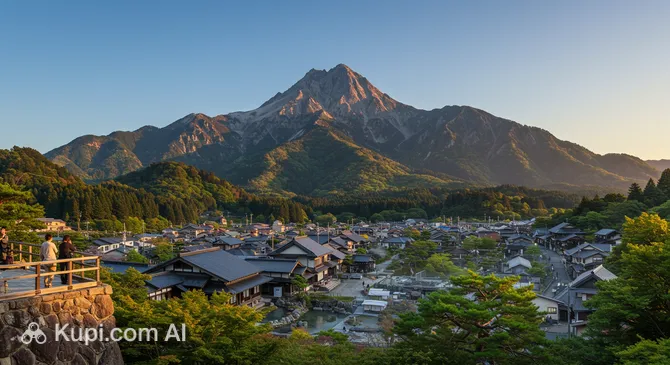
Komono is a cozy town nestled at the foot of picturesque mountains in Mie Prefecture, in the very heart of Honshu Island. This destination is ideal for travelers seeking tranquility and wishing to enjoy the atmosphere of the authentic countryside far from the hustle and bustle of major metropolises.

Thanks to its strategic location between major hubs like Nagoya and Kyoto, the town serves as an excellent base for exploring the Kansai region. When traveling through Japan, it is worth stopping by to appreciate the harmony of natural riches and the measured local way of life.

Komono. Illustration.
Source: Kupi.com AI

With a population of about 40,000, Komono retains an unpretentious provincial charm: here you will find tidy streets and the sincere hospitality of the locals. The rich history of Komono and its careful preservation of traditions can be felt in every corner of this settlement, which, despite its modest size, plays an important administrative role in the region.

The town's main pride is its surrounding nature and opportunities for wellness retreats. Komono is famous for its proximity to thermal springs (onsens), where you can relax after walking through the green hills and trails of national parks. This is a wonderful destination for those who want to see the country without embellishment and restore their strength surrounded by magnificent mountain landscapes.

Weather Overview

The climate in this region features distinct seasonality, offering tourists various conditions for recreation depending on the time of year. Expect quite hot, humid summers with frequent rain and cool, relatively dry winters.

The warmest month is August, with an average temperature of about 27.4°C and maximums exceeding 30°C. July brings the most moisture: it can rain for more than 20 days a month, so an umbrella is a mandatory accessory for a summer trip. In winter, the air cools down, and in January, average figures drop to 4.1°C, although there is significantly less precipitation than in the warm season.

Spring and autumn are ideal for long walks and sightseeing. In May and October, comfortable temperatures settle in the 17–18°C range, perfect for being outdoors. To plan your trip as accurately as possible, be sure to check the detailed weather in Komono before you leave.

Average monthly temperature

Average monthly precipitation

Interesting Facts

In addition to the main attractions, Komono holds many fascinating secrets and stories that make this place special for every guest. Here are some facts to help you better understand the spirit of this Japanese town:

  • A Thousand-Year Tradition of Relaxation. The local hot springs of Yunoyama Onsen have been known for over a thousand years. According to legend, these waters possess not only healing properties but also "blue blood": in ancient times, Japanese aristocrats and even members of the Imperial family loved to relax here, hiding from the bustle of the court.

  • The Mountain of Four Seasons. Mount Gozaisho, at the foot of which the town sits, offers unique spectacles all year round. In winter, you can see the famous "snow monsters" — trees covered in bizarre layers of ice and snow — and in autumn, the slopes visible from the ropeway turn into a fiery canvas of red maples.

  • Ninja Neighbors. Komono is geographically and historically linked to the legendary shadow warriors. Very close by is the famous village of Iga — the birthplace of one of the most famous ninja schools. This neighborhood gives the region an aura of mystery, and tourists can easily combine a visit to the town with shuriken-throwing lessons.

  • The Cult of Autumn Leaves. For the residents of Komono, the changing of seasons is a true celebration. A special place in the town's culture is held by the "momiji" period — the time for admiring autumn foliage. During these days, the town transforms, filling with a festive atmosphere and bright colors that attract photographers and artists from all over the country.

How to Get There

A journey to this picturesque corner of Mie Prefecture usually begins with arrival at one of the region's major transport hubs. To plan your route as efficiently as possible, we recommend reading more about how to get to Komono, and below we will look at the most popular flight and travel options.

Komono itself does not have its own airport, so travelers usually fly into neighboring large cities. The most convenient option is Chubu Centrair International Airport (NGO), located in Nagoya. It is just 32.6 km from Komono, making it the closest air gateway. A trip from there by car or bus will take approximately 1 hour and 10 minutes. This is a modern and comfortable hub that handles many flights.

Another popular option, especially for those flying from afar, is Kansai International Airport (KIX), located in Osaka. The distance to Komono is about 133 km, so a transfer by taxi or bus will be longer — approximately 3.5–4 hours. Nevertheless, this airport offers a huge selection of international flights and can be convenient when planning a complex itinerary across the country.

For convenience, here is a summary of the main airports:

AirportPassenger trafficDistance
Chubu Centrair International Airport12.3 mln33 km
Nagoya Airport735 00046 km
Itami Airport14.8 mln101 km
Kobe Airport3.6 mln125 km
Kansai International Airport30.6 mln133 km

Rail service in Japan is excellently developed, and the train often becomes the preferred way to reach the town after landing. The main rail artery for accessing Komono is the Kintetsu line. Travelers most often transfer at Yokkaichi Station, where local Kintetsu Yunoyama line trains depart directly for the foot of the mountains and the hot springs. This is a scenic and reliable way to get to the town from Nagoya or Osaka.

Main Attractions

The town of Komono offers travelers a wonderful combination of majestic nature and refined relaxation. Here, in a single day, you can rise to the clouds, immerse yourself in the ancient history of healing waters, and enjoy modern gastronomy.

The main attraction for tourists is the Gozaisho Ropeway. This is one of the longest and most scenic cable cars in Japan, carrying guests to the summit of Mount Gozaisho. The cabin journey lasts about 15 minutes, during which breathtaking panoramas of Ise Bay and the Suzuka mountain range unfold before you. The location is interesting in any season: in winter, people come for the ski slopes and a unique natural phenomenon — "snow monsters" (frozen trees), while in autumn and spring, it's popular for hiking among a riot of colors.

After an active day on the mountain, it's worth descending to its foot, where the historic Yunoyama Onsen resort is located. This place, with a 1,300-year history, is shrouded in legends and famous for its hot springs, which are beneficial for the skin and nervous system. A stroll through the resort's old streets allows you to feel the atmosphere of traditional Japan. Tourists come here to stay in cozy ryokans (inns), enjoy the silence of the forest, and take outdoor baths overlooking the mountain river.

A completely different experience is offered by the Aquaignis complex. This is a modern resort dedicated to "healing and food," which has become a new symbol of Komono. Stylish architecture, minimalist design, and private hot springs sit alongside haute cuisine. The complex is famous for its bakeries and patisseries led by renowned Japanese chefs. It is an ideal place for gourmets and lovers of aesthetics wishing to try desserts made from local strawberries or freshly baked bread surrounded by designer interiors.

Art lovers should include the Paramita Museum in their itinerary. This private art museum, located at the foot of the mountains, is surrounded by a magnificent garden that changes its appearance according to the season. The museum's collection features ceramics, paintings, and sculptures, but many visitors come specifically for the harmony between art and nature. A walk through the museum garden brings peace and allows for a rest from the travel rush.

Local Cuisine

Komono's cuisine is a gastronomic reflection of its picturesque nature. Here, at the foot of the mountains, local chefs have turned the use of the freshest seasonal products into a cult. Travelers should prepare for flavors that change with the seasons, offering what the land and rivers provide right now.

The foundation of the menu often consists of the bounty of local rivers and forests. Be sure to try river fish dishes, especially eel and trout, which are prepared masterfully here — from charcoal grilling to delicate sushi. Meat lovers are just as lucky: thanks to the proximity to a famous region, you can enjoy the renowned Matsusaka marbled beef in Komono's restaurants. This melt-in-your-mouth delicacy is often served as steaks or in a traditional hot pot — sukiyaki. The meal is complemented by wild herbs and fragrant mushrooms gathered directly on the slopes of the surrounding mountains.

Japanese sweets deserve special attention. Local confectioners create exquisite wagashi, inspired by the beauty of nature: the shape and color of the desserts often replicate seasonal flowers or leaves. In street markets and cozy cafes, it's worth ordering fresh mochi or daifuku with fillings that perfectly pair with a cup of thick and fragrant matcha tea.

Traditional drinks complete the gastronomic picture. Komono is famous for its sake, brewed according to old recipes using the purest mountain water. Also popular is umeshu — a sweet and tart plum wine often produced by local farmers.

The dining culture here is closely intertwined with relaxation. Tourists often dine in traditional inns after visiting the hot springs, enjoying multi-course meals. In autumn, the town comes alive with gastronomic festivals: this is the best time to stroll between craft stalls, try street food from the new harvest, and immerse yourself in the festive atmosphere.

Travel Tips

Welcome to Komono — a corner of peace and natural beauty, where proper preparation will help you get the most out of your trip. To ensure your journey to the hot springs and mountain peaks goes smoothly, we've gathered the most important recommendations for every guest of this Japanese town.

  1. Clothing and Equipment. Since Komono is located at the foot of the mountains, the weather can be changeable. Even in summer, take a light windbreaker for the ascent of Mount Gozaisho, and in winter you'll need warm, windproof clothing and non-slip shoes. Comfortable sneakers or trekking boots are essential for trail walks. Important detail: if you plan to visit traditional ryokans or temples, choose shoes that are easy to take off and put on.
  2. Transport Logistics. The main way to get here is via Kintetsu line trains, but for moving within the area (for example, between onsens and museums), it's more convenient to use buses or a rental car. There aren't as many taxis here as in metropolises, and it's better to book them in advance through your hotel. If you want the freedom to move around the picturesque surroundings of Mie Prefecture, renting a car is the best solution.
  3. Finances and Cash. In Japan, especially in small towns like Komono, cash still plays a major role. Although large hotels and the Aquaignis complex accept cards without problems, you'll need cash yen in small souvenir shops, old restaurants, and on buses. You can withdraw money from ATMs at 7-Eleven or Lawson stores, which are open 24/7. Tipping is not customary — excellent service is considered the norm here.
  4. Health and Safety. Komono is a very safe place where you can walk peacefully even in the evening. There are pharmacies (Drugstores) here, but they usually close around 8:00–9:00 PM, so it's better to have a basic first-aid kit with you. In summer, use insect repellent in the mountains. Tap water is drinkable; it is clean and tasty here.
  5. Communication and Internet. Don't count on widespread free Wi-Fi outside your hotel. We strongly recommend renting a Pocket Wi-Fi or buying a tourist SIM card at your arrival airport. Not everyone in the countryside knows English, so download an offline translator (such as Google Translate or DeepL) and a local map to your phone in advance.
  6. Onsen Etiquette. As Komono is famous for its hot springs, knowing the rules for visiting them is critical. You enter the baths completely naked (swimsuits are prohibited unless otherwise stated), after thoroughly washing yourself in the shower area first. Do not submerge your small towel in the spring water — it is placed on your head or the edge of the bath.
  7. What to Avoid. The main taboo is entering with shoes into areas where it's prohibited (usually where the floor is above the entrance level or covered with tatami). Also avoid loud conversations on public transport and in restaurants — Japanese people value silence and the personal space of others.
  8. Tattoo Policy. This is a specific tip for a hot spring region. In many traditional onsens, entry for people with tattoos is prohibited. If you have tattoos, look for places marked "Tattoo Friendly" in advance or book private baths (kashikiri) to avoid awkward situations.

By following these simple tips, you can avoid everyday troubles and fully immerse yourself in the atmosphere of serenity that Komono offers. May your acquaintance with the Japanese countryside be filled only with pleasant discoveries and the warmth of hot springs!

Entertainment & Nightlife

Komono is a place where nightlife has its own unique, calm rhythm, distinct from busy metropolises. You won't find neon districts with 24-hour clubs like in Tokyo or Osaka here. Evening entertainment in this town is centered around relaxation, fine dining, and cozy Japanese-style gatherings. It is an ideal destination for those who want to end an eventful day with a glass of local sake or dinner in an atmospheric setting.

The center of attraction in the evenings is the Yunoyama Onsen area and the surroundings of the Aquaignis complex. Unlike traditional bar streets, life here thrives within hotel complexes and restaurants. At Aquaignis, for example, you can enjoy an exquisite dinner at an Italian or Japanese restaurant that stays open late. The atmosphere here is modern and elegant, with a smart-casual dress code. This spot is popular among both tourists and locals who visit for the combination of delicious food and designer interiors.

For those looking to immerse themselves in authentic culture, head to the area around Komono Station. Small izakayas — traditional Japanese bars — are scattered here. In these establishments, it is customary to order many small snacks (yakitori, sashimi, edamame) and share them with friends over beer or shochu. The crowd here is friendly, mostly locals relaxing after work. The entrance to such bars is often marked by red lanterns, and the atmosphere inside is noisy but very warm and welcoming.

If you crave a more active nightlife, dancing, and large karaoke clubs, we recommend heading to the neighboring city of Yokkaichi. It is just a 20–30 minute train ride or taxi drive away. In the central district of Yokkaichi, near the station, you will find plenty of cocktail bars, Western-style pubs, and entertainment venues that stay open until the early morning.

Regarding safety, Komono is an exceptionally peaceful town. Night walks here pose no threat, as the streets are well-lit, especially in the center and resort areas. However, keep in mind a transportation nuance: public transport (buses and trains) finishes running quite early, around 10:00–11:00 PM. If you plan to stay late, find out the number of a local taxi service in advance or ask restaurant staff to call a car for you, as hailing a taxi on the street at night can be problematic.

As for daytime entertainment, Komono offers a rich cultural program. During the day, visit the Paramita Museum with its magnificent garden and art collection, or head to the Forest Adventure park, where you can actively spend time on rope courses among the trees. Nature lovers will appreciate walks along the scenic trails at the foot of Mount Gozaisho, which are beautiful at any time of year.
Parks & Museums

Komono's green zones and cultural spaces are inextricably linked with the majestic nature of the Suzuka mountain range. In this town, the boundaries between man-made gardens and wild forests often blur, offering travelers a unique contemplative experience. Here, museums do not just store exhibits but engage in a dialogue with the surrounding landscape, and parks seamlessly transition into protected mountain trails.

The main natural gem of the region is undoubtedly the territory within the Suzuka Quasi-National Park. This is a vast protected area covering Mount Gozaisho and its surroundings. For tourists, this place is primarily interesting for its biodiversity and changing seasonal scenery: from the spring blooming of azaleas to winter snowscapes. The park offers many hiking routes of varying difficulty, where you can encounter the local wild inhabitants, including the Japanese serow (kamoshika).

For more relaxed outdoor recreation, the Mie Prefectural Forest Park (Mie Kenmin no Mori) is perfect. This is a huge forest area of about 45 hectares, equipped for comfortable walks. There are tidy paths, bird-watching areas, ponds, and playgrounds integrated into the landscape. Tourists value this place for its silence, fresh air, and the opportunity to have a picnic surrounded by lush greenery without traveling far from civilization.

Among cultural institutions, the Paramita Museum holds a special place. It is not just a gallery, but an entire philosophical complex where art harmonizes with nature. The museum halls display collections of ceramics, lacquerware, and paintings, but the "Paramita Garden" deserves no less attention. This is a living open-air museum where sculptures are placed among centuries-old trees and seasonal flowers. A stroll here feels like meditation and allows for a deeper understanding of Japan's aesthetics.

The Gozaisho Nature Center, located at the summit of the mountain, is also interesting to visit. Although it is a small institution, it plays an important role in understanding the region's ecosystem. It features exhibits about the flora, fauna, and geology of the Suzuka Mountains. For tourists, this is a great opportunity to learn more about how this unique landscape was formed and to see rare photographs of "snow monsters" and mountain plants.

Insider Tip: If you find yourself in the Mie Prefectural Forest Park in autumn, be sure to find the "Nagare Waterfall" area. This corner, hidden from most tourists' eyes, offers a incredibly photogenic and peaceful atmosphere where the sound of water and the bright colors of autumn leaves create a perfect spot for solitary relaxation.

Getting Around

Komono's transport system, as befits a small Japanese town, is compact, efficient, and intuitive. There are no subways or confusing tram networks; the backbone of travel consists of railway lines and bus routes that connect the town center with resort areas and neighboring metropolises.

The main transport artery is the Kintetsu Yunoyama Line. Trains from this private company are the most reliable way to get to the town and move around it. Key stations such as Komono and Yunoyama-Onsen serve as starting points for most tourist routes. Trains run regularly, and cleanliness and punctuality here, as everywhere in the region, are impeccable.

Bus service is mainly provided by the Mie Kotsu company. Buses run between railway stations and main attractions, including the foot of Mount Gozaisho and the hot springs. There is also municipal public transport — small buses that are convenient for traveling between residential areas, but they may be more difficult for tourists to navigate due to the lack of information in English.

The fare payment system in Komono is modern and convenient. The easiest way is to use prepaid IC cards (such as Suica, Pasmo, ICOCA, or PiTaPa). They can be used to pay for travel on both Kintetsu trains and Mie Kotsu buses by simply tapping the card against the validator. If you don't have a card, buses use a cash payment system: when entering through the back door, you need to take a numbered ticket, and when exiting, pay the amount shown on the display next to the driver by dropping coins and the ticket into the machine. It's important to have change with you, as changing large bills on board is not always possible.

As an alternative to public transport, taxis are popular. Taxi stands are located right at the exits of Komono and Yunoyama-Onsen railway stations. This is an excellent option for those traveling with luggage or wanting to reach remote ryokans. However, keep in mind that taxi prices here are quite high, and drivers rarely speak foreign languages, so it's best to have your destination address written in Japanese.

For those who want complete freedom of movement, the best solution is car rental. This will allow you to explore the picturesque surroundings of Mie Prefecture at your own pace without depending on bus schedules. Rental points are usually located near major transport hubs in neighboring cities (for example, in Yokkaichi), but the roads in Komono itself are of excellent quality and convenient for driving.

A unique part of the transport infrastructure is the Gozaisho Ropeway. Although perceived more as an attraction, technically it is an important mode of transport connecting the resort area at the base with the mountain summit. The cabins run year-round, allowing tourists to reach the ski slopes in winter and walking trails in summer.

Accommodation

Where to stay:

Accommodation in Komono is not just about finding a place to spend the night; it is a full-fledged part of the cultural experience. Unlike large metropolises dominated by standard business hotels, traditional Japanese inns — ryokans — reign supreme here. The range of accommodation varies from cozy mid-range family guesthouses to luxury hot spring resorts offering a high level of service and privacy. There are few European-style budget hostels, as the region focuses on relaxed and comfortable recreation.

The most popular and atmospheric area to stay in is Yunoyama Onsen. By staying here, you will find yourself at the epicenter of history and nature: the hotels are located right on the mountain slopes, along the Mitaki River. This is the ideal choice for those who want to immerse themselves in tradition: sleep on futons, wear yukatas, and enjoy thermal baths right in the hotel. Proximity to the Gozaisho Ropeway makes this area convenient for tourists planning hiking or winter sports.

Another point of attraction is the area around the Aquaignis complex. This is the choice for connoisseurs of modern architecture and aesthetics. Here you can find more stylish and minimalist accommodation options oriented towards gastronomic tourism and spa treatments. If you simply need a place to sleep before an early departure, consider the small hotels near Komono Station, although their selection is significantly more modest than in the resort area.

When booking accommodation in Komono, it is important to consider a few nuances:

  • Meal Type: Most ryokans offer "half-board" stays (breakfast and dinner). We strongly recommend choosing this option, as dinner is usually an exquisite "kaiseki" meal made from local seasonal products. Finding an open restaurant late at night in the mountains can be problematic.
  • Seasonality: Peak demand occurs in November (autumn maple season) and the winter months ("snow monster" season). It is worth booking rooms for these periods 3–4 months in advance, as the best options are taken very quickly.
  • Bathing Rules: Check in advance if the room has its own bath or only communal baths, especially if you are traveling with tattoos (tattooed guests often require private onsens).

The price range in Komono is on average higher than in ordinary cities due to its resort status. The cost of a night in a good ryokan with two meals can start from a mid-range level and go up to the luxury segment. Booking is available through major international online platforms, but for the most authentic and small inns, it is sometimes better to use Japanese services or book directly if there is an English version of the website.

Nearby Cities

For those who want to explore the surrounding area, Komono serves as an excellent starting point for day trips to several interesting nearby locations:

Just a few kilometers away is Yokkaichi — a lively port city that offers a unique type of tourism. It is famous for its "night cruises," during which futuristic views of illuminated industrial complexes unfold. By day, you can get acquainted with traditional Banko-yaki ceramics and visit local museums.

Fans of speed and drive should definitely visit the city of Suzuka. This is the world-famous capital of Japanese motorsport, home to the Suzuka Circuit, which hosts Formula 1 stages. Even if there are no races, the Motopia theme park will provide plenty of excitement for both children and adults.

For family vacations and bright emotions, Kuwana is ideal. The city is famous for the Nagashima resort area, which features a massive amusement park with record-breaking roller coasters, hot springs, and the Nabana no Sato botanical garden, known throughout Japan for its large-scale winter illuminations.

CityPopulationDistance
Toin25 6589 km
Yokkaichi310 26312 km
Inabe34 32312 km
Suzuka195 25017 km
Kuwana138 79817 km

These nearby destinations offer a glimpse into the diverse culture and landscapes of the region.

Shopping & Souvenirs

Shopping in Komono is strikingly different from the bustle of the shopping districts in Tokyo or Osaka. Here you won't find multi-story department stores with global brands, but instead, you can discover a world of authentic crafts and gastronomic souvenirs. Shopping in this town is a way to support local artisans and take home a piece of the Japanese countryside atmosphere.

The main point of attraction for lovers of stylish and tasty purchases is the Aquaignis resort complex. This place has redefined roadside shopping, turning it into an art form. In the local boutiques, you can purchase exquisite desserts from the famous confectioner Hironobu Tsujiguchi, fresh bread from a stone oven, and unique designer home goods. The products here are packaged so aesthetically that they make ideal gifts from a trip across the country.

For those looking for more traditional souvenirs, it's worth stopping by the Michi-no-Eki Komono roadside station. This is a hub for local trade, where farmers sell fresh vegetables, fruits, and plants. A wide selection of folk crafts is also presented here. Special attention should be paid to Banko-yaki ceramics. This type of pottery, flourishing in Mie Prefecture, is famous for its teapots and heat-resistant cookware, which would grace any kitchen.

What to bring back from Komono:

  • Makomo products. The town's name is historically linked to the makomo plant (wild rice), which has been revered here since ancient times. In local shops, you can find tea made from makomo leaves, noodles, and even cosmetics based on it.
  • Banko Ceramics. Handmade tea sets and clay pots (donabe), which are known for their durability and ability to enhance the flavor of tea.
  • Local Sake. Thanks to the pure water from the Suzuka Mountains, local breweries produce magnificent sake. Look for brands from long-standing regional producers, such as Hayakawa Shuzo.
  • Yunoyama Sweets. Traditional Japanese "senbei" crackers made with carbonated water from the springs — a crispy and light snack popular at the resort.

When planning your shopping, remember that Japan in small towns still prefers cash. While Aquaignis accepts cards, you will need yen in small craft workshops and markets. Most shops close quite early, around 5:00–6:00 PM, so it's best to plan your shopping for the first half of the day.

Reached the end of the page?

That means the route is fully explored