Support

Hikone

About

Hikone is a charming city located on the eastern shore of the majestic Lake Biwa, the largest in Japan. Thanks to its prime location between the lake and picturesque mountains, the city is literally immersed in natural beauty, and its streets breathe history and harmony. With a population of about 113,000, Hikone is considered a medium-sized city, but its cultural and historical significance for the Kansai region is hard to overestimate.
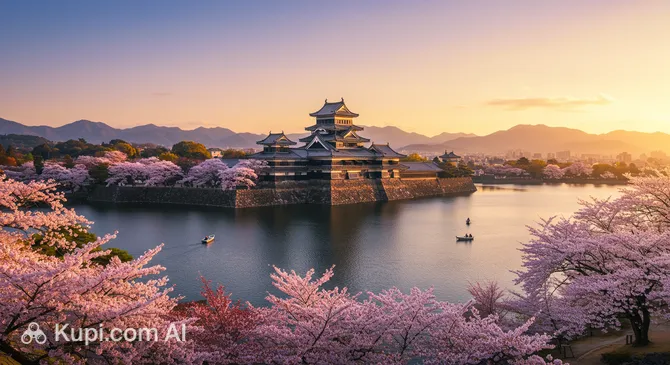
Hikone. Illustration.
Source: Kupi.com AI

The atmosphere of Hikone captivates with its slow pace and hospitality. There is no hustle and bustle of megacities here, but rather cozy streets, ancient houses with tiled roofs, and latticed doors that seem to have stepped off the pages of historical novels. Hikone is a wonderful blend of past and present: traditions of the Edo period are carefully preserved here, while modern infrastructure makes the city comfortable for guests from all over the world. Strolling through the old quarters gives the feeling of traveling back in time, and on clear days, the waterfront offers stunning views of the water's surface.

The main gem of the city, attracting tourists, is the magnificent Hikone Castle, one of the few original castles in the country preserved to this day. Its elegant architecture and rich history make it a must-visit destination. In addition to the castle, Hikone is famous for its picturesque gardens, such as Genkyu-en, traditional festivals, and cozy cafes where you can taste local delicacies. Visiting Hikone is an opportunity to touch living Japanese history and feel the special charm of an ancient city on the lakeshore.

You can find more interesting facts on the history of Hikone page.
Weather Overview

The weather in Hikone is characterized by clearly defined seasons. In summer, especially in July and August, expect warm weather with average temperatures of 25-27°C and occasional rain, with July being the wettest month (10 mm of precipitation, 22 rainy days). Winters in Hikone are cold, with average January temperatures around 3.3°C and minimums that can approach 0.5°C. Winter precipitation is not heavy (about 3 mm per month), but the number of days with it remains significant (up to 18 days in January and December). Spring (March-May) and autumn (September-November) offer more moderate and comfortable conditions for visiting. To better plan your trip, we recommend studying more about the climate of Hikone.

Average monthly temperature

Average monthly precipitation

Interesting Facts

In addition to its famous landmarks, Hikone hides many amazing stories and details that make it truly special. Ready to learn a few of them?

Hikone Castle. Illustration.
Source: Kupi.com AI

Traveler photos:

  • The famous Hikone Castle is not just a beautiful fortress. It is one of only four castles in Japan preserved in its original form since the time of the feudal lords. Its main tower, built in the early 17th century, still preserves the atmosphere of samurai intrigue and secret negotiations.

  • Strolling through Genkyuen Garden, laid out back in 1677, you feel as if you've been transported to the past. Interestingly, during its creation, the masters were inspired by the exquisite palace gardens of the Chinese Tang Dynasty, which was quite unusual for that time.

  • The city of Hikone is the historical home of the powerful Ii clan, one of Japan's most influential samurai families. The head of this clan held the high position of chief vassal to the Shogun, and Hikone itself was an important military and political center of the country for centuries.

  • The official symbol and a true celebrity of Hikone is a charming samurai cat named Hikonyan. This cute character in a samurai helmet not only greets guests at all city festivals but has also become a popular brand, bringing fame to the city far beyond its borders.

How to Get There

When planning a trip to the shores of Lake Biwa, it is important to think about logistics in advance. Hikone does not have its own airport, so travelers usually fly into the major air hubs of neighboring regions and then transfer to land transport. You can find out more about how to get to Hikone by studying all available routes and transport combinations.

The nearest major air hub is Chubu Centrair International Airport (NGO), located in the city of Nagoya. It is approximately 68 km from Hikone. This is a convenient option for those who want to minimize travel time by land: a taxi or bus ride will take about 2 hours. The airport serves many international flights and is considered one of the most comfortable in the country.

Another popular option, especially for long-haul tourists, is Kansai International Airport (KIX) in Osaka. Although it is located further away, about 132 km from Hikone (travel time by car will be about 3.5 hours), most transcontinental flights arrive here. Also, for domestic flights, Itami Airport (ITM) is often used, also located in Osaka, about 92 km from the destination city.

For clarity, here is a summary of the main airports:

AirportPassenger trafficDistance
Nagoya Airport735 00061 km
Chubu Centrair International Airport12.3 mln68 km
Itami Airport14.8 mln93 km
Kobe Airport3.6 mln118 km
Komatsu Airport1.8 mln125 km

Railway connection is perhaps the most convenient way to reach the city. The main gateway to the city is Hikone Station, located on the JR Biwako Line. It is easy to reach by express trains from Kyoto (about 50 minutes) or Osaka. If you are traveling by Shinkansen high-speed train, you will need to get to Maibara Station in the neighboring city of Maibara. It is only one stop away (about 5–10 minutes by local train) from Hikone Station, making the city easily accessible even from Tokyo.

Main Attractions

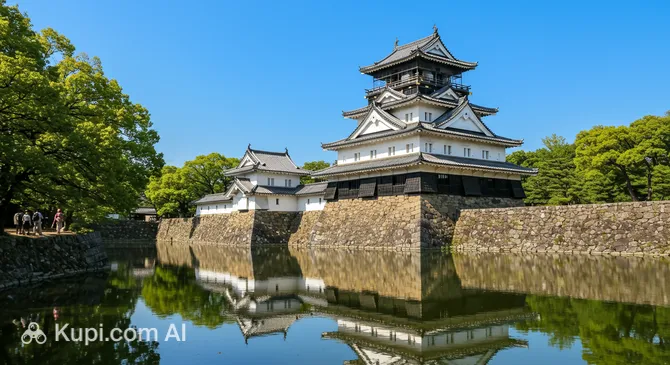
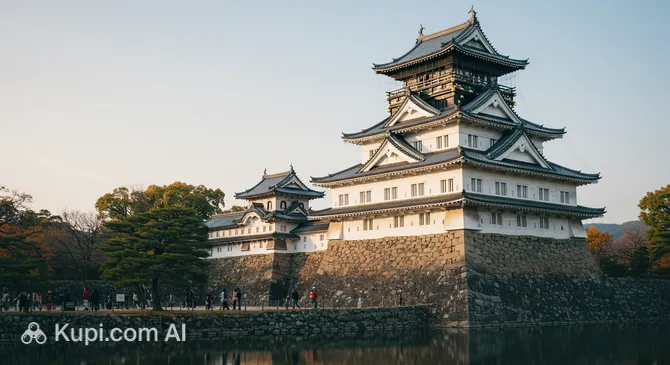
Hikone, a charming city in Shiga Prefecture, offers travelers a unique immersion into Japan's history and culture. The city's main gem is undoubtedly the majestic Hikone Castle—one of the few original castles in the country preserved to this day and designated as a National Treasure. Its multi-storied main tower, powerful walls, and picturesque moats transport visitors back to the era of the samurai. Climbing to the top, you will be rewarded with panoramic views of the city and Lake Biwa. The castle is especially beautiful in spring during the cherry blossom season.

Hikone Castle. Illustration.
Source: Kupi.com AI

Traveler photos:

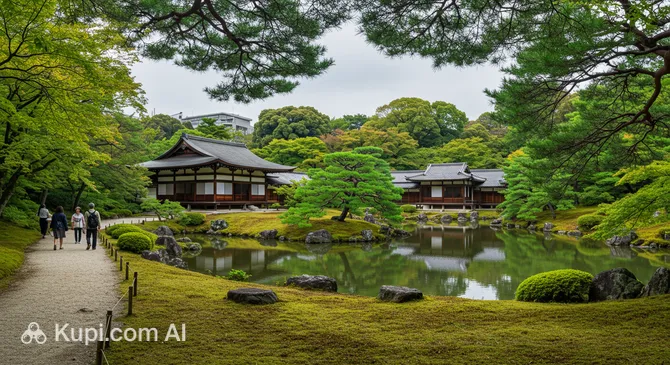
At the foot of the castle lies Genkyuen Garden, modeled after Chinese imperial gardens. This place is ideal for leisurely walks along winding paths, past ponds filled with koi carp, picturesque bridges, and traditional tea houses. The garden offers a peaceful atmosphere and magnificent views of the castle reflecting in the water. A visit to Genkyuen Garden is an opportunity to enjoy the refined beauty of Japanese landscape art.

Genkyu-en Garden. Illustration.
Source: Kupi.com AI

Traveler photos:

To gain a deeper understanding of the region's history and the ruling Ii clan, it is worth visiting the Hikone Castle Museum. Located near the castle itself, the museum houses a rich collection of artifacts, including samurai armor, weapons, artworks, historical documents, and everyday items belonging to the feudal lords. The museum's exhibition complements the experience of visiting the castle, telling the story of its famous owners and their role in Japanese history.

Hikone Castle Museum. Illustration.
Source: Kupi.com AI

Traveler photos:

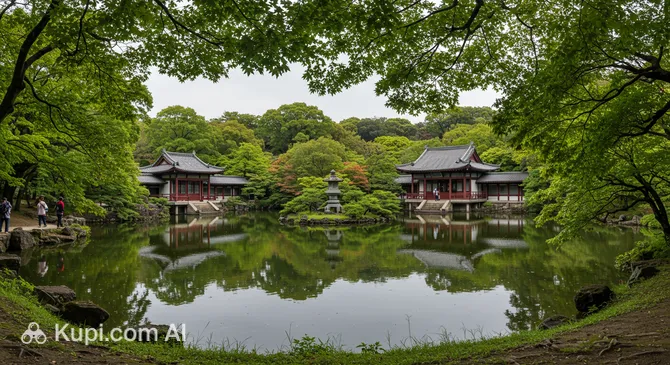
Another pleasant place for relaxation and walks is Shosakai Park. This park offers beautiful landscapes and is a popular spot among locals for outdoor recreation. It can be an excellent addition to your Hikone itinerary, especially if you are looking for a quiet place to take a break.

Local Cuisine

The gastronomy of Hikone is closely tied to the rich waters of Lake Biwa and offers travelers unique taste experiences. The city is proud of its culinary history, where traditional dishes passed down through generations hold a special place.

The main gastronomic gem of Hikone is considered to be funa-zushi—one of the oldest types of sushi in Japan. This dish is prepared from crucian carp caught in Lake Biwa, which undergoes a long process of fermentation with rice and salt. The taste of funa-zushi is quite specific and may seem unusual, but true connoisseurs consider it a real delicacy and a symbol of local cuisine. In addition, it is definitely worth trying dishes made from other freshwater fish, such as eel, pike, and perch. The local udon noodles, prepared according to special Shiga region recipes, are also popular.

The food culture in Hikone is diverse. Locals and tourists can enjoy exquisite dishes in numerous restaurants specializing in lake delicacies. Street food also deserves attention: at markets and during festivals, you can try grilled fish on skewers, rice cakes with various fillings, and seasonal vegetables grown on the shores of the lake. Grilled dishes and various sweets made from rice and beans are particularly popular. Regarding drinks, pay attention to local sake varieties and traditional Japanese tea.

Gastronomic festivals are regularly held in Hikone, where local farmers and chefs demonstrate their skills. This is a wonderful opportunity not only to try the most delicious food but also to learn the secrets of preparing traditional dishes and to chat with city residents in an informal, festive atmosphere. The Hikone gastronomic scene offers an authentic experience that every gourmet will remember.

Travel Tips

Planning a trip to charming Hikone? To ensure your journey goes smoothly and leaves only pleasant impressions, we have prepared some practical tips. They will help you better navigate this historical city on the shores of Lake Biwa and enjoy its unique atmosphere.

  1. Clothing and Essentials:

    The climate in Hikone is temperate, with four distinct seasons. In summer (June-August), it can be hot and humid, so choose light, breathable clothing. In winter (December-February), it is cool and snowfall is possible—you will need warm clothes, including a jacket, hat, and gloves. In spring and autumn, the weather is changeable, so layering is the best solution. Make sure to bring comfortable shoes, as you will be doing a lot of walking, especially when exploring Hikone Castle and its surroundings. Don't forget an adapter for electrical appliances (Japan uses type A sockets, 100V voltage). When visiting temples and some historical buildings, you may be required to remove your shoes and follow a dress code (shoulders and knees covered).

  2. Transport in Hikone:

    Getting around Hikone is quite convenient. The main transport hub is JR Hikone station, where trains from major cities arrive. Local buses run within the city. To explore the central part, including the castle, many tourists prefer walking. Taxis are available but more expensive. Renting a car can be useful if you plan to explore the surroundings of Lake Biwa, but it is not always necessary for the city itself, and parking can be challenging. Note that an international driving permit is required to rent a car.

  3. Financial Matters:

    The national currency is the Japanese Yen (JPY). You can exchange currency at airports, banks, or specialized exchange offices. Credit and debit cards (Visa, Mastercard) are accepted in most hotels, large shops, and restaurants. However, in small establishments, souvenir shops, and markets, cash is often preferred, so always have some on hand. ATMs that accept international cards can be found in post offices (Japan Post Bank) and 7-Eleven convenience stores (Seven Bank ATMs). Tipping in Japan is not practiced and may be taken as a misunderstanding or even an insult.

  4. Health and Safety:

    Hikone, like Japan as a whole, is considered a very safe city. Follow standard precautions: watch your belongings in crowded places. Pharmacies (marked with \"薬\" or \"kusuri\") are available in the city, but not all are open 24/7, and the selection may differ from what you are used to. It is recommended to carry a basic first aid kit. Be sure to get travel medical insurance before your trip. In emergencies, you can seek help at your hotel reception or call an ambulance (dial 119).

  5. Language and Connectivity:

    The official language is Japanese. English is common in tourist areas (e.g., at the information center near Hikone Castle, in major hotels), but overall, the level of proficiency among the local population may be low. Learning a few basic Japanese phrases like \"konnichiwa\" (hello), \"arigato\" (thank you), and \"sumimasen\" (excuse me/sorry) will be very helpful and appreciated by locals. For convenience, you can purchase a travel SIM card or rent a pocket Wi-Fi router upon arrival at the airport or online in advance. Free Wi-Fi is available in many hotels and some public places. Translator apps and navigation programs like Google Maps will be useful.

  6. Local Etiquette and Traditions:

    Japanese people highly value politeness and respect for traditions. A greeting is usually accompanied by a slight bow. In public places, especially on transport, try to be quiet and avoid loud phone conversations. Remove your shoes before entering homes, some temples, traditional restaurants, and ryokans (Japanese-style inns). When using chopsticks, do not stick them vertically into rice—this is associated with funeral rituals. It is not common to eat while walking on the street unless it is in designated areas (e.g., at food festivals).

  7. What to Avoid:

    In addition to the aforementioned lack of tipping, try not to point at people or objects—it is considered impolite; use an open palm instead. Avoid loud talking and laughter in public places, especially in temples and gardens where silence and peace are valued. Do not litter—cleanliness in the streets is a point of pride for the Japanese; always look for bins or carry your trash with you back to the hotel.

  8. Special Tip for Hikone:

    Be sure to visit Hikone Castle—it is one of the few original castles in Japan preserved to this day, and it is a national treasure. Try to catch an appearance by Hikonyan—the charming samurai cat and city mascot, who often appears on the castle grounds. Also, Hikone is located on the shores of Lake Biwa, Japan's largest freshwater lake. Consider a boat trip on the lake or visiting nearby islands. And, of course, don't miss the chance to try local cuisine, such as the famous Omi beef.

We hope these tips make your stay in Hikone as comfortable and fulfilling as possible. This city, with its rich history, magnificent castle, and picturesque views of Lake Biwa, is sure to capture your heart. Have a great trip!

Entertainment & Nightlife

Hikone, known for its majestic castle and historical atmosphere, offers peaceful and authentic options for evening leisure, although it cannot boast of boisterous nightlife districts like Japan's megacities. The nightlife here is more focused on cozy establishments where you can enjoy local cuisine and drinks in a relaxed setting.

Most evening activity is concentrated in the area around Hikone Station and the adjacent shopping streets. Here you will find traditional Japanese pubs—izakaya—serving a variety of snacks and sake, as well as small bars and restaurants open until late in the evening. The atmosphere in such places is usually friendly and welcoming, with a predominantly local crowd. Some establishments may offer karaoke—a popular pastime in Japan. There are few clubs in the Western sense; the emphasis is shifted towards more intimate forms of relaxation.

Most establishments are open until 22:00-23:00, while some bars may stay open until midnight or slightly later, especially on weekends. The dress code is generally casual. As for prices, a dinner with drinks in an izakaya will cost a moderate amount, but it is always better to check prices in advance. It is recommended to carry cash, as not all small establishments accept cards. You can get around the city at night by taxi, which are usually available at the station or can be called by phone. The central areas of Hikone are considered safe for evening strolls.

While the nightlife in Hikone is not its main attraction, the city offers many interesting daytime activities. The main magnet for tourists is certainly Hikone Castle, one of the few original castles in Japan preserved to this day. Nearby is the Hikone Castle Museum, where you can learn more about the region's history. For peaceful walks, the traditional Japanese Genkyuen Garden is ideal, especially beautiful during cherry blossom season or autumn foliage. You can also visit Shosakai Park for outdoor relaxation.

Hikone Castle. Illustration.
Source: Kupi.com AI

Traveler photos:

Thus, Hikone offers a more cultural and tranquil type of vacation, where the evening can be pleasantly spent in a traditional Japanese setting, and the day can be dedicated to exploring the rich historical heritage.

Parks & Museums

Hikone offers its guests a harmonious combination of peaceful green zones and a rich cultural heritage reflected in its historical landmarks and museums. This city, located in Shiga Prefecture, carefully preserves its history, inviting travelers to explore its treasures concentrated around the famous castle complex and adjacent areas.

Among the city's green gems, Genkyuen Garden particularly stands out. Created in the 17th century after the model of the Chinese "Eight Views of Xiaoxiang," it represents a masterpiece of Edo-period landscape art. Its central pond with islands connected by elegant bridges and the authentic Hosodai tea house invite slow contemplation and immersion in the atmosphere of feudal Japan. The garden is especially beautiful during the plum and cherry blossom seasons, as well as in autumn when the maples turn crimson. It is an ideal place for those seeking tranquility and aesthetic pleasure.

Genkyu-en Garden. Illustration.
Source: Kupi.com AI

Traveler photos:

For more casual outdoor relaxation, Shosakai Park is a great choice. This well-maintained green space with shaded alleys is a favorite spot for strolls among locals and offers a pleasant break from the city bustle, allowing you to simply relax in the fresh air.

Shosakai Park. Illustration.
Source: Kupi.com AI

Traveler photos:

To gain a deeper understanding of the history of the powerful Ii clan, who ruled Hikone for centuries, visit the Hikone Castle Museum. Located within the castle complex, it offers more than just a look at samurai armor and weapons; it allows you to immerse yourself in the administrative system, culture, and lifestyle of the samurai class. Of particular interest are the reconstructed interiors of the daimyo's residence and the rich collection of artworks related to the Ii clan.

Hikone Castle Museum. Illustration.
Source: Kupi.com AI

Traveler photos:

The heart of Hikone's historical and cultural heritage is undoubtedly the majestic Hikone Castle. As one of Japan's twelve original castles that are perfectly preserved to this day, it is a main open-air exhibit in itself. A visit here is not just an inspection of ancient walls and towers listed as National Treasures, but a true immersion into the Shogunate era. A walk through its extensive grounds, including inner courtyards and defensive structures, allows you to feel the scale and strategic importance of this feudal stronghold.

Hikone Castle. Illustration.
Source: Kupi.com AI

Traveler photos:

In addition to these iconic sites, don't miss the chance to stroll along the ancient streets of the Yume Kyobashi Castle Road district. Here, the atmosphere of an Edo-period merchant quarter has been recreated, with its traditional shops, craft stalls, and cozy restaurants offering local delicacies. This is a wonderful way to feel the spirit of old Hikone and find unique souvenirs.

Getting Around

Getting around Hikone is quite convenient thanks to a well-developed public transport system aimed at both locals and tourists. The core of the transport network consists of trains and buses that connect key areas of the city and its surroundings.

The main transport hub is Hikone Station, served by JR lines (such as the JR Biwako Line) as well as the private railway company Ohmi Railway. Trains are convenient for traveling between more distant areas and to neighboring towns. The bus network, primarily represented by the Ohmi Railway Bus company, covers most of the city, including routes to popular attractions like Hikone Castle. There are also special tourist buses, such as a loop route that circulates through major tourist points.

For fare payment, the most convenient method is using rechargeable IC smart cards, such as ICOCA (common in the Kansai region) or other compatible cards (e.g., Suica, Pasmo). These cards can be used on trains and most buses by simply tapping them against the reader at the entrance and exit. You can also purchase single tickets from machines at railway stations or directly from the bus driver (it's advisable to have small change, as drivers may not always have change for large bills). The cost of a single bus or train trip within the city usually starts from 150-250 yen, depending on the distance. For tourists planning to travel a lot, a day bus pass might be beneficial (if offered by local companies); its cost is usually around 500-800 yen, which should be confirmed on-site or at transport company information stands.

Train tickets are purchased at stations from machines or ticket offices. On buses, payment is made upon entry or exit, depending on the specific route's system; follow the instructions or the example of other passengers. Schedules can be found at stops and stations, as well as on transport company websites. For convenient route planning and checking up-to-date schedules, we recommend using popular Japanese transport apps such as Jorudan or Navitime, as well as international mapping services (e.g., Google Maps), which often provide information about public transport in Hikone. Keep in mind that intervals may increase in the evenings and on weekends. Public transport usually operates from early morning until around midnight, but specific hours should be checked in advance.

In addition to public transport, other ways of getting around are available in Hikone. Taxis can be found at the railway station and in other busy places, although this is a more expensive option. A very popular and convenient way to explore the city, especially its historical center and the Lake Biwa waterfront, is bicycle rental. Rental points are often located near the station. Many central attractions are within walking distance of each other, making walking a pleasant option for exploring Hikone.

Accommodation

In Hikone, travelers will find a variety of accommodation options to suit different preferences and budgets. The city offers traditional Japanese inns (ryokans) as well as modern hotels, along with more budget-friendly guesthouses and hostels. Some tourists prefer staying in apartments available for short-term rent, which is especially convenient for families or longer stays.

The most popular and convenient areas for tourists to stay are those located near major attractions, such as Hikone Castle and Genkyuen Garden, as well as in the vicinity of JR Hikone Station. This provides easy access to both the city's iconic landmarks and the transport infrastructure for further travel around the region.

While Hikone offers both mid-range hotels and more exclusive options, including ryokans with traditional service, specific hotel examples from the provided list of attractions are absent. Nevertheless, the choice of accommodation is quite wide. The price range varies from budget options to higher-end offers. It is recommended to book accommodation in advance, especially if your trip coincides with the peak tourist season, such as during cherry blossom or autumn foliage. For searching and booking, it is convenient to use popular online platforms or contact the chosen hotel or ryokan directly.

Nearby Cities

For those who wish to explore the surrounding area, Hikone serves as an excellent starting point for day trips to several interesting nearby locations:

Nagahama, located just 12 km from Hikone on the shores of Lake Biwa, is known for its castle, the charming Kurokabe Square district with glass shops and craft stalls, and the annual Hikiyama Festival. A trip here offers a blend of historical discovery and an introduction to local crafts.

Higashiomi (approximately 19 km) offers travelers a chance to enjoy beautiful nature, visit ancient temples such as Eigen-ji, which is especially stunning in autumn, and learn about the region's traditional crafts. This city is perfect for those seeking peace and authenticity.

CityPopulationDistance
Maibara37 3745 km
Nagahama113 74012 km
Aisho20 91312 km
Hikone115 44112 km
Higashiomi112 45919 km

These nearby destinations provide an insight into the region's diverse culture and landscapes.

Shopping & Souvenirs

Hikone, a charming city with a rich history, offers tourists not only a chance to see Hikone Castle but also pleasant shopping opportunities. Although Hikone is not a major metropolis with countless shopping centers, you can find unique souvenirs, local delicacies, and everyday goods here. The city is especially famous for products related to its historical heritage and its popular mascot, Hikonyan.

The main place to find souvenirs and traditional goods is Yumekyobashi Castle Road, located at the foot of Hikone Castle. This picturesque street recreates the atmosphere of old Japan, and here you will find many small shops offering local handicrafts, sweets, and, of course, all kinds of goods featuring Hikonyan. Basic necessity stores and some specialized shops can also be found in the area around Hikone Station.

Hikone Castle. Illustration.
Source: Kupi.com AI

Traveler photos:

For more modern shopping, you can visit the Viva City Hikone shopping mall. It is a fairly large complex with various clothing stores, household goods, electronics, as well as a supermarket and a food court. It's a good place if you are looking for something specific or just want to spend time shopping in a familiar mall setting.

While Hikone may not have large and well-known markets like big cities, you can sometimes come across small local fairs or weekend markets where farmers sell fresh produce and artisans sell their wares. It's worth looking for announcements or asking at the tourist information center about such events during your visit.

As a souvenir from Hikone, it's definitely worth bringing back something featuring Hikonyan—the charming samurai cat and city mascot. This could be keychains, plush toys, stationery, sweets, and much more. Local ceramic products are also popular (the Shiga region, where Hikone is located, is famous for Shigaraki ware), along with textiles and traditional Japanese sweets. Don't forget to check out the souvenir shop at the Hikone Castle Museum, which often has a good selection of themed gifts.

Most shops in Hikone are open from about 10:00-11:00 to 19:00-20:00. Small private shops may have their own, more flexible schedules. Large shopping malls generally stay open later. Regarding payment, most shops and restaurants accept credit cards. However, cash (Japanese Yen) is still very important, especially in small shops, at markets, and when buying tickets to some attractions. It is recommended to always have some cash with you.

For foreign tourists in Japan, a Tax-Free system is available. If you make purchases over 5,000 yen (excluding tax) at shops participating in this program (look for the "Tax-Free Shop" sign), you can apply for a consumption tax refund. You will need to present your passport for this. Usually, the procedure takes place right in the shop at a special counter.

Reached the end of the page?

That means the route is fully explored