Support

Koencho

About

Hikone is a charming city where time seems to slow down, inviting travelers to immerse themselves in the atmosphere of old Japan. It is nestled on the eastern shore of the majestic Lake Biwa, the largest in the country, right in the heart of Honshu. Here, picturesque landscapes where the water's surface meets green hills create a unique sense of peace and harmony.

With a population of about 115,000, Hikone is not just a popular tourist destination but also an important administrative and cultural center of Shiga Prefecture. The city is notable for how it manages to combine a rich historical heritage with modernity: ancient castles and temples harmoniously coexist with cozy cafes and shops, offering guests a unique experience.

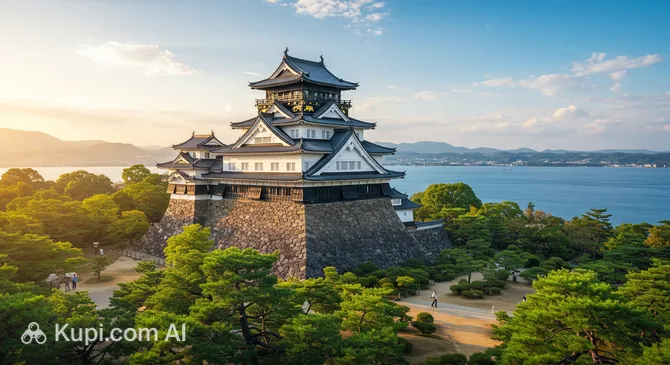
Hikone. Illustration.
Source: Kupi.com AI

The crown jewel of Hikone is undoubtedly the magnificent Hikone Castle—one of the few in Japan preserved in its original form since the feudal era. A stroll through its grounds and the city's ancient streets feels like stepping back into the age of the samurai. Beyond the castle, the city attracts visitors with the opportunity for leisurely walks along the Lake Biwa embankment and an introduction to authentic Japanese culture.

If you are looking for a place to feel the spirit of real Japan, enjoy natural beauty, and touch history, Hikone will be an excellent choice for you. This city leaves a warm feeling of serenity in the heart and a desire to return again.

You can find more interesting facts on the history of Hikone page.

Weather Overview

The weather in Hikone is characterized by distinct seasons. You can expect warm and humid summers, with average temperatures in July and August around 25-25.6°C, and the number of rainy days can reach 20 per month. Winters in Hikone are cold, with an average January temperature of about 1.5°C and minimum temperatures dropping to -1.5°C. Although total winter precipitation is not high (about 3 mm per month), days with precipitation are quite frequent; for example, there are about 19 in December. Spring and autumn offer milder and more comfortable conditions for visiting. For more detailed information on weather conditions in Hikone by month, you can visit the Hikone Climate page.

Average monthly temperature

Average monthly precipitation

Interesting Facts

The city of Hikone, famous for its majestic castle, holds much more than meets the eye. Here are a few curious facts that reveal its unique character and rich history:

  • One of the twelve originals: Hikone Castle is not just a historical monument, but a true symbol of the Edo period. Its construction began in 1603 and lasted nearly two decades. Surprisingly, the castle's main tower (tenshukaku) has survived to this day without significant reconstruction and is included in the prestigious list of twelve original Japanese castle towers that have survived since feudal times.

  • A water trade route: Thanks to its strategic location on the shores of Lake Biwa, Japan's largest freshwater lake, Hikone flourished as an important center for shipping and trade. Vital trade routes connecting Kyoto and Edo (modern-day Tokyo) passed through the city, contributing to its economic development.

  • A garden with Chinese inspiration: Genkyu-en, the castle garden laid out in 1677, is a beautiful example of landscape art. Its design was inspired by the famous Chinese imperial gardens of the Tang Dynasty. Originally intended for the entertainment of the daimyo (feudal ruler) and his guests, today it is a popular spot for viewing seasonal flowers, especially cherry blossoms in spring and maples in autumn.

  • The adorable samurai cat: Hikone has one of the most recognizable and beloved mascots (yuru-kyara) in Japan—a samurai cat named Hikonyan. This cute character wearing a kabuto samurai helmet was created in 2007 for the 400th anniversary of Hikone Castle. Hikonyan quickly gained popularity nationwide and became a true symbol of the city, attracting tourists and participating in various events.

How to Get There

You can reach Hikone in various ways, combining air and land transport. Thanks to Japan's extensive railway network, traveling to this historic city will be comfortable, even if you are arriving from afar. You can find more details on how to get to Hikone by exploring all available routes, and below we look at the main ones.

Hikone itself does not have its own airport, so travelers usually fly into the air hubs of neighboring large cities. One of the most convenient options is Chubu Centrair International Airport (NGO). It is located in Nagoya, about 76 km from Hikone. A trip by car or taxi from there will take approximately 2 hours and 15 minutes.

Another popular choice for international flights is Kansai International Airport (KIX), located in Osaka at a distance of about 141 km. Transfer by road will take about 3 hours and 50 minutes. For domestic flights, Itami Airport (ITM) is often used, also located in Osaka (about 100 km from Hikone); travel time by taxi is approximately 2 hours and 50 minutes.

For clarity, here is summary information on the main airports:

AirportPassenger trafficDistance
Nagoya Airport735 00062 km
Chubu Centrair International Airport12.3 mln76 km
Itami Airport14.8 mln100 km
Komatsu Airport1.8 mln113 km
Kobe Airport3.6 mln125 km

Railway communication is the most popular and efficient way to reach the city. In the center is Hikone Station, served by JR Biwako Line trains. However, if you are traveling by Shinkansen bullet train from Tokyo or Osaka, you need to go to Maibara Station. It is located in the neighboring city of Maibara but is just one stop (about a 5-minute ride) by local train from Hikone Station, making it the main gateway to the region for tourists.

Main Attractions

The city of Hikone, snugly located on the shores of picturesque Lake Biwa, attracts travelers with its rich history and perfectly preserved cultural treasures. Everyone will find something here: from majestic castles to unique museums and charming natural spots that allow you to immerse yourself in the atmosphere of feudal Japan.

The undisputed pearl of Hikone is Hikone Castle. This magnificent castle is one of Japan's twelve original castles that have retained their primary appearance since the early 17th century. Climbing to its main tower, you will be rewarded with a breathtaking panoramic view of the city, the serene Lake Biwa, and the surrounding mountains. Hikone Castle is rightfully recognized as a National Treasure and is a must-visit for everyone interested in Japanese history and architecture.

At the foot of Hikone Castle lies the beautiful Genkyu-en Garden. This traditional Japanese landscape garden, created in the 17th century, draws inspiration from classic Chinese gardens. Walking along its winding paths, you will discover picturesque ponds with islands, elegant bridges, and a traditional tea house where you can relax and enjoy the peaceful atmosphere. The garden is especially beautiful in spring during the cherry blossom season and in autumn when the maples dress in crimson.

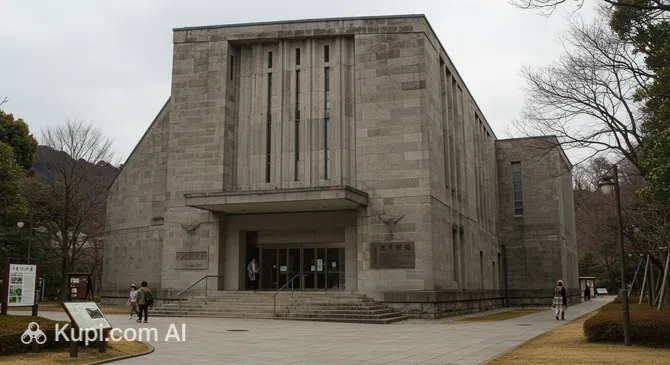
Fans of unusual exhibits should visit the Kitami Mint Memorial Museum. This unique museum is dedicated to the history of mint cultivation and processing in the region, which was once an important industry. Visitors can learn about different varieties of mint, the process of peppermint oil production, and the products made from it. It is an interesting place to get acquainted with a lesser-known side of Japanese agriculture and industry.

Kitami Mint Memorial Museum. Illustration.
Source: Kupi.com AI

Traveler photos:

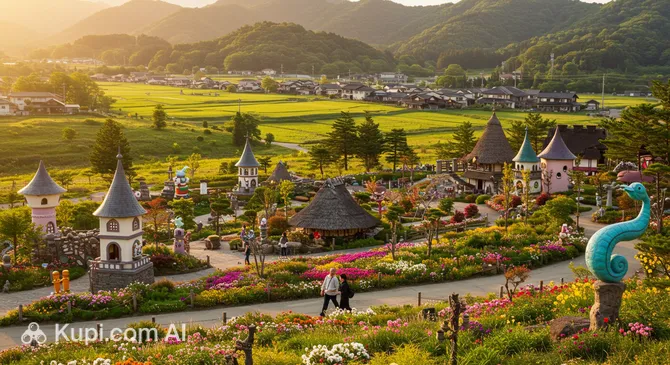
For those seeking picturesque landscapes and tranquility, Fairytale Hill (Meruhen-no-oka) is a wonderful choice. This is a hilly area with rolling fields that is particularly beautiful at different times of the year, offering photogenic views reminiscent of fairytale illustrations. A walk here allows you to enjoy nature and fresh air while taking wonderful photos to remember your trip to Hikone.

Fairy Tale Hill (Meruhen-no-oka). Illustration.
Source: Kupi.com AI

Traveler photos:

Local Cuisine

The gastronomy of Hikone is a true immersion into the region's culinary traditions, which are closely linked to the rich bounty of Lake Biwa. The city's main culinary pride is funa-zushi—a unique type of fermented sushi made from carp caught in the lake. This dish, with its centuries-old history, has a bright, intense flavor and aroma, being one of the oldest in Japanese cuisine, and it can be tasted primarily here.

In addition to funa-zushi, fish lovers will appreciate dishes made from other freshwater inhabitants of Lake Biwa, such as eel, pike-perch, and catfish. Local establishments often serve aromatic udon with fish broth, as well as seasonal delicacies prepared from the freshest vegetables grown on nearby farms. Hikone's food scene emphasizes freshness and local products, giving dishes a special, authentic taste.

Among drinks, various refreshing options based on green tea, which is an integral part of Japanese culture, are popular. It's also worth paying attention to the local sake, which can be a wonderful addition to traditional dishes. You can find both classic varieties and unique local brands of this alcoholic beverage in the city.

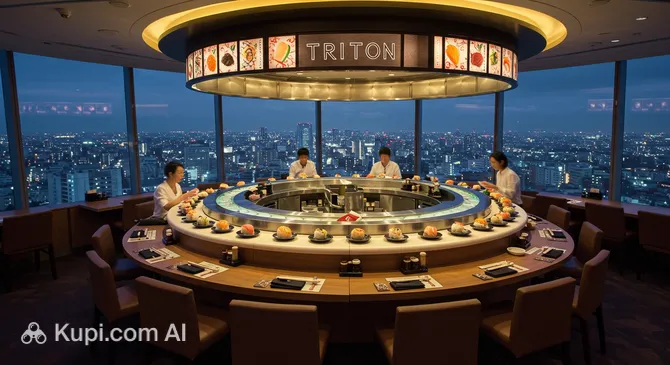
The dining culture in Hikone is diverse. Locals and tourists can enjoy exquisite dishes in cozy restaurants specializing in traditional cuisine. For example, you can stop by the Toriton restaurant to explore local culinary offerings. Additionally, at street markets and during numerous festivals, an abundance of snacks awaits you: from grilled fish on skewers to sweet rice flour cakes. Food festivals are a great opportunity to try everything at once and experience the spirit of local cooking.

Toriton. Illustration.
Source: Kupi.com AI

Traveler photos:

A visit to Hikone is not just about sightseeing but also an exciting gastronomic journey. Every dinner here is capable of turning into a discovery of the taste traditions of ancient Japan, where food is an important part of a cultural heritage carefully passed down from generation to generation.

Travel Tips

Welcome to Hikone! To make your journey to this charming city with its famous castle and picturesque Lake Biwa as comfortable and memorable as possible, we have prepared some practical tips. We hope they help you better plan your trip and enjoy every moment.

  1. Clothing and Essentials:

    The climate in Hikone is temperate with four distinct seasons. Summer (June-August) is hot and humid, so choose light, breathable clothing. Winter (December-February) can be cold, with possible snow—warm items including a jacket, hat, and gloves will be useful. Spring and autumn are the most comfortable seasons with mild weather. Be sure to bring comfortable walking shoes, as you will be doing a lot of walking, especially exploring the grounds of Hikone Castle. Don't forget an adapter for electrical appliances (Japan uses Type A sockets, voltage 100V). When visiting temples and shrines, choose modest clothing that covers shoulders and knees; in some places, you may be required to remove your shoes.

  2. Getting Around the City:

    Hikone is a fairly compact city that is convenient to explore on foot or by bicycle, especially the central part around the castle and Lake Biwa. Bicycles can often be rented near the JR Hikone railway station. Public transport is represented by local buses. Taxis are available but can be expensive; taxi-hailing apps like JapanTaxi can be useful, although traditional taxis are more common. Renting a car to move around Hikone itself is usually not necessary but may be convenient if you plan to explore the surroundings of Shiga Prefecture. Remember that in Japan driving is on the left, and an international driver's license is required to rent a car.

  3. Finance: Currency, Cards, and Tipping:

    The local currency is the Japanese yen (JPY, ¥). It is recommended to exchange some money before arrival or at major airports. In Hikone, you can exchange currency at banks, but their operating hours may be limited. Credit cards (Visa, Mastercard) are accepted in many hotels, department stores, and large restaurants; however, small establishments and souvenir shops may prefer cash. Always have some cash with you. ATMs that accept international cards can be found at post offices (Japan Post Bank) and 7-Eleven convenience stores (Seven Bank ATMs). An approximate daily budget (excluding accommodation) might be 7,000-15,000 yen. Tipping in Japan is not practiced and may be perceived as impolite—excellent service is considered the norm.

  4. Health and Safety:

    Hikone, like most cities in Japan, is a very safe place with a low crime rate. Nevertheless, always observe standard precautions. Pharmacies (薬局 - kusuriya) are easy to find and sell over-the-counter medicines. Staff may not speak English, so it's helpful to have a translator app or write down the names of the medications you need in advance. 24-hour pharmacies are rare. If you need medical assistance, contact your hotel—they will help you find an English-speaking doctor or clinic. It is highly recommended to have travel medical insurance.

  5. Communication: Language and Internet:

    The official language is Japanese. English is common in tourist spots, hotels, and at major stations, but overall proficiency may not be high. Learn a few basic phrases: "Konnichiwa" (Hello), "Arigato gozaimasu" (Thank you), "Sumimasen" (Excuse me/Sorry). For internet access, you can purchase a tourist SIM card at the airport or electronics stores, or rent a pocket Wi-Fi router—this is a very popular and convenient option. Free Wi-Fi is available in some hotels, cafes, and public places. Useful apps: Google Maps, HyperDia (for train schedules), Google Translate.

  6. Local Etiquette and Traditions:

    When greeting, Japanese people usually bow (お辞儀 - ojigi); the depth of the bow depends on the situation. For tourists, a slight nod is often sufficient. In public places, especially on transport, try to speak quietly and avoid drawing undue attention to yourself. It is not customary to eat or drink while walking. Remove your shoes when entering homes, some temples, traditional restaurants, and ryokans (Japanese-style inns). When using chopsticks (hashi), do not stick them vertically into rice and do not pass food from chopsticks to chopsticks.

  7. Things to Avoid:

    Try not to blow your nose loudly in public—it is considered impolite. It's better to discreetly wipe your nose with a tissue or go to the restroom. Also, avoid pointing at people or objects with one finger; instead, use an open palm. Loud phone conversations in public places, especially on transport, are also discouraged.

  8. Extra Tip for Hikone:

    Be sure to visit the city's main attraction—Hikone Castle, one of the few original castles in Japan, and the adjacent Genkyu-en Garden. You can often purchase a combined ticket. Try local delicacies such as Omi beef (if your budget and diet allow) or funazushi (fermented fish, a specific dish of the Shiga region). And don't be surprised if you meet Hikonyan—the adorable samurai cat and mascot of the city. He is very popular, and souvenirs with his image can be found everywhere!

We hope these tips make your stay in Hikone even more pleasant and rewarding. We wish you an unforgettable journey through this historical corner of Japan!

Entertainment & Nightlife

Evening Hikone offers its guests a calmer and more authentic atmosphere compared to the bustling nightlife of Japan's megacities. Here, you won't find large, noisy nightclubs, but you can enjoy cozy restaurants, traditional Japanese pubs (izakaya), and small bars where you can spend a pleasant time and get to know the local culture.

Main evening activity is concentrated around JR Hikone Station and its adjacent streets. Here, you can find a variety of establishments offering both local and international cuisine. For a pleasant dinner, you might consider places like the Toriton restaurant, where you can enjoy delicious food in an inviting setting. Besides restaurants, numerous izakayas are popular—they are a great way to dive into Japanese culture and try local snacks and drinks in an informal setting.

The atmosphere in Hikone's evening establishments is generally friendly and relaxed. The crowd is mixed, including both locals and tourists. The style of the venues ranges from traditional Japanese to more modern, but in most cases, the dress code is casual. Many places start filling up in the early evening and stay open until late, though keep in mind that closing times may be earlier than in larger cities.

Practical tips: The best time to visit bars and restaurants is in the evening, starting from 6:00 PM - 7:00 PM. Prices in Hikone establishments are generally moderate. For getting around at night, it is most convenient to use taxis, which can be found at the station or called by phone. The city is generally safe for nighttime walks, especially in central areas, but it is always worth observing standard precautions.

While nightlife in Hikone has its own quieter character, the city offers many interesting activities during the day. Tourists can explore historical sights, visit museums such as the Kitami Mint Memorial Museum, or enjoy nature in picturesque spots like Fairytale Hill (Meruhen-no-oka). Thus, Hikone offers a balanced vacation, combining cultural enrichment during the day and pleasant pastimes in the evening.

Parks & Museums

Hikone, a city with a rich history, offers its guests not only majestic castle structures but also tranquil green oases and educational museums where you can delve deeper into the region's culture and heritage.

Among the city's green zones, Genkyu-en Garden is particularly noteworthy. This magnificent landscape garden, created in the 17th century at the foot of Hikone Castle, is designed in a style that mimics the famous "Eight Views of Lake Biwa and Xiao Xiang." A stroll along its winding paths, around the central pond with islands and elegant bridges, will provide a sense of serenity. There is a tea house in the garden offering a canonical view of the castle, making it an ideal place for contemplative relaxation. Another interesting place for a walk, especially if you are looking for something unusual, is Fairytale Hill (Meruhen-no-oka). This themed space can be enjoyed by both children and adults, offering a dive into a world of fantasy amidst picturesque scenery.

For those interested in history and culture, Hikone offers several notable museums. The Hikone Castle Museum, located on the castle grounds, is a key site for learning about the heritage of the Ii clan, who ruled these lands. The exhibition includes an impressive collection of samurai armor, weapons, works of art, Noh costumes, and musical instruments, giving visitors an idea of the life and daily routine of Japan's feudal lords. Another unique museum is the Kitami Mint Memorial Museum. It is dedicated to the history of mint cultivation and peppermint oil production in a region once famous for this craft. Here you can learn many interesting things about the distillation process and various uses of mint.

Of course, the main historical and architectural landmark of the city is Hikone Castle itself, one of the few original Japanese castles preserved to this day. Exploring its towers, walls, and interiors is perfectly complemented by a visit to the adjacent gardens and the museum, creating a complete impression of the city's rich past.

To get an authentic experience, take a walk along Yume Kyobashi Castle Road. This street recreates the atmosphere of an old castle town from the Edo period; here you can find many shops with local souvenirs, handicrafts, and traditional sweets. It's also worth considering participating in a tea ceremony at one of the historical tea houses, such as those in Genkyu-en Garden, to touch upon refined Japanese culture.

Getting Around

Getting around Hikone is quite convenient thanks to a developed public transport system that allows tourists to easily reach main attractions and explore the city. The main types of transport here are buses and trains, complemented by taxis and the option of bicycle rentals.

Buses are the primary means of transport within the city. Local bus routes, mostly operated by the Ohmi Railway Bus company, connect Hikone Station with various districts of the city, including Hikone Castle and other tourist spots. Fares are usually paid when exiting the bus; when entering through the back door, you need to take a ticket with a stop number (if the system requires it), and when exiting, pay the amount corresponding to your distance, as indicated on the display above the driver. You can also use prepaid IC cards.

Trains in Hikone are primarily represented by JR West lines, including the main Tokaido Line (Biwako Line). Hikone Station is an important transport hub from which you can reach major cities in the Kansai region, such as Kyoto and Osaka, as well as other settlements in Shiga Prefecture. For train travel, tickets can be purchased from machines at stations or by using IC cards.

Speaking of the payment system, the most convenient way for tourists is to use IC cards such as ICOCA (popular in the Kansai region) or other nationwide cards like Suica or Pasmo. These rechargeable cards can be used to pay for fares on buses and trains, as well as for purchases in some shops. IC cards can be purchased and topped up at machines at railway stations or at ticket offices. One-way bus or train tickets are also available, with the cost depending on the distance. A short bus ride around the city usually costs a few hundred yen.

Practical tips for tourists:

  • Purchase an IC card for convenience and to save time.
  • Bus stops usually have schedules, but they may be in Japanese. Use navigation apps to plan your routes.
  • On buses, it is customary to enter through the rear door and exit through the front, paying the driver or tapping your card on the validator.
  • Public transport usually operates from early morning until late evening, but the frequency of trips may decrease in the evening hours and on weekends.

Among alternative ways of getting around Hikone, bicycle rental is popular. The city is quite compact, and many attractions, especially around Lake Biwa and Hikone Castle, are convenient to see by bike. Rental points are often located near the railway station. Taxis are also available and can be found at ranks near the station or called by phone, but this is a more expensive option. For short distances in the city center, a walk is perfectly suitable.

Accommodation

When planning a trip to Hikone, you will find a variety of accommodation options to suit different preferences and budgets. The city offers a choice ranging from more economical options, such as guesthouses and hostels, to comfortable mid-range hotels and traditional Japanese ryokans, where you can dive deeper into the local culture.

For tourists, areas located near major attractions like Hikone Castle or close to the railway station may be especially convenient, as they facilitate movement around the city and its surroundings. Many hotels offer both Western-style rooms and rooms with tatami mats. You could also consider renting an apartment, especially if you are traveling with a family or planning a long stay.

The price range for housing in Hikone varies: you can find budget options as well as higher-category hotels with an expanded range of services. It is most convenient to book accommodation through popular online platforms, which allow you to compare prices and conditions, as well as read reviews from other travelers. Some hotels and ryokans also offer direct booking through their websites.

Booking Tip: Especially if your trip falls during the peak tourist season (for example, in spring during cherry blossom or in autumn when maple leaf viewing is popular), it is recommended to book your accommodation in advance. This will help you secure the best choice and potentially better prices.

Nearby Cities

For those looking to explore the surrounding area, Hikone serves as an excellent starting point for day trips to several interesting nearby locations:

Among them, Nagahama stands out. This city, located very close by, attracts tourists with its reconstructed castle overlooking Lake Biwa and the charming Kurokabe Square, known for its glassware and traditional architecture. Another interesting option for a trip is Omihachiman, a historic merchant town where you can enjoy a boat ride along the picturesque Hachiman-bori canals and visit ancient merchant houses.

CityPopulationDistance
Nagahama113 7401 km
Maibara37 3747 km
Hikone113 19112 km
Takashima46 24621 km
Aisho20 91324 km

These nearby destinations offer insight into the region's diverse culture and landscapes.

Shopping & Souvenirs

Hikone, being a city with a rich history and a famous castle, offers cozy and authentic shopping rather than giant shopping complexes. Here, the emphasis is shifted towards local goods, handicrafts, and souvenirs that reflect the region's culture. The city is not famous as a major center for fashion or electronics, but it will charm those looking for unique Japanese items and delicacies.

The main shopping activity in Hikone, as in many Japanese cities, is concentrated around the main railway station. Here you can find small shops offering a variety of goods—from clothing and footwear to food and daily necessities. It's also worth strolling through the traditional shopping streets known as "shotengai," where family-run shops, cafes, and stores with local products are located. One such street where you can feel the atmosphere of the old city and find interesting souvenirs is Yume Kyobashi Castle Road, leading to Hikone Castle.

In Hikone, there are no giant multi-story shopping centers typical of metropolises. However, in the railway station area or on the main streets, you can find small department stores or shopping complexes offering a standard set of goods: clothing, cosmetics, and household items. The main focus of shopping here is still shifted toward smaller, specialized shops and stalls.

While Hikone is not famous for large markets, local fairs or morning markets ("asaichi") are sometimes held in the city or its surroundings, where farmers sell fresh vegetables and fruits, and artisans sell their crafts. It is best to check information about such events locally, for example, at a tourist information center. This is a great opportunity to purchase fresh local products and unique handmade souvenirs.

From Hikone, it is worth bringing back souvenirs related to its main attraction—Hikone Castle. These can be miniature replicas of the castle, postcards, magnets, as well as goods featuring Hikonyan—the city's popular mascot. Also, pay attention to local handicrafts, such as ceramics or textiles. Popular edible souvenirs include local sweets (wagashi), Shiga Prefecture products like tea or sake, and delicacies related to Lake Biwa.

Most shops in Hikone are usually open from 10:00 AM or 11:00 AM to 7:00 PM or 8:00 PM. Small family shops may have more flexible hours and close earlier or have a day off in the middle of the week. Large stores and department stores usually operate without days off. Regarding payment, credit cards (Visa, MasterCard) are accepted in many shops, especially in tourist areas. However, in small shops and markets, it is preferable to have cash (Japanese yen) with you.

Tourists in Japan can take advantage of the tax refund system (Tax Free) when purchasing goods for a certain amount in shops that have the appropriate license. Look for the "Tax-Free Shop" or "Japan Tax-Free Shop" sign. You will need your passport to process the tax refund. Usually, the procedure takes place right in the shop when paying for the purchase.
Reached the end of the page?

That means the route is fully explored