Support

Omihachiman

About

Omihachiman is a true gem for lovers of Japanese heritage and leisurely strolls. This charming city, located in Shiga Prefecture, offers a unique opportunity to immerse yourself in the atmosphere of bygone eras, where time seems to slow down. There is no hustle and bustle of megacities here—only tranquility, history, and the fragrance of old Japanese streets.
Omihachiman. Illustration.
Source: Kupi.com AI

The city is nestled at the foot of the picturesque Mount Hachiman, on the shores of legendary Lake Biwa—the largest in Japan. Omihachiman is home to approximately 81,545 people, allowing it to maintain the cozy feel of a small town while offering everything necessary for a comfortable journey.

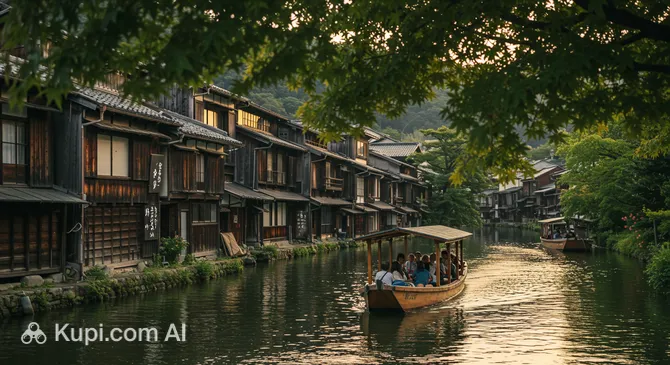
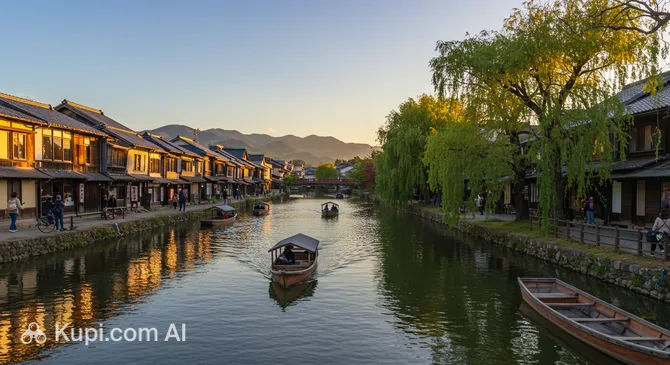
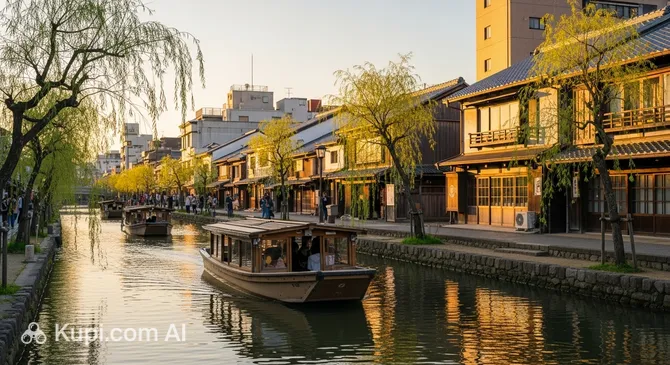
One of Omihachiman's main highlights is its unique canal system, which is why the city is often called "the little green Venice." A boat trip along these water arteries allows you to admire the perfectly preserved merchant architecture and traditional houses. Old quarters, stone-paved streets, and cozy gardens create a unique sense of traveling back in time.

Omihachiman is an ideal destination for those seeking authentic experiences away from noisy tourist trails. It will especially appeal to fans of history, architecture, picturesque nature, and Japanese traditions. Visit this city to enjoy its peaceful atmosphere and discover another wonderful side of the Land of the Rising Sun.

You can find more interesting facts on the history of Omihachiman page.
Weather Overview

The weather in Omihachiman is characterized by distinct seasonality and significant rainfall throughout the year. Summer, spanning from June to August, is warm and humid. Average temperatures during these months range from 21.7°C in June to 27.2°C in August, while maximum daytime temperatures can reach 30.6°C. Summer is also the season with the most precipitation: July sees an average of 8 mm (daily avg measurement), and the number of rainy days can reach 20 per month. In autumn, temperatures gradually decrease and rainfall diminishes, though it remains noticeable.

Winter in Omihachiman, from December to February, is cool. Average monthly temperatures vary from 3.7°C in January to 5.9°C in December. Minimum temperatures can drop to 0.5°C, especially in January. Winter precipitation is less voluminous (2-3 mm per month), but the number of days with precipitation remains fairly high, ranging from 11 to 15 days per month. Spring brings gradual warming, with average temperatures rising from 8.7°C in March to 17.6°C in May, and rainfall also increases. Overall, expect warm summers with periodic rain and cool winters with moderate precipitation in Omihachiman. More detailed information about the Omihachiman climate can be found on the corresponding page.

Average monthly temperature

Average monthly precipitation

Interesting Facts

Beyond its picturesque canals and historic streets, Omihachiman hides many curious details and stories that make it a truly unique place. Here are just a few interesting facts to help you see this city in a new light:

Hachiman-bori Canal Boat Tour. Illustration.
Source: Kupi.com AI

Traveler photos:

  • A Cradle of Entrepreneurship: Omihachiman is considered the birthplace of the famous "Omi-shonin" merchants. These traders, active during the Edo period and later, were famous throughout Japan not only for their business acumen but also for their "Sampo Yoshi" philosophy—meaning "three-way satisfaction": good for the seller, good for the buyer, and good for society. Their ethics and economic contributions left a deep mark on the city's history.

  • Cinematic Canals: The picturesque Hachiman-bori canals that thread through the old part of the city are more than just a popular spot for boat excursions along Omihachiman's water canals. Thanks to their authentic atmosphere preserved from times past, they have repeatedly served as a filming set for many Japanese historical films and period dramas (jidaigeki), transporting viewers back in time.

  • A Fiery Heritage: Omihachiman is famous for its spectacular Hachiman Matsuri festival. This fire festival, held annually, includes impressive rituals, such as lighting enormous torches on the water, creating a mystical and unforgettable atmosphere that attracts many spectators.

  • The City of William Merrell Vories: American architect and missionary William Merrell Vories spent a significant part of his life in Omihachiman in the early 20th century. He designed many Western-style buildings that still adorn the city today and founded the Omi Brotherhood company, contributing greatly to the region's modernization and charity work. His legacy is carefully preserved by the residents.

How to Get There

Omihachiman is located in the center of the Japanese archipelago, making it quite accessible for travelers. To plan your route as effectively as possible, we recommend visiting the all ways to get to the city of Omihachiman page.

There is no airport in Omihachiman itself, so most tourists arrive via major transport hubs in neighboring regions. The main air gateway for international guests is Kansai International Airport (KIX). It is located in Osaka on an artificial island, approximately 110 km from Omihachiman. This is one of Japan's most important airports with a massive passenger flow. The journey from here by car or taxi will take approximately 3 hours (about 185 minutes).

An alternative option is Chubu Centrair International Airport (NGO), located in Nagoya. It is closer—about 71 km away—and the journey by road takes about 2 hours (127 minutes). For domestic flights, Itami Airport (ITM) in Osaka is often used, which is also located about 71 km from the city.

For your convenience, here is a summary of the main airports:

AirportPassenger trafficDistance
Chubu Centrair International Airport12.3 mln71 km
Itami Airport14.8 mln71 km
Nagoya Airport735 00077 km
Kobe Airport3.6 mln96 km
Kansai International Airport30.6 mln110 km

While air travel is the fastest way to enter the country, Omihachiman itself is most conveniently reached by rail. The city is served by Omihachiman Station, which is on the main JR Tokaido Line (also known as the Biwako Line). This makes trips from Kyoto or Osaka quick and comfortable: from Kyoto Station, the journey on a rapid train takes less than 40 minutes. From the station, the historic city center and canals can be easily reached by local bus or taxi in 10-15 minutes.

Main Attractions

Omihachiman, a charming city in Shiga Prefecture, offers travelers a unique blend of historical heritage and scenic landscapes. The city is famous for its well-preserved old town and picturesque water canals, which were once the arteries of its merchant life. Among the many interesting places, there are several key attractions that should not be missed.

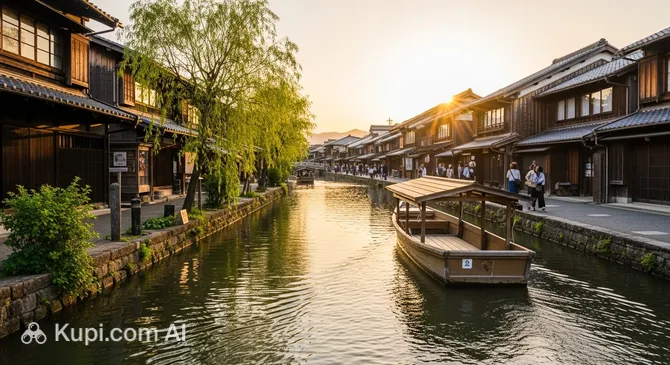
One of the most iconic activities in Omihachiman is a Boat ride along the Hachiman-bori Canal. Built in the late 16th century, this historical canal played a key role in the city's prosperity as a trading hub. Today, tours on traditional "yakatabune" boats allow tourists to enjoy the peaceful atmosphere while admiring the old merchant houses with white walls and "kura" warehouses lining the banks, as well as picturesque willows leaning over the water. This is a wonderful opportunity to immerse yourself in the city's history and take magnificent photos.

Hachiman-bori Canal Boat Tour. Illustration.
Source: Kupi.com AI

Traveler photos:

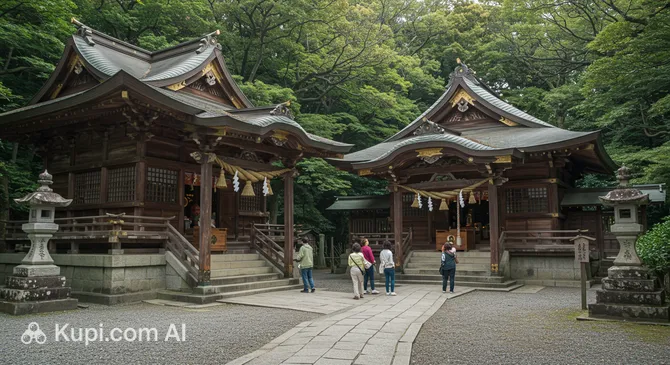
For those interested in the spiritual side of Japan, a visit to Sasaki Shrine is a must. This ancient Shinto shrine has deep historical roots connected to the powerful Sasaki clan, which once ruled Omi Province. The shrine is located in a quiet, peaceful spot surrounded by greenery, making it ideal for a calm walk and reflection. The shrine's architecture and atmosphere attract both pilgrims and tourists looking for a touch of Japanese tradition.

Sasaki Shrine. Illustration.
Source: Kupi.com AI

Traveler photos:

Another notable location to appreciate the beauty of the region's waterscapes is Suigo-no-Sato Maruyama. "Suigo" translates to "water village," and this place fully lives up to its name, offering visitors a glimpse into traditional Japanese life by the water. Here you can see picturesque canals, traditional houses, and enjoy the natural beauty characteristic of the Lake Biwa region. It is an excellent spot for leisurely walks and getting to know the unique "suigo" culture.

Suigo-no-Sato Maruyama. Illustration.
Source: Kupi.com AI

Traveler photos:

These attractions are just a small part of what Omihachiman has to offer. Each of these places is unique in its own way and allows for a deeper understanding of the rich history and culture of this amazing Japanese city.

Local Cuisine

The gastronomic scene in Omihachiman is closely linked to its location on Lake Biwa, Japan's largest freshwater lake. This means an abundance of fresh fish and unique local delicacies. The city's main culinary "calling card" is undoubtedly funazushi—a dish made from fermented carp, prepared using an ancient technique preserved only in this region. Its specific taste may seem unusual, but it is an iconic gastronomic experience worth trying.

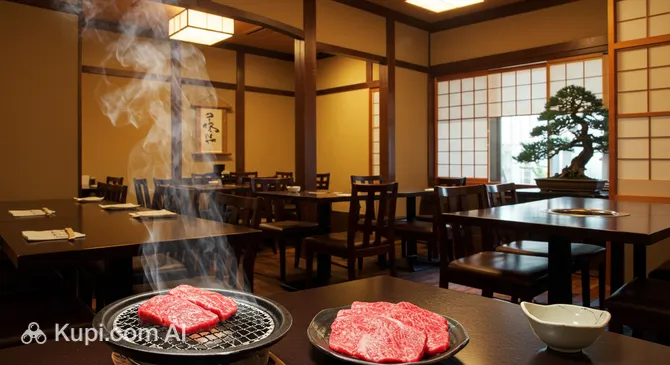
Besides funazushi, Omihachiman is known for its eel dishes, masterfully grilled with a fragrant sauce. Various lake fish are served fried, boiled, or stewed, often accompanied by seasonal vegetables. Although the city is famous for the lake's bounty, meat is also highly valued here. For example, the famous Omi beef can be sampled in specialized restaurants such as Omi Beef Kubotaya. Local sweets, or wagashi, also deserve attention—they are often made from rice flour and sweet red bean paste (anko), and are distinguished by their refined taste and aesthetic appearance.

Omi Beef Kubotaya. Illustration.
Source: Kupi.com AI

Traveler photos:

Among beverages, Japanese green tea is popular, served in traditional teahouses often accompanied by wagashi. Of course, as elsewhere in Japan, you can find various types of sake and other local alcoholic drinks. Non-alcoholic options include different types of tea and refreshing fruit-based drinks.

The food culture in Omihachiman is diverse. Locals and tourists can enjoy a meal in cozy restaurants specializing in traditional cuisine or try street food. At markets, you can find the freshest produce and local delicacies. Street fast food is represented by fried rice balls, fresh vegetables, and original Japanese sandwiches. The city is also known for its gastronomic festivals, where you can taste dishes from the best chefs and even participate in culinary workshops. Omihachiman offers an authentic culinary experience, allowing for a deeper acquaintance with Japanese traditions away from the well-trodden tourist paths.

Travel Tips

Welcome to Omihachiman! This charming city in Shiga Prefecture is rich in history and culture. To ensure your trip to Japan and specifically to Omihachiman goes smoothly and leaves only pleasant impressions, we have prepared some practical tips.

  1. Clothing and Essentials:

    The climate in Omihachiman, as in all of Japan, is clearly divided into four seasons. In summer (June-August), it is hot and humid, so choose light, breathable clothing. Spring (March-May) and autumn (September-November) offer moderate weather—layered outfits are ideal. In winter (December-February), it can be cold, so pack warm clothes. Comfortable footwear is extremely important, as you will be doing a lot of walking while exploring historical streets and canals. Don't forget an adapter for your electronics (Japan uses type A and B sockets). When visiting temples and shrines, prefer modest clothing that covers shoulders and knees.

  2. Local Transport:

    Omihachiman is a city best explored on foot, especially its famous Hachiman-bori historical canal district. Bicycle rentals are also popular. For longer trips within the city, you can use local buses. The JR Omihachiman railway station connects the city with major transport hubs like Kyoto and Osaka. Taxis are available but can be quite expensive. Renting a car can be convenient if you plan to explore the Shiga Prefecture countryside, but be aware that parking in the historical center may be limited.

  3. Finances:

    The local currency is the Japanese Yen (JPY). Credit cards are accepted in many hotels, large shops, and restaurants; however, it is strongly recommended to always carry some cash, especially for small establishments, local markets, temples, and some forms of transport. ATMs that accept international cards can be found in post offices (Japan Post Bank) and 7-Eleven stores. A rough daily budget (excluding accommodation) could be 7,000-15,000 JPY. Tipping culture does not exist in Japan; attempting to leave a tip may be seen as a misunderstanding or even impolite.

  4. Health and Safety:

    Omihachiman, and Japan in general, is a very safe place for tourists. Pharmacies (薬局 - yakkyoku) are common, but staff may not always speak English, so it's useful to have a translation app or written names of necessary medicines. For serious health issues, you may need to visit a large hospital in a nearby city. Having travel medical insurance is mandatory. Observe standard precautions: keep an eye on your belongings, especially in crowded areas.

  5. Communication:

    The official language is Japanese. English proficiency among the local population may not be high, especially outside tourist centers. However, Japanese people are very helpful and will try to assist even if they don't speak English. Learn a few basic phrases: "Konnichiwa" (Hello), "Arigato" (Thank you), "Sumimasen" (Excuse me/I'm sorry). A SIM card for mobile internet can be purchased at the airport or large electronics stores. Free Wi-Fi is available in many hotels, some cafes, and public places. Apps like Google Maps, Japan Travel by Navitime, or HyperDia can be useful for planning train routes.

  6. Local Etiquette:

    In Japan, it is customary to bow as a sign of greeting or gratitude. Remove your shoes before entering homes, some temples, traditional restaurants, and ryokans (Japanese-style inns). In public transport and other public places, try to speak quietly and avoid drawing undue attention to yourself. When paying for purchases, place your money on the special tray provided rather than handing it directly to the cashier.

  7. What to Avoid:

    Never stick your chopsticks vertically into a bowl of rice—this is associated with funeral rituals and is considered extremely bad manners. Avoid loud phone conversations on public transport. It is also not customary to eat while walking on the street, except in designated areas or during festivals.

  8. Highlight of Omihachiman:

    Be sure to set aside time for a leisurely stroll or a boat tour of the Hachiman-bori historical canals—this is the city's signature attraction. Peak into old merchant houses converted into museums and shops, and try local delicacies such as "aka konnyaku" (red konjac) or Omi beef.

We hope these tips help you better prepare for your trip and fully enjoy the unique atmosphere of Omihachiman. We wish you an unforgettable journey!

Entertainment & Nightlife

Omihachiman, with its unique old-town charm, offers its guests quiet but very pleasant evening leisure activities. While you might not find an abundance of large nightclubs here like in major metropolises, the city lends itself to cozy gatherings, enjoying exquisite local cuisine, and immersing yourself in an authentic atmosphere.

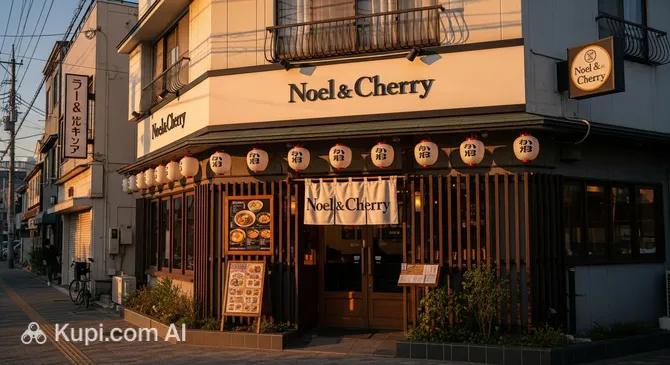
Evening life in Omihachiman is mainly centered around numerous restaurants and traditional Japanese drinking establishments called izakayas. This is a great opportunity to taste the Japan-famous Omi beef and other delicacies of the Shiga region. For example, the restaurant Omi Beef Kubotaya is famous for its excellent meat dishes and high quality of service. Another popular dinner spot is Noel & Cherry, which offers a diverse menu in a cozy setting. Most establishments stay open until late evening, allowing you to enjoy your meal without rushing.

Noel & Cherry. Illustration.
Source: Kupi.com AI

Traveler photos:

Most evening activity is concentrated in the central part of Omihachiman, especially near the railway station and along the picturesque canals where many restaurants and cafes are located. Besides restaurants, you can find small local bars in the city. The atmosphere in such places is usually very friendly and conducive to conversation, where you can meet both locals and tourists. The style of the venues varies from traditional Japanese to more modern, but usually without excessive pretense. No special dress code is typically required; casual attire is welcome.

If your goal is booming nightclubs with famous DJs and dancing until dawn, Omihachiman will likely offer you a more intimate kind of relaxation. The city is better suited for those who appreciate quiet evenings in good company, with great food and drinks. Sometimes local venues may host themed nights or small live performances, adding variety to the evening program.

When planning an evening out, keep in mind that most restaurants and bars start actively receiving guests after 7:00 PM. Prices in Omihachiman's establishments are generally moderate. Public transport runs less frequently in the evenings, so for late-night travel, it is most convenient to use a taxi or, if the distance allows, take a pleasant walk. Omihachiman, like most Japanese cities, is very safe, so evening walks along the illuminated central streets usually cause no concern. You can call a taxi via mobile apps or ask the staff at your hotel or restaurant to do it for you.

During the day, Omihachiman offers a rich cultural program. You can explore its historic district with beautifully preserved houses and scenic water arteries, take an exciting boat ride along the Hachiman-bori Canal for a unique perspective on the city, or visit significant sites like the Sasaki Shrine. The city is also rich in small museums detailing its history and crafts, making daytime just as interesting as the evening.

Sasaki Shrine. Illustration.
Source: Kupi.com AI

Traveler photos:

Parks & Museums

Omihachiman invites travelers to enjoy a harmonious blend of picturesque waterscapes and rich cultural heritage. The city offers unique opportunities to experience traditional Japan through its canals, historical shrines, and atmospheric streets.

One of the main highlights of Omihachiman is its extensive canal system, particularly the famous Hachiman-bori Canal. Once an important transport artery, today it is a scenic spot for leisurely walks and boat excursions. A Boat ride along the Hachiman-bori Canal will allow you to admire the old merchant houses and white-walled warehouses reflecting in the calm water. This is a wonderful way to feel the atmosphere of the old city. Also popular are boat excursions along Omihachiman's water canals, which offer a broader view of the region's water system and surrounding scenery.

Hachiman-bori Canal Boat Tour. Illustration.
Source: Kupi.com AI

Traveler photos:

For a deeper immersion into the natural beauty and traditional lifestyle of the region, it is worth visiting Suigo-no-Sato Maruyama. This is a place where you can see traditional rural landscapes associated with the "suigo" water culture. Here you can enjoy the peace of nature, see traditional houses, and perhaps observe local flora and fauna. It is an excellent choice for those seeking tranquility and authentic experiences of rural Japan.

Suigo-no-Sato Maruyama. Illustration.
Source: Kupi.com AI

Traveler photos:

While Omihachiman may not have large modern museum complexes, the city itself feels like an open-air museum in many ways. The historic district along the Hachiman-bori Canal, with its preserved merchant houses and warehouses, tells the story of the city's prosperity. An important cultural and historical site is the Sasaki Shrine. This ancient Shinto shrine has deep historical roots and is dedicated to the Sasaki clan, which played a significant role in the region's history. A visit to the shrine provides an opportunity to touch the spiritual traditions of Japan and enjoy the peaceful atmosphere of this place.

Sasaki Shrine. Illustration.
Source: Kupi.com AI

Traveler photos:

In addition to the shrine, the city's architectural heritage can be observed simply by walking through its old streets. Many buildings have retained their historical appearance, allowing you to imagine what Omihachiman looked like in past eras. Pay attention to the details of the ancient structures and the atmosphere of the merchant quarters.

To get a more authentic experience, turn off the main tourist routes and explore the quiet side streets. Here you can find small local shops and cafes serving traditional dishes. Also, try to find time for a morning or evening walk along the canals when there are fewer tourists, allowing you to fully enjoy the silence and beauty of this unique place.

Getting Around

Navigating Omihachiman using public transport is quite convenient, especially if you plan to visit the main tourist sites. The city's transport system is well-adapted to the needs of both locals and visitors.

The primary forms of public transport in Omihachiman are buses and trains. Local bus routes, mostly operated by Ohmi Railway Bus, connect the railway station to various areas of the city and popular attractions, such as the old merchant house district and the canals. Trains play a key role in traveling within the region and to neighboring cities. Omihachiman Station is served by JR (Japan Railways) lines and the private Ohmi Railway company, ensuring good connectivity.

The payment system in Japan, and Omihachiman is no exception, is quite standardized. The most convenient way is to use rechargeable smart cards such as ICOCA (common in the Kansai region), Suica, or Pasmo. These cards are accepted on trains and most buses. You can also pay for bus fares in cash: when entering, you take a ticket with a zone number (if it's a zoned system) or simply remember the stop, and when exiting, you pay the driver according to the fare table displayed on the screen. For trains, tickets can be bought at station vending machines or ticket counters. Fares depend on the distance; a short bus ride can cost between 200-300 yen.

Tourists are advised to purchase an IC card upon arrival in Japan, as it significantly simplifies fare payment. Cards can be bought and topped up at machines in major railway stations. When paying cash on buses, try to have small change, as drivers may not always have change for large bills. Transport schedules are usually strictly followed; they can be found at stops and stations, or you can use online route planners like Google Maps or JapanTravel by Navitime. Transport runs regularly throughout the day, but frequency may decrease in the evening and in remote areas.

As an alternative to public transport, you can use taxis in Omihachiman, which are easily found at the railway station. To explore the central part of the city and the picturesque surroundings, especially along the canals, a bicycle is an excellent choice. Bicycle rental shops are often located near the station. Of course, many attractions in the historic center are within walking distance of each other.

A unique feature of the transport system interesting for tourists is the Hachimanyama Ropeway. It will take you to the top of Mount Hachiman, offering panoramic views of the city, Lake Biwa, and the ruins of Hachiman Castle. Also, while more for recreation than transport, the traditional boat rides along the Omi canals are worth mentioning, as they allow you to see the city from an unusual perspective.

Accommodation

When planning a trip to Omihachiman, you will find a variety of accommodation options to suit different preferences and budgets. The city offers guests a choice ranging from traditional Japanese inns (ryokans), where you can immerse yourself in local culture, to modern hotels and more economical guesthouses. Apartment rentals are also available for those who prefer more privacy and home-like comfort.

For convenience, tourists are recommended to choose accommodation in areas from which it is easy to reach major attractions, such as the historical Hachiman-bori Canal or the picturesque surroundings of Lake Biwa. Many accommodation options are concentrated near transport hubs, making it easier to move around the city and its outskirts.

Omihachiman Suigo Boat Tour. Illustration.
Source: Kupi.com AI

Traveler photos:

Although the list of attractions provided does not include specific hotels, rest assured that in Omihachiman you will find housing for every taste: from cozy family pensions to mid-range hotels offering a comfortable stay. For those who value an authentic experience, it is worth considering ryokans, which often provide traditional dinners and breakfasts.

The price range for housing in Omihachiman varies from budget options to more expensive offers. You can book accommodation through popular online platforms or directly on hotel websites. Especially during peak tourist season, it is recommended to book your stay in advance to ensure the best choice and prices. This will allow you to relax and enjoy all the beauty and unique atmosphere of this charming Japanese city.

Nearby Cities

For those who wish to explore the surrounding area, Omihachiman serves as an excellent starting point for day trips to several interesting nearby locations:

CityPopulationDistance
Ryuo19 7568 km
Yasu50 0499 km
Higashiomi112 45910 km
Aisho20 91311 km
Moriyama83 56712 km

These nearby destinations provide insight into the diverse culture and landscapes of the region. Each of these cities offers its own unique attractions, from the ancient temples of Kyoto and the scenic Lake Biwa near Otsu to the famous tea of Uji and the historic castle in Hikone.

Shopping & Souvenirs

Shopping in Omihachiman is more of a pleasant addition to sightseeing than a goal in itself. The city is not famous for huge shopping malls or high-end fashion streets like Japan's major metropolises. Instead, you can find charming little shops offering local goods, souvenirs, and handmade items that reflect the region's rich history and culture.

Main shopping opportunities are concentrated in the historic city center, especially in the area of the picturesque Hachiman-bori Canal. Strolling along the water, you will find small shops selling traditional Japanese goods, local sweets, and souvenirs. It is also worth paying attention to the streets adjacent to the main tourist routes, where interesting craft workshops may be hidden.

There are no large modern shopping centers in Omihachiman. If your goal is large-scale shopping with a wide selection of international brands, it is better to plan a trip to larger cities in Shiga Prefecture or neighboring regions. Omihachiman offers a more intimate and authentic shopping experience.

As for markets, you likely won't find the large and noisy food or flea markets typical of some Japanese cities in Omihachiman. However, you might come across small seasonal fairs or stalls with local agricultural products, especially if you visit the city during festivals or local holidays.

As souvenirs from Omihachiman, you should consider items from local craftsmen—these can be ceramics, textiles, or wooden objects. Traditional Japanese sweets (wagashi), local tea, and sake are also popular. Given that the region is famous for "Omi beef," you can look for related delicacies, sauces, or seasonings in specialized stores. Souvenirs related to the city's history as a trading center during the time of the Omi merchants can also be interesting.

Business hours for shops in Omihachiman are usually standard for small Japanese towns: most open around 10:00-11:00 and close at 18:00-19:00. Small family shops may have their own, more flexible schedule. Cash (Japanese yen) is widely accepted as a payment method. Credit cards are accepted in many, but not all, shops, so it is always useful to have some cash with you, especially for purchases in small stores or at occasional fairs.

For international tourists in Japan, a Tax Free system is available. Look for shops with the "Tax Free Shopping" logo. Usually, to get a tax refund (consumer tax), you need to make a purchase for a certain minimum amount in one store on one day and present your passport. Conditions may vary, so check the details directly at the store.

Reached the end of the page?

That means the route is fully explored