Support

Iga

About

Iga is a true treasure for adventure seekers and connoisseurs of Japanese history. This city is snugly nestled in the western part of Mie Prefecture, surrounded by picturesque mountains and dense forests. For centuries, this secluded location has shrouded Iga in an atmosphere of mystery, making it a "mystical land" hidden from prying eyes and the bustle of the wider world.
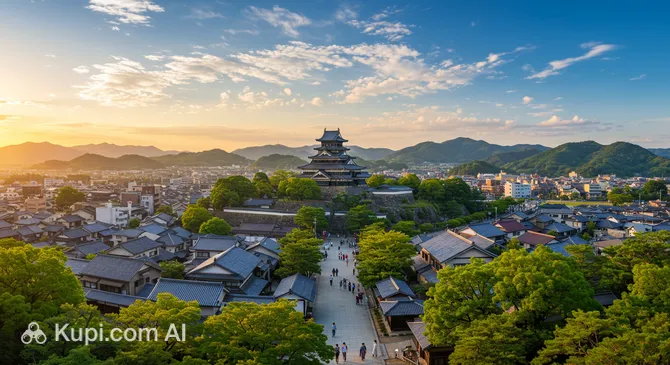
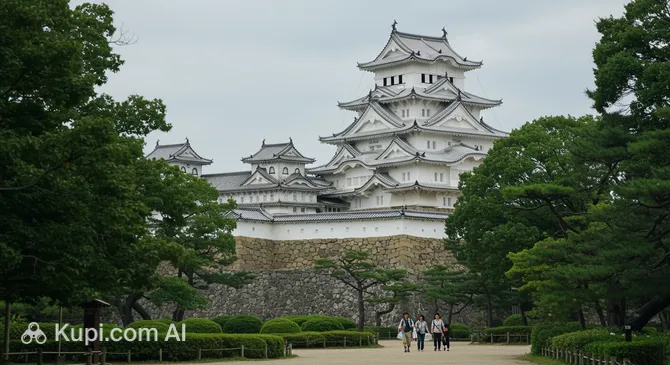
Iga. Illustration.
Source: Kupi.com AI

With a population of about 86,000, Iga does not strive to be a bustling metropolis. On the contrary, it is here that you can feel the authentic spirit of Japan: a slow pace of life, deep respect for traditions, and the genuine hospitality of the locals. The city is part of the Tokai region and administratively belongs to Mie Prefecture, carefully preserving its unique identity and rich historical heritage.

The atmosphere of Iga is permeated with the spirit of adventure and romance. Every corner here seems to breathe legends of ninjas, while walks along the old streets and the fortress walls of Ueno Castle (also known as Iga Ueno Castle or Hakuho, the "White Phoenix") transport you back to the era of samurai and great poets. Iga is famous as the birthplace of ninjutsu and is home to the renowned Iga-ryu Ninja Museum, where you can immerse yourself in the world of these mysterious warriors. Additionally, the city is closely linked to the name of the great haiku poet Matsuo Basho, who was born here. Visitors can explore his house-museum and the places that inspired the master.

Why choose Iga for your journey? Here, you will have the unique opportunity to walk in the footsteps of real ninjas, try on their traditional costume, taste dishes whose recipes may have been passed down through generations, and, of course, be inspired by the work of Matsuo Basho. Iga is an excellent blend of exciting adventures, deep cultural discoveries, and warm Japanese hospitality awaiting every traveler.

You can find more interesting facts on the history of Iga page.
Weather Overview

The weather in Iga is characterized by noticeable seasonal changes. Summer, especially in July and August, is warm here, with average temperatures reaching 26-27°C and maximums around 29-31°C. The summer months also see the highest amount of precipitation, with 16-18 rainy days in June and July. Winters, by contrast, are cool: in January, the average temperature is about 3.7°C, with minimums dropping close to zero. Winter months such as January, February, November, and December are the driest, with little precipitation (about 2 mm) and fewer rainy days.

Overall, Iga is characterized by warm and humid summers, followed by cool and drier winters. Spring and autumn are transitional seasons with moderate temperatures and rainfall. To learn more details, you can view the detailed climate of Iga.

Average monthly temperature

Average monthly precipitation

Interesting Facts

Beyond its famous ties to the art of ninjutsu, the city of Iga hides many surprising details and cultural treasures that make it a truly unique place to visit.

Iga Ueno Castle. Illustration.
Source: Kupi.com AI

Traveler photos:

  • Iga is considered the birthplace of one of the most famous and influential schools of ninjutsu. It was in these secluded mountains that the legendary shadow warriors trained, whose skills and secret operations left a deep mark on Japan's feudal history. Today, you can touch their legacy by visiting the Ninja Museum of Iga-ryu.

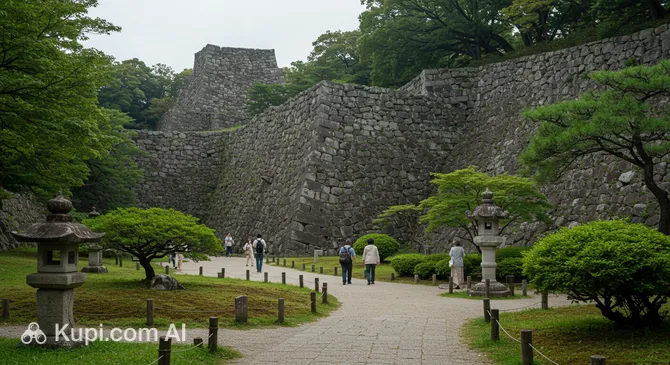
  • The local Iga-Ueno Castle boasts some of the highest stone walls in Japan, reaching 30 meters in height. This impressive fortress, originally built in 1585, served not only as a defensive structure but also as the residence for daimyos who, according to legend, commanded squads of ninja. Although the castle was reconstructed using wood, it retains its historical atmosphere.

  • The city of Iga is about more than just ninjas and castles. It was here that Matsuo Basho, one of the greatest haiku masters in the history of Japanese literature, was born and spent a significant part of his life. His poetry, filled with a love for nature and philosophical reflections, still resonates in the hearts of readers worldwide.

  • Every year, the colorful Ueno Tenjin Festival takes place in Iga. During this holiday, the city streets come alive with processions of huge, richly decorated boat-shaped floats, while locals dress in traditional costumes, creating a unique atmosphere of celebration and joy.

How to Get There

When planning a trip to this historical corner, it is worth noting that there are no direct flights to the city itself. However, thanks to the country's developed transport system, getting here is quite easy. You can find more details on how to get to Iga by exploring various routes and transport combinations to choose the most convenient option for you.

Iga does not have its own airport, so travelers will need to fly into one of the major aviation hubs in neighboring regions. The most convenient option is often Chubu Centrair International Airport (IATA: NGO), located in Nagoya. It is approximately 63 km from Iga. The journey from the airport by train or bus with transfers takes about 2–2.5 hours. It is a large, modern hub that receives many international flights.

Another popular option is Kansai International Airport (IATA: KIX) in Osaka. It is about 90 km away from Iga. This is one of Japan's most important airports, built on an artificial island. Travel time to Iga will be around 2.5–3 hours, depending on the chosen mode of transport (usually an express train to a major transfer hub, then local lines). For domestic flights, you can also consider Itami Airport (IATA: ITM), which is closer to the center of Osaka.

For your convenience, here is a summary of the main airports providing easy access to the region:

AirportPassenger trafficDistance
Chubu Centrair International Airport12.3 mln63 km
Itami Airport14.8 mln63 km
Kobe Airport3.6 mln84 km
Kansai International Airport30.6 mln90 km
Nagoya Airport735 00091 km

The railway is the most atmospheric and popular way to get to Iga. Since the city does not have a Shinkansen station, the route usually involves a transfer in major cities like Nagoya or Osaka. The main gateways to the city are two stations: Iga-Ueno (JR Kansai Line) and Iga-Kambe (Kintetsu Osaka Line). From these stations, the famous trains of the local Iga Railway run to the city center at Ueno-shi Station, often decorated with ninja imagery. A ride on such a train is a mini-adventure in itself and a great way to start your introduction to the city.

Main Attractions

Iga, located in Mie Prefecture, is famous throughout Japan as the birthplace of the ninja. The city carefully preserves its unique history, offering travelers the chance to dive into the world of mysterious night warriors and medieval Japan. Everyone will find something of interest here, but a few places deserve special attention.

One of the city's main historical landmarks is Iga-Ueno Castle, also known as Hakuho, or the White Phoenix Castle. Its current appearance is the result of a careful reconstruction, yet it still retains the spirit of the past. Inside the main tower is a museum with exhibits detailing the history of the region and the powerful Todo clan that ruled these lands. From the top, you can not only imagine yourself as an ancient guard but also enjoy magnificent views of Iga and its surroundings.

Iga Ueno Castle. Illustration.
Source: Kupi.com AI

Traveler photos:

It is impossible to imagine a visit to Iga without a trip to the Ninja Museum of Iga-ryu. This unique site allows you to not only learn about the history and techniques of the legendary spies but also see a real ninja house with its clever traps, secret passages, and hidden rooms. The museum displays various ninja weapons and tools, and hosts fascinating shows demonstrating their incredible skills. This place will be interesting for both adults and children dreaming of uncovering the secrets of the invisible warriors.

Iga-ryu Ninja Museum. Illustration.
Source: Kupi.com AI

Traveler photos:

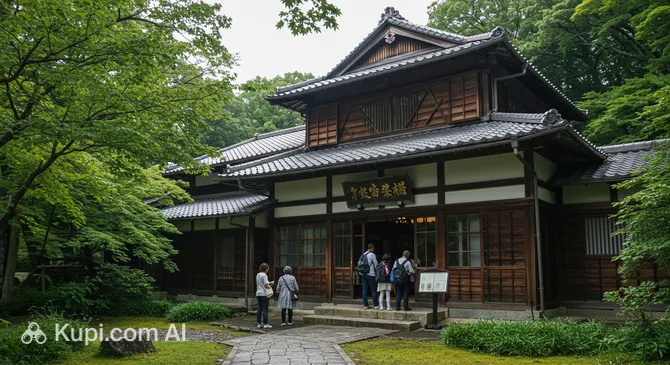
Iga-Ueno Castle and the Ninja Museum are located within the picturesque Ueno Park. This is a wonderful place for leisurely strolls and relaxation, especially in the spring during the cherry blossom season or in autumn when the foliage turns vibrant shades of crimson and gold. Besides its natural beauty, the park features the Haiseiden, a building with unique architecture dedicated to the great haiku poet Matsuo Basho, who was born in Iga. The Basho Memorial Museum can also be found nearby.

Ueno Park (Iga). Illustration.
Source: Kupi.com AI

Traveler photos:

These key attractions make Iga a mandatory stop for those who want to gain a deeper understanding of the mysterious ninja culture, enjoy a historical atmosphere, and touch the rich cultural heritage of Japan.

Local Cuisine

The gastronomic scene in Iga is closely intertwined with the region's rich history and natural bounty. One of the most intriguing features for tourists is the opportunity to try dishes inspired by the lifestyle of the legendary ninja. Many local restaurants offer a so-called "ninja menu," including light but nutritious soups and creatively presented snacks which, according to legend, helped the warriors stay enduring and inconspicuous.

In addition to ninja-themed exoticism, Iga's traditional cuisine will delight connoisseurs of authentic flavors. The basis of many dishes is fresh local vegetables and rice, as well as seasonal delicacies prepared according to old recipes. The gifts of nature are highly valued here: wild herbs, mushrooms, and mountain fish often become the star ingredients. In the cold season, hearty, warming soups and stews are particularly popular.

Street food also holds an important place in Iga's culinary culture. At bustling farmers' markets, you can taste the freshest vegetables, homemade sweets, and, of course, a variety of local rice cakes. Special attention should be paid to the exquisite desserts, whose design and flavor are often inspired by the poetry of the famous Matsuo Basho and the refined aesthetics of Japanese gardens.

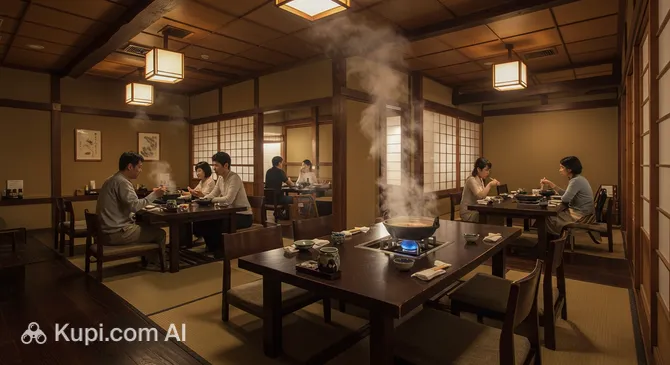
Sukiyaki Kanaya. Illustration.
Source: Kupi.com AI

Traveler photos:

You can get acquainted with the local cuisine in cozy traditional restaurants as well as at lively markets. For a deeper dive into gastronomic traditions, it is worth visiting a local establishment, such as the Sukiyaki Kanae restaurant, where you can enjoy classic Japanese dishes. The city is also known for its gastronomic festivals, where you can not only try unique treats but also participate in masterclasses. Among drinks, besides traditional Japanese tea, it is worth paying attention to local varieties of sake if you are interested in alcoholic beverages.

Travel Tips

Planning a trip to Iga, the legendary birthplace of the ninja? To ensure your adventure in Japan goes smoothly and leaves you with only the brightest impressions, we have prepared some practical tips to help you better navigate this unique city.

  1. Clothing and essentials:

    The climate in Iga (Mie Prefecture) is humid subtropical. In summer (June-August), it is hot and humid, so choose light, breathable clothing made of natural fabrics. Winter (December-February) is mild but chilly, so warm clothes, including a jacket, sweater, and hat, will be useful. Spring and autumn are the most comfortable times with moderate temperatures. The key element of your wardrobe is comfortable shoes, as you will be doing a lot of walking while exploring the city's historical corners and museums. Don't forget an adapter for electronics (Japan uses 100V, plug types A and B). When visiting temples and some traditional establishments, more modest clothing covering shoulders and knees may be required.

  2. Transport in the city:

    Iga is a relatively small city, and you can get around its central part on foot. Local buses are available for longer trips. Schedules and routes can be checked at stations or at the tourist information center. Taxis are also available but can be more expensive. If you plan to actively explore the Mie Prefecture surroundings, renting a car can be a good option, but keep in mind that driving in Japan is on the left, and an international driving permit is required for rentals.

  3. Finances and payments:

    The official currency is the Japanese Yen (JPY). Although credit cards (Visa, Mastercard) are accepted in many hotels, large shops, and restaurants, it is always useful to have a sufficient amount of cash on hand. Smaller establishments, souvenir shops, temples, and markets often prefer cash. ATMs that accept international cards can be found in post offices (Japan Post Bank) and convenience stores like 7-Eleven. Tipping in Japan, including Iga, is not practiced and may be perceived as a misunderstanding or even an insult.

  4. Health and safety:

    Iga, like most cities in Japan, is considered a very safe place. However, standard precautions still apply: keep an eye on your belongings in crowded places. Pharmacies (薬局 - "kusuri-ya") can be found throughout the city, but not all of them are open 24/7, and staff may not speak English. It is recommended to carry a basic set of medicines. For medical assistance, tourists are best advised to visit major hospitals; having travel insurance is highly desirable.

  5. Communication and language:

    The official language is Japanese. In tourist spots like the Iga-ryu Ninja Museum, staff may speak basic English, but overall the level of English proficiency among the local population may be low. Learn a few simple Japanese phrases: "Konnichiwa" (Hello/Good day), "Arigato gozaimasu" (Thank you very much), "Sumimasen" (Excuse me/Sorry). For ease of communication and navigation, consider buying a local SIM card with internet access or renting a portable Wi-Fi router. Free Wi-Fi is available in some hotels and public places.

  6. Local etiquette:

    Japanese people highly value politeness and respect for others. It is customary to bow when greeting and saying goodbye. In public places, especially on transport, try not to talk loudly on the phone or make noise. Remove your shoes before entering Japanese homes, some temples, traditional restaurants (where you sit on tatami), and ryokans (traditional inns). When visiting temples and shrines, behave quietly and respectfully.

  7. What to avoid:

    Never stick your chopsticks vertically into a bowl of rice—this is associated with funeral rituals and is considered bad manners. It is also not customary to pass food from chopsticks directly to another person's chopsticks. Try not to eat or drink while walking on the street unless it is in specially designated areas (e.g., during festivals).

  8. Immerse yourself in the ninja world:

    Iga is, first and foremost, about ninja history. Be sure to visit the Iga-ryu Ninja Museum and Ueno Castle. These are not just attractions, but an opportunity to touch a unique culture and traditions. Check opening hours and possible show programs in advance to get the most out of your experience. Also, find out about local festivals—participating in them can be an unforgettable experience.

We hope these tips help you plan an unforgettable trip to Iga! This city, with its rich history and unique atmosphere, is sure to leave you with warm memories. Have a great trip!

Entertainment & Nightlife

Iga, a city with a rich ninja history, offers its guests more than just a plunge into the past; it also provides opportunities for pleasant evening relaxation. Although Iga is not famous for boisterous nightclubs like the major metropolises of Japan, you can find cozy spots here to unwind after a busy day.

Evening life in Iga centers around traditional Japanese pubs—izakaya—where you can enjoy local drinks and snacks in an authentic atmosphere, as well as restaurants. One such place to enjoy a pleasant evening over dinner is Sukiyaki Kanae, which offers traditional dishes. While the selection of large nightclubs and loud bars is limited, the focus here is on quiet relaxation and gastronomic pleasures. Look for these establishments in the central part of the city, possibly near Ueno-shi Station. The atmosphere is usually relaxed and friendly, encouraging conversation. Most places accept both cards and cash, but it is always useful to have some yen on hand.

When planning your evening leisure, it is worth checking the opening hours in advance, as many establishments may close earlier than in larger cities. The dress code is usually casual; neat everyday clothes will be appropriate. Regarding night-time travel, Iga is a fairly compact city, and you can get around the central districts on foot. Taxis are available for longer trips; they can be called by phone or found at stands near the station.

Japan is generally a very safe country, and Iga is no exception. Evening walks along well-lit streets are typically safe, though you should always follow basic safety precautions, especially if traveling alone. Keep your valuables in a secure place and be mindful of your surroundings.

Iga-ryu Ninja Museum. Illustration.
Source: Kupi.com AI

Traveler photos:

During the day, Iga offers many engaging activities. Be sure to visit the famous Iga-Ueno Castle, which towers over the city, offering panoramic views and an excursion into samurai history. Equally interesting is the Ninja Museum of Iga-ryu, where you can learn everything about the mysterious warriors of the night, their weapons, and their techniques. For quiet walks and outdoor relaxation, Ueno Park (Iga) is ideal, especially during the cherry blossom season.

Parks & Museums

The city of Iga, known as the birthplace of the ninja, offers tourists more than just an immersion into the thrilling history of shadow warriors; it also provides the chance to enjoy picturesque green spaces and explore the region's rich cultural heritage.

The central hub for outdoor relaxation and cultural enrichment is Ueno Park (Iga). This vast park is more than just a green space; it is a true cultural complex. Here you can stroll along manicured alleys, enjoy seasonal blooms, and visit the city's key attractions located on its grounds. The park is especially beautiful in spring during the cherry blossom season and in autumn when the leaves turn vibrant colors.

Ueno Park (Iga). Illustration.
Source: Kupi.com AI

Traveler photos:

The crown jewel of the park and the entire city is Iga-Ueno Castle, also known as Hakuho (White Phoenix) Castle. Although the current structure is a reconstruction, the castle impresses with its high stone walls—among the highest in Japan—and picturesque views. Inside the castle is a museum with an exhibition on castle history and samurai culture. A visit to the castle provides a wonderful insight into Japan's feudal past.

Iga Ueno Castle. Illustration.
Source: Kupi.com AI

Traveler photos:

Undoubtedly, the main draw for many tourists in Iga is the Ninja Museum of Iga-ryu. Located within Ueno Park, this unique museum offers a fascinating journey into the world of ninjutsu. Here you can see a real ninja house with secret passages and traps, view the weapons and tools of spies, and watch an exciting show demonstrating ninja combat techniques. This site will be interesting for both adults and children.

Iga-ryu Ninja Museum. Illustration.
Source: Kupi.com AI

Traveler photos:

For a more authentic experience, stroll through the old streets of the city adjacent to Ueno Park. Here you can find traditional houses and small temples. It is also worth looking out for local festivals if your trip coincides with one, such as the Ueno Tenjin Ninja Festival, which usually takes place in April and offers even more immersion into the atmosphere of ancient Japan.

Getting Around

Getting around Iga is quite convenient thanks to the city's compact size and developed public transport network, based primarily on local trains and buses. This allows tourists to easily reach the main attractions and explore the city.

The local railway line, Iga Railway (Iga Tetsudo), plays a key role in Iga's transport system. These trains not only connect different parts of the city but are also an attraction in themselves thanks to their famous ninja-themed trains, which add local flavor to the trip. Tickets can be purchased at stations from machines or ticket offices. Major Japanese IC cards (such as Suica, Pasmo, ICOCA) are often accepted for payment, and single tickets or daily passes, which are beneficial for active tourists, are also available.

The bus network complements the railway service, providing access to areas of Iga that the trains do not reach. Buses follow regular routes, connecting the center with the outskirts and nearby sites. Bus fares are usually paid in cash upon boarding or alighting (exact change is often required) or using the same IC cards if the system supports them. Bus schedules can be found at stops or on transport company websites.

For tourists, it is practical to familiarize yourself with routes and payment methods in advance. Train tickets are bought before boarding, and IC cards must be tapped against a validator at the station entrance and exit. On buses, a ticket is either bought from the driver, or an IC card is used upon entry (and sometimes exit to ensure the correct fare is deducted). Public transport usually runs from early morning until late evening, but the frequency of service may decrease in the evening hours and on less popular routes.

As an alternative to public transport, taxis are always available in Iga. They are convenient for door-to-door trips, especially with luggage or late at night, although they are a more expensive option. For a leisurely exploration of the city and its picturesque surroundings, you might consider renting a bicycle—it is a great way to enjoy the atmosphere of Iga at your own pace.

Accommodation

In the city of Iga, travelers will find various accommodation options to suit different budgets and preferences. Choices range from traditional Japanese inns (ryokans) and guesthouses (minshuku), offering a unique cultural experience, to more familiar hotels and short-term rental apartments.

When choosing a place to stay, it is worth looking at areas located near major attractions, such as Iga-Ueno Castle or the Ninja Museum of Iga-ryu, as well as near Ueno Park. Staying in these parts of the city will provide easy access to tourist sites and transport hubs, making your stay more comfortable. Some travelers also prefer staying in quieter residential areas to immerse themselves more deeply in the local atmosphere.

While Iga may not have large international hotel chains, you can find cozy family-run hotels and guesthouses offering quality service. The price range varies from budget options to mid-range accommodation. To search for and book accommodation, it is convenient to use popular online platforms that allow you to compare prices and conditions, as well as read reviews from other travelers. Direct booking via hotel websites or by phone is also an option.

Booking Tip: Especially if your trip coincides with the peak tourist season or local festivals, it is recommended to book your accommodation well in advance. This will help ensure the best choice and avoid issues with availability.

Nearby Cities

For those who want to explore the surrounding area, Iga serves as an excellent starting point for day trips to several interesting nearby locations:

CityPopulationDistance
Nabari75 94216 km
Kasagi15 56517 km
Koka88 53822 km
Kizugawa78 03529 km
Kameyama49 97131 km

These nearby destinations, including ancient Nara, known for its majestic temples and friendly deer, and Koka, another famous center of the art of ninjutsu, offer unique opportunities to get acquainted with the rich culture and picturesque landscapes of the region. Every trip promises new discoveries and unforgettable impressions.

Shopping & Souvenirs

Shopping in Iga is primarily about immersing yourself in local culture and history, rather than chasing global brands. The city is famous for its ninja traditions, and this is reflected in the range of souvenir products. Here you will find unique items related to the art of ninjutsu, as well as traditional Japanese crafts and local delicacies.

In Iga, there are no giant shopping boulevards like in the metropolises. Most shops, especially souvenir stalls, are concentrated in the city center and near the main tourist attractions, such as the Ninja Museum of Iga-ryu and Iga-Ueno Castle. Strolling through these areas, you will discover small shops offering goods for every taste.

Iga is a city dominated by small family-run shops and specialty stores rather than large modern shopping centers. If you are looking for large-scale mall shopping, you might consider trips to larger cities in Japan. However, it is in Iga's authentic shops that you can find truly exclusive items.

In Iga, you are unlikely to find the large, boisterous markets characteristic of big Asian cities. However, from time to time, small local fairs may be held where farmers offer fresh produce and artisans show their work. Information about such events is best checked on-site, for example, at a tourist information center.

The main souvenir from Iga is, of course, items related to ninjas. These can be toy shuriken and kunai, ninja-style clothing, scrolls with calligraphy, and various accessories with ninja symbols. Additionally, look for works by local artisans, such as Iga-yaki ceramics, known for their durability and unique texture. Local sweets and sake are also popular.

Most shops in Iga operate from around 10:00 or 11:00 AM to 6:00 or 7:00 PM. Some small shops may have more flexible hours or a day off in the middle of the week. Credit cards are accepted in many places, especially in tourist-oriented shops. Nevertheless, it is always useful to have some cash with you, especially for purchases in small shops or at occasional fairs.

Tourists in Japan can take advantage of the tax refund system (Tax Free). Look for shops with the "Tax-Free Shop" sign. Usually, to process a tax refund, you must make a purchase of a certain amount in one shop on one day and present your passport. Conditions may vary slightly, so check the details with the sellers.

Reached the end of the page?

That means the route is fully explored