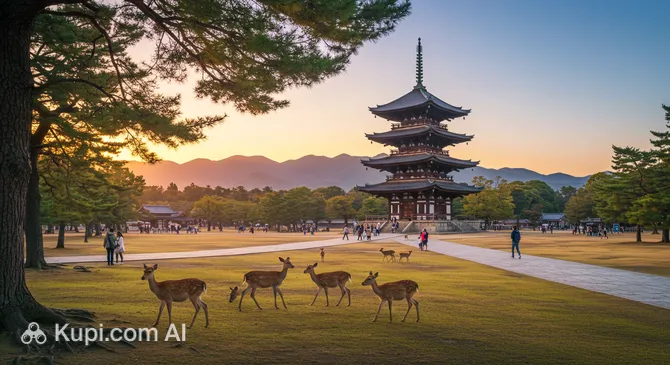
Nara is an amazing city that immerses its guests in the atmosphere of ancient Japan, where history and nature are harmoniously intertwined. The former capital of the Land of the Rising Sun, Nara still preserves the grandeur of the past, offering travelers a unique experience of exploring a rich cultural heritage. Located in the Nara Prefecture of the Kansai region, relatively close to Kyoto and Osaka, the city features a mild, temperate climate, making it an attractive destination to visit at any time of year.
Nara. Illustration.
Source: Kupi.com AI
Among the main treasures of Nara that attract tourists from all over the world is the majestic Todai-ji Temple, which houses one of the world's largest bronze Buddha statues. No less famous is Nara Park, where hundreds of friendly deer roam freely, considered sacred messengers and the symbol of the city. Also worth a visit is the ancient Shinto shrine Kasuga-taisha, known for its thousands of bronze and stone lanterns that create a mystical atmosphere.
A trip to Nara is a true journey back in time, an opportunity to touch the roots of Japanese civilization, enjoy the peaceful beauty of ancient temples, and experience a unique interaction with nature. This city will undoubtedly enchant you with its unique atmosphere and leave you with the warmest and most vivid memories.
The climate in Nara is characterized by four distinct seasons, which is important to consider when planning your trip. Summer here is warm and humid: in July and August, the average temperature stays around 27-28°C, reaching a maximum of 30-32°C, and rainfall is significantly higher (about 7 mm, with up to 17 rainy days in July). Winters, by contrast, are cool and drier; for example, in January, the average temperature is about 4.5°C (with nightly lows down to 0.8°C), and there is much less precipitation (about 2 mm). Spring and autumn offer comfortable transitional conditions. To better plan your trip, learn more about the Nara climate.
Average monthly temperature
Average monthly precipitation
Interesting Facts
In addition to its world-famous deer and majestic temples, Nara hides many amazing stories and little-known facts that make this ancient city even more alluring.
Nara's famous deer don't just roam freely through the park – many of them have learned to bow to tourists in exchange for special \"shika-senbei\" crackers. This touching tradition has become an integral part of visiting the city and a symbol of respect between humans and nature.
The Shoso-in treasury, located on the grounds of Todai-ji Temple (although the temple itself is not linked here, Shoso-in is an important part of it), houses unique 8th-century artifacts. Among them are items from Persia, India, and China, testifying to Nara's important role as one of the endpoints of the Great Silk Road.
The surroundings of Nara and the entire prefecture are dotted with ancient burial mounds known as kofun. Some of them, such as the Kitora Kofun, hide valuable wall paintings and are major archaeological sites telling the story of Japan's pre-Buddhist history.
Every year on the fourth Saturday of January, the spectacular Yamayaki festival takes place on Mount Wakakusa. During this event, the dry grass on the entire mountainside is set on fire, creating a fiery spectacle accompanied by fireworks that attracts many spectators wishing to see this ancient ritual.
How to Get There
Getting to Japan's ancient capital is possible in various ways, although there is no airport in the city itself. Thanks to the Kansai region's excellent transport infrastructure, the journey is quite straightforward. You can find all the details and plan your optimal route on the how to get to Nara page, and below we will look at the main transport hubs through which tourists enter the city.
Since Nara itself does not have an airport, travelers usually fly into neighboring Osaka. The main gateway for international guests is Kansai International Airport (KIX), located in Osaka on an artificial island, approximately 59 km from Nara. It is a major hub with high passenger traffic. The most convenient way to get from here to Nara without transfers is to use the direct Airport Limousine Bus, which takes about 85–90 minutes.
For those traveling domestically, a convenient option is Itami Airport (ITM), also located in Osaka. It is situated much closer — only 35 km from the center of Nara. Direct buses also run from here, with a travel time of about 60 minutes. If you arrive at Chubu Centrair International Airport (NGO) in Nagoya (about 94 km from Nara), you will need to take a train or bus with transfers, which will take more time.
For clarity, here is a summary of the main airports:
In addition to air travel, rail transport plays a crucial role. Nara is perfectly integrated into Japan's railway network. It is easily accessible via JR West lines and the private Kintetsu company from Kyoto and Osaka. Kintetsu Nara station is located closer to the main attractions and the park than JR Nara station, so many tourists choose this route. An express train ride from Kyoto takes only about 35–45 minutes, and from central Osaka (Namba Station) — about 40 minutes.
Main Attractions
In addition to the world-famous temples and the deer park in the heart of Nara, the region offers other amazing places that allow for a deeper dive into the history and nature of Japan. These attractions, located both within Nara Prefecture and in the immediate vicinity, will reveal new facets of this ancient land.
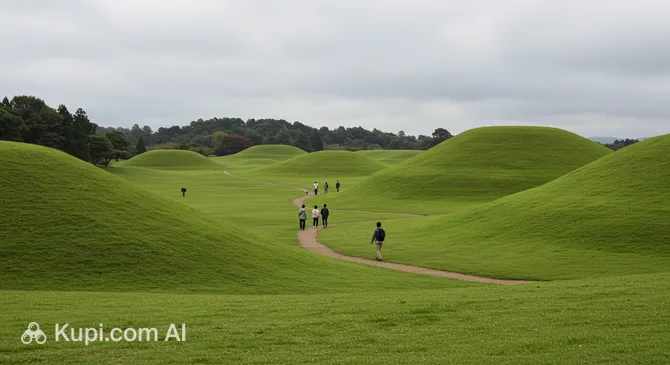
One such gem is the Asuka Historical National Government Park — Kitora Tumulus Area. This park immerses visitors in the atmosphere of the Asuka period (538–710 AD), which preceded the Nara era. Here you can explore ancient burial mounds, including the famous Kitora Kofun with its unique wall paintings (although access inside the mound itself is limited, much can be learned about it in the park and museum). A stroll through the park is a journey through time to the origins of Japanese statehood and culture.
Asuka Historical National Government Park – Kitora Tumulus Area. Illustration.
Source: Kupi.com AI
Traveler photos:
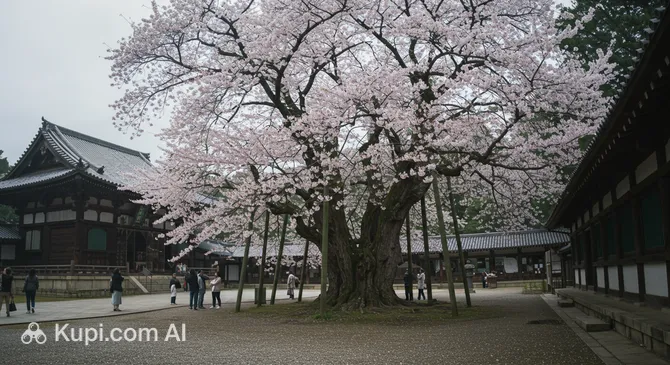
Nature lovers and fans of Japanese aesthetics should definitely see the Matabei Zakura. This is a magnificent, centuries-old weeping cherry tree named after the samurai Goto Matabei. It looks particularly impressive during the spring blooming season, attracting photographers and beauty enthusiasts from all over the country. The legends associated with this tree add a special aura of mystery and historical significance.
Matabei Zakura. Illustration.
Source: Kupi.com AI
Traveler photos:
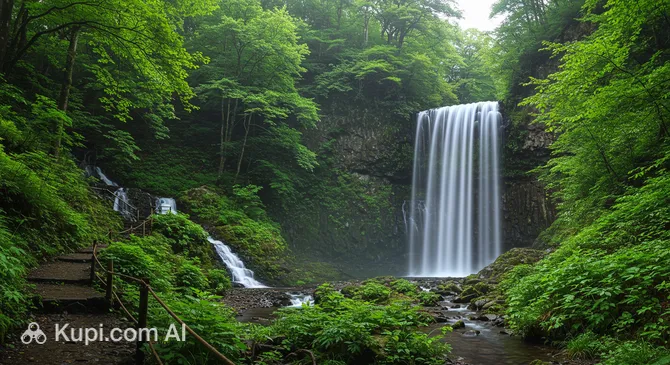
For those seeking communion with nature and active recreation, a trip to the Akame 48 Waterfalls is an excellent choice. This picturesque cascade of waterfalls, located in Mie Prefecture but easily accessible from Nara, offers breathtaking hiking trails along a mountain river. The area is also known for its connection to ninjas, who, according to legend, trained here. It is a great place for hiking and enjoying untouched nature.
Akame 48 Waterfalls. Illustration.
Source: Kupi.com AI
Traveler photos:
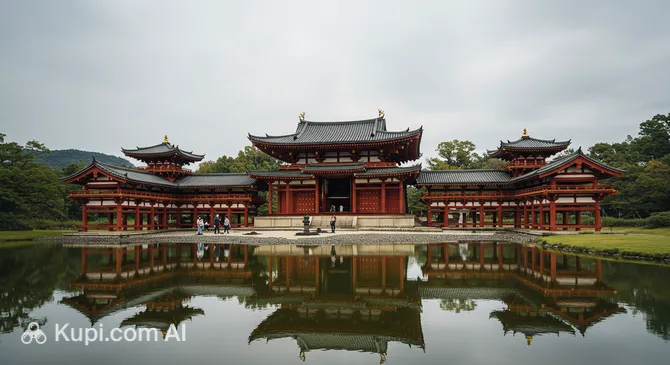
Not far from Nara, in the city of Uji, lies the magnificent Byodo-in Temple – a UNESCO World Heritage site. Its Phoenix Hall, depicted on the 10-yen coin, is one of the most elegant examples of Heian period architecture. Reflected in the waters of the pond, the temple creates a truly magical sight. A visit to Byodo-in perfectly complements the impressions of Nara's own historical monuments.
Byodoin Temple. Illustration.
Source: Kupi.com AI
Traveler photos:
Local Cuisine
A gastronomic journey through Nara is an immersion into Japan's ancient culinary traditions, where every dish tells a story. The cuisine of Nara, the country's former capital, is distinguished by the use of fresh local products and unique recipes passed down through generations. Here you will find both exquisite delicacies and simple, yet incredibly tasty home-cooked food.
Be sure to try kaki-no-ha-zushi – Nara's signature dish, which consists of sushi (most often with mackerel or salmon) wrapped in persimmon leaves. The leaves not only impart a subtle aroma but also have antibacterial properties, which was historically important for preserving fish. Another iconic dish is chagayu, a rice porridge cooked in tea (usually hojicha or bancha). This is a light and healthy meal that will warm you up and give you strength for long walks. Also worth noting is the thin miwa-somen noodles, served both cold and hot, and the savory nara-zuke vegetables, marinated in sake lees.
Among drinks in Nara, as in all of Japan, there is a cult of green tea in all its variety: from rich matcha to everyday sencha. Regarding alcoholic beverages, Nara is famous for its local sake (jizake). Many small breweries produce unique varieties that perfectly complement local dishes. Plum wine (umeshu) and various types of shochu are also popular.
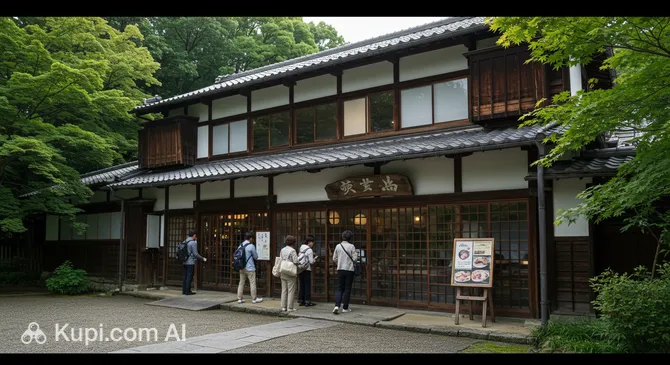
Dining culture in Nara is diverse. You can enjoy an exquisite dinner in a traditional restaurant, for example, at Mizuya Chaya, which serves local cuisine in an authentic atmosphere. Street food is also popular, especially in tourist areas like Nara Park. Here you can try freshly made mochi (rice cakes), particularly yomogi-mochi with mugwort, or the famous senbei – rice crackers that local deer love so much (but there are versions for humans too!). Local markets also offer fresh products and the chance to snack on something authentic.
Mizuya Chaya. Illustration.
Source: Kupi.com AI
Traveler photos:
Nara's gastronomic scene attracts tourists with its authenticity and the opportunity to experience culinary traditions that have been carefully preserved for centuries. By trying specialties like kaki-no-ha-zushi or chagayu, you won't just satisfy your hunger; you'll gain a unique cultural experience that will become a bright memory of your trip to this ancient city.
Travel Tips
Welcome to Nara, the ancient capital of Japan, full of charm and unique traditions! To ensure your trip goes smoothly and leaves only the most pleasant impressions, we have prepared a few practical tips.
Clothing and Essentials:
The climate in Nara, like in all of Japan, has four distinct seasons. In summer (June-August) it is hot and humid, so choose light, breathable clothing. In winter (December-February) it can be cold; don't forget warm clothes. Spring and autumn are the most comfortable times with moderate temperatures. A key element of your wardrobe is comfortable shoes, as you will be walking a lot, especially in the extensive Nara Park and numerous temples. Don't forget an adapter for electrical appliances (in Japan, type A and B sockets are used, with a voltage of 100V). When visiting temples and shrines, it is customary to remove your shoes before entering main buildings, and sometimes you may be required to cover your shoulders and knees, so keep this in mind when choosing your outfit.
Getting Around the City:
Many of Nara's main attractions, including the famous deer park and Todai-ji Temple, are located quite compactly and are easy to explore on foot. For more distant locations, you can use local buses that depart from Kintetsu Nara and JR Nara stations. Taxis are available but can be expensive. Renting a car to move around Nara itself is generally impractical due to potential parking issues and the well-developed public transport system.
Finances: Currency, Cards, Tipping:
The local currency is the Japanese Yen (JPY). You can exchange currency at airports, banks, or specialized exchange offices. Credit and debit cards (Visa, Mastercard) are accepted in many hotels, large shops, and restaurants; however, it is always useful to have cash with you, especially for small shops, markets, and some temples. ATMs that accept international cards are easily found in post offices (Japan Post Bank) and 7-Eleven convenience stores. An approximate daily budget per person (excluding accommodation) can range from 7,000 to 15,000 yen. Tipping is not customary in Japan and may even cause confusion.
Health and Safety:
Nara, like Japan as a whole, is a very safe place with a low crime rate. Pharmacies (drugstores, or \"kusuriya\") are easy to find, but the staff may not always speak English. It is recommended to have a basic first-aid kit with you. Medical assistance for tourists is available but can be expensive, so it is strongly recommended to have travel insurance. In case of emergency, call 119 (ambulance/fire service). A major safety measure is to be careful with the deer in the park: they are wild animals, do not tease them with food, and do not get too close to fawns.
Communication and Internet:
The official language is Japanese. In tourist areas, hotels, and major stations, staff often speak English, but outside of these, it is less common. Learn a few basic phrases: \"konnichiwa\" (hello), \"arigato gozaimasu\" (thank you very much), \"sumimasen\" (excuse me/sorry). For communication and internet, it is convenient to rent a pocket Wi-Fi router or buy a tourist SIM card upon arrival at the airport. Free Wi-Fi is not available everywhere, but it can be found in some hotels, cafes, and tourist information centers. Useful apps include Google Maps for navigation and HyperDia/Jorudan for train schedules.
Local Etiquette and Customs:
Japanese people are very polite and appreciate a respectful attitude toward their culture. When greeting, Japanese people usually bow; handshakes are not as common. In public places, especially on transport, try to speak quietly. Avoid eating and drinking on the go (except in designated areas or at festivals). When visiting temples and homes, it is customary to remove your shoes. Do not point at people or objects with your finger – use an open palm. When using chopsticks, do not stick them vertically into rice and do not pass food from chopsticks to chopsticks.
What to Avoid:
First, do not feed the deer in Nara Park anything other than the special \"shika-senbei\" crackers sold on-site. Human food can harm them. Second, try not to be excessively loud or pushy, especially in temples, shrines, and other places requiring silence and respect. This may be perceived as disrespectful.
Special Tip for Nara:
To fully enjoy the atmosphere of ancient temples like Todai-ji or Kasuga-taisha and avoid tourist crowds, try to arrive early in the morning. This will allow you to take the best photos and feel the tranquility of these sacred places. And, of course, be prepared for the deer to \"bow\" to you in anticipation of a treat – it's one of the charming features of Nara!
We hope these tips help you plan an unforgettable trip to Nara. This city, with its rich history, friendly deer, and peaceful temples, is sure to leave a mark on your heart!
Entertainment & Nightlife
Although Nara is primarily known for its ancient temples and friendly deer, as the sun sets, the city offers its own, quieter and cozier options for evening relaxation. The nightlife here doesn't roar like in metropolises such as Tokyo or Osaka, but it possesses its own unique charm, offering guests the chance to immerse themselves in the atmosphere of traditional Japanese drinking establishments and cozy restaurants.
The main centers of evening activity in Nara are concentrated around the two main railway stations – Kintetsu Nara and JR Nara. The adjacent shopping streets, such as Higashimuki Shopping Street and Sanjo Dori Street, come alive in the evening, offering many options for dining and drinks. Here you will find traditional Japanese izakaya pubs, small bars, cafes, and restaurants open until late. The atmosphere in most establishments is relaxed and welcoming, attracting both locals and tourists. The dress code is generally casual.
Instead of noisy nightclubs, Nara's nightlife revolves around more intimate formats. Izakaya are the heart of Japanese evening culture, where you can enjoy various snacks and local sake or beer in a casual setting. Small specialty bars where you can try whiskey or cocktails are also popular. Large nightclubs or concert venues with live music are rarer, but you can always find a cozy spot for a pleasant evening.
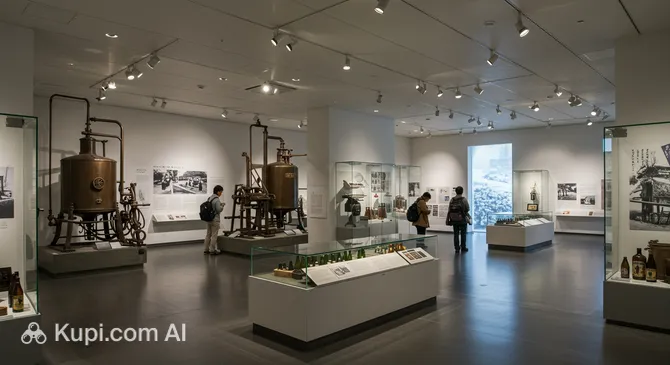
If you are looking for a place for dinner, consider the Susuruka restaurant, where you can sample local cuisine. For beer connoisseurs, a visit to the Beer Museum might be interesting, as it may offer tastings or be open in the early evening hours, allowing you to learn more about brewing before heading to one of the local bars. Although it is a museum, it can be an intriguing point in your evening itinerary.
Beer Museum. Illustration.
Source: Kupi.com AI
Traveler photos:
When planning your evening leisure, keep in mind that many establishments in Nara may close earlier than in Japan's larger cities, especially on weekdays. Prices in bars and restaurants are generally moderate. You can get back to your hotel at night by taxi, as public transport stops running closer to midnight. You can call a taxi via an app or ask the staff at your hotel or restaurant.
In terms of safety, Nara is a very peaceful and safe city, even at night. Walking along the well-lit central streets usually does not cause concern. Nevertheless, it is always worth observing standard precautions.
During the day, Nara offers many cultural and entertainment activities. You can visit the Osaka Museum of Natural History (despite the name, it is listed among Nara's attractions), spend time at the Nara Rare Animal Zoo, or enjoy nature at the Akame 48 Waterfalls. These places will perfectly complement your impressions of the ancient capital.
Parks & Museums
Nara is not just about ancient temples and friendly deer; it is a city that offers a harmonious blend of picturesque green spaces and rich cultural treasures. Here, everyone will find a spot for their soul: from vast parks breathing with history to museums housing priceless artifacts of Japan's past.
The heart of the city's green spaces is undoubtedly the famous Nara Park. This is an expansive area where hundreds of tame deer, considered messengers of the gods, roam freely. In addition to interacting with these lovely animals, the park attracts visitors with its centuries-old trees, manicured lawns, and the fact that iconic shrines such as Todai-ji Temple and Kasuga-taisha Shrine are located on its territory. It is an ideal place for leisurely strolls and immersing oneself in the peaceful atmosphere of the ancient capital.
For those who want to delve deeper into the region's history and nature, it is worth visiting the Asuka Historical National Government Park — Kitora Tumulus Area. This park covers a significant area related to the Asuka period, one of the key eras in the formation of Japanese statehood. Here you can see ancient kofun burial mounds, including the famous Kitora Kofun, known for its celestial wall paintings. The park offers both historical enlightenment and wonderful opportunities for hiking against a backdrop of scenic landscapes.
Asuka Historical National Government Park – Kitora Tumulus Area. Illustration.
Source: Kupi.com AI
Traveler photos:
Nature lovers and outdoor enthusiasts will enjoy a trip to the Akame 48 Waterfalls. This is a gorge with a cascade of many large and small waterfalls, surrounded by lush vegetation. A picturesque trail along the river leads past each of them, offering breathtaking views and the chance to enjoy fresh mountain air. Legends say that ninjas used to train here, adding an air of mystery to the place.
Akame 48 Waterfalls. Illustration.
Source: Kupi.com AI
Traveler photos:
Nara's cultural heritage is carefully preserved in its many museums. The Nara National Museum, located in Nara Park, is one of the most important art museums in Japan. Its collections specialize in Buddhist art, including magnificent sculptures, paintings, calligraphy, and archaeological finds. Nearby, on the grounds of Kofuku-ji Temple, is the Kofuku-ji National Treasure Museum, where priceless statues and artworks, many recognized as National Treasures, are on display.
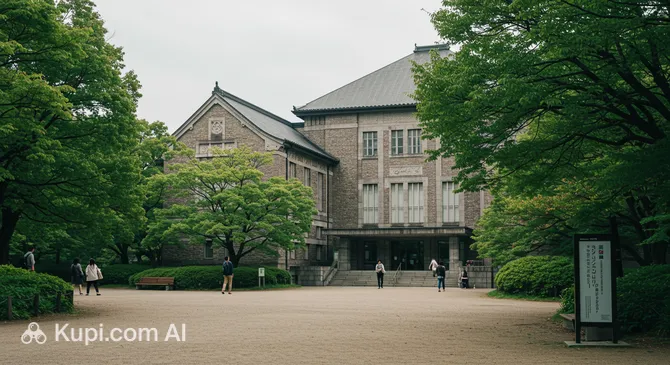
An interesting addition to your cultural program could be the Osaka Museum of Natural History. Although its name may suggest the neighboring city, it is featured among Nara's attractions and offers fascinating exhibitions dedicated to the nature, evolution, and geology of the region. This place will be especially educational for visitors with children and anyone interested in natural sciences.
Osaka Museum of Natural History. Illustration.
Source: Kupi.com AI
Traveler photos:
In addition to large parks and museums, there are other noteworthy places in Nara and its surroundings. For example, Matabei Zakura is a historical site associated with a legendary warrior, which is particularly beautiful in spring during the blooming of the centuries-old cherry tree. For a family outing, consider visiting the Nara Rare Animal Zoo, which features various animal species.
A tip for lovers of quiet: If you want to enjoy the beauty of traditional Japanese gardens in a more private setting, visit the Isuien or Yoshikien gardens. Located near the main tourist routes, they offer magnificent landscapes, ponds with koi carp, and tea houses, perfect for peaceful contemplation and rest.
Getting Around
Getting around Nara is fairly simple, as many of the main attractions are concentrated in the famous Nara Park and its surroundings, making walking a very popular option. However, for more distant locations or to save time and energy, there are several convenient modes of public transport.
The main form of public transport in Nara for tourists is the bus. The city bus network is well-developed and primarily operated by the Nara Kotsu company. Regular routes connect the railway stations (JR Nara and Kintetsu Nara) with Nara Park, Todai-ji Temple, Kasuga-taisha Shrine, and other key points. Especially convenient for tourists are the loop routes, such as the \"Gurutto Bus\" (ぐるっとバス), which circulate through the main tourist zones. There are no subways, trams, or trolleybuses in Nara.
Regarding the payment system, the most convenient option for tourists is using prepaid IC cards, such as Suica, Pasmo, or the regional ICOCA. These cards can be recharged and used to pay for fares on buses (as well as trains throughout Japan and for purchases in some stores). Simply tap the card on the reader when entering and exiting the bus. You can also pay the fare in cash directly to the driver upon exiting (usually you need to have the exact amount, as change may not be given or the exchange machine may not accept all bills). The cost of a single bus ride within the city is usually around 220-250 yen. For those planning to move around a lot by bus, purchasing a day pass (Nara Bus Pass) can be advantageous, as it allows for unlimited travel on certain routes within a day. There are various versions of these passes covering different zones.
Practical tips for tourists: Single-ride tickets (if not using an IC card) or day passes can be purchased at bus terminals near JR Nara and Kintetsu Nara stations, as well as at tourist information centers. IC cards can be bought and recharged at machines in railway stations or in convenience stores (konbini). When entering the bus (usually through the rear or middle door), take a ticket (if you don't have an IC card and it's not a fixed-fare zone) or tap your IC card. When exiting (through the front door), pay the driver or tap your IC card again. Buses usually run on a schedule, which can be found at stops or online. Public transport operating hours are generally from early morning until late evening, around 22:00-23:00, but service on some routes ends earlier.
Among alternative ways to get around Nara, bicycle rentals are popular. It is a great way to explore the city at your own pace, especially Nara Park and its surroundings. Rental points can be found near the railway stations. Taxis are also available but are a more expensive option. They can be hailed on the street or ordered. Given the compactness of the main tourist areas, walking remains one of the best ways to enjoy the atmosphere of Nara.
Accommodation
Nara, the ancient capital of Japan, offers tourists a variety of accommodation options, from traditional Japanese inns to modern hotels. You can find housing for every taste and budget: from cozy budget hostels and guesthouses, ideal for solo travelers and young people, to comfortable mid-range hotels and luxury hotels with a full range of services. Special attention should be paid to ryokans – traditional Japanese inns where you can immerse yourself in the atmosphere of old Japan, enjoy local cuisine, and relax in an onsen (hot spring), if available. Apartments are also available for those who prefer more independence during their stay.
The most popular areas for tourists to stay in Nara are the vicinities of the two main railway stations: JR Nara Station and Kintetsu Nara Station. Staying here provides easy access to public transport, making it simple to reach major attractions, including the famous Nara Park, Todai-ji Temple, and Kasuga-taisha Shrine. The Naramachi district, with its preserved historic houses, offers a unique experience of staying in traditional machiya (merchant houses) converted into guesthouses and small ryokans. This area is perfect for those seeking authenticity and wishing to feel the spirit of the old city.
When planning a trip to Nara, especially during peak seasons such as the cherry blossom period (spring) or the autumn foliage season (momiji), it is recommended to book accommodation in advance. Accommodation prices vary depending on the type of housing and the season: you can find both budget options and more expensive offers in high-end hotels and ryokans. Most hotels and guesthouses can be booked through popular international online booking platforms, as well as directly on the hotels' own websites. This allows you to compare prices and choose the most suitable option for your trip.
Nearby Cities
For those who wish to explore the surroundings, Nara serves as an excellent starting point for day trips to several interesting nearby locations. For example, Ikoma, located just 10 kilometers away, attracts visitors with the opportunity to visit its namesake mountain, which offers picturesque views, as well as an amusement park and ancient temples. Very close by is Kizugawa (only 6 km), offering a more tranquil escape and a chance to discover less touristy corners of the region located along the Kizu River.
Below is a list of some of the closest cities to Nara that may also be of interest for short trips, including their population and distance:
These nearby destinations provide a more complete picture of the diverse culture, history, and landscapes of the Kansai region and can be an excellent addition to your journey to Nara.
Shopping & Souvenirs
Shopping in Nara is not a chase for the latest fashion trends, but rather a fascinating dive into the world of traditional crafts, local delicacies, and charming souvenirs. The city is famous for its unique handmade items and products that reflect its rich history and culture. Here you will find many small shops and stalls where every purchase will remind you of the magical atmosphere of Japan's ancient capital.
Several busy streets serve as Nara's main shopping arteries. Higashimuki Shopping Street is a covered arcade starting right by Kintetsu Nara Station. It offers a wide range of goods: from deer-themed souvenirs and local sweets to clothing, shoes, and restaurants. Sanjo Dori Street, connecting JR Nara and Kintetsu Nara stations and leading toward Nara Park, is also full of shops, cafes, and banks. To find unique craft items and handmade souvenirs, it is worth strolling through the streets of the Naramachi district. In this historical quarter, ancient merchant houses have been preserved, many of which are now charming shops, galleries, and cafes.
Nara does not have the giant modern shopping centers typical of metropolises. Instead, shopping here is more intimate and concentrated on the mentioned shopping streets and in small specialized stores. A few small department stores or shopping complexes can be found near Kintetsu Nara Station, offering a standard range of goods.
Unlike some other Japanese cities, Nara is not famous for large food or flea markets operating on a permanent basis. However, while walking along tourist routes, especially in the Nara Park and Naramachi areas, you will encounter many stalls and shops selling local snacks, sweets, and souvenirs. Occasionally, small fairs or seasonal markets may be held at temples.
From Nara, it is worth bringing back something special that reflects the spirit of this ancient city. Popular souvenirs include:
Deer-themed items: plush toys, keychains, cookies, magnets, and stationery.
Nara-fude (奈良筆): high-quality calligraphy brushes, which are a traditional Nara craft.
Akahada-yaki (赤膚焼): local pottery distinguished by its simplicity and elegance of form.
Itto-bori (一刀彫): wooden carved figurines (often dolls or animals) made using the characteristic \"single-knife\" technique.
Nara-zuke (奈良漬): vegetables marinated in sake lees – a popular local delicacy.
Incense and amulets (omamori) from numerous temples and shrines.
Local sweets (wagashi), for example, those using matcha or chestnuts.
Most shops in Nara open around 10:00-11:00 and operate until 19:00-20:00. Small family-run shops may have shorter hours or additional days off. Regarding payment, large stores, department stores, and many tourist shops accept credit cards (Visa, Mastercard). However, it is always useful to have enough cash with you, as small shops, especially in the Naramachi area, or street food vendors may only accept cash. ATMs that accept international cards are available at post offices and convenience stores (konbini).
For foreign tourists in Japan, a Tax Free system is in place. In Nara, many tourist-oriented shops provide this service. Usually, to get a tax refund (8% or 10%), you need to make a purchase for a certain amount (most often from 5,000 yen excluding tax) in one store within one day. To process the tax refund, you will need to present your passport at the checkout at the time of purchase. Look for shops with the \"Tax-Free Shop\" sign.