Support

Hirakata

About

Hirakata is a cozy and dynamic city located in the heart of the Kinki region, between two of Japan's giants: Osaka and Kyoto. Thanks to this ideal location, Hirakata serves as an excellent starting point for traveling throughout the region. The city stretches along the scenic banks of the Yodo River and is surrounded by green hills, giving it a special atmosphere of comfort and tranquility.
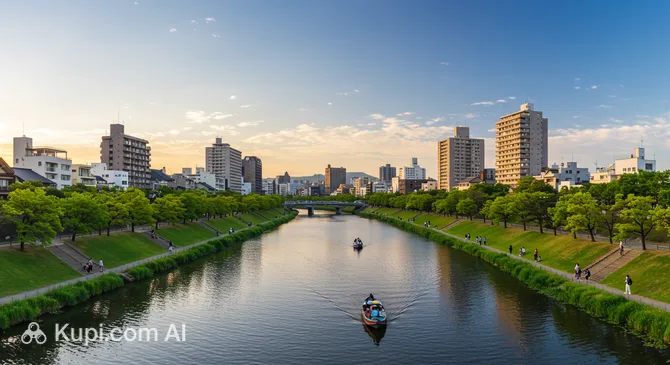
Hirakata. Illustration.
Source: Kupi.com AI

With a population of approximately 400,000 (more precisely, 396,694 people), Hirakata combines a relaxed suburban lifestyle with the conveniences of a large city. Part of Osaka Prefecture, it is an important transportation and cultural hub: from here, it is easy to reach both the bustling metropolitan energy of Osaka and the ancient temples of Kyoto.

The city's main highlight is its unique atmosphere. Harmony reigns between modernity and tradition here: modern shopping centers and cozy cafes sit alongside ancient shrines and parks. Hirakata is famous for its hospitality, and locals are always happy to share stories and tips with tourists.

One of the main reasons to visit Hirakata is the famous Hirakata Park, an amusement park that has been delighting guests of all ages for over a century. Additionally, the city offers opportunities for peaceful walks through shaded alleys and exploring Japanese culture off the beaten tourist path. Here, you can enjoy the silence of ancient temples and shrines scattered throughout the city.

If you are looking for a place where you can experience the authentic spirit of Japan and enjoy nature and culture away from overcrowded tourist hubs, Hirakata will be a pleasant discovery for you, offering unforgettable impressions.

You can find more interesting facts on the history of Hirakata page.
Weather Overview

In Hirakata, you can expect warm summers with frequent rain and cool, drier winters. The average temperature during the hottest months, July and August, hovers around 26-28°C, while maximum values can exceed 30°C. In winter, especially in January, the average temperature stays around 4°C, occasionally dropping to 0.6°C. The highest amount of precipitation (about 8 mm) occurs in July, while winter months like January and December see significantly less rain (about 2 mm). For a more detailed look at the city's climatic features, including information for each month, we recommend visiting the Hirakata Climate page.

Average monthly temperature

Average monthly precipitation

Interesting Facts

In addition to its well-known tourist routes, Hirakata holds many fascinating secrets and little-known stories. This city can surprise even the most experienced traveler with its versatility.

  • Hirakata is home to one of Japan’s oldest operating theme parks — Hirakata Park, known among locals as "Hirapa." Founded in 1910, this amusement park covers approximately 16 hectares (40 acres) and uniquely combines the nostalgic atmosphere of retro attractions with modern, thrilling roller coasters and seasonal events.

  • The city is famous for its contribution to education: it hosts one of the region's oldest and most respected universities — Hirakata University. Thanks to this educational institution, which attracts students from all over Japan and abroad, Hirakata is filled with youthful energy and a spirit of innovation.

  • Hirakata is a place where nature and tradition create a unique atmosphere. In spring, the city's parks are shrouded in a delicate cloud of blooming cherry blossoms, and in autumn, they blaze with the crimson of maple leaves. These natural wonders are often accompanied by vibrant traditional festivals where you can enjoy colorful processions, try authentic street food, and discover local crafts.

How to Get There

Hirakata occupies a strategically convenient position between two major centers of the region—Osaka and Kyoto—making the city easily accessible for travelers. To find out all the ways to get to the city, you can read our detailed instructions; below, we will cover the main air and land routes.

Hirakata itself does not have its own airport, so most international tourists arrive via the airports of neighboring Osaka. The main gateway to the region is Kansai International Airport (IATA: KIX). It is located in Osaka, about 57 km from Hirakata. This is the largest transport hub with a huge passenger flow, receiving flights from all over the world. A trip from there by car or taxi will take about 105 minutes; however, many prefer to use the convenient express trains and limousine buses.

For domestic flights within Japan, it is often more convenient to use Itami Airport (IATA: ITM), which is also located in Osaka but significantly closer—just 20 km from the center of Hirakata. The travel time by taxi is approximately 50 minutes. It is also worth mentioning Kobe Airport (UKB), located 43.5 km away; the drive from there by car will take about 85 minutes.

For clarity, here is a summary of the main airports through which you can reach the city:

AirportPassenger trafficDistance
Itami Airport14.8 mln20 km
Kobe Airport3.6 mln44 km
Kansai International Airport30.6 mln57 km
Chubu Centrair International Airport12.3 mln106 km
Tajima57 194110 km

Regarding rail travel, it is the primary and most popular way to get to Hirakata. The main transport artery is the Keihan Main Line. The city's central station is Hirakatashi Station. It is a major transit hub where all types of trains stop, including limited express trains. The journey from central Osaka (Yodoyabashi Station) or from Kyoto (Sanjo Station) takes about 20–30 minutes, making the trip fast and comfortable.

Main Attractions

Hirakata, a city with a rich culture and many interesting spots, offers its guests diverse opportunities for relaxation and discovery. Among its many attractions, there are several key places that you should definitely include in your itinerary.

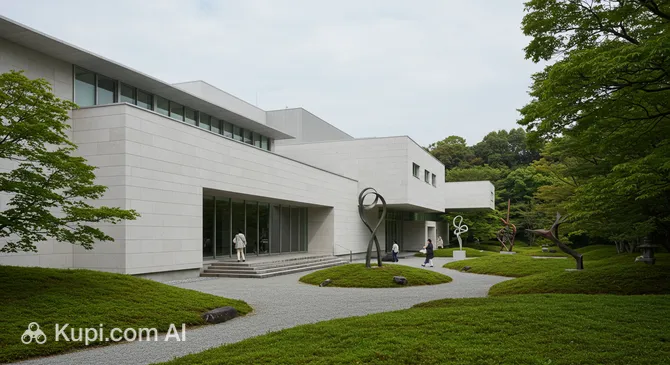
One of the city's significant cultural sites is the Hirakata City Performing and Visual Arts Center. This venue attracts art lovers by offering exhibitions, plays, and other cultural events. A visit to the center allows for a deeper acquaintance with both modern and traditional Japanese art, as well as the chance to enjoy vibrant performances. It is a wonderful opportunity to enrich your travel experience with cultural impressions.

Hirakata Performing and Visual Arts Center. Illustration.
Source: Kupi.com AI

Traveler photos:

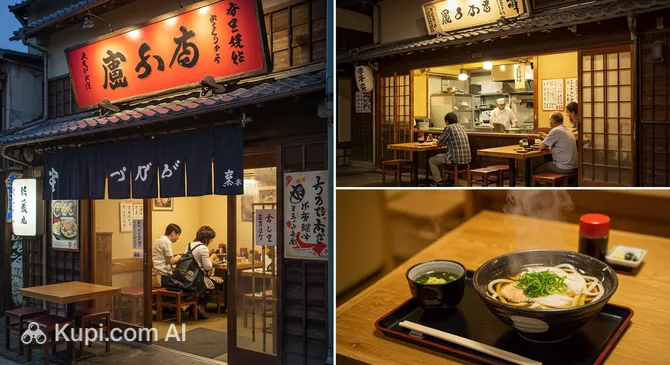
For foodies and lovers of Japanese cuisine, a visit to the restaurant Tetsukuri Udon Rakuraku is a must. Here you can try authentic Japanese udon, handmade according to traditional recipes. This establishment is famous for its quality and authentic atmosphere, making it popular with both locals and tourists who want to taste one of the most famous dishes in Japanese cuisine.

Tetsukuri Udon Rakuraku. Illustration.
Source: Kupi.com AI

Traveler photos:

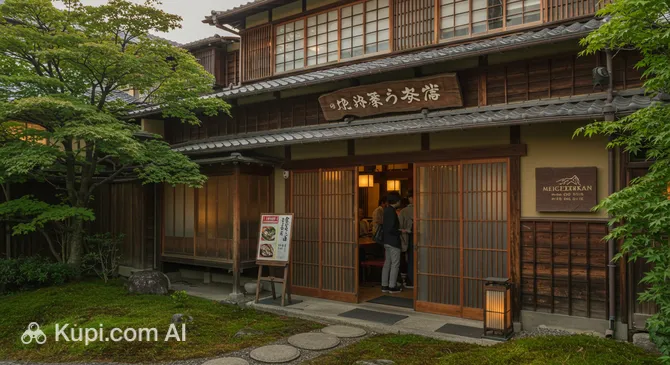
Another notable spot for connoisseurs of Japanese gastronomy is the Meigetsukan restaurant. Its name, which translates to "Pavilion of the Clear Moon," hints at the establishment's refined atmosphere. Here, guests can enjoy exquisite dishes and a high level of service. It is an excellent place for those who want more than just a meal, but a complete gastronomic experience in a pleasant setting.

Meigetsukan. Illustration.
Source: Kupi.com AI

Traveler photos:

These attractions represent only a part of what Hirakata has to offer. Each of these places is unique in its own way and will help you better understand the culture and traditions of this Japanese city.

Local Cuisine

The gastronomic scene in Hirakata is a fascinating dive into the culinary traditions of the Kinki region and Osaka Prefecture. Every foodie will find something to their liking here, from classic Japanese dishes to unique local specialties. Be sure to try the famous okonomiyaki—hearty and flavorful Japanese "pancakes" or "pizzas" with various fillings of vegetables, meat, or seafood, cooked right in front of you. Another iconic dish not to be missed is takoyaki, delicious balls of tender batter with pieces of octopus inside, generously drizzled with a special sauce and topped with bonito flakes.

Strolling through the streets of Hirakata, you will discover many street food stalls offering seasonal treats. In spring, these might be desserts with the delicate aroma of cherry blossoms, while in the hot summer, you'll be saved by refreshing kakigori—shaved ice drizzled with various fruit syrups. Local farmers' markets also deserve attention: you can always find the freshest vegetables, fruits, and seafood here, which are the foundation of high-quality and tasty dishes in the city's restaurants.

Those with a sweet tooth in Hirakata should look out for local waffles and traditional Japanese wagashi sweets, which perfectly complement a tea ceremony. For drinks, in addition to green tea, various types of sake, shochu, and, of course, Japanese beer are popular. Locals and tourists enjoy meals in both cozy family-run restaurants, where dishes are prepared according to recipes passed down through generations, and more modern establishments. For example, to experience authentic Japanese udon noodles, you can visit Tetsukuri Udon Rakuraku.

Furthermore, Hirakata periodically hosts gastronomic festivals, which are a true celebration for food lovers. At such events, you can not only taste a huge variety of Japanese dishes but also participate in masterclasses on making sushi or ramen, as well as sample rare delicacies unique to this region. Hirakata's culinary life is dynamic and multi-faceted, offering tourists unforgettable taste experiences.

Travel Tips

Welcome to Hirakata! To make your trip to this charming city in Japan as comfortable and memorable as possible, we have prepared some practical tips. They will help you find your way around better and enjoy every moment of your stay.

  1. Wardrobe and Useful Extras: The climate in Japan, and Hirakata in particular, is clearly divided into four seasons. It is hot and humid in summer, so choose light, breathable clothing. Winters can be chilly, so warm clothes, including a jacket, hat, and gloves, will come in handy. Spring and autumn offer moderate temperatures, ideal for layering. Be sure to bring comfortable shoes, as you will be doing a lot of walking. Don't forget an adapter for electrical appliances (Japan uses Type A and B sockets, with 100V voltage). When visiting temples and shrines, choose modest clothing that covers your shoulders and knees.
  2. Getting Around the City: Public transport in Hirakata, as in all of Japan, is excellently developed. The main means of transport are trains and buses. For convenience, you can purchase a rechargeable transport card (e.g., ICOCA in the Kansai region). Taxis are available but quite expensive; specialized taxi-hailing apps like JapanTaxi or Go can be useful. Renting a car is usually not necessary for moving around the city due to the efficiency of public transport and parking difficulties; if you do decide to rent, you will need an international driving permit.
  3. Money Matters: The local currency is the Japanese Yen (JPY). You can exchange currency at airports, banks, and specialized exchange offices. Credit and debit cards are accepted in many hotels, large stores, and restaurants, however, always have some cash on hand for small establishments, temples, and markets. International cards usually work at Japan Post Bank ATMs (in post offices) and Seven Bank ATMs (in 7-Eleven stores). An approximate daily budget per person (excluding accommodation) can range from 7,000 to 15,000 yen. Tipping is not practiced in Japan and may even be perceived as impolite.
  4. Self-Care: Pharmacies (薬局 - yakkyoku, or ドラッグストア - doraggusutoa) are easy to find, but not all staff speak English, so having a translator app is helpful. 24-hour pharmacies are less common. It is highly recommended to take out travel medical insurance before your trip. Hirakata, like Japan in general, is a very safe place. Follow standard precautions: keep an eye on your belongings, especially in crowded areas. There are virtually no specifically "unsafe" neighborhoods here.
  5. Language and Connectivity: The official language is Japanese. English is not understood everywhere, although staff in tourist areas and hotels often speak it. Learn a few basic phrases: "Konnichiwa" (Hello), "Arigato" (Thank you), "Sumimasen" (Excuse me/Sorry). For constant internet access, it is convenient to purchase a tourist SIM card or rent a pocket Wi-Fi router at the airport. Free Wi-Fi is available in some public places, hotels, and cafes. Useful apps: Google Maps for navigation and transport schedules, HyperDia (for trains), Gurunavi or Tabelog (for finding restaurants).
  6. Etiquette: Greetings in Japan are often accompanied by a bow; for tourists, a slight nod of the head is usually sufficient. In public places, especially on transport, try to speak quietly and avoid eating while walking (unless in designated areas). Be prepared to remove your shoes when entering homes, some temples, traditional restaurants, and ryokans. Observe the rules for using chopsticks: do not stick them vertically into rice and do not pass food from chopsticks to another person's chopsticks.
  7. Tourist Taboos: Firstly, never leave a tip—this can embarrass or even offend the staff. Secondly, avoid loud phone conversations on public transport; if you must answer a call, speak very softly or call back later. It is also not customary to blow your nose loudly in public; it's better to go to a restroom or use a handkerchief as discreetly as possible.
  8. Hirakata Highlight: Be sure to plan a visit to Hirakata Park—it is one of the oldest amusement parks in Japan, offering attractions for all ages. It's a great place for a family holiday or just for a fun day out. Given Hirakata's location between Osaka and Kyoto, the city can also serve as a convenient base for exploring these major tourist centers.

We hope these tips make your stay in Hirakata even more pleasant and fulfilling. This city is full of discoveries, and we are sure you will take home plenty of positive impressions. Have a great trip!

Entertainment & Nightlife

Hirakata, nestled comfortably in Osaka Prefecture, offers its guests a variety of options for leisure and entertainment. While the city may not rival the bustling nightlife of major metropolises, it has its own more intimate and authentic atmosphere for evening recreation.

As darkness falls, Hirakata invites you to explore local bars, cozy izakayas (traditional Japanese pubs), and small clubs, concentrated mainly around Hirakatashi Station. The atmosphere here is usually relaxed and friendly, attracting both locals and visitors. Most establishments stay open until late at night, especially on weekends, and the dress code is generally casual unless it is a specialized venue.

For dinner before your nightly adventures or simply for a pleasant evening in the city, there are excellent restaurants. For example, you can try traditional Japanese cuisine at Tetsukuri Udon Rakuraku, known for its handmade udon, or enjoy refined dishes at Meigetsukan. These spots are perfect for getting acquainted with the local gastronomy in a quiet setting.

When planning an evening out, keep in mind that most places start to come alive after 7:00 PM or 8:00 PM. Prices in Hirakata's bars and restaurants are generally moderate, especially compared to central Osaka. You can reach your destination by train in the evening, but pay attention to the schedule of the last trains if you plan to stay out late. After trains stop running, taxis become the primary mode of transportation.

Hirakata, like most cities in Japan, is considered a safe place for night walks, particularly in the lively areas around the station. However, it is always worth observing basic precautions. Taxis can be found at stations, or you can ask the staff of the establishment you are in to call one for you.

Hirakata also keeps visitors entertained during the day. Culture lovers can visit the Hirakata City Performing and Visual Arts Center, which regularly hosts exhibitions and events. The city also offers parks for walks and outdoor recreation, and its proximity to Osaka and Kyoto opens up even more possibilities for day trips.

Parks & Museums

Hirakata, a city with a rich history and a picturesque location in Osaka Prefecture, offers its guests a pleasant combination of relaxing green spaces and interesting cultural sites. Here, you can both unwind in nature and immerse yourself in the study of local heritage by discovering the city's parks and museums.

For nature lovers and those who enjoy peaceful walks, Hirakata can offer several wonderful spots. One of the most popular is Yamadaike Park, known for its large pond, beautiful seasonal flower displays, and spacious lawns perfect for a picnic or leisure. Another notable site is Kunyoyama Kinen Koen, linked to the history of the Imperial family and offering a more secluded, quiet atmosphere for nature contemplation. Although Hirakata Park is primarily known as an amusement park, it also features well-maintained garden areas where quiet corners can be found.

The city's cultural life is also of interest to tourists. Art connoisseurs will enjoy the Hirakata City Performing and Visual Arts Center. This modern space regularly hosts diverse exhibitions, classical and contemporary music concerts, and theatrical performances that introduce visitors to current trends in Japanese and international art.

To understand the history of the region more deeply, it is worth visiting the Kagiya Museum. It is housed in a historical building that once served as an inn on the ancient Tokaido road. The museum's exhibition tells the detailed history of Hirakata as an important post town during the Edo period, immersing visitors in the atmosphere and daily life of past centuries. This is an excellent opportunity to touch the city's past.

In addition to major parks and well-known museums, one can find less obvious but equally charming places to explore in Hirakata. For instance, a leisurely stroll along the banks of the Yodo River can provide beautiful panoramic views and moments of peace. It is also worth paying attention to the small local temples and shrines, which often hide interesting architectural details and reflect the authentic spirit of old Japan, offering a more personal introduction to the culture.

Getting Around

Planning a trip to Hirakata and want to understand the local transport system? It's easy! The city offers several convenient ways to get around that will help you explore it and its surroundings.

The backbone of public transport in Hirakata consists of trains and buses. The Keihan Main Line plays a key role, connecting Hirakata with major cities like Osaka and Kyoto. This is a fast and efficient way to reach neighboring metropolises or other areas of the prefecture. Within the city and for access to areas further from railway stations, local buses run, mostly operated by the Keihan Bus company. They cover a wide network of routes, making various parts of Hirakata accessible.

The payment system in Japanese public transport is very convenient. The most popular method is using rechargeable IC cards, such as ICOCA (common in the Kansai region), Suica, or Pasmo. These cards can be used for both trains and buses by simply tapping them against the reader at the turnstile or on the bus. You can buy or top up an IC card at machines in railway stations. Alternatively, you can always buy single tickets for a specific trip at machines before entering the platform or directly from the bus driver (though change may be limited). The fare depends on the distance. Sometimes daily passes for specific lines or zones are available, which can be beneficial when planning many trips.

Tourists should keep a few practical points in mind. Train tickets are usually purchased at station machines before boarding. When entering and exiting a railway station, you must pass your ticket through the turnstile or tap your IC card. In buses, payment with an IC card is made upon boarding or exiting (depending on the type of bus), and when paying with cash, you often need to take a numbered ticket indicating your boarding zone and pay the fare to the driver upon exit. Public transport in Hirakata, and Japan as a whole, is very punctual, usually operating from early morning (around 5-6 AM) until midnight, but it's best to check schedules in advance, especially for the last runs.

If you prefer alternative ways of moving around, taxis are available in Hirakata. They can be found at special stands near stations or called by phone. This is a more expensive option but convenient for trips with luggage or during the night. In some areas, bicycle rentals may be available, which is a great way for a leisurely exploration of the city and its parks, such as Hirakata Park, although the park itself is more of an attraction than a transport hub.

Accommodation

In Hirakata, travelers will find various accommodation options to suit different preferences and budgets. The city offers a choice from more economical options, such as guesthouses or small hotels, to comfortable mid-range hotels. You might also consider renting an apartment, especially if you are planning a long stay or traveling with a family.

When choosing a place to stay in Hirakata, look for areas with good transport accessibility, which will allow you to easily reach attractions both within the city and in the surrounding areas. Staying near railway stations can be particularly convenient for exploring the region. While there are no specific hotels in the provided list, the city offers a standard set of accommodation options typical for Japanese cities of this size.

When planning your trip, especially during popular tourist seasons, it is recommended to book your accommodation in advance. This not only guarantees availability but often allows you to find better deals. Most hotels and apartments in Hirakata can be booked through popular online platforms, and direct booking via official hotel websites is also an option. The price range varies from budget to mid-range, offering options for different categories of travelers.

Nearby Cities

For those who want to explore the surrounding area, Hirakata serves as an excellent starting point for day trips to several interesting nearby locations:

CityPopulationDistance
Katano76 0024 km
Takatsuki347 4965 km
Shijonawate55 0948 km
Yawata70 3739 km
Kadoma118 31910 km

Among the closest cities, Takatsuki stands out, located just 5 km away. This city is attractive for its convenient location between Osaka and Kyoto, as well as its interesting historical sites, such as the Takatsuki Castle ruins and ancient burial mounds, offering a pleasant mix of urban life and cultural heritage.

Another wonderful place for a day trip is Uji, known throughout Japan for its high-quality green tea. The city is also famous for the magnificent Byodo-in Temple, depicted on the 10-yen coin, and the picturesque scenery along the Uji River, making it an ideal destination for connoisseurs of Japanese culture and nature.

These nearby destinations provide insight into the diverse culture and landscapes of the region. Each of these trips will give you new experiences and complement your journey through Japan.

Shopping & Souvenirs

Hirakata offers pleasant shopping opportunities, combining modern stores with traditional Japanese goods. Although the city may not be a major fashion hub like Osaka or Tokyo, you can find everything you need and interesting souvenirs here. It is difficult to single out specific goods that Hirakata is famous for across Japan, but here, as in many Japanese cities, you can find high-quality local products and crafts.

The main shopping areas in Hirakata are generally concentrated around major transport hubs. Look for the areas adjacent to Hirakatashi Station. Here, you are likely to find department stores, small boutiques, electronics shops, and various stalls. A walk through the surrounding streets will allow you to discover both chain stores and unique local outlets.

In Hirakata, as in most Japanese cities, shopping centers or at least large department stores can be found near the main railway stations. Look for signs of well-known Japanese chains or multi-story complexes offering a wide range of goods—from clothing and cosmetics to household items and groceries. While there may not be world-famous malls in Hirakata, local complexes offer a good selection.

Although Hirakata is not known for large tourist markets, you may come across small local markets, especially if you turn off the main streets. These could be morning markets with fresh produce or small weekend fairs where locals sell handmade items. Finding such places can be an interesting addition to your shopping experience.

For souvenirs from Hirakata and the Kansai region, consider traditional Japanese items: ceramics, textiles (such as tenugui towels or furoshiki wrapping cloths), fans, local tea, or sweets (wagashi). You can also look for items reflecting the culture of Japan, such as calligraphy or small decorative objects. If you visit local temples or cultural centers, you can often find unique amulets or themed souvenirs there.

Most shops in Hirakata are typically open from 10:00 AM or 11:00 AM to 7:00 PM or 8:00 PM. Large shopping centers may stay open longer. As for payment, credit cards (Visa, Mastercard) are widely accepted in most stores and shopping centers. However, in smaller shops or markets, it is preferable to have cash (Japanese Yen) with you.

For international tourists in Japan, there is a value-added tax refund system (Tax Free). Look for stores with the "Tax-Free Shopping" sign. Usually, to qualify for a refund, you must spend a certain amount (most often over 5,000 yen) in one store within one day and present your passport. The procedure for processing may vary between stores.

Reached the end of the page?

That means the route is fully explored