Support

Kameoka

About

Kameoka is a cozy city picturesquely nestled among green hills in the western part of Kyoto Prefecture, Japan. It is comfortably located in the Hozu River valley, just a half-hour drive from the famous Kyoto, making it an excellent choice for those who wish to explore not only major tourist hubs but also the charm of the Japanese countryside. The atmosphere in Kameoka is permeated with tranquility and warmth; there is no bustle of big cities, but rather many corners for contemplating nature and getting acquainted with the measured rhythm of local life.

The population of Kameoka is about 86,000 people. The city holds significant administrative importance and is known as the "gateway" to the famous Arashiyama district, renowned for its bamboo groves and historic temples. Thanks to its location, Kameoka is surrounded by scenic landscapes: dense forests, well-tended fields, and the winding Hozu River create a sense of complete harmony with nature.
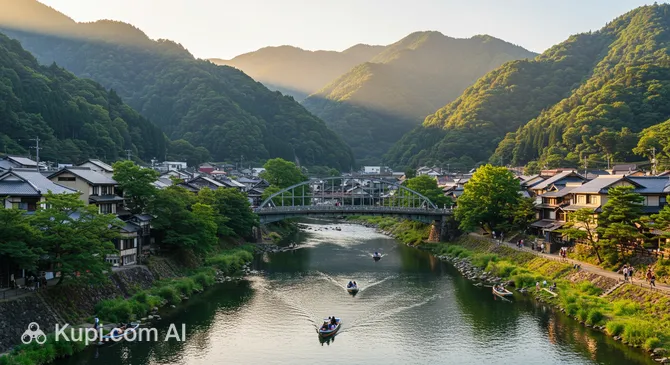
Kameoka. Illustration.
Source: Kupi.com AI

Kameoka attracts travelers with its authenticity and the opportunity to touch traditional Japanese culture. One of the main highlights is the Hozu River itself, where exciting boat trips are organized, offering stunning views of the gorge. Guests of the city can learn about local crafts, explore ancient streets where the spirit of antiquity lingers, and visit local temples. Of course, one shouldn't miss the chance to use Kameoka as a starting point for a trip to Arashiyama.

If you are looking for a place for a peaceful vacation, to experience the real Japan away from noisy metropolises and enjoy natural beauty, Kameoka will undoubtedly be a pleasant and memorable discovery for you.

You can find more interesting facts on the Kameoka city history page.
Weather Overview

The weather in Kameoka is characterized by notable seasonal changes. Summer, especially in July and August, is warm here, with average temperatures reaching 26-27°C and maximums around 29-30°C. This period also sees the highest amount of precipitation, with July being the wettest month with about 21 rainy days. Winters, from December to February, are quite cold, with average temperatures hovering around 3-5°C, and minimums can drop close to zero. Precipitation in winter is less abundant but still present. Thus, expect a warm and humid summer with occasional rain and cool, moderately damp winters. Spring and autumn offer more moderate temperatures and changeable weather.

For more detailed information about the weather in different months, including precipitation data and number of sunny days, you can check the Kameoka Climate section.

Average monthly temperature

Average monthly precipitation

Interesting Facts

In addition to its well-known attractions, Kameoka hides many amazing stories and unique features that make this city truly special. Here are just a few interesting facts that might surprise you:

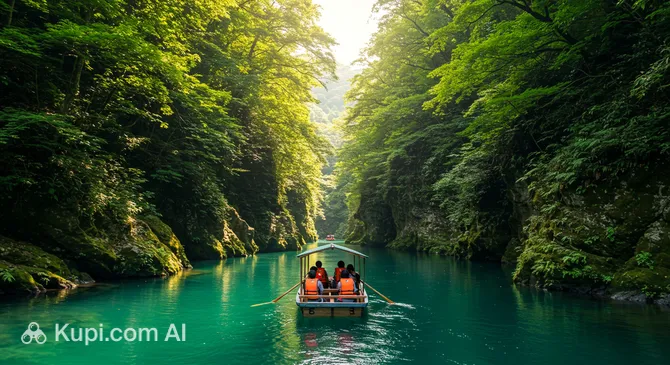
Hozugawa River Boat Ride. Illustration.
Source: Kupi.com AI

Traveler photos:

  • Kameoka is not just a picturesque city, but also a place where, according to legends, the Seven Lucky Gods found their home. It is believed that a pilgrimage here brings good fortune, attracting those seeking favor from destiny.

  • The city carefully preserves unique traditions of Japanese sword-making. Yuya Nakanishi, the only master blacksmith in Kyoto Prefecture continuing the work of ancient craftsmen, works here. He not only creates swords using ancient technologies but also shares his art through workshops.

  • Kameoka is famous for its scenic Sagano Railway, where a romantic express train runs along the Hozu River. This route is especially beautiful in spring during the cherry blossoms and in autumn when the slopes turn crimson. Active leisure enthusiasts can also enjoy the Hozu River boat ride, which offers a different perspective on these beauties.

  • Vibrant festivals take place annually in Kameoka, attracting many guests. Among them, the grand fireworks festival on the Hozugawa River and the traditional Kameoka Matsuri stand out, providing unforgettable experiences.

How to Get There

Getting to this picturesque city is quite easy thanks to the well-developed transport network of the Kansai region. You can find all the details and plan your route by visiting the how to get to Kameoka page, and below we will discuss the main ways to arrive.

The nearest air gateways are located in neighboring major cities. There is no airport in Kameoka itself, so travelers usually fly into Osaka. The most convenient option for international flights is Kansai International Airport (KIX) in Osaka, located about 72 km from Kameoka. A taxi or transfer from there will take about 2 hours, but it is more convenient to take an express train to Kyoto and then transfer to a local line. For domestic flights within Japan, Itami Airport (ITM), also in Osaka, is excellent and much closer — only 28 km away. A car journey from Itami takes about an hour.

You can also consider flying into Kobe Airport (UKB), located 52 km away. This is a good alternative for domestic flights, with the journey to Kameoka taking about an hour and a half by car.

For clarity, here is a summary of the main airports:

AirportPassenger trafficDistance
Itami Airport14.8 mln28 km
Kobe Airport3.6 mln52 km
Kansai International Airport30.6 mln72 km
Tajima57 19491 km
Chubu Centrair International Airport12.3 mln114 km

The railway is the most popular way to reach the city. Kameoka is connected to Kyoto by the JR Sagano Line (part of the Sanin Main Line). Trains depart from Kyoto Station, where high-speed Shinkansen trains arrive from Tokyo and other cities. The trip from Kyoto to Kameoka Station takes only 20–30 minutes by rapid train. This is not only fast but also beautiful: the path runs through the picturesque Hozukyo Gorge, the views of which are especially stunning during the cherry blossom season and in autumn.

Main Attractions

Kameoka, snugly located in Kyoto Prefecture, offers its guests a unique blend of natural beauty and cultural heritage. The city is famous for its picturesque landscapes and historical sites that attract travelers seeking peace and an authentic Japanese experience. Among the many interesting places in Kameoka, several particularly stand out.

One of the most thrilling experiences in Kameoka is the Hozu River Boat Ride. This is a traditional boat trip down the rapid Hozugawa River, which originates in the Tanba Mountains and flows into the Katsura River in Arashiyama. The journey on boats steered by experienced boatmen using bamboo poles offers a chance to enjoy stunning views of the canyons, which change with the seasons – from cherry blossoms in spring to the fiery colors of autumn. This is not just a ride, but a true adventure that allows you to feel the power of nature and the skill of the boatmen.

Hozugawa River Boat Ride. Illustration.
Source: Kupi.com AI

Traveler photos:

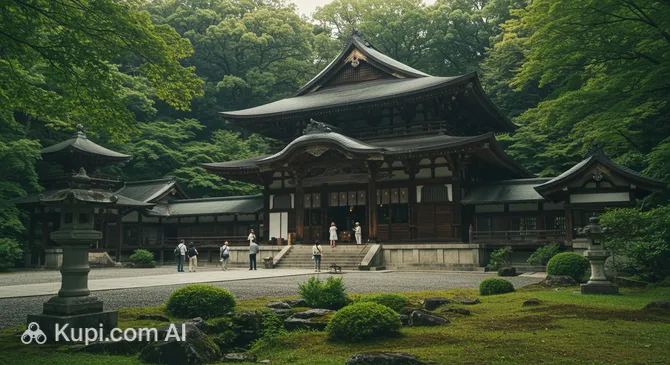
For those interested in the spiritual side of Japan, Anaji-ji Temple is a must-visit. This Buddhist temple of the Tendai school is known for its peaceful atmosphere and beautiful architecture. It is especially famous for its statue of the Reclining Buddha (Nehan-zo), which attracts pilgrims and tourists alike. The temple is also the 21st of the 33 temples on the Saigoku Kannon pilgrimage route, making it an important spiritual center for the region. A walk through its grounds will provide a sense of calm and harmony.

Anaoji Temple. Illustration.
Source: Kupi.com AI

Traveler photos:

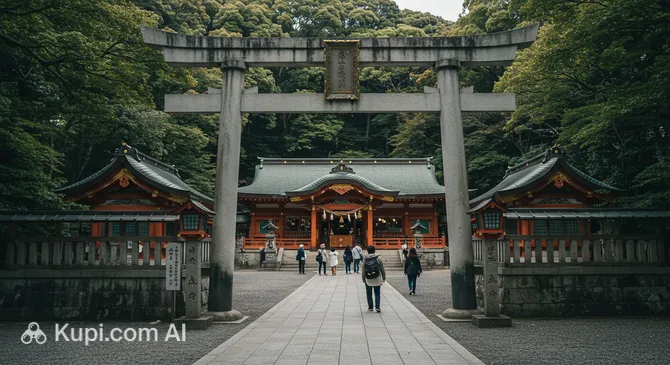
Another significant site is Kuwayama Shrine. This Shinto shrine is dedicated to deities associated with agriculture and prosperity. It is particularly popular during the autumn festival, when colorful processions and traditional rituals can be seen here. The shrine is surrounded by nature, and its grounds are ideal for leisurely strolls, allowing visitors to immerse themselves in the atmosphere of ancient Japanese beliefs.

Kuwayama Shrine. Illustration.
Source: Kupi.com AI

Traveler photos:

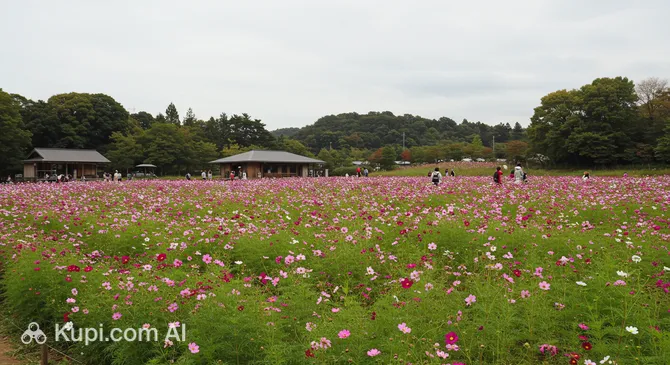
Flower lovers and fans of scenic landscapes should visit the Kameoka Yume Cosmos Garden. This garden is especially beautiful in autumn when millions of cosmos flowers of various shades bloom in vast fields. This creates an incredibly beautiful and photogenic sight. Besides the cosmos, various events and festivals are often held in the garden, making it a popular spot for family outings and romantic walks. It is the perfect place to enjoy the beauty of nature and take bright photos to remember your trip to Kameoka.

Yume Cosmos Garden. Illustration.
Source: Kupi.com AI

Traveler photos:

Local Cuisine

The cuisine of Kameoka charms with its rural flavor and refined simplicity, based on the freshest local products and centuries-old Japanese culinary traditions. Rice grown in the fertile fields of the region holds a special place in the city's gastronomy, along with seasonal vegetables and gifts from the Hozu River, which give the dishes a unique taste.

Among the dishes definitely worth trying in Kameoka is Kameoka-don – a hearty and aromatic rice bowl with meat and vegetables, prepared according to a special local recipe passed down through generations. Local residents are also proud of their handmade tofu, distinguished by its delicate texture, and fresh fish caught in nearby waters. The city's gastronomic scene emphasizes seasonality: in spring, you will be offered dishes with young bamboo shoots; in summer – juicy vegetables and sweet fruits; in autumn – chestnuts and mushrooms; and in winter – warming soups and stews.

As for drinks, as in all of Japan, traditional green tea is popular here. Given the importance of rice to the region, you can also expect high-quality local sake. In the warmer months, it is pleasant to refresh yourself with drinks based on seasonal fruits.

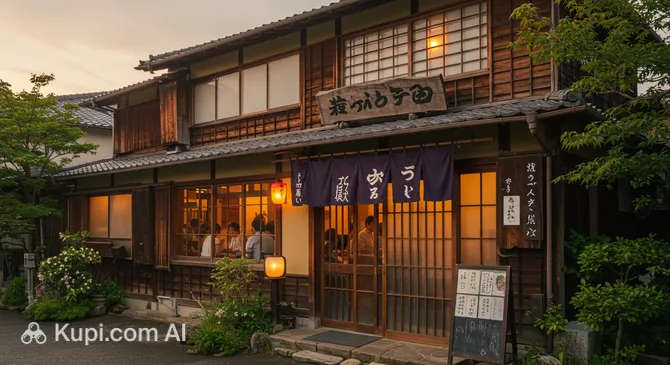
You can get acquainted with Kameoka's gastronomic culture at bustling farmers' markets, where the full range of seasonal delicacies is presented. Street food also deserves attention: be sure to try yaki-tomorokoshi (grilled corn) and taiyaki (traditional fish-shaped cakes filled with sweet adzuki bean paste). For a more substantial meal, you can visit one of the local restaurants, such as Louisiana Mama. The city is also known for its food festivals, during which fairs with food tastings and sushi-making workshops are held, allowing for a deeper dive into culinary traditions.

Louisiana Mama. Illustration.
Source: Kupi.com AI

Traveler photos:

A journey to Kameoka will give you a unique opportunity to enjoy authentic Japanese cuisine, appreciate the taste of the freshest seasonal products, and experience the hospitality of the locals, for whom food is an integral part of culture.

Travel Tips

Planning a trip to Kameoka? Wonderful! To ensure your journey through this charming corner of Japan goes smoothly and leaves only pleasant impressions, we have prepared some practical tips.

  1. Dress for the Season and Comfort: The climate in Kameoka, as in all of Japan, has distinct seasons. In summer (June-August), it is hot and humid, so choose light, breathable clothing. In winter (December-February), it can be chilly, so warm clothes are essential. Spring and autumn are the ideal times for comfortable walks in a light jacket or sweater. Don't forget comfortable shoes, as you will be doing a lot of walking, especially if you plan to visit temples. Bring an adapter for your electronics (Japan uses type A sockets). When visiting temples and shrines, choose modest clothing that covers shoulders and knees.
  2. Transport in the City: The main way to get around Kameoka and its surroundings is by rail, particularly the JR Sagano line, which conveniently links the city with Kyoto. Local buses are also available. Taxis exist in Japan, but they are a rather expensive option. Renting a car can be useful for exploring more remote parts of Kyoto Prefecture, but keep in mind that an international driving permit is required, and traffic in Japanese cities can be dense.
  3. Finance and Payments: The national currency is the Japanese Yen (JPY). Credit cards are accepted in many hotels, large stores, and restaurants, but it is always useful to have some cash with you, especially for small establishments, markets, or when visiting temples. You can exchange currency at airports or banks. ATMs that accept international cards are most often found in post offices (Japan Post Bank) and 7-Eleven convenience stores. Tipping in Japan is not practiced, and it may be perceived as impolite.
  4. Health and Safety: Kameoka, and Japan in general, is a very safe place for tourists. Pharmacies (look for signs 薬局 (yakkyoku) or ドラッグストア (doraggusutoa)) are easy to find, but not all are open 24/7. Tap water in Japan is drinkable. It is highly recommended to take out travel medical insurance before your trip.
  5. Language and Connectivity: The official language is Japanese. In tourist areas of Kameoka and Kyoto, staff may speak English, but in general, proficiency levels are not very high. Learn a few basic phrases in Japanese: "Konnichiwa" (Hello), "Arigato" (Thank you), "Sumimasen" (Excuse me/I'm sorry). This will help a lot in communication. A SIM card for mobile internet can be purchased at the airport or major electronics stores. Wi-Fi is available in many hotels, cafes, and public places.
  6. Local Etiquette: Japanese people value politeness and respect for traditions. Greetings are often accompanied by a bow. It is customary to remove your shoes before entering homes, some temples, and traditional restaurants or inns (ryokans). In public transport, try to speak quietly and not disturb other passengers. Avoid eating and drinking while walking on the street unless in areas specifically designated for it.
  7. What Best to Avoid: Do not stick your chopsticks vertically into a bowl of rice – this is associated with funeral rituals. Try not to speak loudly on the phone in public places, especially in transport. It is not customary to point at people or objects with one finger – it's better to use an open palm.
  8. Kameoka Special Feature: The city is famous for the picturesque Hozu River. A popular activity is the traditional boat ride (Hozugawa Kudari), offering breathtaking views of the gorge. This is an unforgettable adventure, especially beautiful in spring during the cherry blossoms or in autumn when the mountain slopes are painted in vibrant colors. Also nearby is the scenic route of the Sagano Romantic Train. We recommend checking the schedule and booking tickets in advance, especially during peak season.

We hope these tips help you better prepare for your trip and enjoy every moment of your stay in Kameoka. This city and its surroundings are full of amazing discoveries, and we are sure your journey will be unforgettable!

Entertainment & Nightlife

Evening and nightlife in Kameoka offers a peaceful and authentic experience rather than the rowdy parties until dawn typical of metropolises. The city invites you to cozy gatherings in restaurants and traditional Japanese establishments where you can enjoy the local atmosphere after a busy day.

The core of evening entertainment in Kameoka consists of restaurants offering diverse cuisine. One such place is the Louisiana Mama restaurant, where you can spend a pleasant evening over dinner. While Kameoka might not be famous for an abundance of nightclubs, you can find small local bars and traditional Japanese drinking establishments called izakayas. The atmosphere in such places is usually very welcoming, with an emphasis on conversation and quality drinks. The crowd is generally local, allowing for a deeper dive into the daily life of a Japanese city.

Louisiana Mama. Illustration.
Source: Kupi.com AI

Traveler photos:

Most restaurants and bars stay open until late evening, but not all night. There is usually no specific dress code; a neat casual style is welcomed. Prices in Kameoka's establishments are generally moderate. For evening outings, it's best to aim for the time after 7:00-8:00 PM, when the daytime hustle subsides.

Getting around the city at night is most convenient by taxi, as public transport may run less frequently. Kameoka, like most cities in Japan, is considered a safe place for walking even after dark; however, it's always worth observing standard precautions. You can ask a restaurant or hotel to call a taxi for you, or find dedicated taxi stands.

During the day, Kameoka offers many interesting activities. Outdoor enthusiasts can go on the Hozu River Boat Ride, which provides unforgettable impressions and scenic views. For those interested in culture and history, it is worth visiting Anaji-ji Temple or Kuwayama Shrine to touch the spiritual side of Japan. And a walk through the Yume Cosmos Garden (especially during the blooming season) will be a great conclusion to the daytime program.

Thus, Kameoka offers a harmonious combination of daytime activities and quiet evening entertainment, allowing tourists to enjoy both natural and cultural beauty as well as the hospitable atmosphere of local establishments.

Parks & Museums

Kameoka is a city where you can enjoy the beauty of nature and touch the rich cultural heritage of Japan. Here you will find peaceful green spots for relaxation and interesting places that preserve the region's history.

For nature lovers, Kameoka offers several wonderful locations. One of the most famous is the Yume Cosmos Garden. This picturesque garden is especially beautiful in autumn when millions of cosmos flowers bloom, creating an unforgettable sight. It is a great place for walks and photos, allowing you to feel in harmony with nature.

Yume Cosmos Garden. Illustration.
Source: Kupi.com AI

Traveler photos:

Another unique natural activity is the Hozu River Boat Ride (Hozugawa Kudari). This is a thrilling journey on a traditional boat through the scenic gorges of the Hozu River, allowing you to admire the changing landscapes, particularly beautiful in spring during the cherry blossoms and in autumn during the period of vibrant colors. Such a trip gives unforgettable impressions of the power and beauty of nature.

Hozugawa River Boat Ride. Illustration.
Source: Kupi.com AI

Traveler photos:

In addition to these iconic spots, many hiking trails can be found in the vicinity of Kameoka to enjoy the tranquility of Japanese nature, for example, along the banks of the same Hozu River, where scenic views and secluded spots for meditation are often encountered.

While Kameoka might not be famous for large modern museums, its cultural heritage is vividly represented in numerous temples and shrines. These places are a kind of living museum, telling the story and spiritual life of the region. One such significant site is Anaji-ji Temple. This ancient Buddhist temple is known for its peaceful atmosphere, old architecture, and beautiful garden, attracting pilgrims and tourists seeking peace and spiritual enrichment.

Anaoji Temple. Illustration.
Source: Kupi.com AI

Traveler photos:

Equally interesting is Kuwayama Shrine, dedicated to the patron deities of agriculture and sericulture. It is famous for its festivals, such as "Kikka-ten" (chrysanthemum festival), and its beautiful grounds, especially during the wisteria bloom. Visiting such places provides an opportunity to deeper understand local traditions and beliefs, as well as to enjoy architectural craftsmanship.

Kuwayama Shrine. Illustration.
Source: Kupi.com AI

Traveler photos:

For a more authentic experience, take a stroll through the lesser-known streets of the city, where you can discover small local temples or craft workshops that convey the spirit of old Japan. Pay attention to seasonal festivals often held at shrines and temples – these are a great way to immerse yourself in local culture and see the city in a different light.

Getting Around

Public transport in Kameoka is mainly represented by rail links and bus routes, which allow for fairly convenient travel both within the city and to neighboring towns, including Kyoto. The main railway artery is the JR Sagano Line (San'in Main Line), which connects Kameoka with Kyoto and other cities in the Kansai region.

For paying fares, the most convenient method is using rechargeable smart cards, such as ICOCA (common in the Kansai region) or other compatible Japanese IC cards (e.g., Suica, Pasmo). These cards can be used on trains and most buses simply by tapping them on the reader at the entry and exit. You can also always purchase one-time tickets at machines in railway stations or directly from the bus driver when boarding (exact change is often required, or coin exchange machines may have limitations). There are few specialized tourist passes specifically for Kameoka, but if you plan to travel actively throughout the region, it's worth looking into regional JR Passes.

Train tickets are purchased at stations from machines or ticket offices. When using an IC card, simply top up its balance. In buses, payment is usually made upon exit; in some systems, you need to take a ticket with a stop number upon entry to determine the fare. Public transport runs on a schedule that is generally followed. Trains and buses start running early in the morning and stop late at night, however, frequency may decrease in the evening hours and on less popular routes.

Among the alternative ways to get around Kameoka and its surroundings, taxis are available at stations and popular tourist spots, but they are a more expensive option. To explore the picturesque surroundings, especially along the Hozu River, bicycle rental is popular. This is an excellent way to enjoy nature at your own pace. Car sharing in Kameoka is less common than in major metropolises.

One of the unique transport features attracting tourists to Kameoka is the Sagano Scenic Railway (or Torokko Train). This is a tourist train running a scenic route along the Hozu River gorge between Torokko Kameoka Station and Torokko Saga (in the Arashiyama district of Kyoto). While it is more of a tourist attraction than regular public transport, it offers unforgettable views and is a popular way to get to Arashiyama or back. Also worth mentioning are the traditional Hozugawa Kudari boat trips, which begin near Kameoka and finish in Arashiyama, offering another unique way to travel and sightsee.

Accommodation

When planning a trip to Kameoka, you will find a variety of accommodation options to suit different preferences and budgets. The city offers a choice ranging from more economical guesthouses and traditional ryokans (Japanese inns) to comfortable mid-range hotels and perhaps more secluded options like apartment or house rentals. Overall, you can find both budget options and mid-price segment housing, as well as more luxurious offerings for those who value special comfort.

When choosing a place to stay in Kameoka, you should pay attention to areas that provide convenient access to main attractions, such as the Hozu River Boat Ride or Anaji-ji Temple, as well as transport hubs. Central areas or spots near railway stations are often popular choices among tourists due to their practicality and proximity to tourist infrastructure.

To guarantee yourself the best choice and prices, especially if your trip falls during peak tourist season or local festivals, it is recommended to book accommodation in advance. This will help avoid unnecessary hassle and ensure a wider selection of available options that meet your expectations and budget.

The price range for accommodation in Kameoka varies from budget options to mid-range and higher-class offers. Most hotels and guesthouses can be easily booked through popular online booking platforms, which offer a wide selection and price comparison. There is also the option of direct booking via hotel websites or by phone, which can sometimes offer special terms or discounts for guests.

Nearby Cities

For those who want to explore the surrounding area, Kameoka serves as an excellent starting point for day trips to several interesting nearby locations:

CityPopulationDistance
Toyono18 01113 km
Muko56 15213 km
Nantan31 07514 km
Oyamazaki15 99116 km
Kyoto1 464 89018 km

These nearby destinations offer insight into the diverse culture and landscapes of the region. Each of these cities offers its own unique attractions, from the ancient temples and gardens of Kyoto to modern urban landscapes, making them a wonderful addition to your trip to Kameoka.

Shopping & Souvenirs

Kameoka, a charming city in Kyoto Prefecture, offers more of an authentic local shopping experience rather than the glitz of major shopping centers. Here you won't find huge malls, but you can immerse yourself in the atmosphere of small shops and perhaps find unique items from local artisans. Shopping in Kameoka is an opportunity to buy something to remember this peaceful and picturesque corner of Japan.

The main shopping points in Kameoka are generally concentrated around the JR Kameoka railway station and on the adjacent streets. Here you can find small shops offering everyday goods, local products, and souvenir stalls. A walk through these areas will allow you to better feel the rhythm of local life.

Kameoka may not have the huge, ultra-modern shopping centers common in metropolises. Instead, you are likely to encounter small shopping complexes or individual department stores catering to the needs of the local population. For more large-scale shopping in major malls, you should consider a trip to neighboring Kyoto.

While Kameoka is not famous for large and widely known daily markets, local fairs or seasonal markets are sometimes held here where farmers sell fresh produce and craftsmen sell their wares. It is best to check for information on such events locally, for example, at tourist information centers.

From Kameoka, it's worth bringing home souvenirs that reflect its natural beauty and cultural heritage. Look for products from local artisans, perhaps ceramics or textiles. Traditional Japanese sweets (wagashi) are also popular. Small souvenirs can be found in shops near attractions like Anaji-ji Temple or near the starting point for the Hozu River Boat Ride, where themed goods may be sold. You can also look for something related to beautiful places like the Yume Cosmos Garden.

Hozugawa River Boat Ride. Illustration.
Source: Kupi.com AI

Traveler photos:

Most shops in Kameoka are usually open from 10:00 or 11:00 AM to 7:00 or 8:00 PM. Small family-run shops may have their own more flexible schedules and a day off during the week. Regarding payment, while credit cards are accepted in an increasing number of places, it is always useful to have enough cash with you, especially for purchases in small shops and at markets, if you find any. Transport IC cards (e.g., ICOCA) may also be accepted in some shops.

For foreign tourists in Japan, a consumer tax refund system (Tax Free) is in place. Look for stores with the corresponding "Tax-Free Shop" logo. Usually, to process a tax refund, you need to make a purchase of a certain amount (most often over 5,000 yen) and present your passport. It's best to check the details directly in the stores.

Reached the end of the page?

That means the route is fully explored