Support

Sanda

About

Sanda is a cozy and picturesque city located in Hyogo Prefecture, just an hour's drive from major metropolises like Osaka and Kobe. It is an ideal destination for those dreaming of a break from the urban hustle and bustle to immerse themselves in the atmosphere of the Japanese countryside, where nature and centuries-old traditions are harmoniously woven together. The city spans over 210 square kilometers, surrounded by green hills and forests, and its population of about 155,000 creates a combination of comfort and space that is rare for Japan.
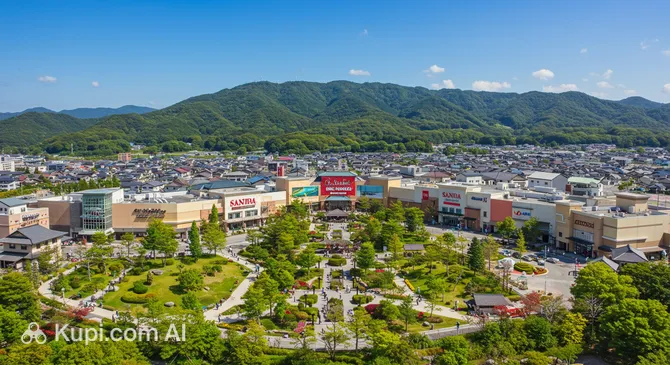
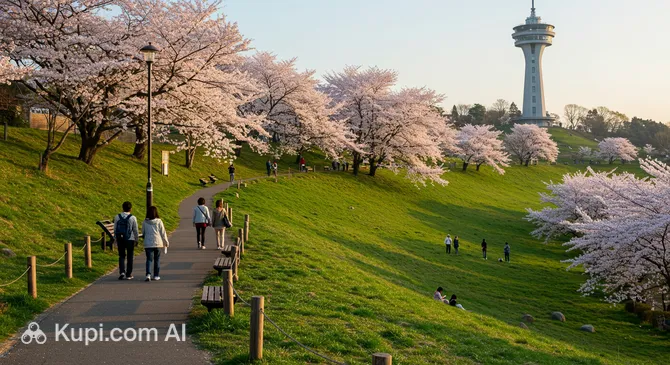
Sanda. Illustration.
Source: Kupi.com AI

Sanda is an important administrative center for the region and is famous for its calm and welcoming atmosphere. It is easy to feel at home here: locals are friendly, and the pace of life is unhurried and relaxed. Despite its proximity to large cities, Sanda retains its unique character—traditions are honored here, while still remaining open to modern trends.

The city attracts tourists with its numerous temples, well-maintained gardens, and historic estates. Additionally, Sanda offers excellent opportunities for active outdoor recreation. Visitors come here not only for the sights but also to get acquainted with authentic Japanese culture—from traditional crafts to exquisite local gastronomy.

If you are looking for authentic experiences, Sanda will be a true discovery for you. Walking through picturesque parks, participating in workshops, visiting ancient temples, and getting to know the local cuisine will provide unforgettable emotions. Here, you can recharge with the energy of nature, be inspired by rich history, and simply enjoy the silence that is so rarely found in large cities.

You can find more interesting facts on the Sanda city history page.
Weather Overview

The weather in Sanda is characterized by noticeable seasonal changes. Summer, especially in July and August, is warm and quite humid here, with average temperatures reaching 26-28°C and frequent precipitation—July is the rainiest month with about 19 rainy days. Winters, from December to February, are cool, with average temperatures ranging from 4°C to 6°C and minimum values dropping close to zero. Precipitation in winter is significantly lower, with December being one of the driest months. Spring and autumn are transitional seasons with moderate temperatures and rainfall. Expect warm summers with occasional rain and cool, drier winters.

To learn more about weather conditions in different months, you can visit the Sanda Climate page.

Average monthly temperature

Average monthly precipitation

Interesting Facts

Beyond the well-known tourist paths, the city of Sanda hides many fascinating secrets and little-known details. This charming corner of Japan, where traditions are harmoniously intertwined with modernity, is ready to surprise even the most seasoned traveler.

Hyogo Prefectural Arimafuji Park. Illustration.
Source: Kupi.com AI

Traveler photos:

  • A Strawberry Adventure: One of the unique features of Sanda is the Harada Strawberry Farm. This is a popular spot for family vacations where you can do more than just buy fresh berries—you can pick them yourself right from the patch, a real treat for children and adults alike.

  • Ancient Shrines with a Peaceful Atmosphere: The city has preserved ancient temples such as Kazanin Bodaiji, known for its beautiful garden and annual religious festivals, as well as the Shingetsuin temple. Visiting these sites allows you to immerse yourself in an atmosphere of tranquility and centuries-old history.

  • A Glimpse into the Aristocratic Past: At the Former Kuki House Museum, you can see how Japanese aristocrats of past centuries lived. Cultural events and exhibitions dedicated to traditional crafts and arts are often held here, making a visit even more educational.

  • A City of Talented Artisans: Sanda is proud of its master craftsmen. Travelers can not only purchase unique handmade items but also participate in engaging workshops, such as pottery making or learning the intricacies of Japanese calligraphy.

  • Focus on Nature and Harvest: Sanda actively develops eco-tourism and agro-tourism. Guests are invited to local farmers' markets to taste the freshest products and to colorful seasonal harvest festivals that reflect the region's deep agricultural traditions.

How to Get There

When planning your trip, it is important to find out in advance how to get to Sanda via the most convenient route. Since the city itself does not have its own airport, travelers usually arrive through major transport hubs in neighboring metropolises of the Kansai region, from where it is easy to continue the journey by ground transport.

The main international gateway for tourists is Kansai International Airport (IATA: KIX). There is no airport in the city of Sanda itself, but you can fly into this major hub in Osaka, which is located about 51 km from Sanda. This is the primary airport for overseas flights, offering excellent infrastructure. The journey from here by taxi or bus takes approximately 1 hour and 40 minutes. Direct limousine buses and trains also run from the airport, allowing you to reach the city with transfers in Osaka.

For domestic flights within Japan, Itami Airport (IATA: ITM) is a convenient option. It is also located in Osaka but is significantly closer to the destination—only 22.6 km from Sanda. A car trip from here takes about 55 minutes. Due to its proximity, this airport is often chosen by those flying with a connection in Tokyo or other major cities in the country.

Another available option is Kobe Airport (IATA: UKB). It is located in the Osaka area (according to transport links) at a distance of approximately 28 km from Sanda. This is a regional hub that handles domestic flights. Travel time by taxi is just over an hour. From all these airports, you can comfortably reach Sanda using the well-developed railway network or bus services.

For clarity, here is a summary of the main airports:

AirportPassenger trafficDistance
Itami Airport14.8 mln23 km
Kobe Airport3.6 mln28 km
Kansai International Airport30.6 mln51 km
Tajima57 19480 km
Tokushima Awaodori Airport2.3 mln101 km

In addition to air travel, the primary way to reach Sanda is by rail. The city is served by the JR Takarazuka Line (part of the Fukuchiyama Line), which provides direct and fast connections to Osaka Station and other major stations in the region. Rapid Service trains allow you to get from Osaka to Sanda Station in about 35–40 minutes, making the trip quick and comfortable.

Main Attractions

Sanda, a cozy city in Hyogo Prefecture, offers its guests several interesting places to visit to get acquainted with the culture and nature of the region. Among them, the following attractions stand out in particular.

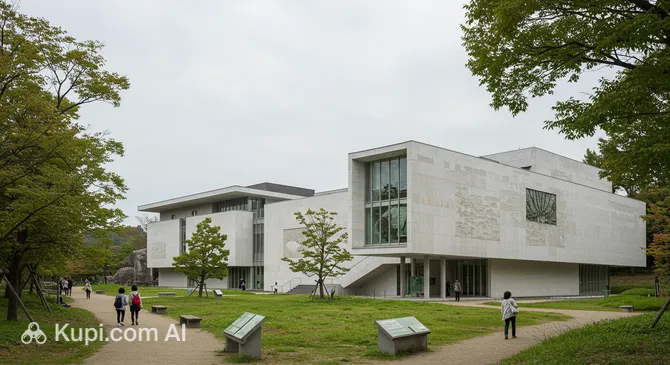
One of the city's main cultural centers is the Museum of Nature and Human Activities, Hyogo. This is a place where visitors can immerse themselves in studying the region's rich flora and fauna, as well as learn about the history of human interaction with the environment in Hyogo Prefecture. The museum's displays will be of interest to both adults and children, offering interactive and educational exhibits about the unique natural heritage and conservation efforts.

Museum of Nature and Human Activities, Hyogo. Illustration.
Source: Kupi.com AI

Traveler photos:

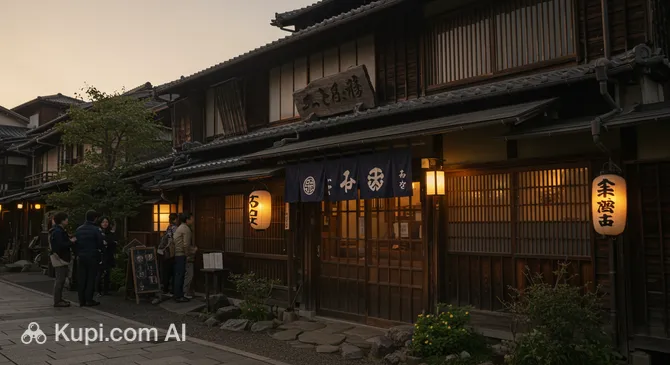
For lovers of Japanese cuisine and authentic gastronomic experiences, the restaurant Tonto will be a pleasant discovery. Here, you can enjoy local dishes in a cozy atmosphere. A visit to this restaurant will allow you to get closer to the culinary traditions of Sanda and have a pleasant time tasting delicious and high-quality treats.

Tonto. Illustration.
Source: Kupi.com AI

Traveler photos:

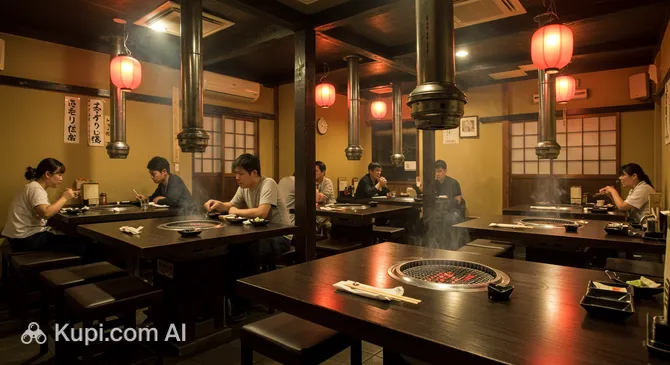
Another notable place to explore local gastronomy is Yakiniku Himawari Miwa — Main Restaurant. This establishment is known for its high-quality yakiniku (grilled meat dish) and allows visitors to enjoy traditional Japanese cuisine in a pleasant setting. Such a culinary experience will be a wonderful addition to the cultural program during your visit to Sanda.

Yakiniku Himawari Miwa Main Restaurant. Illustration.
Source: Kupi.com AI

Traveler photos:

Local Cuisine

The gastronomic scene of Sanda is a true discovery for connoisseurs of Japanese cuisine, where special attention is paid to the freshness of seasonal products and the simplicity of preparation, allowing the true flavor of each ingredient to shine. The local cuisine harmoniously combines the traditions of the Kinki region, offering travelers authentic and memorable taste experiences.

The city's main culinary pride is undoubtedly "Sanda-gyu"—exquisite marbled beef that, in its taste and tenderness, can compete even with the more famous Kobe beef. It is served as juicy steaks, grilled, or prepared in the traditional Japanese sukiyaki style, where thin slices of meat are simmered in a fragrant broth with vegetables. Besides beef, it is worth paying attention to dishes made from local vegetables, the freshest strawberries which can be tasted straight from the farm patches, as well as traditional Japanese treats like onigiri rice balls with various fillings made from local products, seasonal vegetable soups, and desserts based on sweet adzuki beans.

As for drinks, Sanda values various types of sake, especially those presented at local food festivals. Of course, traditional Japanese green tea is available everywhere. Locals and tourists enjoy food both in cozy restaurants and by buying street food at lively markets or small family cafes. Farmers' markets are a separate pleasure where you can not only buy the freshest produce but also try prepared delicacies. To get acquainted with meat delicacies, especially Sanda beef in the yakiniku style, you can visit, for example, the Yakiniku Himawari Miwa — Main Restaurant.

Sanda regularly hosts gastronomic festivals, which become true celebrations of taste where you can get to know the signature dishes of local chefs and immerse yourself in the atmosphere of Japanese hospitality. The city offers both traditional treats and opportunities for culinary experimentation, making it an attractive destination for foodies wishing to explore the richness of Japanese regional cuisine.

Travel Tips

Welcome to Sanda! To ensure your journey through this charming city in Hyogo Prefecture is as comfortable as possible and leaves only pleasant impressions, we have prepared some practical tips for you.

  1. Clothing and Essentials: The climate in Sanda, as in all of Japan, is clearly divided into seasons. In summer (June-August), it is hot and humid, so choose light, breathable clothing. In winter (December-February), it can be cool, sometimes with snow, so warm clothes, including a hat and gloves, will be useful. Spring and autumn are the most comfortable times with moderate temperatures, ideal for layered clothing. Be sure to bring comfortable walking shoes, as exploring the city on foot is a true pleasure. Don't forget an adapter for your electronics (Type A in Japan, 100V voltage) and, if you plan to visit temples and shrines, choose clothing that covers your shoulders and knees.
  2. Local Transport: Sanda, like most Japanese cities, boasts an efficient public transport system. The main types are trains and buses. JR West trains and the private Kobe Electric Railway (Shintetsu) line connect Sanda with Kobe, Osaka, and other cities in the region. For convenience, consider buying an IC card (e.g., ICOCA), which can be topped up and used for fares and small purchases. Taxis are available but can be quite expensive. Renting a car can be useful for exploring the surroundings, but it is usually not required for moving around the city itself due to well-developed public transport and potential parking difficulties.
  3. Finances: The national currency is the Japanese Yen (JPY, ¥). Credit cards (Visa, Mastercard) are accepted in many hotels, large stores, and restaurants, but cash is still very important, especially in small establishments, temples, and local markets. You can exchange currency at airports, banks, or specialized exchange offices. ATMs that accept international cards can most often be found at post offices (Japan Post Bank) and 7-Eleven stores. Tipping is not customary in Japan and can be perceived as an insult. An approximate daily budget (excluding accommodation) can range from 7,000 to 15,000 yen, depending on your plans.
  4. Health and Safety: Japan is one of the safest countries in the world, and Sanda is no exception. Pharmacies (薬局, yakkyoku) are easy to find, but many medicines may only be sold by prescription or differ from those you are used to. It is recommended to have a small first-aid kit with basic medications. For medical assistance, tourists are better off going to large hospitals where there is English-speaking staff. Having travel insurance is highly recommended. There are no particularly dangerous areas in Sanda, but always observe basic precautions: keep an eye on your belongings in crowded places and do not leave them unattended.
  5. Communication: The official language is Japanese. English is common in tourist centers, hotels, and at major stations, but overall proficiency among the local population may be low. Learn a few basic phrases in Japanese: "konnichiwa" (hello), "arigato" (thank you), "sumimasen" (excuse me/sorry). This is greatly appreciated by the locals. For constant internet access, you can rent a pocket Wi-Fi router, buy a local SIM card (sold at airports and electronics stores), or use the free Wi-Fi available in many hotels, cafes, and public places. Translator apps and navigation maps can be very helpful.
  6. Local Etiquette: Japanese people are very polite and value respect for traditions. A greeting is usually accompanied by a bow; the depth of the bow depends on the situation and the status of the person you are talking to. In public places, especially on transport, try not to talk loudly on the phone. When entering a Japanese home, some temples, traditional restaurants, and ryokans (Japanese-style inns), it is customary to remove your shoes. It is not customary to eat on the go (except at festivals or in designated areas).
  7. What to Avoid: Try not to point at people or objects with your finger—use an open palm instead. Never stick your chopsticks vertically into your rice—this is associated with funeral rituals. Loud talking and laughing in public places, especially on transport, are considered bad manners.
  8. Extra Tip: Sanda is famous for its nature and parks, such as Sanda Woodytown Central Park or Arimafuji Park. Don't miss the chance to enjoy the peace and beauty of these places. Also, the city is part of a region known for beef (though "Sanda beef" is less famous than Kobe, it also deserves gourmets' attention). Try the local delicacies!

We hope these tips help you better prepare for your trip and get the most out of your stay in Sanda. We wish you an unforgettable journey through Japan!

Entertainment & Nightlife

Evening and nightlife in Sanda offers travelers a calm and authentic experience, far from the noise and bustle of big cities. If you are looking for wild parties and neon-lit districts open until dawn, Sanda will likely not meet those expectations. However, you can spend a wonderful evening here enjoying the cozy atmosphere of local establishments, delicious food, and pleasant conversation.

The main focus of evening entertainment in Sanda is centered around gastronomy. The city offers a good selection of restaurants where you can try both Japanese and international cuisine. For example, for a nice dinner, you might consider Yakiniku Himawari Miwa — Main Restaurant, famous for its meat dishes, or stop by Tonto to appreciate local flavors. Such establishments usually stay open until late evening. Prices in Sanda's restaurants are generally moderate, but it is always worth checking the menu beforehand. Activity in restaurants may be higher on Friday and Saturday nights.

Regarding bars and clubs, Sanda is not a hub for club life. You are unlikely to find large dance clubs or loud bars with DJs here. Instead, you can find small, cozy bars or traditional Japanese drinking establishments (izakaya), especially in the areas surrounding railway stations or on some central streets. The atmosphere in such places is usually very calm, friendly, and geared toward locals. The dress code is generally casual. Some establishments may offer karaoke—a popular pastime in Japan. However, it should be understood that these are places for a quiet evening in good company rather than for rowdy fun.

When planning an evening out, keep in mind that public transport in Sanda may stop running relatively early. Later at night, the main way to get around becomes taxis. Calling a taxi is usually easy, especially from central areas or restaurants. Sanda, like most cities in Japan, is considered a very safe place, though standard precautions during nighttime walks are always a good idea. Evening life is most active on Fridays and Saturdays, but even on these days, it maintains its measured character.

During the day, there is also plenty to do in Sanda. Nature and science enthusiasts can visit the Museum of Nature and Human Activities, Hyogo, which features interesting exhibits. For outdoor walks, the Hyogo Prefectural Arimafuji Park is excellent, offering beautiful landscapes and places to relax.

Overall, evening entertainment in Sanda is geared toward those who value quality rest, good food, and the opportunity to spend time in a calm, relaxing environment. It is an ideal place to unwind and soak in the local atmosphere after a day of sightseeing and exploration, without expecting a vibrant and noisy nightlife.

Parks & Museums

The city of Sanda invites its guests to enjoy a harmonious combination of picturesque green areas and interesting cultural sites. Here you can find both peaceful natural corners for relaxation and places where you can touch the history and art of the region.

One of the main locations for nature lovers in Sanda is the Hyogo Prefectural Arimafuji Park. This extensive park offers visitors magnificent landscapes, walking trails, picnic areas, and playgrounds for children. It is especially beautiful during the cherry blossom season in spring and in autumn when the foliage turns into vibrant colors. It is a wonderful place to take a break from the city bustle and enjoy the fresh air.

Another great place for walking and learning about history is Shiroyama Park, located on the site of the Sanda Castle ruins. Here you can not only enjoy nature and panoramic views but also touch the city's past by exploring the remains of ancient fortifications. Furthermore, there are other picturesque spots in and around Sanda, such as the well-kept banks of the Mukogawa River or small urban squares, perfect for leisurely strolls.

For those interested in the relationship between humans and nature, it is worth visiting the Museum of Nature and Human Activities, Hyogo. It offers educational exhibitions that reveal this theme using Hyogo Prefecture as an example and will be particularly interesting for families with children thanks to interactive elements. More detailed information about its collections can be found in the main attractions section.

While Sanda may not have large world-class art galleries, the city's cultural life manifests in other forms. Numerous local temples and shrines, such as the historic Kazanin Bodaiji Temple, are not only spiritual centers but also architectural gems housing centuries of history. Sometimes local exhibitions are held in the city, introducing visitors to the traditional arts and crafts of the region. It is also worth checking out the Former Kuki House Museum, where you can learn about the life and history of an influential local family, immersing yourself in the atmosphere of the past and discovering something new and authentic.

For more authentic experiences, do not limit yourself only to the most famous places. Explore less popular local shrines, walk along the old streets, or along the scenic riverbanks. This will allow you to discover charming details of everyday life and feel the calm, measured rhythm of Sanda.

Getting Around

When planning your travels around Sanda, you will find that public transport here is quite convenient and well-organized, which is characteristic of Japanese cities. The basis of the transport system consists of trains and buses that connect various districts of the city and its surroundings.

Main types of transport:

Trains: Railway communication plays a key role in Sanda's transport system. JR (Japan Railways) lines pass through the city, as well as private railway lines, such as the Kobe Electric Railway (Shintetsu), connecting Sanda with Kobe and other neighboring cities. Trains run regularly and according to schedule, providing a fast way to travel medium and long distances within the region.

Buses: Local bus routes, such as the Shinki Bus, complement the railway network, providing access to areas far from the stations. Buses are convenient for short trips within the city and for reaching certain attractions. Schedules are usually posted at stops, but they may be primarily in Japanese.

Payment system:

The most convenient way to pay for travel is using rechargeable IC smart cards, such as ICOCA (common in the Kansai region) or other compatible cards (e.g., Suica, Pasmo). These cards can be used on both trains and buses by simply tapping them against the reader at the turnstile or when entering/exiting the bus. You can also purchase single tickets from machines at railway stations (often with an English language option) or directly from the bus driver (it is advisable to have small change). Train fares usually depend on the distance, while bus fares can be fixed or also depend on the zone.

Practical tips for tourists:

Purchase train tickets at station machines before boarding. When using an IC card, simply tap it at the turnstile at the entry and exit of the station. On buses, the IC card is tapped against the validator upon entry (and sometimes exit if the fare depends on distance), and when paying in cash, coins are dropped into the box next to the driver upon exit. Public transport usually starts operating early in the morning (around 5-6 AM) and finishes around midnight, but the frequency of trips decreases in the evening hours and on weekends/holidays. To plan routes, it is convenient to use online maps or apps like Google Maps, which often show up-to-date schedules and public transport routes.

Alternative ways of moving:

Taxis: Available in the city, especially near railway stations and in busy places. This is a more expensive option but convenient for trips with luggage or at night. Payment is made by the meter.

Bicycle rental: In some areas of Sanda, especially if you plan to explore parks or natural zones, bicycle rentals may be available. This is a pleasant way for a leisurely exploration of the city.

There are no particularly unique types of transport, such as an old-fashioned metro or cable cars, highlighted in Sanda itself, but the existing system of trains and buses efficiently handles the passenger flow.

Accommodation

When planning a trip to Sanda, you will find a variety of accommodation options to suit different preferences and budgets. The city offers a choice ranging from more economical options, such as guesthouses or small hotels, to comfortable mid-range hotels. It is also worth considering apartment rentals, especially if you are traveling with a family or planning a long stay.

When choosing a place to stay in Sanda, look for areas that provide convenient access to transport hubs or the sites you are interested in. Central areas typically offer more options and make getting around the city easier. If you plan to visit specific attractions, such as the Hyogo Prefectural Arimafuji Park or the Museum of Nature and Human Activities, Hyogo, it might be more convenient to stay nearby, although public transport in Japan is generally well-developed.

Hyogo Prefectural Arimafuji Park. Illustration.
Source: Kupi.com AI

Traveler photos:

Although the provided list of attractions does not include specific examples of major chain hotels, in Sanda, as in most Japanese cities of this size, you can find both traditional Japanese inns (ryokans) and modern hotels with various levels of service. Ryokans offer a unique experience of immersion into Japanese culture, often including traditional dinners and breakfasts.

To ensure the best choice and prices, it is recommended to book your accommodation in advance, especially if your trip coincides with popular tourist seasons like cherry blossom time in spring or autumn leaf viewing. This is also relevant during major local festivals or holidays.

The price range for accommodation in Sanda varies from budget to mid-range and high, depending on the type of housing, its location, and the amenities provided. The most common booking methods are popular online platforms and travel aggregators; however, some small guesthouses or ryokans may offer direct booking through their websites or by phone.

Nearby Cities

For those who want to explore the surrounding area, Sanda serves as an excellent starting point for day trips to several interesting nearby locations:

CityPopulationDistance
Inagawa29 57114 km
Takarazuka224 05516 km
Nishinomiya487 01020 km
Ashiya94 11620 km
Itami198 52220 km

Each of these cities offers something unique for the curious traveler:

  • Kobe – a vibrant port city known for its marbled beef, numerous sake breweries, and breathtaking views from Mount Rokko. It is a wonderful place to experience an international atmosphere and enjoy fine Japanese cuisine.
  • Nishinomiya attracts baseball fans with the famous Koshien Stadium, as well as connoisseurs of Japanese traditions thanks to the large Nishinomiya Shrine and historic sake breweries.
  • Amagasaki, while an industrial center, also offers interesting historical corners such as the reconstructed Amagasaki Castle and the Teramachi district with its temples, providing a glimpse into the local past.
  • Toyonaka – primarily a residential city that boasts the expansive Hattori Ryokuchi Park, ideal for walks and outdoor relaxation, and is also home to one of the campuses of Osaka University.
  • Minamisuita (part of Suita City) is most famous for the Expo '70 Commemorative Park, where the iconic Tower of the Sun stands. The park offers many museums, gardens, and recreation areas on the site of the former world exhibition.

These nearby destinations open up wonderful opportunities to experience the diverse culture, history, and landscapes of the Kansai region. Each city offers its own unique attractions and atmosphere, making them excellent choices for short and fulfilling trips from Sanda.

Shopping & Souvenirs

Shopping in Sanda may not compare to the scale of Tokyo or Osaka's shopping districts, but the city offers its own opportunities for pleasant purchases. Here you can find both stores for daily necessities and small shops offering local crafts or products characteristic of Hyogo Prefecture.

Main shopping spots in Sanda are generally concentrated near railway stations or on central streets. These can be individual stores or small shopping arcades (shotengai), where you can find clothing, food, souvenirs, and household goods. A walk along such streets can be an interesting experience in itself.

Although Sanda is not famous for giant malls, department stores or small shopping complexes offering a wider selection of goods from well-known brands can be found in the city or its surroundings. They are usually located in easily accessible places, for example, near transport hubs.

Regarding markets, in Sanda, as in many Japanese cities, you can find local food markets where farmers sell fresh vegetables, fruits, and other local delicacies. Sometimes seasonal fairs or small flea markets are held, where you can find something unique.

As souvenirs from Sanda and the Hyogo region, you should consider traditional Japanese items: ceramics, textiles, fans, as well as local sweets (such as wagashi) or tea. Goods reflecting the culture and nature of Japan are also popular. Look for unique handmade items or locally produced goods that will serve as a pleasant reminder of your trip.

Most shops in Sanda are usually open from 10:00 or 11:00 AM until 7:00 or 8:00 PM. Larger retail outlets may stay open longer. As for payment, credit cards are accepted in many stores, especially in chain and large ones. However, it is always useful to have some cash on hand, especially for purchases in small shops or at markets.

Foreign tourists in Japan can take advantage of the Tax-Free Shopping system when making purchases of a certain amount in participating stores. Usually, these are shops with a corresponding "Tax-Free" sign. To process a tax refund, you will need to present your passport. It is recommended to clarify the terms and procedure directly at the store.

Reached the end of the page?

That means the route is fully explored