Support

Tamba

About

Tamba is a surprisingly cozy corner of Japan, located in the heart of Hyogo Prefecture, between the bustling cities of Kyoto and Osaka. Surrounded by picturesque hills, dense green forests, and fertile valleys, the city creates a unique atmosphere of harmony between nature and humanity. Tamba seems designed for leisurely walks and contemplation of the authentic Japanese province, offering guests a chance to take a break from the hustle and bustle of big cities.
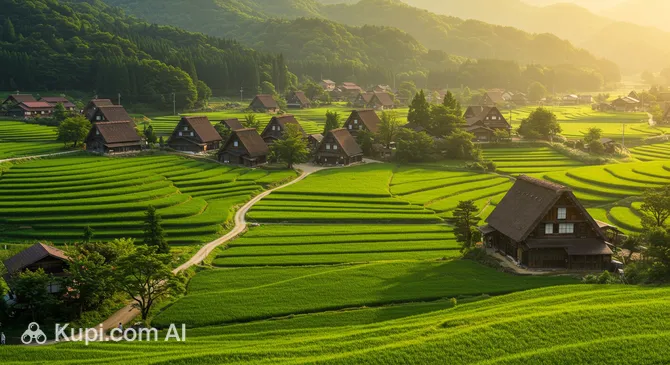
Tamba. Illustration.
Source: Kupi.com AI

With a population of about 60,000 people, Tamba maintains a sense of intimacy and friendliness, where every traveler can easily feel like a welcome guest. This city holds an important place in the region as a center for traditional agriculture, exquisite crafts, and rich culture. Administratively, Tamba unites several historical settlements, each of which carefully preserves its unique character and centuries-old traditions.

A special charm is given to Tamba by its ancient streets, old houses, secluded temples, and numerous ceramic workshops, where you can get acquainted with the art of local masters. Picturesque rice fields and tea plantations stretch around the city, emphasizing its close connection with nature. Here you can enjoy untouched nature, visit the workshops of hereditary craftsmen, and make unique culinary discoveries.

If you are looking for the real Japan, dream of breathing fresh mountain air, hearing the ringing silence, and touching true Japanese culture away from tourist crowds, Tamba will be a real discovery for you and provide unforgettable impressions.

You can find more interesting facts on the history of the city of Tamba page.

Weather Overview

The weather in Tamba is characterized by notable seasonal changes. Summer, especially in July and August, is warm here, with average temperatures reaching 25-27°C and maximums around 30°C. This period is also the most humid, with the highest amount of precipitation and rainy days. Winters, from December to February, are cool, with average temperatures around 3-5°C, occasionally dropping below freezing. There is less precipitation in winter, but it still occurs. Spring and autumn are transitional seasons with moderate temperatures and changeable weather.

Expect warm summers with frequent rain and cool winters with little precipitation. For more detailed information on weather by month, you can visit the Tamba Climate page.

Average monthly temperature

Average monthly precipitation

Interesting Facts

In addition to its picturesque landscapes and rich history, Tamba holds many fascinating secrets and interesting details that make this city truly unique. Here are just a few little-known facts that will help you look at Tamba from a new perspective:

  • Tamba is one of the oldest centers of Japanese ceramics. Local earthenware, "Tamba-yaki," is known throughout Japan for its warm, natural hue and austere beauty. Tamba's craftsmen have passed down the secrets of firing and modeling from generation to generation for centuries, and products from Tamba adorn both Japanese and foreign collections.

  • The city's history has an unusual episode: during the Edo period, Tamba was an important supplier of rice and tea for Kyoto and Osaka. Even now, on old streets, you can find houses where wealthy merchants once lived, and local markets still hold the spirit of former prosperity.

  • The city is known for its festivals, especially the autumn harvest festival, when locals dress in traditional costumes, organize processions, and treat guests to dishes made from freshly harvested products.

  • The names of famous Japanese poets and artists who were inspired by the beauty of the local landscapes are associated with Tamba. Legends say that guardian spirits inhabit the surrounding forests, and some ancient temples are still considered places of power and inspiration.

How to Get There

When planning a trip to this picturesque corner of Hyogo Prefecture, it is important to plan your route in advance, as the city is located away from noisy metropolises. You can find out more about how to get to Tamba on our specialized page, and below we will look at the main transport hubs through which it is most convenient to build your journey.

The city of Tamba does not have its own airport, so travelers usually fly into nearby large cities. The closest and most convenient option for domestic flights is Itami Airport (ITM), located in the city of Osaka. It is approximately 57 km from Tamba. The journey from here by taxi or car will take about 1 hour and 45 minutes. It is a major regional hub with excellent connections.

For international flights, the main air gateway is Kansai International Airport (KIX), also located in Osaka (approximately 85 km from Tamba). The journey from this airport will take about 2.5 hours by car. It's also worth considering Kobe Airport (UKB), located 62 km away, which can be reached in about 2 hours. Both airports offer a wide range of flights and convenient connections.

For clarity, here is summary information on the main airports:

AirportPassenger trafficDistance
Tajima57 19444 km
Itami Airport14.8 mln57 km
Kobe Airport3.6 mln62 km
Kansai International Airport30.6 mln85 km
Tottori Airport401 79688 km

Rail travel is one of the most popular and reliable ways to reach the city. Tamba is served by the JR Fukuchiyama Line, which connects the region with Osaka and Amagasaki. The main station convenient for tourists is Kaibara Station. Limited Express trains, such as the "Kounotori," run regularly here, allowing you to get from Osaka in just over an hour. Traveling by train also provides an opportunity to enjoy beautiful views of the Japanese countryside from the carriage window.

Additionally, Tamba can be reached by car via expressways, such as the Maizuru-Wakasa Expressway. This is an excellent option for those who prefer freedom of movement and plan to visit several attractions in the Hyogo region in one trip.

Main Attractions

The city of Tamba, located in Hyogo Prefecture, offers travelers a unique combination of rich history, picturesque nature, and cultural discoveries. Here, everyone will find something to their liking, from ancient ruins to peaceful temples and interesting museums.

One of Tamba's main historical attractions is the Kuroi Castle Ruins. Located on a mountain top, these ruins were once a powerful fortress. Today, this place attracts tourists not only for its historical significance associated with the Akai clan but also for its breathtaking panoramic views of the surrounding valley. The climb to the ruins is a pleasant walk in the fresh air in its own right.

Fans of Japanese temple architecture and nature should visit Entsuji Temple. This ancient Buddhist temple is particularly famous for its magnificent maple trees, which turn the grounds into vibrant shades of crimson and gold in autumn. The peaceful atmosphere and beautiful garden make it an ideal place for reflection and tranquility.

For family vacations and an introduction to local crafts, Tamba Nenrin no Sato Park is an excellent choice. This is an extensive park where you can not only enjoy nature but also see impressive wooden sculptures, attend woodworking workshops, and simply spend quality time outdoors. The park also features playgrounds for children.

To dive deeper into the history and culture of the region, visit the Tamba City Museum of History and Folklore. It features exhibitions telling the story of Tamba's past, its traditions, the daily lives of local residents, and archaeological finds. This is a wonderful opportunity to learn more about the rich heritage of this corner of Japan.

Local Cuisine

The gastronomic world of Tamba is a true discovery for lovers of authentic Japanese cuisine, where traditions are harmoniously combined with the freshness of local products. The city is rightfully considered a gourmet paradise, and its culinary delights can surprise even seasoned travelers. One of the region's main gastronomic gems is the famous "Tamba-kuro" black beans, used to prepare not only exquisite Japanese sweets but also various delicacies. Dishes made from wild rice and the freshest vegetables grown on Tamba's fertile lands are also highly valued here.

You should definitely try traditional soba noodles in Tamba, made from local buckwheat flour – it is served both hot and cold. Depending on the season, the menus of local restaurants are graced with dishes featuring fragrant matsutake mushrooms and tender wild duck. And for dessert, be sure to taste wagashi – traditional Japanese sweets that perfectly complement a cup of green tea. These small works of art are often prepared using those same "Tamba-kuro" beans.

Food culture in Tamba is diverse. To feel the real taste of the region, visit the farmers' markets, where you can find the freshest organic vegetables, homemade pickled snacks, and other local products. Street food also deserves attention: try fragrant buns filled with bean paste, satisfying onigiri rice balls, or local pickles. For a more relaxed meal and an introduction to wagashi, cozy traditional cafes are ideal.

As for drinks, the main accompaniment to many dishes and especially sweets is, of course, green tea. Connoisseurs of alcoholic beverages should pay attention to locally produced sake, which can be an excellent addition to dishes made from seasonal products. Overall, Tamba's gastronomic scene focuses on naturalness and the high quality of ingredients.

Throughout the year, Tamba hosts various gastronomic festivals where you can not only try seasonal dishes but also learn the secrets of their preparation from local masters. A trip to Tamba is a unique opportunity to immerse yourself in the world of real Japanese cuisine and discover new tastes and aromas that will remain in your memory for a long time.

Travel Tips

Planning a trip to the charming city of Tamba? These practical tips will help you better prepare and enjoy every moment of your journey through this cozy corner of Japan.

  1. Clothing and Essentials:

    The climate in Tamba, as in all of Japan, has four distinct seasons. In summer (June-August), take light, breathable clothing; in winter (December-February) — warm layered clothes and a windproof jacket. Spring and autumn will please you with moderate weather, ideal for a light jacket and sweater. Extremely important is comfortable walking shoes. Don't forget a universal adapter (in Japan, types A and B sockets are used, voltage 100V) and a small umbrella in case of rain. When visiting temples and some traditional establishments, it's customary to remove your shoes, so choose ones that are easy to put on and take off; modest clothing covering shoulders and knees is also desirable.

  2. Moving Around the City and Surroundings:

    In Tamba itself, it's most convenient to get around by local buses or taxis. Taxis can be pricey, especially for long distances. To explore the picturesque surroundings of Hyogo Prefecture, you might consider renting a car; this will require an international driving permit, and remember that driving in Japan is on the left. Getting to Tamba itself from major cities is easy by train — the country's railway network is excellently developed.

  3. Finances: Currency, Cards, and Tipping:

    The local currency is the Japanese Yen (JPY, ¥). Despite the growing use of bank cards (especially Visa and Mastercard) in hotels, large shops, and restaurants, cash remains very important for small establishments, local markets, some temples, and public transport fares. You can withdraw cash from foreign cards at ATMs in post offices (Japan Post Bank) and 7-Eleven convenience stores (Seven Bank). Tipping culture in Japan does not exist; high-quality service is included in the price, and an attempt to leave a tip may be perceived as a misunderstanding.

  4. Health and Safety:

    Japan is one of the safest countries in the world, and Tamba is no exception. However, standard precautions never hurt. Pharmacies (look for the sign "薬" (kusuri) or "Drug Store") will offer medicine for common ailments. Having medical insurance for tourists is highly recommended. In emergencies, call 119 (ambulance and fire service).

  5. Communication and Internet:

    The official language is Japanese. English proficiency among the local population in small cities like Tamba may be limited. Staff in tourist information centers and some hotels may speak English. Learn a few basic phrases: "konnichiwa" (hello), "arigato gozaimasu" (thank you), "sumimasen" (excuse me). For constant communication and navigation, it is very useful to rent a pocket Wi-Fi router or buy a local SIM card. Free Wi-Fi is available in some public places and hotels.

  6. Local Etiquette and Traditions:

    The Japanese value politeness and respect very highly. When greeting someone, a slight bow or nod is sufficient. In public places, especially in transport, it's customary to speak quietly and not talk on mobile phones. An important custom is removing your shoes when entering homes, temples, traditional restaurants (ryokans), and some other establishments. Pay attention to the behavior of those around you so as not to violate local norms.

  7. What to Avoid:

    To avoid offending locals and awkward situations, try not to stick chopsticks vertically into a bowl of rice (this is associated with funeral rituals). Avoid loud conversations and laughter in public places, especially in transport. Japan is very clean, and street trash cans may be scarce; be prepared to carry your trash with you to the nearest bin or hotel.

  8. Local Gems and Life Hacks:

    Tamba is famous for its kuromame black soybeans and traditional Tamba-yaki ceramics. Be sure to try local delicacies based on kuromame and, if possible, visit one of the pottery workshops to see the process of creating unique items or even participate in a master class. This is a great way to get a deeper look at the culture of the region.

We hope these tips make your stay in Tamba comfortable and unforgettable. Enjoy its peaceful atmosphere, rich culture, and the hospitality of the local residents!

Entertainment & Nightlife

Evening Tamba offers an immersion into the authentic atmosphere of the Japanese province, far from the noise and bustle of metropolises. Nightlife here does not throb with energy but rather invites you to a quiet rest in cozy establishments where you can enjoy local cuisine, drinks, and leisurely conversation.

The core of evening entertainment in Tamba consists of traditional Japanese pubs – izakayas. Since Tamba is a city that values peace and tradition, you won't find districts with an abundance of nightclubs or bars typical of large cities. Specific, widely known establishments with an active online presence that could be recommended in advance with links usually do not appear in tourist data for Tamba. Searching for evening entertainment here is more of an on-the-spot exploration. We recommend looking for small, family-run izakayas or bars that can be found while walking along the central streets or near key railway stations, such as Iso Station or Kaibara Station. You might also come across karaoke venues. For the most up-to-date information, it is best to contact the local tourist information center upon arrival, check reviews on online maps, or ask your hotel staff for advice.

The atmosphere in Tamba's evening establishments is generally very friendly and welcoming. The crowd is predominantly local, which allows for a deeper feel of the region's character. The dress code is usually casual, and most places stay open until late evening but not early morning. This is an ideal choice for those seeking a quiet evening and cultural immersion. Prices in local bars and restaurants are usually moderate, offering a good price-quality ratio, especially when it comes to local Hyogo Prefecture specialties.

When planning your evening leisure, keep in mind that public transport in Tamba at night may run with significant intervals. Therefore, it's worth thinking about your route back to the hotel in advance or being prepared to use a taxi. Japan in general, and cities like Tamba, are known for their high level of safety, so night walks along well-lit central streets usually don't cause concern. If you need a taxi, you can try calling one through apps (check in advance which ones work in the region) or ask the staff at the venue where you are relaxing to help with the call. Finding a taxi stand in a small city late at night can be difficult.

During the day, Tamba also offers options for quiet leisure. Although the city is not known for large entertainment centers or amusement parks, you can find charming local parks perfect for leisurely walks. It's also worth visiting small museums that introduce the history and culture of the region or exploring local temples and shrines. Keep an eye on local event listings – you might find seasonal festivals or fairs taking place during your visit, which will add bright impressions to your trip.

Parks & Museums

Tamba, nestled in Hyogo Prefecture, offers its guests a harmonious blend of picturesque natural spots and interesting cultural sites. Here, you can enjoy the tranquility of parks and gardens, as well as immerse yourself in the history and traditions of the region through its museums and historical sites.

Nature lovers in Tamba should pay attention to the local parks, which are especially beautiful during the cherry blossom season in spring or the bright colors of autumn. Often, these parks offer well-maintained walking paths, picnic areas, and beautiful views. For example, you can look for a park by the river or on a hillside, offering panoramic views of the city and surrounding mountains. For more active recreation, hiking trails in the surrounding forest areas may be suitable, allowing you to enjoy the fresh air and beauty of Japanese nature.

One of the key places to get acquainted with Tamba's heritage is undoubtedly the museum dedicated to the famous Tamba-yaki pottery (Tamba Tachikui Pottery). This type of ceramic art has a centuries-old history, and in such a museum, you can see both ancient samples and works by modern masters, and sometimes even attend a pottery workshop. The city may also have a local history or regional museum where artifacts are collected telling about the development of the region, its way of life, and significant events. For art lovers, small private galleries presenting works by local artists may be of interest.

Tamba's historical heritage is also represented by ancient temples and shrines, which are an integral part of the Japanese landscape. Visiting such places allows you to touch the spiritual culture of Japan and admire traditional architecture. In some parts of the city, you can find preserved old houses that give an idea of what Tamba looked like in the past. Look out for places like Entsu-ji or Sekigan-ji temples, which can offer a peaceful atmosphere and beautiful gardens.

For a more authentic experience, try visiting local markets where you can find fresh produce and handmade items, including unique Tamba pottery. Also, don't miss the chance to walk through less touristy streets to feel the true atmosphere of a Japanese provincial town and perhaps discover a cozy cafe or a small craft workshop where you can watch the craftsmen at work.

Getting Around

When planning your travel around Tamba, it's worth considering that this is a small city, and its public transport system matches its size. The main methods of getting around are local buses and railway connections, which link Tamba with other populated areas.

Buses are the main type of public transport for trips within the city and to the nearest surroundings. The route network usually covers key areas, railway stations, and some attractions. Fares on buses are most often paid in cash when exiting; it is recommended to have small change with you. Some regional buses in Japan may accept IC cards (e.g., ICOCA), but it's better to check this in advance or be prepared to pay in cash.

Railway transport plays an important role for travel over longer distances, connecting Tamba with major cities in the region. JR West trains serve the stations in this area. Train tickets can be purchased at station ticket offices or from vending machines. For tourists traveling around Japan, using IC cards (e.g., Suica, Pasmo, ICOCA), which are valid on most railway lines nationwide, including JR lines, can be convenient.

Regarding the payment system, the most common way for local buses in Tamba is to pay the driver in cash when exiting. If you plan to use trains actively throughout Japan, purchasing an IC card (for example, ICOCA, which is common in the Kansai region) can be a convenient solution. These cards are rechargeable and allow you to pay for travel by simply touching the reader at station turnstiles or on buses (where provided). For one-off train journeys, you can always buy a paper ticket.

Practical tips for tourists: Buy train tickets at stations from vending machines or ticket offices. Prepare cash for buses, as payment usually occurs when exiting. Schedules, especially for buses, may not be as frequent as in large metropolises, so it's worth checking them in advance, especially if you plan to travel in the evening or on weekends. Schedule information can be found at bus stops or railway stations.

Among the alternative ways of moving in Tamba, you can consider taxis, which are usually available at railway stations. For a leisurely exploration of the city and its picturesque surroundings, renting a bicycle might be suitable, if such a service is available. Car sharing is less common in small Japanese cities than in metropolises.

There are no unique historical transport systems, such as an old metro or an extensive network of cable cars, in Tamba. The city's transport infrastructure is focused on providing the basic travel needs of residents and guests.

Accommodation

In the city of Tamba, travelers can find a variety of accommodation options to suit different preferences and budgets. Generally, choices include traditional Japanese inns (ryokans), where you can immerse yourself in local culture, modern hotels offering familiar comfort, as well as guesthouses (minshuku) and rental housing such as apartments, which can be convenient for long stays or family trips.

When choosing a place to stay in Tamba, it's worth paying attention to areas close to major transport hubs or the attractions that interest you. Although the city is not very large, a convenient location will save time on travel and allow you to fully enjoy your stay. Some prefer to stay in more secluded places to enjoy the nature of the Hyogo region, while others choose accommodation closer to the central streets with their cafes and shops.

When planning a trip, especially during popular tourist seasons, it is recommended to book accommodation in advance. This not only guarantees availability but often allows you to find better deals. The main booking methods are popular international online platforms, as well as the websites of the hotels or ryokans themselves, where you can sometimes find special promotions.

The price range for accommodation in Tamba varies from budget options like guesthouses to more expensive offers in high-end hotels and authentic ryokans with full board. Overall, options can be found to suit both budget travelers and those looking for enhanced comfort and exclusive service.

Nearby Cities

For those who want to explore the surrounding area, Tamba serves as an excellent starting point for day trips to several interesting nearby locations:

CityPopulationDistance
Fukuchiyama77 15016 km
Taka19 22717 km
Tamba Sasayama39 24520 km
Nishiwaki38 47921 km
Ayabe31 53724 km

For example, Fukuchiyama, located just 16 kilometers from Tamba, boasts its impressive Fukuchiyama Castle, which is a symbol of the city and a witness to the region's rich history. It is a great place for those interested in the samurai era and Japanese architecture.

A little further, 36 kilometers from Tamba, lies the city of Sanda. It attracts nature lovers with its picturesque parks, such as Shiroyama Park, and offers a visit to the interesting Museum of Nature and Human Activities, Hyogo. If you are drawn to the sea, head to Maizuru (46 km). This port city is known for its beautiful seascapes, naval heritage, and the unique Maizuru Red Brick Park, where old arsenal buildings have been transformed into a cultural space.

These nearby destinations provide insight into the diverse culture and landscapes of the Japan region. Each trip promises new discoveries, whether they are historical sights, natural beauties, or unique local traditions.

Shopping & Souvenirs

Shopping in Tamba offers a unique experience, combining an introduction to local traditions with the opportunity to purchase authentic goods. The city is not famous for huge shopping malls like metropolises, but here you can find high-quality handmade products and fresh local items. The particular pride of the region is Tamba-yaki pottery, black soybeans, and chestnuts, which often become the basis for unique souvenirs and delicacies.

Main shopping spots in Tamba are usually concentrated around railway stations or along the city's central streets. Here you will find small family-run shops, stalls with local produce, and souvenirs. Walking along such streets will allow you not only to make purchases but also to feel the atmosphere of the Japanese province.

There are few large modern shopping centers in Tamba; the emphasis is shifted towards more traditional forms of trade. However, you may come across small department stores or shopping arcades where essentials, clothing, and some souvenirs are presented. For larger-scale shopping, residents and tourists often head to larger cities in Hyogo Prefecture.

Markets in Tamba are a great place to get to know local products. Although there may not be large tourist markets here, it's worth paying attention to seasonal fairs and farmers' markets where fresh vegetables, fruits (including the famous Tamba chestnuts), and products from local craftsmen are sold. Sometimes you can stumble upon small flea markets selling antiques and vintage items.

From Tamba, you should definitely bring back Tamba-yaki pottery – it is one of the six oldest styles of ceramics in Japan, known for its simple beauty and durability. Souvenirs and products related to local delicacies are also popular: sweets made from chestnuts (kuri) and black soybeans (kuromame), local sake, or jibirru (craft beer). Small textile items with traditional patterns will also be a pleasant reminder of the trip.

Shops in Tamba are usually open from 10:00 or 11:00 AM until 7:00 or 8:00 PM. Small private shops may have their own schedules. Both cash (Yen) and credit cards are accepted, especially in larger stores. However, at markets and in small family shops, it's preferable to have cash with you.

For foreign tourists in Japan, a Tax Free system is available. In shops participating in this program (usually they have a corresponding "Japan Tax-free Shop" sticker), when purchasing for a certain amount (most often over 5,000 yen excluding consumption tax), you can apply for a tax refund. You will need to present your passport for this. Check the conditions directly at the points of purchase.

Reached the end of the page?

That means the route is fully explored