Support

Takasago

About

Takasago is a charming city nestled in Hyogo Prefecture on Honshu, Japan's main island. It is situated on the scenic coast of the Seto Inland Sea, which gives it a special maritime atmosphere and makes it an excellent starting point for exploring the Kinki region. The city harmoniously combines the serenity of coastal landscapes with the dynamics of modern Japanese life.
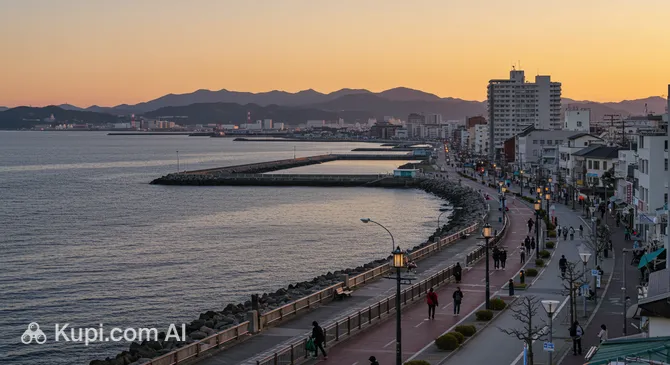
Takasago. Illustration.
Source: Kupi.com AI

With a population of about 87,000 people, Takasago maintains the friendly and welcoming atmosphere of a small town. It is easy to feel at home here, and its compact size (the city's area is just over 34 square kilometers) allows for comfortable exploration on foot, enjoying every corner.

Takasago is famous for its ability to blend a rich historical heritage with modernity. Among its main attractions are ancient temples, picturesque parks, and secluded natural spots where you can enjoy the silence. Especially noteworthy are walks through ancient streets, the opportunity to admire views of the Harima Alps, and, of course, visiting local shrines that preserve the spirit of the ages. The city also offers a unique opportunity to taste local culinary delights.

If you are looking for an authentic Japanese experience away from the bustling metropolises, Takasago will be a true discovery for you. This city invites you to slow down, breathe in the fresh sea air, and immerse yourself in the atmosphere of true Japanese hospitality, discovering its cultural treasures and natural beauty.

You can find more interesting facts on the Takasago city history page.
Weather Overview

In Takasago, there is a pronounced change of seasons. Summer, especially in July and August, brings warm weather with average temperatures reaching 26-28°C, and is the most humid period with frequent rain. Winters, on the contrary, are quite cool: the average temperature in January is about 4.8°C, and rainfall is minimal. Expect warm summers with periodic rains and cool, relatively dry winters.

For more detailed information on weather conditions throughout the year, you can visit the Takasago Climate page.

Average monthly temperature

Average monthly precipitation

Interesting Facts

In addition to its well-known attractions, the city of Takasago hides many amazing stories and little-known details that make it truly unique. Here are just a few curious facts about this charming corner of Japan:

Takasago Shrine. Illustration.
Source: Kupi.com AI

Traveler photos:

  • Takasago is known throughout Japan for the Ishino Hoden (Oishi Shrine), which houses a giant stone monolith legendary for being created by the gods. Locals consider it one of the most mysterious and mystical places in the region, part of the Takasago Shrine complex; it is believed that this stone possesses special energy and grants wishes.

  • The city is home to Yoneda Taishiji Temple, which is considered one of the oldest in Hyogo Prefecture. Colorful festivals often take place here, and the temple grounds themselves are a true oasis of peace and beauty.

  • The symbols of the city are the chrysanthemum and the pine. Chrysanthemums adorn city parks, while pines, planted for centuries along the coast for protection against winds and tides, symbolize longevity and resilience, values especially prized in Japanese culture.

  • Takasago is often called the "city of sacred stones" due to the many ancient megaliths and stone structures that surround the city, giving it a special atmosphere of mystery and respect for nature.

How to Get There

When planning a trip to this cozy corner of Hyogo Prefecture, it is important to think through your route in advance. Thanks to Japan's developed transport network, getting here is quite simple, although the city itself does not have its own airport. You can find out more about how to get to Takasago by exploring all available options, and below we will look at the most popular ways to arrive.

Since there is no airport in Takasago itself, travelers usually fly into one of the major air hubs of the Kansai region. The main international gateway is Kansai International Airport (IATA: KIX), located in the city of Osaka. It is approximately 56 km from Takasago. It is a huge hub receiving flights from all over the world. The journey from here by taxi or bus can take about 1 hour 45 minutes, but many tourists prefer high-speed trains to save time.

Another convenient option is Kobe Airport (IATA: UKB), which also administratively belongs to the region served by Osaka's transport system (according to data, it is 42.4 km from the center of Takasago). This is a more compact airport serving mainly domestic flights. The journey by car from here will take approximately 1 hour 25 minutes. It is also worth mentioning Itami Airport (IATA: ITM), specializing in domestic flights; it is located slightly further away, about 60 km.

For clarity, here is a summary of the main airports:

AirportPassenger trafficDistance
Kobe Airport3.6 mln42 km
Kansai International Airport30.6 mln56 km
Itami Airport14.8 mln59 km
Tokushima Awaodori Airport2.3 mln72 km
Tajima57 19483 km

Railway transport is one of the most efficient ways to reach Takasago. The city is served by the Sanyo Electric Railway line (the main station is Takasago Station) and the JR Sanyo Main Line (Hoden or Sone stations are within or near the city limits). Most often, tourists take the Shinkansen bullet train to major neighboring stations, such as Himeji or Nishi-Akashi, and from there transfer to local trains that take them directly to Takasago in just 10–15 minutes.

Main Attractions

Takasago, a cozy city in Hyogo Prefecture, offers travelers several notable places that reflect its cultural heritage and culinary traditions. Although the city does not boast a huge number of attractions, there are iconic spots worth visiting.

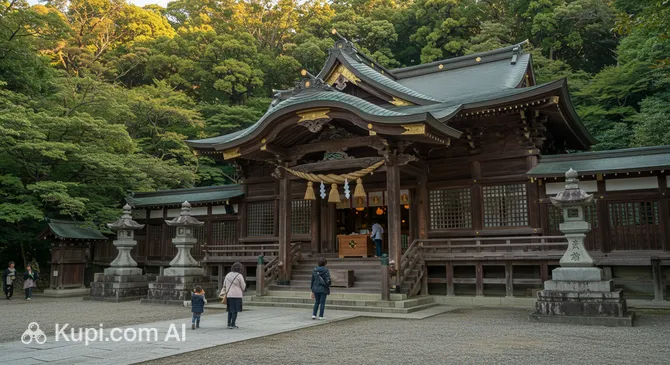
One of the city's main gems is Takasago Shrine. This ancient Shinto shrine is deeply revered and known for its connection to the legend of Jo and Uba – two eternally loving pines symbolizing marital harmony and longevity. Tourists are attracted by its calm, peaceful atmosphere, beautiful traditional architecture, and the opportunity to experience Japanese spiritual traditions. A stroll through the shrine grounds allows you to feel the spirit of history and enjoy the beauty of nature.

Takasago Shrine. Illustration.
Source: Kupi.com AI

Traveler photos:

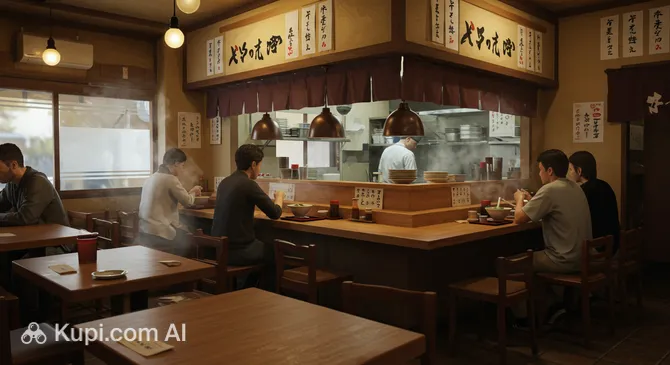
For those wishing to get acquainted with the local cuisine, Okada Ramen Second Generation is an excellent choice. This establishment is popular for its delicious and authentic ramen. Visiting this restaurant is a wonderful opportunity to try one of the most famous dishes of Japanese cuisine, prepared according to local traditions, and enjoy a welcoming atmosphere.

Okada Ramen Second Generation. Illustration.
Source: Kupi.com AI

Traveler photos:

Local Cuisine

The gastronomic scene in Takasago is a true discovery for lovers of fresh seafood and authentic Japanese cuisine. Thanks to its coastal location, the city is famous for its exquisite dishes made with oysters, mussels, and seaweed. A particular point of pride for local chefs is sashimi made from seasonal fish caught literally off the shores of Takasago, allowing you to fully experience the taste of the sea.

One of the iconic dishes that you should definitely try in Takasago is "kama-meshi". This is fragrant rice traditionally cooked in a special clay pot together with fresh seafood and seasonal vegetables. The dish is incredibly rich and reflects the philosophy of local cuisine: respect for the ingredients and a desire to preserve their natural flavor.

Food culture in Takasago is closely tied to the sea and local products. At colorful street markets, especially the bustling morning bazaars, you can not only buy the freshest gifts from the sea and land but also try various local delicacies, such as fried baby octopus or seaweed tempura. This is a wonderful opportunity to observe the daily life of the city's residents and taste something truly authentic.

In addition to street food, Takasago has many restaurants where you can enjoy both traditional Japanese dishes and local specialties. For example, to get acquainted with popular Japanese noodles, you can visit Okada Ramen Second Generation. From drinks to accompany your meal, traditional Japanese sake of various ages or refreshing green tea, which is an integral part of Japanese culture, would be perfect.

Takasago's gastronomic character is complemented by seasonal festivals. In summer, festivals dedicated to seafood are often held here, and in autumn, there are harvest festivals where you can try dishes made from newly harvested rice and local vegetables. Takasago's cuisine attracts tourists with its freshness, emphasis on seasonal ingredients, and the chance to experience the true culinary traditions of coastal Japan.

Travel Tips

Welcome to Takasago! To make your trip to this cozy city in Hyogo Prefecture as comfortable and memorable as possible, we have gathered some useful tips for you. This information will help you better navigate on-site and avoid possible inconveniences.

  1. Clothing for the season and essential items: The climate in Takasago, as in Japan as a whole, is temperate with four distinct seasons. In summer (June–August), it is hot and humid – choose light clothing. In winter (December–February), it can be cool, so warm things will come in handy. Spring and autumn are the most comfortable times. Regardless of the season, be sure to bring comfortable shoes, as you will be walking a lot. Don't forget an adapter for electrical appliances (the standard voltage in Japan is 100V, and the outlets are types A and B). When visiting temples and shrines, more modest clothing that covers shoulders and knees may be required.
  2. Getting around the city: Takasago is a relatively small city. The main forms of public transport here are local trains (including JR lines and possibly the Sanyo Electric Railway, connecting to neighboring cities) and buses. Taxis are available, but they are a more expensive way to travel. For planning routes, it is convenient to use apps like Google Maps or Japan Travel Navitime. Renting a car may be justified if you plan to actively explore the surroundings of Hyogo Prefecture, but for Takasago itself, it is not always necessary.
  3. Financial matters: The official currency is the Japanese Yen (JPY). Although credit cards are increasingly accepted, especially in hotels and large shops, it is strongly recommended to carry a sufficient amount of cash. You will need it for payment in small cafes, local shops, some temples, and for buying transport tickets. You can exchange currency at the airport or banks, and withdraw cash from international cards at ATMs of the 7-Eleven or Japan Post Bank networks. Tipping in Japan is not customary and may be perceived as a misunderstanding.
  4. Health and safety: Japan is one of the safest countries in the world, and Takasago is no exception. The crime rate here is low. Pharmacies (薬局 – yakkyoku) can be found easily, but many medicines are prescription-only, and staff do not always speak English. It is recommended to have a basic first-aid kit with you and be sure to take out medical insurance before your trip. In emergencies, you can seek help at large hospitals.
  5. Language and communication: The official language is Japanese. In tourist areas and hotels, staff may speak English, but overall its prevalence, especially in smaller cities like Takasago, may be limited. Learn a few basic phrases in Japanese, such as "konnichiwa" (hello), "arigato" (thank you), "sumimasen" (excuse me/sorry) – this will greatly help in communication and will be appreciated by the locals. For convenience in navigation and communication, we recommend purchasing a local SIM card or renting a pocket Wi-Fi router.
  6. Local etiquette: Japanese people are very polite and value respect for traditions. Bowing is used instead of handshakes, especially when meeting or expressing gratitude. In public places, especially on transport, try not to talk loudly on your phone. When entering a Japanese home, some temples, and traditional restaurants (where you sit on tatami), it is customary to remove outdoor shoes.
  7. What to avoid: Do not stick your chopsticks vertically into a bowl of rice – this is associated with funeral rituals. Try not to point at people or objects with your index finger; use an open palm instead. Also, in Japan, it is not customary to eat while walking on the street, although for some types of street food in designated areas, this is acceptable.
  8. A special feature of Takasago: Be sure to visit Takasago Shrine (Takasago Jinja). It is famous for the legend of the evergreen Aioi-no-matsu (相生の松) pines, symbolizing a long and happy married life. This place has great cultural significance and is one of the city's main attractions, reflecting its spirit and history.

We hope these tips help you better prepare for your trip and enjoy every moment in Takasago. We wish you an unforgettable experience exploring this unique corner of Japan!

Entertainment & Nightlife

Evening Takasago offers guests the opportunity to dive into the authentic atmosphere of a Japanese city after sunset. While there are no loud neon-lit districts like in the metropolises, you will find cozy places for relaxation and a pleasant pastime.

The core of nightlife in Takasago consists of traditional Japanese pubs – izakayas, where you can enjoy local drinks and snacks in a relaxed setting. Small bars and restaurants operating until late evening are also popular. One such place where you can have a delicious dinner is Okada Ramen Second Generation, known for its fragrant ramen. Many Japanese people also enjoy spending evenings in karaoke bars, which can also be found in Takasago. Typically, nighttime establishments are concentrated in the central part of the city or near the railway station.

The atmosphere in Takasago's evening venues is predominantly calm and friendly. The crowd is mostly local, allowing for a deeper immersion into the everyday life of the Japanese people. There is generally no dress code; a comfortable clothing style is welcomed. Most izakayas and bars are open until midnight or slightly later, especially on weekends.

If you are planning an evening out, it is best to head to these establishments after 7:00–8:00 PM. Prices in Takasago are usually moderate, especially compared to the major tourist centers of Japan. For getting around the city at night, it is most convenient to use a taxi, as public transport may have a limited schedule. You can order a taxi by phone or find one at designated stands.

Takasago is considered a safe city, and night walks along illuminated central streets do not cause concern. Nevertheless, it is always worth observing standard precautions. Stay vigilant and keep an eye on your belongings, especially in crowded areas.

During the day, Takasago offers other types of leisure. Guests of the city can visit local parks for leisurely strolls or get acquainted with the cultural heritage by visiting, for example, Takasago Shrine. While the city lacks large theaters or world-class amusement parks, its charm lies in its quiet atmosphere and the opportunity to see the real, non-tourist Japan.

Parks & Museums

The city of Takasago offers its guests a pleasant combination of peaceful green spaces and interesting cultural sites, allowing for a deeper acquaintance with local history and traditions.

In Takasago, you will find well-kept city squares and gardens, perfect for leisurely strolls and relaxing away from the city bustle. Visitors can enjoy the beauty of traditional Japanese gardens, often found at temples and shrines – these are true oases of calm with thoughtful landscape design. The city's location in Hyogo Prefecture also provides access to scenic coastal areas where you can enjoy the fresh sea air.

For an immersion into the history and culture of Takasago, look to the local museums. The city offers guests small municipal exhibitions detailing the development of the city and the region, as well as themed museums dedicated to, for example, local crafts or famous personalities. Art lovers will also find galleries in Takasago presenting works by Japanese artists that reflect both traditional and contemporary art directions.

One of the key places to visit to experience the city's spiritual and historical heritage is Takasago Shrine. This iconic site attracts visitors with its ancient history, beautiful architecture, and special atmosphere of peace. The shrine is often associated with prosperity and longevity, making it a popular destination not only for tourists but also for local residents.

For a more authentic experience of Takasago, step off the beaten tourist paths. Stroll through residential streets where you might stumble upon charming small temples, local shops, or traditional houses that provide a glimpse into everyday life in the Japanese countryside. Don't miss the chance to try local cuisine in small family restaurants – it's a great way to experience the region's gastronomic culture.

Getting Around

Public transport in Takasago is primarily represented by railway connections and bus routes. The city is served by several railway lines, including JR (Japan Railways) lines and possibly private railway companies like the Sanyo Electric Railway, which connect Takasago with major cities in the Kansai region, such as Kobe and Osaka. Buses provide travel within the city and to areas not reached by trains.

The most convenient way to pay for public transport in Takasago, as in many cities in Japan, is with rechargeable IC cards. In the Kansai region, where Takasago is located, the ICOCA card is common, but other popular national cards like Suica or Pasmo are also accepted. These cards can be used on both trains and most buses. Single tickets are also available; they can be purchased at machines at railway stations or directly from the bus driver. Fares usually depend on the distance.

Tourists are encouraged to purchase an IC card upon arrival for ease of travel. Train tickets are bought at stations from special machines or, less frequently, at ticket offices. When using an IC card, you must touch it to the reader at the ticket gate when entering and exiting the station. On buses, payment with an IC card is usually made upon entry or exit (depending on the bus type), and with cash – upon exit, by dropping coins or bills into a special machine next to the driver. Public transport in Takasago usually operates from early morning (about 5-6 AM) until late evening (around midnight), but schedules can vary depending on the route and day of the week, so it is recommended to check in advance, especially for the last trips.

In addition to public transport, you can use taxi services in Takasago. Taxi stands are usually located at railway stations and other busy areas. For more independent travel, especially for exploring the surroundings, you could consider renting a bicycle if such a service is available in the city. Car sharing is less common in smaller cities, but it's always worth checking for local services. No unique types of transport, such as a historical subway or cable cars, have been noted in Takasago; the system is focused on standard and efficient railway and bus services.

Accommodation

When planning a trip to Takasago, you can find various accommodation options to suit your preferences and budget. The city offers a choice ranging from practical business hotels to more traditional local inns, allowing you to find a suitable option for both a short business trip and a tourist visit.

In Takasago, travelers can typically count on mid-range hotels offering comfortable stays, as well as more budget-friendly options. Although the city may not be bursting with luxury resorts from international chains, the coziness and hospitality of local establishments are highly valued. The choice of a specific area to stay in may depend on your plans: for convenience of travel, consider options located near transport hubs or the attractions you are interested in, such as Takasago Shrine.

While the provided data does not include specific hotel examples, Takasago, like most Japanese cities of this size, is likely to have local hotels and business hotels focused on providing basic amenities and a comfortable night's sleep. It is recommended to check offers on popular online booking platforms or contact local tourist information centers upon arrival for the latest information.

The price range for accommodation in Takasago can vary from budget to mid-range, depending on the type of accommodation, the season, and the services provided. You can book accommodation through well-known international and Japanese hotel aggregator sites, as well as, in some cases, directly through hotel websites if available. To guarantee the best choice and prices, especially if your trip coincides with holiday periods, national holidays, or local festivals, it is recommended to book your accommodation in advance.

Nearby Cities

For those looking to explore the surrounding area, Takasago serves as an excellent starting point for day trips to several interesting nearby locations:

CityPopulationDistance
Kakogawa260 5955 km
Harima33 8229 km
Himeji527 59611 km
Ono47 31616 km
Miki74 25518 km

These nearby destinations provide an insight into the diverse culture and landscapes of the region. For example, a trip to Himeji will allow you to see the famous Himeji Castle, a UNESCO World Heritage site, while Kobe offers a cosmopolitan atmosphere, delicious beef, and a picturesque waterfront. Even the closest neighbor, Kakogawa, can offer interesting local temples and parks for a peaceful walk.

Shopping & Souvenirs

While Takasago might not be a major shopping destination in Japan, you can still find interesting local goods and souvenirs here. The city offers opportunities for a quiet exploration of local trade rather than a hunt for global brands. The main focus here is on shops serving the daily needs of residents, as well as small stalls with traditional products.

The main shopping spots in Takasago are likely to be concentrated in the central part of the city, possibly near the railway station or around significant cultural sites like Takasago Shrine. It is in such areas that small shops offering both everyday goods and souvenir products are most often located.

Regarding large shopping centers, a city the size of Takasago may not have them. Most likely, you will find local department stores or supermarkets with clothing and home goods departments. For more extensive shopping with a wide selection of brands, it is worth heading to the larger cities of Hyogo Prefecture.

There is limited information about large or permanent markets in Takasago, however, in Japanese cities, you can often find morning markets (asaichi), where local farmers sell fresh produce and delicacies. It's worth asking about such markets upon arrival – they are a great opportunity to get acquainted with local cuisine and purchase fresh seasonal products.

As souvenirs from Takasago, you can bring back traditional Japanese goods: ceramics, textiles, fans, as well as local sweets (such as wagashi) and tea. You may find unique items related to local legends or symbols, for example, souvenirs dedicated to Takasago Shrine and its history. Also, pay attention to products from local artisans.

Most shops in Takasago, as in Japan in general, are usually open from 10:00 or 11:00 AM until 7:00 or 8:00 PM. Small private shops may have their own schedule. Regarding payment, cash is still widely used, especially in small shops and markets. However, credit cards (Visa, Mastercard) are accepted in many places, especially in larger retail outlets. Contactless payments are also becoming increasingly popular.

For foreign tourists in Japan, a tax-free system is available. Look for shops with the "Japan Tax-free Shop" sign. Usually, to process a tax refund, you need to make a purchase of a certain amount (most often over 5,000 yen excluding tax) in one shop within one day and present your passport.

Reached the end of the page?

That means the route is fully explored