Support

Wake

About

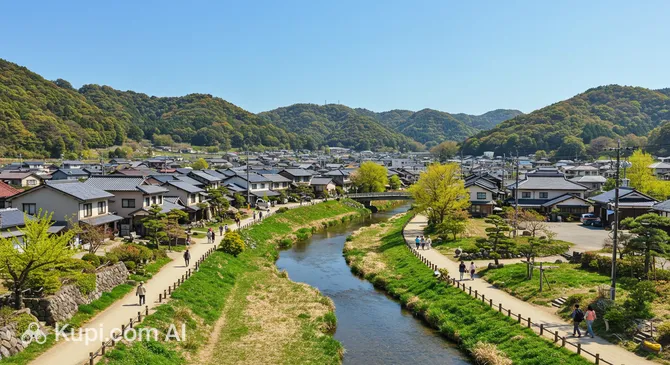
Wake is a small but incredibly picturesque town nestled among the green hills in the western part of Honshu island. It is an ideal destination for those seeking tranquility and a chance to experience the authentic provincial charm that Japan is famous for. Here, you won't find the typical bustle of large cities; instead, life flows at a measured and calm pace, allowing guests to fully unwind.

Wake. Illustration.
Source: Kupi.com AI

Administratively, the town belongs to Okayama Prefecture, often called the country's "sunny gateway" due to its mild climate and abundance of clear days. With a population of just over 13,000, Wake retains an atmosphere of genuine comfort and friendliness. The surrounding landscapes, featuring dense forests and rice paddies, are especially beautiful during the changing seasons: in spring, when everything is covered in fresh greenery, and in autumn, when the hills turn the crimson shades of maple trees.

Strolling through the narrow streets and admiring the old houses with tiled roofs, travelers can touch the past of this region. The unique history of Wake is revealed through visits to small local shrines and the contemplation of traditional architecture. This town is a true find for those who want to see the soul of the Japanese heartland and enjoy the quiet far from the popular tourist trails.

Weather Overview

The climate in this region is characterized by distinct seasonality, allowing you to enjoy a variety of landscapes throughout the year. Travelers should expect warm, sometimes hot summers with periodic rainfall and cool but mostly dry winters.

The hottest time of year is August, when the average temperature reaches 27.4°C, and daily maximums often exceed 30°C. Mid-summer is also characterized by high humidity: July brings the highest number of rainy days. Checking the current weather in Wake will help you plan your trip more accurately and choose appropriate clothing, especially if you are traveling during the rainy season.

Winter months here are quite calm: in January, the average temperature stays around 4.3°C, and nighttime figures can drop near zero. Spring and autumn are the ideal times for long walks, as in May and October, the air warms to a comfortable 17-18°C, creating pleasant conditions for exploring the town.

Average monthly temperature

Average monthly precipitation

Interesting Facts

Beyond its picturesque landscapes, Wake holds many fascinating stories that allow for a deeper understanding of the region's culture. The town is full of subtle details and local legends that can surprise even seasoned travelers exploring what real Japan is all about.

  • The Legacy of the Sanyo-do Road. Historically, the town was an important transit point on the ancient road connecting Kyoto with the western regions. Merchants and travelers have stayed here for centuries, and because of this, some corners still retain the elusive spirit and aesthetics of the Edo period.

  • The Magic of Autumn Colors. Wake is famous for its annual Momiji festival, dedicated to viewing the maple trees. In autumn, local gardens resemble vibrant canvases of crimson and gold leaves, while evening lantern light adds a special romance and mystery to the scenery.

  • A Town of Artisans. Among Wake's natives are many outstanding craftsmen, particularly woodcarvers and potters. Their skills are passed down through generations, so in local shops, you can find truly unique handmade souvenirs crafted using ancient techniques.

  • The Legend of Longevity. According to local lore, an ancient spring is hidden in the town's outskirts, with waters capable of granting a long life. Residents treat this belief with great respect and perform special washing ceremonies in hopes of attracting health and good fortune.

How to Get There

When planning a trip to this cozy corner of Okayama Prefecture, it is important to map out your route in advance. Although the town is located away from the noisy metropolises, the region's transport network is excellently developed. You can find all the details, schedules, and alternative options by following the link: more about how to get to Wake.

Most tourists arrive in the region by plane. The closest and most convenient option is Okayama Airport (OKJ). Please note: there is no airport in Wake itself; it is located in the neighboring major city of Okayama, approximately 28 km from the center of Wake. This is a regional airport with moderate passenger traffic, serving both domestic and some international flights. A taxi or rental car journey from the terminal to Wake will take about 60–70 minutes.

If you are planning a more complex route through the Kansai region, you can use Kobe Airport (UKB). According to records, it serves the city of Osaka and is located 99.8 km from Wake. This is a major transport hub with high passenger traffic. The journey from here to Wake by car will take about 2.5–3 hours. It is also worth mentioning Takamatsu Airport (TAK), located on the neighboring Shikoku island in the city of Takamatsu (about 67 km from Wake), which can also be a convenient option for travelers.

For clarity, here is a summary of the main airports you can use to reach the region:

AirportPassenger trafficDistance
Okayama Airport1.4 mln28 km
Takamatsu Airport2.5 mln67 km
Tottori Airport401 79681 km
Tokushima Awaodori Airport2.3 mln85 km
Tajima57 19497 km

In addition to air travel, rail transport plays a vital role. Wake is served by the JR Wake Station on the Sanyo Main Line. This makes the town easily accessible for those traveling through Japan by train. Usually, tourists take the Shinkansen high-speed train to the major Okayama Station and then transfer to a local train, which takes them directly to the center of Wake in about 30 minutes. This is a reliable and scenic way to reach your destination.

Main Attractions

While Wake is not a major tourist metropolis, it offers guests unique spots where nature harmoniously intertwines with ancient history. A walk through local attractions will provide a sense of serenity and allow you to see an authentic, non-tourist side of the country.

One of the town's main points of pride and its spiritual center is the Wake Shrine. This ancient Shinto shrine is dedicated to the aristocrat Wake-no Kiyomaro, who played an important role in the early history of Japanese statehood. A unique feature of the shrine that immediately catches the eye of tourists is its guardian statues: instead of the usual lion-dogs (komainu), the entrance is guarded by stone wild boars. According to local legend, a herd of boars once protected Kiyomaro from pursuers. Travelers come here to admire the majestic architecture and pray for luck and protection.

For lovers of flora and vibrant colors, a visit to Fuji Park (Wisteria Park) is a must. This place becomes a major attraction in late April and early May when hundreds of trees come into bloom. The park is famous throughout the prefecture for housing a vast variety of wisteria species collected from different parts of Japan. Walking under long cascades of purple, pink, and white flowers hanging from pergolas leaves an unforgettable impression and serves as a perfect backdrop for photographs.

For those who prefer active recreation and scenic views, the Katatetsu Roman Kaido is of great interest. This is a popular cycling and walking path built on the site of a former railway line that passed through the town. The route, which is easy even for beginners, stretches along the Yoshii River and offers peaceful views of green hills and valleys. It is especially beautiful in spring when cherry blossoms bloom along the road, while the preserved old station buildings add a nostalgic atmosphere to the journey.

Local Cuisine

The culinary scene in Wake is a reflection of the very essence of provincial Japan: freshness, seasonality, and a deep respect for the gifts of nature. You won't find pretentious dishes here, but you can enjoy the true, clean flavor of the ingredients. The pride of local farmers is the rice, which serves as the basis for many treats. Travelers should definitely try traditional onigiri stuffed with pickled umeboshi plum. In Wake, they are often wrapped in fresh bamboo leaves, which not only gives the food a subtle aroma but also makes it a perfect picnic snack for walks in the hills.

The proximity to forests and clean water bodies largely defines the menus of local establishments. A special place on the table is held by thick and aromatic miso soup, generously loaded with seasonal vegetables and mushrooms gathered in the surrounding thickets. Lovers of authentic flavors will certainly enjoy dishes made from river fish and wild herbs, prepared according to old home recipes. This is simple but incredibly soulful food that warms and restores energy perfectly.

For those with a sweet tooth, Wake has prepared exquisite wagashi—traditional sweets made from rice flour and sweet bean paste. On street stalls, you can find desserts whose appearance changes with the seasons: they are skillfully decorated with flower petals or pieces of ripe fruit from local orchards. These sweets are not just food but small works of art meant to be eaten slowly.

As for drinks, Okayama Prefecture is famous for its fruit and pure water, which is reflected in the bar menu. For dinner, it is worth ordering local sake (nihonshu), which here features a particularly smooth and deep flavor thanks to the high-quality rice. Among non-alcoholic drinks, classic green tea is popular, perfectly offsetting the sweetness of the desserts, along with fresh juices made from seasonal fruits.

The food culture in the town encourages relaxation and socializing. Locals and tourists often grab a snack right at the street markets, where a lively atmosphere prevails. Throughout the year, Wake hosts cozy gastronomic festivals: these are the best opportunities not only to try rare local delicacies but also to participate in workshops and learn the secrets of Japanese cuisine first-hand from local masters.

Travel Tips

A journey to Wake promises to be calm and measured, but even in such a cozy corner of Okayama Prefecture, there are nuances worth knowing in advance. To ensure your holiday goes smoothly and leaves only pleasant memories, we have prepared a list of practical recommendations to help you feel confident.

  1. Clothing and Seasonality. The climate in the region varies from hot humid summers to cool winters, so a layered approach to clothing is the best solution. Be sure to bring comfortable, broken-in shoes: Wake is conducive to long walks through parks and hilly terrain. If you plan to visit Shinto shrines, observe a modest dress code—avoid overly exposed shoulders and low necklines.

  2. Transport Logistics. Public transport within the town is not as dense as in major cities. Buses can run at long intervals, so for freedom of movement, consider renting a car or a bicycle (especially relevant for the Katatetsu route). Taxis here are reliable, but drivers rarely speak English—prepare your destination address in Japanese in advance or show the point on a smartphone map.

  3. Finances and Cash. The official currency is the Japanese yen. Despite the country's technological advancement, a cash-only culture still prevails in small towns like Wake. Many small restaurants, souvenir shops, and ticket machines do not accept cards. It is best to withdraw cash at 7-Eleven store ATMs or at the post office, as they most often work with international cards. Tipping is not customary in Japan—excellent service is considered the norm here.

  4. Health and Safety. Wake is an exceptionally safe town where you can walk comfortably at any time of day. However, keep in mind that there are almost no 24-hour pharmacies here, and most close in the early evening. We recommend bringing a basic medicine kit (painkillers, stomach remedies, plasters). Tap water is safe to drink, but many tourists prefer bottled water from vending machines.

  5. Language Barrier and Connectivity. Be prepared for the fact that English is poorly understood in the province. Locals are very friendly and will try to help with gestures, but for comfortable communication, be sure to install a translator app with offline functionality on your phone. Free Wi-Fi is available in hotels and at the station, but it is rarely found elsewhere, so buying a SIM card or renting a pocket router at the arrival airport is a necessity, not a luxury.

  6. Local Etiquette. Greetings here are accompanied by a light bow rather than a handshake. The Japanese highly value silence and personal space: in public transport and queues, try to speak quietly and set your phone to silent mode. When entering traditional rooms, temples, or homes with tatami flooring, be sure to remove your shoes and place them neatly with the toes pointing toward the exit.

  7. What to Avoid. Never pass food with chopsticks to another person and do not stick them vertically into rice—these actions are associated with funeral rituals. Also, try not to eat while walking: if you bought street food or a drink from a machine, consume it on the spot near the point of sale. There are very few trash cans on the streets, so be prepared to carry small pieces of trash with you back to your hotel.

  8. Tip for Nature Lovers. If your trip falls during the wisteria blooming season (late April to early May), arrive at Fuji Park as early as possible in the morning, ideally by opening time. This will not only allow you to enjoy the beauty of the flowers without the crowds but also give you the chance to take the best photos in the soft morning light.

We hope these tips will help you easily adapt to the local pace of life and avoid minor inconveniences. Wake is a welcoming town that generously rewards attentive and respectful travelers with its unique atmosphere and beauty. Have a safe journey!

Entertainment & Nightlife

Nightlife in Wake is significantly different from what you might see in Tokyo or Osaka. You won't find the neon signs of massive nightclubs or noisy discos that stay open until dawn. Evening entertainment in this small town is steeped in an atmosphere of coziness, authenticity, and calm. It is the perfect place for those who want to immerse themselves in the genuine Japanese culture of "nomikai" (drinking get-togethers) and chat with locals in an informal setting.

The center of evening activity is the area around the JR Wake railway station. This is where most of the dining establishments are concentrated, coming to life after sunset. The primary format of nocturnal leisure in Wake is the izakaya (a traditional Japanese gastropub). These places are easily recognizable by the red "akachochin" paper lanterns at the entrance. Inside, a friendly, almost homey atmosphere prevails: locals come here after work to drink beer or sake and order many small "one-bite" dishes, ranging from yakitori skewers to fried tofu.

For those who want to continue their evening after dinner, the town has small snack bars and karaoke venues. These are an essential part of social life in provincial Japan. Snack bars are often run by a single hostess (referred to as "mama-san"), and the atmosphere resembles a visit to old friends. Here, it is customary to sing songs and talk with the bartender and other guests. There is no dress code in Wake's establishments—the style is casual and relaxed. The crowd is generally very welcoming to foreigners, though a language barrier may exist.

If you are planning an evening walk, keep a few practical points in mind:

  • Opening hours: Most restaurants and bars close quite early, around 10:00–11:00 PM. It is best to arrive by 7:00 PM to catch the liveliest time.
  • Payment: Small bars and izakayas almost always accept cash only. Be sure to withdraw money in advance, as ATMs may be unavailable at night.
  • Transport: There are no night buses in Wake. If your hotel is far from the station, arrange for a taxi in advance or check the schedule for the last trains if you are staying in a neighboring city. Catching a car on the street at night can be problematic.
  • Safety: Wake is an exceptionally safe place. You can walk the night streets without worry, though it is worth being careful on the roads as lighting in residential areas can be dim.

As for daytime entertainment, Wake offers excellent opportunities for a relaxed break before a busy evening. The town is well-suited for cultural leisure: besides the parks and temples mentioned, you can visit local community centers where local craft exhibitions are sometimes held. For fans of active recreation, it is worth spending time on hiking trails in the surrounding hills to head out and explore the local dining scene by evening with a clear conscience and a good appetite.

Parks & Museums

Surrounded by picturesque hills and rivers, the town of Wake offers travelers a wonderful blend of natural beauty and cultural-historical heritage. It is a place where green spaces transition seamlessly into museum areas, allowing guests not only to relax their souls but also to learn more about the traditions and ecology of the region that all of Japan is proud of.

One of the most impressive natural sites is Wake Utsukushii Mori (Wake Beautiful Forest). This is an extensive recreational zone located on an elevation, offering panoramic views of the surroundings. The park is ideal for those seeking solitude with nature: it features campgrounds, barbecue areas, and walking trails. The seasonal changes give the place a special charm: in spring, the hills are covered with flowers, and in autumn, with vibrant foliage, creating perfect conditions for hiking and outdoor picnics.

For eco-tourism enthusiasts, the Okayama Prefectural Nature Conservation Center is a real find. It is not just a park but a vast protected area of about 100 hectares where you can encounter rare species of plants and insects in their natural habitat. Miles of well-maintained wooden boardwalks and paths lead through wetlands and red pine forests. This location serves as an excellent platform for bird watching and quiet meditative walks away from civilization.

The town's cultural program is worthily represented by the Wake Historical and Ethnographic Museum. The exhibition of this small but informative museum is dedicated to the daily life and traditions of local residents of past eras. It houses old agricultural tools, household items, and artifacts related to the history of the Wake clan. Visiting the museum allows for a deeper understanding of how the lifestyle in this region was formed and how people have interacted with the surrounding nature for centuries.

Another interesting location is the Nature Conservation Center Exhibition Hall, which functions as an interactive natural history museum. Inside the building, visitors can see detailed dioramas, insect collections, and information stands telling the story of Okayama Prefecture's ecosystem. This educational spot will be particularly interesting for families with children and those who want to learn scientific facts about the flora and fauna seen during park walks.

Insider Tip: if you want to see something special, go for a walk along the banks of the Yoshii River at sunset. At this time of day, the water is painted in golden tones, and the silence is broken only by the sounds of nature. Locals often come here for painting or simple contemplation, considering these views the best "living gallery" in town.

Getting Around

The transport system in Wake has its own characteristics typical of small provincial towns. You won't find a subway or a complex network of tram lines here. The main transport hub is the railway station, and moving within the town and its surroundings requires careful planning, as the pace of life here is much calmer than in metropolises.

Rail Transport is the most reliable way to get to Wake and move between neighboring settlements. The town is served by the JR Sanyo Main Line. Trains run regularly and punctually. For fare payment at the station, it is convenient to use contactless transport IC cards (such as ICOCA, Suica, or Pasmo). If you don't have a card, a ticket can be purchased at station machines for cash. Turnstiles operate automatically, so be sure to keep your ticket until the end of your journey to exit at your destination.

Bus Services within the town are provided by municipal routes. These are small buses linking the station with residential areas, the hospital, and main attractions. It is important to remember that intervals can be long—ranging from 30 minutes to an hour or more—and services end quite early in the evening. Schedules are usually only in Japanese, so we recommend taking a photo of it at the stop or checking the route in advance at a tourist information center.

The payment system on local buses differs from city buses. Boarding is through the rear door, where you must take a ticket with a stop number (if paying cash). Payment is made upon exiting through the front door: the number on your ticket corresponds to the amount on the driver's electronic display. Be prepared for the fact that IC cards may not be accepted on local buses, so always have small change (100 and 500 yen coins) and small bills (1000 yen). A change machine is usually built into the fare box next to the driver.

For tourists wanting freedom of movement, taxis are an excellent alternative. A taxi stand is located right outside the exit of the JR Wake railway station. This is the most convenient way to reach remote temples or parks if you don't want to adjust to the bus schedule. Drivers rarely speak foreign languages, so prepare the destination name or address on your smartphone screen in advance. Most taxis accept card payments, but cash is more reliable.

Bicycle Rentals are particularly popular in Wake. Given the presence of the picturesque "Katatetsu Roman Kaido" cycling path, a bicycle becomes not just a means of transport but part of the tourist experience. Rental points can be found near the station. It is a budget-friendly and eco-friendly way to explore the town and enjoy the views of the Yoshii River at your own pace.

Renting a car (car-sharing or classic rental) is recommended for those planning to explore not just Wake, but the entire Okayama Prefecture. The roads here are of excellent quality and traffic is calm. However, keep in mind that driving is on the left, and an international driving permit will be required for rental.

Accommodation

The choice of accommodation in Wake, as befits a small provincial town, is not characterized by vast variety, but it is precisely here that you can find options that allow you to fully immerse yourself in the atmosphere of the Japanese heartland. You won't find high-rise international chain hotels here; instead, guests are offered comfort and traditional hospitality. The hotel stock primarily consists of small mid-range hotels, family-run guesthouses (minshuku), and traditional Japanese inns (ryokans), where guest service is the top priority.

In terms of location, two main areas are most convenient for tourists. The first is the vicinity of the JR Wake railway station. Staying here provides quick access to transport, shops, and restaurants, which is particularly convenient for those traveling without a car. The second popular option is staying closer to natural areas and hot springs, for example, in the Ugaidani district. This location is ideal for those who want to combine an overnight stay with relaxing baths in healing waters and a break surrounded by forested hills.

Booking Tips:

When planning your trip, it is important to consider seasonality. During the wisteria blooming period (late April to early May) and the red maple season (November), demand for accommodation spikes as tourists flock to the town from across the prefecture. During these periods, it is highly recommended to book rooms 2–3 months in advance. At other times of the year, finding a free room is usually not difficult, even just a couple of weeks before the visit.

The price range in Wake can be described as moderate. Budget travelers can find simple rooms in guesthouses, while comfort seekers can opt for more expensive options with kaiseki dinner included at ryokans. For booking, it is best to use major international or Japanese online platforms, as many small local inns may not have their own website in English. Also, remember that when checking into small family hotels, cash is often requested, so it is worth preparing the necessary amount in yen beforehand.

Nearby Cities

For those who want to explore the surrounding area, Wake serves as an excellent starting point for day trips to several interesting nearby locations.

Just a half-hour drive away is Okayama—the major administrative center of the prefecture. It is a city where modernity sits alongside deep antiquity: here, you should definitely visit the famous Korakuen Garden, one of the three most beautiful landscape parks in the country, and the majestic Okayama Castle, nicknamed the "Crow Castle" for its unique black facade.

Slightly further away is the picturesque Kurashiki, famous for its beautifully preserved Bikan Historical Quarter. This place feels as if it has been frozen in time: white-walled merchant warehouses, converted into museums, galleries, and atmospheric cafes, line a canal where traditional boats glide slowly by.

History buffs and cherry blossom lovers will enjoy a trip to the city of Tsuyama. Kakuzan Park, built on the ruins of an ancient castle, is considered one of the best spots in the region for viewing cherry blossoms in spring, offering guests breathtaking views and an immersion into the samurai era.

CityPopulationDistance
Bizen32 0777 km
Akaiwa42 34114 km
Setouchi35 62416 km
Kamigori13 83520 km
Mimasaka25 49723 km

These nearby destinations offer a glimpse into the diverse culture and landscapes of the region, perfectly complementing a peaceful holiday in Wake with vibrant experiences.

Shopping & Souvenirs

General Overview. Shopping in Wake is an opportunity to immerse yourself in the measured rhythm of provincial Japanese life. There are no massive shopping centers or global brand boutiques here, but there is an abundance of cozy shops selling essentials and local products. Travelers should focus on finding authentic souvenirs and fresh produce, the prices of which are often lower here than in tourist metropolises.

Main Shopping Areas. The town's commercial life is primarily concentrated around the JR Wake railway station. In this area, you can find small family-owned stores offering books, stationery, clothing, and traditional sweets. Strolling through these streets will allow you to see old storefronts and feel the atmosphere of the past. Along National Route 374, which crosses the town, there are more modern roadside shops and chain establishments.

Shopping Centers. Wake lacks the large malls common in big cities. Their role is filled by supermarkets and small local shopping complexes, such as Tenmaya Happy Mart or Marunaka. These are versatile spots where you can buy groceries, cosmetics, household goods, and basic clothing. For tourists, they are convenient due to their wide range of products and the ability to buy everything necessary in one place.

Markets. A true find for foodies is the morning farmers' markets and direct sales points (often called "chokubaijo") found in the vicinity. Here, locals sell freshly harvested vegetables, seasonal fruits, and homemade preserves. These are the best places to buy high-quality products, support local producers, and try things that aren't exported to other regions.

Souvenirs. As a gift from Wake, it is worth bringing back Okayama Prefecture's famous fruits, as the region is known as the "Fruit Kingdom": delicate white peaches in summer and sweet Muscat and Pione grapes in autumn. Since the town is famous for its Fuji Park, during the wisteria blooming season, shops feature many floral-themed goods, from sweets to textiles. Also, look out for local sake and ceramics, which are often brought from the neighboring town of Bizen.

Hours and Payment. Most shops open at 9:00–10:00 AM and close by 7:00–8:00 PM. Only "konbini" (convenience stores) operate 24/7. In Japan, and especially in small towns like Wake, the cash culture remains strong. Many private shops and markets do not accept cards, so always carry a sufficient supply of yen.

Tax Free. The Tax-Free system is virtually non-existent in the town due to the lack of a large flow of foreign tourists. You might only be able to process a refund at large chain drugstores if there is a special sticker at the entrance. In regular grocery stores and souvenir shops, this service is generally unavailable.
Reached the end of the page?

That means the route is fully explored