Support

Himeji

About

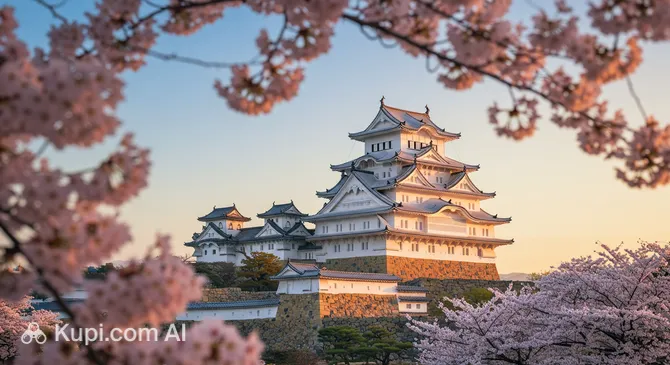
Himeji is a city where the history of ancient Japan comes to life, famous primarily for its majestic castle that looks as if it stepped off the pages of samurai legends. Located in Hyogo Prefecture on Honshu Island, this city of approximately 528,000 people offers a unique blend of cultural heritage and modern Japanese life. The climate here is temperate, with four distinct seasons, making it a comfortable visit at any time of year.
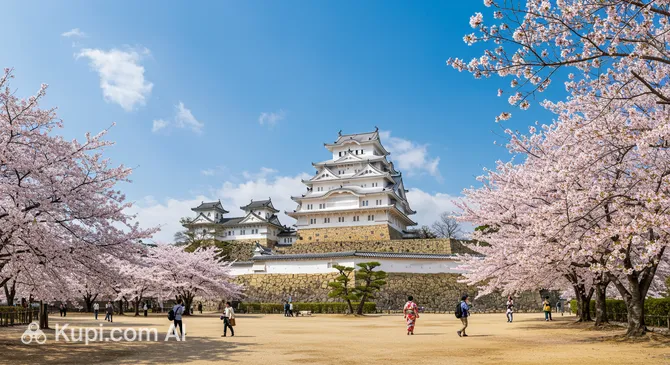
Himeji. Illustration.
Source: Kupi.com AI

The city's main jewel is undoubtedly Himeji Castle, also known as the "White Heron Castle" (Shirasagi-jo). It is one of the oldest and best-preserved castle complexes in the country and is listed as a UNESCO World Heritage site. Its brilliant white walls and graceful towers leave an unforgettable impression. Adjacent to the castle lies the beautiful Koko-en Garden – a complex of nine traditional Japanese gardens, each designed in its own unique Edo-period style. For those seeking solitude and spiritual enrichment, a visit to Mount Shosha is a must, where the ancient Engyo-ji temple complex is located, also known as a filming location for the movie "The Last Samurai."

Himeji is not just a city with a beautiful castle; it is a place where you can touch the soul of Japan, feel its centuries-old history, and enjoy a peaceful atmosphere. A trip here will be an unforgettable experience for every traveler interested in the culture and traditions of the Land of the Rising Sun.

You can find more interesting facts on the history of Himeji page.
Weather Overview

The weather in Himeji is characterized by clearly defined seasons. Summer, especially in July and August, is quite warm here, with average temperatures around 26-27°C, while maximums can reach 30°C and higher. This period also sees the highest amount of rainfall, with 14-18 rainy days per month. Winters, conversely, are cool and relatively dry: average temperatures in January and December hover around 4-6°C, and precipitation is minimal. Spring and autumn offer comfortable weather with moderate temperatures and varying amounts of rainfall, creating pleasant conditions for visiting the city. Expect warm summers with occasional rain and cool, drier winters. You can find more detailed information on the Himeji Climate page.

Average monthly temperature

Average monthly precipitation

Interesting Facts

In addition to its main gem – the magnificent castle – Himeji hides many amazing stories and little-known details that make this city even more attractive to curious travelers.

Himeji Castle. Illustration.
Source: Kupi.com AI

Traveler photos:

  • Despite heavy bombing of the city during World War II, the legendary Himeji Castle remained almost unscathed. One bomb that hit the top floor of the main tower failed to explode, which is considered a true miracle that preserved this treasure for posterity.

  • The Koko-en Garden at the foot of the castle may seem ancient, but it was actually established only in 1992 on the site of a former samurai residence. It is an ensemble of nine different Edo-period style gardens, each with its own unique atmosphere.

  • Locals are proud of their special dish – Himeji oden. The difference in this variation of the popular Japanese stew is that it is traditionally eaten dipped in a ginger and soy-based sauce, giving it a unique piquant flavor.

  • Although Engyo-ji Temple on Mount Shosha gained world fame thanks to the movie "The Last Samurai," it is a site with over a thousand years of history and is one of the most important temples of the Tendai school of Buddhism. The path to it follows a scenic ropeway offering breathtaking views of the surrounding area.

How to Get There

There are several ways to reach Himeji, primarily by air through international and regional airports located in neighboring prefectures. After arriving at the airport, it is convenient to reach Himeji by train, bus, or taxi.

The main international airport serving the region is Kansai International Airport (KIX). It is located in Osaka, approximately 67 km from Himeji. This is a major international hub, and the trip from here to Himeji by car or express transport takes roughly about 2 hours.

The closest airport to Himeji is Kobe Airport (UKB), also located in Hyogo Prefecture near Osaka, at a distance of about 54 km. This is a medium-sized airport serving mainly domestic flights. The journey from Kobe Airport to Himeji takes about 1 hour 40 minutes. Another major airport in the region is Itami Airport (ITM), located in Osaka (about 69 km from Himeji), specializing primarily in domestic flights. The trip from there to Himeji takes just over 2 hours.

For convenience, here is a summary of the main airports used to reach Himeji:

AirportPassenger trafficDistance
Kobe Airport3.6 mln53 km
Kansai International Airport30.6 mln67 km
Itami Airport14.8 mln69 km
Tokushima Awaodori Airport2.3 mln76 km
Okayama Airport1.4 mln76 km

Himeji is a major station on the Sanyo Shinkansen high-speed line. Direct trains connect Himeji with major cities like Tokyo, Kyoto, Osaka, Hiroshima, and Fukuoka, making rail travel one of the most convenient and fastest ways to reach the city. Most tourists arrive at Himeji Station, which is in close proximity to the main attractions, including Himeji Castle.

Looking at other regional rail hubs mentioned in available data, Fukai Station can be noted. It is located in the city of Sakai, quite a distance away – about 81 km from Himeji. A trip from Fukai Station to Himeji would require additional transfers and could take over 2 hours. Given that Himeji has its own major Shinkansen station, this option is less preferred for most tourists heading directly to Himeji.

Information on regional railway stations that can be used for alternative routes:

Main Attractions

Himeji, while famous for its magnificent castle, offers travelers many other interesting spots that deserve attention. From traditional gardens to ancient temples and cultural centers, everyone will find something to their liking to gain a deeper understanding of Japan's rich history and culture.

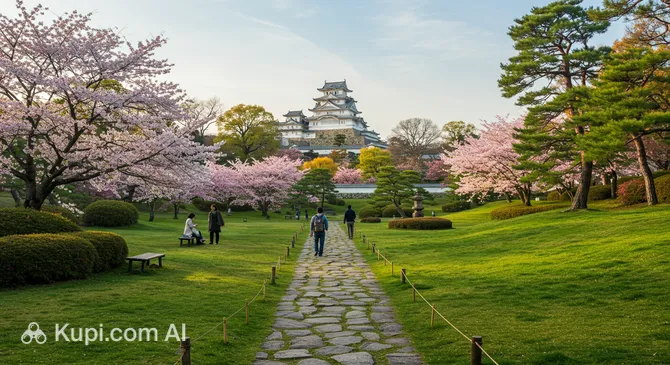
The city's main and most famous landmark is certainly Himeji Castle. This magnificent example of Japanese castle architecture, also known as the "White Heron Castle" (Shirasagi-jo), is a UNESCO World Heritage site. Its brilliant white walls, complex multi-tiered roofs, and defensive structures leave an indelible impression. The castle is interesting not only for its beauty but also for its rich history spanning over 600 years, being one of the few original Japanese castles preserved to this day. Visitors can explore the castle's numerous rooms, including the main tower, and learn about the life of the samurai.

Himeji Castle. Illustration.
Source: Kupi.com AI

Traveler photos:

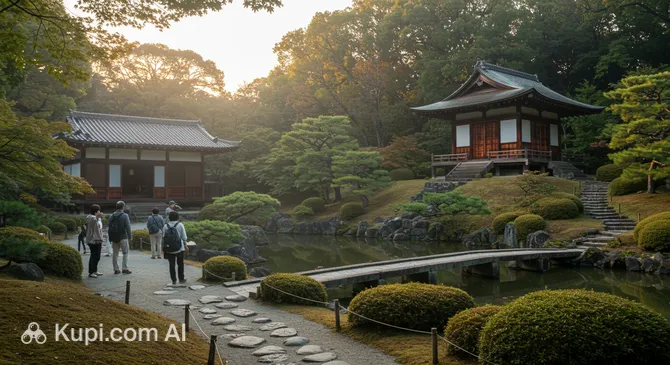
At the foot of the castle lies the picturesque Koko-en Garden. This is not just one garden but a complex of nine different traditional Japanese gardens, recreated in the Edo period style on the site of a former samurai residence. Each garden has its own unique design and theme, offering visitors a peaceful walk among koi ponds, tea houses, bamboo groves, and meticulously manicured trees. It is the perfect place to relax and enjoy Japanese aesthetics after visiting the grand castle.

Koko-en Garden. Illustration.
Source: Kupi.com AI

Traveler photos:

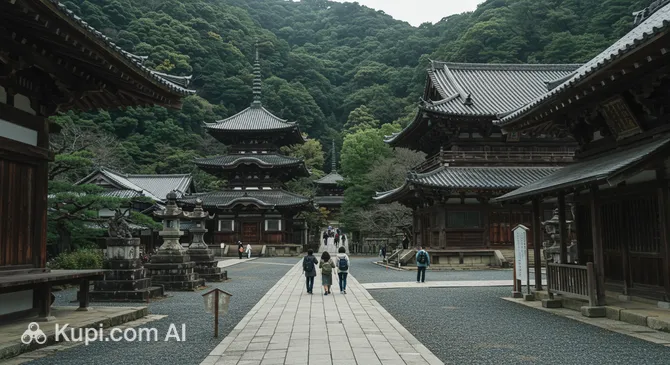
For those seeking spiritual solitude and a connection to ancient traditions, Engyo-ji Temple is a must-visit. Located on Mount Shosha, this vast temple complex with over a thousand years of history belongs to the Tendai school of Buddhism. It can be reached by a ropeway offering breathtaking views. The temple is known for its peaceful atmosphere, beautiful wooden structures, and its role as a filming location for "The Last Samurai."

Engyo-ji Temple. Illustration.
Source: Kupi.com AI

Traveler photos:

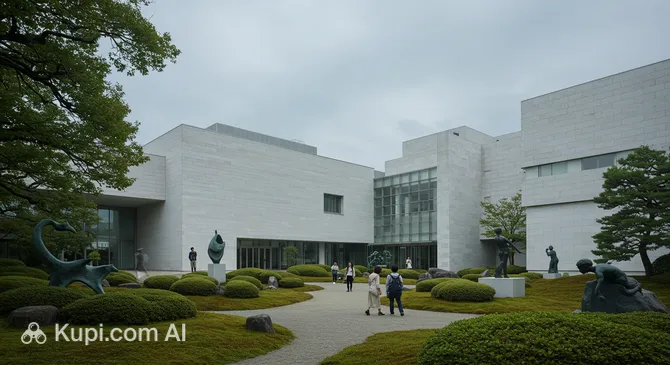
Art lovers should stop by the Himeji City Museum of Art. Housed in a red-brick building that is itself a historical structure (former army warehouses), the museum offers diverse collections. Here, you can see works by Japanese artists associated with the Harima region as well as Western art. The museum frequently hosts special exhibitions, making every visit interesting and educational.

Himeji City Museum of Art. Illustration.
Source: Kupi.com AI

Traveler photos:

In addition to these main attractions, Himeji has other interesting spots, such as Himeji Central Park for a relaxed day out or the Himeji City Aquarium, which is great for families with children. Each of these places adds its own touch to the overall impression of the city.

Local Cuisine

The gastronomic world of Himeji offers travelers unique taste discoveries based on local products and the culinary traditions of the Harima region. The city's cuisine will delight both lovers of classic Japanese dishes and those seeking something special and characteristic of this specific area.

One of the city's main gastronomic highlights is Himeji oden. This is a popular Japanese dish consisting of various ingredients such as boiled eggs, daikon, konnyaku, and fish cakes simmered in a light soy broth. The unique feature of the Himeji version is that oden here is traditionally served with a sauce based on ginger and soy sauce, giving the dish a piquant and refreshing note. Another dish certainly worth trying is anago-meshi, rice topped with grilled sea eel (anago), which is found in abundance in the waters of the Seto Inland Sea. Also, while in Himeji, look out for ekisoba – a unique local dish found at the railway station. It is a hybrid of Chinese noodles and Japanese broth, providing a hearty and delicious treat for travelers.

Among drinks in Himeji, as in all of Hyogo Prefecture (which is famous for its sake production), you should try local sake. Many restaurants and izakayas (Japanese pubs) will offer a wide selection of this traditional drink. For non-alcoholic options, green tea is of course popular, along with various seasonal beverages.

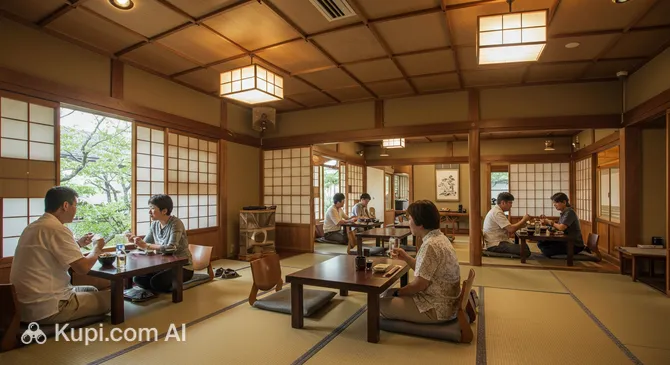
The dining culture in Himeji is diverse. Tourists and locals can find establishments for every taste and budget – from small, cozy restaurants specializing in udon and soba to more refined places offering multi-course kaiseki meals. Many establishments are concentrated around Himeji Station and along the shopping streets leading to the castle. To immerse yourself in the local cuisine, you can visit a traditional restaurant like Kohoseki, where you can sample dishes prepared with great attention to detail and local traditions. For a more informal setting, izakayas are perfect for enjoying various snacks and drinks alongside locals.

Kohouseki. Illustration.
Source: Kupi.com AI

Traveler photos:

Himeji's gastronomic scene is a harmonious blend of tradition and fresh flavors that is sure to leave pleasant memories for every gourmet visiting this historical city.

Travel Tips

Welcome to Himeji! To ensure your trip to this amazing city, famous for its grand castle, goes smoothly and leaves only the most pleasant impressions, we have prepared some practical tips. They will help you navigate better and enjoy every moment of your stay in Japan.

  1. Clothing and Essentials:

    The climate in Himeji is temperate, with four distinct seasons. In summer (June-August), choose light, breathable clothing and don't forget an umbrella or raincoat, as this is a fairly rainy period. In winter (December-February), you'll need warm layered clothing, including a coat, hat, and gloves. Spring and autumn offer comfortable weather, perfect for a light jacket. A key element of your wardrobe is comfortable shoes, as you will be walking a lot, especially while exploring the vast grounds of Himeji Castle and Koko-en Garden. Don't forget a universal adapter (Japan uses Type A and B sockets, 100V voltage). When visiting temples like Engyo-ji, show respect by choosing modest clothing that covers shoulders and knees.

  2. Getting Around the City:

    Moving around Himeji is quite simple. The main mode of public transport is local buses. For tourists, the Shinki Bus "Loop Bus" is especially convenient, running between Himeji Station, Himeji Castle, and Koko-en Garden. There are no subways or trams in the city. Taxis are available, especially at the station, but can be expensive for long trips. Car rental for visiting central attractions is usually not required, as major sites are within walking distance of each other or easily reachable by bus. If you do decide to rent a car, remember that Japan has left-hand traffic and you will need an international driving permit.

  3. Finances: All About Money:

    The local currency is the Japanese Yen (JPY, ¥). You can exchange currency at banks, post offices, and some large hotels. Credit and debit cards (Visa, Mastercard) are accepted in many hotels, department stores, and restaurants; however, it's always useful to have some cash on hand, especially for small shops, certain temples, or markets. ATMs that accept international cards are easily found in Japan Post Bank branches (post offices) and 7-Eleven convenience stores (Seven Bank ATMs). An approximate daily budget (excluding accommodation) could be 8,000-15,000 yen. Tipping is not practiced in Japan and may even be seen as impolite; excellent service is already included in the price.

  4. Health and Safety:

    Himeji, like Japan in general, is a very safe city. Pharmacies (marked as "薬" (kusuri) or "drugstore") are easy to find, but staff may not always speak English. 24-hour pharmacies are rare. If you need medical assistance, your hotel staff can help you find an English-speaking doctor or clinic. It is highly recommended to have travel medical insurance. There are no specifically unsafe areas in Himeji, but always follow basic precautions, especially in crowded places.

  5. Communication and Connectivity:

    The official language is Japanese. English proficiency among the local population is limited, but in tourist areas like Himeji Castle, information centers, and major hotels, you can find English-speaking staff. Learn a few basic phrases: "Konnichiwa" (Hello), "Arigato gozaimasu" (Thank you), "Sumimasen" (Excuse me/Sorry). For constant internet access, it's convenient to rent a pocket Wi-Fi router (can be ordered in advance for delivery to your hotel or picked up at the airport) or buy a travel SIM card. Free Wi-Fi is available at Himeji Station, in some cafes, and at tourist sites. Useful apps: Google Maps for navigation and HyperDia/Jorudan for train schedules.

  6. Local Etiquette: Respecting Traditions:

    Japanese people value politeness highly. A slight bow is appropriate when greeting someone. In public places, especially on transport, try to speak quietly. Avoid eating and drinking while walking. When entering a Japanese home, some temples, traditional restaurants, and ryokans (Japanese-style inns), it is necessary to remove your shoes. Use both hands when giving or receiving something (like money or a business card) if possible. Show patience when standing in lines.

  7. Things to Avoid:

    To avoid offending locals and awkward situations, do not stick your chopsticks vertically into your rice (this is associated with funeral rituals). It is also considered impolite to point at people or objects with a single finger – use an open palm instead. Loud phone conversations in public places, especially on trains, are considered bad manners. Do not leave trash lying around; Japan takes waste sorting very seriously.

  8. Pro-Tip from Himeji Insiders:

    Himeji Castle is the city's crowning jewel and is incredibly popular. To avoid huge crowds, especially during peak seasons (cherry blossoms in spring or red maples in autumn) and on weekends, try to arrive right at opening time. This will allow you to enjoy the castle's grandeur in a calmer atmosphere and take stunning photos without extra people in the frame. Also, check for information on local festivals, such as the Himeji Yukata Festival in summer, which can make your trip even more vibrant.

We hope these tips help you plan an unforgettable trip to Himeji. Enjoy every moment of discovering the beauty and hospitality of this unique corner of Japan!

Entertainment & Nightlife

Although Himeji is primarily known for its majestic castle and rich history, the city offers cozy and pleasant leisure opportunities once evening falls. The nightlife here is not as bustling as in Japan's major metropolises, but it has its own special charm, offering a relaxing atmosphere and authentic local flavor for those who want to end their day in a pleasant setting.

The main centers for evening entertainment in Himeji are concentrated around Himeji Station, especially on its south side, as well as in the lively covered shopping arcades (shotengai) such as Miyuki-dori and Omizo-suji. Here you will find many restaurants, bars, and traditional Japanese pubs known as izakayas. The atmosphere in these areas is usually lively but not excessively noisy, attracting both locals and tourists seeking a calm evening. The dress code in most establishments is casual, with an emphasis on comfort.

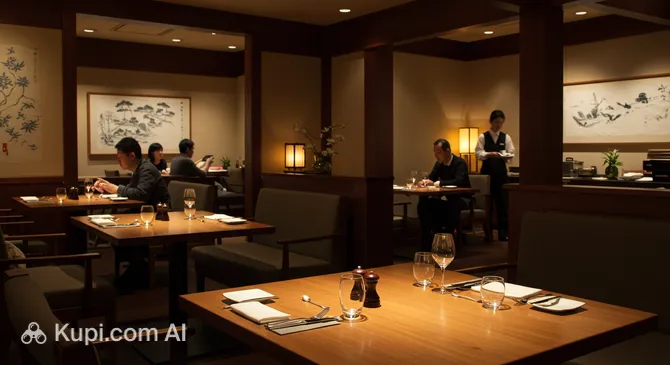
An evening in Himeji is a wonderful opportunity to enjoy the local cuisine. Numerous izakayas offer a wide selection of dishes, from fresh sashimi and fragrant yakitori to the famous local delicacy – Himeji oden, which is traditionally served with a ginger-soy sauce. Local sake or beer pairs perfectly with these dishes. For a more formal dinner, you can visit restaurants like the Hotel Monterey Himeji Restaurant, which offers a varied menu, or Kohoseki, known for its traditional Japanese cuisine and refined presentation. Most establishments are very welcoming to tourists.

Hotel Monterey Himeji Restaurant. Illustration.
Source: Kupi.com AI

Traveler photos:

Besides izakayas, Himeji has small bars where you can have a drink in a quiet setting. Some specialize in signature cocktails, while others offer a good selection of local craft beer or Japanese whiskey. While Himeji doesn't boast large nightclubs with dance floors open until dawn, you can always find a popular Japanese pastime – karaoke. Numerous karaoke boxes equipped with private rooms offer a chance to have fun with friends while singing your favorite songs. Concert venues in the city are usually small and focus on local performers, creating an intimate atmosphere.

When planning your evening leisure, keep in mind that many restaurants take last orders around 9:00 PM - 10:00 PM, while izakayas and bars may stay open until midnight or slightly later. Regarding average prices: an izakaya dinner with drinks can cost around 3,000-5,000 yen per person; the cost of a single drink in a bar is usually 600-1,200 yen; an hour of singing in a karaoke box can cost from 500 to 1,500 yen per person during the day or on weekdays, and slightly more in the evening or on weekends, sometimes with a mandatory drink order. Public transport, including trains, usually stops running around midnight. After this time, the primary way to get around is by taxi, which can be easily found at the stand near Himeji Station or requested through the establishment. Himeji is a very safe city, and night walks along centrally lit streets are generally safe.

During the day, Himeji offers plenty of cultural entertainment for those seeking a more relaxed pace. In addition to the world-famous castle, you can visit the Himeji City Museum of Art, featuring both Japanese and Western art, or the Himeji City Science Museum, which will be of interest to both adults and children. For nature lovers and those seeking quiet walks, Himeji Central Park is a great choice to escape the city bustle.

Parks & Museums

Himeji is not just about the majestic Himeji Castle; it is a city offering many opportunities for outdoor relaxation and immersion in Japan's cultural heritage. Here you will find picturesque parks and gardens perfect for leisurely walks, as well as interesting museums that reveal the history and art of the region.

One of the most famous green spots is Koko-en Garden, located at the foot of the castle. This magnificent complex of nine traditional Japanese Edo-period gardens offers a peaceful atmosphere and beautiful views for quiet contemplation. For more active recreation or a picnic, Himeji Central Park is a spacious green area popular among locals. It includes playgrounds, walking paths, and seasonal floral displays, making it attractive for family outings. Another park worth noting is Otemae Park, located right in front of the main gate of Himeji Castle. It offers magnificent views of the "White Heron Castle," especially beautiful during the cherry blossom season.

Himeji Central Park. Illustration.
Source: Kupi.com AI

Traveler photos:

Otemae Park. Illustration.
Source: Kupi.com AI

Traveler photos:

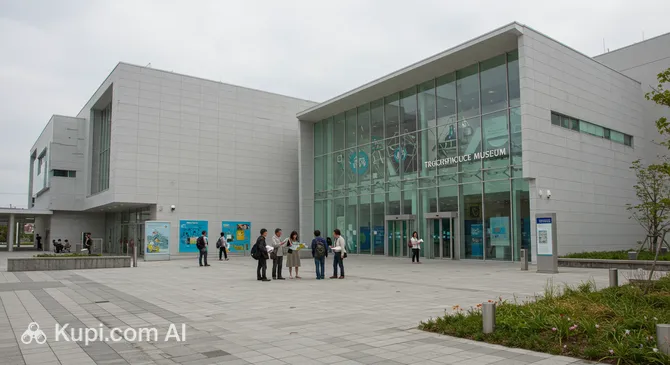
Art connoisseurs should visit the Himeji City Museum of Art. Housed in a historic red-brick building, it stores collections of Japanese and Western art, including works by local masters. The museum often hosts temporary exhibitions, always offering something new for its visitors. For curious travelers, especially those with children, the Himeji City Science Museum will be of interest. Its exhibits cover themes from natural sciences and astronomy (including a planetarium) to local nature, offering many interactive exhibits that make science engaging.

Himeji City Science Museum. Illustration.
Source: Kupi.com AI

Traveler photos:

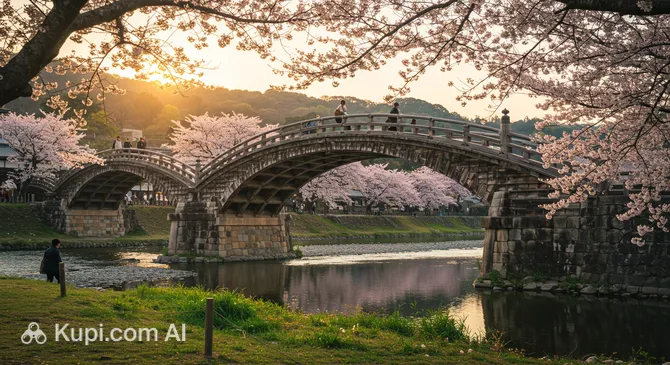
Besides Himeji Castle itself, which is the main historical site, other notable structures can be found in its vicinity. For example, the Sakuramon Bridge is one of the picturesque bridges leading to the castle grounds. It is a historical landmark in its own right and a popular photo spot, especially against the backdrop of cherry blossoms or autumn leaves, creating unforgettable frames.

Sakuramon Bridge. Illustration.
Source: Kupi.com AI

Traveler photos:

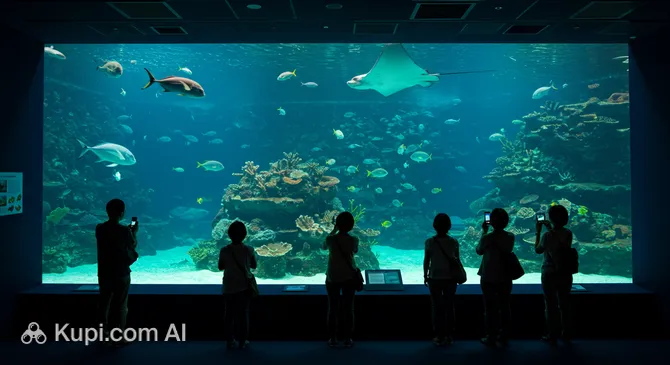
Families with children might also enjoy the Himeji City Aquarium. Although small, it offers a chance to meet inhabitants of local waterways and the Seto Inland Sea, including sea turtles and amusing penguins. It is a good place for educational and entertaining leisure, especially on a rainy day.

Himeji City Aquarium. Illustration.
Source: Kupi.com AI

Traveler photos:

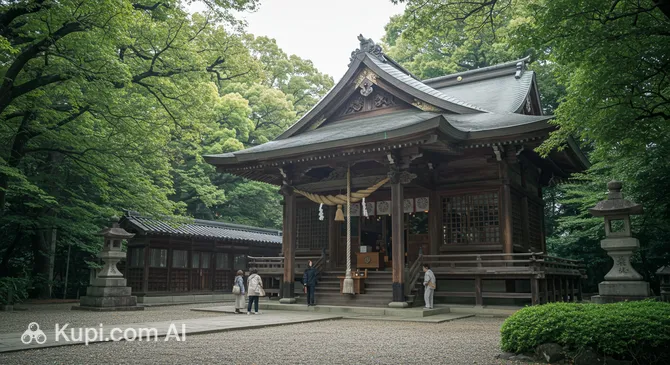
To dive deeper into the local atmosphere and find secluded corners, turn off the beaten tourist paths. For instance, visit one of the small but charming shrines, such as Kasima Shrine or Osiko Shrine, where you can feel the tranquility and touch the spiritual life of the city away from the main crowds. A walk along the lesser-known streets around the castle hill can also reveal unexpected views and interesting details of everyday life in Himeji.

Kashima Shrine. Illustration.
Source: Kupi.com AI

Traveler photos:

Getting Around

Getting around Himeji is quite convenient thanks to a well-organized public transport system catering to both locals and tourists. Although the city is not as large as major metropolises, its transport network allows for easy access to main attractions.

The primary mode of public transport in Himeji is the bus. The main operator is Shinki Bus. For tourists, the special Himeji Castle Loop Bus is particularly useful, running between Himeji Station, the majestic Himeji Castle, the beautiful Koko-en Garden, and other key points in the city center. Additionally, there is an extensive network of regular city bus routes connecting the center with more outlying areas. There is no subway or tram system in Himeji. For trips to neighboring cities and regions, you can use trains from JR West (Sanyo Main Line, Kishin Line, Bantan Line) and Sanyo Electric Railway, whose stations are conveniently located.

The fare payment system in Himeji is similar to other Japanese cities. The most convenient method is using rechargeable IC cards like ICOCA (Kansai regional card), Suica, Pasmo, and other major Japanese cards, which are accepted on both buses and trains. Cards can be purchased and topped up at machines in railway stations or at ticket counters. When boarding a bus (usually through the rear door, unless it's the fixed-fare Loop Bus), you tap your card on the reader or take a paper ticket; when exiting (through the front door), tap again or pay the driver according to the fare displayed on the screen. The fare for the Loop Bus is usually fixed at around 100-200 yen. On regular bus routes and trains, the fare depends on the distance. You can also purchase single-trip tickets for trains at machines before boarding or pay cash to the bus driver (it's best to have small change, though buses often have exchange machines).

Tourists should keep a few practical points in mind. Train tickets are sold at machines in stations (many have an English interface) or at ticket offices. For buses, if you're not using an IC card, be ready to pay when you exit. Schedules are usually strictly followed. Public transport starts early in the morning (around 5:00 AM - 6:00 AM) and ends around 11:00 PM - midnight, after which taxis are the main option. Route and schedule information can be found at stops, stations, or via online route planners.

As an alternative to public transport, taxis are popular in Himeji and easily found at the station and major tourist sites, though this is a more expensive way to travel. To explore the central part of the city, including the castle and adjacent parks, many tourists opt for bicycle rentals. Rental points are often located near the railway station, and it's a great way to explore the area at a leisurely pace. Given the compactness of the main attractions, many are also within walking distance of each other.

One unique transport feature is the Mount Shosha Ropeway. It is necessary for visiting the famous Engyo-ji Temple complex located at the top of the mountain. The ropeway ride itself is a scenic adventure, offering beautiful views of the surroundings.

Accommodation

Himeji offers a variety of accommodation options to suit the needs and budget of any traveler. Here you will find everything from budget hostels and guest houses, ideal for young travelers and backpackers, to comfortable mid-range hotels offering excellent value for money. For those seeking a more secluded or authentic experience, traditional Japanese inns – ryokans – are available, as well as the option to rent apartments or rooms via online platforms. While world-class luxury resorts are not widely represented within Himeji itself, quality hotels with high levels of service certainly exist.

The most convenient areas for tourists to stay in Himeji are the vicinity of Himeji Station and the area adjacent to the city's main attraction – Himeji Castle. Staying near the station provides easy access to Shinkansen trains and local lines, as well as bus routes, which is convenient for day trips and moving around the city. Hotels and guest houses located closer to the castle allow you to enjoy its views and be within walking distance of Koko-en Garden and other historical sites. These areas also abound with restaurants, cafes, and shops.

When planning a trip to Himeji, especially during peak seasons such as the cherry blossom period in spring or the autumn maple leaf season, it is highly recommended to book accommodation in advance. This will help you secure the best choices and more favorable prices. The price range varies from budget to moderately high, depending on the type and level of accommodation. The most common booking methods are popular international online platforms, as well as individual hotel websites for direct booking. Some ryokans and small guest houses can also be found on specialized Japanese resources.

Nearby Cities

For those who want to explore the surrounding area, Himeji serves as an excellent starting point for day trips to several interesting nearby locations:

CityPopulationDistance
Takasago87 22011 km
Tatsuno73 95213 km
Kakogawa260 59516 km
Fukusaki19 14316 km
Kasai42 29019 km

These nearby destinations provide insight into the diverse culture and landscapes of the region. For example, Kobe, a major port city, is famous for its cosmopolitan atmosphere, Kobe beef, and beautiful bay views. Kakogawa and Takasago offer a calmer pace of life and a chance to get to know local traditions and nature. Trips to these cities are easily manageable by train and take very little time, making them ideal for short excursions from Himeji.

Shopping & Souvenirs

Shopping in Himeji is a pleasant addition to visiting its main highlight, Himeji Castle. The city is not famous for giant world-class shopping malls, but it offers a good selection of stores where you can find both everyday goods and unique local souvenirs. Most shopping opportunities are concentrated in the city center, making them easily accessible for tourists.

The main arteries for shopping in Himeji are the covered shopping arcades known as shotengai. The most popular are Miyuki-dori and Omizo-suji. These lively streets, stretching from Himeji Station toward the castle, offer many small shops, boutiques, souvenir stalls, as well as cafes and restaurants. Here you can find clothes, shoes, cosmetics, traditional Japanese goods, and much more. Walking through these arcades is a great way to feel the local atmosphere.

Located directly at Himeji Station is the large shopping and entertainment complex Piole Himeji. It includes many famous brand stores, a department store, restaurants, and souvenir sections. This is a modern space where you can spend several hours shopping or just relaxing. In addition to Piole, there are other department stores and specialized shops in the city offering quality goods.

While Himeji doesn't have large traditional markets that serve as major tourist attractions, you can sometimes stumble upon small local fairs or seasonal sales, especially in the shopping street area or during city festivals. Food departments in department stores (depachika) also offer a wide selection of local delicacies and fresh produce that may interest foodies.

As souvenirs from Himeji, tourists most often bring home items related to Himeji Castle: miniature models of the castle, postcards, magnets, and T-shirts with its image. Items from local artisans, such as ceramics, textiles, or traditional dolls, are also popular. Don't forget about gastronomic souvenirs: local sake, sweets (like mango daifuku or castle-themed cookies), and dried seafood from the Seto Inland Sea region. Many of these goods can be found in souvenir shops near the castle and on the shopping streets.

Most shops in Himeji open around 10:00 AM - 11:00 AM and operate until 7:00 PM - 8:00 PM. Large shopping centers and department stores may have longer hours. As payment methods, cash (Japanese yen) and credit cards (Visa, Mastercard, JCB, American Express) are widely accepted. In many places, you can also pay using Japanese IC cards (e.g., ICOCA, Suica).

For foreign tourists in Japan, a Tax-Free system is in place. When purchasing goods for a certain amount (usually over 5,000 yen excluding consumption tax) in participating stores (look for the "Japan Tax-free Shop" logo), you can apply for a tax refund. You will need to present your passport for this. Usually, the procedure takes place directly in the store when paying or at a special Tax-Free counter in large department stores.

Reached the end of the page?

That means the route is fully explored