Shodoshima, a charming island in Japan's Seto Inland Sea, offers its guests not only picturesque landscapes but also a unique combination of natural areas for active recreation and interesting museums that preserve the history and culture of this amazing place.
One of the main natural treasures of Shodoshima is Kankakei Gorge. In addition to the famous ropeway offering stunning views, especially in autumn, the gorge offers an extensive network of hiking trails of varying difficulty. These paths lead through dense forests where you can encounter wild monkeys and a variety of birds, as well as see unique rock formations shaped by thousands of years of erosion. For visitors' convenience, observation decks and rest areas are equipped along the routes. In spring, you can admire the blooming azaleas, and in summer, enjoy the cool and fresh mountain air, making Kankakei attractive to nature and trekking lovers year-round.
Equally noteworthy is Shodoshima Olive Park. This is not just a place with olive groves and the famous Greek windmill that has become a photogenic symbol of the island. The park invites visitors to dive deeper into the world of olive culture: here you can walk along well-kept alleys, studying different varieties of olive trees, and visit a small herbarium and a fragrant herb garden. At the Fureai Information Center, you can learn more about the olive oil production process, and at the park shops, you can purchase local products. Rest areas and cafes where you can try dishes using local olives are also available to visitors.
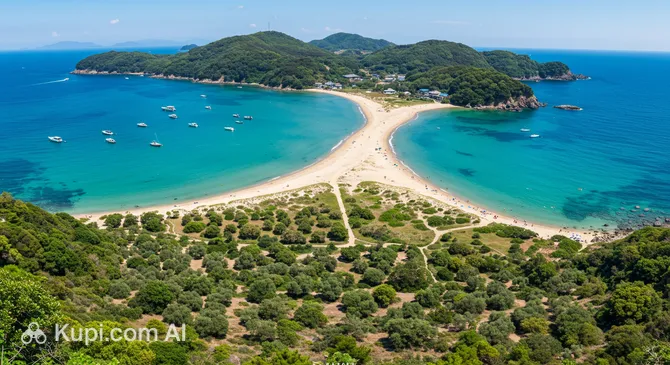
A unique natural phenomenon of Shodoshima is Angel Road. This sandbar appears only twice a day during low tide, connecting the main island to three small islets. Walking along this ephemeral path is a chance not only to enjoy an unusual marine landscape but also to observe the life of intertidal inhabitants left in small pools after the water recedes. Nearby, on a hill, is the "Hill of Promise" (Yakusoku no Oka) observation deck, which offers a panoramic view of Angel Road and where, by tradition, couples leave symbolic tokens of their love.
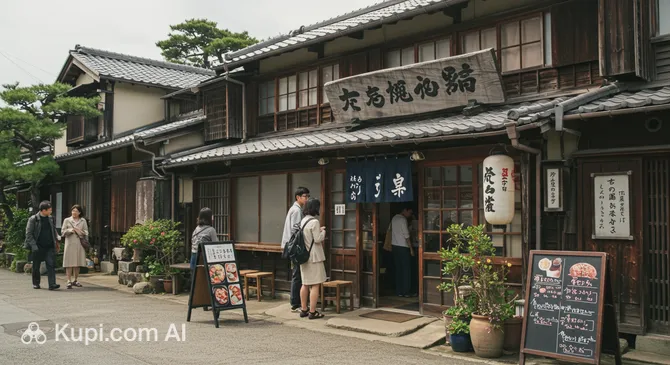
To better understand the island's gastronomic culture, a visit to the Marukin Soy Sauce Museum is worthwhile. Shodoshima has a long tradition of soy sauce production, and this museum details the history and technologies of its creation. Visitors can inspect ancient wooden fermentation vats, learn about different varieties of sauce, and, of course, taste and purchase locally produced items. The museum complex includes well-preserved traditional buildings, adding authenticity to the visit and allowing you to feel the atmosphere of old-fashioned production.
Another iconic cultural site is the "Twenty-Four Eyes" Movie Village (Nijushi no Hitomi Eigamura). This is a beautifully recreated Japanese village from the Showa period (1926-1989), which originally served as the set for the famous film of the same name. Today, it is an open-air museum where you can walk through authentic streets, peek into an old school with wooden desks, visit a small cinema showing clips from the movie, and feel the atmosphere of Japan from the last century. Several small galleries dedicated to cinema and local history, as well as cafes and souvenir shops, are also located on the grounds.
In addition to these key sites, Shodoshima offers less famous but equally charming corners. Pay attention to the many small temples and shrines scattered across the island, which reflect the spiritual life of the local residents. Contemporary art lovers may discover installations left over from the Setouchi Triennale international festival. And for total immersion in the local flavor, stop by a traditional pottery workshop or try unique local delicacies like somen (thin wheat noodles) and, naturally, various olive-based products.