Support

Kurashiki

About

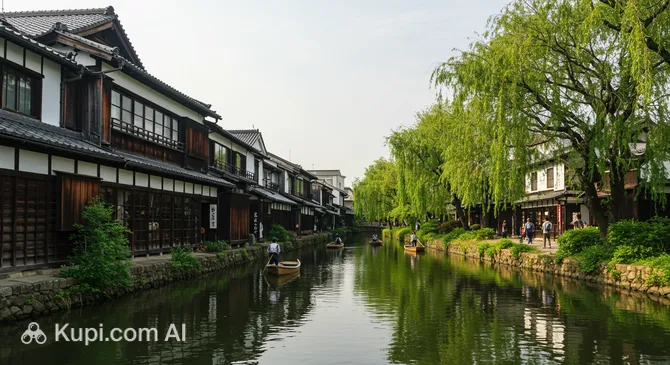
Kurashiki is a fascinating city where history comes alive and the unique charm of old Japan is palpable. Located in Okayama Prefecture on the southwest of Honshu island, this city is nestled along a picturesque canal. Its banks are adorned with weeping willows and traditional white-walled merchant houses that look like they've stepped out of Edo-period woodblock prints, creating an atmosphere of tranquility and immersion into the past.

With a population of about 475,000, Kurashiki is one of the significant cities in the Chugoku region. Despite its size, it has managed to preserve a cozy and leisurely pace of life, especially in its famous Bikan Historical Quarter. Here, amidst ancient streets and canals where boats glide slowly, time seems to stand still, allowing guests to enjoy an authentic atmosphere.
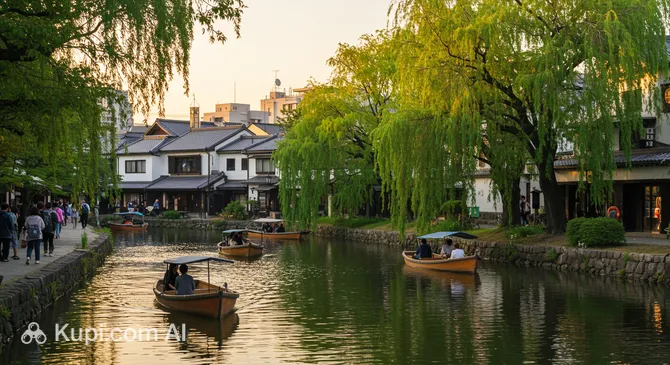
Kurashiki. Illustration.
Source: Kupi.com AI

The crown jewel of Kurashiki is undoubtedly the Bikan Historical Quarter. Walking through its cobbled streets, along canals with traditional boats, and visiting former storehouses turned into museums, galleries, and cafes is a true journey through time. The city is also known as the birthplace of Japanese denim; here, you can find not only high-quality denim clothing but also try unusual local delicacies like denim-colored ice cream. Furthermore, Kurashiki is famous for the Ohara Museum of Art, the first private museum of Western art in Japan, which houses an impressive collection.

If you are looking for a place to experience authentic Japanese culture away from the hustle and bustle of megacities, Kurashiki will be a real discovery for you. This city offers a unique combination of historical heritage, picturesque landscapes, and a welcoming atmosphere, leaving every visitor with warm and unforgettable impressions.

You can find more interesting facts on the history of Kurashiki page.
Weather Overview

The weather in Kurashiki is characterized by noticeable seasonal changes. Summer, especially in July and August, is warm and humid, with average maximum temperatures reaching around 29-31°C. This period also sees the highest rainfall, particularly in July (averaging 8 mm and 16 rainy days). Winters, from December to February, are cool, with average temperatures around 5-6°C, and minimums can drop to 1-3°C. Winter months are generally drier, with the lowest rainfall in December (about 1 mm).

Overall, expect warm summers with occasional rain and cool, drier winters. Spring and autumn offer mild and pleasant weather conditions. For more detailed information about the weather by month, you can check the Kurashiki Climate page.

Average monthly temperature

Average monthly precipitation

Interesting Facts

Beyond its famous canals and ancient streets, Kurashiki holds many surprising stories and features that make it a truly unique place in Japan. Here are a few interesting facts to help you see this city in a new light:

Ohara Museum of Art. Illustration.
Source: Kupi.com AI

Traveler photos:

  • Kurashiki became famous for its Bikan Historical Quarter, where former rice storehouses—called "kura"—line the canals. These buildings, with their distinctive white walls and black tiles, were a symbol of the city's prosperity during the Edo period, when rice was the primary commodity and source of wealth.

  • It was in Kurashiki that the first museum of Western art in Japan was established—the famous Ohara Museum of Art. It was founded by local industrialist Magosaburo Ohara, who amassed an impressive collection of works by European masters, including Monet, Matisse, and El Greco, making the museum an important center for cultural exchange.

  • The Kojima district in Kurashiki is considered the birthplace of Japanese jeans. Production began here in the mid-20th century, and today Kojima proudly holds the title of the "denim capital of Japan." Here, you can find exclusive models and even try unusual treats like denim-colored ice cream.

  • One of the charming traditions of Kurashiki is taking a leisurely boat ride along the canals in traditional "sanpan" boats. This is not only a romantic way to see the city from the water but also a tribute to its rich trading past, when the canals served as the main transport arteries.

How to Get There

There are several ways to reach the charming city of Kurashiki, located in Okayama Prefecture. The most common options for tourists are flying into one of the nearest airports followed by a ground transfer, or traveling via Japan's extensive railway network.

Although Kurashiki does not have its own airport, several air hubs are within a reasonable distance. One of the most convenient options is Okayama Airport (IATA: OKJ), located in Okayama City, about 20.5 km from Kurashiki. This is a regional airport with moderate passenger traffic, and the trip from there to central Kurashiki by taxi or bus takes about 50-55 minutes. Another popular option is Takamatsu Airport (IATA: TAK), located in Takamatsu City, approximately 46.8 km away. This airport also serves a significant number of passengers, and the journey to Kurashiki takes about 1.5 hours. For those arriving from more distant regions or looking for more international flights, Hiroshima Airport (IATA: HIJ) is worth considering. It is located in Hiroshima City, about 80 km from Kurashiki, and serves as a major transport hub. The trip from there to Kurashiki can take approximately 2 hours and 20 minutes.

For convenience, here is a summary of the main airports from which you can reach Kurashiki:

AirportPassenger trafficDistance
Okayama Airport1.4 mln21 km
Takamatsu Airport2.5 mln47 km
Hiroshima Airport2.7 mln80 km
Tokushima Awaodori Airport2.3 mln92 km
Tottori Airport401 796111 km

Regarding rail travel, Japan is famous for its efficient train system. While Kurashiki itself may not have major hub stations serving all Shinkansen lines, the city is well-integrated into the regional rail network. When planning a journey by rail, you might note Fukai Station (QKV). It is located in Sakai City, quite a distance from Kurashiki—about 158.5 km. A trip by car or public transport from there could take over 4 hours. This option might be considered if your itinerary includes visiting Sakai or if you are traveling from that direction.

For more detailed planning of your rail route, here is information about the station:

In addition to air and rail travel, Kurashiki can be reached by car using Japan's well-developed highway network. It is also recommended to check local bus routes that may connect Kurashiki with neighboring cities and transport hubs.

Main Attractions

Kurashiki, a charming city in Okayama Prefecture, attracts tourists with its rich history and unique atmosphere. Here, everyone will find something to their liking, from picturesque historical quarters to interesting museums and peaceful parks.

One of the city's main gems is the Kurashiki Bikan Historical Quarter. This beautifully preserved area along the Kurashiki River transports visitors back to the Edo period. You can stroll through ancient streets, admire traditional houses with white walls and black tiled roofs, many of which have been converted into cafes, shops, and small museums. A boat ride along the canal is a must for many tourists wishing to fully experience the charm of this place.

Kurashiki Bikan Historical Quarter. Illustration.
Source: Kupi.com AI

Traveler photos:

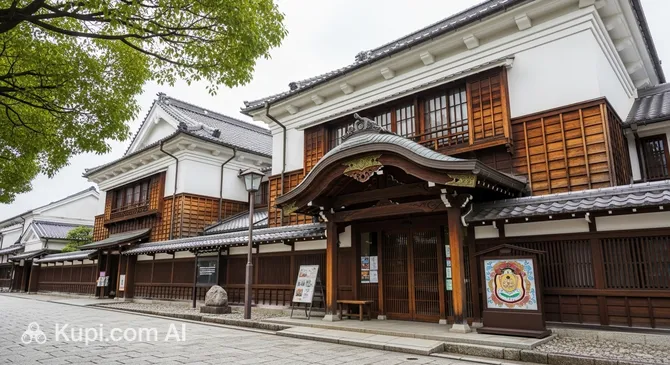
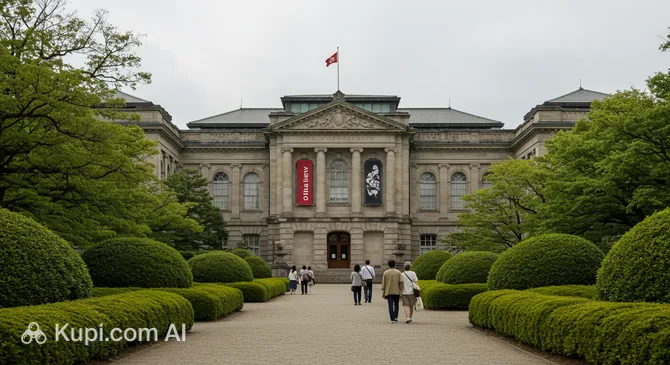
Art lovers should definitely visit the Ohara Museum of Art. It was the first private museum of Western art in Japan, founded in 1930. Its collection includes works by famous European masters such as El Greco, Monet, and Gauguin, as well as pieces of Japanese art. The museum is interesting not only for its rich exposition but also for its beautiful classical-style building surrounded by a well-kept garden.

Ohara Museum of Art. Illustration.
Source: Kupi.com AI

Traveler photos:

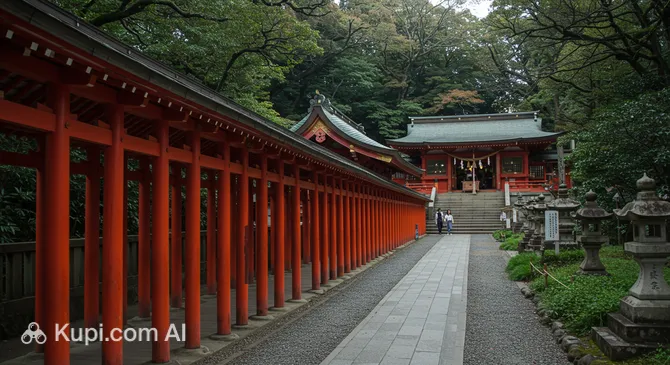
For those who want to touch the spiritual side of Japanese culture, a visit to the Achi Shrine is recommended. This is one of the oldest shrines in the region, located on a hill offering a panoramic view of the city. The shrine is dedicated to the guardian deities of the sea and safe travel. Its calm atmosphere and beautiful structures make it a popular spot for prayer and walks.

Achi Shrine. Illustration.
Source: Kupi.com AI

Traveler photos:

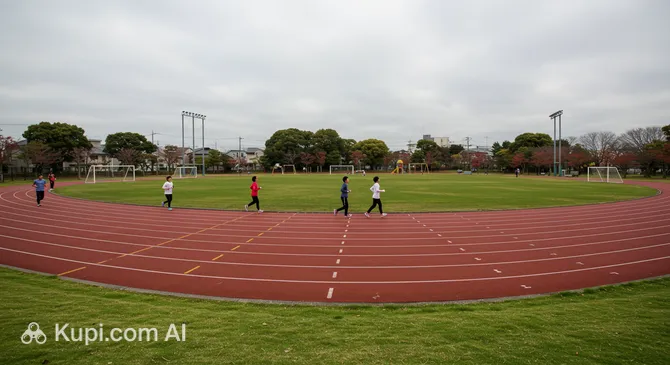
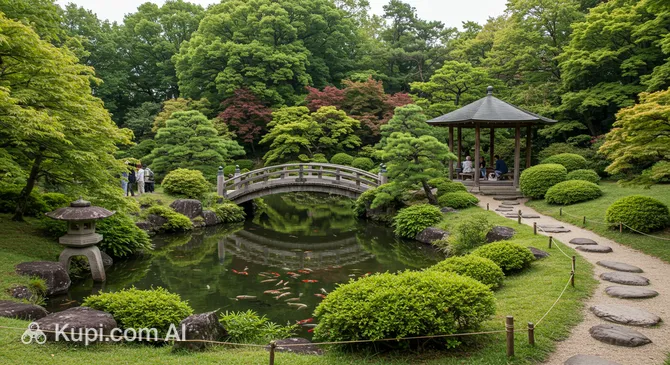
If you're looking for a place to relax in nature, head to Sakazu Park. This spacious park is known for its picturesque ponds, lush greenery, and seasonal flowers, especially wisteria in the spring. The park offers great opportunities for walking, picnicking, and simply enjoying the silence and beauty of nature away from the city noise.

Sakazu Park. Illustration.
Source: Kupi.com AI

Traveler photos:

An unusual and fascinating place to visit, especially with children, is the Momotaro Karakuri Museum. This interactive museum is dedicated to Momotaro, a hero of Japanese folklore, and traditional Japanese mechanical dolls called "karakuri." Visitors can not only see the dolls in action but also try to solve various puzzles and mechanisms, making the visit educational and fun.

Local Cuisine

Kurashiki is rightfully proud of its rich gastronomic heritage, offering travelers a unique culinary experience. Be sure to try one of the region's signature dishes—kurobuta (black pork). Local chefs prepare it using special recipes, often serving it with seasonal vegetables and homemade sauces. The deep, rich flavor of the meat is achieved through traditional smoking and marinating methods. Another vital part of the city's culinary life is the incredibly fresh seafood from the Seto Inland Sea. Restaurants offer delicious sashimi, aromatic grilled oysters and sea urchins, as well as delicacy eel dishes, which are considered a local specialty.

A true abundance of sweets awaits you at Kurashiki's street markets and local confectioneries. You should definitely taste mochi with various fruit fillings, traditional rice cakes, and other seasonal desserts. But the real gastronomic symbol of the city that delights tourists is denim ice cream—an unusual bright blue dessert. For drinks, look out for local sake varieties, which perfectly complement any meal. You can often sample them at the numerous food festivals.

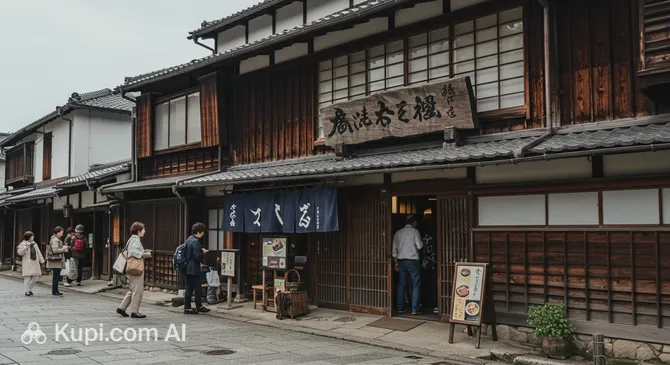
Miyabi. Illustration.
Source: Kupi.com AI

Traveler photos:

The food culture in Kurashiki is diverse. Locals and tourists can enjoy exquisite meals in many restaurants, such as Miyabi, where authentic Japanese dishes are served. Street food is also popular, especially in markets where you can grab a quick bite and try local specialties. The city is known for its gastronomic festivals and fairs. At these celebrations, you can not only try various rice dishes and other local treats but also get acquainted with culinary traditions passed down through generations, experiencing the true taste of Kurashiki and immersing yourself in the atmosphere of Japanese hospitality.

Travel Tips

Welcome to Kurashiki! To make your journey to this charming Japanese city as comfortable and memorable as possible, we have prepared some practical tips. We hope they help you navigate better and enjoy every moment of your stay.

  1. Clothing and seasonal items: The climate in Kurashiki is temperate, but the weather can vary depending on the time of year. Expect heat and humidity in summer, and coolness in winter. Layered clothing is your best choice. Be sure to bring comfortable shoes, as you will be doing a lot of walking, especially exploring the picturesque Bikan Historical Quarter. Don't forget a power adapter: Japan uses Type A and B sockets with 100V. When visiting temples and some traditional establishments, be prepared to remove your shoes; sometimes, clothing that covers shoulders and knees may be required for entering the main halls of shrines.

  2. Getting around the city: The historical center of Kurashiki, including the Bikan Quarter, is best explored on foot. For longer distances, you can use local buses that depart, in particular, from Kurashiki Station. Taxis are available but can be quite expensive. Japanese taxi apps like JapanTaxi or Go are more common than international equivalents. Renting a car to get around Kurashiki itself is generally not necessary, and parking can be challenging.

  3. Financial matters: The official currency of Japan is the Japanese Yen (JPY). It is recommended to exchange money at the airport upon arrival or at major bank branches. Credit cards (Visa, Mastercard) are accepted in many hotels, large shops, and restaurants in tourist areas, however, it is always useful to have some cash on hand for payments in small shops, markets, or at some temples. ATMs accepting international cards can usually be found in 7-Eleven convenience stores and at post offices (Japan Post Bank). It's important to remember that tipping is not practiced in Japan and may be perceived as strange or even impolite.

  4. Health and safety: Kurashiki, like Japan in general, is considered a very safe city with low crime rates. Pharmacies (marked as 薬 "kusuri" or ドラッグストア "doraggusutoa") are easy to find, but keep in mind that pharmacists may not always speak English, and 24-hour pharmacies are rare. It is strongly recommended to arrange travel health insurance before your trip. If necessary, your hotel staff will be able to help call a doctor. There are no specific "unsafe" areas in Kurashiki, but take standard precautions, especially in crowded places.

  5. Language and communication: The official language is Japanese. In tourist centers, hotels, and major stations, staff may speak English, but overall the level of English proficiency is not very high. Learn a few basic Japanese phrases like "konnichiwa" (hello), "arigato" (thank you), and "sumimasen" (excuse me/sorry)—this is always appreciated by the locals. For convenient communication, consider renting a pocket Wi-Fi router (a popular option among tourists) or buying a local SIM card. Free Wi-Fi is available in some public places and hotels, but not everywhere.

  6. Local etiquette: Japanese people value politeness and respect for traditions. When greeting someone, it is customary to bow; a slight nod of the head is usually sufficient for tourists. In public places, especially on transport, try to be quiet and avoid talking loudly on the phone. An important point—remove your shoes before entering private homes, many temples, traditional restaurants, and ryokans (Japanese-style inns). There are also specific rules of etiquette regarding the use of chopsticks (for example, do not stick them vertically into rice).

  7. What to avoid: Do not talk loudly, especially on a mobile phone, on trains and buses—this is considered bad manners. As mentioned before, do not leave tips. Try not to eat or drink while walking on the streets, unless it is a designated area (e.g., at food festivals). Littering is also highly disapproved of; if there is no bin nearby, it is customary to carry your trash with you until you find one.

  8. Special tip for Kurashiki: The jewel of Kurashiki is undoubtedly the Bikan Historical Quarter with its picturesque canals and ancient merchant houses. To fully enjoy its atmosphere and take the best photos without the crowds, try to arrive early in the morning or closer to evening. Also, look out for local craft products: Kurashiki is part of the Kojima area, famous for its high-quality denim, and you can find beautiful Bizen pottery from the neighboring region in souvenir shops.

We hope these tips make your stay in Kurashiki even more pleasant and fulfilling. We wish you an unforgettable journey through this unique corner of Japan!

Entertainment & Nightlife

Kurashiki, known for its charming historical quarter, offers guests not only daytime strolls along the canals but also opportunities for pleasant evening leisure. Although the nightlife here may not be as bustling as in Japan's major metropolises, the city offers cozy bars and restaurants where you can relax after a busy day.

The main evening activity is concentrated around Kurashiki Station and the streets adjacent to the Bikan Historical Quarter. You won't find noisy night clubs or large concert venues here like in the big cities, but you can immerse yourself in the atmosphere of traditional Japanese izakayas (pubs), small stylish bars, and restaurants offering local cuisine. The atmosphere in these establishments is usually calm and conducive to conversation. The crowd is mixed—from locals to tourists. Most establishments stay open until late evening, but it's worth checking the hours for specific places, especially on weekdays. There is usually no specific dress code; neat casual style is appreciated.

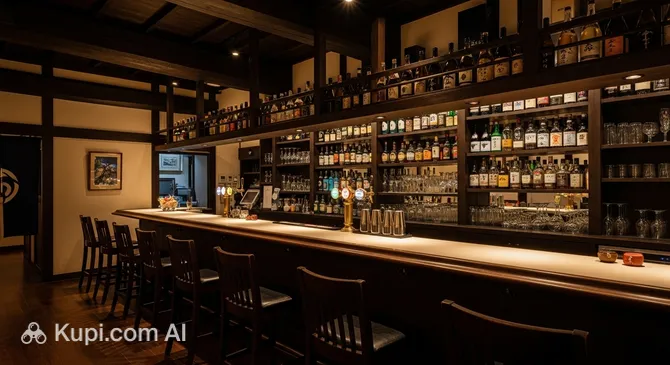
Among the places where you can spend a pleasant evening, the Kyu-Hondo-tei bar is worth noting for its cozy setting. Another interesting option is Yasohachi Shoten, where you can sample various drinks. For dinner, you might consider the Royal Park Hotel Kurashiki Restaurant. Prices in Kurashiki's bars and restaurants are generally moderate but can vary depending on the level of the establishment.

Kyu-Hondo-tei. Illustration.
Source: Kupi.com AI

Traveler photos:

The best time to visit bars is after 7:00 or 8:00 PM. The most convenient way to get around the city at night is by taxi, which can be called by phone or found at designated stands. Kurashiki is generally considered a safe city, but as with anywhere, basic precautions should be taken, especially in secluded areas late at night.

During the day, Kurashiki offers a rich cultural program. Be sure to visit the famous Ohara Museum of Art, stroll through the picturesque Bikan Historical Quarter with its canals and old houses, or stop by the Kurashiki Science Center if traveling with children. For nature lovers, there is Sakazu Park, where you can take a break from the urban bustle.

Parks & Museums

Kurashiki invites its guests to enjoy a harmonious combination of peaceful green zones and a rich cultural heritage. The city offers many opportunities for those seeking both a quiet retreat in nature and an immersion into history and art.

Among the green oases of Kurashiki, Sakazu Park stands out, being particularly popular in spring when over 500 cherry trees bloom, creating a truly magical atmosphere. It is a great place for picnics and leisurely walks. Another notable location is the Tanematsuyama Park West Zone, which offers visitors not only beautiful scenery but also various areas for active recreation, including observation decks with views of the city and the Seto Inland Sea.

Tanenomatsu-yama Park West Area. Illustration.
Source: Kupi.com AI

Traveler photos:

The cultural life of Kurashiki is just as vibrant. The jewel of the city is the Ohara Museum of Art, the first private museum of Western art in Japan. Its collection includes works by famous European masters as well as Japanese art. This place is a must-visit for lovers of beauty. For family fun and curious minds, the Momotaro Karakuri Museum will be of interest, dedicated to the Japanese folklore hero Momotaro and traditional mechanical dolls called "karakuri." Here you can not only see unique exhibits but also learn a lot about Japanese culture. Also worth noting is the Kurashiki Science Center, where interactive exhibits and a planetarium will captivate both children and adults.

Momotaro Karakuri Museum. Illustration.
Source: Kupi.com AI

Traveler photos:

The heart of the city's historical heritage is certainly the Bikan Historical Quarter. A walk along its picturesque canals, past old merchant houses and storehouses converted into museums, galleries, and cafes, will transport you to the atmosphere of the Edo period. Nearby, on a hill, stands the Achi Shrine, one of the oldest in the region, known for its wisteria which is particularly beautiful during the blooming period.

For a more authentic experience, turn off the main streets of the Bikan Quarter into the narrow alleys—there you can discover small craft workshops and cozy tea houses. And visiting the Achi Shrine early in the morning will allow you to enjoy its peace and beauty without the crowds of tourists.

Getting Around

Getting around Kurashiki is quite convenient thanks to a well-developed public transport system. The main ways for tourists and locals to travel are buses and trains, which connect various districts of the city and its surroundings.

The bus network in Kurashiki is well-established and served by several companies. Buses run on many routes, covering both central parts and more distant areas, including access to major attractions. This is a reliable way to reach places that trains do not go. Note that in some buses, payment is made upon exiting, and it's advisable to have small change for exact payment if you aren't using a transport card.

Rail travel plays an important role, especially JR Kurashiki Station, which is a major transport hub. From here, you can easily reach neighboring cities like Okayama and travel around the region. Intra-city travel by train is less common, but some lines can be useful for reaching specific districts. There is also the private Mizushima Rinkai Railway serving the southern, industrial part of the city.

The fare payment system in Kurashiki includes several options. For buses, cash payment upon exiting is common (sometimes upon boarding, depending on the company; exact change is often required). Rechargeable IC cards, such as ICOCA (a regional card) or other nationwide cards (e.g., Suica, Pasmo), are widely used and very convenient, accepted on most bus routes and trains. This eliminates the need to look for change every time. Train tickets are purchased at station machines or paid for with an IC card. Occasionally, special day passes for buses may be available for tourists—it's worth checking this information at a tourist information center.

Tourists are advised to plan their routes in advance. Train tickets can be bought at station machines (many of which have an English interface) or at ticket offices. In buses, if you pay with cash, be prepared that change may not be given, or the process may be difficult without the exact amount. When boarding a bus (usually through the rear or middle door), you sometimes need to take a ticket with a zone number if a zone fare system is in place, and pay when exiting through the front door by showing the ticket to the driver. Public transport in Kurashiki runs on a schedule that is generally followed. Operating hours are standard, but the number of trips may decrease in the evening, especially on less popular routes.

Besides public transport, alternative ways to get around Kurashiki are available. Taxis can be found at railway stations and popular tourist spots, but this is a more expensive option. A very popular and convenient way to explore, especially the Bikan Historical Quarter, is bicycle rental. There are several rental points in the city, providing a great opportunity to leisurely enjoy the atmosphere of ancient streets and canals.

A feature of Kurashiki's transport system is its orientation towards serving tourist flows to the famous Bikan Historical Quarter. You can walk from Kurashiki Railway Station to the Bikan Quarter in about 10-15 minutes or take a bus. The quarter itself is best explored on foot or by bicycle, as many streets are narrow and designed for slow strolls.

Accommodation

In the city of Kurashiki, travelers will find a variety of accommodation options to suit different preferences and budgets. The city offers everything from traditional Japanese ryokans to modern hotels, guest houses, and budget-friendly hostels. The choice is wide: from cozy family-run establishments to larger hotel complexes.

Particularly popular among tourists are the areas adjacent to the famous Kurashiki Bikan Historical Quarter. Staying here allows you to be within walking distance of major attractions, numerous cafes, and souvenir shops. Areas with good transport accessibility are also convenient, making it easier to travel around the city and its surroundings. Although specific hotels aren't listed here, Kurashiki offers both mid-range and more luxurious options.

The price range for accommodation in Kurashiki varies from budget to premium. The cost depends on the type of accommodation, its location, and the season. It is recommended to book your stay in advance, especially if your trip coincides with peak tourist seasons (such as the spring cherry blossom season or autumn festivals). To find and book accommodation, it's convenient to use popular online platforms or contact your chosen hotel or guest house directly.

Nearby Cities

For those looking to explore the surroundings, Kurashiki serves as an excellent starting point for day trips to several interesting nearby locations:

Just 16 kilometers to the east is Okayama, the capital of the prefecture and a major transport hub. This city is famous for its magnificent Koraku-en Garden, which is considered one of the three great gardens of Japan and offers peaceful landscapes in any season. Next to the garden stands Okayama Castle, known as "Crow Castle" because of its distinctive black color, providing beautiful views of the city and the Asahi River. A trip to Okayama allows for a deeper dive into Japanese history, culture, and landscape art.

Heading south across the Great Seto Bridge, approximately 37 kilometers from Kurashiki (including land and sea portions or the bridge route), you will find the city of Takamatsu on Shikoku island. Takamatsu is the "gateway" to Shikoku and is known for its stunning Ritsurin Garden—a vast historical park with ponds, hills, and tea houses that many consider one of the most beautiful in the country. The city also serves as a jumping-off point for visiting the famous "art islands" of the Seto Inland Sea, such as Naoshima.

CityPopulationDistance
Hayashima12 5845 km
Soja68 55110 km
Okayama720 04316 km
Yakage13 21818 km
Asakuchi32 66918 km

These nearby destinations offer a glimpse into the diverse culture and landscapes of the region.

Shopping & Souvenirs

Kurashiki offers a pleasant shopping experience, especially for those looking for unique Japanese goods and souvenirs. The city isn't famous for giant shopping malls like Tokyo or Osaka, but its charm lies in numerous small shops, craft boutiques, and galleries, particularly in the historical part of the city. Here you can find high-quality handmade items, local textiles, and ceramics.

The primary shopping destination in Kurashiki is undoubtedly the Kurashiki Bikan Historical Quarter. Along the picturesque canals and ancient streets, there are many shops offering traditional Japanese goods, local crafts, souvenirs, sweets, and sake. It's also worth checking out the shopping arcades and streets around Kurashiki Station, where you can find more modern shops, department stores, and boutiques.

Kurashiki Bikan Historical Quarter. Illustration.
Source: Kupi.com AI

Traveler photos:

While Kurashiki is not known for massive shopping centers, several department stores and medium-sized shopping complexes can be found near the main railway station, featuring both Japanese and international brands of clothing, cosmetics, and home goods. They offer a more familiar shopping format for those seeking a wide variety under one roof.

There might not be large specialized markets like the food markets in big cities in Kurashiki. However, walking around the city, especially in the Kurashiki Bikan Historical Quarter area, you can stumble upon small stalls selling local produce, fresh fruit, or seasonal delicacies. Sometimes craft fairs or farmers' markets are held, which are worth checking for in advance.

Items worth bringing back from Kurashiki as unique souvenirs include those the city and Okayama Prefecture are famous for:

  • Kurashiki Canvas (Kurashiki Hampu) products: durable and stylish bags, backpacks, and accessories.
  • Bizen-yaki pottery: traditional Japanese ceramic with a characteristic texture and color, produced in the region.
  • Local sweets: such as kibi-dango (sweet rice flour dumplings).
  • Textiles: including items with traditional patterns.
  • Washi paper: and products made from it.

Many of these goods can be found in the shops of the Kurashiki Bikan Historical Quarter.

Most shops in Kurashiki are usually open from 10:00 or 11:00 AM until 7:00 or 8:00 PM. Small family-run shops may have more flexible hours. Regarding payment, cash is still widely used, especially in small shops and markets. However, most department stores, large shops, and tourist spots accept credit cards. Contactless payments and payment with IC cards (such as Suica, Pasmo) are also becoming increasingly popular.

For foreign tourists in Japan, a Tax-Free system is available. Many shops in Kurashiki, especially those geared towards tourists, participate in this program. Usually, to qualify for a tax refund, you need to make a purchase over a certain amount (most often over 5,000 yen in one shop on one day) and present your passport. Look for the "Tax Free Shop" sign and check the conditions with the staff.

Reached the end of the page?

That means the route is fully explored