Support

Fukuyama

About

Fukuyama is a charming city nestled comfortably on the coast of the Seto Inland Sea in the eastern part of Hiroshima Prefecture. As a major transportation and cultural hub of the Chugoku region, Fukuyama connects historical routes with modern highways. The city is surrounded by picturesque hills and offers both seaside landscapes and well-maintained urban parks. With a population of about 460,000, it is one of the significant cities in Japan.
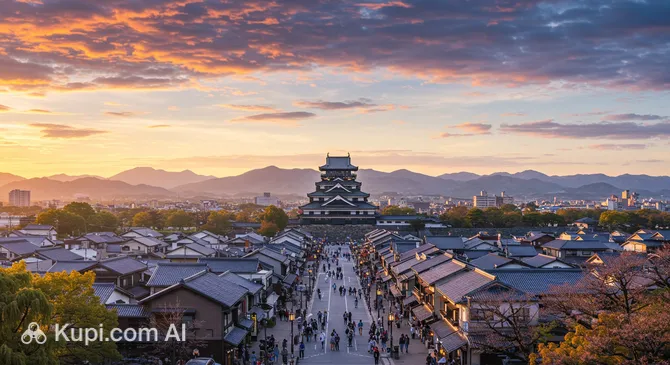
Fukuyama. Illustration.
Source: Kupi.com AI

Fukuyama attracts visitors with its unique atmosphere, where business activity and developed industry harmoniously blend with the traditional Japanese way of life. Here, modern buildings stand alongside ancient temples, and hospitality is felt at every turn. The city offers a leisurely and relaxed pace, perfect for quiet strolls through historical quarters, discovering local culture, and visiting lively shopping streets.

Among the key attractions that make Fukuyama appealing to tourists is the majestic Fukuyama Castle, a symbol of the city and an important historical site. Another gem is the picturesque port of Tomonoura, famous for its stunning sea views and the atmosphere of an old fishing village that has inspired many artists. Additionally, the city features numerous interesting museums, peaceful temples, and traditional Japanese gardens.

If you are looking for a place to experience authentic Japanese culture that combines historical heritage with modern comfort, Fukuyama will be a true discovery for you. This city invites you to enjoy its beauty, tranquility, and unique charm.

You can find more interesting facts on the history of Fukuyama page.
Weather Overview

The weather in Fukuyama is characterized by distinct seasons. Summer, especially in July and August, is warm here, with average temperatures reaching 26-28°C, and maximums can rise above 30°C. Winters, on the other hand, are cool: in January and December, the average temperature hovers around 5-7°C, with nighttime frosts. Expect warm summers with occasional rain and cool, relatively dry winters. The highest rainfall occurs in the summer months, particularly in July, while December and January are the driest.

For a more detailed forecast and information about the weather by month, you can visit the Fukuyama Climate page.

Average monthly temperature

Average monthly precipitation

Interesting Facts

Beyond its well-known landmarks, Fukuyama hides many surprising stories and unique features. This city, which harmoniously combines ancient traditions and modernity, is ready to surprise even the most seasoned traveler.

Fukuyama Castle. Illustration.
Source: Kupi.com AI

Traveler photos:

  • Fukuyama rightfully holds the title of the "City of Roses." Every year, it hosts the famous Rose Festival, and the streets and parks are decorated with over a million of these beautiful flowers, creating a uniquely romantic atmosphere.

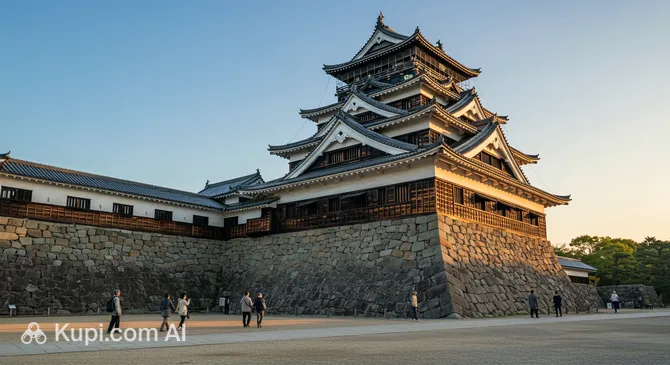
  • In the very heart of the city stands the majestic Fukuyama Castle. Notably, it is one of the historic sites of Japan that has preserved its heritage to this day. Its original construction dates back to 1622, and it served as the residence of influential daimyo for a long time.

  • The picturesque coastal district of Tomonoura, once an important port for Japanese and Korean embassies and for famous travelers of the Edo period, holds a special legend. It is said that its tranquil landscapes inspired the famous animator Hayao Miyazaki to create the iconic animated film "Ponyo".

How to Get There

Fukuyama can be reached in several ways, with air travel followed by a transfer or a train journey being the most popular options. The city is conveniently located and has good transport links with other regions of Japan.

The airports closest to Fukuyama offer convenient options for travelers. One of the main options is Hiroshima Airport (HIJ). This large international airport is located in Hiroshima, about 41 km from Fukuyama. A taxi or bus ride from the airport to central Fukuyama will take approximately 1 hour 20 minutes to 1 hour 30 minutes. Another significant airport is Okayama Airport (OKJ), located in Okayama, about 54 km away. This is a mid-sized airport, and the journey from there to Fukuyama takes about 1 hour 40 minutes. You can also consider Takamatsu Airport (TAK) in Takamatsu. It is located at a distance of about 67 km, and the travel time to Fukuyama is approximately 2 hours.

For clarity, here is a summary of the main airports serving the Fukuyama area:

AirportPassenger trafficDistance
Hiroshima Airport2.7 mln41 km
Okayama Airport1.4 mln54 km
Takamatsu Airport2.5 mln67 km
Matsuyama Airport3.2 mln95 km
Kochi Ryoma Airport1.6 mln108 km

Rail travel is also a convenient way to get to Fukuyama. The city of Fukuyama has a large namesake railway station, which is an important stop on the Sanyo Shinkansen high-speed line. This provides direct and fast connections to major cities such as Tokyo, Kyoto, Osaka, Hiroshima, and Fukuoka. It is recommended to check schedules directly to Fukuyama Station for the most convenient route.

Regarding other stations, Fukai Station (QKV), located in the city of Sakai, is significantly far from Fukuyama—approximately 196 km. Although this station handles a large passenger flow, traveling from there directly to Fukuyama will require additional planning and likely take several hours, including possible transfers.

For clarity, here is the information regarding the mentioned railway station:

In addition to air and rail transport, Fukuyama can be reached by long-distance buses that connect the city with many regions of Japan, as well as by private or rented car via the extensive network of expressways.

Main Attractions

Fukuyama, a city with a rich history and culture in Hiroshima Prefecture, offers its guests many interesting places to visit. Several key attractions stand out and should definitely be included in your itinerary to get to know this corner of Japan better.

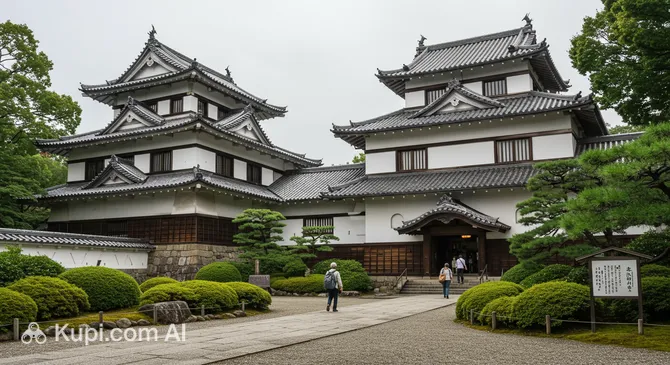
One of the city's main landmarks is Fukuyama Castle. This majestic castle, meticulously restored, serves as a reminder of the region's samurai past. The grounds offer panoramic views of the city, and the interior often houses the Fukuyama Castle Museum, which tells the story of the castle and its lords. A visit to the castle allows you to touch history and appreciate traditional Japanese architecture.

Fukuyama Castle. Illustration.
Source: Kupi.com AI

Traveler photos:

For fans of technology and unusual collections, the Fukuyama Auto & Clock Museum will be a real discovery. It houses rare examples of vintage cars and an impressive collection of antique clocks. The exhibition will be interesting not only to specialists but to anyone who appreciates engineering and design from past eras, offering a unique look at the history of technology.

Fukuyama Auto & Clock Museum. Illustration.
Source: Kupi.com AI

Traveler photos:

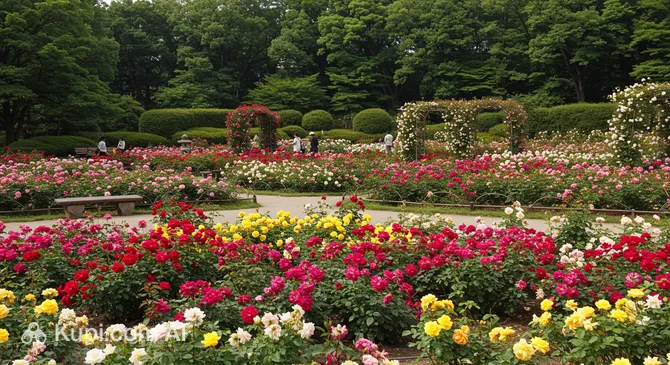
If you are looking for a place for peaceful relaxation and enjoying nature, be sure to visit Rose Park. As the name suggests, the park is famous for its magnificent collection of roses, featuring thousands of bushes of various varieties. The park is especially beautiful during the blooming periods, usually in spring and autumn, when the air is filled with the scent of flowers and bright colors delight the eye. It is an ideal spot for leisurely walks and photo shoots.

Rose Park. Illustration.
Source: Kupi.com AI

Traveler photos:

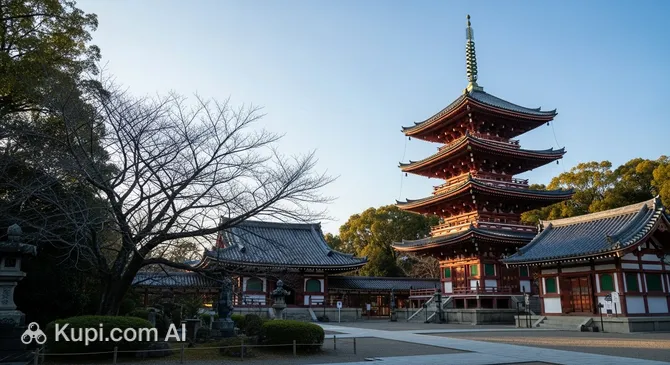
Another iconic site is Myo-in Temple. This ancient Buddhist temple, founded many centuries ago, is an important cultural and spiritual center. The main hall and the five-story pagoda of the temple are recognized as National Treasures of Japan. Visiting Myo-in Temple provides an opportunity to see traditional Japanese temple architecture and feel the atmosphere of peace and tranquility characteristic of such sacred sites.

Myōō-in Temple. Illustration.
Source: Kupi.com AI

Traveler photos:

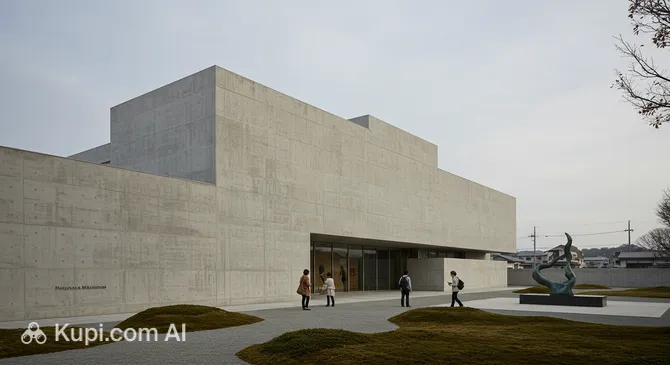
Art lovers should stop by the Fukuyama Museum of Art. Its collection includes works by Japanese masters as well as European art. The museum regularly hosts themed exhibitions, introducing visitors to various movements and eras in art.

Local Cuisine

Fukuyama is a true paradise for foodies, offering a unique blend of traditional Japanese flavors and fresh local ingredients. The city's gastronomic scene will delight both lovers of classics and seekers of new culinary experiences. Be sure to try the famous udon and ramen prepared according to local recipes: the noodles are always fresh, and the broths are rich and aromatic, providing a truly warming and delightful experience.

One of Fukuyama's main culinary stars is "Fukuyama okonomiyaki". This Japanese savory pancake is prepared with a variety of fillings, often including fresh seafood, meat, and vegetables, generously topped with a special sauce. Thanks to its proximity to the sea, you can enjoy the freshest seafood in Fukuyama. In the port areas and markets, you will find oysters, mussels, shrimp, and a variety of fish. Don't miss the chance to try sea eel sashimi—this delicacy is considered a hallmark of the region and is highly valued for its delicate taste.

Those with a sweet tooth will also find much to enjoy in Fukuyama. Look for traditional Japanese sweets called wagashi, made from rice flour, azuki bean paste, and seasonal ingredients. Desserts with rose petals are particularly popular, paying homage to Fukuyama's status as the "City of Roses." As for drinks, besides classic green tea, it is worth tasting the local sake, which is often produced by small family businesses preserving centuries-old brewing traditions.

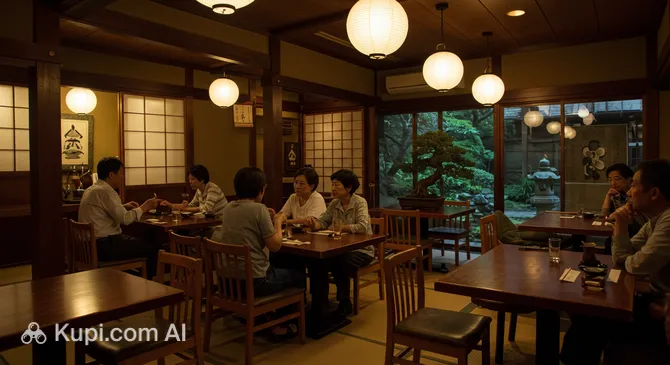
The food culture in Fukuyama is diverse. Locals and tourists can choose between cozy family restaurants, lively markets where you can grab a quick bite of freshly prepared food, and specialized establishments. To dive deeper into the local cuisine, you can visit one of the restaurants, such as Naka Katsu. Also, throughout the year, the city hosts various gastronomic festivals where you can taste farm products, participate in culinary workshops, and simply enjoy the festive atmosphere while getting to know the culinary wealth of Fukuyama.

Naka Katsu. Illustration.
Source: Kupi.com AI

Traveler photos:

Travel Tips

Planning a trip to the charming city of Fukuyama? These practical tips will help you easily navigate and get the most out of your journey to this interesting corner of Japan!

  1. Seasonal Clothing and Essentials: The climate in Fukuyama is humid subtropical. In summer (June–August), pack light, breathable clothing; in spring (March–May) and autumn (September–November), layered clothing including a light jacket is useful; in winter (December–February), pack warmer clothes. Be sure to bring comfortable walking shoes, as the city is best explored on foot. Don't forget a universal adapter (Japan uses type A and B sockets, 100V voltage) and a portable power bank. Choose modest clothing when visiting temples and shrines.
  2. Getting Around: Public transport in Fukuyama is quite convenient. The main hub is Fukuyama Station, served by JR trains, including the Shinkansen. Local trains and buses (such as Tomotetsu Bus) run throughout the city. Taxis are available but can be expensive; taxi-hailing apps like JapanTaxi can be useful. Car rental is possible but usually not necessary for getting around the city, and parking can be challenging.
  3. Finances and Payments: The official currency is the Japanese Yen (JPY, ¥). It's best to exchange money at the airport upon arrival or at banks in the city, though the rate may be less favorable. Credit cards (Visa, Mastercard) are accepted in many hotels, large shops, and restaurants, but always have some cash on hand for smaller establishments, markets, or temples. ATMs that accept international cards can be found in 7-Eleven stores (Seven Bank) and at the post office (Japan Post Bank). Tipping is not customary in Japan, as high service standards are considered the norm.
  4. Health and Safety: Fukuyama, like Japan in general, is a very safe city. Follow standard precautions. Pharmacies (look for the sign "薬" - kusuri) are available, but staff may not always speak English. Some large chains, like Matsumoto Kiyoshi, may have a wider range. 24-hour pharmacies are rare. If you need medical assistance, contact your hotel reception or a tourist information center. Travel insurance is recommended.
  5. Language and Connectivity: The official language is Japanese. English is not spoken everywhere, but in tourist areas, hotels, and at major stations, you will likely find English-speaking staff. Learn a few simple phrases: "Konnichiwa" (Hello), "Arigato" (Thank you), "Sumimasen" (Excuse me/I'm sorry). For connectivity, consider buying a tourist SIM card or renting a portable Wi-Fi router. Free Wi-Fi is available in some hotels, cafes, and public places. Google Maps for navigation and HyperDia/Jorudan for train schedules can be very useful.
  6. Local Etiquette: Japanese people are very polite and value respect for tradition. Greetings are usually accompanied by a bow; a slight nod is sufficient for a tourist. In public places, especially on transport, try not to speak loudly. Remove your shoes when entering homes, some temples, and traditional restaurants. Avoid eating or drinking while walking in crowded places.
  7. Things to Avoid: Never stick your chopsticks vertically into a bowl of rice—this is associated with funeral rituals. Also, avoid pointing at people or objects with your chopsticks. It is not customary to blow your nose loudly in public; it's better to go to a restroom.
  8. Special Tip for Fukuyama: The city is famous for its Rose Festival (Fukuyama Bara Matsuri), which usually takes place in May. If your visit coincides with this time, be sure to attend. Also, don't miss the chance to see Fukuyama Castle, one of the city's main attractions, and the picturesque historical port of Tomonoura located nearby.

We hope these tips make your stay in Fukuyama comfortable and unforgettable. We wish you a wonderful trip and bright impressions!

Entertainment & Nightlife

Fukuyama, a city rich in history and culture, offers its guests and residents diverse opportunities for evening and nighttime relaxation. While Fukuyama may not be as famous for its booming nightlife as Tokyo or Osaka, you can find cozy bars, restaurants, and other venues here to enjoy after the sun goes down.

Most evening entertainment is concentrated in the central areas of the city, especially near Fukuyama Station. Here you will find many izakayas (Japanese pubs), small bars, and restaurants offering both local and international cuisine. The atmosphere in most establishments is quite relaxed and welcoming. Many bars offer a wide selection of sake, shochu, and Japanese beer. Some venues may feature music, ranging from live performances to DJ sets, especially on weekends. For larger concerts and events, you can check out the Fukuyama Arena, which periodically hosts various shows. The dress code in most places is usually casual, unless it is an exclusive venue.

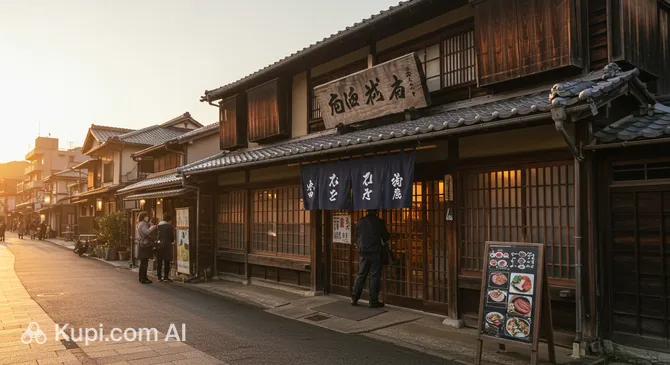
For dinner in a pleasant setting, consider restaurants like Naka Katsu or Okinogami Ryotaro. These establishments offer high-quality cuisine and can be a great start to your evening. While there may not be as many specialized nightclubs in Fukuyama as in larger metropolises, some bars stay open late, turning into spots for dancing and socializing. Night markets are not a typical feature of Fukuyama, but evening fairs or festivals may take place periodically, especially during the warmer months.

Okinogami Ryotaro. Illustration.
Source: Kupi.com AI

Traveler photos:

Practical Tips for Nightlife:

The best time to visit bars and restaurants is Friday and Saturday evenings when the city comes alive. Average prices can vary but generally remain affordable. Public transport usually stops running around midnight, so if you plan to stay out late, think about a taxi in advance. You can call a taxi via apps, ask at the venue, or find them at designated stands.

Safety:

Fukuyama, like most cities in Japan, is considered a safe city. The central areas where nightlife is concentrated are well-lit and patrolled. However, it is always wise to follow standard precautions, especially if walking alone late at night. Keep your valuables with you and avoid poorly lit or deserted areas.

Daytime Entertainment:

During the day, Fukuyama offers many cultural and historical attractions. You can visit the majestic Fukuyama Castle and the Fukuyama Castle Museum located on its grounds. For art lovers, the Fukuyama Museum of Art is open, while the Fukuyama Auto & Clock Museum will interest fans of technology. You can take a walk and relax in nature at Rose Park or Midorimachi Park. These places are perfect for daytime leisure before heading out to explore evening Fukuyama.

Parks & Museums

Fukuyama offers its guests a harmonious blend of picturesque green spaces for relaxation and a rich cultural heritage reflected in numerous museums and historical monuments that make the city attractive to curious travelers.

For nature lovers and those who enjoy quiet walks, Fukuyama has several wonderful parks. One of the most famous is Fukuyama Castle Park, surrounding the namesake historical citadel. It is a beautiful place for leisurely strolls, especially in spring during the cherry blossom season, and for experiencing the city's historical atmosphere. Equally popular is Rose Park, which, as its name suggests, is famous for its magnificent collection of roses, drawing visitors with a burst of colors and aromas during the blooming season. It is an ideal spot for photo shoots and romantic walks. Also worth noting is Midorimachi Park, offering a more peaceful atmosphere for outdoor relaxation and picnics away from the city bustle.

Rose Park. Illustration.
Source: Kupi.com AI

Traveler photos:

The cultural life of Fukuyama is vividly represented in its museums. The Fukuyama Castle Museum, located within Fukuyama Castle, holds a central place. Here, you can delve into the history of the castle itself, the city, and the region, view artifacts, and learn about the life of samurai. For art connoisseurs, the Fukuyama Museum of Art is open, showcasing works by local masters as well as Japanese and Western art. Of particular interest is the Fukuyama Auto & Clock Museum, which delights visitors with a unique collection of vintage cars, motorcycles, and antique clocks, telling the story of technology and design.

Fukuyama Castle Museum. Illustration.
Source: Kupi.com AI

Traveler photos:

Fukuyama Art Museum. Illustration.
Source: Kupi.com AI

Traveler photos:

In addition to the majestic Fukuyama Castle, which is the city's main historical landmark, there are other significant sites in Fukuyama. Be sure to visit Myo-in Temple, one of the oldest and most revered Buddhist temples in the region, known for its beautiful architecture and peaceful atmosphere. Also noteworthy is the Kusado Inari Shrine, dedicated to the deity Inari, with its characteristic red torii gates that create a mystical mood.

Fukuyama Castle. Illustration.
Source: Kupi.com AI

Traveler photos:

For a more authentic experience, take a walk around the area of Myo-in Temple, where you can find small local shops and feel the city's slow pace of life. And if you are seeking solitude, the lesser-known corners of Midorimachi Park will offer you peace and quiet.

Getting Around

Getting around Fukuyama is quite convenient thanks to a well-developed public transport system. The main modes of transport for tourists and locals are buses and trains, which connect various districts of the city and its surroundings.

Buses represent the most extensive network in Fukuyama. Several companies, including Chugoku Bus and Tomotetsu Bus, operate numerous routes covering both central parts and more remote areas. Buses run on a schedule, which can usually be found at stops or on the transport companies' websites. Fares are most often paid when exiting the bus. You can use cash (it is advisable to have small change, as the exchange machine does not always provide change for large bills) or transport IC cards.

Trains play a key role for longer distances and connections to other cities. Fukuyama Central Station is an important transport hub served by JR West lines, including the Sanyo Shinkansen (high-speed trains), Sanyo Main Line, and Fukuen Line. For trips around the city and the nearest suburbs, you can use local trains. Train tickets are purchased at station vending machines or ticket offices.

Regarding the payment system, the most convenient option for tourists is using rechargeable IC cards, such as ICOCA (popular in the Kansai and Chugoku regions) or nationwide cards like Suica or Pasmo, which are compatible with most transport systems. Simply tap the card on the reader at the entry and exit gates for trains, or when entering and exiting a bus. You can top up the card at station machines. The fare depends on the distance; for example, a short bus ride in the city can cost from 170-200 yen.

Practical Tips for Tourists:

  • Buying Tickets: For buses – pay the driver when exiting or use an IC card. For trains – at station machines (many machines have an English interface) or at ticket offices.
  • Validation: IC cards are tapped against the reader. Paper train tickets are inserted into turnstiles or shown to the conductor.
  • Operating Hours: Public transport usually starts around 5-6 AM and ends around midnight. The frequency of service decreases in the evening and on weekends. It is recommended to check schedules in advance, especially if you plan late trips.
  • Route Planning: Use online maps or route planning apps like Google Maps or HyperDia/Jorudan (for trains), which provide up-to-date information on schedules and transfers.

Among the alternative ways of getting around Fukuyama, taxis are a notable option. They are easily available at the station and in popular tourist spots but are a more expensive choice. For short distances and walks around the city center, bicycle rental might be suitable—you can rent a bike at some hotels or specialized rental points. This is an excellent way to leisurely explore attractions, such as the area around Fukuyama Castle.

There are no unique historical forms of transport, like an old metro or cable cars, directly within the Fukuyama city limits. The primary focus is on the efficiency and convenience of modern bus and rail networks.

Accommodation

In the city of Fukuyama, travelers will find a variety of accommodation options to suit different preferences and budgets. There are economical choices such as guesthouses and hostels, more comfortable mid-range hotels, as well as higher-end hotels with premium service. For those who prefer more independence, apartments or short-term rental houses may also be available.

When choosing a place to stay, it is worth looking at areas near major transport hubs, such as near Fukuyama Station. This will provide easy access to both city attractions like Fukuyama Castle or the Fukuyama Auto & Clock Museum, and to intercity transport for further travel across Japan. The central districts of the city also offer a good selection of cafes, restaurants, and shops within walking distance.

The price range for accommodation in Fukuyama varies from budget to mid-range and above, depending on the type of accommodation, its location, and the amenities offered. It is recommended to book in advance, especially if your trip coincides with the peak tourist season or during major local festivals and events. The most common booking methods are popular online platforms and aggregators, as well as direct booking through official hotel websites.

Nearby Cities

For those looking to explore the surrounding area, Fukuyama serves as an excellent starting point for day trips to several interesting nearby locations:

CityPopulationDistance
Kasaoka46 08014 km
Ibara38 23615 km
Onomichi130 14317 km
Satosho10 96918 km
Asakuchi32 66921 km

Among these options, Onomichi, located just 17 km away, enchants visitors with its famous Temple Walk and scenic views from the hills, including Senkoji Park. A bit further, in Kurashiki (39 km), you can immerse yourself in the atmosphere of old Japan by strolling through the Bikan Historical Quarter with its beautifully preserved merchant houses and picturesque canals. Also worth considering is a trip to Mihara (28 km), where you can explore the ruins of Mihara Castle and enjoy coastal scenery. These and other nearby destinations provide a fuller picture of the diverse culture and landscapes of Hiroshima Prefecture.

Shopping & Souvenirs

Fukuyama offers guests pleasant shopping opportunities, combining modern retail outlets with the charm of local shops. While the city may not be a major fashion center, you can find everything you need here, from everyday goods to unique souvenirs. Products related to roses are particularly famous, as Fukuyama is known for its beautiful rose gardens.

The main shopping activity is concentrated around JR Fukuyama Station. Here and on the adjacent streets, you will find many shops, department stores, and small boutiques. A walk through this area will allow you to browse the range of local goods and find something interesting for yourself.

In Fukuyama, as in many Japanese cities, large shopping centers or department stores are usually located next to the main station. They offer a wide selection of goods: clothing, cosmetics, electronics, household items, and food. Look for complexes such as Sun Station Terrace Fukuyama (Sunsute Fukuyama) or other local department stores, which are often a magnet for shoppers.

While Fukuyama may not have huge traditional markets like some other Japanese cities, it is worth paying attention to small local markets or fairs, especially if you are interested in fresh produce or handmade items. Sometimes these markets are held on weekends or during local festivals.

As a memento of your trip to Fukuyama, you can bring home a variety of souvenirs. Items related to roses, the symbol of the city, are particularly popular thanks to the famous Rose Park. These can include cosmetics with rose extract, rose-scented sweets, and textiles with rose patterns. Items related to Fukuyama Castle, such as miniatures, postcards, or themed sweets, also make for interesting souvenirs. Don't forget about traditional Japanese crafts like ceramics, textiles, or local delicacies from Hiroshima Prefecture.

Fukuyama Castle. Illustration.
Source: Kupi.com AI

Traveler photos:

Most shops in Fukuyama are open from approximately 10:00–11:00 to 19:00–20:00. Large shopping centers may have longer hours. Regarding payment, cash is still widely used, especially in smaller shops and at markets. However, credit cards are accepted in most department stores, large shops, and tourist areas. Electronic payment systems and IC cards popular in Japan may also be accepted.

For international tourists, a Tax-Free system is available in Japan. Look for shops with the corresponding sign ("Tax-Free Shop"). When purchasing goods for a certain amount (usually over 5,000 yen excluding tax) in one shop in one day, you can apply for a consumption tax refund. You will need your passport for this. Check the specific conditions directly in the shops.

Reached the end of the page?

That means the route is fully explored