Support

Mihara

About

Mihara is a charming and picturesque city nestled on the coast of the Seto Inland Sea in Hiroshima Prefecture, Japan. This city attracts visitors with its calm atmosphere and unique blend of traditional Japanese lifestyle and modernity. Thanks to its strategic position, Mihara serves as a true "gateway" to the scenic Seto islands, offering guests mesmerizing views of the sea and the surrounding mountains.
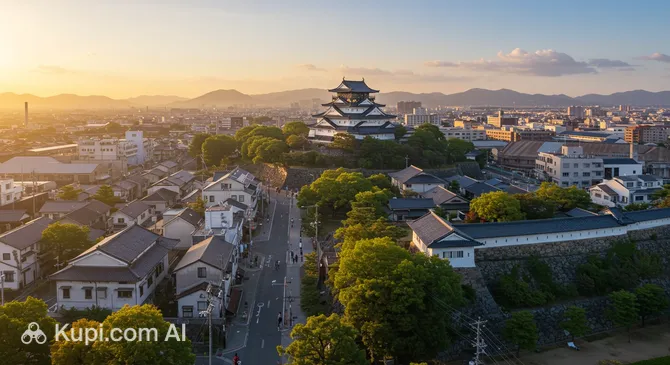
Mihara. Illustration.
Source: Kupi.com AI

The city spans an area of over 470 square kilometers, and its population is about 90,000 people, creating a cozy feel far from the hustle and bustle of major metropolises. Mihara is an important transport hub where rail, road, and sea routes converge. It is also a significant industrial and commercial center for the region, which has nevertheless managed to maintain its authentic charm and the famous hospitality of its local residents.

For tourists, Mihara offers many unique experiences. Here you can enjoy leisurely boat trips, explore ancient temples, and stroll through traditional neighborhoods. One of the key highlights is the opportunity for outdoor activities: from hiking along scenic waterfronts and exploring nearby islands to climbing Mount Mihara – the natural symbol of the region. The city is also known for its colorful local festivals and breathtaking sunsets over the sea.

If you dream of experiencing the real, non-touristy Japan, enjoying natural beauty, and taking a break from the urban rush, Mihara will be an ideal choice for you. This hospitable city, with its slow pace of life, cozy streets, and rich culture, awaits to give you unforgettable memories.

You can find more interesting facts on the history of Mihara city page.

Weather Overview

The weather in Mihara offers travelers distinct seasons. Expect a warm and quite humid summer, especially in July and August, when average temperatures can reach 26-28°C and maximums can rise above 30°C, with the highest rainfall and number of rainy days during this period. Winters, conversely, are cool and relatively dry, with average temperatures in January and December around 5-6°C and minimal precipitation. Spring and autumn months are characterized by moderate temperatures and changeable weather, transitioning smoothly from cool to warm and back. To get a detailed idea of weather conditions by month, you can explore the Mihara climate.

Average monthly temperature

Average monthly precipitation

Interesting Facts

In addition to its picturesque landscapes and rich history, Mihara holds many curious details that make this city truly special. Here are just a few interesting facts to help you see it from a new perspective:

  • Samurai Heritage City: Although only picturesque ruins remain today of Mihara Castle, built in the 16th century by order of the powerful feudal lord Kobayakawa Takakage, it once gave the city the nickname "City of Castles." These remnants of former greatness are still a draw for history buffs.

  • Gateway to Island Treasures: Mihara is called the "gateway to the islands" for good reason. The city serves as a convenient starting point for exploring the many idyllic islands of the Seto Inland Sea, inviting travelers on unforgettable maritime adventures.

  • Kite Extravaganza: Every spring, the sky over Mihara is transformed thanks to a spectacular kite festival. Thousands of colorful designs soaring over the sea create a truly magical scene that attracts guests from all over Japan.

  • Cradle of Talents: Mihara can be proud of its natives – among them are famous athletes, artists, and scientists whose achievements have brought fame not only to their hometown but to all of Japan.

How to Get There

The most convenient way to reach the city of Mihara is by air through one of several nearby airports. While Mihara itself does not have a major airport, the nearest air harbors offer good transport links.

The main option for travelers heading to Mihara is Hiroshima Airport (IATA: HIJ). This is a major international airport located in Hiroshima, approximately 15.3 km from the center of Mihara. A taxi or bus ride from the airport to Mihara will take about 40-50 minutes. Another significant airport is Matsuyama Airport (IATA: MYJ), located in the city of Matsuyama. Despite the greater distance, about 72.3 km to Mihara (approximately a 2-hour drive), it is also a major transport hub. You could also consider Okayama Airport (IATA: OKJ), located in Okayama, about 81.7 km from Mihara, from where the journey takes about 2.5 hours.

For clarity, here is a summary of the main airports serving the Mihara direction:

AirportPassenger trafficDistance
Hiroshima Airport2.7 mln15 km
Matsuyama Airport3.2 mln72 km
Okayama Airport1.4 mln82 km
Iwakuni Kintaikyo Airport655 47383 km
Takamatsu Airport2.5 mln89 km

As for rail connections, according to the provided data, there is no direct station in Mihara that accepts long-distance trains from major hubs. However, you can consider arriving at a station in another city followed by a transfer. For example, Fukai Station (IATA: QKV) is located in the city of Sakai, at a significant distance – about 222.7 km from Mihara. From there, a long journey by local transport (approximately several hours) to Mihara would be required. Travelers are advised to check local transport schedules and routes when planning a trip via remote railway hubs.

Below is information about the railway stations from the provided list:

StationPassenger trafficDistance
Sønderborg Station292 km

In addition to air and rail links, Mihara can be reached by car using Japan's well-developed road network. It is also worth considering local bus routes that may connect Mihara with nearby large cities and transport hubs.

Main Attractions

The city of Mihara, located in the picturesque Hiroshima Prefecture, offers travelers a fascinating introduction to the rich history, distinctive culture, and beautiful nature of Japan. Despite its relatively small size, Mihara hides several interesting places that are definitely worth including in your itinerary.

One of the city's main historical attractions is the Mihara Castle Ruins (Mihara-jō ato). This castle was built in the 16th century by the famous warlord Kobayakawa Takakage. The castle's uniqueness lay in the fact that it was built as a sea fortress, with its foundation extending directly into the waters of the Seto Inland Sea, allowing ships to approach its walls directly. Today, impressive stone walls and tower foundations remain from its former greatness, and a walk along them allows you to immerse yourself in the atmosphere of feudal Japan. This place will especially appeal to fans of history and fortification architecture.

For those seeking spiritual peace and wanting to experience traditional Japanese religious culture, a visit to Buttsū-ji Temple is a must. This ancient Zen Buddhist temple, founded in the 14th century, is one of the most significant in the Chūgoku region and the main temple of the Buttsū-ji branch of the Rinzai school. The temple is located in a secluded spot among forested mountains, which creates a special atmosphere of tranquility. It is particularly beautiful in autumn when the surrounding maple trees turn vibrant shades of crimson and gold, attracting many photographers and nature lovers.

If you love natural beauty and panoramic views, it is definitely worth climbing Mount Fudekage (Fudekage-yama) and Mount Ryūō (Ryūō-zan). From their peaks, breathtaking views open up over the Seto Inland Sea archipelago with its numerous islands. These mountains are popular year-round: in spring, you can admire the cherry blossoms, and in autumn, the brilliant colors of the foliage. For the convenience of visitors, hiking trails and roads have been laid out, making it easy to reach the observation decks and enjoy the splendor of Japanese landscapes.

Local Cuisine

The gastronomic world of Mihara is a true immersion into the flavors of the Seto Inland Sea. The foundation of local cuisine is undoubtedly fresh seafood, which lands on the tables of residents and guests daily directly from the coastal waters. You can look forward to oysters, mussels, squid, and various fish, prepared with Japanese precision and a love for natural taste.

Be sure to try "Mihara-yaki" – a local variation of the famous Japanese dish okonomiyaki. This hearty cabbage pancake with seafood and a special sauce is considered a culinary symbol of Mihara and a true embodiment of home comfort. Equally popular are dishes made from eel and octopus, prepared here according to old family recipes. Of course, one cannot overlook the freshest sushi and rolls, which are an integral part of Japanese gastronomy.

You can get acquainted with Mihara's culinary traditions in many different places. Numerous coastal restaurants will offer you both classic and signature seafood dishes. Visit the local markets, where life is in full swing, and you can not only buy fresh products but also snack on freshly prepared delicacies. Street food here also deserves attention, especially during city festivals when the streets turn into a real gastronomic celebration. Farmers' markets will delight you with seasonal vegetables, fruits, and handmade sweets, which make excellent edible souvenirs.

A meal in Mihara is perfectly complemented by local sake produced in nearby breweries – it can often be tasted at gastronomic holidays and festivals. Among non-alcoholic drinks, traditional Japanese green tea is, of course, popular and pairs well with any dish. It is also worth trying drinks made from local fruits if the opportunity arises.

Travel Tips

Planning a trip to Mihara? This charming city in Hiroshima Prefecture will give you unforgettable memories! To ensure your journey goes smoothly and comfortably, we have prepared some practical tips.

  1. Clothing and Essentials:

    The climate in Mihara, as in all of Japan, is clearly divided into four seasons. In summer (June-August), choose light, breathable clothing. In spring (March-May) and autumn (September-November), layering is useful: T-shirts, sweaters, and a light jacket. In winter (December-February), warm clothing is a must, including a coat, hat, and gloves. Be sure to bring comfortable walking shoes. Don't forget an adapter for electrical appliances (in Japan, Type A sockets with two flat pins are used, voltage 100V). When visiting temples and shrines, it is customary to dress modestly, covering shoulders and knees.

  2. Transport:

    Getting around Mihara and its surroundings is quite convenient. The city is served by railway lines, including the Shinkansen (Mihara station). Local buses can be used for travel within the city. Taxis are available, especially at the station, but can be expensive for long trips. Walking or renting a bicycle is great for exploring the city center and nearby attractions. Renting a car can be useful if you plan to explore more remote areas of Hiroshima Prefecture, but it's not a necessity for the city itself; an international driving permit will be required.

  3. Finance:

    The official currency is the Japanese yen (JPY, ¥). You can exchange currency at banks or post offices, but it's better to have some cash on arrival or exchange money at major airports. Credit cards (Visa, Mastercard) are accepted in many hotels, large shops, and tourist spots, but smaller establishments and markets may prefer cash. ATMs that accept international cards can most often be found in post offices (Yucho Bank) and 7-Eleven stores (Seven Bank). It's worth noting that Japan is generally considered a medium-to-high expenditure country, so it is recommended to plan your budget in advance. Roughly, main expenses will include food (e.g., from 3000-7000 yen per day per person, depending on the venue), local transport, and entrance fees for attractions. Tipping in Japan is not practiced, and an attempt to leave one may cause confusion – excellent service is considered the norm.

  4. Health and Safety:

    Mihara, like most cities in Japan, is a very safe place. Pharmacies (薬局 - yakkyoku, or ドラッグストア - doraggusutoa) are easy to find, but staff may not always speak English. If medical assistance is needed, your hotel staff can help find a doctor or hospital. It is highly recommended to take out travel medical insurance before your trip. Observe usual precautions: keep an eye on your belongings in crowded places.

  5. Communication:

    The main language is Japanese. English proficiency among the local population may be limited, especially outside tourist areas. Learn a few basic phrases: "konnichiwa" (hello), "arigato" (thank you), "sumimasen" (excuse me/sorry). For connectivity, you can buy a local SIM card or rent a pocket Wi-Fi router – this is a very popular and convenient option. Free Wi-Fi is available in many hotels, some cafes, and at railway stations. Apps like Google Maps and Google Translate will be useful.

  6. Local Etiquette:

    When greeting, Japanese people usually bow; handshakes are not as common. In public places, especially on transport, try to speak quietly and avoid eating on the go. When entering a Japanese home, some temples, traditional restaurants, and ryokans (Japanese-style inns), it is customary to remove your shoes. Japanese people highly value politeness and following order, for example, always waiting patiently in lines.

  7. What to Avoid:

    Never stick chopsticks vertically into a bowl of rice – this is associated with funeral rituals. Also, avoid pointing at people with one finger; if you need to indicate direction or a person, use an open palm. Loud phone conversations on public transport are considered bad manners.

  8. Additional Tip:

    Mihara is known for its Daruma dolls. Try to visit a shop that sells them or, if you're lucky, a themed event. The city is also one of the locations for the vibrant summer Yassa Festival (usually in August) – if your trip coincides, it's a great chance to immerse yourself in local culture.

We hope these tips help you better prepare for your trip and enjoy every moment in Mihara. We wish you an exciting journey and brilliant discoveries in this corner of Japan!

Entertainment & Nightlife

Evening and nightlife in Mihara offer guests the chance to immerse themselves in the authentic atmosphere of Japanese hospitality, albeit at a slower pace than in major metropolises. Here, the focus shifts from noisy nightclubs to cozy establishments where you can enjoy your time and relax after a busy day of exploration.

The main concentration of evening entertainment is traditionally found around the central Mihara railway station and the adjacent shopping streets. This is where you will find classic Japanese pubs – izakaya – where you can try a variety of snacks and local drinks. While we cannot provide specific names of establishments with active links, as an up-to-date list of recommended places for Mihara is currently missing from our data, you will easily find karaoke bars popular with locals and small themed bars with a cozy atmosphere while walking through this area. Some restaurants also stay open until late evening, allowing you to enjoy dinner. In Mihara, you are less likely to find the large nightclubs or specialized concert venues characteristic of big cities; evening leisure here is more intimate and focused on local culture.

The atmosphere in such venues is usually very friendly and welcoming. The crowd is predominantly local, providing a wonderful opportunity to observe the daily life of Japanese people and perhaps even socialize a little. The dress code is generally casual, except perhaps for some more formal restaurants. Most izakayas and bars start coming to life after 7:00–8:00 PM and stay open until midnight or slightly later, especially on Fridays and Saturdays.

When planning your evening, keep in mind that Fridays and Saturdays are the busiest days. Prices in local Mihara establishments are generally considered moderate. Getting around the central part of the city is convenient on foot. For longer trips or returning to your hotel late at night, you can use taxi services. Taxi stands are usually located at the station and other busy points in the city.

Mihara, like most cities in Japan, is a fairly safe place for evening and night walks. Nevertheless, it is always wise to observe standard precautions. If you need a taxi late at night, you can look for one at a stand, hail one on the street (which might be harder in a small town late at night), or ask the staff at your hotel or the venue you are in to call one for you.

While Mihara may not be famous for giant nightclubs or a wide selection of concert halls, the city offers its own charming options for evening relaxation. Rather than looking for specific big names, an evening here is an invitation to explore. Walking through the streets near the station, you are sure to discover authentic izakayas, small themed bars, and karaoke rooms, each with its own unique atmosphere. This approach will allow you to find a place you like and feel the true rhythm of the city. It is best to check information about specific venues and their current offers on-site or through tourist information centers, as the list of available places may change.

During the day, Mihara offers other opportunities for an interesting pastime. Guests can explore local temples and shrines, stroll through picturesque parks, or learn about the region's culture in small museums. Given the city's coastal location, walks along the waterfront can also be very pleasant. Although Mihara might not have large theme parks or major repertory theaters, it is worth asking about local cultural events, exhibitions, or seasonal festivals that might be happening during your visit to offer unique experiences.

Parks & Museums

The city of Mihara offers its guests both peaceful green corners for relaxation in nature and interesting cultural sites that introduce the rich history and traditions of the region. Here, everyone will find something to their liking, whether it's contemplating picturesque landscapes or diving into the past.

For nature lovers and those seeking spectacular views, Fudekageyama Park is a must-visit. It is located on the mountain of the same name and is famous for its panoramic views of the Seto Inland Sea and its many islands. It is especially beautiful during the cherry blossom season when the mountain slopes are covered in a delicate pink carpet. The park offers excellent opportunities for hiking and photography. Another notable spot is Mount Shirataki, also known for its views and hiking trails. The climb to the top is rewarded not only by beautiful scenery but also by the chance to see many stone statues of Buddhist saints (Gohyaku-rakan), creating a special atmosphere of peace.

To get a closer look at the history and culture of Mihara, it is worth stopping by the Mihara City History and Folklore Museum. The museum's exhibits tell the story of the region's development since ancient times, highlight important historical events, and introduce the daily life and traditions of local residents. This is an excellent place to gain a deeper understanding of the city's context and heritage. While Mihara may not have world-class major art galleries, there is always a chance to discover small exhibition spaces showcasing the work of local artists, reflecting the spirit and beauty of Hiroshima Prefecture.

The central historical attraction of Mihara is undoubtedly the Mihara Castle Ruins. This castle, built in the 16th century by the general Kobayakawa Takakage, is unique because it was constructed right in the sea, using islands as its foundation. Although not much remains of the original castle, its powerful stone walls and tower bases, along with its proximity to the railway station, make it an easily accessible and interesting object to study. A walk through the grounds of the ruins allows you to touch Japan's feudal past.

For a more authentic Mihara experience, try walking down the less busy streets away from the main tourist routes. You might find traditional shops or local eateries. Also, keep an eye out for small Shinto shrines or Buddhist temples, which are common in Japanese cities and offer moments of silence and tranquility.

Getting Around

Getting around Mihara is quite convenient thanks to a well-developed public transport system that includes rail services and bus routes. The city is an important transport hub, which facilitates travel both within the city and to its surroundings.

The main form of transport in Mihara is trains. Lines of the JR West company pass through the city, including the Sanyo Shinkansen (high-speed train stopping at Mihara station) and the Sanyo Main Line, as well as local lines connecting various districts. Local trains are most relevant for moving around the city and the nearest suburbs. The stations are well-equipped with signs and schedules.

Buses complement the rail network, providing access to areas not reached by trains. Local bus routes cover most of the city. Schedules are usually posted at stops, but they may not always be in English, so it is useful to have a map or a navigation app with you.

The fare payment system in Mihara, as in many Japanese cities, is quite standardized. The most convenient way to pay is by using rechargeable IC transport cards, such as ICOCA (common in the Chūgoku region). These cards can be used on both trains and buses. You can purchase and top up an IC card at machines in railway stations or in some shops. You can also always buy a single-trip ticket for the train at a station machine or pay for a bus fare in cash directly to the driver (it is advisable to have small change as the change provided may be limited).

Tourists are advised to plan their routes in advance. Train tickets are purchased at stations from machines or ticket offices. To enter the platform, the ticket or IC card is tapped against the turnstile. On buses, payment is usually made upon entry or exit, depending on the system (often a ticket is taken upon entry, and payment based on it is made upon exit). Public transport usually operates from early morning until late evening, but the frequency of trips may decrease in the evening hours and on weekends.

As an alternative to public transport, taxis are available in Mihara. They can be found at stands near railway stations or called by phone. This is a more expensive but comfortable way to get around, especially if you are traveling with luggage or a group. Also, given the size of the city, bicycle rental can be an excellent option for a leisurely introduction to Mihara and its surroundings. Some hotels offer bicycles to their guests.

A special feature of Mihara's transport system is the presence of ferry services from the Port of Mihara. Ferries connect the city with nearby islands in the Seto Inland Sea, opening up additional opportunities for travel and excursions. This is an important part of the transport infrastructure if you plan to explore coastal areas and islands.

Accommodation

In the city of Mihara, travelers will find a variety of accommodation options to suit any budget and preference. You can stay in traditional Japanese inns (ryokans) as well as modern hotels offering different levels of comfort.

The choice of accommodation in Mihara includes mid-range hotels, guesthouses, and potentially apartments for short-term rent. Many accommodation options are concentrated near transport hubs, such as Mihara Railway Station, providing easy access to the city's main attractions and its surroundings. You can also find options in quieter areas if you prefer a more secluded stay.

While specific famous hotels are not listed, Mihara offers a range of hotel services, from more budget-friendly to comfortable options. It is recommended to check reviews and locations when choosing a place to stay.

Booking Tip: To guarantee the best option, especially during peak tourist seasons or local festivals, it is recommended to book your accommodation in advance. The price range varies from economical options to more expensive offers. Most hotels and guesthouses can be booked through popular online platforms or directly on their websites.

Nearby Cities

For those looking to explore the surroundings, Mihara serves as an excellent starting point for day trips to several interesting nearby locations:

CityPopulationDistance
Onomichi130 14312 km
Takehara23 63117 km
Sera14 87821 km
Fukuyama459 57628 km
Higashihiroshima197 34731 km

These nearby destinations provide a glimpse into the region's diverse culture and landscapes. A trip to any of these cities will enrich your journey through Japan and provide new experiences.

Shopping & Souvenirs

Shopping in Mihara offers travelers the chance to immerse themselves in local flavor and find unique items that differ from the range found in large metropolises. The city is not famous for giant shopping centers of global brands, but here you can buy authentic Japanese goods, souvenirs, and delicacies reflecting the culture of the Hiroshima region.

The main shopping areas in Mihara, as in many Japanese cities, are often concentrated around the railway station. Here and on the adjacent streets, including traditional covered shopping arcades known as shotengai, you can find a variety of shops: from small family-run stores to specialized shops offering clothing, food, and household goods. Strolling through such streets is an interesting experience in itself, allowing you to observe the daily life of the townspeople.

While Mihara is not a magnet for lovers of giant malls, the city may have small department stores or shopping complexes offering an assortment of everyday goods, clothing, and souvenirs. These are usually geared towards local residents, but tourists can also find something interesting there.

As for markets, it is worth looking out for the chance to visit local morning markets (asaichi) if any are held during your visit. Farmers and artisans often sell fresh seasonal products, local delicacies, and handmade items there. This is a great place to try regional specialties and buy fresh treats.

One of the most iconic souvenirs to bring back from Mihara is a Daruma doll. The city is known for producing these traditional Japanese roly-poly dolls, which symbolize good luck and the fulfillment of wishes. In addition to Daruma, look for other local handicrafts, ceramics, textiles, as well as regional sweets and sake from Hiroshima Prefecture. These are wonderful reminders of your trip to Japan.

Most shops in Mihara, as in Japan as a whole, are usually open from 10:00 or 11:00 AM to 7:00 or 8:00 PM. Small private shops may have their own schedules. Regarding payment, credit cards are accepted in many shops, especially larger ones, but cash (Japanese yen) still plays an important role, particularly in small stores, at markets, and in some restaurants. It is recommended to always have some cash on hand.

For foreign tourists in Japan, there is a tax-free system. Look for stores with the corresponding "Tax-Free Shop" sign. Usually, to process a tax refund, you need to make a purchase of a certain minimum amount in one store on one day and present your passport at the checkout. The procedure may vary slightly depending on the store.

Reached the end of the page?

That means the route is fully explored