Support

Higashihiroshima

About

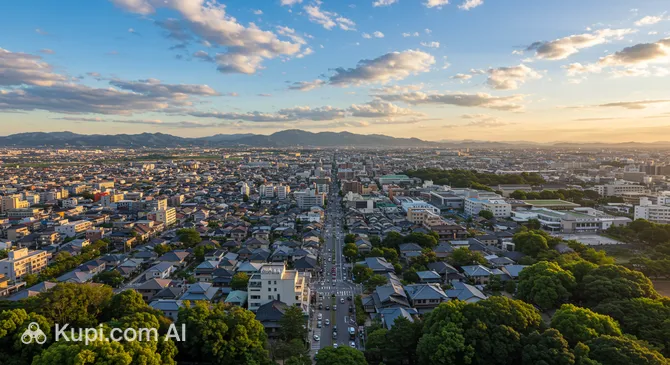
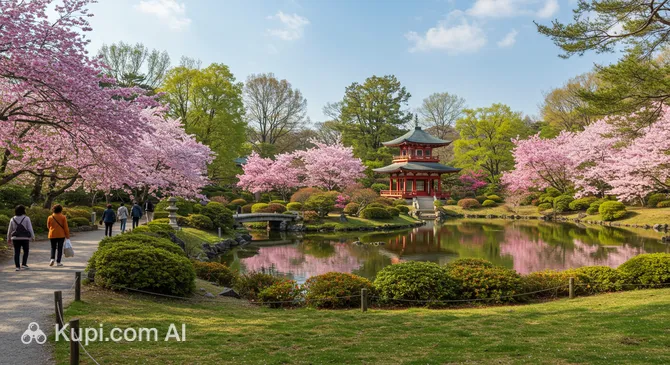
Higashihiroshima is a charming city where modern rhythms harmoniously intertwine with the centuries-old traditions of Japan and the beauty of nature. It is nestled on the western coast of Honshu Island in Hiroshima Prefecture, just 30 kilometers east of Hiroshima City. Thanks to its unique location between the sea and green hills, Higashihiroshima is literally immersed in picturesque landscapes, especially in spring during the cherry blossom season and in autumn when the maples turn brilliant shades of crimson.
Higashihiroshima. Illustration.
Source: Kupi.com AI

With a population of approximately 197,000 people, Higashihiroshima is one of the region's significant cities, while maintaining a surprisingly cozy and measured atmosphere. The city plays an important administrative role in the prefecture and is known for its high standard of living, developed infrastructure, and the warm hospitality of its locals.

Higashihiroshima attracts travelers with the opportunity to see the real Japan away from the hustle and bustle of major metropolises. Here, you can take a leisurely stroll through ancient streets and enjoy views of rice fields and vineyards. The city is also famous for its renowned sake, the tasting of which will become an unforgettable part of your journey. Additionally, Higashihiroshima serves as a convenient starting point for visiting historical Hiroshima and the famous Miyajima Island.

If you value harmony, love exploring authentic corners, and seek inspiration in every day, Higashihiroshima will be a true discovery for you. This city will give you a unique experience of Japanese culture and leave you with the warmest memories.

You can find more interesting facts on the history of Higashihiroshima page.
Weather Overview

The weather in Higashihiroshima is characterized by distinct seasons. Summer, especially in July and August, is warm here, with average temperatures reaching 25-27°C and maximum values around 28-30°C. This period also sees the highest rainfall, particularly in July. Winters, by contrast, are cool: in January and December, the average temperature hovers around 4-6°C, while minimums can drop close to zero. Precipitation in winter is moderate.

Spring and autumn are transitional seasons with comfortable temperatures. In April-May, the air warms up to 13-18°C, and in October-November, the temperature stays at a level of 11-17°C. Expect a warm summer with occasional rain and cool winters with less precipitation. For more details, including monthly information, visit the weather in Higashihiroshima page.

Average monthly temperature

Average monthly precipitation

Interesting Facts

In addition to its famous attractions and picturesque corners, Higashihiroshima hides many surprising details that make this city truly special. Here are just a few interesting facts to help you look at it from a new perspective:

Kagamiyama Park. Illustration.
Source: Kupi.com AI

Traveler photos:

  • Higashihiroshima is rightfully considered the capital of Japanese sake. It is here, in the Saijo district, that many traditional sake breweries are concentrated, some of which have been producing this famous drink since the 19th century. Every October, the city comes alive thanks to a large-scale sake festival that attracts connoisseurs from all over Japan.

  • Despite its rich history, the modern city of Higashihiroshima was formed relatively recently—in 1974—as a result of the merger of several towns. Over the past decades, it has transformed from a primarily rural area into an important scientific and cultural center, home to one of the country's leading universities, Hiroshima University.

  • Strolling through some neighborhoods of Higashihiroshima, especially in the Saijo area, feels like stepping back in time. There are preserved sections with authentic Edo-period architecture, including old wooden warehouses and the characteristic white walls and chimneys of sake breweries, creating a unique atmosphere of bygone times.

  • The city deeply honors ancient customs. In spring and autumn, local residents hold colorful festivals with traditional parades, music, and street food. There is even a local legend about a guardian spirit of the rice fields, to whom a separate holiday with dances and costumed performances is dedicated.

How to Get There

Reaching the city of Higashihiroshima in Japan can be done in several ways, the most popular being air travel followed by ground transfer and rail services. The city is conveniently located relative to several airports and has excellent rail connections, including Shinkansen high-speed train lines.

The main and most convenient airport for arriving in Higashihiroshima is Hiroshima Airport (HIJ). This major international airport is located in Hiroshima, only about 16 km from the center of Higashihiroshima. A taxi or bus ride from the airport to the city takes about 45 minutes. Another option is Iwakuni Kintai-kyo Airport (IWK), located in Iwakuni, approximately 56 km away. This is a mid-sized airport, and the journey to Higashihiroshima takes about 1 hour and 45 minutes. You can also consider Matsuyama Airport (MYJ), located in Matsuyama at a distance of about 67 km. This is a large airport, and the transfer to Higashihiroshima takes approximately 2 hours.

For clarity, here is a summary of the main airports serving the Higashihiroshima area:

AirportPassenger trafficDistance
Hiroshima Airport2.7 mln16 km
Iwakuni Kintaikyo Airport655 47356 km
Matsuyama Airport3.2 mln67 km
Hagi-Iwami Airport109 60492 km
Okayama Airport1.4 mln108 km

Higashihiroshima is well-integrated into Japan's railway network. The city has its own Shinkansen high-speed train station—Higashi-Hiroshima—as well as stations for local lines, making train travel a very convenient option. If considering rail hubs from the provided list, they are located at a significant distance. For example, Fukai Station is located in Sakai, about 253 km from Higashihiroshima. This is a major transport hub, but a journey from there to Higashihiroshima would require significant time and likely several transfers. It is recommended to aim for direct trains to Higashi-Hiroshima station or to the major hub in the neighboring city of Hiroshima followed by a short transfer.

Below is information about the railway stations from the provided list:

StationPassenger trafficDistance
Sønderborg Station267 km

In addition to air and rail links, Higashihiroshima can be reached by car via Japan's extensive highway network. It is also worth considering intercity buses, which can be an economical travel option.

Main Attractions

Higashihiroshima, a city with a rich history and culture, offers its guests a variety of attractions. Here you can find both picturesque natural spots and interesting places to get acquainted with the local cuisine.

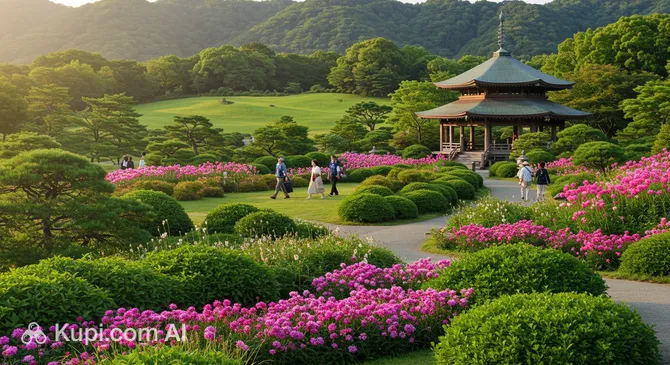
One of the most attractive places for nature lovers is Kagamiyama Park. This vast park is known for its beautiful landscapes, which are especially breathtaking in spring during the cherry blossom season and in autumn when the foliage turns vibrant colors. Here you can walk along well-maintained paths, enjoy panoramic views, and simply relax away from the city bustle. The park is also popular among locals for picnics and family outings.

Kagamiyama Park. Illustration.
Source: Kupi.com AI

Traveler photos:

Another wonderful place for outdoor recreation is Ikoinomori Park. It offers visitors a peaceful atmosphere, perfect for leisurely walks and relaxation. In the park, you can often see families with children and people engaging in sports. It is an excellent place to feel harmony with nature and enjoy the silence away from noisy streets.

Ikoinomori Park. Illustration.
Source: Kupi.com AI

Traveler photos:

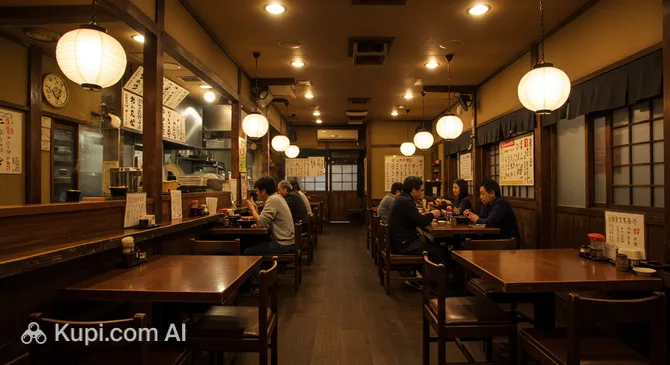
For those who want to get a taste of local gastronomy, a visit to the Aratani Shoten Curry Soup restaurant is a must. This establishment is famous for its signature curry soup, which attracts both locals and tourists. Here you can try a unique dish prepared according to a special recipe and appreciate the hospitality of Japanese cuisine. Visiting this restaurant will be a pleasant culinary discovery.

Curry Soup Aratani Shoten. Illustration.
Source: Kupi.com AI

Traveler photos:

Local Cuisine

Higashihiroshima is a true paradise for connoisseurs of authentic Japanese cuisine, where gastronomic traditions are carefully preserved and complemented by fresh local products. This city offers a unique culinary experience that every traveler will remember.

The main gastronomic pride of Higashihiroshima is undoubtedly sake. The city and its surroundings are famous for numerous sake breweries producing dozens of varieties of this noble drink—from light and fruity to rich and aged. Many of them are open to visitors, offering tours and tastings where you can not only enjoy the exquisite taste but also learn the secrets of the ancient art of sake brewing.

Among the dishes you must try in Higashihiroshima, "Hiroshima-style okonomiyaki" stands out. This is a hearty and appetizing multi-layered pancake containing cabbage, noodles, meat, or seafood, all generously topped with a special sauce. In many restaurants, this dish is prepared right in front of the customers, turning an ordinary dinner into a real culinary show. The region is also famous for its incredibly fresh oysters, which are farmed in coastal waters. They are served in various ways: fried, steamed, in soups, and even paired with sake.

At street markets and in small eateries around the city, you can taste the famous "onigiri" rice balls with a variety of fillings, as well as other seasonal delicacies and fresh seafood. In addition to sake, Japanese green tea is widely consumed among traditional drinks, represented by many varieties. Locals and tourists enjoy food in traditional restaurants as well as in small family-run establishments or busy food courts. If you are looking for something special, look out for Aratani Shoten Curry Soup, known for its unique approach to a popular dish.

The food culture in Higashihiroshima reflects a commitment to quality and fresh ingredients. The city is also known for its gastronomic festivals held in autumn and spring, providing a wonderful opportunity to experience the full diversity of local cuisine, meet producers, and even participate in masterclasses on preparing traditional Japanese dishes.

Travel Tips

Planning a trip to Higashihiroshima? Wonderful! To ensure your journey through this charming city in Japan goes smoothly and leaves only pleasant impressions, we have prepared some practical tips.

  1. Clothing and Useful Items: The climate in Higashihiroshima is temperate, with distinct seasons. In summer (June-August), it is hot and humid, so bring light, breathable clothing. In winter (December-February), it can be chilly, sometimes with snow—warm layers are useful. Spring and autumn are the most comfortable times with moderate temperatures. Be sure to bring comfortable walking shoes, as you will be doing a lot of walking. Don't forget a universal adapter (Japan uses Type A and B sockets, 100V voltage) and a portable power bank. When visiting temples and shrines, there is no specific dress code, but modest clothing covering shoulders and knees is appropriate; also be prepared to remove your shoes when entering many traditional buildings.

  2. Getting Around: The main mode of public transport in Higashihiroshima and its surroundings are JR (Japan Railways) trains, including the Sanyo line. Buses also run through the city, connecting various districts. There is no subway or tram system in the city itself. Taxis are available but can be quite expensive. Ride-hailing apps like JapanTaxi may work but are less common than in major metropolises. Car rental is possible with an international driving permit, but public transport is usually more efficient and convenient for tourists.

  3. Finances and Expenses: The local currency is the Japanese Yen (JPY, ¥). You can exchange money at airports, major banks, or post offices; it's recommended to have some cash on arrival. Credit and debit cards (Visa, Mastercard) are accepted in many hotels, large shops, and restaurants, but Japan is still a country where cash plays a significant role, especially in smaller establishments. International cards work at ATMs in post offices (Japan Post Bank) and 7-Eleven stores (Seven Bank). Tipping is not practiced in Japan and can be perceived as impolite—excellent service is already included in the price. A typical daily budget (excluding accommodation) can range from 7,000 to 15,000 yen.

  4. Health and Safety: Pharmacies (薬 - "kusuri" or "drug store") are easy to find, but staff may not always speak English, and 24-hour pharmacies are rare. If medical assistance is needed, you can visit local hospitals; having travel insurance is highly recommended. Higashihiroshima, like Japan in general, is considered a very safe city with a low crime rate. Follow standard precautions, especially in crowded places. Japan is prone to earthquakes, so it is useful to familiarize yourself with basic safety rules.

  5. Language and Connectivity: The official language is Japanese. English is understood in tourist areas, hotels, and at major train stations, but it is not as common in daily life. Learn a few basic phrases: "Konnichiwa" (Hello), "Arigato gozaimasu" (Thank you), "Sumimasen" (Excuse me/I'm sorry). For connectivity, it's convenient to buy a tourist SIM card (at the airport or electronics stores) or rent a pocket Wi-Fi. Free Wi-Fi is available in some public places and cafes. Useful apps: Google Maps for navigation, HyperDia or Jorudan for train schedules.

  6. Local Etiquette: Japanese people are very polite. Greetings are accompanied by a bow; for foreigners, a slight nod is usually sufficient. In public places, especially on transport, avoid loud phone conversations. Eating and drinking while walking is not common (except at festivals). Show patience in queues. It's important to remember to remove your shoes before entering homes, some temples, traditional restaurants, and ryokans (Japanese-style inns).

  7. What to Avoid: Do not leave tips—it's not accepted. Don't blow your nose loudly in public; if necessary, do it discreetly or in a restroom. Do not stick your chopsticks vertically into rice—this is associated with funeral rituals.

  8. Higashihiroshima Specialty: The city is known as the "city of sake," especially its Saijo district. Many sake breweries are located here, and a walk along Sakagura-dori (Sake Brewery Street) is a must-do item. If your trip coincides with October, try to attend the famous Saijo Sake Festival—it's an unforgettable experience. Many breweries offer tours and tastings year-round.

We hope these tips help you better prepare for your trip and enjoy every moment in Higashihiroshima. We wish you an amazing journey!

Entertainment & Nightlife

Higashihiroshima, known for its sake breweries and university, offers various options for evening and night leisure, albeit at a calmer pace than larger metropolises. Nightlife here is mainly concentrated around the Saijo Station area, where you can find many cozy bars, izakayas (traditional Japanese pubs), and restaurants open until late.

The evening usually begins with dinner at one of the local establishments. For example, you can try something unusual at Aratani Shoten Curry Soup, which offers hearty and aromatic dishes. After dinner, many head to an izakaya to enjoy local sake and light snacks in a relaxed atmosphere. The atmosphere in such places is usually friendly and conducive to conversation, attracting both a local crowd and students.

While there are few large nightclubs in Higashihiroshima, you can find small bars with live music or karaoke where the fun continues until late at night. Most establishments in the Saijo area operate until about midnight or 1:00 AM, especially on weekends. There is usually no specific dress code; a casual style is welcome. Prices in bars and restaurants are generally moderate.

Practical Tips and Safety: The best time to visit bars and restaurants is Friday and Saturday evenings when the city comes alive. You can reach the center of nightlife near Saijo Station by train or bus, but keep in mind that public transport stops running relatively early. At night, taxis become the main mode of transportation. Taxis in Japan are safe and can be hailed on the street or ordered via an app. Higashihiroshima, like most Japanese cities, is a safe place for night walks, especially in busy areas.

During the day, Higashihiroshima also offers interesting leisure options. You can visit local temples and shrines, or stroll through picturesque parks like Kagamiyama Park or Ikoinomori Park, which are particularly beautiful during the cherry blossom season in spring and the colorful foliage in autumn. The city is also famous for its sake breweries, many of which are open for tours and tastings, which can be an excellent daytime activity that flows smoothly into the evening.

Parks & Museums

Higashihiroshima is a city where picturesque green oases for outdoor relaxation harmoniously blend with rich cultural venues that introduce the history and art of the region. Here, everyone will find something to their liking, whether it's a stroll through a blooming park or an immersion into the world of local traditions.

One of the favorite places for relaxation is Kagamiyama Park. It is famous for its stunning views, especially during the cherry blossom season when the mountain slopes are covered in a soft pink carpet. The park offers hiking trails, observation decks, and picnic areas, making it ideal for family outings and enjoying nature.

Kagamiyama Park. Illustration.
Source: Kupi.com AI

Traveler photos:

Another green gem of the city is Ikoinomori Park. This is a wonderful place for those seeking peace and fresh air. Here you can walk along shady alleys, enjoy the silence by the pond, or simply relax on one of the many benches. The park is especially popular among locals for morning jogs and evening walks.

Ikoinomori Park. Illustration.
Source: Kupi.com AI

Traveler photos:

For art lovers, the Higashihiroshima City Art Museum offers an opportunity to get acquainted with the works of both local and Japanese artists, covering various periods and styles. To understand the soul of the city more deeply, it's worth visiting one of the famous sake breweries, such as the Kamotsuru Sake Brewing Company. Many of them have small museums or exhibition halls where you can learn about the history of sake production, traditional technologies, and, of course, taste the famous local drink.

The historical heart of Higashihiroshima is undoubtedly the Saijo Sakagura-dori (Sake Brewery Street) district. A walk down this street, with its characteristic white walls and tall brick chimneys of ancient breweries, transports you to the past. This is not just a tourist attraction, but living history, where some of the best sake in Japan is still produced.

For a more authentic experience, peek into the small local temples scattered throughout the city, or enjoy a quiet walk along the Mitsujogawa River, observing the daily life of the townspeople. Sometimes it is in these non-touristic corners that you can feel the true spirit of Higashihiroshima.

Getting Around

Getting around Higashihiroshima and its surroundings can be done in several ways, and the public transport system is well-developed enough for comfortable travel. The core of the transport system consists of buses and trains.

Buses are the primary mode of public transport for traveling within the city. Various routes connect residential areas, commercial centers, and railway stations. Buses are usually easy to recognize, and stops often have schedules, although they may be primarily in Japanese. It is recommended to plan your route in advance using online maps or apps.

Trains play an important role, especially for connecting with other towns and moving between city districts that are far apart. The key railway station is Saijo Station, served by the JR Sanyo Line. For those arriving on Shinkansen high-speed trains, the nearest station is Higashi-Hiroshima Station, which is located somewhat away from the city center; from there, you can reach central areas by bus or local train.

The fare payment system is fairly standard for the region. The most convenient method is using rechargeable IC cards, such as ICOCA (common in the Chugoku region). These cards can be used on both buses and trains by simply tapping them against the reader when entering and exiting. ICOCA cards can be purchased and topped up at machines in major railway stations. Payment in cash is also possible. In buses, when entering through the back or middle door, you usually need to take a ticket with a zone number (整理券 - seiriken), and when exiting through the front door, pay the driver the amount shown on the display next to your zone number. On trains, single-trip tickets are bought at machines before heading to the platform. Fares depend on the distance. Roughly, a bus ride within the city may cost 170-350 yen, and a short trip on a local train starts from 150 yen and up, depending on the route.

Practical tips for tourists: Purchase train tickets and IC cards at railway stations. For buses, payment is made upon exiting. Public transport usually operates from early morning (around 6:00 AM) until late evening (around 10:00-11:00 PM), but schedules can change, especially on weekends and holidays. It is always useful to have some cash on hand in case IC cards are not accepted or for small purchases.

Among alternative ways of getting around Higashihiroshima, taxis are available. They can be found at stands near railway stations and other busy locations, or called by phone. Taxis are a more expensive option compared to public transport. For exploring compact areas, such as the famous Saijo brewery district, a bicycle can be an excellent option. Bicycle rental possibilities should be checked at local tourist information centers or hotels. Walking is also pleasant in the central parts of the city.

Accommodation

When planning a trip to Higashihiroshima, you will find a variety of accommodation options to satisfy different preferences and budgets. The city offers guests both traditional Japanese inns and modern hotels, as well as more economical choices.

In Higashihiroshima, you can find housing for every taste: from budget guesthouses and hostels, ideal for travelers on a tight budget, to comfortable mid-range hotels offering a good balance of price and quality. Apartment rental options are also available, which can be convenient for families or long stays. Although luxury resorts are not the city's main focus, high-quality hotels offer all the necessary amenities for a pleasant stay.

When choosing a place to stay, it is worth paying attention to areas located near major transport hubs, such as railway stations, which will provide easy access to the attractions of both the city itself and its surroundings. Some hotels may be conveniently located relative to the university campus or industrial zones if your trip is for business purposes. Unfortunately, the provided list of attractions does not include specific hotels as examples.

As for booking, it is recommended to arrange accommodation in advance, especially if your trip falls during peak tourist seasons or during major events. The most common booking methods are popular online platforms and aggregators, as well as direct booking through hotel websites. The price range varies from economy options to more expensive offers, so you can always find something that fits your financial capabilities.

Nearby Cities

For those who want to explore the surroundings, Higashihiroshima serves as an excellent starting point for day trips to several interesting nearby places.

One of the most significant destinations is Hiroshima, located just 27 km away. This city offers the chance to visit the Peace Memorial Park and Museum dedicated to the tragic events of the past, as well as to see the reconstructed Hiroshima Castle and stroll through the beautiful Shukkeien Garden. From Hiroshima, it is also convenient to take a trip to the famous Miyajima Island with its iconic "floating" torii gate.

Maritime history buffs should pay attention to the city of Kure, located about 26 km from Higashihiroshima. Kure's main attractions are the Maritime Museum (also known as the Yamato Museum), which features an impressive model of the battleship Yamato, and the JMSDF Kure Museum (Iron Whale Museum), offering a unique look at the submarine fleet.

Below is a table with some popular destinations for day trips from Higashihiroshima, including their population and distance:

CityPopulationDistance
Takehara23 63118 km
Kaita29 79320 km
Saka12 61123 km
Kure212 15926 km
Hiroshima1 198 02127 km

These nearby destinations allow for a deeper acquaintance with the rich history, culture, and picturesque landscapes of the region surrounding Higashihiroshima.

Shopping & Souvenirs

Higashihiroshima offers tourists pleasant shopping opportunities, even though it is not a major retail hub like Tokyo or Osaka. The city is particularly famous for its sake, so shops specializing in this drink and related goods are its highlight. Here you can find both modern retail outlets and traditional shops offering unique local products.

The main shopping activity is concentrated around major railway stations, such as the JR Saijo station area. Here and in the adjacent shopping arcades (shotengai), you can find a variety of shops—from small family-run businesses to branches of famous Japanese chains. A stroll through these streets will allow you to soak up the local atmosphere and find interesting items.

For those who prefer one-stop shopping, Higashihiroshima has several shopping centers. One notable example is YouMe Town Higashihiroshima. This is a large mall featuring clothing stores, household goods, electronics, a supermarket, as well as a food court and restaurants. It is a convenient place for comprehensive shopping and relaxation.

Although Higashihiroshima does not have large tourist markets like those in metropolises, you can find small local markets where farmers sell fresh seasonal vegetables, fruits, and other products. Sometimes fairs or themed markets are held, especially during festivals, where you can purchase local delicacies and handicrafts.

The main souvenir from Higashihiroshima is undoubtedly sake. The city, especially its Saijo district, is known as one of the leading sake production centers in Japan. Here you can find many varieties from different breweries. Besides sake, it is worth paying attention to ceramics, local sweets (such as manju with sake or other local fillings), and small handicrafts. Items featuring the carp symbol—the mascot of the Hiroshima Toyo Carp baseball team, popular throughout the prefecture—are also sought after.

Most shops in Higashihiroshima operate from approximately 10:00 or 11:00 AM to 7:00 or 8:00 PM. Large shopping centers may have longer operating hours. Regarding payment, credit cards (Visa, Mastercard, JCB, American Express) are widely accepted in shopping centers and many stores. However, in small shops and markets, it is preferable to have cash. Payments using Japanese IC cards (e.g., ICOCA, Suica) are also becoming increasingly common.

For international tourists in Japan, a tax refund system (Tax Free) is available. In Higashihiroshima, many large stores and some specialized shops participate in this program. Look for the "Tax-Free Shop" sign. To process a tax refund, you must make a purchase over a certain amount (usually over 5,000 yen) and present your passport at the checkout or a special Tax Free counter.

Reached the end of the page?

That means the route is fully explored