Support

Tobe

About

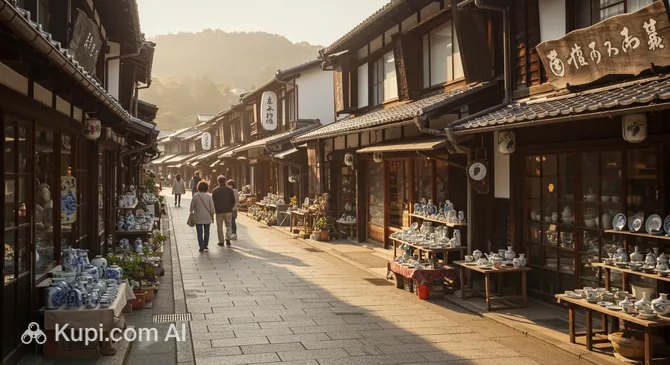
Tobe is a cozy and picturesque town nestled among the green hills and sunny valleys of Shikoku Island. Located in Ehime Prefecture, it offers travelers a chance to see what Japan is really like beyond the bustling metropolises. A mild subtropical climate prevails here, and the landscape is decorated with emerald rice fields, creating an atmosphere of tranquility and harmony.

Tobe. Illustration.
Source: Kupi.com AI

Despite its modest size and population of about 20,000 people, the town plays an important role in the cultural life of the region. The rich history of Tobe is closely intertwined with craft traditions, especially the production of unique ceramics. Local masters carefully preserve the secrets of pottery art, and a walk through the city streets invariably leads to cozy workshops and galleries where you can not only admire the products but often see the process of their creation.

Tobe is an ideal place for those who want to slow down and enjoy the moment. Narrow streets surrounded by greenery and the sincere hospitality of the locals make you feel like part of a close-knit community. This destination is perfect for those seeking authentic experiences and wanting to discover the warm, provincial side of the Land of the Rising Sun without the urban hustle.

Weather Overview

The climate in this region is characterized by distinct seasonality, allowing you to enjoy different types of recreation throughout the year. Summer in Tobe is usually warm: in August, the air warms up to an average of 26.6°C, with maximum values reaching 29.5°C. However, travelers should be prepared for frequent precipitation, especially in July, when up to 20 rainy days are recorded.

Winter here is cool but mild enough for comfortable walks if you dress warmly. In January, the coldest month, night temperatures can drop to 1.6°C. Spring and early autumn bring pleasant warmth: for example, in May and October, average figures hover around 17°C. The current weather in Tobe will help you accurately determine the dates of your trip and the contents of your suitcase.

Average monthly temperature

Average monthly precipitation

Interesting Facts

Помимо всемирно известной керамики, Тобе хранит множество увлекательных секретов и историй, которые открываются лишь самым любознательным путешественникам.
  • "Quarreling" Tableware. Local Tobe-yaki porcelain is so strong and thick-walled that it earned the playful nickname "quarrel-ware" (Kenka-kikai). Legend has it that even if a couple throws such a plate or cup in the heat of a family spat, it won't break. This exceptional durability makes Tobe products popular not only in homes but also in restaurants throughout Japan.

  • History in the Name. The town's name "Tobe" (literally "whetstone department") reveals its ancient purpose. Long before the potter's wheel appeared, this region was famous for mining high-quality whetstones. It was from the waste products of this stone mining that the famous local porcelain began to be produced in the 18th century, turning a byproduct into art.

  • Legendary Bear. Tobe Zoo is home to a real celebrity — a polar bear named Peace. She became the first polar bear in Japan to be successfully hand-reared by humans from birth. The touching story of the friendship between the bear cub and her keeper made the zoo a place of pilgrimage for tourists from all over the country.

  • Flight over the Forest. For thrill-seekers, Tobe has a unique attraction — a zipline connecting the zoo and the Ehime Children's Castle complex. Flying over the lake and forest, you can see the city's picturesque surroundings from a bird's-eye view, which is a rare opportunity for such a quiet and traditional place.

How to Get There

When planning a trip to this craft corner of Ehime Prefecture, it is worth thinking about logistics in advance, as the town is located away from high-speed highways. To choose the best route, we recommend studying all ways to get to the city, considering your location and budget.

Since Tobe is in close proximity to the prefectural capital, the main air gateway for tourists is Matsuyama Airport (MYJ). It is important to note that the airport is not located in Tobe itself, but in the city of Matsuyama, approximately 12 km from your destination. This is a major regional hub with high passenger traffic, receiving flights from Tokyo, Osaka, and other cities, as well as some international flights. The trip by taxi or rental car from the terminal to the Tobe pottery workshops will take about 40 minutes.

Another option could be Hiroshima Airport (HIJ), located in Hiroshima at a distance of about 77 km. Although it is on another island (Honshu), you can get there by combining the trip with a picturesque ferry crossing across the Seto Inland Sea to Matsuyama port. This is an excellent choice for those who want to diversify their journey with sea views.

For clarity, here is summary information on the main airports in the region:

AirportPassenger trafficDistance
Matsuyama Airport3.2 mln12 km
Iwakuni Kintaikyo Airport655 47368 km
Hiroshima Airport2.7 mln77 km
Kochi Ryoma Airport1.6 mln84 km
Oita Airport1.9 mln102 km

Regarding rail connections, it's important to know: there is no train station in Tobe itself. The nearest major railway hub is Matsuyama Station (JR Matsuyama Station) in the neighboring city. Express trains from all over Shikoku Island and from Okayama City (via the Seto Ohashi Bridge) arrive here. Regular Iyo Tetsu buses run from Matsuyama Station to Tobe; travel time is about 40–50 minutes. This is the most popular way to reach the city for those traveling through Japan by train.

Main Attractions

Despite its modest size, this town in Ehime Prefecture offers travelers a diverse itinerary. Tobe's main attractions are closely linked to its unique nature and rich craft traditions, making them interesting for both art lovers and families with children.

Tobe Zoo is perhaps the most famous tourist site in the city and one of the best zoos in Japan. It is designed to follow the natural landscape, allowing animals to feel more comfortable and visitors to observe them from unusual angles. Tourists are attracted by the opportunity to see inhabitants of the savannah and tropics in spacious enclosures, as well as the famous polar bear who has become the symbol of this place. It is an ideal location for a full-day outing, combining educational leisure with fresh air.

Tobe-yaki Traditional Industry Hall is the heart of the city's cultural life. Here, you can not only learn the history of the famous blue and white porcelain that made the region famous but also see valuable historical exhibits. However, the main draw for tourists is the interactivity: visitors are invited to try their hand at pottery or paint their own piece. It's a great chance to create a unique souvenir and touch an ancient craft.

Ehime Children's Castle is a large-scale entertainment complex located on a picturesque hill. The central building, styled after an old European castle, is surrounded by extensive play areas and a park. The place is interesting because it offers activities for children of all ages, from creative workshops inside the castle to mini-train rides across the grounds. The complex is connected to the zoo by an exciting zipline, allowing you to conveniently combine a visit to two main attractions in one trip, adding bright emotions to your itinerary.

Local Cuisine

A culinary journey in Tobe is inextricably linked to the city's main pride — its craft traditions. Local cuisine offers a unique experience where the aesthetics of presentation are just as important as the taste of the dishes. The culinary hallmark here is food served in traditional Tobe-yaki ceramics. Especially good are the thick stews and soups that simmer for a long time in thick-walled ceramic pots, acquiring a rich aroma and a special "homemade" taste.

Thanks to the proximity of the Seto Inland Sea, seafood and fish form the basis of many menus. Local chefs have great respect for seasonality: in spring you'll be offered tender bamboo shoots, in summer — sweet corn and juicy vegetables, and in autumn, dishes with mushrooms and chestnuts appear on the tables. This is a great opportunity to try products exactly at the moment when their flavor reaches its peak.

For those with a sweet tooth, Tobe has its own surprises. At street markets and in small shops, you should look for traditional rice flour sweets and desserts decorated with fruit or even edible flowers. An ideal accompaniment to them is a cup of fragrant green tea, which is brewed here with special skill.

The culture of consuming alcoholic beverages here also has its own flavor. Local sake is served in elegant ceramic cups made by city masters. It is believed that the right vessel reveals the taste of rice wine in a new way. In restaurants, homemade pickles and light snacks are always offered with drinks, creating the atmosphere of a cozy Japanese feast. Tourists are often recommended to visit gastronomic festivals, where you can not only eat delicious food but also get acquainted with the ancient recipes of the region.

Travel Tips

Preparing for a trip to Tobe requires special attention to detail, as it is not a noisy metropolis but a quiet city of masters in the province. To make your acquaintance with the center of pottery art and the picturesque nature of Shikoku Island as comfortable as possible, we have collected several proven recommendations that will help avoid typical difficulties.

  1. Clothing and Footwear. Since Tobe is located in a hilly area, and many pottery workshops are on the slopes, you will definitely need comfortable shoes with flat soles for long walks. In summer (especially in June and July), it is humid and rainy here, so a light raincoat or a folding umbrella are mandatory companions. For visiting temples, choose modest clothing that covers shoulders and knees.
  2. Transportation Matters. There is no train station in the town itself, so public transport is represented only by buses that run on a schedule (which is not always frequent). For complete freedom of movement, especially if you plan to visit remote workshops or Tobe Zoo, it is strongly recommended to rent a car. This will save time and energy.
  3. Cash Money. Although Japan is gradually moving towards cashless payments, in small towns like Tobe, cash yen are still necessary. Many small family pottery shops and local cafes may not accept cards. Withdraw money in advance at post offices (Japan Post) or convenience stores (7-Eleven), as local banks may not work with foreign cards. Tipping is not customary.
  4. Communication and Apps. English is not very well known in rural areas. Be sure to download an offline translator (such as Google Translate or DeepL) and a map of the area to your phone. Free Wi-Fi is available in hotels and some tourist spots, but for stable connection on the street, it is better to rent a pocket router or buy a SIM card upon arrival at a major airport.
  5. Precautions in Shops. Tobe is a city of ceramics. When entering cramped shops and galleries, be extremely careful with backpacks and bulky bags. It is better to wear your bag in front or leave luggage in a storage locker to avoid accidentally hitting fragile items on the shelves. This is not only a matter of politeness but also of financial safety.
  6. Health and Pharmacies. Tobe is a safe city, and you can walk peacefully here even in the evening. However, there are practically no 24-hour pharmacies here. If you take specific medications, bring them with you. Basic first aid supplies can be bought at drugstores, but explaining yourself to a pharmacist without knowing Japanese will be difficult.
  7. What to Avoid. Never enter houses, traditional inns (ryokans), or temple areas where there are tatami mats with your shoes on — this is a serious breach of etiquette. Also, avoid loud conversations on public transport and in the street; local culture highly values silence and respect for the personal space of others.
  8. Hack for Ceramic Buyers. If you plan to buy a lot of Tobe-yaki tableware, don't try to carry it all in your hands. Ask the seller about the possibility of a delivery (shipping service). Many shops are used to sending purchases by mail, sometimes even abroad, or they can reliably pack everything for transport in a suitcase.

By following these simple tips, you can focus on the main thing — enjoying the unique atmosphere of Tobe and its cultural treasures. May your journey be filled with joyful discoveries, friendly encounters, and, of course, beautiful ceramics that will remind you of the trip for many years to come.

Entertainment & Nightlife

Nightlife in Tobe differs significantly from what tourists are used to seeing in Tokyo or Osaka. You won't find neon signs, noisy clubs, or 24-hour discos here. Evenings in this town are a time for relaxation, gastronomic discoveries, and quiet conversation. Local leisure culture centers around traditional Japanese pubs — izakaya, where you can try homemade dishes and local drinks in a cozy, almost family-like atmosphere.

The main evening activity is concentrated along the main roads and in residential quarters where small family restaurants are tucked away. Since Tobe is a city of potters, visiting a local establishment turns into an aesthetic pleasure: sake and snacks will be served to you in exquisite Tobe-yaki tableware. The crowd here is predominantly local, so there is no dress code — the style is casual and comfortable. It's a great chance to see the real, non-tourist life of the Japanese province.

A unique phenomenon for the city's nightlife is the seasonal event at Tobe Zoo. During the summer period (usually in August), the zoo extends its opening hours and hosts a "Night Safari." This is one of the most popular evening entertainments for locals and tourists: in the cool of the twilight, the animals become more active, and the park grounds are illuminated, creating a mysterious atmosphere. If your trip falls in the summer, this place is a must-visit after sunset.

Those looking for more active entertainment, loud music, and bar-hopping should head to the neighboring city of Matsuyama, located just 20-30 minutes away. The Okaido district in Matsuyama is the real center of the region's nightlife, with hundreds of bars, cocktail lounges, and karaoke clubs. Many tourists prefer to dine in quiet Tobe and then head to the prefectural capital to continue the party.

Practical tips for evening walks:

  • Transport: Public transport in Tobe stops running quite early. If you stay late at a bar or plan a trip to Matsuyama, count only on a taxi or a rental car.
  • Daiko: If you arrived by car and consumed alcohol, use the "daiko" service — this is a service where two drivers arrive in a taxi: one drives you in your car, and the second follows behind. Japan has zero tolerance for drinking and driving.
  • Safety: Tobe is an exceptionally safe city. Night walks here pose no threats, but streets can be poorly lit, so be careful on the roads.
  • Payment: Small evening establishments often only accept cash, so take care of withdrawing money in advance.

By day, Tobe offers a completely different rhythm of life, filled with creativity. Tourists visit pottery workshops, walk through picturesque parks, and explore exhibitions in ceramic museums. The contrast between the rich cultural program during the day and the peaceful silence in the evening makes this city an ideal place for a "reset."

Parks & Museums

The cultural landscape and green zones of Tobe offer travelers a harmonious blend of art and nature. The town is designed such that a walk through its parks often turns into a tour of an open-air museum, where picturesque hills serve as backdrops for works by local masters.

One of the most scenic walking areas is the Pottery Path (Yakimono-no-michi). This route, passing through quiet streets and green slopes, is literally paved with the city's history. Ceramic tiles and sculptures are installed along the road, and the trail itself leads past old workshops surrounded by gardens. This is an ideal place for a leisurely promenade where you can enjoy the fresh air and see how natural stone and clay are transformed into art.

For lovers of grand landscapes, the park area around the Tobe Reservoir is of interest. Here, away from urban development, magnificent views of the water surface and forested mountains open up. The area is equipped with observation decks and picnic spots. In spring, the shores are colored pink thanks to cherry blossoms, and in autumn, the slopes are covered in the crimson of maple leaves, attracting photographers and connoisseurs of the Japanese "momiji" aesthetic.

Among the museum spaces, the Sakamura Shinmin Memorial Museum deserves special attention. This intimate and soulful museum is dedicated to the life and work of the famous Buddhist poet who lived in Tobe. The exhibition includes his calligraphy works and manuscripts. Visitors note the special meditative atmosphere of this place, which allows for a deeper understanding of the region's spiritual culture and the philosophy behind the external simplicity of local life.

While the Traditional Industry Hall is the main exhibition center, the Tobe Pottery Creation Center should not be overlooked. Unlike a classic museum, this space is oriented toward demonstrating the living process. Works by contemporary, young authors who are reimagining ancient traditions are often exhibited here. The gallery at the center allows you to see the evolution of the Tobe-yaki style from utilitarian tableware to complex art objects.

In terms of architectural heritage, the surviving Noborigama kilns (climbing kilns) are a real treasure. These massive brick structures, built on the hillsides, look like part of the natural landscape. Previously used for mass firing of ceramics, today they serve as monuments to the city's industrial history, recalling times when smoke from the kilns was a symbol of the region's prosperity.

Insider tip: Be sure to find the small shrine with ceramic torii gates. Unlike traditional wooden or stone gates, these sacred arches are made of local blue and white porcelain. This rare and surprisingly beautiful sight is hidden in one of the residential neighborhoods and rarely makes it into standard guidebooks, but it is exactly what best illustrates the soul of Tobe.

Getting Around

The public transport system in Tobe has its own characteristics, shaped by its geographical location and city size. Since there is no railway station here, the main link to the outside world and neighboring regions is the bus. The main operator is the Iyotetsu company, recognizable by the bright orange color of its vehicles. The bus network connects key points of the city, such as Tobe Zoo and the Pottery Center, with a major transport hub in the neighboring city of Matsuyama.

For tourists using local buses for the first time, it's important to know the boarding and payment rules, which differ from those in the capital. Entry is through the back door. Immediately upon entering, you must take a small paper ticket (seiriken) from a machine. It will have a zone number printed on it where you boarded. Above the driver, there is an electronic display: find the number from your ticket, and the current fare, which increases as you move, will be indicated below it. Payment is made upon exit through the front door next to the driver.

Fare payment is most often made in cash. It's important to have small coins with you, as the driver does not give change manually. However, there is always a change machine next to the coin slot that changes 1,000-yen bills and 500-yen coins into small change. A local transport card, the IC-e-card, is used in the region, but popular national cards (such as Suica or Pasmo) may not work on all local routes, so having cash is the most reliable solution.

Given the hilly terrain and the scattered nature of the attractions (pottery workshops can be a considerable distance from each other), the most comfortable option for travelers is to rent a car. This gives freedom of movement and allows you not to depend on bus schedules, which can run at intervals of 30–60 minutes. Car rental points are available near the station and airport in neighboring Matsuyama.

Alternatively, you can use taxi services, which are easy to find at major tourist sites or call by phone through a hotel. This is convenient for short trips, for example, from the zoo to the porcelain museum, but for long journeys, it can be expensive. Bicycle rental in Tobe is rare and suitable only for physically fit tourists prepared for frequent climbs and descents on picturesque but steep roads.

Accommodation

When planning a stay in Tobe, it is important to consider the intimate character of this craft town. You won't find the standard high-rise chain hotels common in large tourist centers here. The hotel stock consists of small, cozy establishments that allow for a deeper immersion into the atmosphere of the Japanese province. Travelers have access primarily to traditional inns (ryokans) and family pensions (minshuku), where the emphasis is on personal attention to the guest and authenticity of lifestyle.

From a geographical perspective, the choice of neighborhood depends on your goals. Those who want to devote maximum time to studying pottery and enjoy the quiet of the evenings surrounded by nature stay directly within the Tobe city limits. However, given the proximity of the prefectural capital, many travelers prefer to base themselves in the neighboring city of Matsuyama (especially in the famous Dogo Onsen hot spring area) and come to Tobe for the day. This is a convenient option if you want to combine a rich excursion program with the developed infrastructure of a large city.

For those who still decide to stay in Tobe itself, the town can offer a unique experience of staying in resort hotels located in picturesque spots by the water or in the forest. Such places often specialize in haute cuisine and offer guests luxurious dinners served on local porcelain, as well as their own spa areas with hot springs. This is an ideal choice for a romantic weekend or a peaceful retreat away from the hustle and bustle.

As for booking, the "earlier the better" rule applies here. Since the number of accommodations in Tobe is limited, finding a free room during pottery festivals (spring and autumn) or national holidays can be difficult. It is recommended to look for housing at least 2-3 months before your trip.

The price range varies from medium to high. There are practically no budget hostels in the European sense here. The cost of a night in a ryokan usually includes a traditional dinner and breakfast, which significantly affects the price, moving it into the above-average category. Popular places can be booked through major international online platforms, but some small family hotels may not have an English interface on their websites, so sometimes the help of travel agents or the use of Japanese booking services is required.

Nearby Cities

For those who want to explore the surroundings, Tobe serves as an excellent starting point for day trips to several interesting nearby locations. Thanks to the compactness of the region, travelers can easily change scenery, moving from the quiet town of potters to lively historical centers or the seaside.

The undisputed leader for a short visit is Matsuyama, located just 10 kilometers away. It is the prefectural capital and the cultural heart of the region. Here you'll find a famous castle, one of twelve surviving original castles in the country, and the legendary Dogo Onsen — Japan's oldest hot spring, which has inspired many artists. A trip here allows you to combine historical exploration with a relaxing soak in thermal waters.

Another interesting destination is Imabari, known as a shipbuilding city and the capital of Japanese towel production. Here you can visit the unique Towel Museum, which feels more like an art gallery. In addition, Imabari serves as the gateway to the picturesque Shimanami Kaido route — a system of bridges connecting the islands of the Seto Inland Sea, making the city incredibly attractive for lovers of sea views and cycling.

Nature lovers should pay attention to Saijo, often called the "city of water" due to the abundance of pure natural "uchinuki" springs bubbling right out of the ground. The city is located at the foot of Mount Ishizuchi — the highest peak in western Japan — which opens up magnificent opportunities for hiking and enjoying mountain panoramas.

CityPopulationDistance
Iyo34 9278 km
Masaki39 6819 km
Toon34 1959 km
Matsuyama506 74310 km
Uchiko15 19127 km

These nearby destinations provide a sense of the diverse culture and landscapes of the region, harmoniously complementing the experience of visiting Tobe.

Shopping & Souvenirs

Shopping in Tobe is not a hunt for global brands or fashionable clothing, but a fascinating immersion into the world of traditional crafts. The town cannot boast of huge shopping malls, but it offers something more valuable: the opportunity to purchase unique handmade items directly from their creators. For tourists, the shopping process here turns into a real cultural expedition through workshops and galleries, where every item preserves the warmth of the master's hands.

The city's main shopping artery for travelers is the area known as the Pottery Path. Here, among the picturesque hills, many family-run pottery workshops are concentrated. Walking along these streets, you can enter small shops attached to the studios, where the famous Tobe-yaki porcelain is sold. This is the best way to find exclusive items that do not go into mass sale and to personally interact with the artisans.

If you have little time to go around individual workshops, the ideal place for shopping is the Tobe-yaki Traditional Industry Hall. This is a kind of specialized shopping center where products from dozens of different kilns in the region are gathered under one roof. The selection is huge: from inexpensive chopsticks and miniature cups to massive vases and artistic panels. It is the most convenient point for choosing gifts for every taste and budget.

Lovers of gastronomic souvenirs and local flavor should check out the market at the road station Michi-no-Eki Tobe. Fresh farm products, seasonal fruits, and vegetables grown in Ehime Prefecture are sold here. Particular attention should be paid to the stalls with products from local artisans, who often exhibit their work here at very reasonable prices.

The choice of souvenirs in Tobe is obvious — it is, first and foremost, ceramics. Look for classic items: thick-walled bowls, plates, and mugs with signature indigo patterns on a white background. They are famous for their durability and practicality in everyday life. In addition to tableware, excellent gifts would be products made from local citrus fruits (juices, jams, jellies), which the region is famous for, as well as traditional Japanese sweets packaged in beautiful boxes.

Shops and galleries in Tobe usually operate from 9:00 or 10:00 to 17:00 or 18:00. In small private shops, the schedule may be flexible, and days off often fall on Tuesdays or Wednesdays. As for payment, major centers (such as the Industry Hall) and souvenir shops accept credit cards without problems. However, in small family workshops and at markets, it is preferable to have cash yen with you, as terminals are not available everywhere.

The Tax Free system (tax refund) is available in a limited number of places. Most likely, you will be able to arrange it only in large tourist complexes or souvenir centers when making a purchase of a certain amount (usually from 5,000 yen without tax). In small private studios, this service is generally not provided, so check for a "Tax Free Shop" sticker at the entrance or checkout before purchasing.
Reached the end of the page?

That means the route is fully explored