Support

Kure

About

Kure is a cozy coastal city nestled in the southwest of Honshu island within Hiroshima Prefecture. Its picturesque bay, framed by verdant hills and opening onto the tranquil waters of the Seto Inland Sea, creates a unique atmosphere of maritime charm and unhurried rhythm. The city is conveniently located just a 30-minute train ride from Hiroshima, making it an excellent destination for day trips or longer stays while exploring the region.
Kure. Illustration.
Source: Kupi.com AI

With a population of approximately 212,000 people, Kure successfully blends the features of a major city with the heart of a provincial town. It is an important industrial and port hub in Japan, where life has bustled since ancient times, yet it lacks the frenetic pace of a capital. Kure plays a significant role in the region's economy and culture, and its port remains one of the largest in the country.

The main allure of Kure lies in its unique maritime history and engineering heritage. Guests can look forward to world-class museums dedicated to shipbuilding and naval affairs, such as the famous Yamato Museum. Scenic waterfronts, charming streets, and the chance to touch upon maritime romance make the city especially attractive to those interested in history and technology.

Kure is ideal for those who want to see a different side of Japan, feel the breath of its maritime history, enjoy the tranquility, and discover lesser-known but very soulful corners of the country. This is a place where Japanese tradition, engineering genius, and the beauty of coastal landscapes harmonize, leaving travelers with the warmest memories.

You can find more interesting facts on the history of Kure page.
Weather Overview

The weather in Kure is characterized by noticeable seasonal changes. Summer, especially in July and August, is warm here, with average temperatures reaching 25-27°C and maximum values around 28-30°C. The summer months also see the highest amount of precipitation, particularly in July, which can have up to 18 rainy days. Winters, from December to February, are quite cool, with average temperatures around 5-7°C and minimums dropping to 2-4°C. The winter months are generally drier, with less precipitation.

Spring and autumn are transitional seasons with moderate temperatures. Expect a warm summer with occasional rain and cool, relatively dry winters. For more detailed information, you can check the detailed forecast: Kure climate.

Average monthly temperature

Average monthly precipitation

Interesting Facts

Beyond its well-known maritime attractions, the city of Kure hides many curious details and stories that not everyone knows. Here are just a few of them:

Karasukojima Alley. Illustration.
Source: Kupi.com AI

Traveler photos:

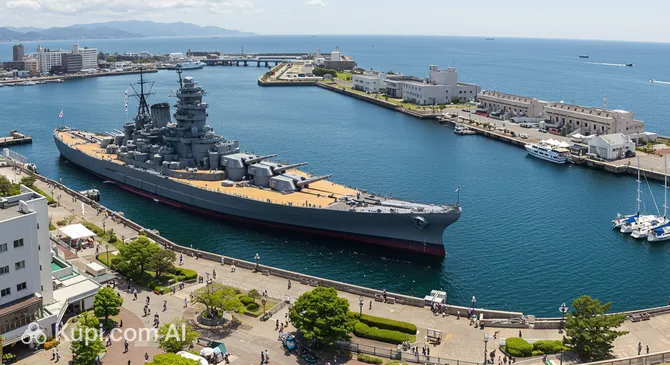
  • Kure is the birthplace of the legendary battleship Yamato, the largest and most heavily armed warship of its time. This giant, which became a symbol of Japanese engineering prowess, was built right here in local shipyards. Today, it is commemorated by the famous Yamato Museum, where an impressive model of the ship is on display.

  • The city rightfully prides itself on its status as one of Japan's largest naval bases. The city's main museums—the JMSDF Kure Museum and the aforementioned Yamato Museum—are closely linked to this heritage. Located literally across the street from each other, these two museums are considered a true mecca for fans of maritime history and technology.

  • In Kure, you won't find ancient temples or ultra-modern skyscrapers; however, the city is permeated with a special spirit of engineering creativity and innovation. Kure has repeatedly served as a platform for implementing cutting-edge technical solutions, and its residents take pride in their traditions of craftsmanship and artistry.

  • Kure regularly comes to life with numerous festivals dedicated to the sea and shipbuilding. These colorful celebrations are a great opportunity to see vibrant processions, try a variety of seafood dishes, and participate in traditional festivities passed down through generations.

How to Get There

Reaching the city of Kure, located in Hiroshima Prefecture, is possible in several ways, with the most popular being flights followed by ground transfers, as well as rail connections.

While Kure doesn't have its own major airport, travelers can use several airports in the region. One of the most convenient options is Hiroshima Airport (HIJ), located in Hiroshima city about 38.6 km from Kure. It is a large airport serving both domestic and some international flights. A taxi or bus ride from the airport to Kure takes about 1 hour and 20 minutes. Another option is Iwakuni Kintai-kyo Airport (IWK), situated in Iwakuni city, approximately 32.6 km from Kure. This is a mid-sized airport, and the journey to central Kure takes about 1 hour and 10 minutes. You can also consider Matsuyama Airport (MYJ) in Matsuyama city, which is a major transport hub. It is located further away, about 48.4 km from Kure (across the strait, which may involve a ferry or a detour), and the journey from there takes roughly 1 hour and 35 minutes, not including possible ferry wait times.

For clarity, here is a summary of the main airports:

AirportPassenger trafficDistance
Iwakuni Kintaikyo Airport655 47333 km
Hiroshima Airport2.7 mln39 km
Matsuyama Airport3.2 mln48 km
Hagi-Iwami Airport109 60486 km
Oita Airport1.9 mln115 km

Kure has good rail connections within the Japanese railway network, especially with nearby major cities like Hiroshima, from where Kure is easily accessible by local trains. If you are arriving from more distant regions of Japan, you will likely take the Shinkansen high-speed train to Hiroshima and then transfer. Among the large but significantly distant rail hubs is Fukai station, located in Sakai city, about 271.4 km from Kure. This is a major station, but traveling from there to Kure requires significant time and several transfers, most likely including a Shinkansen to the Hiroshima region.

For general information, here is data on some railway stations (note their distance from Kure):

StationPassenger trafficDistance
Sønderborg Station243 km

Travelers are advised to plan their route in advance, taking train and bus schedules into account, especially if transfers are involved.

Main Attractions

The city of Kure, with its rich maritime history, offers tourists several fascinating places to visit. Here, you can touch the past, enjoy beautiful views, and get acquainted with the local culture.

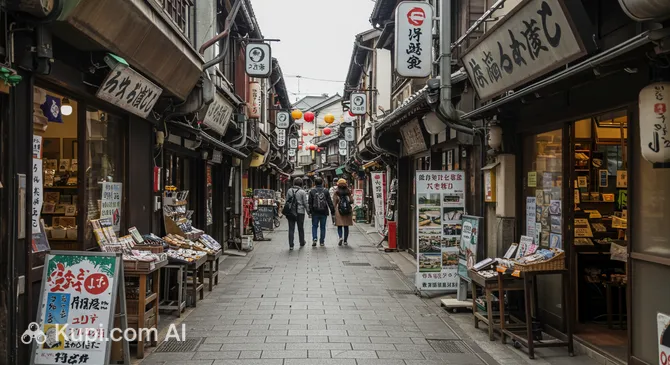
One of the iconic landmarks is Karasukojima Alley. This picturesque waterfront, passing by old brick warehouses and moored ships, allows you to feel the atmosphere of an old naval port. The alley is perfect for leisurely strolls and offers excellent angles for photography, especially for those interested in maritime themes and history.

Karasukojima Alley. Illustration.
Source: Kupi.com AI

Traveler photos:

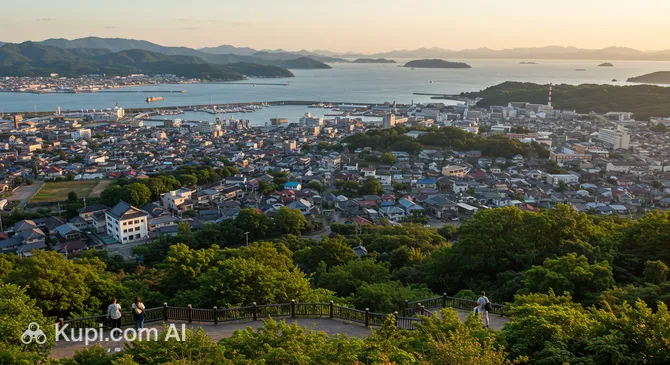
To see the city and its surroundings from above, it's worth climbing the Historical District Lookout. This observation point offers impressive panoramic views of Kure Port, former naval shipyards, and city quarters. This spot is particularly popular among photographers and those who want to appreciate the scale of the city and its close connection to the sea.

Hill Overlooking Historic Areas. Illustration.
Source: Kupi.com AI

Traveler photos:

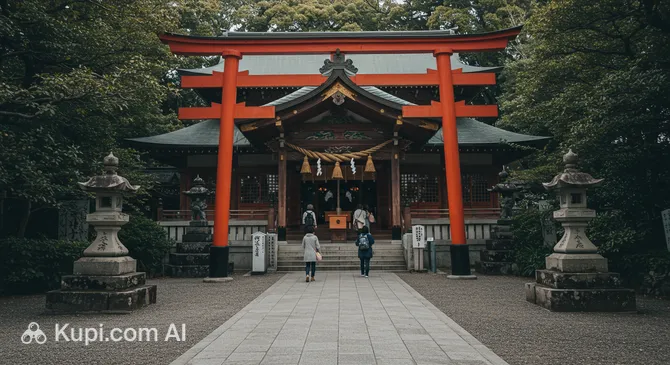
For a look into the spiritual side of Japan, visit Kameyama Shrine. This revered Shinto shrine, located on a hill, offers not only the chance to experience local traditions and religious rites but also to enjoy a peaceful atmosphere and beautiful views. A walk through the shrine grounds is a pleasant and enlightening experience.

Kameyama Shrine. Illustration.
Source: Kupi.com AI

Traveler photos:

Local Cuisine

Kure is a true paradise for connoisseurs of Japanese cuisine, especially if you love fresh seafood. Thanks to its location on the shores of the Seto Inland Sea, the city is famous for its abundance of marine delicacies, which form the basis of many local dishes. Kure's gastronomic scene offers a unique blend of traditional recipes and modern culinary trends, where the main focus is always on the quality and freshness of ingredients.

Be sure to try the local oysters, scallops, and squid, caught right off the coast. For more adventurous gourmets, Kure offers delicacies such as octopus dishes and the famous fugu (pufferfish), the preparation of which is entrusted only to experienced masters. A signature of the region is "Kure-karei" (Kure curry)—a fragrant and spicy seafood curry that will warm you with its rich flavor. Don't overlook traditional Japanese soups with seaweed and tofu, as well as simple yet incredibly tasty onigiri rice balls filled with local fish.

The dining culture in Kure is diverse: you can find cozy restaurants offering exquisite dishes as well as small, authentic eateries serving simple and hearty food. Be sure to visit the local street markets and small shops where you can try various snacks: fried fish cakes, dried squid, and all kinds of sushi rolls with seasonal fillings. The city is also known for its gastronomic festivals, during which you can fully enjoy the culinary diversity of the region and get acquainted with local traditions.

Among the drinks worth trying in Kure, the local sake stands out, perfectly complementing seafood dishes. On a hot day, fruit lemonades made from local citrus fruits are refreshing. At the city's farmers' markets, you will find not only fresh vegetables and fruits, such as sweet mandarins, but also original Japanese sweets that will make excellent gastronomic souvenirs of your trip.

Travel Tips

Planning a trip to Kure? Wonderful! To ensure your journey through this interesting port city in Japan goes smoothly and leaves only pleasant impressions, we have prepared some practical tips.

  1. Seasonal clothing and items: The climate in Kure is humid subtropical. In summer (June–August), it is hot and humid, so bring light, breathable clothing. Spring (March–May) and autumn (September–November) are the ideal times to visit with comfortable temperatures; light jackets and sweaters will be suitable. Winter (December–February) is mild, but it can be chilly, especially in the evenings, so warm clothes won't hurt. Be sure to bring comfortable walking shoes, as the city is great for exploring on foot. Don't forget an adapter for electrical appliances (in Japan, Type A and B sockets are used, and the voltage is 100V). When visiting temples and shrines, choose modest clothing that covers your shoulders and knees.
  2. Moving around the city: Kure has a well-developed public transport system, including buses and the Hiroshima Electric Railway (Hiroden) trams, which connect the main areas of the city. Taxis are available but can be more expensive. Renting a car can be useful if you plan to explore the surroundings of Hiroshima Prefecture, but for moving within the city itself, it is not always necessary. Consider purchasing a Japan Rail Pass if your trip includes other cities in Japan.
  3. Financial matters: The local currency is the Japanese yen (JPY). You can exchange currency at airports, banks, or specialized exchange offices. Credit cards (Visa, Mastercard) are accepted in many hotels, restaurants, and large shops, but it is always useful to have some cash on hand, especially for smaller establishments and markets. ATMs that accept international cards can be found in post offices (Japan Post Bank) and 7-Eleven stores. Tipping in Japan, including Kure, is not customary and may be perceived as impolite.
  4. Health and safety: Pharmacies (look for the 薬 - "kusuri" sign) are easy to find, but not all are open 24/7. It is recommended to have a basic set of medicines with you. Before your trip, take out travel medical insurance. Kure, like most cities in Japan, is considered a very safe city. However, standard precautions, such as looking after your personal belongings, are always relevant.
  5. Language and connectivity: The official language is Japanese. In tourist spots and hotels, staff may speak English, but overall, the level of English proficiency among the population is not very high. Learn a few basic phrases in Japanese: "konnichiwa" (hello), "arigato" (thank you), "sumimasen" (excuse me/sorry). You can purchase a local SIM card or rent a pocket Wi-Fi router at the airport or in large electronics stores. Free Wi-Fi is available in some hotels, cafes, and public places.
  6. Local etiquette: The Japanese are very polite. Greeting with a bow is common. In public places, especially on transport, try not to talk loudly on the phone. When entering some temples, traditional restaurants, and private homes, it is customary to remove your shoes. Maintaining silence and order is highly valued.
  7. Things to avoid: Do not stick your chopsticks vertically into your rice—this is associated with funeral rituals. Also, try not to eat while walking on the street unless it's in a specially designated area (e.g., food festivals). Loud conversations and laughter in public places can be perceived negatively.
  8. Unique feature of Kure: Kure has a rich naval history. Be sure to visit the Yamato Museum, dedicated to the famous battleship, and the JMSDF Kure Museum with a real submarine. These places will give you a unique insight into the city's past and present.

We hope these tips help you better prepare for your trip and enjoy every moment of your stay in Kure. We wish you an unforgettable journey!

Entertainment & Nightlife

Known for its rich maritime history, the city of Kure offers guests a chance to experience a quieter yet authentic Japanese nightlife that differs from the bustling metropolises. Evenings here are perfect for relaxed leisure and socializing in traditional establishments.

The main evening and nighttime activity in Kure is concentrated around the central streets and near the railway station. Here, you will find many traditional Japanese pubs—izakayas—as well as small bars where you can try local drinks like sake and shochu accompanied by various snacks. Instead of large night clubs with loud music, Kure offers a more intimate and cozy atmosphere. Many establishments specialize in fresh seafood, which is no surprise for a port city.

The evening atmosphere in Kure is usually relaxed and friendly. The crowd is mostly local, allowing for a deeper immersion into the daily life of the Japanese people. Most bars and izakayas are open until midnight or 1:00 AM, especially on weekends. There is generally no strict dress code; a neat casual style is welcomed. To catch the liveliest atmosphere, it’s best to arrive after 7:00–8:00 PM. Prices in Kure tend to be more moderate compared to Tokyo or Osaka.

Regarding transportation, public transit usually stops running before midnight. Therefore, taxis become the primary option for getting around late at night. It is recommended to have your hotel address written in Japanese. Kure, like most cities in Japan, is considered very safe even at night. However, standard precautions, such as keeping an eye on personal belongings, are always a good idea.

While Kure's nightlife has its own character, the city also offers plenty to do during the day. History and culture buffs can visit various museums dedicated to maritime affairs and regional history. For walks and outdoor relaxation, Karasukojima Alley is perfect, offering scenic views. It’s also worth climbing the Historical District Lookout to enjoy the city panorama or visiting the quiet and peaceful Kameyama Shrine to learn about local religious traditions.

Karasukojima Alley. Illustration.
Source: Kupi.com AI

Traveler photos:

Thus, Kure offers a balanced holiday: by day, you can explore its rich heritage and beautiful natural spots, and by evening, enjoy the calm and authentic atmosphere of local bars and restaurants.

Parks & Museums

Kure, a city with a rich maritime history and a picturesque location on the shores of the Seto Inland Sea, offers its guests a harmonious blend of natural beauty and cultural heritage. Here, you can stroll through well-kept green areas, enjoy panoramic views, and immerse yourself in the fascinating world of museums that tell the story of the city and the country.

Among the places where you can relax in nature and enjoy the views, Karasukojima Alley stands out. This scenic alley, presumably connected to the history of the old naval port, is a wonderful place for leisurely walks and contemplating the coastal landscapes. Another magnet for lovers of beautiful panoramas is the Historical District Lookout, which offers breathtaking views of the city, its port facilities, and the surrounding islands. It's a great spot to take memorable photos and feel the scale of Kure.

Karasukojima Alley. Illustration.
Source: Kupi.com AI

Traveler photos:

Kure is famous for its museums dedicated to maritime themes. The main one, without a doubt, is the Kure Maritime Museum (Yamato Museum). Here, visitors can see an impressive 1:10 scale model of the battleship "Yamato" and learn many interesting things about the history of shipbuilding and the Japanese Navy. Equally interesting is the JMSDF Kure Museum, also known as the "Iron Whale" because of the huge real submarine displayed at the entrance, which visitors can actually enter. Both museums offer a deep dive into the region's maritime history and will be interesting for both adults and children.

Hill Overlooking Historic Areas. Illustration.
Source: Kupi.com AI

Traveler photos:

For those interested in traditional Japanese culture and seeking tranquility, Kameyama Shrine is a must-visit. This is a quiet and beautiful place where you can learn about Shinto traditions, admire the architecture, and enjoy a peaceful atmosphere away from the city bustle. The shrine is an important spiritual center for locals and allows you to touch upon Japanese culture.

Kameyama Shrine. Illustration.
Source: Kupi.com AI

Traveler photos:

To feel the atmosphere of Kure more deeply, stop by the local markets where you can try fresh seafood. Also, don't miss the chance to taste the famous "Kaigun Curry"—a dish inherited from the navy that has become a true culinary trademark of the city. These small details will make your trip even more authentic and memorable.

Getting Around

When planning your moves around the city of Kure, you will find that the public transport system here is quite convenient, although it has its own characteristics typical of Japanese cities of this size. The backbone of the transport network consists of buses and local trains, as well as taxis and ferries for certain routes.

Buses are the main type of public transport for moving directly within the city limits of Kure and its surroundings. Various routes connect key areas, attractions, and railway stations. Fares are usually paid when exiting the bus. You can use cash (it is advisable to have small change, as change might not be given or the exchange machine might not accept all bills) or transport IC cards such as ICOCA, Suica, or Pasmo, which are widely used in Japan. The fare depends on the distance. When entering the bus (usually through the rear door), you take a ticket with the stop number, or tap your IC card on the reader. When exiting (through the front door), you drop the ticket and the exact amount into the fare box next to the driver or tap your IC card again.

Trains operated by JR (Japan Railways) play an important role for connecting with other cities like Hiroshima, as well as for moving between certain areas of Kure if they are along railway lines, such as the JR Kure Line. Train tickets can be purchased at machines at stations or at ticket offices. IC cards are also accepted.

Payment system and passes: As mentioned, the most convenient way to pay is using prepaid IC cards. They can be bought and topped up at machines at major railway stations. There may not be specific tourist passes just for Kure, but the IC card itself serves as a universal "pass." The estimated cost of a single bus trip around the city starts from 170-200 yen and increases depending on the distance.

Practical tips for tourists:

  • Purchase an IC card (e.g., ICOCA) upon arrival in Japan at one of the major stations—this will significantly simplify paying for travel.
  • Bus and train schedules are usually strictly observed. They can be found at stops and stations, or you can use online route planners (e.g., Google Maps or HyperDia for trains).
  • Transport operating hours: most routes actively run from approximately 6:00–7:00 AM to 10:00–11:00 PM. Frequency decreases or service stops at night.
  • Pay attention to bus route numbers and directions of travel. Stop names are often duplicated in English, especially on tourist routes.

Alternative modes of transport:

  • Taxis: Available throughout the city, especially at stations and tourist sites. This is a more expensive option but convenient for short trips or when you have luggage. Payment is by meter.
  • Ferries: Given Kure's coastal location and its history as a port city, ferries are an important means of transport for connecting with nearby islands in the Seto Inland Sea and other port cities, such as Matsuyama on Shikoku island. This can be not only a way to get around but also an interesting experience. Information on routes and schedules can be found at the port of Kure.
  • Bicycle rental: In some areas, bike rentals may be available, which is a great way to explore the waterfronts and parks in good weather.

Overall, the transport system in Kure allows you to move quite comfortably around the city and its surroundings. Using IC cards and planning routes in advance will make your trips smoother and more pleasant.

Accommodation

In Kure, travelers will find a variety of accommodation options to suit different preferences and budgets. There are economical choices, more comfortable hotels, and traditional Japanese ryokans that offer a unique cultural experience.

The choice of lodging in Kure is quite broad: from budget guest houses and hostels, ideal for cost-conscious tourists, to mid-range hotels offering a good balance of price and quality. More comfortable options are also available for those seeking a higher level of service. While specific world-famous hotel chains may not be as widely represented as in major metropolises, the city offers high-quality local hotels. When choosing a place to stay, it's worth looking at areas close to Kure Railway Station or the main attractions, which will ensure easy movement around the city and its surroundings.

The price range for accommodation in Kure varies from budget to mid-range and above, depending on the type and level of the chosen lodging. It is recommended to book accommodation in advance, especially if your trip coincides with the peak tourist season or local festivals. The most popular booking methods are international online platforms like Booking.com or Agoda, as well as direct booking through hotel websites.

Nearby Cities

For those looking to explore the surrounding area, Kure serves as an excellent starting point for day trips to several interesting nearby locations:

CityPopulationDistance
Saka12 61111 km
Etajima21 55713 km
Kaita29 79314 km
Hiroshima1 198 02118 km
Miyajima35 66524 km

These nearby destinations offer a glimpse into the diverse culture and landscapes of the region. Each trip promises new discoveries, whether it's the historical sights of Hiroshima, the charm of Matsuyama, or the scenic views on the way to Imabari. Planning such excursions will allow you to get better acquainted with Hiroshima Prefecture and its environs.

Shopping & Souvenirs

Kure, being a city with a rich maritime history, offers tourists shopping opportunities focused more on local goods and daily necessities than on luxury brands. Here you will find unique souvenirs reflecting the spirit of the city, as well as high-quality Japanese goods. Shopping in Kure is a chance to immerse yourself in the local atmosphere and find something special to remember your trip to Japan.

Main shopping areas in Kure, as in many Japanese cities, are often concentrated around the railway station and on central streets. Look for traditional shopping arcades known as "shotengai," where small family-owned shops, local food stalls, and cafes are located. Walking along such streets will allow you to experience the daily life of the city and find interesting items.

Although Kure is not famous for giant malls, you can find department stores or small shopping centers offering an assortment of clothing, cosmetics, household goods, and electronics. These centers are usually located in busy areas of the city or near major transport hubs. They offer a more modern shopping experience and can be convenient for finding a variety of goods in one place.

If you are interested in fresh produce and local delicacies, pay attention to the city markets. In Kure, as a port city, fish markets or markets selling fresh vegetables, fruits, and other local specialties can be very interesting. Visiting such a market is not only an opportunity to buy fresh food but also a great way to get acquainted with the local gastronomic culture.

As a memento of your trip to Kure, it’s worth bringing back souvenirs related to the maritime theme of the city and the Hiroshima region. These could be ship models, local crafts, ceramics, or textiles with traditional patterns. Local sweets and food products, such as sake from Hiroshima Prefecture or seafood snacks, are also popular. Don't forget to check the souvenir shops at tourist sites.

Most shops in Kure are typically open from 10:00 or 11:00 AM until 7:00 or 8:00 PM. Department stores may stay open a bit longer, while small private shops may have their own schedule and a day off (often Wednesday or Thursday). Regarding payment, cash is still widely used, especially in small shops and markets. However, credit cards (Visa, Mastercard) are accepted in most department stores, large shops, and tourist spots. Electronic payments using IC cards are also becoming increasingly common.

For foreign tourists in Japan, there is a tax refund system (Tax Free). If you make purchases of a certain amount in shops with the appropriate license (look for the "Tax-Free Shop" sign), you can apply for a consumer tax refund. For this, you will need your passport. Usually, the procedure takes place directly in the shop when paying for the goods.

Reached the end of the page?

That means the route is fully explored