Support

Hatsukaichi

About

Hatsukaichi is a picturesque city located in Hiroshima Prefecture, Japan, just 20 kilometers west of Hiroshima City, on the shores of the Seto Inland Sea. This city serves as a true gateway to the world of Japanese traditions and natural beauty, offering guests a unique blend of cultural heritage and scenic landscapes within a peaceful and welcoming atmosphere.

Stretching across an area of nearly 490 square kilometers, Hatsukaichi has 114,699 residents. Its unique location allows visitors to enjoy both the charm of a seaside town and majestic mountain scenery. Hatsukaichi is particularly famous for its proximity to one of Japan's most celebrated islands—Miyajima, which is administratively part of the city.
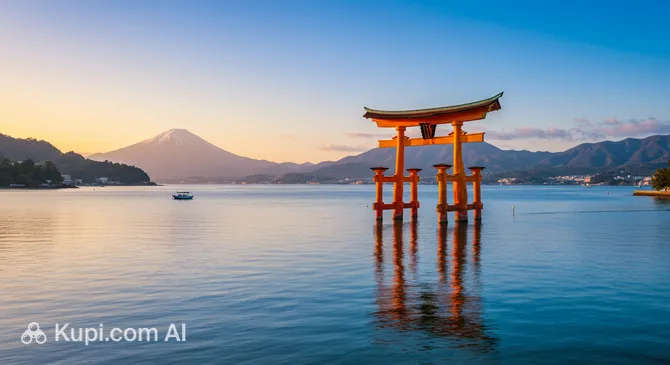
Hatsukaichi. Illustration.
Source: Kupi.com AI

The main gem drawing tourists from all over the world is Miyajima Island (also known as Itsukushima), featuring the famous "floating" torii gate of the Itsukushima Shrine, a UNESCO World Heritage site. Beyond this, Hatsukaichi offers access to other ancient temples and shrines, as well as opportunities to enjoy natural beauty, especially in spring during the cherry blossom season and in autumn when maples paint the surroundings in incredible colors.

Hatsukaichi is a place where everyone will find something to their liking: from immersing themselves in ancient history and culture to enjoying the calm atmosphere and the hospitality of local residents. If you are looking for an unforgettable experience and want to touch the heart of Japan, be sure to include this charming city in your itinerary.

You can find more interesting facts on the history of Hatsukaichi city page.
Weather Overview

The climate in Hatsukaichi is characterized by distinct seasons. Summer, especially in July and August, is quite warm: the average temperature in August reaches 26.6°C, with maximums potentially rising to 29.9°C. July is the rainiest month with 10 mm of precipitation and about 20 rainy days. Winters are cool, with an average January temperature around 3.8°C and minimums dropping to 0.6°C. Winter precipitation is moderate, averaging 2-3 mm per month. Spring and autumn are transitional seasons with comfortable temperatures and moderate rainfall. Expect a warm and humid summer with periodic rain and cool, relatively dry winters.

For a more detailed forecast and monthly information, you can check the weather in Hatsukaichi page.

Average monthly temperature

Average monthly precipitation

Interesting Facts

Hatsukaichi is more than just a gateway to the famous island of Miyajima. The city holds many fascinating secrets and little-known details that make it even more attractive to curious travelers. Here are just a few of them:

  • Hatsukaichi owes its name to an ancient tradition: "hatsuka" means the twentieth day, and "ichi" means market. It was on this day of the month that bustling fairs were once held here, laying the foundation for the city's prosperity and still reflecting in the local culture today.

  • The main jewel of Hatsukaichi is Miyajima Island, officially known as Itsukushima. It is home to the famous Itsukushima Shinto Shrine with its legendary "floating" torii gate, recognized as a UNESCO World Heritage site and one of the most recognizable symbols of Japan. According to legend, the island itself is considered a sacred place.

  • While walking around Miyajima Island, you will surely encounter deer roaming freely. These animals are considered messengers of the gods in Shintoism and are treated with special respect here, giving the island a unique atmosphere.

  • Hatsukaichi is famous for its artisans, particularly for the production of traditional Japanese rice paddles called shamoji (also known as shakushi). These skillfully crafted items have become not only kitchen utensils but also popular souvenirs symbolizing local craftsmanship.

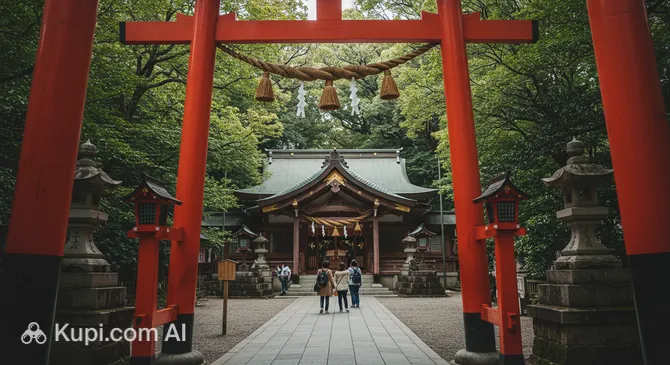
Hayatani Shrine. Illustration.
Source: Kupi.com AI

Traveler photos:

How to Get There

There are several ways to reach Hatsukaichi, located in Hiroshima Prefecture, Japan, primarily through regional airports and the country's extensive rail network. While Hatsukaichi itself does not have a major international transport hub, nearby cities offer convenient options for travelers.

The main air route to Hatsukaichi is through several regional airports. The closest is Iwakuni Kintaikyo Airport (IWK), located in Iwakuni City about 24.4 km away. This is a mid-sized airport, and a trip from there to Hatsukaichi by taxi or bus takes about 50-60 minutes. A larger option is Hiroshima Airport (HIJ), located in Hiroshima City at a distance of about 54.9 km. This is a significant transport hub, from which Hatsukaichi can be reached in approximately 1 hour and 40 minutes. You might also consider Matsuyama Airport (MYJ) in Matsuyama City. Although it is further away (about 67.1 km, a 2-hour drive), it is a major airport that may offer convenient flight options.

For convenience, here is a summary of the main airports serving the Hatsukaichi area:

AirportPassenger trafficDistance
Iwakuni Kintaikyo Airport655 47324 km
Hiroshima Airport2.7 mln55 km
Hagi-Iwami Airport109 60462 km
Matsuyama Airport3.2 mln67 km
Yamaguchi Ube Airport1.3 mln108 km

Regarding rail travel, Hatsukaichi is integrated into the vast Japanese railway network. Although some stations are mentioned in provided lists, they are quite distant. For example, Fukai Station is located in Sakai City, approximately 291.6 km from Hatsukaichi. This is a major station, but traveling to Hatsukaichi from there would require a long additional transfer, most likely using Shinkansen high-speed trains to Hiroshima, followed by a transfer to local lines to Hatsukaichi. Travelers are advised to use the railway stations in Hiroshima and take local trains to reach Hatsukaichi.

Below is information about railway stations from the list, though their distance should be taken into account when planning a route to Hatsukaichi:

StationPassenger trafficDistance
Sønderborg Station230 km

It is recommended to study local transport schedules from the nearest major transport hubs, such as Hiroshima, in advance to plan the most convenient route to Hatsukaichi.

Main Attractions

Hatsukaichi, nestled comfortably in Hiroshima Prefecture, offers travelers several interesting spots that combine cultural heritage and gastronomic delights. This city, located in close proximity to the famous Miyajima Island, is worthy of attention in its own right.

One of the significant cultural landmarks is the Hayatani Shrine. This site attracts those interested in Japanese traditions and spirituality. Shrines in Japan are often surrounded by beautiful nature, offering visitors peace and a chance to connect with the region's ancient history. A visit to the Hayatani Shrine allows for a deeper understanding of the local culture.

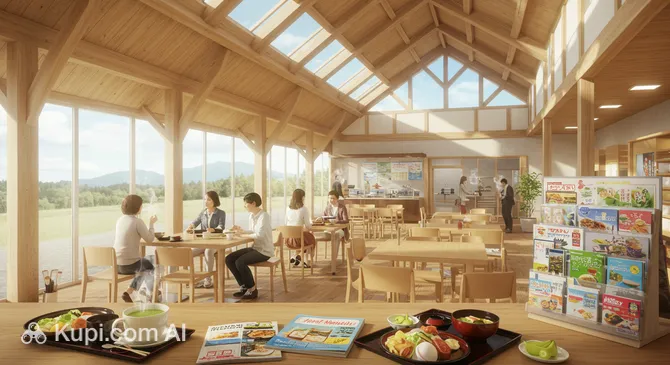
For those traveling by car and heading toward Miyajima or further, an interesting stop could be the Cafe at Miyajima Service Area (Outbound). Japanese service areas are not just places to rest, but entire complexes with shops, restaurants, and often wonderful views. This cafe offers a chance to grab a snack and enjoy the travel atmosphere.

Miyajima Service Area (Outbound) Café. Illustration.
Source: Kupi.com AI

Traveler photos:

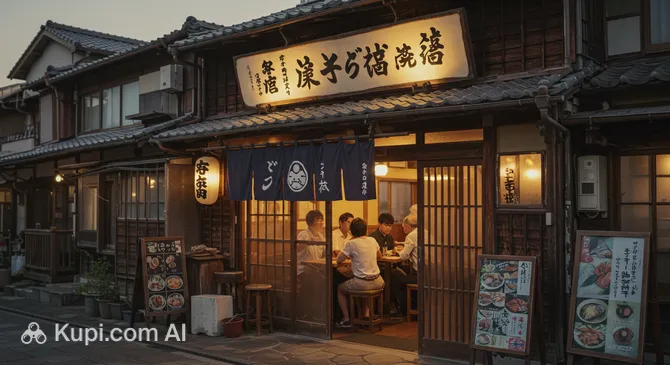
Fans of Japanese cuisine, especially seafood, should look out for the Sakanaya restaurant. The name "Sakanaya" often indicates an establishment specializing in fish dishes. Given Hatsukaichi's proximity to the sea, you can expect fresh and high-quality seafood, making a visit to this restaurant an excellent gastronomic experience.

Sakanaya. Illustration.
Source: Kupi.com AI

Traveler photos:

Local Cuisine

The gastronomy of Hatsukaichi is a true discovery for connoisseurs of Japanese cuisine, especially for lovers of the freshest seafood. The main jewel of the region is rightfully considered to be oysters, which are cultivated in the crystal-clear waters of the Seto Inland Sea. They are prepared here in a wide variety of ways: steamed, fried to a golden crust, in rich soups, and even as one of the ingredients in the famous Japanese savory pancakes—okonomiyaki. Trying oysters is a must for any foodie visiting Hatsukaichi.

Another culinary symbol of Hatsukaichi, and particularly of Miyajima Island, is momiji-manju. These are charming maple-leaf-shaped sweets, traditionally filled with sweet bean paste (anko), but other flavors like custard or chocolate are also common. These cakes are a wonderful souvenir and a delicious reminder of the trip. In addition, an abundance of street food awaits you on the city's streets and markets: from grilled oysters and mochi rice cakes to sweet chestnuts and other seasonal delicacies that are best enjoyed right on the spot.

Dining culture in Hatsukaichi combines traditional restaurants, where you can enjoy classic dishes in a calm setting, with lively street stalls and markets offering quick and tasty snacks. Locals and tourists alike enjoy visiting farmers' markets, where food festivals are often held, providing a chance to sample the region's best products and participate in tastings. To complete your meal, try traditional Japanese drinks: for alcohol, sake or shochu, which pair perfectly with seafood, and for non-alcoholic options, fragrant green tea or refreshing mugicha (barley tea).

In Hatsukaichi, you will find many establishments where you can taste local specialties. For example, the Sakanaya restaurant offers guests fresh seafood dishes. The city's gastronomic scene respects tradition but is also open to culinary experimentation, so every gourmet will find something to their liking here, discovering both Japanese classics and original dishes prepared with love for local products.

Sakanaya. Illustration.
Source: Kupi.com AI

Traveler photos:

Travel Tips

Welcome to Hatsukaichi! To ensure your journey to this charming corner of Japan, famous for Miyajima Island, goes smoothly and leaves only pleasant impressions, we have prepared some practical tips. They will help you navigate better and enjoy every moment of your stay.

  1. Clothing and Essentials: The climate in Hatsukaichi is temperate, with hot, humid summers and mild winters. In summer, choose light, breathable clothing, and in winter, layered warm items. Don't forget a raincoat or umbrella, as precipitation is possible any time of year. Comfortable shoes are your best friend, especially if you plan to walk a lot on Miyajima Island. There is no strict dress code for visiting temples like Itsukushima, but it is recommended to cover shoulders and knees out of respect. Don't forget an adapter for electronics (Japan uses Type A and B sockets).

  2. Transport: For traveling between Hatsukaichi and other cities, as well as for the trip to Miyajima Island, the railway (JR Sanyo line) and ferry are excellent choices. Local buses can be used within the city. Taxis are available but can be expensive. Car rental may not be practical as public transport is well-developed, and parking, especially on Miyajima, is limited and costly. Plan your routes in advance using navigation apps.

  3. Finances: The local currency is the Japanese yen (JPY). It is recommended to carry cash, as not all small establishments and markets accept cards. You can exchange currency at the airport, banks, or post offices (Japan Post Bank). ATMs that accept international cards are most commonly found in 7-Eleven stores and at post offices. Credit and debit cards from major systems are accepted in hotels, large stores, and restaurants. Tipping in Japan is not practiced and can be perceived as an insult.

  4. Health and Safety: Japan is one of the safest countries in the world, and Hatsukaichi is no exception. However, standard precautions should still be taken. Pharmacies (look for the 薬 sign) are ubiquitous, but pharmacists don't always speak English. If medical assistance is needed, contact clinics or hospitals; having travel insurance is mandatory. Be cautious with the wild deer on Miyajima: they can be persistent if you have food.

  5. Communication: The official language is Japanese. English is understood in tourist spots, hotels, and at information desks, but overall its prevalence is limited. Learn a few basic phrases: "Konnichiwa" (Hello), "Arigato" (Thank you), "Sumimasen" (Excuse me/I'm sorry). For communication convenience, it is recommended to purchase a local SIM card or rent a pocket Wi-Fi router. Free Wi-Fi is available in some public places and hotels.

  6. Local Etiquette: Japanese people value politeness and respect for others. Greetings are usually accompanied by a slight bow. In public places, especially on transport, try to be quiet. Remove your shoes before entering homes, some temples, and traditional restaurants. Do not eat while walking (except in designated street food areas). Following these simple rules will help you avoid awkward situations.

  7. What to Avoid: Never stick your chopsticks vertically into a bowl of rice—this is associated with funeral rituals. Also, avoid pointing at people or objects with your chopsticks. Do not blow your nose loudly in public; it's better to go to a restroom. Feeding wild deer on Miyajima anything other than specially designated feed (if sold) can harm their health.

  8. Extra Tip — The Magic of Miyajima: Be sure to check the tide schedule before visiting Itsukushima Shrine on Miyajima Island. The famous torii gate looks completely different: "floating" on the water during high tide and accessible by foot during low tide. If possible, stay on the island overnight to enjoy its atmosphere after the majority of tourists have left.

We hope these tips make your trip to Hatsukaichi even more comfortable and memorable. Enjoy the beauty and hospitality of this amazing place!

Entertainment & Nightlife

In the evening, Hatsukaichi offers its guests a calmer and more cozy atmosphere compared to Japan's bustling metropolises. Nightlife here is centered around delicious food, pleasant conversation in local establishments, and leisurely walks. Instead of noisy nightclubs and large concert venues, you are more likely to find traditional Japanese pubs (izakaya) and restaurants where you can enjoy local cuisine and drinks.

The primary evening entertainment in Hatsukaichi is dining at one of the numerous restaurants. Here, you can taste both the local cuisine of Hiroshima Prefecture and general Japanese delicacies. One such place to spend a pleasant evening is the Sakanaya restaurant, which offers fresh seafood. For travelers looking for a simpler option or those on the move, the Cafe at Miyajima Service Area (Outbound) might be suitable for an informal snack. Generally, dining establishments operate until late evening, but it is better to check the opening hours in advance.

If you are looking for bars, look for izakayas—traditional Japanese drinking establishments serving alcohol (sake, beer, shochu) and a variety of snacks. The atmosphere in such places is usually very friendly and authentic, often frequented by locals after work. In Hatsukaichi, you won't find large specialized nightlife districts like those in Tokyo or Osaka. Instead, cozy bars and restaurants that stay open late are most often located near railway stations, such as around Hatsukaichi Station or Miyajimaguchi Station, as well as on central shopping streets where evening life is more visible. The dress code in most places is casual; formal attire is not required.

When planning your evening leisure, keep in mind that many small establishments may close earlier than those in larger cities. The best time for dinner is early evening, and for visiting an izakaya, between 7:00 PM and 10:00 or 11:00 PM. Regarding transport, you can get around the city by taxi, especially late at night when public transport may run less frequently. Average prices in Hatsukaichi restaurants and bars are generally moderate but can vary depending on the level of the establishment.

Hatsukaichi, like most cities in Japan, is a safe place for evening and nighttime walks. However, you should always take standard precautions: keep an eye on your belongings and avoid deserted, dark streets. If you need a taxi, it can be called by phone or found at designated taxi stands.

During the day, Hatsukaichi and its surroundings offer many interesting activities. The city is the gateway to the famous Miyajima Island with its Itsukushima Shrine. You can also visit other attractions, such as the Hayatani Shrine, stroll through parks, or explore local museums to get to know the culture and history of the region more deeply.

Parks & Museums

Hatsukaichi is not only the famous gateway to the sacred island of Miyajima but also a city that itself offers travelers a charming combination of natural beauty and cultural heritage. Here you will find both peaceful green zones and places that preserve a rich history, allowing for a deeper understanding of Japanese culture.

Speaking of parks and nature, Hatsukaichi boasts proximity to magnificent landscapes, the most important of which is undoubtedly Miyajima Island, which is administratively part of the city. The island is home to the picturesque Momijidani Park (Maple Valley), which is especially beautiful in autumn when the maples turn vibrant shades of crimson and gold. Additionally, the sacred Mt. Misen rises on Miyajima, offering breathtaking panoramic views of the Seto Inland Sea and surrounding islands from its summit. These locations are perfect for leisurely walks, hiking, and enjoying pristine nature.

As for museums and cultural sites, Hatsukaichi and its famous Miyajima Island offer an immersion into history and traditions through their shrines and exhibitions. One notable site is the Hayatani Shrine, located on the mainland part of the city. This ancient Shinto shrine attracts visitors with its calm atmosphere, traditional architecture, and the opportunity to touch the spiritual culture of Japan. Not far from the world-famous Itsukushima Shrine on Miyajima Island is the Miyajima Museum of History and Folklore. Here, you can learn about the daily life, crafts, and history of the island by seeing everyday items from past eras and learning more about the local culture.

Another important cultural site on Miyajima is the Itsukushima Shrine Treasure Hall (Homotsukan). It houses an impressive collection of historical artifacts, including ancient manuscripts, weapons, musical instruments, and ritual objects, many of which are designated as National Treasures or Important Cultural Properties. Visiting these places provides a much deeper understanding of the region's rich heritage than standard museum exhibits.

For more authentic experiences, we suggest exploring not only the main tourist routes but also peeking into small local temples or strolling through the streets of the old part of the city. It is here that you can feel the true rhythm of life in Hatsukaichi and discover something truly unique, whether it's a small craft workshop or a cozy local cafe serving traditional dishes.

Getting Around

When planning a trip to Hatsukaichi, you can count on a convenient public transport system that connects the city with neighboring Hiroshima and provides access to one of the region's main attractions—Miyajima Island. The transport network is based on trains, trams, buses, and ferries.

A key role in travel is played by JR (Japan Railways) trains, particularly the Sanyo Main Line, which provides fast connections to Hiroshima and other cities. Another popular and picturesque mode of transport is the Hiroden (Hiroshima Electric Railway) trams. Route No. 2 of the Hiroshima tram network goes to Miyajimaguchi Station, from where ferries depart for Miyajima Island. Local buses complement the network, serving areas not covered by trains and trams.

For fare payment, reloadable IC cards are most convenient. The Paspy card is common in the Hiroshima region, but nationwide cards like Suica, ICOCA, or Pasmo are also accepted. These cards can be used for payment on trains, trams, buses, and even on the JR ferry to Miyajima. Single tickets can be purchased at station vending machines or directly from the driver on buses or trams (exact change is often required). If you plan to travel extensively in the region, look into purchasing tourist passes that may cover travel in Hatsukaichi and its surroundings.

IC cards can be purchased and topped up at ticket offices or special machines at major railway stations. To use one, simply touch the card to the reader on the turnstile when entering and exiting train stations, or when boarding/exiting trams and buses, depending on the payment system. Public transport usually runs from early morning (around 5-6 AM) until late evening (roughly 11 PM-midnight). Ferry schedules to Miyajima should be checked in advance, especially if you plan to return late.

In addition to public transport, other options are available in Hatsukaichi. Taxis can be found at stations and tourist sites, but this is a more expensive way to travel. In some areas, particularly near Miyajimaguchi or on Miyajima Island itself, you can rent a bicycle for a leisurely ride. Car rental can be considered for wider exploration of Hiroshima Prefecture.

One of the unique features of the transport system is the ferry crossing to Miyajima Island. Ferries from two companies run from the Miyajimaguchi pier: JR West Miyajima Ferry and Miyajima Matsudai Kisen. The JR ferry trip is free for holders of a valid Japan Rail Pass. Miyajima Island itself also offers a unique form of transport—the Miyajima Ropeway, which takes tourists up Mt. Misen for spectacular views.

Accommodation

In the city of Hatsukaichi, travelers will find a variety of accommodation options to suit different preferences and budgets. Choices range from traditional Japanese inns (ryokans), where you can immerse yourself in local culture, to modern hotels of various comfort levels, including budget options and mid-range hotels. Guesthouses and, in some cases, apartments for short-term rent are also available, offering more privacy and a home-like feel.

When choosing a place to stay in Hatsukaichi, it is worth looking at areas close to major transport hubs, such as railway stations, or near the ferry terminals if your primary goal is visiting the famous Miyajima Island. Staying in such locations will provide easy access to attractions and simplify travel within the region.

The price range for housing in Hatsukaichi can be quite broad: from affordable options for budget-conscious travelers to more luxurious offerings. It is most convenient to book accommodation through popular online platforms, which allow you to compare prices and conditions, or directly on the hotels' websites. It is recommended to do this in advance, especially if your trip coincides with the peak tourist season or major local festivals, to ensure the best selection and prices.

Nearby Cities

For those looking to explore the surrounding area, Hatsukaichi serves as an excellent starting point for day trips to several interesting nearby locations. For example, you can visit Hiroshima, the world-famous city with its Peace Memorial Park and impressive castle. No less attractive is Iwakuni, famous for its unique arched Kintaikyo Bridge and picturesque Kikko Park. It is also worth considering a trip to Kure, a city with a rich maritime history and interesting museums like the Yamato Museum. Below is a table with some of these and other nearby cities that could be destinations for your journey:

CityPopulationDistance
Miyajima35 6659 km
Hiroshima1 198 02112 km
Otake26 45816 km
Saka12 61117 km
Kaita29 79319 km

These nearby destinations allow you to gain insight into the diverse culture and landscapes of the region.

Shopping & Souvenirs

Hatsukaichi, known for its close proximity to the sacred island of Miyajima, primarily offers tourists opportunities to purchase unique souvenirs and local delicacies. Although the city is not a major shopping center with an abundance of global brands, you can find authentic Japanese goods and handmade products here that will serve as wonderful reminders of your trip to Japan.

The main shopping areas in Hatsukaichi are generally concentrated near railway stations, such as JR Hatsukaichi Station, and along the route to the ferry terminal leading to Miyajima Island. Omotesando Street on Miyajima itself, though located on the island, is the main artery for souvenir shopping and is easily accessible from Hatsukaichi. In the city itself, you can find small shops offering local goods, especially in its central part.

Large multi-story shopping centers are less common in Hatsukaichi than in major metropolises. However, you can find mid-sized shopping complexes or individual department stores featuring a range of goods from clothing and cosmetics to food and household items. These shops are often located near major transport hubs, which is convenient for tourists.

While Hatsukaichi is not famous for large, noisy markets, you may come across small local stalls or temporary fairs, especially during festivals. These typically sell fresh seasonal produce, local delicacies, and handmade items. For a wider selection and a lively market atmosphere, consider visiting neighboring, larger cities in Hiroshima Prefecture.

The main souvenirs to bring back from Hatsukaichi and Miyajima Island are undoubtedly shamoji (wooden rice paddles), which are considered symbols of good luck and prosperity, and the famous momiji manju—maple-leaf-shaped cakes with various fillings (most commonly sweet azuki bean paste). Also popular are woodwork items, local ceramics, textiles with traditional patterns, and other items related to the island's culture and its main attraction—the Itsukushima Shrine. Don't forget to look for local sake and other regional food products.

Most shops in Hatsukaichi, as in Japan in general, are usually open to visitors from 10:00 or 11:00 AM until 7:00 or 8:00 PM. Large retail outlets and shops in tourist areas may have longer operating hours. Regarding payment, credit cards (Visa, MasterCard, JCB, American Express) are widely accepted in many stores, especially those geared toward tourists and in major shopping centers. Nevertheless, it is always useful to have some cash in Japanese yen, especially for purchases in small shops, markets, or when paying for minor services.

For foreign tourists in Japan, a consumption tax refund system (Tax Free) is available. Look for shops with the corresponding "Japan Tax-Free Shop" logo. To take advantage of this opportunity, you must make a purchase of a certain minimum amount (usually 5,000 yen excluding tax in one store within a single day) and present your passport at the checkout or a special Tax Free counter. The tax refund is usually processed directly in the store at the time of purchase.

Reached the end of the page?

That means the route is fully explored