Support

Hofu

About

Hofu is a charming and cozy city with an atmosphere of tranquility and leisure, so characteristic of traditional Japan. Here, a rich historical heritage and a modern way of life are wonderfully interwoven, creating a unique sense of harmony.

Located on the picturesque shores of the Seto Inland Sea in Yamaguchi Prefecture, at the southern tip of Honshu Island, Hofu boasts a mild climate and beautiful landscapes, which are especially delightful in spring during the cherry blossom season. With a population of about 113,000 people, the city plays an important administrative role in the region while maintaining its identity and peacefulness.
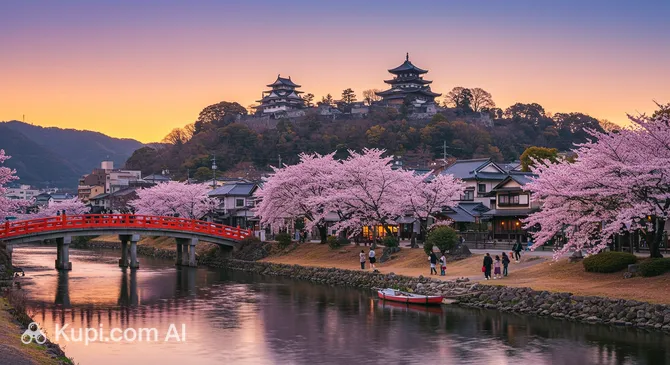
Hofu. Illustration.
Source: Kupi.com AI

Hofu offers its guests a surprising variety of experiences. Here you will find ancient shrines and temples, tranquil parks, interesting modern museums, and traditional tea houses. Leisurely walks along temple alleys, the chance to try exquisite local delicacies, and immersion in the atmosphere of ancient traditions make Hofu a true Japan in miniature, where every traveler will discover something special.

If you are looking for an authentic experience without the hustle and bustle of megacities, wish to touch culture and history, or simply want to relax amidst picturesque nature, Hofu will be an excellent choice for your journey.

You can find more interesting facts on the Hofu city history page.
Weather Overview

The climate in Hofu is characterized by distinct seasons, which is important to consider when planning your trip. Expect warm and humid summers: maximum air temperatures in July and August often reach 29–31°C (for example, the average August maximum is 30.9°C), and July is the month with the highest rainfall (about 10 mm and approximately 20 rainy days). Winters here are cool, with average temperatures in the 5–7°C range (for example, in January the average temperature is 5.4°C, with lows down to 2.4°C). In the winter months, total precipitation is significantly lower (2–3 mm per month), although days with light precipitation or overcast weather are still common (from 7 to 11 days with precipitation per month).

To better prepare for your journey and choose the most comfortable time for a visit, we recommend studying the detailed information about the Hofu climate and the current weather forecast.

Average monthly temperature

Average monthly precipitation

Interesting Facts

In addition to its famous attractions, Hofu hides many amazing stories and less obvious facts that make it truly special. This city with a rich heritage is ready to share its secrets with curious travelers.

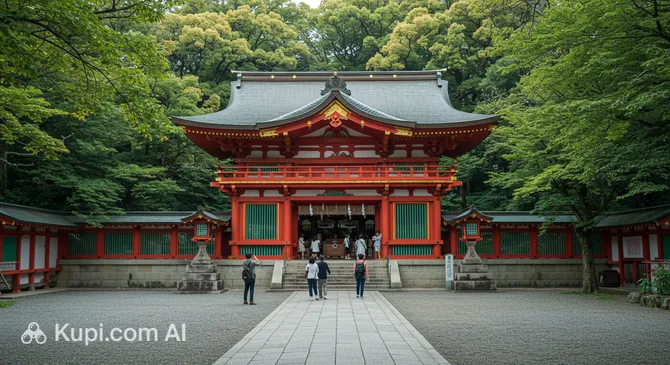
Hofu Tenmangu Shrine. Illustration.
Source: Kupi.com AI

Traveler photos:

  • Did you know that the founding of one of Japan's oldest shrines, Hofu Tenmangu, is linked to an intriguing legend about a crow? According to legend, it was this wise bird that pointed out the sacred site for building a temple dedicated to the revered deity of scholarship, Sugawara no Michizane, which marked the beginning of the city's history.

  • The annual Tenmangu Matsuri festival held in Hofu is not just a local holiday, but a large-scale event attracting thousands of pilgrims and tourists. During the festival, the city streets are transformed, filled with vibrant processions, the sounds of traditional music, and energetic dances, creating an unforgettable atmosphere.

  • Hofu is the birthplace of several prominent Japanese figures in art and science. Although their names may not be widely known to an international audience, the city carefully preserves the memory of its famous locals, regularly organizing exhibitions and themed events dedicated to their contributions to the country's culture and science.

  • The tradition of seasonal festivals in Hofu is alive to this day, and it's not just about cherry blossom viewing in the spring. In autumn, for example, lively harvest festivals take place here, where you can not only taste the freshest produce from local farmers but also immerse yourself in the authentic atmosphere of Japanese rural celebrations.

How to Get There

There are several ways to reach the city of Hofu, located in Yamaguchi Prefecture. International travelers usually arrive at one of Japan's major international airports (such as Tokyo, Osaka, or Fukuoka), and then travel to Hofu via domestic flights or trains. For the final leg of the journey, the most convenient options are flying to one of the nearest regional airports and then using ground transportation.

The main air gateways for travelers heading to Hofu are several regional airports. The closest of these is Yamaguchi Ube Airport (UBJ), located in Ube, approximately 29.5 km from Hofu. This is a regional airport from which you can reach Hofu by taxi or bus in about 1 hour. Another convenient option is Kitakyushu Airport (KKJ), located in Kitakyushu at a distance of about 53.9 km. This larger airport serves a significant number of flights, and the trip to Hofu will take approximately 1.5–2 hours. It is also worth considering Iwakuni Kintaikyo Airport (IWK) in Iwakuni (about 62.9 km from Hofu), from where the drive to the center of Hofu takes about 2 hours.

For convenience, here is a summary of the main airports serving the Hofu destination:

AirportPassenger trafficDistance
Yamaguchi Ube Airport1.3 mln30 km
Kitakyushu Airport1.6 mln54 km
Iwakuni Kintaikyo Airport655 47363 km
Oita Airport1.9 mln66 km
Hagi-Iwami Airport109 60472 km

Although there is no direct Shinkansen high-speed train service to Hofu, the city is served by local railway lines. Travelers can take the Shinkansen to the nearest major stations, such as Shin-Yamaguchi, and then transfer to a local train to Hofu. The provided data mentions Sønderborg Station, located in the city of Sønderborg at a distance of 153.9 km from Hofu. Given its significant distance and likely location outside of Japan, this station is not a relevant option for traveling to Hofu. For planning rail travel within Japan, it is recommended to focus on stations within Yamaguchi Prefecture.

Information on railway stations from the provided list:

StationPassenger trafficDistance
Sønderborg Station154 km

Additionally, Hofu and Yamaguchi Prefecture can be reached by car using Japan's well-developed road network. Within the city itself, local buses and taxis are available for getting around.

Main Attractions

Hofu, a city with a rich history in Yamaguchi Prefecture, offers travelers several interesting attractions that allow them to touch the culture and heritage of Japan. Among them, places associated with important historical figures and clans stand out.

One of the most significant and visited places in Hofu is the Hofu Tenmangu Shrine. This is one of the three oldest and most important Tenmangu shrines in Japan, dedicated to Sugawara no Michizane, revered as the deity of scholarship, calligraphy, and sincerity. Tourists and pilgrims come here to pray for academic success, enjoy the majestic architecture of the Shinto shrine, and walk through its well-kept grounds, which are especially beautiful during the plum blossom season.

Hofu Tenmangu Shrine. Illustration.
Source: Kupi.com AI

Traveler photos:

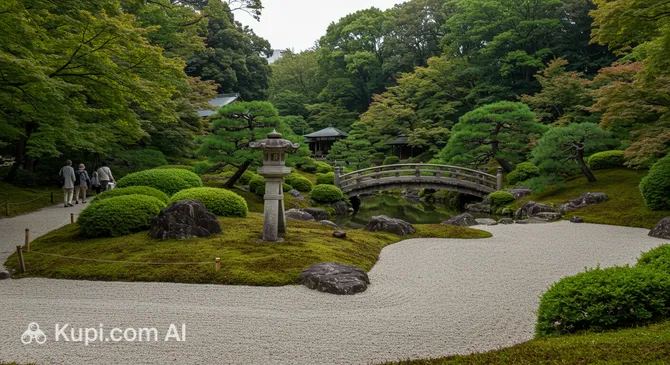
Near the shrine is the beautiful Mori Garden. This vast traditional Japanese garden was created in the Meiji era and was part of the residence of the powerful Mori clan, who ruled these lands. The garden is famous for its picturesque landscapes, including ponds, bridges, stone lanterns, and carefully selected plants that create an atmosphere of peace and harmony. It is an ideal place for leisurely walks and contemplating the beauty of nature.

Mori Garden. Illustration.
Source: Kupi.com AI

Traveler photos:

For a deeper immersion into the history of the region, it is worth visiting the Mori Museum. Located on the grounds of the former main residence of the Mori clan, the museum houses a valuable collection of artifacts related to the history of this influential family and the Choshu region (the historical name of Yamaguchi Prefecture). The exhibition includes historical documents, works of art, household items, and samurai armor, telling the story of the life and legacy of the Mori clan.

Mōri Museum. Illustration.
Source: Kupi.com AI

Traveler photos:

These Hofu attractions provide visitors with a vivid idea of the city's historical and cultural wealth, making a trip here informative and memorable.

Local Cuisine

The gastronomy of Hofu is a true discovery for connoisseurs of Japanese cuisine, especially if you love fresh seafood. Thanks to its location by the Seto Inland Sea, the city is famous for its abundance of seafood. Be sure to try local oysters, squid, and sea urchins. A special place on Hofu's culinary map is occupied by the famous fugu fish, the preparation of which is trusted only to experienced, licensed chefs—it is a true delicacy that requires exceptional skill.

Among the traditional dishes worth tasting, kaiseki stands out—an exquisite set of many small dishes prepared from seasonal ingredients. Each dish in kaiseki is a work of art reflecting a harmony of taste, color, and form. If you prefer more casual food, look to the street food scene. On the lively streets and markets of Hofu, you can find delicious takoyaki—batter balls with pieces of octopus—and fragrant yakitori—chicken skewers often served with various sauces.

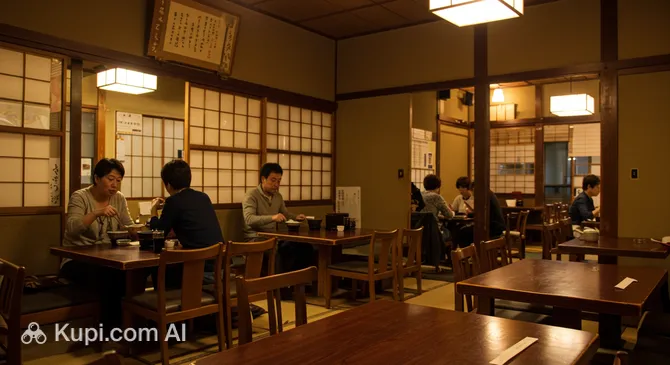
Imazato. Illustration.
Source: Kupi.com AI

Traveler photos:

Regarding drinks, you should certainly try the local sake, which perfectly complements any meal. Hofu's dining culture is diverse: locals and tourists alike enjoy food in both traditional restaurants offering sophisticated dishes and small street eateries or bustling markets. For example, you can visit the Imazato restaurant to experience local cuisine in an authentic setting. The city is also known for its gastronomic festivals, where you can taste everything from homemade sweets to signature dishes by local chefs.

Visiting Hofu's farmers' markets is another opportunity to touch the local gastronomic culture. Here you can always find the freshest vegetables, fruits, and unique delicacies that Yamaguchi Prefecture is proud of. Hofu's gastronomic scene offers a unique blend of tradition and fresh flavors, capable of surprising even the most seasoned gourmet.

Travel Tips

Planning a trip to Hofu? Wonderful! To ensure your journey through this charming corner of Japan goes smoothly and leaves only pleasant impressions, we have prepared some practical tips.

  1. Clothing and Essentials: The climate in Hofu, as in all of Japan, is clearly divided into seasons. In summer (June–August), it is hot and humid, so choose light, breathable clothing. In winter (December–February), it can be chilly, so warm clothes, including a jacket, sweater, and hat, will be useful. Spring (March–May) and autumn (September–November) are the most comfortable seasons with moderate temperatures, ideal for layered clothing. Be sure to bring comfortable shoes, as you will be walking a lot. Note that in many Japanese temples and traditional establishments, it is customary to remove your shoes. Don't forget an adapter for electrical appliances (Japan uses Type A and B sockets, 100V). When visiting shrines, such as the famous Hofu Tenmangu, dress modestly: shoulders and knees should be covered.
  2. Transport in Hofu: The main way to get around the city is by local buses. The JR Sanyo Main Line also passes through Hofu, making it convenient for trips to neighboring cities. Taxis are available but can be expensive; have your destination address in Japanese, as drivers rarely speak English. Car rental is possible with an International Driving Permit (remember that Japan has left-hand traffic) and can be convenient for exploring Yamaguchi Prefecture.
  3. Finance: The local currency is the Japanese Yen (JPY, ¥). While credit cards are accepted in large hotels and shops, always carry some cash, as small establishments prefer it. You can exchange currency at banks or at the airport. To withdraw cash with foreign cards, look for Japan Post Bank ATMs or those in 7-Eleven stores (Seven Bank). Tipping in Japan is not practiced and may be perceived as impolite. An approximate daily budget is 7,000–15,000 yen per person, excluding accommodation.
  4. Health and Safety: Hofu, and Japan in general, is a very safe place with a low crime rate. Observe standard precautions. Pharmacies (薬, kusuri) are easy to find, but pharmacists may not always speak English. Take out travel insurance before your trip. If you need medical assistance, ask your hotel reception for a clinic recommendation.
  5. Communication: The official language is Japanese. English is not widely spoken, especially outside tourist areas. Learn a few basic phrases: "Konnichiwa" (Hello), "Arigato" (Thank you), "Sumimasen" (Excuse me). For constant internet access, consider buying a local SIM card or renting a portable Wi-Fi router. Translation apps and maps (like Google Maps) will be very helpful.
  6. Local Etiquette: A slight bow is the traditional form of greeting. Japanese people value silence in public places, especially on transport. Avoid loud phone conversations. It is not common to eat or drink while walking on the street unless in designated areas (e.g., at festivals). Respect local customs, such as removing shoes when entering homes, temples, and some restaurants.
  7. What to Avoid: Never stick your chopsticks vertically into rice and do not pass food from chopsticks to another person's chopsticks—this is associated with funeral rituals. Also, remember to remove outdoor shoes where required (in homes, temples, and traditional restaurants).
  8. Special Tip for Hofu: Be sure to visit Hofu Tenmangu—one of the three great Tenmangu shrines in Japan, dedicated to the deity of scholarship. It is not only a beautiful attraction but also a place with a special atmosphere. If your trip falls in February or March, you can catch the stunning plum blossom on the shrine grounds.

We hope these tips help you better prepare for your trip and fully enjoy your stay in Hofu. This city with its rich history and culture is sure to leave you with warm memories. Have a pleasant journey!

Entertainment & Nightlife

Evening Hofu offers its guests a calm and cozy atmosphere, distinct from the noisy nightlife of megacities. Here, the emphasis shifts to high-quality relaxation in a pleasant environment, whether it's dinner in a traditional restaurant or a visit to a local bar. Although the city is not famous for huge nightclubs, you can find establishments where it's nice to spend an evening.

The main evening activity is concentrated around restaurants and small bars known as "izakayas." These traditional Japanese drinking establishments offer not only drinks but also a variety of snacks. The atmosphere in such places is usually friendly and conducive to socializing. Many restaurants, such as Imazato, offer delicious local cuisine and are open until late evening, allowing you to enjoy dinner without rushing. The crowd is mostly local, but tourists are welcomed hospitably. There is usually no specific dress code; a neat casual style is appreciated.

Imazato. Illustration.
Source: Kupi.com AI

Traveler photos:

While Hofu may not have dedicated nightlife districts with dozens of clubs or large concert venues, and specialized night markets are not common here, the city offers other forms of evening leisure. For example, as in many Japanese cities, you can find karaoke bars—a popular place for relaxation among both locals and tourists. The main points of attraction in the evening are the areas around the railway station or the central shopping streets, where cozy bars and cafes operating late can most often be found. The best time to visit such places is Friday or Saturday evening when the atmosphere is most lively. Prices in local establishments are generally moderate. You can get to your hotel at night by taxi; it is a reliable and safe way to travel. It is recommended to have the hotel address written in Japanese or use navigation apps.

In terms of safety, Hofu, like most cities in Japan, is a very safe place for nighttime walks. However, basic precautions should always be observed, especially if you are in an unfamiliar area. You can call a taxi by asking the establishment's staff or using special apps, if available.

During the day, Hofu offers other types of entertainment. Guests can visit cultural sites, such as the Mori Museum, which presents a rich collection of historical artifacts, or stroll through the picturesque Mori Garden, enjoying its beauty and tranquility. It is also worth paying attention to the Hofu Tenmangu Shrine, one of the important Shinto shrines. There are no large amusement parks or major theaters with permanent troupes in the city, but its cultural heritage and natural beauty provide plenty of opportunities for interesting leisure activities.

Parks & Museums

Hofu, a city with a rich history and picturesque nature, offers its guests both peaceful green corners for relaxation and fascinating cultural sites that introduce the heritage of the Yamaguchi region.

Hofu offers several wonderful places for nature lovers and quiet walks. A true gem is the Mori Garden, a traditional Japanese garden spread around the former residence of the Mori clan. It delights with its harmony, peaceful atmosphere, ponds with koi carp, and stone lanterns. The garden is especially beautiful in spring during the cherry blossom season and in autumn when the maples turn a fiery crimson.

Mori Garden. Illustration.
Source: Kupi.com AI

Traveler photos:

Another significant green zone worth visiting is the extensive and well-maintained grounds of the Hofu Tenmangu Shrine. Although it is primarily an important religious and historical site, its park with centuries-old trees and a famous plum garden offers excellent opportunities for walking and contemplating nature, especially during the plum blossom season.

For an immersion into the history and culture of the region, head to the Mori Museum. Located on the grounds of the former Mori clan residence, it houses valuable artifacts related to this influential samurai family. The exhibition includes ancient weapons, armor, works of art, and household items that tell the story of the rich past of this part of Japan.

Mōri Museum. Illustration.
Source: Kupi.com AI

Traveler photos:

The main historical and architectural landmark of Hofu is undoubtedly the Hofu Tenmangu Shrine. This is one of the three great Tenmangu shrines in Japan, dedicated to Sugawara no Michizane. Its majestic buildings, history dating back centuries, and spiritual atmosphere attract both pilgrims and tourists. Visiting the shrine is an opportunity to touch ancient traditions and admire magnificent Japanese architecture.

Hofu Tenmangu Shrine. Illustration.
Source: Kupi.com AI

Traveler photos:

To get a more complete picture of Hofu, check out the local markets, where you can taste fresh products and delicacies of Yamaguchi Prefecture. Also, look out for small craft workshops where you can find unique handmade souvenirs. A visit to the Hofu Tenmangu Shrine will be especially memorable during the plum blossom festival in February and March.

Getting Around

When planning your movement around Hofu, it is worth noting that the main type of public transport here is buses. The city is served by several bus routes that connect key districts, the railway station, and popular attractions. Although there is no metro or tram system in Hofu, the bus network is sufficiently developed for getting around the city. JR railway lines also pass through Hofu, which are convenient for trips to neighboring towns and can be used to reach some peripheral areas.

The fare payment system on Hofu buses is quite standard for Japan. You can pay the fare in cash directly when exiting the bus. Usually, when entering through the rear door, you take a small numbered ticket (整理券 - seiriken), and when exiting, you pay the amount indicated on the screen above the driver next to your ticket number. A more convenient option is using rechargeable IC cards, such as ICOCA (common in this region) or other nationwide cards like Suica or Pasmo. You need to tap the card on the validator when both entering and exiting. Information on purchasing or topping up IC cards can be obtained at major railway stations. Specialized tourist passes specifically for Hofu buses may be limited, so it is worth checking for up-to-date information upon arrival.

Tourists are recommended to plan their route in advance using online maps or apps for Japanese public transport. Bus tickets (in the form of cash payment or IC card use) are purchased/used directly on the vehicle. Buses usually run on schedule, which can be found at stops, but it may only be in Japanese. Public transport operating hours are generally from early morning until late evening, but the frequency of service decreases in the evening hours and on weekends. For route and schedule clarification, you can contact the tourist information center at Hofu Station.

As an alternative to public transport, taxis are always available in Hofu. They can be found at ranks near the railway station or called by phone. Taxis in Japan are comfortable but are a more expensive way to travel. For lovers of active recreation and sightseeing at a leisurely pace, bicycle rental may be suitable. Some hotels or specialized rental points offer bicycles, which is especially convenient for exploring the central areas and parks of Hofu. Car sharing is less common as an option for tourists in cities of this size.

Accommodation

When planning a trip to Hofu, you will find a variety of accommodation options to suit different preferences and budgets. Budget choices such as guesthouses and hostels are available in the city, as well as mid-range hotels offering comfortable stays. For full immersion in Japanese culture, you might consider traditional inns—ryokans—which offer a unique experience. Apartments are also available for those who prefer more space and independence during their journey.

When choosing a place to stay in Hofu, it is worth paying attention to areas located near major transport hubs, such as Hofu Railway Station. This will provide easy access to other parts of the city and the surrounding areas. Another convenient option is to stay near key attractions, such as the famous Hofu Tenmangu Shrine or the picturesque Mori Garden, which will save you travel time to points of interest.

Hofu Tenmangu Shrine. Illustration.
Source: Kupi.com AI

Traveler photos:

While Hofu may not have as many large international hotel chains as major metropolises, the city offers a sufficient selection of local hotels and guesthouses. It is best to check specific options and their availability on popular online booking platforms, where you can find reviews and compare prices.

Regarding the price range, you can find very affordable options for budget travelers in Hofu, as well as mid-range and higher-end offers, especially when it comes to full-board ryokans or hotels with an expanded range of services. It is most convenient to book accommodation through well-known online services (e.g., Booking.com, Agoda) or, in some cases, directly on the hotel websites. It is strongly recommended to book your stay in advance, especially if your trip falls during the peak tourist season, local festival times, or the cherry blossom period, to ensure the best choice and most favorable terms.

Nearby Cities

For those who want to explore the surroundings, Hofu serves as an excellent starting point for day trips to several interesting nearby locations:

CityPopulationDistance
Yamaguchi193 76116 km
Shunan137 89922 km
Kudamatsu56 66129 km
Ube162 87331 km
Mine23 23635 km

These nearby destinations offer insight into the region's diverse culture and landscapes. Each of these cities possesses its own unique charm: Yamaguchi, the administrative center of the prefecture, is known for its temples and gardens; Ube offers industrial landscapes and parks; Shunan attracts with industrial complexes and coastal views; Iwakuni is famous for its renowned Kintaikyo Bridge, and Nakatsu for its castle and historical districts. Trips to these cities will enrich your journey through Japan.

Shopping & Souvenirs

Hofu, a charming city in Yamaguchi Prefecture, offers tourists a pleasant shopping experience, mainly focused on local goods, souvenirs, and daily necessities. Although Hofu is not a major fashion center, you can find unique items that reflect the region's culture and purchase memorable gifts.

Main shopping opportunities in Hofu are concentrated around JR Hofu station and its adjacent streets. Here you will find small independent shops, local stalls, and some chain retailers. Walking through these areas will allow you to soak up the local atmosphere and discover interesting goods. The city may also feature small shopping arcades (shotengai) offering a variety of products and services.

In Hofu, as in many Japanese cities of this size, there may be local department stores or shopping complexes offering clothing, household goods, and food. However, do not expect the huge megamalls characteristic of metropolises. Shopping here is more intimate and focused on meeting the needs of the local population and tourists looking for authentic goods.

While large specialized markets may be absent, fairs or small markets may periodically take place in the vicinity or in the city itself, where local farmers and craftsmen sell their products. This is a great opportunity to purchase fresh produce, local delicacies, and handmade items.

As for souvenirs, it is worth bringing something back from Hofu related to its main attraction. Items associated with the Hofu Tenmangu Shrine are particularly popular: these could be traditional amulets (omamori), items depicting plum blossoms (the symbol of Tenjin, to whom the shrine is dedicated), or calligraphic scrolls. Also, look out for local sweets and Hagi-yaki ceramics if they are available in the city's souvenir shops, although the main center of its production is in the city of Hagi.

Most shops in Hofu typically operate from 10:00 or 11:00 AM to 7:00 or 8:00 PM. Small family shops may have their own schedules. Regarding payment, cash is still widely used, especially in smaller establishments. However, credit cards (Visa, Mastercard) are accepted in many shops, especially larger ones and those oriented toward tourists. Contactless payments using IC cards (e.g., Suica, ICOCA) are also becoming increasingly common.

For foreign tourists in Japan, a Tax Free system is available. Look for shops with the corresponding "Tax-Free Shop" logo. Usually, to process a tax refund, you must make a purchase exceeding 5,000 yen in one shop on one day and present your passport. Consult with the salesperson for exact information on the conditions.

Reached the end of the page?

That means the route is fully explored