Support

Nakatsu

About

Nakatsu is a cozy city located in Oita Prefecture on the island of Kyushu, Japan. It is nestled in a picturesque location between the mountains and the coast of the Seto Inland Sea, providing it with a strategically advantageous position for exploring the region.

Nakatsu is home to about 82,000 people, allowing the city to combine developed infrastructure with an atmosphere of tranquility and traditional comfort. The city is known for its hospitality, and its clean, well-maintained streets are perfect for leisurely strolls.
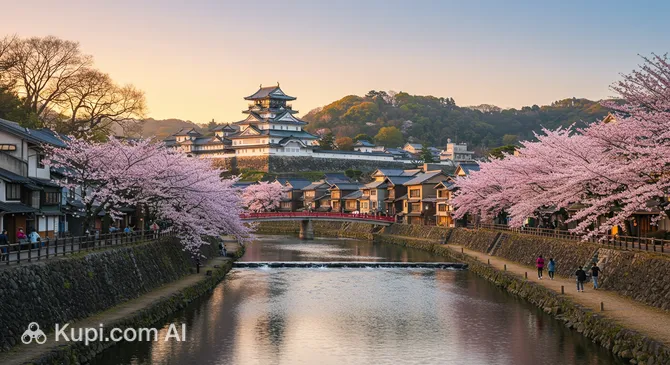
Nakatsu. Illustration.
Source: Kupi.com AI

Nakatsu is an administrative center with a rich history dating back to the samurai era, where ancient quarters and modern buildings coexist harmoniously. Among the key attractions is Nakatsu Castle, one of the city's symbols, which preserves the memory of the past. No less charming are the picturesque mountain landscapes surrounding Nakatsu and the calm flow of the Yamaga River, which crosses its center. The city is also known for its traditional craft shops, where you can find unique products and souvenirs.

Nakatsu is a wonderful place for those seeking to immerse themselves in authentic Japanese culture, enjoy natural beauty, and discover lesser-known but equally charming corners of the country. Visit Nakatsu to experience its unique atmosphere and the hospitality of the local residents.

You can find more interesting facts on the history of Nakatsu page.

Weather Overview

The weather in Nakatsu is characterized by marked seasonal changes. Summer, especially in July and August, is warm here, with average temperatures around 26-27°C, while maximum values can reach 30°C. June and July are also the wettest months, with the highest rainfall and number of rainy days. Winters, from December to February, are cool: the average temperature hovers around 5-7°C, and nightly minimums can drop to 2-4°C. Winter months are generally drier compared to summer. Spring and autumn are transition seasons with moderate temperatures and variable rainfall. Expect warm and humid summers with peak rainfall in June-July, and cool, relatively dry winters. To find out more details, study the climate of Nakatsu on our dedicated page.

Average monthly temperature

Average monthly precipitation

Interesting Facts

In addition to its scenic views and rich history, Nakatsu hides many surprising details that make it truly special. Here are some interesting facts that will help you look at this Japanese city from a new perspective:

  • The city's main pride, Nakatsu Castle, is one of the few "water castles" in Japan. Built in the 16th century by the commander Saigo Tsugumichi (though historically associated with Kuroda Yoshitaka), it is located right on the shore, creating the impression that it floats above the water. Today, a museum with samurai-era artifacts is housed within its walls.

  • Nakatsu was an important part of the famous historical Nakasendo route. This ancient road, connecting Tokyo and Kyoto, was used by samurai, merchants, and poets, and the city served as a significant transit station for them.

  • The city is the birthplace of Yukichi Fukuzawa—an outstanding educator, thinker, and reformer who played a key role in the modernization of Japan in the 19th century. His portrait graces the Japanese 10,000 yen banknote, and a monument to this great figure is erected in Nakatsu.

  • In Nakatsu, unique traditions of holding spring and autumn festivals are carefully preserved. During these days, the city streets come alive with colorful processions in traditional costumes, the sounds of taiko drums, and workshops by local artisans.

How to Get There

There are several ways to reach Nakatsu, and the choice depends on your starting point and preferences. The main transport hubs connecting Nakatsu with other regions of Japan and the world are nearby airports and the railway network.

Air Travel:

While Nakatsu does not have its own airport, several regional and international airports are within a reasonable distance. The primary option for arriving in Nakatsu by air is Kitakyushu Airport (KKJ). It is located in the city of Kitakyushu, approximately 36 km northwest of Nakatsu. This is a major airport from which Nakatsu's center can be reached by car or bus in about 1 hour to 1 hour 15 minutes. Alternatively, you can use Yamaguchi Ube Airport (UBJ), located in the city of Ube, at a distance of about 42 km. A trip from there to Nakatsu takes approximately 1 hour 20 minutes. For a wider selection of international flights, consider Fukuoka Airport (FUK). This is a very large international airport located in Fukuoka, approximately 70 km from Nakatsu. The journey from Fukuoka Airport to Nakatsu usually takes about 2 hours by car or express bus.

For clarity, here is summary information on the main airports serving the Nakatsu area:

AirportPassenger trafficDistance
Kitakyushu Airport1.6 mln36 km
Yamaguchi Ube Airport1.3 mln42 km
Oita Airport1.9 mln51 km
Fukuoka Airport24.9 mln70 km
Kumamoto Airport2.9 mln86 km

Railway Connection:

Regarding railway connections, the provided data contains information about a station that is not in Japan and is not related to trips to Nakatsu. However, Nakatsu itself has its own important railway station—Nakatsu Station. It is served by JR Kyushu lines, including the Nippo Main Line. This makes traveling by train from other major Japanese cities such as Fukuoka (from Hakata Station), Kokura, or Oita very convenient. Limited express trains and local commuters run regularly, connecting Nakatsu with the rest of Kyushu and the entire country. Upon arrival at Nakatsu Station, the city center is within walking distance, or you can use local transport.

Below is a table with data from the provided list of railway stations:

StationPassenger trafficDistance
Sønderborg Station95 km

In addition to air and rail links, Nakatsu can be reached by intercity buses from major cities in Kyushu, as well as by private or rental car, as the city is connected to Japan's network of expressways.

Main Attractions

Nakatsu, a city with a rich history and culture, offers travelers several interesting places to visit. Among them are historical monuments and natural beauties that allow for a deeper understanding of the past and enjoyment of the region's scenic landscapes.

One of the main attractions is Nakatsu Castle (Nakatsu-jō). It is one of Japan's three famous "water castles," picturesquely situated at the mouth of the Nakatsu River. Although the original structures have not been fully preserved, the reconstructed main tower and stone walls are impressive in their power. Inside the castle is a museum with an exhibition dedicated to the history of the clans that owned the castle and samurai culture. A visit to the castle is interesting not only for history buffs but also for those who want to enjoy beautiful views, especially in spring during the cherry blossom season.

An equally significant site is the Former Residence of Yukichi Fukuzawa (Fukuzawa Yukichi Kyūkyo). This is where Yukichi Fukuzawa was born and spent his early years—a prominent philosopher, educator, and founder of the prestigious Keio University, who played a key role in the modernization of Japan. Visitors can see the traditional house where he lived and the adjacent memorial museum, which provides detailed information about his life, work, and contribution to the country's development. This place is a must-visit for those interested in Japanese history and Meiji-era culture.

For nature lovers and those seeking breathtaking landscapes, Yabakei Gorge is well worth a visit. This vast scenic area, recognized as a National Place of Scenic Beauty, is famous for its unique rock formations, lush vegetation, and clear rivers. The gorge is especially beautiful in autumn, when the mountain slopes are painted in the bright colors of autumn foliage. Here you can take hikes along numerous trails, admire waterfalls, and visit iconic sites such as Ao-no-domon—a tunnel hand-cut into the rock by a monk in the 18th century. Yabakei offers unforgettable experiences and the opportunity to enjoy the natural splendor of the region.

Local Cuisine

The gastronomy of Nakatsu is a true adventure for foodies and one of the compelling reasons to visit this Japanese city. The culinary scene here is vibrant and diverse, but the main star is undoubtedly the famous "Nakatsu Karaage." This dish is so beloved that it has become the city's calling card.

"Nakatsu Karaage" is not just fried chicken; it's an entire culture. Juicy pieces of chicken fillet, marinated in a special sauce and deep-fried to a crispy golden crust, win you over from the first bite. The popularity of this delicacy is so great that Nakatsu hosts an annual karaage festival, attracting connoisseurs from all over Japan. You can try it at specialized restaurants as well as small street stalls.

Thanks to its coastal location, Nakatsu is also famous for its incredibly fresh seafood. Here you can taste delicious oysters and sea urchins. A special place in local cuisine is occupied by fugu fish, prepared according to ancient recipes that require high culinary skill. Local seaweed should not be overlooked either; it is often used to prepare aromatic soups and fresh salads.

In addition to meat and fish dishes, the gastronomic character of Nakatsu is complemented by the gifts of local farms. You can always find seasonal fruits and vegetables at the markets, as well as try traditional sweets made from family recipes, such as those made from sweet potato or rice. Among drinks, be sure to sample traditional Japanese tea and locally produced sake—the pride of Nakatsu residents.

For those who love getting to know a city through its street food, Nakatsu suggests visiting evening fairs. Here you can find fresh onigiri (rice balls with filling), appetizing takoyaki (octopus dough balls), and sweet waffles with a wide variety of sometimes unexpected fillings. This is a great opportunity to dive into the local atmosphere and try something new.

Overall, Nakatsu's gastronomic scene offers a fascinating journey through the flavors of the region. From the famous karaage chicken to exquisite seafood and authentic street food, everyone will find something to their liking. A trip to Nakatsu is always a feast of taste and a discovery of new culinary horizons.

Travel Tips

Planning a trip to the charming city of Nakatsu? Wonderful! To ensure your journey through this corner of Japan goes smoothly and leaves only pleasant impressions, we have prepared some practical tips.

  1. Clothing and Essentials: The climate in Nakatsu, as in all of Japan, has distinct seasons. It is hot and humid in summer, so choose light, breathable clothing. In winter it can be chilly, so warm clothes, including a jacket, hat, and gloves, will be useful. Spring and autumn are the most comfortable times with moderate temperatures; layered outfits are ideal. Be sure to bring comfortable shoes, as there will be a lot of walking. Don't forget an adapter for electrical appliances (Japan uses type A and B sockets). When visiting temples and shrines, take care to wear modest clothing that covers shoulders and knees.
  2. Getting Around the City: The most convenient way to move around Nakatsu is by local buses and JR Kyushu trains if you plan trips to the surrounding area. For short trips, you can use a taxi, but keep in mind that this is quite an expensive mode of transport. Car rental can be useful for exploring Oita Prefecture, but for Nakatsu itself, it is not a necessity. The city is compact enough for walking through the center.
  3. Finances: The local currency is the Japanese Yen (JPY). You can exchange money at airports, banks, or specialized exchange offices. Credit cards (Visa, Mastercard) are accepted in many hotels, large shops, and restaurants; however, in smaller establishments and markets, it's better to have cash. International cards usually work at ATMs in post offices (Japan Post Bank) and 7-Eleven stores. An approximate daily budget can vary, but aim for 7,000-10,000 yen excluding accommodation. It's important to remember that tipping is not customary in Japan.
  4. Health and Safety: Nakatsu, like Japan in general, is considered a very safe place. Pharmacies (薬, kusuri) are easy to find, but most medicines are sold by prescription, and pharmacists do not always speak English. If you need medical assistance, contact local clinics or hospitals; it is recommended to have travel insurance that covers medical expenses. There are no specifically "unsafe" areas in Nakatsu, but always take basic precautions.
  5. Communication: The official language is Japanese. English may be common in tourist spots and hotels, but overall, knowing a few basic phrases in Japanese (e.g., "konnichiwa" - hello, "arigato" - thank you, "sumimasen" - excuse me) will be very helpful and will earn appreciation from locals. For constant internet access, you can rent a pocket Wi-Fi router or buy a local SIM card. Free Wi-Fi is available in some hotels, cafes, and public places.
  6. Local Etiquette: In Japan, it is customary to bow when greeting and saying goodbye; the depth of the bow depends on the situation and the status of the person. In public places, especially on transport, try not to make noise or talk loudly on the phone. When entering a Japanese home, some temples, and traditional restaurants (ryokans), you must remove your shoes.
  7. What to Avoid: Never stick chopsticks vertically into rice—this is associated with funeral rituals and is considered poor etiquette. Also, try not to eat on the go on the street unless it is a specifically designated area (e.g., food festivals).
  8. Additional Tip: Nakatsu is famous for its castle and as the birthplace of the famous educator Yukichi Fukuzawa. Be sure to try the local delicacy—"Nakatsu Karaage" (fried chicken), which is considered one of the best in Japan. This is a great way to experience the local gastronomic culture!

We hope these tips help you better prepare for your trip and enjoy every moment of your stay in Nakatsu. Have a great journey!

Entertainment & Nightlife

Nightlife in Nakatsu differs from that of bustling metropolises; there is a more relaxed and authentic atmosphere typical of provincial Japan. The main form of evening entertainment consists of izakayas (Japanese gastropubs) and small bars where locals relax after work. The epicenter of evening activity is the area around JR Nakatsu railway station, especially on the north exit side, as well as the Hinode-machi covered shopping street (shotengai), where many small establishments are concentrated.

The city's culinary scene plays a major role in its nighttime leisure. Nakatsu is known as the "city of karaage" (Japanese fried chicken), so many evenings begin with a tasting of this dish accompanied by a glass of cold beer or sake. The crowd in these establishments is mixed: from office workers in suits to groups of young people. There is virtually no dress code; the style of clothing is casual. Most bars and restaurants open around 5:00 PM – 6:00 PM and operate until midnight or 1:00 AM, although some "snack bars" (karaoke bars) may welcome guests until the early morning.

If you are looking for specific places to immerse yourself in the local atmosphere, consider these establishments:

  • Sandaime Hige — a popular izakaya where you can try fresh seafood and local delicacies in a cozy setting.
  • Uotami Nakatsu Station — a well-known chain of Japanese pubs offering an extensive menu and private booths, which is convenient for groups who may not speak Japanese.
  • Bar Code — a small and cozy spot for cocktail lovers, perfect for quiet conversation to end the evening.

Practical Tips and Safety: Nakatsu is a very safe city, and nighttime walks here pose no threat. However, as elsewhere, it is worth keeping an eye on your personal belongings. The station area is well-lit, and taxis are easily found at the designated stand. Keep in mind that public transport stops running around midnight, so if you live far from the center, plan your return trip in advance. Prices in establishments are affordable: the average check for dinner with drinks ranges from 3,000 to 5,000 yen.

During the day, the city offers more cultural and contemplative leisure. You can visit the famous Nakatsu Castle with its beautiful park or the residence-museum of Yukichi Fukuzawa, who is depicted on the 10,000 yen banknote. For nature lovers, walks through the picturesque Yabakei Gorge, located nearby, are ideal, especially during the autumn leaf season.

Parks & Museums

Nakatsu is a city where history harmoniously blends with natural beauty, offering travelers both peaceful green corners and fascinating immersions into its rich cultural heritage. Here, everyone will find opportunities for relaxation and learning, whether it's a stroll through an ancient garden or learning about the lives of Japan's prominent figures.

Among the green oases of Nakatsu, the park adjacent to Nakatsu Castle stands out. It is a wonderful place for leisurely walks, especially during the cherry blossom season, offering picturesque views of the castle itself and the surrounding area. For those seeking more grand natural experiences, a trip to Yabakei Gorge in the outskirts of Nakatsu is recommended. This place is famous for its dramatic cliffs and lush greenery, and is especially magnificent in autumn when the foliage turns vibrant colors. Lovers of traditional Japanese garden art will surely enjoy Keiseien Garden, where you can savor the silence while contemplating skillfully created landscapes and feeling the spirit of old Japan.

The city's main historical landmark is Nakatsu Castle. Known as one of Japan's three "water castles," it holds a rich history within its walls. A museum usually operates inside the castle, with exhibitions dedicated to the region's feudal past and famous personalities associated with Nakatsu. A must-visit is the Yukichi Fukuzawa Memorial Museum and Former Residence. This outstanding thinker, educator, and founder of Keio University played a key role in the country's modernization. The museum tells in detail about his life, ideas, and legacy, and visiting his modest home allows for a better understanding of the origins of his philosophy.

Another unique site combining cultural and natural heritage is Rakan-ji Temple, known for its Gohyaku Rakan statues. Hundreds of stone images of arhats (disciples of Buddha), each with individual features, are located on the mountain slopes and in caves, creating a mystical and peaceful atmosphere. A visit to the temple will also reward you with beautiful views.

To further immerse yourself in the atmosphere of old Nakatsu, take a stroll through the streets in the area where the former residence of Yukichi Fukuzawa is located—here you can feel the spirit of the Meiji era. Also, don't miss the chance to peek into local markets if you encounter them; it's a great way to observe the daily life of the townspeople and try fresh produce.

Getting Around

Public transport in Nakatsu consists mainly of buses and railway services. The city does not have its own metro or tram system, which is typical for settlements of this size in Japan. The main railway operator serving Nakatsu Station is JR Kyushu, whose trains connect the city with other locations in Oita Prefecture and larger cities.

Smart cards (IC cards) such as Nimoca or Sugoca, which are part of a nationwide system and are interchangeable with other popular cards like Suica or Pasmo, are widely used to pay for travel on buses and trains. You can purchase or top up such a card at major railway stations or some convenience stores. It is also possible to pay with cash directly on the bus (a ticket with the zone number is usually taken upon entry, and payment is made to the driver upon exit) or buy train tickets at station machines. The estimated cost of a single bus trip around the city starts at around 170-200 yen, and the minimum fare for a short train trip within the city or to nearby suburbs will be comparable, though the exact amount always depends on the distance traveled.

Tourists are recommended to purchase an IC card for convenience. When entering a bus, you need to tap the card against the reader and repeat the procedure when exiting. On trains, the card is used to pass through the ticket gates at the station entrance and exit. Buses and trains usually run according to a schedule, which can be found at stops and stations. Public transport operating hours are typically from early morning until late evening, though the frequency of services may decrease in the evening and on weekends. Information on bus routes and schedules can be checked at Nakatsu Station or on the websites of local transport companies.

As an alternative to public transport, taxis are available in Nakatsu. They can be found at special stands near the railway station or called by phone. Keep in mind that taxis in Japan are a relatively expensive mode of transport. For more flexible travel, especially if you plan to explore the outskirts of the city, you might consider renting a car. Bicycle rentals may also be available in the city, which is a great way to leisurely explore its streets and attractions over short distances.

Accommodation

When planning a trip to Nakatsu, you will find a variety of accommodation options to suit different preferences and budgets. The city features traditional Japanese inns (ryokans) as well as modern hotels and more budget-friendly options like guesthouses.

For tourists, the most convenient areas to stay are usually those located near major attractions, such as Nakatsu Castle, or close to Nakatsu Railway Station, providing easy access to transport for exploring the city and its surroundings. Choosing accommodation in these areas will save time on travel and make your stay more comfortable.

The price range for accommodation in Nakatsu varies: you can find both economical options and mid-range hotels with a wider set of services. It is convenient to use popular online platforms for searching and booking accommodation, which allow you to compare prices and conditions, as well as read reviews from other travelers. Some hotels offer direct booking through their websites.

It is recommended to book accommodation in advance, especially if your trip coincides with the peak tourist season or major local festivals. This will help you secure the best choice and potentially more favorable prices.

Nearby Cities

For those looking to explore the surrounding area, Nakatsu serves as an excellent starting point for day trips to several interesting nearby locations:

For example, Beppu, located just 40 km away, is world-famous for its numerous hot springs (onsens). It is a unique place where you can not only relax in traditional Japanese baths but also see the famous "hell" boiling ponds of various colors.

A little further, about 47 km away, is Kitakyushu—a major port city with a rich industrial history. In addition to its industrial heritage, Kitakyushu attracts visitors with beautiful gardens, such as the famous Kawachi Fuji Wisteria Garden, and interesting museums, offering a contrasting blend of nature and culture.

It is also worth considering a trip to Oita, the capital of the namesake prefecture, located 52 km from Nakatsu. The city offers an interesting mix of modern urban life and cultural attractions, including the Oita Prefectural Art Museum (OPAM) and a scenic coastline.

CityPopulationDistance
Buzen24 3699 km
Usa52 76714 km
Tsuiki17 06719 km
Bungotakada33 06623 km
Yukuhashi70 92228 km

These nearby destinations provide insight into the diverse culture and landscapes of the region, offering many options for exciting day excursions.

Shopping & Souvenirs

Shopping in Nakatsu offers tourists the opportunity to discover both modern Japanese goods and the region's traditional crafts. Although the city is not a major metropolis with huge shopping districts, you can find unique local products and souvenirs reflecting the culture of Oita Prefecture and Japan as a whole.

The main shopping activity in Nakatsu, as in many Japanese cities, is often concentrated around the main railway station. Here you can find various shops, from small family-run stalls to chain retailers. Pay attention to the local shopping arcades (shotengai), which often sell everyday goods, food, and souvenirs in an authentic atmosphere.

Nakatsu may have small shopping centers or department stores offering a wider range of products, including clothing, cosmetics, and household items. Such complexes are usually located near transport hubs and are convenient places for comprehensive shopping.

While information about large permanent markets in Nakatsu may be limited, it is worth looking out for possible morning or farmers' markets (asaichi), especially if you want to buy fresh local products, delicacies, or handmade items. Such markets are a great way to dive into local life and find something special.

You can bring home a variety of souvenirs from Nakatsu and Oita Prefecture. Local confectionery (for example, those using yuzu or other regional fruits), ceramics, textiles with traditional patterns, and bamboo products are popular. Don't forget classic Japanese souvenirs like fans, chopsticks, or small decorative items.

Most shops in Nakatsu likely operate from 10:00 AM or 11:00 AM to 7:00 PM or 8:00 PM. Larger shopping centers may have longer opening hours. Regarding payment, cash is still widely used in Japan, especially in small shops and markets. However, credit cards (Visa, Mastercard) are accepted in many establishments, especially those geared towards tourists. Various cashless payment systems are also gaining popularity.

Tourists in Japan can take advantage of the tax refund system (Tax Free) when making purchases of a certain amount in participating shops. Usually, these are stores with a corresponding "Tax-Free Shop" sign. To process a tax refund, you will need to present your passport. Check the conditions directly in the stores.

Reached the end of the page?

That means the route is fully explored