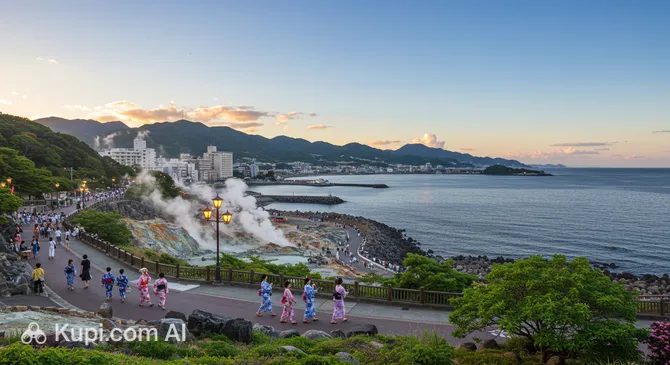
Beppu is a stunning city in Japan, rightfully known as the capital of hot springs. Its unique atmosphere is infused with steam rising from beneath the earth at literally every turn, creating a truly unforgettable sight and a sense of immersion in a world of natural energy. Located in Oita Prefecture on the island of Kyushu, Beppu attracts travelers from all over the world with its unparalleled geothermal activity.
Beppu. Illustration.
Source: Kupi.com AI
The city is home to around 116,000 residents and is famous for its incredible number and variety of onsens—traditional Japanese hot springs. The main attraction of Beppu is the so-called "hell springs" or "Jigoku Meguri"—eight impressive geothermal wonders, each unique in its color, composition, and temperature. These springs are meant more for viewing than bathing, captivating the imagination with their Martian-like landscapes and bubbling activity.
Beyond the "hells," Beppu offers a vast number of onsens where you can relax and rejuvenate, ranging from traditional baths to sand, mud, and steam baths. The city provides a unique experience of immersion into Japanese bathing culture, while its picturesque surroundings and the hospitality of local residents make a stay here even more pleasant. If you are looking for unusual experiences and want to touch the powerful forces of nature, Beppu is a place you must visit.
The weather in Beppu features clearly defined seasons. Summer, especially in July and August, will delight you with warmth, when average temperatures rise to +26-27°C. However, be prepared for periodic rain, as the summer months—especially July with its 20 rainy days—are characterized by significant humidity. Winters in Beppu are cool, with an average January temperature of around +5°C, and are generally drier with minimal precipitation. Overall, expect warm summers with occasional rain and cold, dry winters. For more detailed information about weather conditions throughout the year, you can check the Beppu Climate page.
Average monthly temperature
Average monthly precipitation
Interesting Facts
In addition to the famous "hells" and numerous onsens, Beppu hides many surprising stories and facts that will add zest to your journey. Here are just a few of them that offer a new perspective on this city of steam and hospitality:
The "Yukemuri" View: The image of the city shrouded in clouds of steam from hot springs is known as "Yukemuri." This view is so iconic to Japan that it was officially recognized as one of the "100 Landscapes of Heisei Japan to be preserved for the 21st century."
Healing Sand: In Beppu, you can experience unique "sunamushi" sand baths. You are literally buried in warm volcanic sand heated by natural steam, which is considered not only an exotic activity but also an effective wellness procedure.
Cuisine "from Underground": The local culinary tradition of "Jigoku Mushi Ryori" (hell's steam cooking) involves preparing food using natural geothermal steam. Dishes cooked this way have a special flavor and retain maximum nutrients. You can try them in specialized restaurants or even cook them yourself.
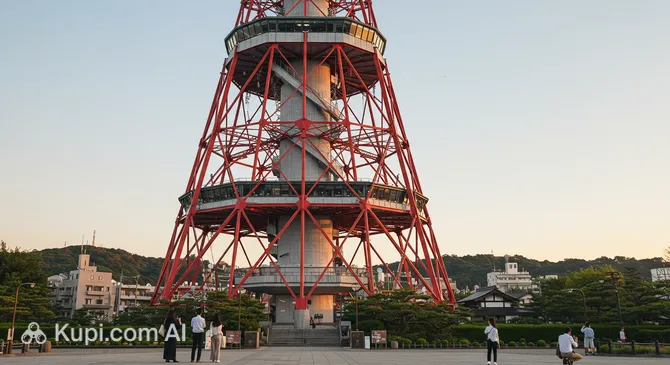
Tokyo Tower's TV Sister: The famous Beppu Tower, rising above the city, was designed by Tachū Naitō—the same architect who created the Tokyo Tower. It is one of the six so-called "sister towers" he built in different cities across Japan, originally intended for television broadcasting.
Beppu Tower. Illustration.
Source: Kupi.com AI
Traveler photos:
How to Get There
Reaching the city of Beppu, the world capital of hot springs, is possible in several ways, with air travel followed by a transfer and rail travel being the most popular. The city is conveniently located on the island of Kyushu and has excellent transport links.
Although Beppu does not have its own airport, nearby air hubs provide convenient access to the city. One of the most practical options is Oita Airport(OIT). It is located in the city of Oita, approximately 31.5 km from the center of Beppu. A trip by taxi or bus from Oita Airport to Beppu takes about one hour. This is a regional airport serving many domestic flights.
Another major transport hub often used by tourists heading to Beppu is Fukuoka Airport(FUK). It is located in the city of Fukuoka, about 102 km from Beppu. It is one of Japan's largest international airports with high passenger traffic. The journey from Fukuoka Airport to Beppu by express bus or train (with a transfer) takes approximately 2.5 to 3 hours.
You can also consider Kitakyushu Airport(KKJ), located in the city of Kitakyushu, about 75 km from Beppu. This airport also serves domestic and some international flights. A trip to Beppu from here will take about 2 to 2.5 hours by car or public transport.
For clarity, here is a summary of the main airports used to reach Beppu:
Regarding rail links, Beppu has its own major railway station—Beppu Station, which is served by JR Kyushu. This station is an important transport hub on the island of Kyushu. Trains, including limited expresses, arrive here from major cities such as Fukuoka (Hakata Station), Oita, Kumamoto, and others. Traveling by train in Japan is famous for its comfort and efficiency, allowing you to enjoy the country's views along the way. The provided data on railway stations did not contain information about stations relevant for Beppu, however, the city's main station is easily accessible and well-known.
Additionally, Beppu can be reached by intercity buses that connect it with various cities on Kyushu and other regions. For those who prefer to travel by car, the city is accessible via Japan's system of expressways. Renting a car can be a convenient option for exploring the surroundings of Beppu.
Main Attractions
Beppu, the city of steam and hot springs, offers tourists many unique attractions that can surprise and delight. From bubbling "hells" to breathtaking panoramic views and wildlife encounters—there is something for everyone here.
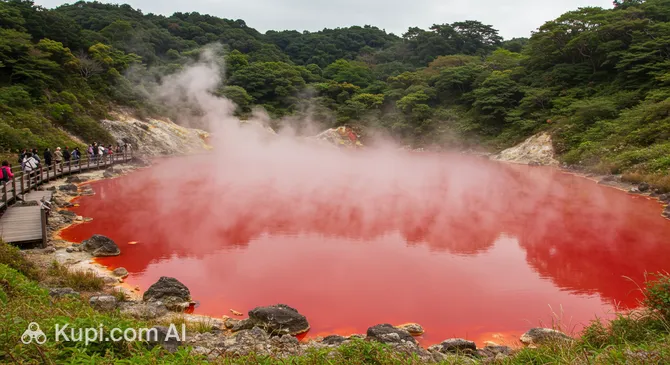
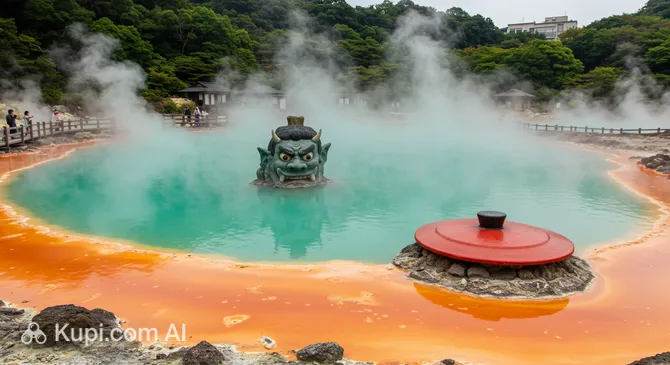
The city's main calling card is undoubtedly the Hells of Beppu (Jigoku Meguri)—eight geothermal springs, each striking in its color, temperature, and unique features. These are not bathing spots but rather natural art objects demonstrating the earth's power. A walk through the "hells" is a journey to another world, where you can see blood-red, cobalt-blue, and milky-white lakes, as well as bubbling mud and columns of steam.
Hells of Beppu. Illustration.
Source: Kupi.com AI
Traveler photos:
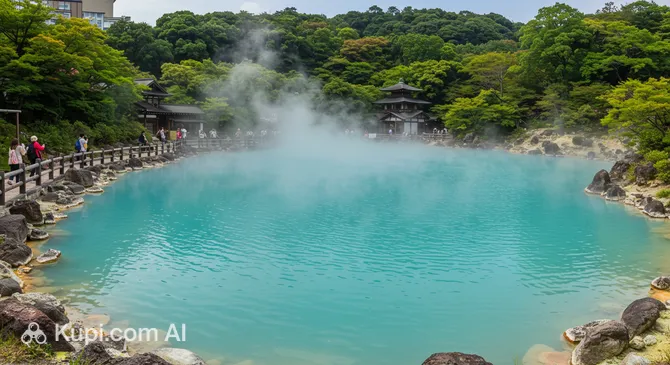
Among the "hells," Umi Jigoku, or "Sea Hell," particularly stands out. This spring is famous for its incredible cobalt-blue color, reminiscent of a tropical sea. The water temperature here reaches 98°C. A beautiful garden surrounds the spring, and there is also a small aquarium with tropical water lilies that bloom thanks to the heat from the spring. It is one of the most photographed spots in Beppu.
Umi Jigoku. Illustration.
Source: Kupi.com AI
Traveler photos:
Another noteworthy "hell" is Kamado Jigoku, or "Cooking Pot Hell." It got its name from the ancient tradition of using its steam to cook ritual food for the guardian deity of a local shrine. "Kamado Jigoku" is a complex of several small springs with different properties and colors, including ponds of bubbling mud and steam that can be "tasted" (in the form of steamed eggs and vegetables).
Kamado Jigoku. Illustration.
Source: Kupi.com AI
Traveler photos:
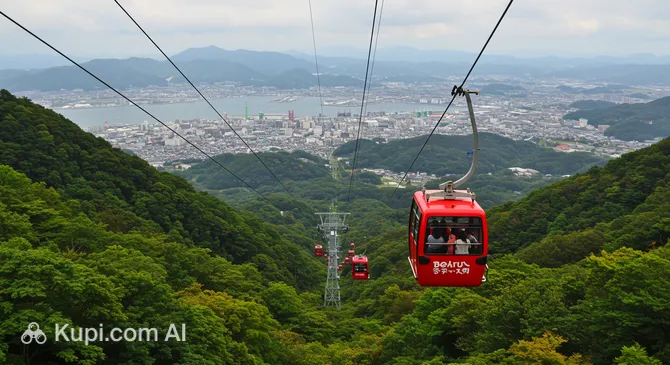
For those who want to enjoy panoramic views of Beppu, the bay, and the surrounding mountains, the Beppu Ropeway is a must-see. It takes visitors to the summit of Mount Tsurumi (1,375 m), offering breathtaking landscapes. It is especially beautiful here in spring during the cherry blossom and azalea season, as well as in autumn when the mountain slopes are painted in vibrant colors.
Beppu Ropeway. Illustration.
Source: Kupi.com AI
Traveler photos:
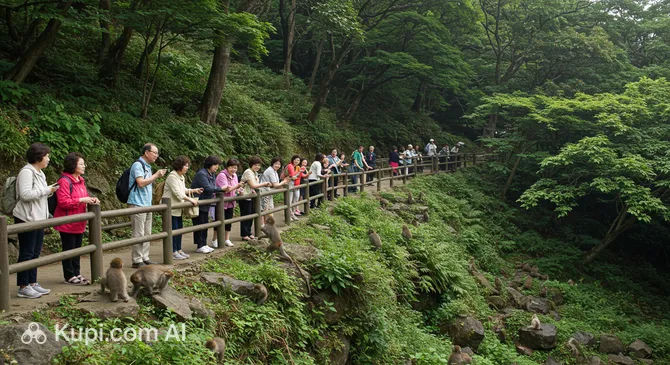
Nature and animal lovers should visit the Takasakiyama Monkey Park. This natural reserve is home to over a thousand wild Japanese macaques that roam freely throughout the area. Observing their daily lives, play, and interactions in their natural habitat is a fascinating and educational activity for visitors of all ages. The park is located at the foot of Mount Takasaki, and you can see the monkeys from quite a close distance here.
Takasakiyama Monkey Park. Illustration.
Source: Kupi.com AI
Traveler photos:
Local Cuisine
The gastronomic world of Beppu is inextricably linked to its main natural feature—geothermal springs. The most iconic culinary experience here is undoubtedly "Jigoku Mushi" (Jigoku Mushi), or "hell's steam kitchen." This is a unique cooking method using hot steam that bursts directly from the ground. The freshest seafood—crabs, shrimp, shellfish—as well as vegetables, meat, and eggs are cooked in special steamers, retaining all their healthy properties and acquiring a unique, delicate flavor. Many establishments offer guests the chance to prepare their own lunch using this exotic method.
Besides "hell's kitchen," the gastronomy of Beppu and Oita Prefecture is famous for other dishes as well. Be sure to try toriten—this is tender battered chicken, a local variation of tempura, usually served with ponzu sauce and karashi mustard. Another popular local dish is dango-jiru, a hearty soup with flat wheat dumplings, vegetables, and often mushrooms, based on miso or soy sauce. This dish warms and satisfies perfectly, especially in cool weather.
As for drinks, in Beppu, you should pay attention to local varieties of sake and shochu, especially barley shochu (mugi-jochu), for which Oita Prefecture is famous. Refreshing choices include drinks based on the local kabosu citrus—lemonades or even beer with its addition. Among non-alcoholic options, traditional Japanese Ramune lemonade with a marble inside the bottle and various local juices are popular.
Food culture in Beppu is diverse. You can try "Jigoku Mushi" dishes at specialized restaurants and workshops (Jigoku Mushi Kobo), where you can often participate in the process yourself. Traditional Japanese ryokans often offer their guests exquisite kaiseki-style dinners, featuring many small dishes made from seasonal local products. For a more casual atmosphere, numerous izakayas—Japanese pubs where various snacks are served with drinks—are suitable. It is also worth visiting traditional tea houses, such as Amamichaya, where you can enjoy Japanese sweets and light meals in an authentic setting.
Amamichaya. Illustration.
Source: Kupi.com AI
Traveler photos:
The culinary scene in Beppu is a fascinating combination of ancient traditions, unique cooking methods gifted by nature, and the freshest gifts from the sea and land. Culinary impressions here will be a vivid addition to your acquaintance with the "city of steam," offering tourists not only delicious but also healthy food imbued with the spirit of this amazing place.
Travel Tips
Welcome to Beppu, the amazing city of steam and hot springs! To make your journey to this gem of Japan as comfortable and memorable as possible, we have prepared some practical tips. They will help you better navigate and enjoy everything this unique city has to offer.
Clothing and essentials:
The climate in Beppu has distinct seasons. In summer (June–August), take light, breathable clothing and a raincoat, as precipitation is possible. In winter (December–February), you will need warm clothes: sweaters, a jacket, and a hat. Spring and autumn delight with moderate weather, ideal for layered clothing. A key element of your wardrobe is comfortable shoes, as you will be walking a lot, especially while exploring Beppu's famous "hells." Don't forget a small personal towel for visiting onsens (though they can often be rented or bought on-site). For electrical appliances, you will need an adapter (Type A sockets are used in Japan). You may be required to remove your shoes in temples and some traditional establishments, but there is usually no strict dress code for visiting tourist sites in Beppu; however, general modesty in clothing is welcomed.
Transport around the city:
The main form of public transport in Beppu is the bus. The Kamenoi Bus network is well-developed and covers all major attractions, including the "hells" (Jigoku Meguri). JR Beppu Station is an important transport hub for traveling around the region. Taxis are available but can be quite expensive. Taxi apps are less common than in other countries. Renting a car can be convenient for exploring Oita Prefecture's surroundings, but note that parking in Beppu itself can be limited and paid.
Finances:
The local currency is the Japanese yen (JPY). You can exchange currency at banks, the post office, or some large hotels. It is recommended to carry some cash, as not all small establishments, markets, or onsen entrances accept cards. Credit and debit cards (Visa, Mastercard) are widely accepted in hotels, large stores, and restaurants. ATMs for withdrawing cash from international cards are available in 7-Eleven stores (Seven Bank ATMs) and at post offices (Japan Post Bank). Tipping in Japan is not practiced—good service is already included in the price. An approximate daily budget can range from 7,000 to 15,000 JPY per person, not including accommodation.
Health and safety:
Beppu is a very safe city, as is Japan in general. Follow standard precautions: keep an eye on your belongings, especially in crowded places. Pharmacies (kusuri-ya) are available, but not all are open 24/7, so it's better to have a basic set of medicines with you. For medical assistance, tourists are recommended to contact large hospitals; having travel health insurance is highly desirable. Be careful near geothermal springs—the steam and water can be very hot, always follow signs and instructions.
Communication:
The official language is Japanese. In tourist areas, hotels, and at the station, staff often speak English, and many signs are bilingual. Learn a few simple phrases like "Konnichiwa" (Hello), "Arigato" (Thank you), and "Sumimasen" (Excuse me/Sorry)—it's always appreciated by locals. For constant internet access, you can buy a travel SIM card or rent a pocket Wi-Fi router (often available at airports). Free Wi-Fi is available in many hotels, cafes, and at major stations. Apps like Google Maps for navigation and HyperDia for train schedules can be very useful.
Local etiquette:
Japanese people value politeness and respect. A slight bow (o-jigi) is a traditional form of greeting. In public places, especially on transport, try not to make noise or talk loudly on the phone. Pay special attention to onsen etiquette: before entering the communal bath, you must wash thoroughly in the designated shower area. In most traditional onsens, it is not customary to wear swimsuits (guests are provided with small towels that should not touch the water in the communal bath). If you have tattoos, check the visiting rules in advance, as entry to some public onsens may be restricted (consider private "kashikiri" baths or "tattoo-friendly" onsens).
What to avoid:
To ensure your stay goes smoothly, try to avoid a few things. First, do not violate onsen etiquette, as this can cause discomfort for other visitors and is considered disrespectful. Second, in restaurants, never stick your chopsticks vertically into a bowl of rice—this is associated with funeral rites and is considered bad manners.
Special tip for Beppu:
When planning a visit to the famous "hells" (Jigoku Meguri), consider buying a "Jigoku Meguri Ticket" combo ticket. It grants access to seven of the eight main "hells" and is usually more cost-effective than buying individual tickets. Also, don't miss the chance to try "onsen tamago"—eggs boiled in geothermal springs, or other "Jigoku Mushi" dishes (steamed by the springs)—it's a unique Beppu gastronomic experience!
We hope these tips help you plan an unforgettable trip to Beppu! Enjoy the unique atmosphere of this city, its healing springs, and the hospitality of its residents.
Entertainment & Nightlife
When the sun sets over the city of steam, Beppu doesn't fall asleep but offers its guests a cozy and relaxing atmosphere for evening leisure. The nightlife here might not be as boisterous as in Japan's major metropolises, but it has its own unique charm that perfectly complements a day spent at the hot springs.
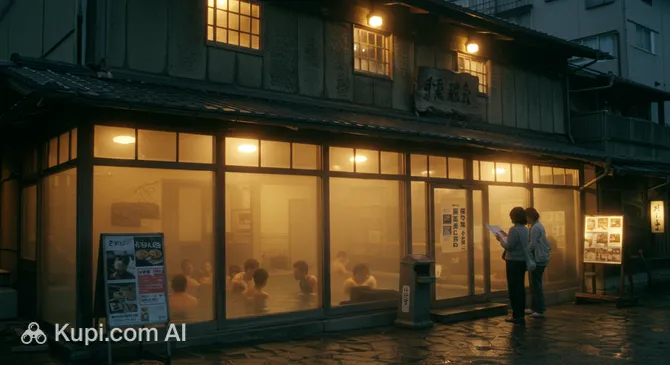
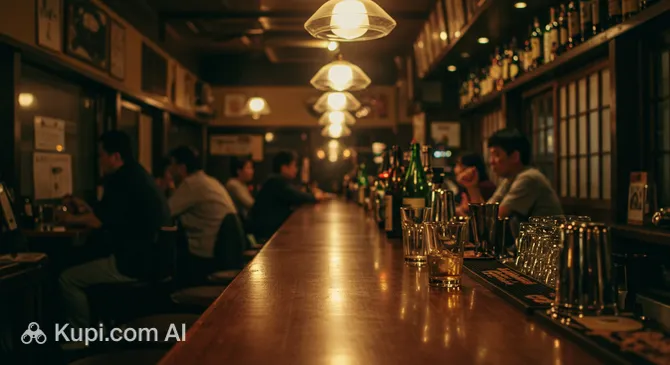
The main centers for evening entertainment are concentrated around Beppu Station and in the coastal district of Kitahama. Here, you will find many traditional Japanese pubs—izakaya—where you can enjoy local beer, sake, or shochu combined with various snacks. The atmosphere in such establishments is usually very friendly and conducive to socializing, drawing both locals and tourists. Many izakayas and restaurants stay open until late evening, and some until midnight or even later, especially on weekends. There is generally no dress code; casual clothing is welcome.
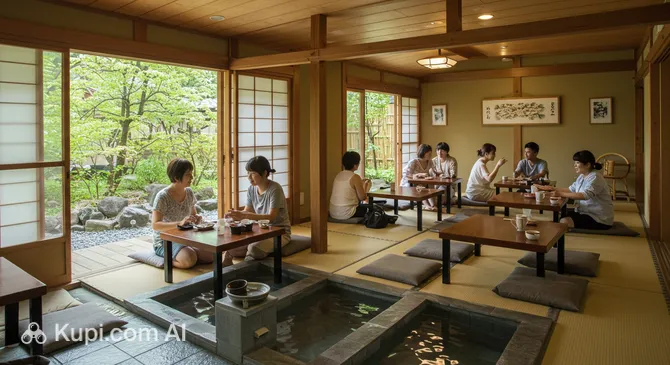
For those looking for more lively spots, Beppu has several bars and small clubs where you can listen to music and dance. While the choice of large nightclubs is limited, cozy bars offer a pleasant setting for an evening cocktail. One such place is Beppuwan Wakura Bar, where you can relax with a drink. Another interesting establishment offering a unique experience is the Yufuin Footbath Cafe, which, although located in neighboring Yufuin (frequently visited from Beppu), represents an unusual bar format where you can combine foot relaxation with a drink.
Beppuwan Wakura Bar. Illustration.
Source: Kupi.com AI
Traveler photos:
Practical tips for nighttime outings:
The best time to start your evening program is after 7:00-8:00 PM, when most restaurants and bars are already open and filling up with patrons. The average check in an izakaya can range from 2,000 to 5,000 yen per person, depending on your order. At night, the most convenient way to get around the city is by taxi. They can be found at stands near the station or called by phone (hotel or restaurant staff can help). Beppu is considered a very safe city, and nighttime walks through well-lit central districts usually pose no concerns. Nevertheless, it is always worth taking basic precautions.
Foot Bath Café Yufuin. Illustration.
Source: Kupi.com AI
Traveler photos:
Regarding daytime entertainment, Beppu offers more than just hot springs. You can visit theme parks like Harmonyland, especially if traveling with children. For art lovers, the doors of museums are open, such as the Oita Prefectural Art Museum or the Yufuin Showa-kan Museum, where you can explore Japanese culture and history. The city also has beautiful parks for walking and shopping centers, such as Park Place Oita, for those who love to shop.
Parks & Museums
Beppu, a city famous for its geothermal wonders, offers its guests not only relaxing onsens but also excellent opportunities to connect with nature and culture. Here you will find well-kept parks for leisurely strolls, picturesque natural spots, and interesting museums that tell the story of the rich history and artistic heritage of Japan and the Oita region.
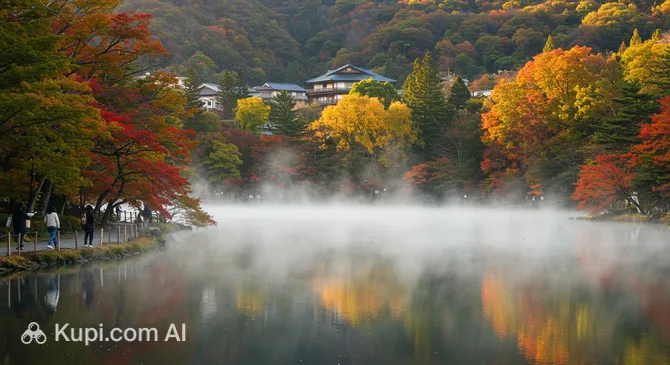
Among the green zones of Beppu and its surroundings, several notable places stand out. Beppu Park (Beppu Koen) is a true oasis in the city center, a popular recreation spot for both locals and tourists. Here you can walk along shaded alleys, enjoy seasonal blooms, and simply take a break from the city bustle. The park also houses the cozy Beppu Park Cafe, where you can grab a bite to eat. Not far from Beppu, in the popular resort town of Yufuin, lies Lake Kinrin. This picturesque lake is especially beautiful in the early morning when mist drifts across its surface, creating a mystical atmosphere. The water in the lake is partially heated by hot springs, which adds to its uniqueness. For a family outing, the Oita Agricultural Park is perfect, where you can learn about the region's rural life, see farm animals, and enjoy nature. And, of course, one cannot fail to mention the Takasakiyama Monkey Park, where a large population of Japanese macaques lives in their natural habitat.
Lake Kinrin. Illustration.
Source: Kupi.com AI
Traveler photos:
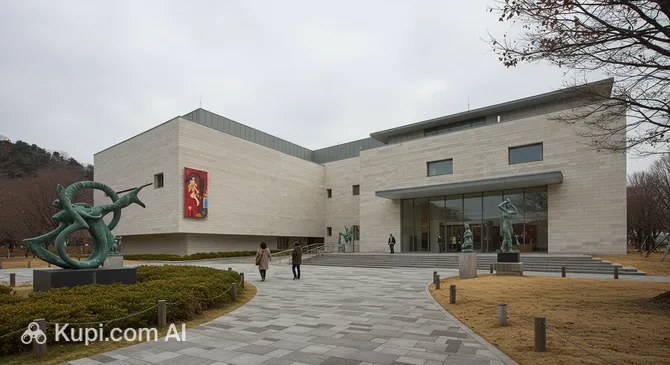
The cultural life of Beppu is also rich. One of the main art centers is the Oita Prefectural Art Museum (OPAM). Its modern building, designed by the famous architect Shigeru Ban, is a work of art in itself. Inside, visitors can find a variety of exhibitions of Japanese and international art, as well as design. For those who want to dive into the atmosphere of the past, the Yufuin Showa-kan Museum will be of interest, offering a nostalgic journey into the reign of Emperor Hirohito (1926-1989), showcasing household items and culture from that period. Another unique place is the Iwashita Collection, a private museum presenting an eclectic selection of exhibits, from vintage motorcycles to art objects.
Oita Prefectural Art Museum. Illustration.
Source: Kupi.com AI
Traveler photos:
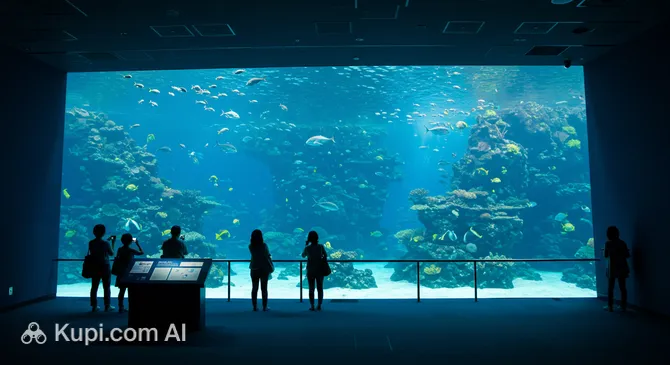
Among the city's architectural landmarks, Beppu Tower stands out, offering panoramic views of the city and bay. To explore the underwater world, it is worth visiting the Oita Marine Palace Aquarium "Umitamago", which features various marine life and hosts engaging shows. And if you are looking for outdoor adventures, the African Safari, located near Beppu, will allow you to see wild animals in conditions close to their natural habitat.
Oita Marine Palace Aquarium. Illustration.
Source: Kupi.com AI
Traveler photos:
A tip for the curious: in addition to the large parks and museums, pay attention to the small local temples and shrines scattered throughout Beppu. They often hide interesting details and offer a secluded atmosphere for reflection. Also, a walk through less touristy streets can reveal charming corners of the city not mentioned in guidebooks.
Getting Around
Getting around Beppu is quite simple thanks to a well-organized public transport system, where buses play the leading role. Although the city is compact and some attractions can be reached on foot, a bus will be your best friend for visiting the famous "hells" or remote areas. There is no metro or tram in the city, so the main emphasis is on bus services.
The main bus operator in Beppu is the Kamenoi Bus company. Their buses cover almost every corner of the city, including all eight "hells" (Jigoku Meguri), Beppu railway station, the port, and main tourist areas. Routes are clearly marked, and many stops have information available in English. Buses usually run on a schedule, which can be found at stops or on the company's website.
The fare payment system in Beppu buses is quite flexible. You can pay your fare in cash when exiting the bus (it is recommended to have small change, as the driver cannot always provide change for large bills). A more convenient option is to use rechargeable IC cards, such as Suica, Pasmo, ICOCA, and other nationwide cards, which are accepted on Kamenoi Bus. For tourists planning to travel a lot, a special tourist pass like the "My Beppu Free Pass" can be a great value, offering unlimited travel on Kamenoi Bus for one or two days. You can purchase these passes at the Beppu bus terminal (next to JR Beppu Station) or at tourist information centers.
When using buses in Beppu, you generally enter through the middle door, where you take a ticket with a zone number (unless it is a fixed-fare route). When exiting through the front door, you pay the fare to the driver or tap your IC card on the reader. The amount to be paid is displayed on an electronic board above the driver. Buses usually start running early in the morning and end in the evening; on some routes, intervals can be significant, especially in the evening or in less popular areas. For route planning, it is convenient to use online maps or special apps for Japanese transport.
In addition to buses, other ways to get around Beppu are available. Taxis can be found at stands near the station, major hotels, or called by phone. This is a comfortable but more expensive way to move, especially over long distances. Car rental can be a good option if you plan to explore not only Beppu but also its picturesque surroundings in Oita Prefecture; however, keep in mind possible parking difficulties in the city center. For short trips around certain areas, like Kannawa with its "hells," you can consider renting a bicycle—it's an eco-friendly and pleasant way to see the area. Many central parts of the city are also perfectly suitable for walking.
One of the unique transport features of Beppu is the Beppu Ropeway. It is not so much urban transport as a way to reach the top of Mount Tsurumi, which offers spectacular panoramic views of the city, the bay, and the surrounding mountains. It is a popular tourist attraction offering an unforgettable experience at any time of year.
Accommodation
Beppu offers a wide range of accommodation options to satisfy any traveler's needs, regardless of budget or preference. Here, you will find affordable guesthouses and hostels ideal for budget tourists, as well as traditional Japanese ryokans, many of which feature their own onsens (hot springs). Additionally, the city offers a large selection of comfortable mid-range hotels and luxury resort complexes with a full range of services. For those who prefer more independence or are traveling with a family, apartments and houses are available for short-term rent.
When choosing where to stay in Beppu, pay attention to several key areas. The area around JR Beppu Station is very convenient due to excellent transport accessibility and proximity to numerous restaurants, cafes, and shops. For those who want to be in the center of the action related to hot springs, the Kannawa district is an ideal choice, as it is home to the famous "hells" (Jigoku Meguri) and many onsens. The coastal area of Kitahama is also popular with tourists, offering hotels with scenic sea views and easy access to the waterfront.
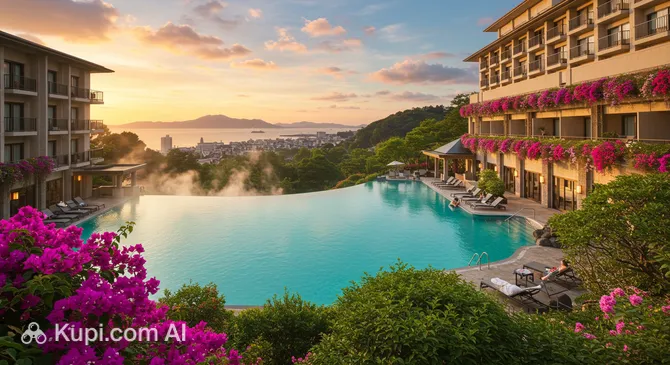
Among the well-known accommodation options frequently chosen by tourists, the Suginoi Hotel stands out, famous for its large-scale thermal complexes and diverse entertainment for the whole family. If you are looking for a more secluded and modern getaway in nature, an interesting option might be Yufuin Onsen Glamping KOMOREBI, which offers a unique glamping experience with individual hot springs (located in the resort town of Yufuin, a popular trip from Beppu).
Suginoi Hotel. Illustration.
Source: Kupi.com AI
Traveler photos:
The price range for housing in Beppu is quite broad: from budget options to luxury offers. It is highly recommended to book accommodation in advance, especially if your trip is planned for the peak tourist season (for example, during cherry blossoms in spring, the autumn foliage period, or national holidays), as well as on weekends when demand increases significantly. The most common booking methods are popular international online platforms such as Booking.com, Agoda, and Expedia, as well as official hotel websites or Japanese online booking systems. Sometimes direct booking through a hotel's website can offer special promotions or service packages.
Nearby Cities
For those who wish to explore the surrounding area, Beppu serves as an excellent starting point for day trips to several interesting nearby locations:
Among them, Oita stands out—the prefecture's capital, offering urban entertainment, shopping, and cultural attractions just 12 kilometers away. For lovers of history and traditional Japanese atmosphere, a visit to Hita will be an interesting trip; it's a charming town known for its ancient streets and craft traditions, located about 50 kilometers from Beppu. You can find more detailed information about these and other nearby cities in the table below.
These nearby destinations allow for a more complete understanding of the diverse culture, history, and landscapes of the Kyushu region, perfectly complementing the impressions of Beppu's own unique hot springs.
Shopping & Souvenirs
Although Beppu is primarily known for its hot springs, shopping here can also be an enjoyable part of your journey. The city offers both traditional Japanese goods and unique local souvenirs, as well as opportunities for more familiar shopping in modern shopping centers located nearby. Special attention should be paid to items related to onsen culture and local craft goods.
Main shopping spots in Beppu itself are concentrated around JR Beppu Station and in the adjacent shopping arcades known as "shotengai." For example, the Sol Paseo Ginza and Yayoi Shopping Street arcades offer many small shops where you can find souvenirs, local products, clothing, and daily necessities. A stroll through these streets will allow you to immerse yourself in the local atmosphere and find interesting keepsakes from your trip.
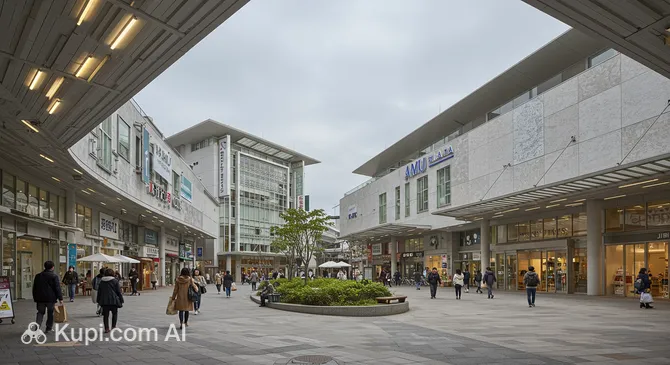
If you are looking for large shopping centers with a wide selection of brands, it is worth heading to the neighboring city of Oita, the prefecture's capital, which is easily accessible from Beppu. One of the most popular is AMU Plaza Oita, located right at JR Oita Station. Here you will find many shops for clothing, accessories, and cosmetics, as well as restaurants and a cinema. Another large complex is Park Place Oita, a large shopping and entertainment center with various shops, cafes, and leisure areas, located a bit further from Oita's center but still accessible by public transport.
AMU Plaza Oita. Illustration.
Source: Kupi.com AI
Traveler photos:
As for markets, Beppu is not famous for large and noisy bazaars like some other Asian cities. However, you may encounter small local shops selling fresh products or temporary fairs, especially during festivals. The main focus of shopping here is on specialized stores and souvenir shops.
From Beppu, it's worth bringing back unique souvenirs that reflect its character. First and foremost, these are products related to onsens: "yunohana" bath salts (literally "hot spring flowers"), soaps, cosmetics based on mineral water, traditional Japanese "tenugui" towels, and "yukata" light robes. Beppu is also known for its bamboo crafts (takezaiku)—from elegant baskets and vases to kitchenware. Pay attention to local delicacies: products made from kabosu citrus, dried shiitake mushrooms, toriten senbei crackers, and various types of local sake and shochu.
Most shops in Beppu and Japan as a whole open around 10:00-11:00 AM and stay open until 7:00-8:00 PM. Large shopping centers may stay open longer. Credit cards (Visa, Mastercard) are widely accepted, especially in shopping centers and tourist shops. However, it is always useful to have some cash in Japanese yen (JPY) for purchases in small shops, markets, or for paying for some services.
For foreign tourists in Japan, a Tax Free system is in place. When buying goods for an amount over 5,000 yen (excluding tax) in licensed stores, you can apply for a consumption tax refund. You must present your passport for this. Look for stores with "Tax Free Shopping" signs.