Support

Ukiha

About

Ukiha is a charming city nestled in Fukuoka Prefecture on Kyushu Island, Japan. It is spread across picturesque hills and fertile valleys, offering guests an atmosphere of peace and a true Japanese provincial idyll. It is a place where you can take a break from the hustle and bustle of the city and enjoy a leisurely pace of life.
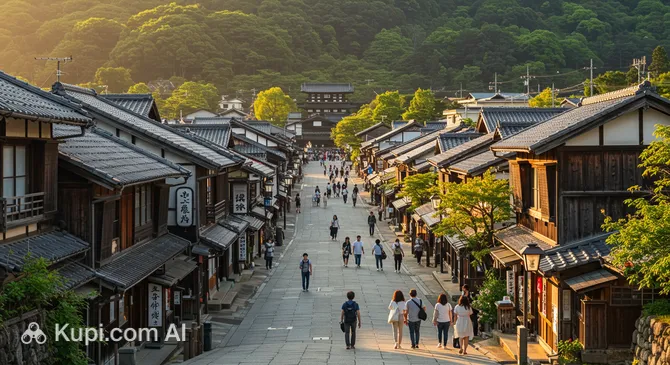
Ukiha. Illustration.
Source: Kupi.com AI

With a population of about 27,500 people, Ukiha remains a compact and welcoming city where every corner is steeped in local tradition. There is no noise of megacities here—instead, travelers will find a quiet environment ideal for getting to know the authentic culture of the country.

The city is famous for its careful attitude toward nature and its developed agriculture. Ukiha's surroundings are decorated with emerald rice fields, as well as orchards where persimmons and grapes are grown. Because of this, Ukiha is rightfully considered one of the attractive destinations for gastronomic tourism and relaxation in the heart of nature. Here you can taste the freshest local products and enjoy magnificent landscapes.

If you are looking for harmony, beautiful views, and the opportunity to immerse yourself in the atmosphere of the real Japanese countryside, Ukiha will be a pleasant discovery for you. This city will give you a sense of slow living, allow you to enjoy local treats, and discover little-known but incredibly scenic corners of the country.

You can find more interesting facts on the history of Ukiha city page.
Weather Overview

The weather in Ukiha is characterized by distinct seasons. Summer, especially in July and August, is warm and humid: the average temperature in August reaches 27.4°C (with maximum values up to 31.0°C), while July is the rainiest month, bringing an average of 11 mm of precipitation and about 21 wet days. Winters here are cool and significantly drier: the average January temperature is 5.1°C (with minimum values around 1.4°C), and the amount of precipitation in winter months such as January, November, and December stays at around 2 mm. Expect warm summers with periodic rains and cool, dry winters in Ukiha. For more detailed information on the weather in Ukiha, including the current forecast, visit the corresponding section.

Average monthly temperature

Average monthly precipitation

Interesting Facts

In addition to its well-known attractions, Ukiha hides many interesting features that make this city truly unique. Ready to learn a few curious details?

Nagarekawa Cherry Blossoms. Illustration.
Source: Kupi.com AI

Traveler photos:

  • Ukiha is rightfully proud of its fertile fruit orchards. The city is especially famous for its persimmons and grapes. Every year, tourists flock here to participate in the harvest and enjoy the taste of the freshest fruit right from the branch.

  • One of Ukiha's signature sights is its incredibly picturesque rice terraces. In the spring, when they are flooded with water, and in the autumn, during the harvest, these stepped fields turn into true works of art, attracting photographers and nature lovers.

  • The famous Ukiha Inari Shrine is located in the vicinity of the city. It is not just an important religious site, but also a popular spot for walks where you can admire traditional Japanese architecture. The shrine is surrounded by scenic paths that are especially beautiful during the cherry blossom season and autumn leaf fall.

  • Despite its relatively small size, Ukiha has a vibrant cultural life. Colorful harvest festivals, engaging workshops on local cuisine, and craft fairs where you can buy unique items from local artisans are held here regularly.

How to Get There

You can reach the charming city of Ukiha in Fukuoka Prefecture in several ways, primarily through regional airports and then by using ground transport. There is no direct airport or major railway station in Ukiha itself, but convenient connections to nearby transport hubs make the trip quite comfortable.

The main option for air travel is Fukuoka Airport (IATA: FUK), located in the city of Fukuoka. This is a major international airport receiving many flights. The distance from Fukuoka Airport to Ukiha is approximately 38.7 km. A trip by taxi or rental car will take about 1 hour 15 minutes to 1 hour 30 minutes, depending on traffic. You can also get from Fukuoka to Ukiha by public transport, combining train and bus.

Another possible option is Kumamoto Airport (IATA: KMJ), located in the city of Kumamoto. It serves both domestic and some international destinations. The distance to Ukiha from this airport is about 57.3 km, which means approximately 1 hour 30 minutes to 1 hour 45 minutes by car. You can also consider Saga Airport (IATA: HSG) in Saga City. It is smaller but located relatively close—about 47.6 km from Ukiha, taking about 1 hour 20 minutes to 1 hour 40 minutes by car.

For convenience, here is summary information on the main airports through which you can reach Ukiha:

AirportPassenger trafficDistance
Fukuoka Airport24.9 mln39 km
Saga Airport600 58248 km
Kumamoto Airport2.9 mln57 km
Kitakyushu Airport1.6 mln61 km
Yamaguchi Ube Airport1.3 mln81 km

Regarding railway connections, the provided data mentions a station that is not relevant for a trip to Ukiha. Sønderborg Station is located in the city of Sønderborg (Denmark) and, therefore, cannot be considered a transport hub for reaching Ukiha in Japan. Travelers who prefer trains are recommended to study the routes of Japanese Railways (JR) and private lines that connect major cities such as Fukuoka or Kurume with smaller settlements in the region. From the nearest major stations to Ukiha, an additional transfer by bus or taxi will likely be required.

For reference, information about the provided railway station:

StationPassenger trafficDistance
Sønderborg Station48 km

When planning a trip to Ukiha, it is recommended to check bus and train schedules from nearby major cities in advance or consider renting a car for greater flexibility in moving around the region.

Main Attractions

The city of Ukiha, located in Fukuoka Prefecture, offers travelers unique opportunities to experience Japanese culture and nature. Among its main attractions, places where you can enjoy natural beauty, traditional relaxation, and exquisite local cuisine particularly stand out.

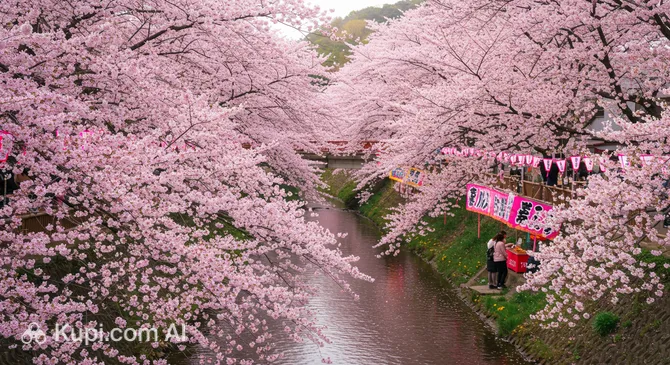
One of the most picturesque spots in Ukiha, especially in spring, is the Nagarekawa Sakura. This is an avenue or park along the Nagarekawa River where you can observe the stunning cherry blossoms. For tourists, it is a magnificent opportunity to enjoy hanami—the traditional Japanese custom of viewing flowers—take unforgettable photos, and experience the peaceful atmosphere of the Japanese spring.

Nagarekawa Cherry Blossoms. Illustration.
Source: Kupi.com AI

Traveler photos:

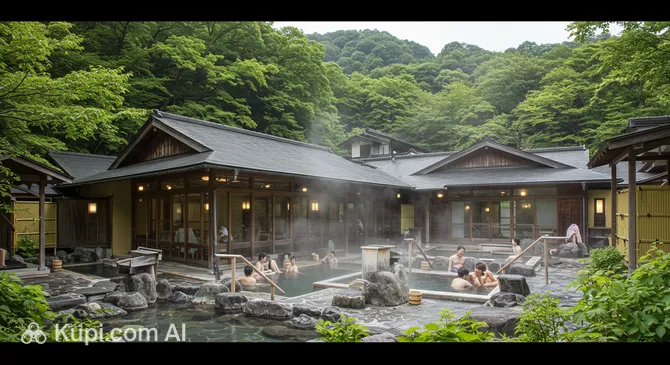
For those seeking relaxation and wanting to join traditional Japanese culture, Onoya Onsen is a must-visit. This hot spring offers guests healing baths that help relieve fatigue and restore strength. Soaking in an onsen is not just a pleasant procedure, but an important part of the Japanese way of life, allowing you to relax body and soul in a quiet setting.

Onoya Onsen. Illustration.
Source: Kupi.com AI

Traveler photos:

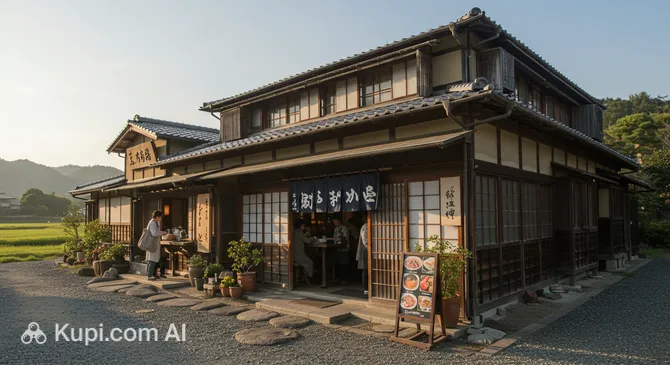
A gastronomic journey through Ukiha would be incomplete without a visit to the restaurant Unagi Sen Nen no Ie. This establishment specializes in eel (unagi) dishes prepared according to ancient recipes. The name, which can be translated as "House of a Thousand Years," speaks to deep traditions and the high quality of the cuisine. Here, tourists can try one of Japan's most famous delicacies in an authentic setting.

Unagi Sen Nen no Ie. Illustration.
Source: Kupi.com AI

Traveler photos:

Local Cuisine

Ukiha's cuisine is a true gastronomic adventure, based on the freshest local products. The city is famous for its abundance of fruits and vegetables, so many dishes here are prepared from just-harvested crops. Special attention is paid to seasonal ingredients, making every visit to Ukiha unique in terms of taste experiences, especially thanks to the fertile lands of the Fukuoka region.

Be sure to try various persimmon and grape desserts—the region's signature items. These could be fragrant pies, homemade jams, or refreshing ice cream made from juicy local fruit. Equally popular are onigiri (rice balls) with seasonal vegetable fillings, as well as other dishes based on rice grown on Ukiha's picturesque terraces. For lovers of Japanese classics, we recommend trying eel (unagi) dishes, for example, at an establishment like Unagi Sen Nen no Ie, which specializes in this delicacy.

Among beverages, natural fruit juices stand out, especially persimmon and grape, which perfectly quench thirst and convey the flavor of local nature. You can also find various homemade lemonades and teas based on local herbs and fruits. In Ukiha, the emphasis is often specifically on non-alcoholic drinks that highlight the freshness of the harvest.

The food culture in Ukiha is diverse and focused on freshness. Locals and tourists love to visit cozy cafes and farmers' markets, where you can not only buy fresh produce but also try ready-made meals. Street food is also represented by delicacies ranging from fresh fruit and homemade pickles to traditional sweets. Many farms offer tours with tastings, allowing you to get acquainted with the process of growing products. In addition, the city is known for its gastronomic festivals, where you can dive deeper into the region's culinary traditions, participate in cooking workshops, and even in harvesting.

Travel Tips

Planning a trip to the charming city of Ukiha? To ensure your journey through this cozy corner of Japan goes smoothly and leaves only the most pleasant impressions, we have prepared some practical tips. They will help you navigate better and enjoy every moment of your stay in Ukiha!

  1. Clothing by season and useful trifles: The climate in Ukiha, as in all of Fukuoka Prefecture, is temperate with distinct seasons. In summer (June-August) it is hot and humid, so bring light, breathable clothing, sunglasses, and a hat; don't forget an umbrella or raincoat, especially in June-July (rainy season). In autumn (September-November) and spring (March-May) the weather is comfortable—layered clothing is ideal. In winter (December-February) it can be chilly, so a warm jacket will be needed. A key wardrobe item is comfortable shoes, as you will be walking a lot. Don't forget an adapter for electrical appliances (voltage in Japan is 100V, Type A plugs). When visiting temples and shrines, choose modest clothing that covers shoulders and knees, and be prepared to remove your shoes.

  2. Getting around Ukiha and its surroundings: Ukiha is a small city, and you can get around it on local buses. The JR Kyudai railway line passes through the city (Ukiha Station). Taxis are available but can be expensive. To explore the scenic surroundings of Ukiha, famous for their fruit orchards, renting a car can be an excellent option (an international driving permit will be required). Also consider renting a bicycle—it's a wonderful way to enjoy nature and the historical streets of the city.

  3. Money in Ukiha: The local currency is the Japanese yen (JPY, ¥). It's best to exchange currency in advance in major cities or at the airport, as the choice of exchange offices in Ukiha itself may be limited. Credit cards are accepted in hotels and major stores, but cash is still very important, especially in small establishments, markets, and rural areas. Look for 7-Eleven (Seven Bank), Japan Post Bank, or Aeon Bank ATMs—they usually accept international cards. In Japan, tipping is not practiced and may be perceived as impolite; good service is already included in the bill.

  4. Taking care of yourself: Japan is one of the safest countries in the world, and Ukiha is no exception. However, basic precautions (keeping an eye on your belongings) still apply. Pharmacies (look for the sign "薬" – kusuri) are easy to find, but it's better to carry a small supply of necessary medications, as not all of them may be available without a prescription or under a familiar name. Medical care in Japan is of a high standard, but travel insurance is highly recommended. Also remember that Japan is in a seismically active zone—familiarize yourself with the rules of behavior during an earthquake.

  5. Staying connected: The official language is Japanese. In tourist centers and hotels, staff may speak English, but overall, especially in small towns like Ukiha, English proficiency is limited. Learn a few simple phrases: "Konnichiwa" (Hello/Good day), "Arigato" (Thank you), "Sumimasen" (Excuse me/I'm sorry). For connectivity, it's convenient to purchase a local SIM card or rent a pocket Wi-Fi router at the airport. Wi-Fi is available in many hotels and cafes. Useful apps: Google Maps (works great for navigation), HyperDia (train schedules), Google Translate.

  6. Etiquette: Japanese people highly value politeness. Greetings are often accompanied by a slight bow (o-jigi). In public places, especially on transport, try to speak quietly and avoid drawing undue attention to yourself. An important rule is to remove your shoes before entering homes, temples, traditional restaurants, and ryokans (Japanese-style inns). When using chopsticks (hashi), do not stick them vertically into rice and do not pass food from chopsticks to another person's chopsticks.

  7. Avoiding faux pas: Firstly, never leave a tip—it's not customary and can embarrass the staff. Secondly, avoid loud mobile phone conversations on public transport—it's considered extremely impolite. Also, try not to eat or drink while walking on the street unless it is a specially designated area (such as a rest zone or festival site).

  8. Unique features of Ukiha: Fruit Paradise and Heritage: Ukiha is famous for its fruit orchards—magnificent grapes, pears, persimmons, and strawberries are grown here. Be sure to visit local farmers' markets or even participate in fruit picking (in season)—it will provide unforgettable memories. Another gem of the city is the historical Chikugo Yoshii district with its beautifully preserved white-walled houses from the Edo and Meiji eras. A walk through these streets is like a journey back in time.

We hope these tips help you plan an unforgettable trip to Ukiha! This city, with its rich nature, history, and hospitable residents, is sure to win your heart. Have a great trip!

Entertainment & Nightlife

In the evening, Ukiha offers a calm and cozy atmosphere, quite different from the noisy nightlife of megacities. You won't find large nightclubs or districts operating until dawn here, but you can enjoy authentic Japanese evenings in local establishments.

The core of evening entertainment in Ukiha consists of restaurants and traditional Japanese drinking establishments—izakayas. This is a wonderful opportunity to try local cuisine in a relaxed setting. One such notable place to spend an evening over dinner is the restaurant Unagi Sen Nen no Ie, famous for its eel dishes. While operating hours may vary, many restaurants are open until late evening, allowing for a leisurely meal. The atmosphere in such places is usually welcoming and conducive to conversation. The dress code is generally casual.

While specialized nightclubs in Ukiha may be few, you can find small local bars serving sake and other drinks. Such establishments often become a hub for communication among locals and offer a unique experience of immersion into Japanese culture. Evening entertainment is likely to be concentrated around the central streets or near the railway station. The best time to visit is early evening, as many places may close earlier than in larger cities.

As for practical tips, average prices in Ukiha's restaurants and bars are likely to be moderate. Public transport may run less frequently at night, so it's worth planning your route in advance or using taxi services. Ukiha, like most cities in Japan, is considered a safe place for evening walks, though it is always recommended to follow standard precautions.

During the day, Ukiha also offers interesting leisure opportunities. You can explore natural beauty, such as admiring the Nagarekawa Sakura during the blooming season, or visit local attractions like Onoya Onsen to relax in the hot springs. The city is rich in cultural traditions, and getting to know them can be a pleasant part of your journey.

Parks & Museums

The city of Ukiha, located in Fukuoka Prefecture, invites travelers to enjoy a harmonious combination of picturesque natural landscapes and rich cultural heritage. Here you can find peaceful green corners for relaxation as well as places where the history and traditions of the region come to life.

One of Ukiha's main natural gems, especially in spring, is the Nagarekawa Sakura. This famous spot attracts visitors from all over the area with its magnificent blooming cherry trees, creating an unforgettable atmosphere. A walk along the river lined with sakura is a true pleasure and a wonderful opportunity for photos. In addition, Ukiha's surroundings are rich in scenic rural landscapes, fruit orchards (the region is famous for its fruit), and views of mountain ranges, making it attractive for nature lovers and those seeking quiet relaxation.

Nagarekawa Cherry Blossoms. Illustration.
Source: Kupi.com AI

Traveler photos:

While Ukiha may not have large museum complexes, the city carefully preserves its history and culture. Often in traditional Japanese cities like Ukiha, you can discover small local museums or exhibition spaces dedicated to regional history, traditional crafts, or famous personalities. We recommend paying attention to districts with old architecture, where such cultural spots may be located. A wonderful place to immerse yourself in local culture and relaxation traditions is Onoya Onsen. Visiting an onsen is not just about rest, but an important part of the Japanese way of life, allowing you to touch upon local customs.

Onoya Onsen. Illustration.
Source: Kupi.com AI

Traveler photos:

Walking through Ukiha, you can find examples of traditional Japanese architecture, especially in the city's old quarters. Some streets have preserved the charm of past eras with their wooden houses and "kura" warehouses, which are a kind of open-air museum in themselves. These historical buildings tell the story of the city's past as a trade and agricultural center.

To dive deeper into the atmosphere of Ukiha, stop by the local farmers' markets where you can taste the freshest fruit the region is famous for. Also look for small craft workshops where you can see traditional handmade items and perhaps even participate in a master class.

Getting Around

When planning your movement around Ukiha, it's worth considering that this is a relatively small city, and its transport system corresponds to its size. The main ways to get around here are trains and buses, which connect various areas of the city and its surroundings.

Rail connections play an important role. The JR Kyudai Main Line passes through Ukiha, with stations such as Ukiha Station and Chikugo-Yoshii Station. Trains provide connections to other settlements in Fukuoka Prefecture and beyond. This is a convenient way to reach the city and move between its key points, especially if they are near the stations.

The bus network in Ukiha is represented by local routes that serve areas not covered by the railway. These could be Nishitetsu company buses or local municipal/community buses. Routes and schedules can usually be found at stops or on the transport companies' websites. Buses are a good option for exploring more remote corners of the city.

The fare payment system in Ukiha, as in most Japanese cities, is quite convenient. Rechargeable IC cards (e.g., Suica, PASMO, ICOCA, as well as regional ones like JR Kyushu's SUGOCA or nimoca) are widely used and accepted on both trains and most buses. You just need to tap the card against the reader when entering and exiting. Cash payment is also possible, especially on buses (you often need to take a ticket when entering and pay the exact amount to the driver when exiting). You can top up an IC card or buy a single train ticket at station machines.

Tourists are advised to check schedules in advance, especially if planning trips in the evening or on less popular routes, as transport frequency may decrease. It is better to purchase long-distance train tickets in advance, especially during peak seasons. IC card validation occurs automatically when touching the turnstile or validator.

As an alternative to public transport, taxi services are always available in Ukiha. They can be found at stands near railway stations or called by phone. For a leisurely exploration of the city's scenic areas, such as the traditional streets of Yoshii or the fruit orchards, renting a bicycle can be an excellent option. Bicycle rental points can sometimes be found near tourist information centers or stations.

Accommodation

In Ukiha, travelers will find various accommodation options to suit different preferences and budgets. The city offers both traditional Japanese inns—ryokans—where you can immerse yourself in local culture and enjoy hot springs (onsens), as well as more modern hotels and guest houses (minshuku). Rental housing options are also available for those who prefer more privacy and a homey feel.

When choosing a place to stay in Ukiha, pay attention to areas located near natural beauty or local attractions. For example, proximity to places like Onoya Onsen or scenic areas for admiring the Nagarekawa Sakura can be an added bonus. Some ryokans and hotels may offer magnificent views of the surrounding landscapes, making your stay especially memorable. Central areas can also be convenient for access to restaurants, such as the famous Unagi Sen Nen no Ie, and shops.

Although hotels of various categories may be present in Ukiha, the main focus is often on the unique experience of staying in ryokans, many of which offer meals featuring local cuisine. For more budget-friendly accommodation, you can consider guest houses or hostels, if available in the city.

The price range for housing in Ukiha varies from budget options to more expensive offerings in high-end ryokans. It is recommended to book accommodation, especially in popular ryokans or during tourist seasons (such as cherry blossoms or autumn leaves), in advance. The main booking methods are popular online platforms and, in some cases, contacting the hotel or ryokan directly through their official websites.

Nearby Cities

For those who want to explore the surroundings, Ukiha serves as an excellent starting point for day trips to several interesting nearby places:

CityPopulationDistance
Asakura49 25412 km
Tachiarai15 38713 km
Hita61 75518 km
Chikuzen29 60819 km
Ogori58 32219 km

For example, a trip to Kurume will allow you to get acquainted with the traditional art of Kurume Kasuri fabric making and visit the picturesque Suitengu Shrine. Kasuga attracts visitors with its large Kasuga Park, ideal for walks and relaxation in nature, and its proximity to the major city of Fukuoka. Tosu, known as an important transport hub, may interest shopping enthusiasts thanks to the popular Tosu Premium Outlets.

These nearby destinations provide insight into the diverse culture and landscapes of the region, complementing the experience of visiting Ukiha and offering new discoveries just a few hours' drive away.

Shopping & Souvenirs

Shopping in Ukiha is an immersion into the world of local traditions, crafts, and the freshest products, rather than a race for global brands. The city is famous for its fruit orchards, wineries, and workshops where unique items are created. You won't find huge shopping malls here, but you can buy authentic goods that will be a wonderful reminder of your trip to Japan.

The main shopping spots in Ukiha are concentrated along the historical streets of the Yoshii-machi district, especially on Shirakabe-dori street, where old merchant houses have been preserved. Here you can find small shops selling local delicacies, ceramics, textiles, and other craft items. It is also worth paying attention to the shops at local sake breweries, where you can purchase high-quality sake.

Large modern shopping centers are not a characteristic feature of Ukiha. Instead, the city offers the charm of small family shops and specialized stores where every product has its own story. For a wider range of goods, you may have to go to larger cities in Fukuoka Prefecture.

Be sure to visit local markets, especially if you want to try the fresh seasonal fruit for which Ukiha is so famous (grapes, pears, persimmons). One of the popular spots is the roadside station "Michi-no-Eki Ukiha", where farmers sell their produce, as well as local sweets, pickles, and souvenirs. It's a great place to feel the local flavor and buy something tasty and healthy.

As souvenirs from Ukiha, it's worth bringing back:

  • Local fruit: fresh or in the form of jams, juices, and sweets.
  • Kurume Kasuri fabrics: a traditional technique of dyeing and weaving cotton characteristic of this region. You can find scarves, clothing, or small accessories.
  • Local sake: Ukiha has several respected sake breweries.
  • Ceramics: items by local masters reflecting Japanese traditions.
  • Traditional Japanese sweets (wagashi): often prepared using local ingredients.

Shops in Ukiha are usually open from 10:00 or 11:00 AM to 6:00 or 7:00 PM. Small family-owned shops may have more flexible schedules or close earlier. Regarding payment, while credit cards are becoming more common, especially in tourist spots, it is recommended to always have enough cash with you, especially for purchases at markets and small shops. In some places, Japanese IC cards (e.g., Suica, Pasmo) may be accepted.

In Japan, a Tax Free system operates for foreign tourists on purchases over a certain amount (usually 5,000 yen excluding tax) in licensed stores. To apply, you must present your passport. In Ukiha, this service may not be available in all stores, especially small ones. If you plan a large purchase, check the possibility of Tax Free in advance.

Reached the end of the page?

That means the route is fully explored