Support

Chikushino

About

Chikushino is a charming city nestled in Fukuoka Prefecture on the island of Kyushu, the southernmost of Japan's four main islands. Its uniqueness lies in its strategic location: on one side, picturesque green hills, and on the other, proximity to the bustling Fukuoka metropolitan area. This makes Chikushino an excellent starting point for exploring both the cultural treasures of Kyushu and the natural beauty of its national parks.

With a population of approximately 103,000 people, Chikushino maintains an atmosphere of provincial hospitality, harmoniously blending it with the dynamics of a modern Japanese city. There is no metropolitan hustle here; instead, a leisurely pace of life prevails, and friendly residents create a sense of true Japanese comfort. The city is ideal for those seeking an authentic experience away from the noisy tourist routes.
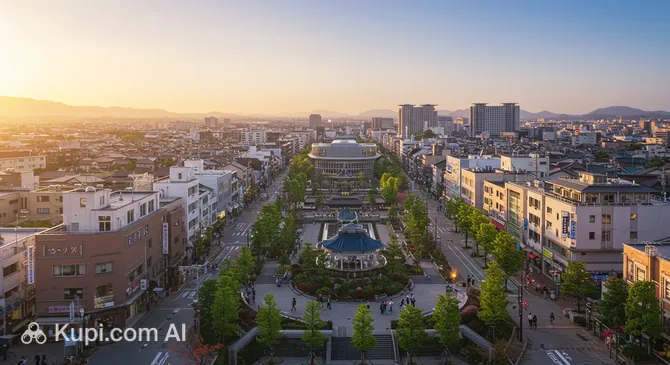
Chikushino. Illustration.
Source: Kupi.com AI

Chikushino is famous for its friendly atmosphere and careful attitude towards traditions. One of its attractive features is the harmonious coexistence of modern buildings and historical temples, while the ancient streets leading to picturesque parks and streams create a feeling as if you have stepped into a Hayao Miyazaki film — with its clean air, green slopes, and a sense of deep inner peace. Here you can see how the past and present are organically interwoven, creating a unique city identity.

If you want to feel the true spirit of Kyushu, get to know the local culture, enjoy unique cuisine, and discover a corner of Japan where traditions are carefully preserved, then Chikushino undoubtedly deserves your attention and will be a wonderful discovery in your journey.

You can find more interesting facts on the history of Chikushino page.

Weather Overview

In Chikushino, the climate is characterized by warm and humid summers, especially in July and August, when average air temperatures can reach 28.0°C (August) and rainfall is at its maximum (up to 10 mm in July). Winters here are cool and drier, with average January temperatures around 5.8°C and minimum rainfall (for example, 2 mm in January, November, and December). Overall, expect a warm summer with occasional rain and cool, relatively dry winters.

For a more detailed study of weather conditions in Chikushino by month, including information on temperature, precipitation, and the number of sunny days, you can visit the Chikushino Climate page.

Average monthly temperature

Average monthly precipitation

Interesting Facts

Chikushino is not just a point on the map of Fukuoka Prefecture. This city, with its calm atmosphere and rich history, holds many fascinating secrets and curious details unknown to every traveler. Here are a few interesting facts that will help you understand the soul of this charming Japanese corner more deeply:

  • Chikushino unofficially holds the title of the "city of temples and hot springs." Many traditional Japanese shrines are located here and in the surrounding area, and some of them, both Shinto and Buddhist, were founded as far back as the Nara period (710-794). This makes the city one of the region's important ancient cultural and spiritual centers.

  • In Chikushino and its surroundings, ancient onsens — traditional Japanese thermal spring baths — are carefully preserved. Visiting such an onsen is not just an opportunity to relax, but also a chance to touch ancient bathing rituals, which are considered a true art in Japan.

  • The city is often called the "Green Gateway to Fukuoka." Chikushino earned this nickname thanks to its abundance of parks, picturesque botanical gardens, and well-maintained nature trails. It is especially beautiful here in spring during the cherry blossom season and in autumn when the maple alleys flare up in fiery red colors.

  • Chikushino is the birthplace of many talented masters of traditional Japanese arts, musicians, and craftsmen. The city is particularly proud of its long-standing craft traditions, in particular, the production of exquisite ceramics and lacquerware, unique examples of which can be purchased at local fairs.

How to Get There

When planning your trip, it is worth studying all the routes in advance and choosing the optimal option. You will find detailed information and tips on how to get to Chikushino in our special guide. Thanks to its successful location in Fukuoka Prefecture, the city has convenient connections with the region's key transport hubs.

There is no airport in the city of Chikushino itself, but travelers can use the air gates of neighboring cities. The most convenient option is Fukuoka Airport (IATA: FUK), located in the city of Fukuoka. It is only 11.6 km from Chikushino, making it the primary arrival point for most tourists. The journey by taxi or car will take approximately 40 minutes. It is a major international hub with developed infrastructure and frequent flights.

Another possible option is Saga Airport (IATA: HSG), located in the city of Saga, about 43.3 km from Chikushino. The journey from here will take about 1 hour and 25 minutes by car. You can also consider arriving at Kitakyushu Airport (KKJ), located in the city of Kitakyushu (61.8 km), though the transfer time will increase in this case.

For clarity, here is summary information on the main airports:

AirportPassenger trafficDistance
Fukuoka Airport24.9 mln12 km
Saga Airport600 58243 km
Kitakyushu Airport1.6 mln62 km
Iki Airport64 25873 km
Kumamoto Airport2.9 mln80 km

Regarding railway connections, the situation with the closest major hubs listed in the data requires attention to geography. The list mentions Jinju Railway Station (IATA: XJX), located in the city of Jinju. It is about 287 km away from Chikushino, which makes it an unusual choice for a direct route. Similarly, Yeosu Expo Station (XYT) in the city of Yeosu is 290.8 km away. Tourists are recommended to use these stations only as part of a complex route or to rely on local Japanese JR and Nishitetsu lines passing directly through Chikushino.

Below is a table with the stations indicated in the available data:

StationPassenger trafficDistance
Sønderborg Station43 km
Jinju Station287 km
Yeosu Expo Station291 km

Main Attractions

The city of Chikushino, located in Fukuoka Prefecture, offers its guests several interesting spots that allow a closer look at its history, culture, and nature. Although it may not be as widely known as Japan's major metropolises, it has its own unique corners that deserve travelers' attention.

One of the main attractions of Chikushino is the historic hot spring resort Futsukaichi Onsen. This hot spring has been known since ancient times and attracts visitors with its healing water and the opportunity to relax in a traditional Japanese atmosphere. Immersing yourself in the hot baths of Futsukaichi Onsen is a wonderful way to rest and experience centuries-old traditions of Japanese hospitality.

History buffs and fans of Buddhist culture should visit Buzo-ji Temple. It is believed that this ancient temple was founded as early as the 7th century. It is known not only for its rich history but also for its beautiful grounds, especially in spring when the wisteria blooms. The temple offers a peaceful atmosphere for reflection and an introduction to the religious traditions of the region.

For those who prefer active recreation and natural beauty, Mount Tenpai is an interesting destination. This mountain holds historical significance associated with the scholar and poet Sugawara no Michizane. Climbing the mountain is not only an opportunity to enjoy a hike along picturesque trails but also to admire panoramic views of the surroundings from its summit. It is a popular hiking spot among locals and tourists alike.

Another place that allows you to touch the ancient history of the region is the Gorooyama Kofun Park. Here you can find ancient burial mounds (kofun), testifying to the rich past of this area. Local history museums are often located nearby, such as the Chikushino City Historical Museum "Furusato Kan Chikushino," where you can learn more about the findings and the history of the city, making the visit particularly educational for those interested in archaeology and ancient culture.

Local Cuisine

The gastronomy of Chikushino is a true reflection of the fertile lands of Kyushu, where special attention is paid to the freshest seafood and vegetables. The city's culinary traditions will delight connoisseurs of authentic Japanese cuisine, offering dishes prepared with love from high-quality local ingredients. The gastronomic scene of Chikushino is captivating with its freshness and diversity, offering both traditional flavors and modern interpretations.

While in Chikushino, be sure to try the famous tonkotsu ramen — the pride of the entire Fukuoka region. This rich pork-based broth soup with thin noodles, topped with green onions, pickled ginger, and a soft-boiled egg, is the hallmark of local cuisine. On the city streets, the aroma of yakitori — small chicken skewers perfectly grilled over charcoal — will tempt you. You should also taste okonomiyaki, hearty Japanese "cabbage pancakes" with various fillings, and the unique onsen-tamago — eggs soft-boiled in thermal springs to an incredibly delicate consistency.

Among the local drinks, special attention should be paid to traditional umeshu (plum wine) with its pleasant sweet and sour taste and, of course, the various types of sake produced here according to ancient recipes. These drinks will perfectly complement any meal and allow you to dive deeper into the region's culture. Don't forget to also try local non-alcoholic drinks, often based on seasonal fruits.

The food culture in Chikushino is diverse: from cozy street stalls where you can have a quick and delicious snack to farmers' markets abounding in fresh fruits and vegetables year-round. In spring and autumn, the city comes alive with gastronomic festivals where you can try seasonal delicacies and meet local producers. For those who want not only to taste but also to learn, Chikushino often hosts culinary masterclasses on making sushi, tempura, or traditional Japanese sweets known as wagashi. Overall, the city's gastronomic scene offers an authentic and soulful experience for every gourmet seeking to encounter real Japanese cuisine.

Travel Tips

Planning a trip to the charming city of Chikushino? To ensure your journey goes smoothly and leaves only pleasant impressions, we have prepared some practical tips. They will help you better navigate and enjoy every moment in this corner of Fukuoka Prefecture.

  1. Clothing and Footwear by Season: The climate in Chikushino is subtropical, with hot and humid summers and mild winters.
    • In summer (June-August), bring light, breathable clothing.
    • In spring (March-May) and autumn (September-November), layered clothing will come in handy.
    • In winter (December-February), a warm jacket is sufficient.
    Don't forget comfortable shoes for walking, as Chikushino and its surroundings are great for exploring on foot. Bring a raincoat or umbrella, especially if you are traveling during the rainy season (June-July). For visiting temples and some traditional establishments, choose clothing that covers shoulders and knees, and be prepared to take off your shoes. A universal adapter (type A and B, 100V) will also be useful.
  2. Getting Around the City:
    • The main arteries for movement are the JR Kagoshima Main Line and Nishitetsu Tenjin Ōmuta Line railway lines, which connect Chikushino with Fukuoka and other cities.
    • Local buses also operate.
    • Taxis are available but can be expensive. Taxi calling apps like JapanTaxi or DiDi may work in the region.
    • Car rental can be convenient for exploring Fukuoka Prefecture, but remember the left-hand traffic and the need for an international driving permit. Parking in cities can be paid and limited.
  3. Financial Matters:
    • The local currency is the Japanese yen (JPY, ¥).
    • It is best to exchange currency at the airport upon arrival or at major banks.
    • Bank cards (Visa, Mastercard) are accepted in many hotels, department stores, and tourist sites, but always have some cash with you for small shops, cafes, and temples.
    • International cards work at ATMs of the 7-Eleven (Seven Bank) and Japan Post Bank (post offices) networks.
    • Tipping is not accepted in Japan — good service is considered the norm. Sometimes a service charge is already included in the bill.
  4. Health and Safety:
    • Pharmacies (薬 - "kusuri") are easy to find, but staff do not always speak English. Basic over-the-counter medicines are available.
    • In case of medical need, contact local clinics or hospitals. Travel insurance is highly recommended. Emergency services number (ambulance, fire) is 119.
    • Chikushino, like Japan in general, is a very safe place. The crime rate is low. However, follow usual precautions, especially in crowded places.
  5. Language and Connectivity:
    • The official language is Japanese. English is limited, mainly in the tourism sector.
    • Learn a few basic phrases: "Konnichiwa" (Hello), "Arigato" (Thank you), "Sumimasen" (Excuse me/Sorry). This will be very appreciated by locals.
    • For connectivity, we recommend renting a pocket Wi-Fi router or buying a local SIM card. Free Wi-Fi is available in some hotels, cafes, and public places.
    • Useful apps: Google Maps for navigation, HyperDia or Jorudan for train schedules.
  6. Local Etiquette and Traditions:
    • A slight bow (ojigi) is standard when greeting. Handshakes are rare.
    • In public places, especially on transport, try to be quiet. It is not customary to eat or drink on the go on the street.
    • When entering temples, some restaurants, and private homes, it is necessary to remove your shoes.
    • Be polite and patient; Japanese people value courtesy very much.
  7. What to Avoid:
    • Do not stick chopsticks vertically into rice — this is associated with funeral rituals.
    • Do not blow your nose loudly in public; it is better to go to the restroom or do it as inconspicuously as possible.
    • Avoid talking on the mobile phone in trains and buses.
  8. Special Tip for Chikushino:
    • Be sure to visit Futsukaichi Onsen — one of the oldest hot springs on the island of Kyushu, located right in Chikushino. Learn onsen etiquette beforehand (wash thoroughly before dipping into the shared bath, swimsuits are not used).
    • The city is also close to the famous Dazaifu Tenmangu shrine, which is easy to reach by train.

We hope these tips make your stay in Chikushino comfortable and unforgettable. Enjoy the hospitality of Japan, its unique culture, and the beauty of this city!

Entertainment & Nightlife

Chikushino, a cozy city in Fukuoka Prefecture, offers its guests the chance to spend a pleasant evening and get acquainted with the local atmosphere. Although the nightlife here is not as large-scale as in Japan's metropolises, you will find soulful places to relax after an eventful day.

The main focus of evening entertainment in Chikushino is shifted toward traditional Japanese establishments. These are, first and foremost, the numerous izakaya — Japanese pubs where you can not only drink local sake or beer but also enjoy a delicious meal. The atmosphere in such places is usually very friendly and conducive to conversation. Small bars with a variety of drinks and karaoke clubs, where you can have a fun time with friends, are also popular. There are few large nightclubs with dance floors, but you can find venues with live music or themed evenings. Restaurants, especially those specializing in local cuisine, often stay open until late evening.

To dive into the evening life of Chikushino, you should pay attention to the areas around railway stations, such as Futsukaichi Station, as well as the central shopping streets. This is where most bars, restaurants, and izakaya are concentrated. Establishments usually begin to come alive after 6:00 PM – 7:00 PM and stay open until midnight or slightly later, especially on weekends. The dress code in most places is quite casual; everyday comfortable clothes will do just fine.

When visiting local establishments, be prepared for the fact that menus may not always be in English, but the staff often tries to help. The average check in an izakaya or bar can vary, but in general, prices are quite moderate. We recommend trying local varieties of sake or shochu. In the evening, it's best to arrive at popular spots a little early to secure a table, especially on Friday or Saturday.

Getting around the city at night is most convenient by taxi, as public transport may run less frequently in the late hours. Chikushino, like most cities in Japan, is considered a safe place for night walks, though you should always follow basic safety precautions. You can call a taxi via an app or ask the staff at the establishment where you are located.

While we don't have a current list of specific bars or clubs for Chikushino, you will easily find interesting places by exploring the lively quarters. Don't hesitate to peek into establishments that catch your eye — often this is how you discover something authentic and memorable.

During the day in Chikushino and its surroundings, there is also plenty to do. The city is known for its hot springs, such as Futsukaichi Onsen, where you can relax and unwind. You can stroll through local parks, visit small temples, or explore the shops. For a wider choice of museums or theaters, a trip to the larger neighboring city of Fukuoka may be required.

Parks & Museums

Chikushino, snugly located in Fukuoka Prefecture, offers its guests a pleasant combination of natural spots for relaxation and places where you can touch local history and culture. The city may not overwhelm with the scale of its parks and museums, but it charms with its authenticity and tranquility.

One of the main natural attractions is Mount Tenpai. This is not just a picturesque mountain with hiking trails offering beautiful views of the surroundings, but also a place with a rich history. Climbing the mountain is an opportunity to enjoy nature, fresh air, and panoramic views, making it attractive for outdoor enthusiasts and those seeking peace.

In addition to Mount Tenpai, Chikushino has more traditional urban green zones, such as Chikushino Sogo Koen (Chikushino General Park). Such parks are favorite holiday destinations for locals, where you can stroll along well-kept alleys, relax on a bench, or have a small picnic. They are perfect for a leisurely pastime and observing the city's daily life.

Among the cultural and historical sites, Buzo-ji Temple stands out. It is one of the oldest temples in the region, known for its magnificent wisterias that bloom in spring, turning the temple grounds into a true floral wonder. In addition to its natural beauty, the temple is interesting for its ancient architecture and a calm, spiritual atmosphere that allows you to touch the spiritual traditions of Japan.

For a deeper acquaintance with the history and lifestyle of the region, it is worth visiting the Chikushino City Historical Museum "Furusato Kan." Usually, such local museums house artifacts that tell the story of the city's development from ancient times to the present day, traditional crafts, and the culture of its residents. It is a great place to better understand the context and heritage of Chikushino.

For a complete experience, don't limit yourself only to the well-known places. Walk through the quiet streets of the city, pay attention to small local shrines, or check out seasonal fairs if any are held during your visit. It is these moments that often give the most authentic and memorable travel memories.

Getting Around

When planning your movement around Chikushino, you will find that public transport here is quite convenient. A key role in the city's transport system is played by the railway lines: the JR Kagoshima Main Line and the Nishitetsu Tenjin Ōmuta Line. These lines provide both efficient movement within Chikushino itself, connecting its various districts, and convenient connections with neighboring settlements and major cities of Fukuoka Prefecture. In addition to the railway service, there is a developed network of bus routes that cover parts of the city where trains do not reach and connect it with the surroundings.

The fare payment system in Japanese cities like Chikushino usually includes several options. The most convenient for tourists are often rechargeable IC cards (for example, Suica, Pasmo, or their regional counterparts such as SUGOCA, Nimoca, or Hayakaken, which are often interchangeable nationwide). These cards can be purchased and topped up at stations or in machines. There is also always the possibility to pay for the fare in cash directly upon entering or exiting the bus (the amount usually depends on the distance) or when buying a train ticket. It is recommended to have small change with you, as the bus driver may not always be able to give change from large bills. Specialized tourist passes for Chikushino itself may not be as common as in major tourist centers, but it is worth checking this information upon arrival.

To use public transport, single-trip tickets (if paying in cash) are usually purchased at machines at railway stations or from the driver when entering the bus (sometimes you need to take a ticket upon entry to determine the travel zone). When using an IC card, it must be tapped against the reader when entering the station or the bus and, in most cases, also when exiting. Buses and trains usually run on a clear schedule, which can be found at stops, stations, or online. Standard transport operating hours are from early morning until late evening, however, the frequency of trips may decrease in the evening hours and on weekends. It is always useful to check the schedule in advance, especially if you are planning trips to remote areas or late in the evening.

In addition to public transport, other ways of getting around are available in Chikushino. Taxis can be found at special stands near stations, large hotels, or called by phone; this is a more expensive but comfortable option. For short distances or if you want to explore the city at your own pace, you can consider renting a bike — in many Japanese cities, this is a popular and convenient way to get around, especially if the terrain is suitable for cycling. Walking is also relevant, especially for getting to know the central areas of the city and its parks.

Accommodation

When planning a trip to Chikushino, you will be able to find an accommodation option to suit every taste and budget. The city offers guests a choice ranging from cozy guesthouses and budget-friendly hotels, ideal for those seeking a practical solution, to more comfortable mid-range hotels where you can relax after a busy day. It is also worth considering apartment rentals if you prefer home comforts and plan a longer stay.

When choosing a place to stay in Chikushino, pay attention to its location. It is most convenient to stay in areas with good transport accessibility, for example, near railway stations. This will allow you to easily reach the city's main attractions and take trips to the surrounding areas.

In Chikushino, you will find a variety of hotels offering different levels of service and price categories, from budget to luxury options. While specific hotels may vary, you can always find a suitable option through popular international and local online booking systems. These platforms often offer a wide selection and the ability to compare prices and reviews from other travelers. Direct booking via hotel websites is also an option.

To guarantee the best choice and the most favorable conditions, especially during peak tourist season or major local events, it is recommended to take care of housing reservations in advance. Early booking often allows you not only to choose the best option but also to get a more attractive price.

Nearby Cities

For those who want to explore the surroundings, Chikushino serves as an excellent starting point for day trips to several interesting nearby places:

CityPopulationDistance
Dazaifu72 4302 km
Onojo101 6036 km
Kasuga111 1446 km
Umi37 7138 km
Kiyama17 4558 km

These nearby destinations provide insight into the diverse culture and landscapes of the Japan region. For example, Fukuoka, a major modern city, attracts with its rich history, lively atmosphere, and developed infrastructure, including many shops and restaurants. Kurume is known for its cultural events and traditional crafts, offering an immersion into local art. The cities of Kasuga and Onojo, located very close by, offer a calmer pace of life and the opportunity to get acquainted with the everyday life of residents, visit parks and historical sites. Each of these places will be a wonderful addition to your journey to Chikushino.

Shopping & Souvenirs

Chikushino offers pleasant shopping opportunities where modern stores stand alongside traditional Japanese character. Although the city is not a center for giant shopping complexes, you can find a good selection of goods here — from everyday items to unique local products. Special attention should be paid to shops offering goods typical of Fukuoka Prefecture.

Main shopping areas in Chikushino are often concentrated around major railway stations, such as Futsukaichi or Tofuro-mae. In these areas, you will likely find lively shopping arcades (shotengai), where many local shops, boutiques, and eateries are located. A walk along such streets will allow you not only to make purchases but also to dive into the daily life of the city.

Although Chikushino may not boast huge megamalls, visitors can find modern shopping centers, which are often located near major transport interchanges or slightly outside the city center. These centers usually feature a wide range of stores: from fashion and electronics to supermarkets and food courts, offering convenient "all-in-one" shopping.

Exploring local markets in Chikushino and its surroundings can be a fascinating activity. Look out for morning markets (asaichi) or community fairs where local farmers sell fresh produce, seafood, and handmade items. These markets are a great place to try regional delicacies and purchase unique edible souvenirs.

As souvenirs from Chikushino, you should consider items that reflect the culture of Japan and the Fukuoka region. Traditional Japanese crafts, such as ceramics (perhaps Arita or Imari ware, given the proximity to Saga Prefecture), textiles, and items related to Hakata culture if found (e.g., miniature Hakata dolls), are popular. Local gastronomic specialties, such as products with mentaiko (spicy cod roe), regional sweets (wagashi), as well as local sake or shochu, will also make excellent gifts. Don't forget to look for goods featuring popular Japanese characters or traditional patterns.

Most shops in Chikushino typically open around 10:00 AM or 11:00 AM and close between 7:00 PM and 8:00 PM. Department stores and large shopping centers may stay open a bit longer. Credit cards are widely accepted in most department stores, major shops, and tourist-oriented establishments. Nevertheless, it is always useful to have some cash on hand, especially for purchases in small local shops, at markets, and in some restaurants.

Tourists visiting Japan can often take advantage of the Tax-Free shopping system. Look for stores with the "Tax-Free Shop" logo. To qualify for a tax refund, your purchases (usually consumer goods or general merchandise) must exceed a certain amount (typically 5,000 yen excluding tax) in one store in one day. You will need to present your passport at the time of purchase. Tax exemption is usually processed directly at the cash register or at a special Tax-Free counter in the store.

Reached the end of the page?

That means the route is fully explored