Support

Munakata

About

Munakata is a true treasure for travelers seeking a harmony of ancient traditions and picturesque nature. Located in Fukuoka Prefecture, this city offers a unique combination of historical heritage and tranquil landscapes, making it an attractive destination for those who want to get closer to the culture of Japan.
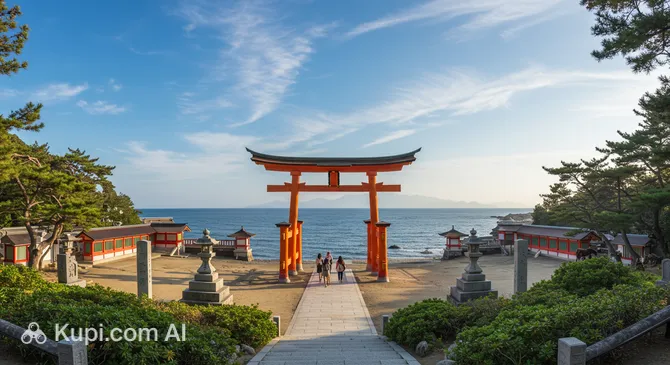
Munakata. Illustration.
Source: Kupi.com AI

The city of Munakata is nestled on the coast of the Genkai Sea, which separates the Japanese islands from the Asian mainland. Thanks to its strategic position between the major cities of Fukuoka and Kitakyushu, Munakata has served as an important maritime gateway since ancient times, leaving a lasting mark on its culture and architecture. The city's population is about 97,000 people, and it is considered one of the region's significant cultural centers.

Munakata is famous for its deliberate and calm atmosphere. You won't find the hustle and bustle of megacities here, but rather opportunities for leisurely strolls along temple paths, visits to cozy coastal fishing villages, and enjoying incredible sunsets over the sea. The city carefully preserves its traditions, harmoniously blending them with modernity.

The crown jewel of Munakata and its surroundings is undoubtedly the Munakata Taisha shrines. This complex, which includes three separate shrines (Hetsu-gu on the main island of Kyushu, Nakatsu-gu on Oshima Island, and Okitsu-gu on the sacred island of Okinoshima), is inscribed on the UNESCO World Heritage List. These ancient sites preserve the atmosphere of Shinto rituals and are deeply revered. Beyond the shrines, the region attracts visitors with picturesque islands and beaches, ideal for nature lovers and those seeking a quiet getaway.

To visit Munakata is to dive into a world where every corner is steeped in history, and the hospitality of the locals will make your journey truly unforgettable. It is a place where you can rest your soul and touch the ancient mysteries of Japan.

You can find more interesting facts on the Munakata history page.
Weather Overview

The weather in Munakata is characterized by distinct seasons. In summer, especially in July and August, it is warm and humid: the average August temperature reaches 28.1°C (with highs up to 30.8°C), and the amount of precipitation in these months is highest (up to 9 mm in July), with rainy days ranging from 14 to 18. Winters, from December to February, are significantly cooler, with an average January temperature of about 6.7°C (minimum values can drop to 4.2°C). During the winter period, precipitation is significantly lower (2-3 mm), although the number of days with precipitation remains notable (9-12 days). Overall, Munakata is characterized by warm summers with occasional rain and cool, relatively drier winters. You can learn more about the city's climatic features on the Munakata climate page.

Average monthly temperature

Average monthly precipitation

Interesting Facts

Beyond its picturesque landscapes and welcoming atmosphere, Munakata hides many amazing stories and little-known details that can reveal this corner of Japan in a new way.

  • Munakata is one of Japan's oldest religious centers. Since the 4th century, rituals have been held here to ensure the safety of sea routes and the protection of the country. The Munakata clan played a special role in this, serving as patrons for mariners.

  • The most mysterious place in the region is Okinoshima Island, home to the oldest shrine in the Munakata Taisha complex. This island is a strictly protected and closed territory: only one priest may visit it, and access for the general public is completely forbidden.

  • The unique significance of Okinoshima and its related sites was recognized by the global community—in 2017, they were inscribed on the UNESCO World Heritage List. This recognition highlights their role as evidence of ancient cultural links between Japan and the Asian continent.

  • The city is known for its three main shrines: Hetsumiya, Nakatsumiya, and the aforementioned Okitsumiya on Okinoshima Island. The most accessible to tourists is Hetsumiya, where you can see the sites of ancient festivals and rituals and view architecture dating back to the 16th century.

How to Get There

The city of Munakata boasts excellent transport accessibility thanks to its proximity to the major megacities of Kyushu. Travelers can choose the most convenient route using the region's developed aviation and rail networks. You can find more details on how to get to Munakata on our special page, while below we will look at the main methods.

There is no airport in Munakata itself, but you can fly into Fukuoka Airport (FUK) in Fukuoka, which is approximately 26 km from Munakata. This is a major international hub receiving flights from around the world and many Japanese cities. A taxi or car ride from the airport takes about 60 minutes. You can also easily get from the airport to Hakata Station by subway, and from there, take a train directly to Munakata.

Another convenient option is Kitakyushu Airport (KKJ), located in Kitakyushu on an artificial island, about 46 km from Munakata. It is a modern regional airport serving both domestic and some international flights. The travel time by taxi is approximately 90 minutes. Limousine buses are also available for travelers, connecting the airport with the nearest railway stations.

For convenience, here is a summary of the main airports:

AirportPassenger trafficDistance
Fukuoka Airport24.9 mln26 km
Kitakyushu Airport1.6 mln46 km
Yamaguchi Ube Airport1.3 mln70 km
Iki Airport64 25870 km
Saga Airport600 58276 km

Rail travel is one of the most popular and fastest ways to get to Munakata. The JR Kagoshima Main Line passes through the city, connecting it to Fukuoka and Kitakyushu. The main gateways to the city are Akama and Togo stations. Rapid trains stop at Akama Station, allowing you to get from Hakata Station (Fukuoka) in just 30–40 minutes, and from Kokura Station (Kitakyushu) in about half an hour. This makes the train an ideal choice for those who value time and comfort.

Main Attractions

Munakata, a city with a rich history and culture in Fukuoka Prefecture, offers travelers a unique combination of ancient shrines, picturesque nature, and modern conveniences. Everyone will find something to enjoy here, from majestic temples to cozy spots for relaxation and discovery of local cuisine.

The city's main gem is undoubtedly Munakata Taisha—a complex of Shinto shrines inscribed on the UNESCO World Heritage List. These ancient temples, dedicated to the three goddesses who protect mariners, played a key role in Japan's maritime history and still impress visitors with their architecture and spiritual atmosphere. A visit to Hetsu-gu, the main shrine on the mainland, is a must for anyone interested in Japanese culture and religion.

An integral part of the Munakata Taisha complex is Oshima Island, which can be reached by ferry. The Nakatsu-gu shrine, one of the three main shrines of Munakata Taisha, is located here. The island itself attracts tourists with its natural beauty, hiking opportunities, and magnificent seascapes. It is a great place to feel at one with nature and touch ancient traditions.

Another iconic site is Chinkokuji Temple. This Buddhist temple is known for its beautiful gardens, which are especially enchanting in spring during the cherry blossom and azalea season, as well as in autumn when the maples turn brilliant shades of crimson. The temple's calm and peaceful atmosphere makes it an ideal place for meditation and a break from the city bustle.

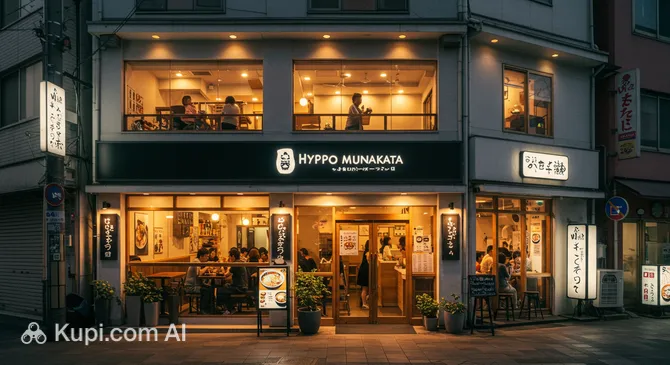
After a full day of exploration, you can relax and enjoy the local cuisine at one of the city's establishments. For example, the Hippo Munakata restaurant offers a chance to get acquainted with the region's gastronomic specialties.

Hyppo Munakata. Illustration.
Source: Kupi.com AI

Traveler photos:

Local Cuisine

The gastronomy of Munakata is a true paradise for lovers of fresh seafood. Thanks to its location on the shores of the Genkai Sea, the city is famous for its abundance of seafood. Be sure to try the local sea bass sashimi or oysters, as well as cuttlefish dishes, which are considered a true regional delicacy. These dishes highlight the main feature of Munakata's cuisine—the exceptional freshness of the ingredients.

Local cuisine isn't limited to raw fish. At the lively fish festivals often held in the city, you can enjoy seafood masterfully cooked over an open fire. Street food is also popular: from a variety of fried seafood to traditional onigiri rice balls filled with local fish and fragrant soups made from rich fish broth. Lovers of unusual flavors should try the marinated seaweed and spicy seasonings prepared according to old recipes.

You can get to know the variety of local products and experience the city's atmosphere at markets such as the famous Michi-no-Eki Munakata. Here, in addition to the freshest fish and seafood, local vegetables, rice, and traditional Japanese sweets are sold. Of course, an integral part of the gastronomic experience in Munakata is visiting restaurants. One of the places where you can dive deeper into the culinary traditions of the region is the Hippo Munakata restaurant, which offers local dishes.

As for drinks, your meal will be perfectly complemented by traditional Japanese sake or shochu, which pair well with seafood. Among non-alcoholic options, fragrant green tea is always popular, and you may also find refreshing local drinks. The Munakata food scene attracts tourists with its authenticity, focus on fresh seasonal products, and the opportunity to touch the rich culinary traditions of Japan.

Travel Tips

Welcome to Munakata! To make your journey to this charming corner of Fukuoka Prefecture as comfortable as possible and leave you with only pleasant impressions, we have prepared some practical tips. They will help you navigate better and enjoy every moment of your stay.

  1. Clothing and Essentials:

    The climate in Munakata is temperate, with clearly defined seasons. In summer (June-August), it can be hot and humid, so bring light, breathable clothing. In winter (December-February), it is cool, but usually without severe frosts—a warm jacket, sweater, and hat will come in handy. Spring and autumn are the most comfortable times with pleasant temperatures, ideal for layered outfits. Be sure to bring comfortable shoes, as you will be doing a lot of walking, especially if you plan to visit Munakata Taisha. Don't forget an adapter for your electronics (Japan uses Type A and B sockets, 100V voltage). When visiting temples and shrines like Munakata Taisha, show respect by choosing modest clothing that covers shoulders and knees.

  2. Getting Around the City:

    You can get around Munakata using local buses and trains on the JR Kagoshima line, which connects the city with Fukuoka and Kitakyushu. For more detailed route planning on public transport, we recommend using apps like Google Maps or JapanTravel by Navitime. Taxis are available but can be quite expensive. Car rental may be justified if you plan to explore the surroundings and the coast, but for moving within the city itself, public transport is quite convenient. An international driving permit is required to rent a car.

  3. Finances:

    The official currency of Japan is the Japanese Yen (JPY, ¥). It is best to exchange currency at the airport upon arrival or at banks in major cities; finding exchange offices in Munakata itself can be more difficult. Credit and debit cards (Visa, Mastercard) are accepted in many hotels, large shops, and restaurants, but always carry some cash with you, as small establishments and local markets may prefer it. ATMs that accept international cards can be found in post offices (Japan Post Bank) and 7-Eleven stores (Seven Bank). Tipping in Japan is not practiced and may be perceived as strange or even impolite.

  4. Health and Safety:

    Japan, including Munakata, is considered a very safe country with a low crime rate. Nevertheless, always follow basic precautions. Pharmacies (薬屋 - kusuriya) are easy to find, but staff may not always speak English, so it is useful to have a translation app or written names of necessary medications. Not all pharmacies are open 24/7. Before your trip, be sure to take out travel medical insurance. In emergencies, you can contact local hospitals or clinics.

  5. Communication:

    The main language of communication is Japanese. English proficiency among the local population may be limited, especially outside tourist zones. Learn a few basic Japanese phrases like "Konnichiwa" (Hello), "Arigato" (Thank you), and "Sumimasen" (Excuse me). This will be highly appreciated by the locals. For connectivity, we recommend purchasing a tourist SIM card or renting a pocket Wi-Fi router at the airport. Free Wi-Fi is available in some hotels, cafes, and public places. Google Maps for navigation and Google Translate will be useful apps.

  6. Local Etiquette:

    The Japanese are very polite and value respectful behavior. Greetings are usually accompanied by a slight bow. In public places, especially on transport, try to speak quietly and avoid eating while walking. When entering a Japanese home, certain temples, traditional inns (ryokans), and even some restaurants, it is customary to remove your shoes. Be patient in queues. Showing respect for local customs will make your interaction with the people of Munakata more pleasant.

  7. What to Avoid:

    While eating, never stick your chopsticks vertically into a bowl of rice—this is associated with funeral rituals and is considered bad manners. Also, avoid loud nose-blowing in public; if necessary, it is better to go to the restroom.

  8. Special Tip for Munakata:

    Be sure to visit Munakata Taisha Shrine—it is not just the main attraction, but a UNESCO World Heritage site consisting of three separate shrines shrouded in ancient legends. Try to learn more about its history and significance to Japanese culture. Also, check if your travel dates coincide with any local festivals (matsuri)—this is a unique opportunity to immerse yourself in an authentic atmosphere.

We hope these tips help you plan an unforgettable journey to Munakata. We wish you wonderful discoveries and a pleasant stay in this amazing city in Japan!

Entertainment & Nightlife

Munakata, a charming city in Fukuoka Prefecture, offers its guests a calm and authentic experience, including in the evening. While you won't find noisy districts with countless nightclubs like in the megacities, Munakata provides a pleasant environment after sunset, offering cozy venues and a chance to immerse yourself in the local atmosphere.

The foundation of evening entertainment in Munakata consists of restaurants and bars where you can enjoy delicious food and drinks in a relaxed setting. Many establishments offer local dishes. For example, you can spend the evening at Hippo Munakata, which serves a variety of dishes, or look for other similar cozy spots. Evening life here is generally concentrated in the central areas or near major transport hubs; for example, around stations like Akama or Togo, you can find more traditional izakaya and small bars. A popular choice for locals is the izakaya—traditional pubs where you can order snacks and alcoholic beverages—as well as karaoke bars for a fun time with friends.

The atmosphere in Munakata's evening venues is usually welcoming and informal. The dress code in most places is casual. The best time to visit is Friday and Saturday evenings, when locals also head out to relax. Prices are generally moderate, especially compared to major tourist centers. Getting around the city at night is most convenient by taxi, as public transport may run less frequently. You can call a taxi by phone, through an app, or ask the staff at the venue to help.

Regarding safety, Munakata, like most cities in Japan, is considered a very safe place. Night walks along lit streets usually cause no concern, though basic precautions should always be taken. If you are unsure how to get back to your hotel late at night, a taxi is a reliable option.

During the day, there is also plenty to do in Munakata. The city and its surroundings are known for historical shrines, such as the Munakata Taisha Grand Shrine, part of the UNESCO World Heritage List. You can also visit local museums, stroll through parks, or explore the coastline. However, the main focus for those seeking evening entertainment will be the cozy restaurants and bars offering a peaceful and pleasant rest.

Parks & Museums

The city of Munakata invites travelers to enjoy both peaceful green spaces and a rich cultural heritage reflecting its deep history. Here, you can find a harmonious combination of nature and centuries-old traditions.

For nature lovers, Munakata offers picturesque coastal landscapes. While the city may not have large world-famous parks, its surroundings are part of the Genkai Quasi-National Park, known for its beautiful views of the Sea of Japan and its rugged coastline. Walks along the coast or visits to local beaches, such as Kanegasaki Beach, provide a sense of tranquility and a chance to enjoy the fresh sea air. The city parks, though small, offer great opportunities for relaxation and observing the daily lives of local residents.

The key place to get acquainted with the region's history and culture is Munakata Taisha Shrine. This ancient complex, consisting of three shrines (Hetsu-gu, Nakatsu-gu, and Okitsu-gu), is inscribed on the UNESCO World Heritage List. Located on the grounds of Hetsu-gu, the main shrine, is the Munakata Taisha Shinpokan Museum. it houses an impressive collection of over 80,000 artifacts, including National Treasures of Japan, which have been presented to the deities as offerings over the centuries. A visit to this museum allows for a deeper understanding of the maritime traditions and beliefs related to the safety of navigation that played a central role in the life of this region.

Another important institution for diving into the city's past is the Munakata City Historical Museum (宗像市歴史資料館). This museum is dedicated to preserving and displaying archaeological finds and materials that tell the story of Munakata from ancient times. Exhibits often highlight the region's connection to the sea, ancient rituals, and the lifestyle of local residents, complementing the knowledge gained at the Shinpokan. It is an excellent place to gain a fuller understanding of Munakata's development and its significance in Japanese history, especially if you are interested in archaeology and local history.

In addition to these significant museums and the grand Munakata Taisha complex, other historical and architectural sites reflecting various historical periods can be found in and around the city. These might be small local temples or historical trails. For a more authentic experience, look for local craft workshops or small markets where you can get acquainted with the region's traditional trades and products. Also, a stroll through the city's lesser-known streets may reveal charming corners not marked in standard guidebooks.

Getting Around

Public transport in Munakata is mainly represented by buses and trains, allowing for fairly comfortable travel both within the city and to neighboring settlements. The bus network covers most areas of the city, serving as the primary way for many residents and tourists to move over short and medium distances. Railway lines, particularly those operated by JR Kyushu, play a key role for longer journeys and connections with major cities in Fukuoka Prefecture.

The fare payment system in Munakata, as in many cities in Japan, is quite convenient. The most common method of payment is contactless IC cards (such as SUGOCA, Nimoca, Hayakaken, which are compatible with nationwide cards like Suica or Pasmo). These cards can be topped up and used to pay for travel on buses and trains by simply tapping them against a reader at the entrance and exit. Single tickets can also be purchased. The fare usually depends on the distance. For example, a bus ride within the city may start from 100-200 yen for short distances, increasing with range. Similarly, JR Kyushu train ticket prices vary depending on the route, with minimum fares for short hops between stations starting from 150-250 yen. IC cards can be bought and topped up at machines at railway stations or in some stores.

Tourists are recommended to purchase an IC card upon arrival for ease of movement. When entering a bus (usually through the back or middle door), tap your card on the validator or take a ticket if paying with cash. When exiting (through the front door), tap the card again or pay the driver according to the display or your ticket. Buses and trains usually run on schedule, which can be found at stops and stations. Public transport operating hours generally cover most of the day, from early morning until late evening, though service may be limited at night.

As an alternative to public transport, taxis are available in Munakata. They can be found at special stands near railway stations or called by phone. This is a more expensive but comfortable way to travel, especially if you are with luggage or in a group. The approximate initial taxi fare in Munakata is about 600-800 yen for the first 1-2 kilometers, after which the cost is calculated by the meter based on distance and travel time. Bicycle rentals may also be available in some areas, which is a great option for leisurely exploring the city and its surroundings, especially in good weather.

Accommodation

In Munakata, travelers will find a variety of accommodation options to suit different budgets and preferences. Choices include traditional Japanese ryokans, where you can immerse yourself in local culture, as well as more familiar hotels, guesthouses, and potentially short-term rental apartments. This allows both budget travelers and those seeking greater comfort to find suitable housing.

When choosing a place to stay in Munakata, it is worth looking at areas near major transport hubs, such as railway stations, which will ensure convenient travel around the city and its surroundings. Locations near local attractions or cultural sites are also popular, allowing for easy exploration. Since specific hotels are not listed in the available data, it is recommended to research offers on specialized booking sites.

The price range for accommodation in Munakata varies from budget options like hostels or simple guesthouses to mid-range hotels offering a good level of service. Luxury options may be limited given the city's size, but comfortable accommodation is certainly available. Booking is most convenient through popular international and Japanese online platforms, where you can compare prices and conditions and read reviews from previous guests. Some hotels also offer direct booking through their websites.

To guarantee the best choice and most favorable prices, especially if your trip to Munakata falls during the peak tourist season, national holidays, or local festival times, it is highly recommended to book your accommodation in advance. Early planning will not only expand your options but also help avoid unnecessary hassle, making your stay more relaxed and enjoyable.

Nearby Cities

For those who want to explore the surroundings, Munakata serves as an excellent starting point for day trips to several interesting nearby locations:

CityPopulationDistance
Fukutsu65 7706 km
Okagaki30 8918 km
Kurate14 90112 km
Onga18 60913 km
Mizumaki27 82215 km

These nearby destinations provide insight into the diverse culture and landscapes of the region. Each of these cities offers its own unique attractions: from the vibrant city life of Fukuoka and the industrial heritage with picturesque port views in Kitakyushu to the charm of an old mining town with a traditional theater in Iizuka. All this makes them excellent choices for short trips from Munakata.

Shopping & Souvenirs

Shopping in Munakata offers tourists a chance to discover local goods and products. Although the city is not a major center for fashion or electronics like the megacities of Japan, you can find unique souvenirs, fresh local products, and handmade items that reflect the culture of the Kyushu region and Fukuoka Prefecture.

Main shopping opportunities in Munakata are concentrated not so much on dedicated shopping streets, but in the areas around key transport hubs such as JR Akama and JR Togo stations. Here, you can find various small shops offering everyday goods, local delicacies, and souvenirs. Walking through these busier parts of the city will reveal interesting stalls and specialty shops.

While Munakata does not abound with giant multi-story shopping centers, there are significant places to shop. One key complex is Youme Town Munakata. This mall offers a good selection of clothing stores, household goods, food items, and usually includes a food court with various snacking options.

Special attention should be paid to the local markets, which are excellent places to discover regional products. A prime example is Michi-no-Eki Munakata. This is a popular roadside station and market where you can purchase the freshest seafood the coastal region is famous for, seasonal fruits and vegetables from local farmers, and original souvenirs and handicrafts. Such places are ideal for trying local specialties and buying edible gifts.

As souvenirs from Munakata, consider items from local artisans, perhaps ceramics or textiles characteristic of Fukuoka Prefecture. Traditional Japanese sweets, sea-related products (given the city's proximity to the coast), and agricultural products are also popular. Look for goods with symbols of local attractions or those reflecting the cultural heritage of the region, such as items related to the Munakata Taisha shrine.

Shops in Munakata are usually open from 10:00 or 11:00 AM to 7:00 or 8:00 PM. Larger retail outlets like Youme Town may stay open longer. Credit cards are accepted in most places, but it is preferable to have cash (Japanese yen) for small family-run shops or markets. ATMs for cash withdrawals are usually available in post offices and 24-hour convenience stores (konbini).

For foreign tourists in Japan, the Tax Free system is available. In shops participating in this program (they usually have a corresponding sticker at the entrance or checkout), you can apply for a consumption tax refund when purchasing goods over a certain amount (usually over 5,000 yen excluding tax). You will need to present your passport. Conditions may vary slightly, so it is recommended to clarify them directly in the shop before making a purchase.

Reached the end of the page?

That means the route is fully explored