Support

Tosu

About

Tosu is a cozy and welcoming city located on the island of Kyushu in Saga Prefecture. Occupying a strategically important position at a picturesque crossroads between the major metropolises of Fukuoka and Saga, it is often referred to as the "Gateway to Kyushu." The city sits on a plain surrounded by green hills, and with a population of about 75,000, it maintains the atmosphere of a small, friendly place where it is easy to feel right at home.
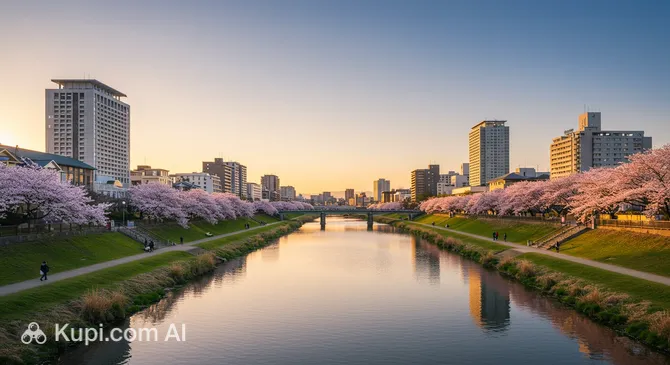
Tosu. Illustration.
Source: Kupi.com AI

One of the key features of Tosu is its railway station, which is considered one of the most important transport hubs on Kyushu. This makes the city an excellent starting point for traveling around the southern island of Japan. Tosu charms with its harmony of modernity and tradition: here you can find ancient temples and peaceful Japanese gardens side-by-side with modern shopping centers and sports arenas. The city is also famous for its well-maintained parks and clean streets, making walks particularly pleasant.

If you are looking for a place for a leisurely introduction to Japanese culture, want to dive into local traditions, and enjoy the authentic atmosphere of the Japanese countryside, Tosu is a wonderful choice. This city offers a unique combination of convenience, natural beauty, and cultural heritage, leaving every visitor with warm memories.

You can find more interesting facts on the Tosu city history page.

Weather Overview

The weather in Tosu is characterized by distinct seasons. Summer, especially in July and August, is warm and humid, with average maximum temperatures reaching 29-31°C, and the highest amount of rainfall (up to 11 mm in July, with 15-21 rainy days per month). Winters, from December to February, are cool, with average temperatures around 6-7°C and minimum values dropping to 2-4°C; precipitation in these months is minimal (2-3 mm). Spring and autumn offer moderate temperatures, making them a comfortable time to visit.

Expect warm, humid summers with frequent rain and cool, relatively dry winters. For a more detailed forecast and monthly information, you can explore the Tosu climate.

Average monthly temperature

Average monthly precipitation

Interesting Facts

Beyond its obvious charms, Tosu hides many surprising details and stories that make it truly special. Here are just a few interesting facts that will help you see this Japanese city in a new light:

  • Football Passion: Tosu is known throughout Japan thanks to its football club Sagan Tosu, which competes in the country's top division. Their home stadium, Ekimae Real Estate Stadium, has become a source of pride for the city and a place of pilgrimage for thousands of fans from across the region.

  • Ancient Crossroads: Historically, Tosu played a key role as an important transport hub. Ancient trade routes met here, and with the advent of railways, the city's station became one of the oldest and most vital on the island of Kyushu, connecting its northern and southern parts.

  • Guardian of Traditions: Despite modern development, Tosu has preserved many ancient temples and Shinto shrines. Many of them were erected in deep antiquity and to this day serve as venues for traditional Japanese festivals and colorful ceremonies.

  • Forge of Talents: The city has given Japan many famous personalities, including athletes, artists, and public figures. Tosu earned special fame through its deep attachment to football and the active development of youth sports, making it a kind of incubator for future stars.

How to Get There

You can reach the city of Tosu, located in Saga Prefecture on the island of Kyushu, in several ways. The most convenient for most tourists will be flights to the nearest major airports followed by a transfer, as well as Japan's well-developed railway network.

While Tosu does not have its own airport, several air gateways on Kyushu provide convenient access to the city. The most preferred option is Fukuoka Airport (FUK), a major international airport located in Fukuoka city, approximately 23.6 km from Tosu. A trip by taxi or express bus from Fukuoka Airport to Tosu will take roughly 50-60 minutes. Another option is Saga Airport (HSG), located in Saga city at a distance of about 31.6 km. This is a small regional airport from where Tosu can be reached by taxi in about 1 hour. You can also consider Kumamoto Airport (KMJ) in Kumamoto city, located 68.2 km from Tosu; the journey from there will take about 1.5-2 hours.

For clarity, here is a summary of the main airports:

AirportPassenger trafficDistance
Fukuoka Airport24.9 mln24 km
Saga Airport600 58232 km
Kumamoto Airport2.9 mln68 km
Kitakyushu Airport1.6 mln71 km
Nagasaki Airport3.1 mln75 km

Tosu is an important railway hub on the island of Kyushu, and traveling by train is an excellent way to get here, especially if you are already in Japan. The city's key station — Tosu Station — is served by JR Kyushu and provides direct connections to many major cities such as Fukuoka, Nagasaki, Kumamoto, and others.

Regarding the information from the provided list of railway stations: the nearest one listed is Sønderborg Station (QSG), located in the city of Sønderborg, approximately 31.6 km from Tosu. The estimated travel time by taxi from there would be about an hour. However, it is vital to note that the name "Sønderborg" and its likely location outside of Japan make this station irrelevant for a trip to the Japanese city of Tosu; this is most likely an error in the data. The other two stations in the list, Yeosu Expo Station (in Yeosu) and Jinju Railway Station (in Jinju), are located very far away (almost 300 km) and are also not in Japan. Therefore, when planning a trip to Tosu by rail, you should rely on current information from Japanese railway operators and use Tosu Station.

For the sake of completeness, here is the information for the stations in the provided list:

StationPassenger trafficDistance
Sønderborg Station32 km
Jinju Station295 km
Yeosu Expo Station297 km

Main Attractions

The city of Tosu, located in Saga Prefecture, offers its guests several interesting spots that combine modern entertainment, historical heritage, and natural beauty. When planning your trip, consider the following attractions to get to know this corner of Japan better.

One of the most popular spots is the Tosu Premium Outlets. This large outlet center attracts shopping enthusiasts with a wide selection of famous international and Japanese brands. Here you can find clothing, shoes, accessories, and home goods at attractive prices, and the outlet itself is designed in the style of a cozy village, making the shopping process even more enjoyable.

For lovers of Japanese culture and nature, Daikozenji Temple is a must-visit. This ancient temple is especially famous in the spring when about 50,000 azalea bushes bloom on its grounds, earning it the nickname "The Azalea Temple." In the fall, the slopes of the mountain where the temple is located are painted in bright colors of autumn foliage, creating a peaceful atmosphere for walking and contemplation.

Sports fans will be interested in visiting Tosu Stadium, also known as the Ekimae Real Estate Stadium. This is the home arena of the Sagan Tosu football club, which competes in the J-League. Attending a match allows you to dive into the exciting atmosphere of Japanese football and feel the energy of the local fans. Even on non-match days, the stadium's modern architecture is impressive.

Those interested in ancient history should check out the Nakabaru Yayoi Era Historic Site Park. This park is a reconstructed settlement from the Yayoi period (roughly 300 BC to 300 AD), where you can see restored dwellings and learn about the daily lives of the people who inhabited this area thousands of years ago. It is an excellent place for an educational walk and an immersion into the region's distant past.

Local Cuisine

The gastronomy of Tosu is a bright reflection of the culinary traditions of Kyushu island, where the main emphasis is on the freshness of local ingredients and rich yet balanced flavors. Travelers can expect an introduction to authentic Japanese cuisine that may seem simple but is incredibly flavorful and memorable.

The hallmark of Tosu is, without a doubt, Kyushu-style ramen. This hearty and aromatic dish consists of a thick, rich pork broth (tonkotsu), in which thin, firm noodles are served, topped with a generous portion of fresh green onions. Many local restaurants and eateries take pride in their own, sometimes secret, recipes for this soup, adding unique local spices and seasonal products, which makes every bowl of ramen special.

Besides the famous ramen, Tosu's gastronomic scene offers other interesting dishes worth trying. At the city's lively farmers' markets, you can find the freshest vegetables grown on the fertile lands of Kyushu, as well as juicy seasonal fruits famous for their excellent taste. Street food also holds an important place: be sure to try takoyaki (appetizing balls of tender dough with pieces of octopus inside), yakisoba (fragrant fried noodles with vegetables and meat or seafood), and traditional sweet rice cakes called mochi, which are often prepared right in front of customers.

Food culture in Tosu is quite diverse. Locals and visitors alike can enjoy a meal in traditional restaurants offering a wide range of Japanese dishes, as well as in small, cozy eateries specializing in, for example, ramen. Street food and fresh produce from farmers' markets also play an important role in daily gastronomic life. Typical drinks accompanying a meal are various types of green tea. Among alcoholic beverages, it is worth paying attention to sake and shochu, which may be represented by local brands. Additionally, throughout the year, Tosu may host various food festivals, providing a great opportunity to get to know the culinary traditions of the Kyushu region more deeply, try delicacies from local chefs, and even participate in culinary masterclasses.

Getting to know the local cuisine is an integral and very pleasant part of any trip to Tosu. The simplicity of the recipes, the freshness of seasonal ingredients, and the unique Japanese character of the local dishes will not leave any gourmet indifferent, providing many bright gastronomic impressions.

Travel Tips

Welcome to Tosu! To ensure your trip to this interesting city in Saga Prefecture goes smoothly and leaves only pleasant impressions, we have prepared some practical tips. They will help you navigate the area better and avoid potential inconveniences.

  1. Clothing and Essentials:

    The climate in Tosu is subtropical, with hot, humid summers and mild winters. In summer (June–August), choose light, breathable clothing; don't forget a raincoat, especially if you're traveling during the rainy season (usually June–July). In spring and autumn, layered clothing and a light jacket will come in handy. In winter, a warm jacket and sweater will be comfortable. Comfortable shoes are your main companion at any time of year, as there will be a lot of walking. Don't forget a universal adapter (Japan uses Type A and B sockets, 100V voltage) and a portable charger. When visiting temples and shrines, even small ones, try to dress modestly, covering your shoulders and knees out of respect for local traditions.

  2. Getting Around:

    Tosu is an important railway hub, so the main way to travel between cities will be JR trains. Within the city itself, you can get around by local buses. There are no subways or trams in Tosu. Taxis are available, especially at Tosu Station. If you plan to explore the surroundings of Saga Prefecture, renting a car might be a good option — an international driver's license is required, and remember that traffic in Japan is on the left. Taxi-calling apps like JapanTaxi may work but are less common than in major cities.

  3. Finance:

    The local currency is the Japanese Yen (JPY, ¥). It is recommended to carry cash, as not all small establishments and markets accept cards. It is better to exchange currency at the airport upon arrival or at banks in your city before the trip; this may be more difficult in Tosu. ATMs that accept international cards can be found at Japan Post Bank branches (post offices) and in 7-Eleven stores (Seven Bank). Credit and debit cards (Visa, Mastercard) are accepted in most hotels, large stores, and restaurants. Tipping in Japan is not expected — high-quality service is already part of the service culture. An estimated daily budget is from 7,000 to 15,000 Yen per person, not including accommodation.

  4. Health and Safety:

    Tosu, and Japan as a whole, is a very safe place with a low crime rate. Follow standard precautions: keep an eye on your belongings in crowded places. Drugstores are easy to find, but pharmacists do not always speak English. For serious health issues, contact hospitals; the emergency number is 119. Having travel insurance is highly recommended. There are no specific "dangerous" neighborhoods in Tosu.

  5. Communication:

    The official language is Japanese. The level of English proficiency among the local population may not be high, especially outside tourist zones. Learn a few basic phrases in Japanese: "Konnichiwa" (Hello), "Arigato" (Thank you), "Sumimasen" (Excuse me/I'm sorry). For connection, we recommend purchasing a tourist SIM card or renting a pocket Wi-Fi router at the airport (e.g., in Fukuoka) or online in advance. Free Wi-Fi may be available at Tosu Station, in some cafes, and shops. Useful apps: Google Maps for navigation, HyperDia or Jorudan for train schedules, Google Translate.

  6. Local Etiquette:

    Japanese people value politeness and respect. When greeting, bow slightly; handshakes are less common. In public places, especially on transport, speak quietly and avoid loud telephone conversations. It is not common to eat or drink on the go. Remove your shoes before entering Japanese homes, some temples, and traditional restaurants (where the floor is covered with tatami). When using chopsticks, do not stick them vertically into rice or pass food with chopsticks to another person.

  7. Things to Avoid:

    Try not to speak loudly on public transport — it is considered bad manners. Also, avoid pointing at people or objects with one finger; it is better to use an open palm. Do not leave trash on the streets — it is customary to take it with you to the nearest trash can or to the hotel (there are few public trash cans).

  8. Tosu Feature:

    If you love shopping, be sure to visit Tosu Premium Outlets — it's one of the largest outlet centers in the Kyushu region, offering a wide selection of brands at discounted prices. Also, Tosu is an important railway hub, making it a convenient base for exploring the northern part of Kyushu island.

We hope these tips help you feel more confident and enjoy every moment of your stay in Tosu. Have a great trip!

Entertainment & Nightlife

When the sun sets, Tosu offers its guests and residents a cozy and relatively quiet atmosphere for evening relaxation, distinct from noisy metropolises. The nightlife here is focused on quality time spent in local establishments where you can dive deeper into Japanese culture and hospitality.

Most evening activity is concentrated around Tosu Railway Station and its adjacent streets. Here you will find many traditional Japanese pubs – izakayas – where local drinks such as sake and shochu are served along with a variety of snacks. Also popular are small bars with a relaxing atmosphere and, of course, karaoke bars – a favorite entertainment for Japanese people of all ages.

While Tosu is not famous for massive nightclubs like big cities, you can always find a cozy spot to your liking. Since specific popular venues can change, the best way to find something interesting is to take a walk through the central streets in the evening or ask for advice from locals or at your hotel. They can recommend current and popular izakayas or bars that suit your preferences.

The atmosphere in evening Tosu is generally friendly and relaxed. Most establishments are oriented toward locals, so you can expect an authentic experience. The dress code is usually casual. Izakayas and bars begin to fill up after the workday and are especially lively on Friday and Saturday evenings, often staying open until midnight or slightly later.

The best time to experience Tosu's nightlife is on a Friday or Saturday evening. Prices in local izakayas and bars are usually moderate, especially compared to major cities. You can move around the city center on foot at night. For longer trips, it is recommended to use taxis, which can be found at the station or called by phone. Public transport runs less frequently at night.

Tosu, like most cities in Japan, is considered a very safe place. Night walks in central areas generally cause no concern. Nevertheless, it is always worth taking basic precautions. Make sure you know how to get back to your accommodation or have the address written in Japanese for a taxi driver.

During the day, Tosu also offers various leisure options. You can visit local temples and shrines, stroll through city parks, or explore shopping opportunities, including the popular Tosu Premium Outlets. For sports fans, the Best Amenity Stadium, the home arena of the Sagan Tosu football club, may be of interest.

Parks & Museums

The city of Tosu, located in Saga Prefecture, offers its guests not only convenient transport links but also wonderful opportunities for outdoor recreation and immersion in local culture. Here you will find well-maintained parks for leisurely strolls as well as interesting museums that preserve the history of the region.

Among the green oases of Tosu, Tashiro Park stands out, being especially beautiful in the spring during the azalea bloom; its well-kept paths are perfect for peaceful relaxation. Another notable site is Daikozenji Temple. Although primarily an ancient Buddhist temple, it is famous for its magnificent gardens, which attract visitors year-round, especially during the azalea bloom and the autumn leaf fall. These gardens are a fine example of Japanese landscape art and offer a tranquil atmosphere.

To learn about the rich history of the region, it is worth visiting the Nakabaru Yayoi Era Historic Site Park. This is not just a park, but a real open-air museum where you can see reconstructed dwellings from the Yayoi period and learn about the lives of people at that time. A walk through this park literally allows you to touch ancient history. To delve deeper into the past of the city itself, head to the Tosu City History and Folklore Museum. It features exhibits telling the story of Tosu's development, its traditions, and the daily lives of local residents over the centuries.

In addition to the mentioned places, Daikozenji Temple itself is an important historical and architectural monument with a history spanning many centuries. While exploring Tosu, keep an eye out for other local shrines and old buildings — they often hide interesting details and reflect the city's unique character. Such places allow you to better feel the spirit of the past and understand how the modern face of Tosu was formed.

To get a truly authentic impression of Tosu, peek into the local markets where daily life hums, or stroll through non-tourist streets. It is there that you can discover charming family cafes, traditional craft workshops, or small temples, each with its own unique atmosphere and history, completing the picture of the city's cultural heritage.

Getting Around

Getting around Tosu and its surroundings is quite convenient thanks to a developed transport system, where trains and buses play a key role. Tosu is an important railway hub on the island of Kyushu, making it easily accessible and a convenient starting point for traveling around the region.

The main form of public transport within Tosu is buses. Local bus routes connect the railway station with various city districts, shopping centers, and attractions. Usually, entry to the bus is through the rear or middle door, where you need to take a ticket with a stop number (if payment is not made by IC card upon entry). Payment is made to the driver when exiting through the front door. It is recommended to have small change, although some buses have machines for changing bills. Most buses also accept popular Japanese transport IC cards.

Railway communication is the heart of Tosu's transport system. JR Tosu Station serves several important lines, including the Kagoshima Main Line and the Nagasaki Main Line, providing direct connections to major cities such as Fukuoka (Hakata), Nagasaki, Kumamoto, and others. Train tickets can be purchased at station ticket offices or at vending machines that have English menus. For frequent trips or convenience, you can also use IC cards.

The fare payment system in Tosu is quite unified, especially if you use transport IC cards. Cards like SUGOCA (the regional JR Kyushu card) or nationwide Japanese IC cards such as Suica or Pasmo are accepted on both trains and most buses. These rechargeable cards significantly simplify the payment process — just tap the card against the reader when entering and exiting. You can purchase and top up an IC card at machines in railway stations. Cash payment is also possible but may be less convenient, especially on buses where the exact amount may be required.

Tourists are advised to check transport schedules in advance, especially if trips are planned for early morning or late evening. Schedule information can be found at stations or on transport company websites. Public transport operating hours cover most of the day, but the last trips may depart earlier than in major cities. Validation of train tickets occurs at turnstiles when entering and exiting the station. When using an IC card, don't forget to tap it against the reader every time.

Besides public transport, other travel options are available in Tosu. Taxis can be found at stands near the railway station and in other busy areas of the city. This is a convenient, albeit more expensive, way to get to your destination, especially if you have a lot of luggage. For those planning to explore Saga Prefecture and its surroundings more freely, renting a car could be a good option. Car rental offices are usually located near major transport hubs. Bicycle rental may be available, but more as a means for leisurely rides than a primary mode of transport.

Accommodation

In Tosu, travelers will find a variety of accommodation options to suit different preferences and budgets. Choices include modern hotels offering comfort and convenience, as well as potentially more traditional Japanese inns (ryokans), where you can immerse yourself more deeply in local culture. Guesthouses and apartments for short-term rent may also be available, suitable for those looking for a more homelike setting or traveling with family.

When choosing a place to stay in Tosu, it is worth looking at areas close to major transport hubs, such as Tosu Railway Station. This will provide easy access to other parts of the city and neighboring regions, given the transport significance of Tosu. Areas near major shopping centers or other sites of interest may also be convenient. As we currently do not have specific hotel examples from the provided list for Tosu, it is recommended to independently research current offers and reviews on specialized sites before booking to find the most suitable option.

Accommodation prices in Tosu range from relatively budget-friendly options to mid-range hotels. To ensure the best selection and prices, it is recommended to book your stay in advance, especially if your trip coincides with the peak tourist season, weekends, or major events in the region. For searching and booking, it is convenient to use popular international and Japanese online platforms, as well as official hotel websites. Some small guesthouses may accept bookings by phone or email.

Nearby Cities

For those looking to explore the surrounding area, Tosu serves as an excellent starting point for day trips to several interesting nearby locations:

CityPopulationDistance
Ogori58 3225 km
Kiyama17 4556 km
Kurume302 8587 km
Miyaki25 3868 km
Yoshinogari16 32410 km

These nearby destinations offer a glimpse into the diverse culture and landscapes of the region.

Shopping & Souvenirs

Shopping in Tosu offers tourists both an introduction to local goods and the opportunity to visit large shopping complexes. Although the city is not a major fashion center of Japan, you can find interesting purchases and souvenirs here that reflect the culture of the Kyushu region and Saga Prefecture.

Main shopping opportunities in Tosu are concentrated around Tosu Railway Station, where you can find various stores offering everyday goods, clothing, and local products. It is also worth taking a walk along the city's central streets, where small private shops and specialty stores are located.

One of the region's main shopping attractions is Tosu Premium Outlets®. This is a large outlet center offering a wide selection of goods from famous international and Japanese brands with significant discounts. Not only residents of Tosu but also tourists from all over Kyushu come here to shop. You can find clothing, shoes, accessories, home goods, and much more here.

Traditional markets in Tosu may not be as widely represented as in major metropolises; however, it is worth paying attention to small local shops selling fresh produce and seasonal fairs if any are held during your visit. In such places, you can buy fresh fruits, vegetables, and local delicacies.

As souvenirs from Tosu and Saga Prefecture, you can bring back items made of the famous Arita or Imari porcelain produced in this region. Also popular are local sweets (wagashi), sake from Saga Prefecture, green tea from neighboring Ureshino, and various handicrafts. Football fans can look for merchandise from the local club "Sagan Tosu."

Most shops and shopping centers in Tosu are usually open from 10:00 or 11:00 until 20:00 or 21:00. Small private stores may have individual working hours and a day off during the week. Credit cards are accepted in large stores and outlets. However, cash (Japanese Yen) is still widely used, especially in small shops and markets, so it is recommended to always have some cash on hand.

For foreign tourists in Japan, there is a Tax-Free system. In stores with the appropriate license (usually marked with a "Tax-Free Shop" sign), you can apply for a consumer tax refund when purchasing goods over a certain amount (typically over 5,000 Yen excluding tax). To do this, you must present your passport. Usually, the refund is processed directly in the store at a special counter.

Reached the end of the page?

That means the route is fully explored