Support

Kurume

About

Kurume is a cozy and atmospheric city stretching along the banks of the deep Chikugo River in Fukuoka Prefecture, on the island of Kyushu in Japan. Surrounded by the picturesque Minou Mountains, the city is harmoniously integrated into the natural landscape, offering guests the chance to enjoy the tranquility of the Japanese countryside and a unique local atmosphere.
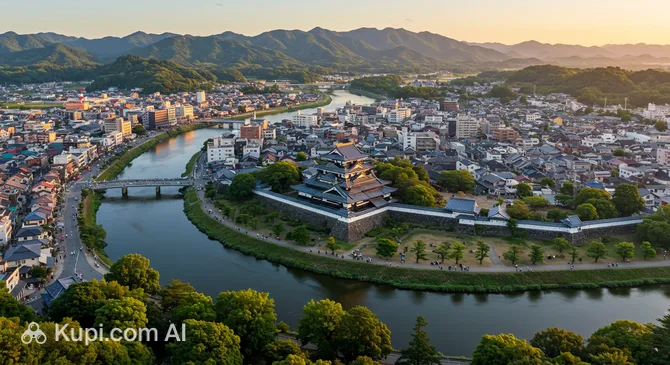
Kurume. Illustration.
Source: Kupi.com AI

With a population of approximately 302,858 people, Kurume is one of the region's significant cities. This former castle town has managed to preserve its historical layout and many traditional buildings. Here, ancient temples sit alongside modern museums, and cozy craft workshops continue centuries-old traditions, passing down the secrets of their mastery from generation to generation.

The main highlight of Kurume is its unique, authentic atmosphere. It is a city of temples, skilled artisans, and magnificent gardens where every corner breathes history. Kurume is especially attractive in spring, when from late April to early May it is bathed in azalea blossoms, turning into a veritable pink and crimson garden. Walking through the historical streets and visiting ancient shrines will leave you with unforgettable memories.

Visiting Kurume is a wonderful opportunity to see the real Japan, far from the hustle and bustle of megacities. Here, you can feel the harmony of the past and present, enjoy the beauty of nature, and immerse yourself in authentic Japanese culture. This city is perfect for those seeking a leisurely holiday, inspiration, and new experiences away from the usual tourist routes.

You can find more interesting facts on the history of Kurume page.
Weather Overview

The weather in Kurume is characterized by distinct seasonality. Summer, especially in July and August, is hot here: the average temperature hovers around 26-28°C, while maximum values can reach 29-31°C. Winters are cool, with average temperatures in January and December around 6-7°C. In general, expect a hot and humid summer with the most rainfall in June and July, and cool, relatively dry winters. You can find more detailed information on the Kurume climate page.

Average monthly temperature

Average monthly precipitation

Interesting Facts

Beyond its well-known landmarks, Kurume hides many curious stories and features. This city is ready to surprise even the most seasoned traveler!

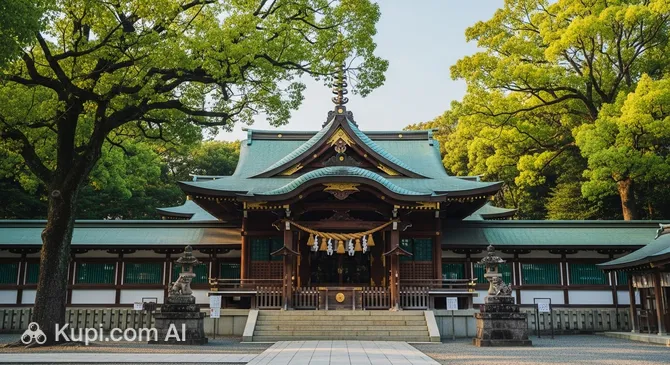
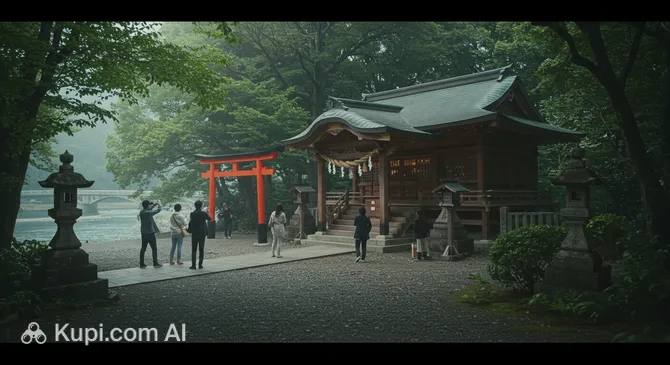
Suitengu Shrine. Illustration.
Source: Kupi.com AI

Traveler photos:

  • Kurume is often called the "city of temples" due to its many significant Buddhist and Shinto shrines. Among them, Suitengu Shrine holds a special place, as do the Bairin-ji and Daihonzan Naritasan Kurume temples, each of which is a center of cultural life and a venue for colorful festivals.

  • The city is famous for its traditional crafts, particularly the unique Kurume Kasuri textile. This fabric with its characteristic pattern, created by hand for centuries, is recognized as a national treasure of Japan. Additionally, Kurume is one of the few cities where the art of rantai lacquerware has been preserved, giving products a deep luster and durability.

  • Several famous Japanese figures, including artists and masters, were born and raised in Kurume. The city is also considered the home of one of the largest azalea festivals in the country—during this period, flower lovers from all over Japan flock here to enjoy this spectacular sight.

  • One local legend tells of how long ago, the residents of Kurume saved their city from a flood by building a unique system of canals and dams. Thanks to these efforts, Kurume is still considered one of the most well-maintained cities in the region today.

How to Get There

You can reach the city of Kurume, located in Fukuoka Prefecture on the island of Kyushu, in several ways; however, the most convenient for most tourists will be flights to nearby airports followed by a transfer, or a trip via Japan's extensive railway network.

The primary and largest air hub serving the region is Fukuoka Airport (FUK). This international airport is located in the city of Fukuoka, approximately 30 km north of Kurume. Due to its status and large passenger traffic, it handles many international and domestic flights. A trip from Fukuoka Airport to central Kurume by taxi, express bus, or train (with a transfer) usually takes between 60 to 70 minutes.

Another option is Saga Airport (HSG), located in the city of Saga, about 27 km west of Kurume. This is a smaller airport focused primarily on domestic flights. The journey from Saga Airport to Kurume takes about 50-60 minutes by car or taxi.

You may also consider flying into Kumamoto Airport (KMJ), which is in Kumamoto city, approximately 62.5 km southeast of Kurume. This medium-sized airport also serves both domestic and some international flights. A transfer to Kurume from here can take about 1.5 to 2 hours.

For clarity, here is a summary of the main airports used to reach Kurume:

AirportPassenger trafficDistance
Saga Airport600 58227 km
Fukuoka Airport24.9 mln30 km
Kumamoto Airport2.9 mln62 km
Nagasaki Airport3.1 mln71 km
Kitakyushu Airport1.6 mln76 km

Kurume is perfectly integrated into the railway network of Japan. The city itself houses important stations such as JR Kurume (serving JR Kyushu lines, including the high-speed Kyushu Shinkansen) and Nishitetsu Kurume station (key for the private Nishitetsu Tenjin Ōmuta Line). These stations provide convenient connections to Fukuoka (a trip from Hakata Station takes only about 17-30 minutes by Shinkansen or express train) and other cities in Kyushu and across the country.

Regarding specific railway data provided for automatic list generation (including "Jinju Station" in Jinju and "Sønderborg Station" in Sønderborg), these refer to facilities located outside of Japan (in South Korea and Denmark respectively) and at a very great distance from Kurume. For this reason, they are not relevant options for traveling to the city, and a table based on them is not provided. To plan your journey to Kurume by rail, we recommend using the official resources of Japanese railway operators such as JR Kyushu and Nishitetsu.

In addition to air and rail links, Kurume can be reached by intercity buses that connect it with various cities in the region. For those traveling by car, the city is accessible via Japan's well-developed network of expressways.

Main Attractions

Kurume, a city with a rich history and culture in Fukuoka Prefecture, offers travelers many interesting places to visit. It harmoniously combines ancient traditions and modern achievements, making it an attractive destination for curious tourists. Several iconic landmarks stand out in the city.

One of the most revered sites is the Suitengu Shrine. This is one of the main Suitengu shrines in Japan, dedicated to the patron deity of sailors and fishermen, and is also known as a place of prayer for safe childbirth and the health of children. The shrine attracts pilgrims and tourists with its peaceful atmosphere, beautiful traditional architecture, and centuries-old history. A visit here allows you to touch the spiritual traditions of Japan.

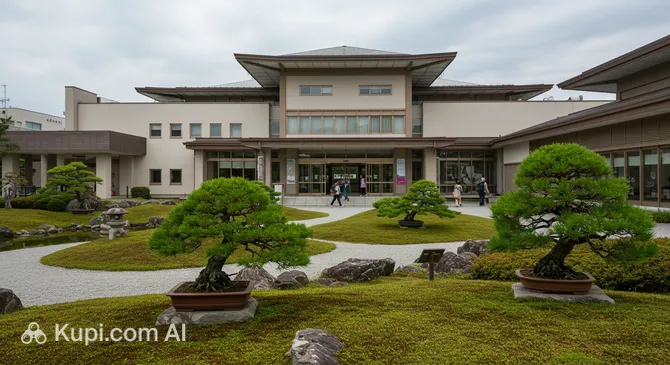
For lovers of art and Japanese garden culture, the Ishibashi Cultural Center is a must-visit. This extensive complex was founded through donations from Shojiro Ishibashi, the founder of the world-famous Bridgestone company. The center includes an art museum with an impressive collection, a beautiful Japanese garden perfect for leisurely strolls, and a concert hall. It is a place where you can enjoy both art and natural beauty.

Ishibashi Cultural Center. Illustration.
Source: Kupi.com AI

Traveler photos:

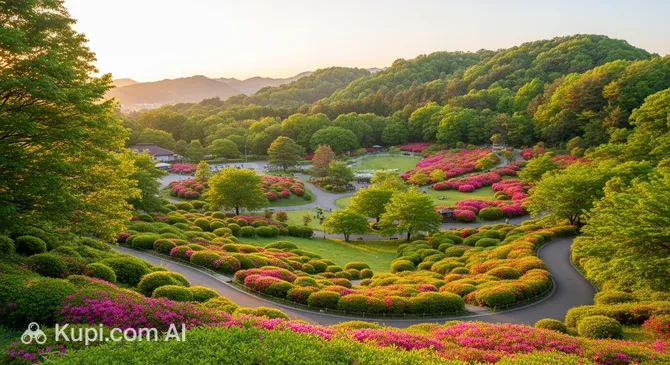
If you are looking for a place to relax in nature and enjoy panoramic views, head to Tsubuku Park. This picturesque park is especially beautiful in spring during the azalea blooming season, when the hillsides are covered in a bright carpet of flowers. The park's peaks offer magnificent views of the city of Kurume and the surrounding landscape. It is an excellent spot for a picnic, a walk, or simply contemplating nature.

Tsubuku Park. Illustration.
Source: Kupi.com AI

Traveler photos:

Another significant spiritual site is the Chiriku Hachimangu Shrine. This ancient Shinto shrine has a rich history and is dedicated to Hachiman, the deity revered as the patron of warriors and protector of the country. Visitors are drawn to its authentic atmosphere, traditional architecture, and the opportunity to immerse themselves in the region's history and culture.

Chiriku Hachimangu Shrine. Illustration.
Source: Kupi.com AI

Traveler photos:

These attractions are just a fraction of what Kurume has to offer. The city is also famous for its cuisine, particularly tonkotsu ramen, and is the birthplace of several famous personalities, which adds to its cultural significance.

Local Cuisine

Kurume is a true paradise for foodies, a city where culinary traditions are carefully preserved and passed down from generation to generation. The gastronomic scene here is vibrant and diverse, offering both exquisite dishes and simple yet incredibly delicious street food.

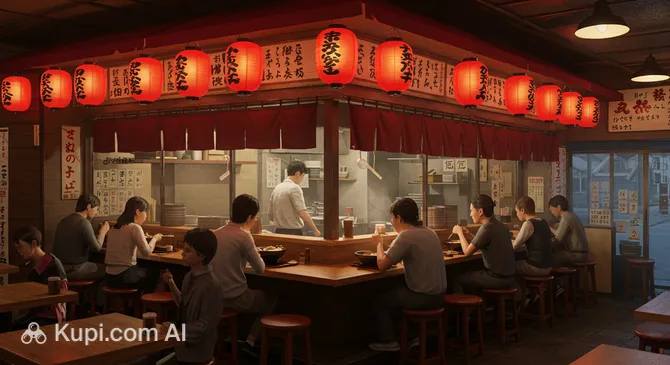
The main star of the local cuisine is undoubtedly Kurume Ramen. This version of the famous Japanese soup is distinguished by a particularly thick and rich tonkotsu broth, simmered from pork bones according to an ancient recipe. Locals are proud of their ramen and claim that its true taste can only be experienced here. If you want to try authentic ramen, stop by the Taiho Ramen Main Restaurant, famous for its traditions.

Taiho Ramen Main Shop. Illustration.
Source: Kupi.com AI

Traveler photos:

In addition to ramen, Kurume is famous for dishes made from the freshest eel, caught in the Chikugo River. It is also worth noting the abundance of seasonal vegetables and fruits grown on the fertile lands of the region. These can be sampled in restaurant dishes or at local markets. Don't forget the traditional Japanese sweets, which are prepared here according to old recipes.

The dining culture in Kurume is very accessible. Locals and tourists alike enjoy eating in small restaurants and trying street food—from grilled vegetable and meat skewers (yakitori) to onigiri rice balls and various desserts. Farmers' markets and gastronomic festivals, especially the popular Ramen Festival, which attracts connoisseurs from all over Japan, are great opportunities to immerse yourself in the local culinary atmosphere and try the very best.

As for drinks, in Kurume, as throughout Japan, you will find a wide selection of traditional sake and shochu. Among non-alcoholic drinks, various types of green tea are popular. Many establishments will offer you both local brands and well-known Japanese brands.

Travel Tips

Welcome to Kurume! To ensure your journey through this charming city in Fukuoka Prefecture is as comfortable as possible and leaves only pleasant impressions, we have prepared some practical tips for you.

  1. Wardrobe and Useful Items: The climate in Kurume is subtropical, so bring light and breathable clothing in summer (June-August). Spring and autumn offer mild weather, ideal for layering. In winter, a warm jacket will be necessary. Be sure to bring comfortable walking shoes, as exploring the city on foot is a true pleasure. Don't forget an adapter for electrical appliances (types A and B sockets are used in Japan). An umbrella or raincoat will come in handy, especially during the rainy season (usually June-July). When visiting temples and shrines, show respect by choosing modest clothing.

  2. Getting Around Town: Public transport in Kurume is well-developed. The main arteries are the JR Kyushu railway lines (Kagoshima Main Line, Kyudai Main Line) and the Nishitetsu Tenjin Ōmuta Line, as well as local buses. This is an efficient and economical way to reach most points of interest. Taxis are available but can be expensive; taxi apps such as JapanTaxi or Go can be useful. Car rental is possible with an international driving permit, but navigation and parking in Japanese cities can be challenging.

  3. Financial Matters: The national currency is the Japanese Yen (JPY, ¥). While credit and debit cards are accepted in many hotels, large shops, and restaurants, cash is still very important, especially in smaller establishments and temples. You can exchange currency at the airport upon arrival or at banks, but the most convenient way to get yen is to withdraw it from ATMs at 7-Eleven (Seven Bank) or Japan Post Bank, which usually accept international cards. Tipping is not customary in Japan; good service is included in the price. An approximate daily budget (excluding accommodation) can range from 7,000 to 15,000 yen.

  4. Health and Safety: Japan is one of the safest countries in the world, and Kurume is no exception. Observe standard precautions, especially in crowded places. Pharmacies ("kusuriya") are easy to find, but staff may not always speak English. For serious cases, it is recommended to have travel insurance. In an emergency, call 119. Tap water is safe to drink.

  5. Language and Connectivity: The official language is Japanese. The level of English proficiency among the local population may be limited, especially outside of tourist areas. Learn a few basic phrases: "konnichiwa" (hello), "arigato" (thank-you), "sumimasen" (excuse me/sorry). For convenience in navigation and communication, consider renting a pocket Wi-Fi router or buying a local SIM card. Free Wi-Fi is often available in hotels, cafes, and at stations.

  6. Local Etiquette: Japanese people are very polite. A slight bow is a common form of greeting. Avoid loud conversations on public transport. Remove your shoes before entering homes and some temples or traditional restaurants. Important to remember: never stick your chopsticks vertically into rice—this is associated with funeral rituals. It is also not customary to pass food from chopsticks to another person's chopsticks.

  7. Try the Local Specialties: Kurume is famous for its cuisine, especially tonkotsu ramen (a hearty soup with pork broth). Be sure to visit one of the local ramen shops! The city is also known for its traditional kasuri fabric (an ikat dyeing technique)—visit the Kasuri Museum to learn more about this craft. If your trip coincides with August, try not to miss the grand fireworks festival on the Chikugo River.

We hope these tips help you better prepare for your trip and fully enjoy the hospitality and unique atmosphere of Kurume. Have a pleasant journey and unforgettable experiences!

Entertainment & Nightlife

When the sun goes down, Kurume offers its guests various options for evening and night-time relaxation. While the city may not boast the scale of Tokyo's nightlife, it has its own cozy and authentic atmosphere that many travelers will enjoy. The main concentration of evening entertainment is usually found in the areas around the main railway stations, such as JR Kurume and Nishitetsu Kurume, as well as on busy shopping streets.

Kurume's nightlife is represented by many bars, traditional Japanese drinking establishments (izakaya), late-night restaurants, and a few nightclubs where you can dance. The atmosphere in these venues ranges from relaxed and friendly in small bars to more lively in popular spots. The crowd is mostly local, allowing for a deeper immersion into Japanese culture. Most bars and restaurants are open until midnight or 1:00 AM, with clubs staying open later, especially on weekends. There is usually no specific dress code, but smart casual is recommended for some of the trendier establishments.

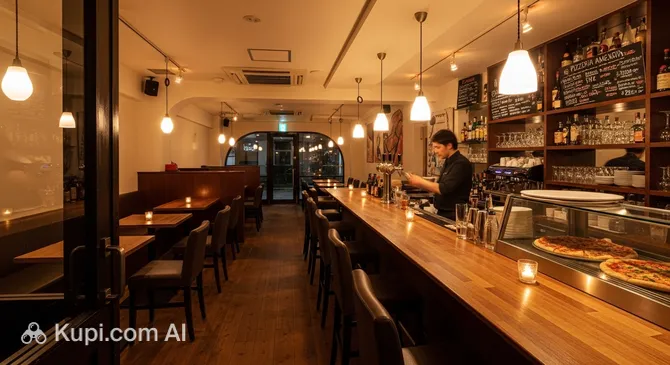
Among the popular places for evening entertainment are local bars serving craft beer or sake, as well as restaurants offering regional cuisine. For example, you can stop by Amenita Pizzeria to enjoy drinks in a pleasant setting, or visit Torikawa Hakatakko Kurume, known for its atmosphere and local specialties. For ramen lovers, Taiho Ramen Main Restaurant is a good choice and may also be open in the evening.

Pizzeria Amenita. Illustration.
Source: Kupi.com AI

Traveler photos:

When planning an evening out, keep in mind that Friday and Saturday are the liveliest nights. Average prices for drinks and food in Kurume are generally moderate but can vary depending on the venue. Public transport runs less frequently at night, so taxis become the primary mode of transport. Make sure you have your hotel address written in Japanese to show the driver.

Kurume, like most cities in Japan, is considered a safe place for nighttime walks. However, it is always worth taking basic precautions: keep an eye on your belongings and avoid poorly lit or deserted streets. You can call a taxi by asking the staff at a venue or by using specific apps if they are available.

During the day, Kurume also offers interesting leisure options. Visitors can go to the Ishibashi Cultural Center, explore historical sites like the Suitengu Shrine, or stroll through picturesque parks such as Tsubuku Park. This allows for a complete impression of the city, combining daytime cultural discoveries with evening entertainment.

Parks & Museums

The city of Kurume, located in Fukuoka Prefecture, offers its guests a harmonious blend of picturesque natural spots and a rich cultural heritage. Travelers will find peaceful parks for relaxation, informative museums, and historical shrines that reveal the region's centuries-old history.

For nature lovers and those who enjoy quiet walks, Tsubuku Park is an excellent choice. This park is known for its beautiful landscapes, well-kept alleys, and the opportunity to enjoy silence away from the city's hustle. The park is especially charming during blooming periods, offering visitors bright colors and a pleasant atmosphere for relaxation or a picnic. It is also worth paying attention to the embankments of the Chikugo River, which flows through Kurume and is a popular spot for walking and admiring nature.

Tsubuku Park. Illustration.
Source: Kupi.com AI

Traveler photos:

The heart of the city's cultural life is rightfully considered the Ishibashi Cultural Center. This multifaceted institution often brings together art galleries under its roof, where works by both local and internationally recognized masters are exhibited, along with museum displays. A visit to the center provides a wonderful opportunity to get acquainted with the art, history, and cultural traditions of Kurume and its surroundings.

Ishibashi Cultural Center. Illustration.
Source: Kupi.com AI

Traveler photos:

The historical heritage of Kurume is vividly represented by its ancient shrines. One of the most significant is the Suitengu Shrine, the head of a network of Shinto shrines of the same name throughout Japan, dedicated to the patron deity of children, safe childbirth, and seafaring. Its majestic architecture and calm atmosphere attract many visitors. No less interesting is the Chiriku Hachimangu Shrine, which possesses a rich history and beautiful grounds where you can delve deeper into the spiritual culture of Japan.

Suitengu Shrine. Illustration.
Source: Kupi.com AI

Traveler photos:

Chiriku Hachimangu Shrine. Illustration.
Source: Kupi.com AI

Traveler photos:

To get a more authentic experience of Kurume, stop by the craft shops where you can see and purchase items made from the famous "Kurume Kasuri" fabric, known for its unique dyeing technique. Exploring the city's quiet streets, you may also stumble upon charming little temples and traditional gardens hidden from the main tourist routes, but preserving the authentic spirit of old Japan.

Getting Around

Getting around Kurume is quite convenient thanks to a well-developed public transport system. The backbone of the city's transport network consists of buses and trains that connect various city districts and the surrounding areas. There are no subways, trams, or trolleybuses in Kurume, but the existing modes of transport cover most of the needs of residents and tourists.

The primary method of payment for travel is transport IC cards (such as Nimoca, Sugoca, or other national cards like Suica or Pasmo, which are usually interchangeable). These rechargeable smart cards are very convenient: simply tap the card against the reader when entering and exiting a bus or at railway station ticket gates. You can also pay for travel with cash directly to the bus driver (it is advisable to have the exact amount, as change may be limited) or buy a single train ticket from a machine at the station. Fares usually depend on distance; a short trip by bus or train within the city typically costs between 100-300 yen. While special tourist passes or day tickets specifically for Kurume may not be as widespread as in large metropolises, the aforementioned IC cards are the most universal and cost-effective solution for most trips.

Train tickets are purchased from machines at stations or at ticket offices. IC cards can be bought and topped up at machines at major stations or in some convenience stores. IC card validation occurs by touching the reader when entering and exiting. Buses and trains usually run from early morning until around midnight, but it is always better to check the schedule in advance, especially for late trips or routes to the suburbs. Mobile apps such as Jorudan, Navitime, or Google Maps are very useful for route planning and checking current schedules, and they are widely used in Japan.

As an alternative to public transport, taxis are always available in Kurume. They can be found at designated stands near stations and major sites or called by phone. A taxi ride will be significantly more expensive than a bus or train. For short distances or leisurely strolls, you might consider renting a bicycle—in some areas of the city, this can be a convenient and pleasant way to get around, allowing you to get to know the surroundings better.

Accommodation

In the city of Kurume, travelers will find a variety of accommodation options to suit different preferences and budgets. The choice ranges from economical guesthouses and hostels, ideal for backpackers and those seeking affordable housing, to comfortable mid-range hotels offering a good balance of price and quality. Short-term rental apartments are also available, which can be convenient for families or longer stays.

When choosing a place to stay in Kurume, it is worth looking at areas located near major transport hubs, such as railway stations, which will ensure easy access to different parts of the city and its surroundings. Options near popular attractions are also convenient, for example, near the Ishibashi Cultural Center or the Suitengu Shrine, which will save time on travel.

The price range for accommodation in Kurume is quite wide: from budget options to more expensive offers in hotels with an expanded range of services. It is recommended to book accommodation in advance, especially if your trip coincides with the peak tourist season or the time of major local festivals. Most hotels and apartments can be booked through popular online platforms, and direct booking through official hotel websites is also common.

Nearby Cities

For those who want to explore the surrounding area, Kurume serves as an excellent starting point for day trips to several interesting nearby locations:

CityPopulationDistance
Miyaki25 3865 km
Tosu74 6737 km
Ogori58 32210 km
Hirokawa19 80110 km
Yoshinogari16 32411 km

Among these cities, Saga and Tosu particularly stand out. Saga, being the capital of the prefecture of the same name, attracts tourists with its historical heritage, including the reconstructed Saga Castle and the Saga Castle History Museum, as well as the opportunity to learn about traditional crafts. The city of Tosu, located just 7 km away, is an important transport hub and offers easy access to various regional attractions. It may be interesting for visiting local parks and shrines, as well as serving as a starting point for further exploration of the northern part of Kyushu.

These nearby destinations provide an insight into the diverse culture and landscapes of the region.

Shopping & Souvenirs

Shopping in Kurume offers tourists the opportunity to get acquainted with local goods and traditional crafts. The city is not so much known for massive shopping malls as it is for its unique products, such as the famous Kurume Kasuri (traditional indigo-dyed patterned textiles) and, of course, everything related to the birthplace of Tonkotsu ramen.

The main shopping areas in Kurume are generally concentrated around major transport hubs, such as Nishitetsu Kurume Station and JR Kurume Station. Here you can find department stores, small boutiques, and specialized shops. A walk along the city's central streets will also reveal many interesting little shops offering both modern goods and traditional Japanese products.

While Kurume may not be famous for giant megamalls like some other large Japanese cities, there are shopping centers and department stores that cater to daily needs and offer a variety of goods. These are often located near stations or on major shopping streets. Look for the signs of well-known Japanese department store chains or local shopping complexes.

As for markets, you can find small local markets in Kurume where fresh produce, flowers, and sometimes handmade items are sold. They may not be as large-scale as tourist markets in metropolises, but they offer an authentic experience and a chance to see the everyday life of the townspeople. Look for information about temporary or farmers' markets that may be held on certain days of the week.

As souvenirs from Kurume, it is definitely worth bringing back products made from Kurume Kasuri fabric—these could be scarves, bags, clothing, or even small accessories. Also popular are local sweets, sake, and, of course, all kinds of kits for making Tonkotsu ramen or souvenirs featuring its imagery. In the shops at tourist sites, such as the Suitengu Shrine or the Ishibashi Cultural Center, you can also find interesting keepsakes.

Most shops in Kurume are typically open from 10:00 or 11:00 AM to 7:00 or 8:00 PM. Small private shops may have their own schedules. Cash (Japanese yen) is widely accepted as a method of payment, especially in small shops and markets. Credit cards from international payment systems (Visa, Mastercard, American Express) are accepted in most department stores, large shops, and tourist locations. Contactless payments are also becoming increasingly common.

For foreign tourists in Japan, there is a consumption tax refund system (Tax Free). Look for shops with the corresponding "Japan Tax-free Shop" logo. Usually, to process a tax refund, you must make a purchase of a certain amount (most often over 5,000 yen excluding tax) in one shop on one day and present your passport. The processing can take place either directly at the checkout or at a special Tax Free counter in the store.

Reached the end of the page?

That means the route is fully explored