Support

Yanagawa

About

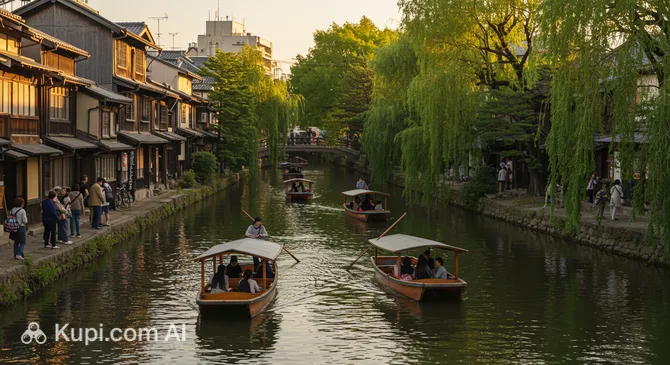
Yanagawa is an amazing city often called the "Japanese Venice" or the "Water Castle." It is located in the southwestern part of Fukuoka Prefecture on the island of Kyushu, at the mouth of the Chikugo River. This city, with a population of about 64,000, is literally permeated by a network of picturesque canals that create its unique atmosphere. Yanagawa has preserved the charm of old Japan, offering guests a leisurely immersion into history and culture.
Yanagawa. Illustration.
Source: Kupi.com AI

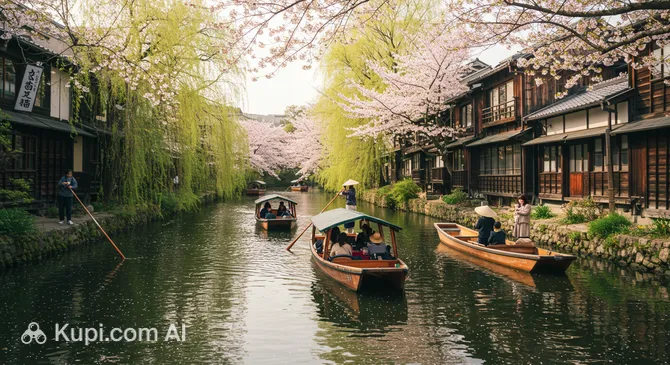
The main highlight of Yanagawa is undoubtedly its canals, which have a total length of almost 470 kilometers. Traditional flat-bottomed boats called "donkobune," steered by experienced boatmen with bamboo poles, glide slowly along these water arteries. Such a trip is the best way to get to know the city and see it from an unusual perspective. During the cruise, you can admire old houses, trees hanging over the water, and stone bridges.

In addition to water excursions, Yanagawa is famous for its historical attractions. One of them is the former residence of the Tachibana clan – Ohana, which includes a Western-style villa and the traditional Japanese Shoto-en garden, designated as a site of national significance. The city is also known for its poetic traditions associated with the poet Hakushu Kitahara, who was born here, and unique seasonal festivals, such as the Hinamatsuri doll festival, when boats with dolls are launched along the canals.

Yanagawa is an ideal destination for those seeking an authentic Japanese experience, tranquility, and beauty. If you want to take a break from the hustle and bustle of big cities and enjoy a peaceful atmosphere, be sure to include Yanagawa in your travel itinerary.

You can find more interesting facts on the Yanagawa city history page.
Weather Overview

The weather in Yanagawa has clearly defined seasons. In summer, especially in July and August, it is warm and humid: the average temperature stays around 27-28°C, and July can bring up to 12 mm of precipitation and about 21 rainy days. Winters, by contrast, are cool, with average temperatures around 6-7°C in January and December, and are significantly drier, with precipitation around 2 mm per month. Overall, prepare for a warm summer with occasional rain and cool, relatively dry winters in Yanagawa. You can find more details about the Yanagawa climate on a dedicated page.

Average monthly temperature

Average monthly precipitation

Interesting Facts

Beyond its picturesque canals and rich history, Yanagawa hides many surprising details and traditions that make it a truly unique place. Here are just a few of them:

Yanagawa Canal Punting (Shogetsu Station). Illustration.
Source: Kupi.com AI

Traveler photos:

  • Yanagawa's unique canal network, spanning hundreds of kilometers, was created as far back as the 16th century. Originally, they served as defensive moats around the castle of the local Tachibana clan, whose former residence, Yanagawa Tachibana-tei Ohana, can be visited today. These waterways, where Yanagawa Canal Boat Tours (Shogetsu Station) are organized, have earned Yanagawa the nickname "Venice of Kyushu."

  • Yanagawa is the birthplace of the famous Japanese poet Hakushu Kitahara. During many boat tours, such as the Yanagawa River Boat Trip, the gondoliers who steer the traditional "donkobune" boats with long poles often perform touching songs based on his poems. The poet's memorial museum is also open to visitors.

  • The city is famous for its unusual water festivals. One of the most colorful is the "Ohina-sama Suijo Parade" (Water Doll Parade), where elegantly decorated boats carrying dolls dedicated to Girls' Day are launched along the canals. During the Hakushu Festival, the boats transform into floating stages for musical and poetic performances.

  • The ancient canals of Yanagawa are shrouded in mystical legends. Locals say that on misty evenings, mysterious wandering lights can be seen on the water – according to legend, these are the lanterns of ancient samurai spirits who continue to invisibly guard the city to this day.

How to Get There

There are several ways to reach Yanagawa, the charming "city on the water" in Fukuoka Prefecture. The main options include flying into one of the regional airports followed by a transfer, or using Japan's extensive rail network.

Air Travel:

The closest airport to Yanagawa is Saga Airport (IATA: HSG), located in Saga City, just 9.8 km from Yanagawa. This is a regional airport, and a taxi or bus ride from there to central Yanagawa will take approximately 30-40 minutes. Despite its proximity, it mainly serves domestic flights.

For many international travelers, Fukuoka Airport (IATA: FUK) may be a more convenient option. This is a major international airport and one of the main air gateways to the island of Kyushu, located in Fukuoka City, about 47.1 km from Yanagawa. From here, you can reach Yanagawa by train, bus, or taxi; the entire journey takes about 1.5 hours. Fukuoka Airport offers a wide range of both international and domestic destinations.

Another significant airport to consider is Kumamoto Airport (IATA: KMJ). It is located in Kumamoto City at a distance of about 55.4 km from Yanagawa and also serves domestic and some international flights. The journey to Yanagawa from here will take approximately 1 hour and 45 minutes by car or public transport.

For convenience, here is a summary of the main airports used to reach Yanagawa:

AirportPassenger trafficDistance
Saga Airport600 58210 km
Fukuoka Airport24.9 mln47 km
Nagasaki Airport3.1 mln53 km
Kumamoto Airport2.9 mln55 km
Amakusa73 06579 km

Rail Service:

Japan is famous for its excellent and extensive rail network. While specific data for railway stations directly in Yanagawa or the nearest major hubs were not provided in the current list, traveling by train is a popular and convenient way to move around the country. We recommend checking current routes and train schedules on official Japanese railway websites or at stations upon arrival. Yanagawa can likely be reached by regional lines from larger railway hubs in Fukuoka Prefecture.

Upon arrival in the region, it is convenient to use local trains, buses, or taxis to travel specifically to Yanagawa and along its famous canals and surroundings. Renting a car can also be a good option for a deeper exploration of Fukuoka Prefecture and the island of Kyushu.

Main Attractions

The city of Yanagawa, often called the "Japanese Venice" due to its extensive network of canals, offers tourists unique experiences and many interesting places. Several stand out among the main attractions.

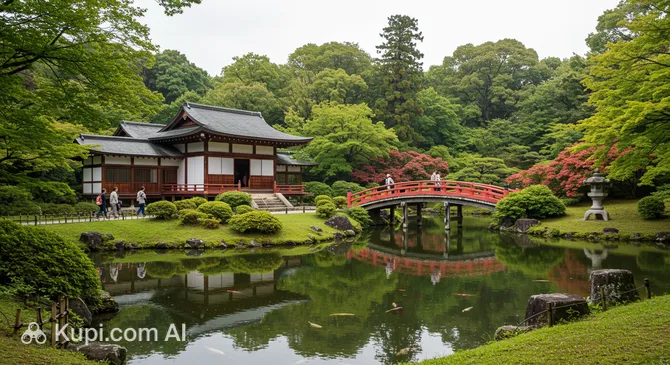
One of the key places to visit is Yanagawa Tachibana-tei Ohana. This is the former residence of the powerful Tachibana clan that ruled these lands. The complex includes the magnificent Western-style mansion Seiyokan and the traditional Japanese Shoto-en garden, recognized as a national treasure. A visit to Ohana allows you to dive into the history and daily life of the Japanese aristocracy while enjoying exquisite architecture and beautiful landscape design.

Yanagawa Tachibana-tei Ohana. Illustration.
Source: Kupi.com AI

Traveler photos:

It is impossible to imagine Yanagawa without its famous "donkobune" boat rides along its picturesque canals. Especially popular are the Yanagawa Canal Boat Tours (Shogetsu Station). During such a leisurely water excursion, steered by an experienced boatman with a long bamboo pole, you can see the city from a completely different perspective: ancient houses, weeping willows hanging over the water, and stone bridges. The boatmen often perform traditional songs, adding a special flavor to the journey.

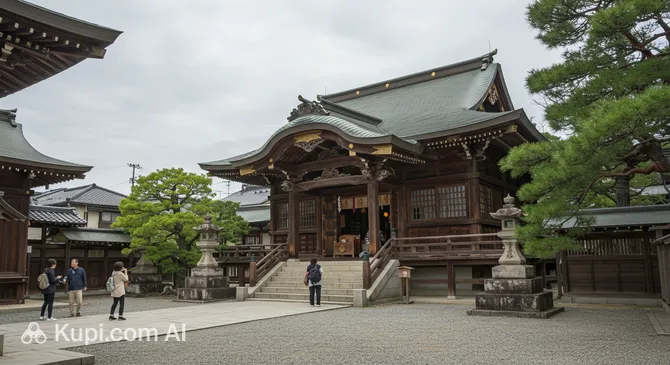
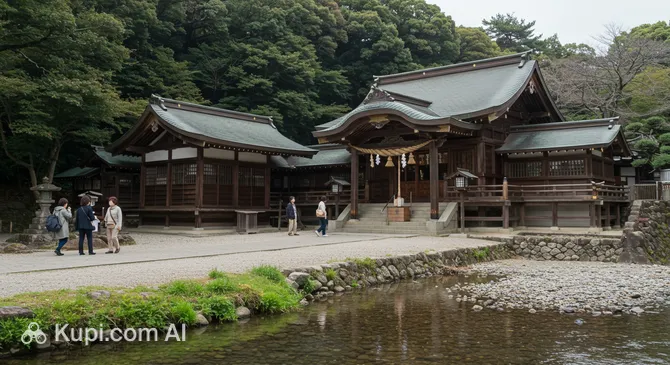
For those interested in Japan's spiritual culture, the Mihashira Shrine is a must-see. This Shinto shrine, dedicated to three deities, is an important religious center of the city. It attracts visitors with its calm, peaceful atmosphere, beautiful traditional architecture, and well-kept grounds. Here you can learn more about local beliefs and perhaps catch a ritual or festival.

Mihashira Shrine. Illustration.
Source: Kupi.com AI

Traveler photos:

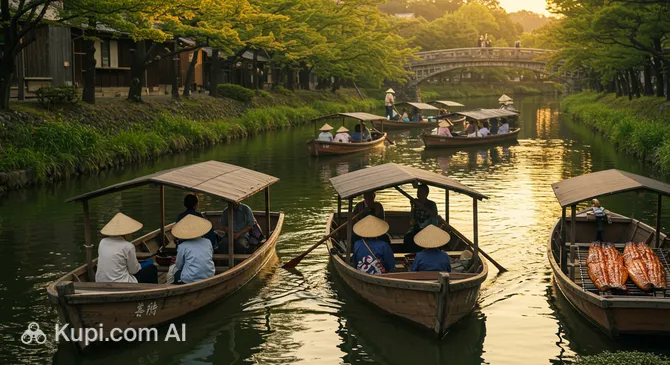
Another way to experience Yanagawa is through the Yanagawa River Walk and Eel Tasting. The city is famous for its eel dishes, especially "unagi no seiro-mushi" – eel steamed with rice in a special wooden box. This tour perfectly combines the contemplation of water landscapes with gastronomic pleasure, allowing you to fully feel the local flavor and try Yanagawa's main culinary treasure.

Yanagawa River Cruise & Unagi Experience. Illustration.
Source: Kupi.com AI

Traveler photos:

Local Cuisine

The gastronomic scene in Yanagawa is a true immersion into authentic Japanese cuisine, where the freshest local products play the leading role. The city's signature dish is undoubtedly unagi-no-seiro-mushi – freshwater eel steamed with rice and a special sauce, served in a traditional bamboo basket. The recipe for this exquisite dish has been passed down from generation to generation, and its unique taste is best revealed here, on the banks of Yanagawa's picturesque canals.

In addition to the famous eel, it is worth trying dishes made from freshly caught river fish and seasonal vegetables in Yanagawa. Street food will delight you with a variety of sushi with local fish and traditional rice flour sweets. Seasonal desserts are especially charming, such as those decorated with cherry blossom petals during their bloom, which add a special touch to walks around the city. Don't miss the opportunity to visit local farmers' markets – it's a real feast for gourmets, where you can find the freshest gifts from the region's rivers and fields.

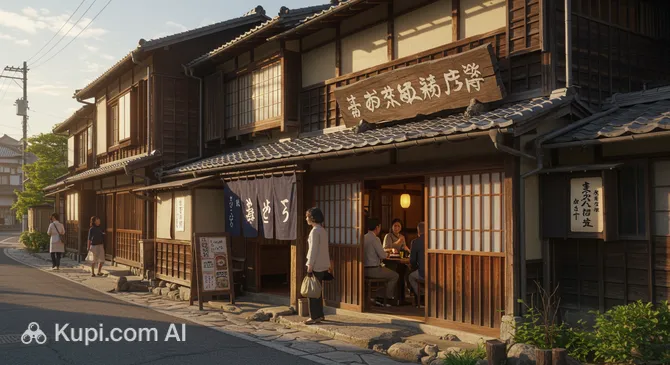
Wakamatsuya. Illustration.
Source: Kupi.com AI

Traveler photos:

The food culture in Yanagawa is centered around cozy family-run restaurants where a warm atmosphere prevails and dishes prepared with soul are served. One such place to enjoy local specialties is the Wakamatsuya restaurant. Tourists and locals also love to snack at bustling markets or try street food while walking.

As for drinks, be sure to try the local sake, which perfectly complements fish and eel dishes. Of course, traditional Japanese green tea is available everywhere. Yanagawa is also known for its gastronomic festivals held throughout the year. The eel festival is particularly popular, during which local chefs demonstrate their skills, and guests can try unagi in many different variations. This is a unique opportunity to get to know the city's culinary traditions more deeply.

Travel Tips

Welcome to Yanagawa, the charming city of canals! To make your trip to this unique corner of Japan as comfortable and memorable as possible, we have prepared some practical tips.

  1. Clothing and Essentials:

    The climate in Yanagawa is temperate, with clearly defined seasons. In summer (June-August), it is hot and humid, so choose light, breathable clothing, a hat, and sunscreen. In winter (December-February), it can be cool, so a warm jacket, sweater, and hat will come in handy. Spring and autumn offer the most comfortable weather, ideal for a light jacket or jumper. The key element of your wardrobe is comfortable shoes for walking around the city and along the picturesque canals. Also, bring a pair of shoes that are easy to slip off, as this will be required when visiting temples and some traditional establishments. Don't forget an adapter for electronics (Type A is used in Japan, voltage is 100V) and a portable power bank.

  2. Transport in the City:

    Yanagawa is a small city, and the best way to explore it is on foot and, of course, via the famous canal boat excursions ("kawakudari"). Local buses exist, but they may not be as relevant for exploring the central part. The nearest major railway station, Nishitetsu Yanagawa Station, connects the city with other destinations. Taxis are available but can be an expensive pleasure for frequent use. Ride-hailing apps common worldwide are less popular in Japan than local services (e.g., JapanTaxi, Go). Renting a car to get around Yanagawa itself is unlikely to be necessary, but may be considered if you plan to explore the surrounding Fukuoka Prefecture (remember left-hand traffic and the need for an international driver's license).

  3. Financial Matters:

    The local currency is the Japanese yen (JPY, ¥). It is recommended to exchange some cash upon arrival at the airport or in banks in major cities, as exchange options within Yanagawa itself may be limited. Credit and debit cards (Visa, Mastercard) are accepted in most hotels, large restaurants, and shops. However, always carry a certain amount of cash, especially for smaller establishments, markets, or buying tickets for boat trips. Foreign cards work best at Japan Post Bank ATMs and 7-Eleven convenience store ATMs (Seven Bank ATM). An approximate daily budget (excluding accommodation) can range from 7,000 to 15,000 yen. It is important to remember that tipping is not practiced in Japan and may even cause confusion.

  4. Health and Safety:

    Yanagawa, like Japan in general, is considered a very safe place with low crime rates. However, standard precautions, such as keeping an eye on personal belongings, are never redundant. Pharmacies (marked with "薬" or "kusuri") are easy to find, but pharmacists most often speak only Japanese. If you have chronic conditions, bring a necessary supply of medication with you. Be sure to take out travel medical insurance before your trip, as medical services in Japan can be expensive for foreigners. If necessary, you can contact your hotel or the local tourist information center for help finding an English-speaking doctor.

  5. Communication:

    The official language is Japanese. In tourist areas of Yanagawa, such as hotels and popular attractions, you may encounter staff who speak English, but overall the level of English proficiency among the population is not high. Learn a few basic Japanese phrases: "Konnichiwa" (Hello), "Arigato" (Thank you), "Sumimasen" (Excuse me/Sorry). This will not only help you but will also be warmly welcomed by the locals. For connectivity, we recommend purchasing a tourist SIM card or renting a portable Wi-Fi router (this can be done at the airport or online in advance). Free Wi-Fi is available in some hotels and tourist spots. Google Maps for navigation and Google Translate for translation will be useful apps.

  6. Local Etiquette:

    The Japanese highly value politeness and respect for tradition. Greetings are usually expressed with a slight bow (ojigi). In public places, especially on transport, try to speak quietly. It is not common to eat or drink on the go (except in special zones or during festivals). Be sure to remove your shoes before entering private homes, temples, as well as some traditional restaurants and ryokans (Japanese inns). Be reserved in expressing emotions and avoid loud gestures. Direct refusal is considered impolite in Japan, so a negative answer is often veiled.

  7. What to Avoid:

    To avoid offending locals and awkward situations, remember a few rules. Never stick your chopsticks vertically into a bowl of rice – this is associated with funeral rituals. Also, try not to blow your nose loudly in public; if necessary, it's better to step away to a secluded place or do it as discreetly as possible.

  8. Special Tip for Yanagawa:

    The main highlight of Yanagawa is undoubtedly a ride on a traditional flat-bottomed boat, "donko-bune," along the city's scenic canals. This leisurely excursion, often accompanied by the boatman's singing, will allow you to see the city from a completely different perspective and soak up its unique "Venice of the East" atmosphere. Be sure to set aside time for such a trip and check the schedule and cost in advance, especially if your trip falls during the peak tourist season.

We hope these tips help you better prepare for your trip to Yanagawa and get the most out of discovering this amazing city and its unique atmosphere. Have a great journey!

Entertainment & Nightlife

Evening Yanagawa offers its guests quiet and authentic entertainment rather than the noisy club life of big metropolises. Here you won't find districts filled with neon signs of nightclubs, but you can enjoy the peaceful atmosphere and local flavor after sunset. The city's nightlife is concentrated around cozy restaurants and traditional Japanese drinking establishments – izakayas.

The main form of evening leisure in Yanagawa is visiting restaurants where you can taste local cuisine, especially the famous eel. Many establishments offer a wonderful atmosphere for dinner with friends or a romantic evening. For example, you can stop by the Wakamatsuya restaurant, known for its traditional dishes. Another place for dinner could be Yoake Chaya (dining hall), where you can enjoy hearty local meals in a more informal setting. As a rule, restaurants are open until late evening, but it is better to check the operating hours in advance.

Wakamatsuya. Illustration.
Source: Kupi.com AI

Traveler photos:

In addition to restaurants, you can find small local bars and izakayas in the city where both locals and tourists gather. The atmosphere in such places is usually very friendly and relaxed. Here you can try various types of sake, shochu, and Japanese beer, as well as light snacks. There is no dress code as such; neat casual style is appreciated. The main clusters of such places can be found in the central areas of the city or near Yanagawa Station.

In terms of practical advice, it's best to head to the central part of the city for evening outings. You can get around on foot if your accommodation is nearby, or use taxi services available in the city. Yanagawa, like most cities in Japan, is considered a very safe place, so night walks through lit streets usually do not cause concern; however, it is always worth observing standard precautions.

During the day, Yanagawa offers many other interesting activities. Guests can enjoy the famous boat trips along the scenic canals, visit historical sites such as Yanagawa Tachibana-tei Ohana, or explore local shrines like the Mihashira Shrine. These daytime impressions perfectly complement the quiet and cozy evenings in this charming city.

Parks & Museums

Yanagawa, a charming city in Fukuoka Prefecture, offers its guests a unique combination of picturesque water landscapes and rich cultural heritage. Here you can enjoy the tranquility of traditional gardens and dive into the history of the region by visiting significant museums and historical sites.

One of the city's main green gems is Yanagawa Tachibana-tei Ohana. This is the former residence of the Tachibana clan, which includes the magnificent Shotoen Garden, designed with a view of a pond. A walk through this garden, admiring carefully selected stones and pines, will bring peace and allow you to feel the harmony of Japanese landscape art. The canals of Yanagawa themselves, where the Yanagawa River Boat Trip is particularly popular, are also an integral part of the city's natural charm, creating scenic views at every step.

Culturally, Yanagawa Tachibana-tei Ohana also plays a key role. Inside the residence's historic buildings is a museum featuring artifacts belonging to the Tachibana clan, including armor, clothing, and household items. This is a wonderful opportunity to learn about the life and history of feudal Japan. In addition, the city is proud of its shrines. The Mihashira Shrine, dedicated to three deities, is an important spiritual center and attracts visitors with its calm atmosphere and traditional architecture.

Another notable historical and cultural site is the Hiyoshi Shrine, known for its spring festivals and ancient history dating back centuries. Visiting these shrines allows you to touch the spiritual traditions of Japan.

Hiyoshi Shrine. Illustration.
Source: Kupi.com AI

Traveler photos:

For those seeking authentic experiences, we suggest not limiting yourself only to widely known attractions. Take a walk along the less busy streets along the numerous canals – here you can find small, cozy local temples or traditional workshops. It is also worth paying attention to small galleries or exhibitions of local craftsmen, which are sometimes found in the most unexpected places and allow for a deeper understanding of Yanagawa's spirit.

Getting Around

Public transport in Yanagawa, a city known for its picturesque canals, offers several convenient ways to get around. The backbone of the transport system consists of local buses and the Nishitetsu railway line (Nishitetsu Tenjin Omuta Line), which connects Yanagawa with other cities in Fukuoka Prefecture, such as Fukuoka and Kurume. Bus routes cover the main areas of the city, taking passengers to key attractions and residential neighborhoods.

Rechargeable IC cards, such as Nimoca (popular in the Kyushu region), Suica, Pasmo, or ICOCA, are widely used for paying fares on Nishitetsu buses and trains. These cards can be purchased and topped up at railway stations or in some convenience stores. Cash payment is also possible on buses: when boarding, you usually take a ticket with a zone number, and payment is made to the driver upon exiting according to the fare table. The fare depends on the distance. There may not be specialized travel passes exclusively for Yanagawa, but regional passes exist that cover a wider territory.

Tourists are recommended to purchase an IC card for convenience and to save time. Card validation occurs by tapping it against a reader when entering and exiting train stations, as well as when boarding and exiting buses. Buses and trains usually run from early morning until late evening, but it is worth checking the schedule, especially for the last trips, as there is generally no 24-hour service. Information about routes and schedules can be found at stations and sometimes at bus stops.

As an alternative to public transport, taxis are available in Yanagawa. They can be found at stands near the railway station or called by phone. For a leisurely exploration of the city and its surroundings, renting a bicycle is an excellent option – it's a popular way to enjoy the views of the canals and ancient streets. Bicycle rental points are often located near tourist centers or the station.

The main transport and tourist "highlight" of Yanagawa is the famous boat trips along the canals, known as "donkobune." These traditional flat-bottomed boats, steered by boatmen using long poles, offer a unique way to see the city from the water, passing under bridges and by historic buildings. Such a trip is not just a mode of transport but an integral part of experiencing the culture and atmosphere of Yanagawa.

Accommodation

In Yanagawa, travelers will find a variety of accommodation options to suit different budgets and preferences. Although the city does not abound with large international hotels, it offers cozy traditional Japanese inns (ryokans), guesthouses (minshuku), as well as more modern small hotels and apartments for short-term rental.

For tourists, the most convenient areas are those located near the famous canals where water excursions are organized, such as the Yanagawa River Boat Trip, and historical attractions like Yanagawa Tachibana-tei Ohana. Staying in these parts of the city will make it easy to immerse yourself in the atmosphere of old Japan and have quick access to major tourist routes.

Yanagawa Tachibana-tei Ohana. Illustration.
Source: Kupi.com AI

Traveler photos:

In Yanagawa, you are more likely to find authentic ryokans offering a unique experience of Japanese hospitality, including traditional dinners and breakfasts, than large chain hotels. Some historical estates may also offer accommodation, creating a unique atmosphere. When searching for housing, it is worth paying attention to reviews and location relative to sites of interest, such as the Mihashira Shrine or Hiyoshi Shrine.

When planning a trip to Yanagawa, especially during popular tourist seasons such as the spring cherry blossoms or autumn leaf viewing, it is recommended to book accommodation in advance. This will ensure a wider choice and better prices, as well as avoid difficulties in finding available rooms upon arrival.

The price range for accommodation in Yanagawa varies from budget options in guesthouses to more expensive offers in high-end ryokans. Most accommodation options can be found and booked through popular online booking platforms. It is also worth considering direct booking on the websites of ryokans or small hotels, if available, which can sometimes offer more favorable terms.

Nearby Cities

For those looking to explore the surrounding area, Yanagawa serves as an excellent starting point for day trips to several interesting nearby locations:

CityPopulationDistance
Chikugo48 79411 km
Omuta110 05415 km
Saga232 35915 km
Yame60 19615 km
Hirokawa19 80116 km

These nearby destinations provide an insight into the region's diverse culture and landscapes, complementing the experience of visiting Yanagawa.

Shopping & Souvenirs

Although Yanagawa is not a major shopping center in Japan, the city offers unique opportunities to buy local souvenirs and delicacies reflecting its rich culture and history. You won't find huge shopping malls here, but you can enjoy searching for authentic goods in small shops and stalls.

The main shopping areas in Yanagawa are concentrated along tourist routes, especially near the canals and historical attractions such as Yanagawa Tachibana-tei Ohana, where souvenir shops are often located. Walking streets in the city center will also offer several options for finding gifts and local products.

There are no large shopping centers in Yanagawa typical of megacities. Shopping here is more intimate, focused on traditional goods and the products of local craftsmen. Small department stores or sections within them may offer everyday goods, but the main focus is on unique local production.

There are few specialized large markets like those in big cities in Yanagawa. However, you may encounter small local shops or temporary stalls, especially during festivals, where fresh produce, local sweets, and handmade items are sold. Sometimes you can find points selling fresh seafood from the Ariake Sea.

From Yanagawa, it is worth bringing back souvenirs related to its main attraction — the canals — as well as local cuisine. Popular items include:

  • Eel (unagi) products: canned eel, sauces, eel-flavored snacks.
  • Yanagawa-mari: traditional colorful embroidered balls considered a symbol of good luck.
  • Local sweets: for example, those made using rice or bean paste.
  • Nori seaweed products: the region is famous for high-quality nori.
  • Ceramics and textiles: you can sometimes find works by local craftsmen.

Most shops in Yanagawa are open from approximately 10:00-11:00 to 18:00-19:00. Small family-run shops may have more flexible hours or be closed on a specific day of the week. Credit cards are accepted in many places, but it's always useful to have cash on hand, especially for purchases in small shops or at occasional markets.

For foreign tourists in Japan, a Tax-Free return system is in place. Usually, this requires making a purchase of a certain amount (most often over 5,000 yen) in participating shops. You must present your passport at the time of purchase. Check the possibility of Tax-Free processing directly at the shop.

Reached the end of the page?

That means the route is fully explored