Support

Unzen

About

Unzen is a true corner of pristine nature, located on Kyushu Island in Nagasaki Prefecture, in the heart of the picturesque Shimabara Peninsula in Japan. Surrounded by majestic mountains and dense forests, the city's main natural landmark is the mighty Mount Unzen, which not only shapes the unique local landscape but also gives it a special atmosphere of mystery and natural power.

With a population of about 41,000, Unzen retains the charm of a small Japanese town, offering everyone a place for solitude and harmony. Administratively, it plays a vital role on the peninsula as the gateway to the famous Unzen-Amakusa National Park. This park is renowned for its scenic hiking trails, observation decks with breathtaking views, and rich flora.
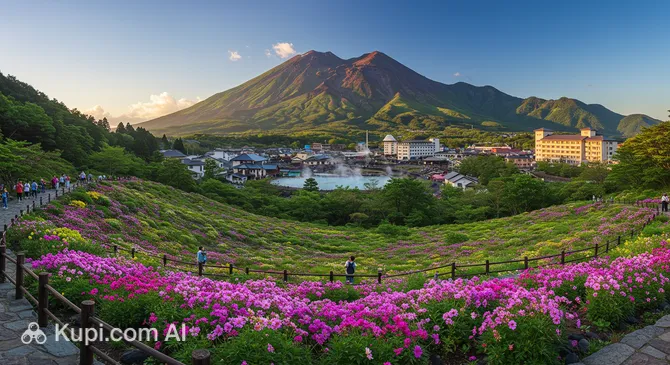
Unzen. Illustration.
Source: Kupi.com AI

The atmosphere of Unzen is a rare combination of serenity, fresh mountain air, and a touch of mystery created by clouds of steam rising from numerous hot springs (onsen). Here, you can not only relax in the healing waters of the onsens but also take a stroll through ancient streets, admire traditional architecture, and enjoy the meditative sight of koi carp in historical canals. One of the city's key features is its "Hell Springs" (Jigoku) — bubbling mud pools and fumaroles that create a truly otherworldly landscape.

Unzen is an ideal destination for those seeking a harmonious blend of Japanese culture, magnificent nature, and a slow, restorative holiday. Visit Unzen to discover its unique beauty and tranquility.

You can find more interesting facts on the history of Unzen page.

Weather Overview

The weather in Unzen features distinct seasons. Summer, especially in July and August, is warm here, with average maximum temperatures approaching 28-30°C. This period is also characterized by the highest rainfall: for example, about 12 mm falls in July, and the number of rainy days can reach 20. Winters, covering the period from December to February, are quite cool, with average temperatures around 7-9°C and minimum rainfall, amounting to approximately 2 mm in January and December. Spring and autumn are transitional periods with moderate temperatures and gradual changes in rainfall levels. Overall, expect a warm and humid summer with frequent rain and a cool, relatively dry winter. You can learn more on the Unzen Climate page.

Average monthly temperature

Average monthly precipitation

Interesting Facts

In addition to its famous hot springs, Unzen and its surroundings hide many surprising details and cultural features that make this corner of Japan truly unique. Here are just a few interesting facts that will help you see this region from a new perspective:

  • Unzen is famous for its "Hell Valleys" (Jigoku in Japanese) — these are not just geothermal zones, but entire fields shrouded in clouds of steam from sulfur springs. A walk here turns into a mystical journey among boiling mud lakes and sounds coming from underground, creating a truly otherworldly atmosphere.

  • The region has preserved unusual tea-drinking traditions. For example, in the Shimeiso spring garden, you can enjoy tea in a house built on stilts, while colorful carp swim slowly beneath its floor. It's no wonder the neighboring city of Shimabara earned the nickname "City of Swimming Carp" — these fish literally live in its canals, adding a special charm to walks.

  • Near Unzen, in the city of Shimabara, you can take a trip back in time by visiting an ancient castle and the adjacent samurai quarter. Warrior houses are still preserved here, and walking through the narrow streets allows you to feel the spirit of feudal Japan.

  • The active volcano Mount Unzen is not only an impressive natural landmark but also an important part of the local identity. Its eruptions over centuries have shaped not only the unique landscape but also the special character of the local residents, who treat the forces of nature with deep respect and honor the traditions associated with them.

How to Get There

There are various ways to reach the picturesque city of Unzen, but most travelers choose a combination of air travel and ground transport. Since Unzen is located on the Shimabara Peninsula, the logistics have specific features, including scenic bus or taxi rides from major transport hubs.

The closest airport to the resort is Nagasaki Airport (IATA: NGS), located in the city of Nagasaki (Omura). This is the optimal choice for domestic flights. The distance to Unzen is about 27 km in a straight line, but due to the terrain and road network, a taxi or bus ride will take approximately 60–70 minutes. The airport handles a significant flow of tourists and offers convenient connections.

If you are planning an international flight, consider Fukuoka Airport (IATA: FUK) in Fukuoka City. This is the largest hub in the Kyushu region, receiving many flights from abroad. It is located about 87 km from Unzen. The journey from here will take longer — expect about 2.5 hours by car or a combination of train and bus, but the wide selection of flights often compensates for this inconvenience.

Another interesting option is Kumamoto Airport (KMJ). Although it is located in Kumamoto City (about 62 km in a straight line), the route from there often includes a ferry crossing to Shimabara Port, which can be a small adventure in itself. Travel time by taxi to the ferry and then to the resort will be about 2 hours.

For clarity, here is a summary of the main airports in the region:

AirportPassenger trafficDistance
Nagasaki Airport3.1 mln27 km
Saga Airport600 58236 km
Amakusa73 06539 km
Kumamoto Airport2.9 mln63 km
Fukuoka Airport24.9 mln87 km

Regarding rail service, there is no train station directly in Unzen. Tourists traveling by train (including Shinkansen) usually need to go to Isahaya Station, which is a key transfer hub on the JR Nagasaki line. Regular buses run from Isahaya Station to the Unzen hot springs; the travel time is about 80 minutes. This is a reliable and popular way to reach the resort for those already in Japan and traveling by rail.

Main Attractions

Unzen, located in Nagasaki Prefecture, is famous for its impressive volcanic landscapes, healing hot springs, and rich nature. This city offers unique experiences for every traveler. Here are some of the key attractions you shouldn't miss during your visit to Unzen:

The main symbol of the region is undoubtedly Mount Unzen. This complex of active volcanoes, including the famous Fugen-dake peak, attracts both nature lovers and adventure seekers. You can take a ropeway to enjoy breathtaking panoramic views of the surroundings or explore numerous hiking trails. Mount Unzen represents not just beauty, but living geological history.

Be sure to visit the Unzen Jigoku, also known as the "Hell Valleys" of Unzen. This surreal place captures the imagination with its steaming fumaroles, boiling mud springs, and strong smell of sulfur. Specially constructed wooden walkways allow you to safely walk among these geothermal wonders and feel the raw power of nature. This location is particularly photogenic and leaves an indelible impression.

For full immersion into the region's nature, head to Unzen-Amakusa National Park. It is one of Japan's oldest national parks, covering diverse landscapes from volcanic mountains to picturesque coastlines and islands. The park offers countless opportunities for hiking, bird watching, and simply peaceful relaxation in nature. Its beauty changes with the seasons, making every visit unique.

To gain a deeper understanding of Unzen's volcanic nature and history, stop by the Mt. Unzen Disaster Memorial Hall. It features interactive exhibits dedicated to the region's geology, the destructive eruption of Mount Fugen-dake in the 1990s, and disaster prevention measures. It is an excellent place for educational leisure that helps one appreciate both the power of nature and human efforts to ensure safety.

Local Cuisine

The gastronomy of Unzen is a true discovery for lovers of Japanese cuisine, where the main highlight is dishes prepared using the geothermal steam from local hot springs. Be sure to try "onsen tamago" (eggs boiled in the springs), as well as corn and sweet potatoes, which acquire a special taste and are enriched with minerals thanks to this unique cooking method. It's not just food, but an entire gastronomic experience!

The city's coastal location provides the opportunity to enjoy the freshest seafood. Local restaurants and street stalls offer delicate fish caught in the waters of the Shimabara Peninsula. Dishes made from eel and crucian carp are particularly popular. These marine delicacies are complemented by seasonal vegetables grown in the region's fertile volcanic soil, making every dish truly rich and healthy.

For those with a sweet tooth, Unzen also has surprises in store. Look for original desserts steamed in thermal springs and, of course, sweets made with the famous Japanese matcha green tea. Visit local markets to try fresh fruits and vegetables, and for full immersion in Japanese culture, visit traditional tea houses where you will be served fragrant matcha with light snacks. Among beverages, matcha is the signature of the region, although you will certainly find other traditional Japanese drinks as well.

The culinary life of Unzen is not limited to daily meals. Throughout the year, fascinating gastronomic festivals take place here and in the surrounding areas. This is a great opportunity not only to taste the best dishes of the region but also to learn their cooking secrets, participate in workshops, and even boil your own "hell egg" (jigoku-mushi tamago) right in one of the boiling springs. The city's food scene is characterized by a unique blend of tradition and natural features, offering tourists unforgettable taste experiences and emphasizing the importance of fresh, local products.

Travel Tips

Planning a trip to the charming city of Unzen? These practical tips will help you better prepare for your journey and get the most out of your stay in this unique corner of Japan, known for its hot springs and natural beauty.

  1. Clothing and Essentials:

    The climate in Unzen is temperate, with four distinct seasons. In summer (June-August), it is warm and humid, so choose light, breathable clothing. Spring (March-May) and autumn (September-November) are wonderful times to visit with comfortable temperatures; layered clothing is suitable. In winter (December-February), it can be cool, especially in mountain areas, and snow occasionally falls. The key element of your wardrobe is comfortable shoes, as Unzen and its surroundings are perfect for walking and exploring nature trails. Don't forget a universal adapter for electronics (in Japan, Type A and B sockets are used, voltage 100V) and a light raincoat or umbrella, as the weather can be changeable.

  2. Transport:

    To move around Unzen and to main tourist sites like the famous hot springs or the ropeway, it is convenient to use local buses. It is recommended to check their schedule in advance, as intervals can be significant. Taxis are also available but can be a quite expensive option for long trips. If you plan to actively explore the scenic Unzen-Amakusa National Park and surrounding areas, renting a car can be an excellent solution, providing greater freedom of movement. Remember that in Japan, people drive on the left.

  3. Finance:

    The official currency of Japan is the Japanese Yen (JPY). Credit and debit cards (Visa, Mastercard) are accepted in many hotels, large shops, and restaurants; however, carrying a sufficient amount of cash is highly recommended. This is especially true for small cafes, local markets, some onsens (hot springs), and when buying souvenirs. It is best to exchange currency at the airport upon arrival or at major banks in large cities, as this may be difficult in Unzen itself. ATMs that accept international cards can usually be found at post offices (Japan Post Bank) and 7-Eleven convenience stores. Tipping is not practiced in Japan and may be perceived as a misunderstanding or even impoliteness.

  4. Health and Safety:

    Japan in general and Unzen in particular are considered very safe places for tourists. Pharmacies (marked as "薬" or "kusuri") are easy to find, but keep in mind that many medications may have different names or require a prescription. It is recommended to bring a small first-aid kit with familiar medicines. If medical help is needed, your hotel staff or the tourist information center will be able to assist. Since Unzen is located in a volcanically active region, pay attention to current volcanic activity warnings when planning mountain hikes or visiting geothermal zones. Always carry a copy of your passport and travel insurance.

  5. Communication:

    The official language is Japanese. While staff in tourist areas may speak basic English, the overall level of foreign language proficiency among the local population can be limited. It will be very helpful to learn a few basic Japanese phrases, such as "konnichiwa" (hello), "arigato" (thank you), and "sumimasen" (excuse me/sorry). For ease of navigation and communication, consider buying a local SIM card or renting a pocket Wi-Fi router upon arrival in Japan. Free Wi-Fi is available in many hotels and some public places. Translation apps and online maps will be your indispensable assistants.

  6. Local Etiquette:

    Japanese people highly value politeness, respect for traditions, and social harmony. A slight bow (ojigi) is the accepted form of greeting and expressing gratitude. In public places, especially on transport, try to behave quietly and avoid talking loudly on the phone. It is important to remove your shoes before entering homes, temples, traditional inns (ryokans), and some restaurants – look for special shoe shelves. When visiting the onsens (hot springs) for which Unzen is famous, be sure to read and strictly follow the rules of conduct: you must undress completely and wash thoroughly in the designated area before entering the communal bath.

  7. What to Avoid:

    To ensure your trip goes smoothly and you don't offend local residents, try to avoid eating and drinking while walking on busy streets – it's better to find a designated spot for this. Never stick your chopsticks vertically into a bowl of rice, as this is associated with funeral rituals. It is also considered impolite to point at people or objects with one finger; use an open palm instead. Loud talking, arguing, or public expressions of strong dissatisfaction are discouraged.

  8. Special Tip for Unzen:

    Unzen is primarily famous for its "Jigoku" (translated as "hells") – valleys with bubbling mud pools, fumaroles, and sulfur gas vents. Be sure to walk along the specially equipped wooden walkways in the Unzen Jigoku area to fully feel the power of nature. Here you can also try "kuro-tamago" – eggs boiled in geothermal springs, which, according to legend, prolong life. For breathtaking panoramic views of the volcano and surrounding islands, take the Unzen Ropeway.

We hope these tips help you plan an unforgettable trip to Unzen and enjoy every moment spent in this amazing city full of natural wonders and Japanese hospitality!

Entertainment & Nightlife

Unzen, famous for its healing hot springs and peaceful natural landscapes in Japan, offers its guests a quiet and authentic evening experience that differs significantly from the bustling nightlife of major metropolises. Evenings here are perfect for relaxation, leisurely strolls, and immersing yourself in local culture after a busy day of exploration.

The heart of evening entertainment in Unzen consists of traditional Japanese pubs – izakaya. In these cozy establishments, you can enjoy local sake, fresh beer, and a variety of appetizers in a casual setting. Many hotels and ryokans (traditional Japanese inns) also feature their own bars or lounge areas where guests can spend a pleasant evening. Restaurants specializing in regional cuisine are generally open late, allowing tourists to enjoy dinner without rushing.

The evening atmosphere in Unzen is very welcoming, intimate, and calm. You are unlikely to find loud nightclubs with dance floors and loud music until dawn here. Instead, the city offers the chance for soulful conversation, tasting authentic food and drinks in a relaxing environment. The dress code in most places is casual and informal. It is worth noting that many establishments close earlier than in large cities – usually around midnight or even earlier.

Regarding specific venues, in Unzen, it is worth looking for the traditional izakaya mentioned above, family restaurants with evening service, and small hotel bars. These are the main types of places to spend an evening. Since specific data on popular venues with LandingKey links has not been provided, we cannot list specific names with direct links to their pages. We recommend walking along the central streets in the resort area or asking your hotel staff for advice – they can suggest reliable local spots.

When planning your evening, keep in mind that the best time to visit an izakaya is early evening, starting around 6:00 PM – 7:00 PM. Prices in local establishments are usually quite moderate. Unzen is a small town, so many interesting places, especially in the resort part, are within walking distance. For traveling longer distances or late at night, taxi services are always available.

Unzen is considered a very safe city, and evening walks here are generally risk-free. However, it is always wise to follow standard precautions. If you need a taxi, it can be easily called through your hotel reception or by asking the staff at the establishment where you are located.

During the day, Unzen offers a completely different set of activities. The main magnets for tourists are, of course, the famous hot springs (onsen), where you can relax and rejuvenate, as well as the scenic Unzen-Amakusa National Park with its impressive volcanic landscapes, fumaroles, and numerous hiking trails. For those interested in the history and nature of the region, local small museums, such as those dedicated to volcanology or local history, may be of interest.

Parks & Museums

Unzen, located in Nagasaki Prefecture, offers its guests a unique combination of impressive natural landscapes and interesting cultural sites. This city, surrounded by active volcanic nature, is ideal for those seeking both tranquility in nature and educational excursions.

The main natural gem of the region is undoubtedly Unzen-Amakusa National Park. One of the most famous places in the park is Unzen Jigoku, or the "Unzen Hell Springs." This is a geothermal zone with steaming sulfur springs, bubbling mud pools, and a characteristic scent, creating a truly otherworldly atmosphere. Walking along specially constructed paths allows you to safely observe this natural phenomenon. For breathtaking panoramic views, it is worth heading up to Nita Pass, which offers magnificent mountain landscapes and, on clear days, a view of the sea. You can reach the summit via the Unzen Ropeway, which is an adventure in itself and provides access to various hiking trails.

Among Unzen's museums, the Mt. Unzen Disaster Memorial Hall (Gamadasu Dome) holds a special place. This museum is dedicated to the eruption of Mount Fugen-dake in the 1990s and its aftermath. The exhibition is very informative and moving, helping visitors understand the power of nature and human recovery efforts. Art lovers will enjoy the Unzen Vidro Museum, which displays delicate items made from Bohemian and Venetian glass, as well as works by local craftsmen. It is a beautiful place to see how fragile beauty contrasts with the region's rugged nature.

While Unzen is best known for its nature, you can also find small temples or shrines reflecting local spiritual life. They are seamlessly integrated into the landscape and add charm to your walks. For an authentic experience, be sure to visit one of the local onsens (hot springs) – it is not only a relaxing procedure but also an important part of Japanese culture. Also, don't miss the chance to try "onsen tamago" – eggs boiled right in the hot springs, which gives them a unique flavor.

Getting Around

Public transport in Unzen is primarily represented by a bus network that connects different areas of the city and its surroundings, including popular tourist sites and onsens. Buses are a convenient way to get around for those who do not plan to rent a car. Routes and schedules are usually available at bus stops and tourist information centers.

Fare payment on Unzen buses is most often made in cash upon exiting. It is recommended to have small change, as the driver may not always be able to provide change for large bills. In some regions of Japan, universal rechargeable IC cards (such as Suica or Pasmo) are accepted on buses, but it is worth confirming their applicability specifically in Unzen upon arrival. Sometimes day passes for tourists are offered, allowing unlimited bus use in a certain zone – this can be a cost-effective option for active sightseeing.

When boarding the bus (usually through the rear or middle door), you may need to take a ticket with a stop number (整理券 - seiriken) if the payment system depends on the distance. When exiting (through the front door), you pay the fare to the driver while showing the ticket – the cost for your number will be displayed on the screen above the driver. Buses usually operate from early morning until evening, but frequency may decrease during evening hours and in less popular areas. To get off at the desired stop, press the signal button located on the handrails or walls of the cabin in advance.

One of the iconic transport features of the region is the Unzen Ropeway, which takes visitors to mountain peaks offering breathtaking views of the national park. While it is more of a tourist attraction, it also serves a transport function by taking people to the start of hiking trails.

As an alternative to public transport, taxis are always available in Unzen. They can be found at stands near stations or called by phone. For more flexible exploration of the vast territory of Unzen-Amakusa National Park, many tourists prefer to rent a car. Bicycle rentals may be available at some hotels or tourist points for leisurely rides around the town and nearby vicinity.

Accommodation

In Unzen, tourists will find a variety of accommodation options to suit different preferences and budgets. The main focus here is on traditional Japanese inns, or ryokans, many of which offer their own hot springs (onsen) and an authentic experience. More familiar hotels, guesthouses (minshuku), and apartment rentals for more independent stays are also available.

Most accommodation options are concentrated in the Unzen Onsen area, providing easy access to the famous "hell" springs (Jigoku) and the main hiking trails. Staying here allows you to immerse yourself in the atmosphere of a resort town. Some hotels may be located in more secluded spots, offering magnificent views of the surrounding mountains and the nature of the Unzen-Amakusa National Park.

Unzen features both historical inns with a rich past and modern complexes offering comfort and high-quality service. Many ryokans and hotels take pride in their onsens and traditional kaiseki cuisine. The choice of a specific place depends on your preferences – from seeking full immersion in Japanese culture in a ryokan to choosing a hotel with a more familiar set of services.

When planning a trip to Unzen, especially during peak seasons such as the cherry blossom period in spring or the autumn foliage season, it is recommended to book accommodation in advance. Popular ryokans with good reviews and unique onsens can be fully booked several months ahead.

The price range for accommodation in Unzen varies from relatively budget options in minshuku to luxury rooms in high-end ryokans. You can book accommodation through popular international online booking platforms, Japanese travel sites, or directly through the websites of hotels and ryokans, which sometimes allows you to find special offers.

Nearby Cities

For those who want to explore the surrounding area, Unzen serves as an excellent starting point for day trips to several interesting nearby locations.

For example, just 30 kilometers away is Nagasaki, a city with a rich and sometimes tragic history, known for its Peace Memorial Park and Atomic Bomb Museum. In addition to historical sites, Nagasaki attracts visitors with its picturesque harbor and unique blend of Japanese and European cultures. Another interesting option is the city of Isahaya, located just 13 kilometers away. It is famous for Isahaya Park, where you can see the famous stone Meganebashi ("Spectacles Bridge") and enjoy beautiful natural scenery.

CityPopulationDistance
Isahaya133 51213 km
Shimabara42 85818 km
Minamishimabara41 90322 km
Omura95 61923 km
Nagasu15 29927 km

These nearby destinations provide an insight into the diverse culture and landscapes of the region.

Shopping & Souvenirs

Shopping in Unzen is less about chasing famous brands and more about the opportunity to purchase unique local goods and souvenirs that reflect the spirit of this region of Japan. The city is known for products related to volcanic activity and the famous onsen hot springs, so you can find many interesting and authentic items here.

Main shopping opportunities are concentrated in the central part of Unzen, especially in the areas adjacent to popular onsens and main tourist routes. Here you will find many small souvenir shops, stores with local delicacies, and craft products. Strolling through these streets is a pleasure in itself, allowing you to soak up the atmosphere of a traditional Japanese resort town.

In Unzen, you won't find the large modern shopping malls typical of big cities. Shopping here has a more intimate and traditional character. The focus is on small specialized shops and stalls offering unique locally-made products.

While there are no large organized markets in Unzen like in metropolises, some shops and stalls carry fresh local products, including vegetables, fruits, and seafood typical of Nagasaki Prefecture. Occasionally, especially during the tourist season or local festivals, small fairs may appear where farmers and artisans sell their goods.

From Unzen, it is worth bringing back souvenirs that will remind you of this amazing place. Look for:

  • Onsen-related goods: Bath salts based on minerals from local springs, traditional Japanese tenugui towels, soaps, and cosmetics with volcanic components.
  • Local delicacies: The famous "castella" sponge cake, which is popular throughout Nagasaki Prefecture, various types of mochi, local pickles (tsukemono), and seafood products.
  • Local artisan products: Ceramics, woodwork, textiles. Sometimes you can find unique handmade items.
  • Souvenirs featuring Mount Unzen: Postcards, magnets, keychains, and other products with the symbols of the region's main natural attraction.

Most shops in Unzen are typically open from 10:00 AM to 6:00 PM or 7:00 PM. Small family-run shops may have their own, more flexible hours. Cash (Japanese yen) is widely accepted for payment. Credit cards are accepted in hotels and some large souvenir shops, but it is always better to have enough cash on hand, especially for purchases in small shops or at occasional fairs.

For foreign tourists in Japan, there is a Tax-Free system. Look for shops with the "Japan Tax-free Shop" logo. For a one-time purchase of goods (excluding certain categories like food and cosmetics, which may have separate conditions) totaling over 5,000 yen (excluding tax) in a single store, you can apply for a consumption tax refund. You must present your passport for this. The seller will complete the necessary documents, and the goods are usually packed in a special bag that should not be opened until you leave the country.

Reached the end of the page?

That means the route is fully explored