Support

Uki

About

Uki is a cozy and picturesque city located on the western coast of Kyushu island in Kumamoto Prefecture. It is a place where Japan reveals its most tranquil and authentic side to travelers, far from the hustle and bustle of massive metropolises.

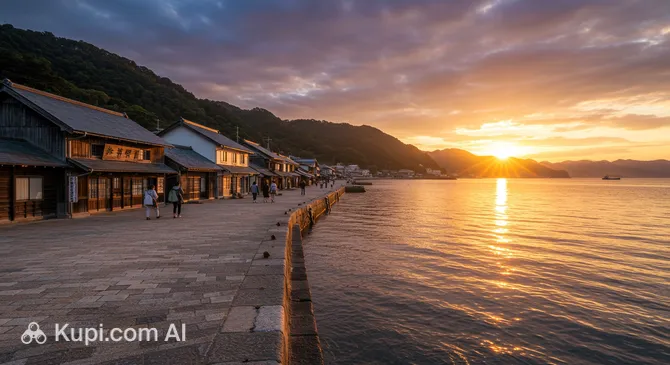
Uki. Illustration.
Source: Kupi.com AI

With a population of about 57,000, the city is surrounded by idyllic landscapes: green hills gently transition into rice paddies, while the fresh sea breeze creates ideal conditions for relaxation. Thanks to its mild climate, walking here is a pleasure year-round. The deep history of Uki can be traced through the architecture of its old quarters and the locals' careful preservation of their heritage.

Travelers will find ancient temples full of serenity and lively local markets where they can discover traditional crafts. Uki is a city of stunning sunsets and sincere hospitality, making it a must-visit for those seeking harmony with nature and a glimpse into the real life of the Japanese countryside.

Weather Overview

The climate in Uki can be described as moderate, with clearly defined seasons, each giving the city a special mood. Winters here are cool but not harsh: average temperatures in January and February stay around +6...+7°C, and nighttime figures rarely drop below +4°C. Spring brings a mild warming, with the air heating up from +11°C in March to a very comfortable +19°C in May, creating ideal conditions for walking.

The summer period is characterized by high humidity and warmth. June and July are the rainiest months, when the number of days with precipitation can reach 20, while August becomes the hottest month with an average maximum of about +30°C. In autumn, the temperature gradually decreases from +24°C in September to a cool +13°C in November. To plan your wardrobe wisely, we recommend checking what weather in Uki is expected during your trip. Expect a hot summer with frequent rains and a cool, relatively calm winter.

Average monthly temperature

Average monthly precipitation

Interesting Facts

Beyond its main attractions, Uki holds many fascinating secrets and legends that make a visit to this city truly memorable. Here are a few facts that will help you better understand the soul of this amazing place:

  • Ancient Trade Routes. The history of the settlement dates back to ancient times when the first Japanese states were being formed. Important trade routes passed through these lands, and local fishermen were renowned for their exceptional skill throughout the region.

  • Legends of Samurai and Pirates. Local folklore carefully preserves stories of sea travelers and brave samurai who defended the coast from pirate raids. These tales add a special historical flavor to seaside walks.

  • Temple of Granted Wishes. A popular legend among residents tells of a mysterious temple with special power. It is said that if you leave a coin there and make a cherished wish, it will surely come true.

  • Fire Show on the Shore. One of the most vibrant events is the festival of sea lanterns. On this day, the coastline is lit up with thousands of lights, and residents take to the streets in traditional kimonos for colorful processions.

  • City of Master Craftsmen. Uki is famous for its artisans, especially masters of ceramics and artistic bamboo processing. Their works, distinguished by elegance and high quality, decorate museums and galleries throughout Japan.

How to Get There

When planning a trip to this picturesque corner of Kumamoto Prefecture, it's worth thinking about your route in advance. You can find more details on how to get to Uki to choose the most convenient transport option for you.

There is no airport in the city of Uki itself, but you can fly into Kumamoto Airport (KMJ) in Kumamoto City, which is about 26 km from Uki. This is the closest and most convenient air hub for travelers. The airport handles a fairly dense flow of flights and is considered a medium-sized air gateway. The journey from the airport to the center of Uki by taxi or bus takes about 60 minutes.

Alternatively, you can consider Saga Airport (HSG) in Saga City, located 66 km from your destination. It is a small but cozy airport, and the trip from there takes about 2 hours. Travelers also often choose Nagasaki Airport (NGS), located 78 km away. Despite the greater distance, this airport receives many flights, and the journey to Uki takes about 2 hours and 20 minutes.

For convenience, here is summary information on the region's main airports:

AirportPassenger trafficDistance
Kumamoto Airport2.9 mln26 km
Amakusa73 06553 km
Saga Airport600 58266 km
Nagasaki Airport3.1 mln78 km
Kagoshima Airport5.5 mln94 km

Regarding rail transport, Uki is conveniently connected to other cities via the JR Kagoshima Main Line. Travelers often take the Shinkansen high-speed train to the main Kumamoto Station and then transfer to local trains heading to Matsubase Station, which is the key transport hub within Uki city limits. The local train ride from Kumamoto takes only 15–20 minutes.

Main Attractions

Despite its modest size, Uki offers travelers a surprising blend of historical heritage and natural beauty. Here, you can touch the era of the country's modernization and enjoy landscapes that have inspired artists and poets for centuries. Exploring the local attractions will allow you to see a different, quieter, and deeper side of the Land of the Rising Sun.

One of the city's main points of pride is the Misumi West Port. It is not just an old harbor, but a UNESCO World Heritage site. Built during the Meiji era, the port has been perfectly preserved. Tourists are drawn here by the unique atmosphere of the past: stone piers, old Western-style buildings, and scenic sea views. It is an ideal place for leisurely walks where time seems to have stood still for over a hundred years.

Nature lovers and photography enthusiasts should definitely visit the Okoshiki Coast. This location is famous for its incredible low tides. As the water recedes, whimsical wavy patterns created by nature itself appear on the sandy floor. This landscape looks especially breathtaking at sunset, when the sinking sun paints the wet sand and water in fiery shades of orange and purple. This view is considered one of the most beautiful in Japan.

To immerse yourself in the atmosphere of traditional Japanese life, head to the historical Matsuai Quarter. This area is known for its "white walls"—traditional warehouses and houses that recall a time when soy sauce and sake production flourished here. Walking through the narrow streets of Matsuai, you can admire the preserved architecture and feel the spirit of old Japan, which is so carefully protected by the local residents.

Local Cuisine

The gastronomic scene in Uki is inextricably linked to the sea, so the foundation of the local menu is the freshest seafood. A trip here is unimaginable without tasting sashimi made from freshly caught fish and traditional miso soup, which is often brewed here with added sea delicacies for a rich flavor. A true hallmark of the region is "kaisen-don"—a hearty dish of rice generously topped with a variety of seafood. Every family restaurant prepares it according to its own special recipe.

Noodle lovers should definitely order the local udon, served with seasonal vegetables and seaweed, which gives the broth a unique aroma. For those seeking more exotic flavors, chefs offer dishes featuring sea urchin and succulent oysters harvested directly from the city's coastal waters. These delicacies are known for their delicate texture and are highly valued by gourmets.

Food culture in Uki is democratic and diverse. At street markets and small stalls, you can grab a quick snack of onigiri (fried rice balls) or treat yourself to sweet pastries filled with bean paste. Farm stalls attract tourists with fresh fruit and homemade pickles, which locals make with great skill.

Among drinks, fragrant green tea grown on local plantations holds a special place; a cup of this hot beverage is the perfect end to a meal. If you are lucky enough to catch one of the food festivals, you can not only try unique treats but also buy authentic products as gifts, taking a piece of the taste of Japan home with you.

Travel Tips

A journey to Uki promises to be calm and steady, but even in such a cozy and quiet city, it's worth knowing the local nuances. These practical tips will help you avoid awkward situations, plan your logistics wisely, and enjoy your holiday in Kumamoto Prefecture without unnecessary worries.

  1. Clothing and Seasonality. The climate here is quite mild but humid. In summer, prioritize clothing made of natural "breathable" fabrics, as the heat can feel more intense due to the humidity. For walks around the old Misumi port and the coast, be sure to bring truly comfortable flat shoes. If you plan to visit temples, avoid overly revealing clothing (short shorts and deep necklines).
  2. The Transport Question. Uki is a small city, and attractions here are scattered at significant distances from each other. While JR trains are convenient for arriving in the city, it's better to **rent a car** for moving within the region. Buses are infrequent and stop running early, and taxis can be expensive. A car will give you the freedom to chase beautiful sunsets.
  3. Finances and Cash. Unlike Tokyo, in provincial Japan, cash still plays the leading role. Many small family restaurants (izakayas) and souvenir shops may not accept cards. Always carry a supply of yen. It is easiest to withdraw money from international cards at ATMs in 7-Eleven or Lawson convenience stores. Tipping is not customary—it may embarrass the staff.
  4. Health and Safety. Uki is a very safe place where you can walk without worry after dark. However, 24-hour pharmacies are rare here. We recommend packing a small first-aid kit with familiar medicines in advance. Tap water is safe to drink, but most tourists and locals prefer to buy bottled water or green tea from vending machines.
  5. Communication and Internet. Don't count on free Wi-Fi on the streets; it is usually only available in hotels and at major stations. Locals speak limited English, so having internet for an online translator is critical. It is best to rent a pocket Wi-Fi router or buy a SIM card immediately upon arrival at a major airport, as finding a sales office for foreigners in Uki itself will be difficult.
  6. Local Etiquette. The Japanese value politeness and restraint. When entering traditional homes, some restaurants, and temples, be sure to **remove your shoes**—watch for signs at the entrance. In public transport, it is customary to keep quiet: set your phone to silent mode and refrain from talking on your mobile.
  7. What to Avoid. Do not eat or drink on the go—this is considered bad manners. If you buy a snack at a stall or a drink from a machine, stop nearby and finish it calmly. Also, never stick your chopsticks vertically into rice—this gesture is associated with funeral rites.
  8. Hack for Photographers. If your goal is the famous landscapes of the Okoshiki coast, check the **tide charts** online in advance. The most impressive views of the sand patterns appear during low tide, and it would be a shame to arrive at high tide and miss a unique shot.

By preparing for these small features, you can fully immerse yourself in the atmosphere of the Japanese countryside. May your trip to Uki be filled with harmony, gastronomic discoveries, and the sincere hospitality of the locals!

Entertainment & Nightlife

Entertainment and nightlife in Uki are significantly different from what you might find in major metropolises like Tokyo or Osaka. You won't find neon skyscrapers, noisy night clubs with world-class DJs, or massive concert venues here. Evening leisure in this city is about immersion into the authentic Japanese countryside, where an atmosphere of coziness, friendliness, and gastronomic discovery prevails.

The hub of the city's evening life is the area around Matsubase Station. This is where most establishments where locals gather after work are concentrated. The primary format of nighttime relaxation is visiting an izakaya (traditional Japanese pub). In these places, it is customary to order many small dishes for the table—from yakitori skewers to grilled fish—and enjoy them with drinks. The atmosphere is always relaxed, and the owners often stand behind the bar themselves, chatting with guests.

Special attention should be paid to local drinks. Kumamoto Prefecture is famous for its shochu (a strong distilled spirit), especially rice-based "Kuma Shochu." In Uki's bars, you will be offered dozens of varieties of this drink, which is typically enjoyed on the rocks or diluted with hot water. Also popular are "snack bars"—small venues with karaoke where, for a fixed fee, you can sing songs and chat with the hostess (mama-san). This is a unique cultural experience that allows a glimpse into the true social life of the Japanese.

If you are looking for dancing and a vibrant club scene, we recommend heading to the neighboring city of Kumamoto. The train ride takes only about 15–20 minutes. In the center of Kumamoto, especially in the Shimotori and Kamitori covered shopping arcades, life buzzes until morning: there are modern nightclubs, cocktail bars, and 24-hour entertainment centers. Uki, meanwhile, remains a "sleeping harbor" for those who prefer peace and quiet after a big night out.

Practical tips for evening outings:

  • Opening hours: Most local izakayas open around 5:00 PM – 6:00 PM and stay open until midnight. The "last order" is usually taken 30–60 minutes before closing.
  • Safety: Uki is an exceptionally safe city. You can comfortably walk the streets even late at night. However, lighting in residential quarters can be dim, so stick to the main streets.
  • Transport: Public transport (buses) stops running quite early, around 8:00 PM – 9:00 PM. If you stay late at a bar, count on a taxi or walking. It is difficult to hail a taxi on the street; it's better to ask the staff at the establishment to call one for you.
  • Prices: The average check in an izakaya will be between 3,000 and 5,000 yen per person, which is significantly cheaper than in major tourist centers.

During the day, the city offers quieter forms of leisure. Culture lovers should visit small local museums or stroll through the parks. In good weather, picnics are popular, especially near the old port or on hills overlooking the bay. For families, local park areas often host seasonal festivals, while shopping enthusiasts can check out the malls near main road junctions, which also feature game arcades and food courts.

Parks & Museums

The city of Uki offers travelers a harmonious blend of natural beauty and cultural wealth, where well-kept parks sit alongside historical monuments. This is a place where Japan demonstrates its ability to integrate art and architecture into the surrounding landscape, creating ideal conditions for contemplative relaxation.

Among the green zones, Mt. Tachio Nature Park deserves special attention. Located on an elevation, it is one of the best observation decks in the region. From here, a breathtaking panorama of the Yatsushiro Sea and the Amakusa Islands opens up. In spring, the park is transformed, drowning in the pink foam of blooming cherry blossoms, making it a popular spot for the traditional "hanami" picnic. It is an ideal location for those who want to enjoy peace and fresh mountain air.

Another picturesque place for a stroll is the area around the Misumi Old Port. Although it is a historical site, the space around it is organized as a cozy coastal park. Stone embankments lined with pine trees and views of the calm water invite leisurely promenades. Here you can feel the sea breeze and admire how Meiji-era architecture harmonizes with nature.

The cultural life of the city is vibrantly represented by the Shiranuhi Art Museum. The museum building itself is an attraction: its architecture resembles a seashell spiral, symbolizing the city's connection to the sea. Inside, works by local artists are presented, along with exhibits dedicated to the unique atmospheric phenomenon of "shiranuhi" (mysterious lights on the sea) that has been observed in this bay for centuries. The museum also includes a wonderful library, creating a unified cultural space.

To dive into the region's history, it's worth checking out the small exhibitions in the Matsuai area. While there are no giant museum complexes here, the preserved merchant houses and old warehouses serve as living museums themselves. Some of them are open to the public, allowing visitors to see the lifestyle of wealthy traders of the past and learn the secrets of soy sauce and sake production that the area was famous for.

Among the architectural and spiritual monuments, the Eino-o Shrine stands out. This shrine is famous for its torii (ritual gates) that stand directly in the sea. During high tide, they are surrounded by water, creating a mystical and very photogenic landscape. Legends say the deity of this shrine protects sea travelers and guards against stomach ailments, so people often come here to pray for health.

Insider Tip: If you find yourself in Uki at the end of summer (usually in August), try to catch the festival dedicated to the Shiranuhi fire phenomenon. Even if the mysterious lights themselves are hard to spot, the sight of the city lit by torches and fireworks reflecting in the waters of the bay will be one of the most vivid impressions of your trip.

Getting Around

The public transport system in Uki is typical for small provincial cities in the region: there is no metro or tram, and the pace of movement is much calmer than in metropolises. The transport network is based on railway lines and bus routes that connect the city center with remote areas and neighboring settlements. For comfortable travel, it is important for tourists to check schedules in advance, as intervals between services can be significant, especially on weekends.

Railway transport is the most reliable way to reach key points. The main transport hub is Matsubase Station, served by the main JR line. From here, you can easily reach neighboring large cities or take a scenic trip to the coast on the Misumi Line. Trains run strictly according to the schedule, and platforms have clear navigation in English.

Bus services in the city are provided by the Kyushu Sanko Bus company and small municipal routes. This is the primary way to reach attractions far from railway stations. It is important to remember the procedure for boarding local buses: entry is through the rear door. Upon entering, you must take a small paper ticket from a machine, which indicates your boarding zone number. Exit is through the front door next to the driver.

The payment system for fares is quite flexible. JR trains and major bus routes accept popular transport IC cards (such as Suica, Pasmo, Sugoca, and others) used throughout the country. This is the most convenient option: simply tap the card on the validator when entering and exiting. If you don't have a card, cash is accepted. On the bus, the fare is calculated by zone: watch the electronic display above the driver, where the current price will be shown under your zone number. The driver does not give change for large bills, but there is usually a change machine for coins and 1,000-unit notes near the fare box.

Taxis and car rentals often become the best alternative for tourists. Since buses may stop running quite early (around 7:00 PM – 8:00 PM), taxis remain the only way to get around in the evening. Cars usually wait for passengers at stands near railway stations. Given how spread out the attractions are, many travelers prefer to rent a car—this gives full freedom of movement and allows you to reach the most beautiful viewpoints where public transport does not go.

A special "highlight" of the transport system is the "A-Train" tourist express. This stylized retro train runs on the line to Misumi Port on weekends and holidays. Inside, there is a bar playing jazz music, and the windows offer stunning sea views. A ride on it is not just a transfer, but a separate adventure that is worth including in your itinerary.

Accommodation

The choice of accommodation in Uki reflects the quiet and provincial character of the city. You won't find massive chain resorts or luxury five-star global brands here. Instead, Japan offers tourists stays in cozy guesthouses, functional business hotels, or traditional inns where you can experience genuine local hospitality.

Areas to Stay

When looking for a place to stay, consider two main areas depending on your travel goals:

  • Matsubase Station Area. This is the administrative and transport center of the city. Hotels here cater to practical travelers: they are within walking distance of the train station and supermarkets. This is the best choice if you plan to travel actively around the prefecture by train.
  • Misumi Port Area. If you are looking for romance and beautiful views, look for accommodation closer to the coast. Here you can find small traditional inns (ryokans) or family-run pensions (minshuku) with views of the sea and islands. This is an ideal option for those who want to enjoy peace and fresh seafood for dinner.

Accommodation Types and Prices

The price range in Uki is generally lower than in major tourist centers. Accommodation can be roughly divided into two categories:

  • Budget and Business Hotels. Simple, clean rooms with all the essentials (Wi-Fi, toiletries). The cost per night usually ranges from 5,000 to 8,000 yen.
  • Traditional Ryokans. A more expensive and atmospheric option, often including a Japanese-style breakfast and dinner. Here, you will sleep on futons on tatami mats. Prices can start from 10,000 yen per person.

Booking Tips

Given the small number of hotels directly within the city, it is recommended to book accommodation in advance, especially if your trip coincides with the cherry blossom season or summer festivals. Major international platforms can be used for booking, but some small family-run inns might only be listed on local Japanese sites or take bookings by phone. In such cases, assistance from the tourist center at the station or an online translator will be indispensable.

Alternative Option: Since Kumamoto City is only a 15–20 minute train ride away, many tourists prefer to base themselves there, where the choice of hotels is much wider, and visit Uki for day trips. This is a convenient strategy for those used to a high level of comfort and the evening entertainment of a big city.

Nearby Cities

For those looking to explore the surroundings, Uki serves as an excellent starting point for day trips to several interesting nearby locations. Thanks to its convenient location, travelers can easily reach major cultural centers and resort areas to diversify their holiday.

Just 17 kilometers away is Kumamoto—the capital of the prefecture and one of the most significant cities on Kyushu island. It is a must-visit thanks to the majestic Kumamoto Castle, considered one of the three most impressive castles in Japan. It's also worth strolling through Suizenji Jojuen Garden, where miniature copies of famous landscapes from the Tokaido road are recreated. The city offers excellent opportunities for shopping and experiencing the region's haute cuisine.

Relaxation seekers should head to the city of Tamana, located about 34 kilometers to the north. This city is famous for its hot springs—Tamana Onsen, which have a history dating back over 1,300 years. The waters here are known for their healing properties and softness, making them ideal for recuperating after long walks. In spring, you can catch the magnificent blooming of irises in local parks.

If you are traveling with children or looking for active entertainment, check out Arao. It is home to "Greenland"—one of the largest amusement parks in Japan with a huge number of roller coasters and carousels. Additionally, the city preserves the region's industrial heritage, including historical sites related to the Miike Coal Mines, which are listed as a UNESCO World Heritage site.

CityPopulationDistance
Uto35 9475 km
Hikawa27 64110 km
Mifune16 46813 km
Kumamoto738 38517 km
Mashiki32 58720 km

These nearby destinations offer a glimpse into the diverse culture and landscapes of the region, from bustling city life to quiet resorts and historical monuments.

Shopping & Souvenirs

Shopping in the city of Uki is not a pursuit of high fashion or luxury brands, but rather a fascinating gastronomic and cultural exploration. Here, the process of purchasing is closely linked to the local way of life: tourists come here not for designer clothes, but for unique farm products, the freshest seafood, and traditional crafts. It is an ideal place to find authentic gifts that convey the real taste and spirit of the Japanese countryside.

The city's main commercial activity is concentrated in the Matsubase area. This is the commercial heart of Uki, where supermarkets, pharmacies, electronics stores, and bookstores are located along the main roads and around the train station. For tourists, this area is convenient because you can buy everything needed for your journey, from hygiene products to batteries, in one place without spending much time searching.

If you prefer a familiar shopping format, head to AEON Mall Uki. This is the largest shopping and entertainment complex in the city and surrounding areas. Here, under one roof, you'll find clothing stores of popular Japanese brands, home goods, accessories, and cosmetics. The mall also features a large food court and a supermarket with a huge selection of ready-to-eat food, which is very convenient for tourists wanting a snack or to buy groceries for dinner at their hotel.

However, the most colorful experience awaits you at local markets and farm centers known as "Michi-no-Eki" (Roadside Stations). Be sure to visit Michi-no-Eki Uki. It is not just a roadside stop, but a true paradise for gourmets. Here, local farmers sell seasonal fruits, vegetables, and flowers. The atmosphere is always lively and friendly, and prices are often lower than in regular stores.

When choosing souvenirs, pay attention to the region's main pride—citrus fruits. Uki is famous for its dekopon mandarins, which are distinguished by their sweet taste and characteristic bump near the stem. In season, they can be bought by the crate; at other times, they are available as jellies, juices, or candies. It is also worth bringing back soy sauce or miso paste from the historical Matsuai district, where old breweries operating on centuries-old recipes still exist. Nori seaweed products are also popular.

Regarding opening hours, major shopping centers like AEON are usually open from 9:00 AM or 10:00 AM until 9:00 PM – 10:00 PM. Small private shops and souvenir stores close significantly earlier—around 5:00 PM or 6:00 PM. In terms of payment, major malls and supermarkets accept credit cards and transport IC cards without issues. However, at markets and small family shops, cash (yen) remains the primary, and sometimes the only, method of payment.

The Tax Free system (tax refund for tourists) in Uki is limited. Tax refunds can usually only be processed at major chain stores within the AEON Mall or electronics stores, provided the purchase amount exceeds 5,000 yen and you have your passport with you. This service is typically not provided in small souvenir shops or at markets.
Reached the end of the page?

That means the route is fully explored