Support

Yame

About

Yame is a surprisingly picturesque and cozy town located in the southwest of Japan, in Fukuoka Prefecture on the sunny island of Kyushu. It is surrounded by green hills, endless rice fields, and scenic river valleys, offering its guests a chance to relax from the urban bustle and immerse themselves in the authentic atmosphere of the Japanese countryside.
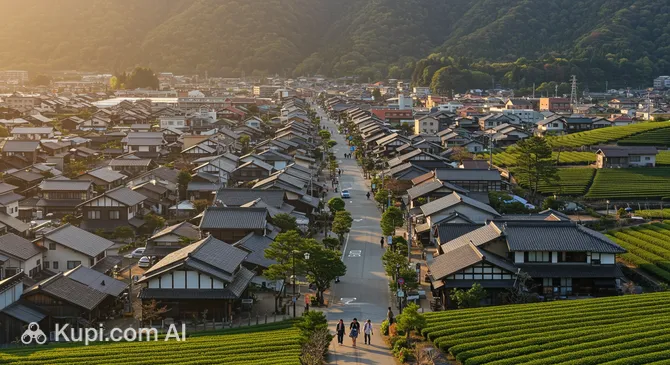
Yame. Illustration.
Source: Kupi.com AI

The population of Yame is about 60,000 people, making it a fairly compact city that maintains a friendly and calm environment. Although Yame is not a major administrative center, it plays a vital role in preserving the rich traditions and cultural heritage of the region. Here, you won't find noisy metropolises or towering skyscrapers, but you can enjoy the silence of cozy streets, ancient temples, and the wonderful harmony between man and nature.

The main features of Yame that attract travelers are its magnificent natural landscapes, ancient Shinto and Buddhist temples, and unique traditional architecture that has been carefully preserved over the centuries. The city is also famous for its high-quality "gyokuro" green tea, the production of traditional "washi" Japanese paper, and skillful bamboo products that reflect the craftsmanship of local artisans.

Yame is an ideal destination for those seeking tranquility and wishing to see a different, less touristy side of Japan. Visit Yame to discover local traditions, enjoy untouched nature, and feel the spirit of real, ancient Japan, which is felt here at every step.

You can find more interesting facts on the Yame city history page.

Weather Overview

The weather in Yame is characterized by distinct seasons. In summer, especially in July and August, it is warm and humid. The average maximum temperature in August reaches 31.0°C, while July is one of the rainiest months with about 12 mm of precipitation and approximately 21 rainy days. Winters in Yame are cool: the average January temperature is 5.6°C, with minimum temperatures potentially dropping to 2.0°C. Winter months like December and January have the least precipitation (about 2 mm), although the number of days with precipitation still ranges from 7 to 9.

Overall, in Yame, you can expect warm summers with frequent rain and cool winters with less precipitation, though the chance of overcast days remains. For more detailed information about weather conditions in different months, you can visit the Yame Climate page.

Average monthly temperature

Average monthly precipitation

Interesting Facts

Beyond its picturesque landscapes and traditional atmosphere, Yame hides many surprising stories and features that not everyone knows about. This city, steeped in the spirit of old Japan, is ready to share its little secrets with the curious traveler.

  • Yame has preserved ancient Buddhist temples that to this day are not just architectural monuments, but active centers of spiritual life. Meditations and traditional religious festivals are regularly held here, carefully passing teachings from generation to generation.

  • The city is famous for its unique, centuries-old tradition of growing tea and rice. Remarkably, local farmers still adhere to ancient methods of land cultivation, which gives their products special value and makes them sought after even among sophisticated gourmets.

  • Local residents carefully preserve legends of spirits and deities that, according to lore, protect the city and its inhabitants. One such colorful legend tells of a river spirit who brings luck every spring and helps ensure a bountiful harvest.

  • A surprising feature of Yame is the active collective participation of all citizens in preparing for local holidays and festivals. During these days, the city is transformed through shared efforts: streets are decorated with paper lanterns, and colorful performances by dancers and musicians take place in the central square, creating a unique atmosphere of unity.

How to Get There

The most convenient way to reach Yame is through the region's major transport hubs, as the city itself does not have its own airport. Travelers usually fly into one of the airports in neighboring cities and then continue their journey by bus or taxi.

The most popular option is Fukuoka Airport (IATA: FUK), located in the city of Fukuoka. It is a major international hub with high passenger traffic, handling many flights. The distance to Yame is about 43 km. The journey by car or taxi will take approximately 1 hour and 25 minutes. It is also convenient to get from the airport by public transport with transfers to a bus or train to the stations closest to Yame.

Another convenient option is Saga Airport (IATA: HSG), located in the city of Saga, just 25 km from Yame. This is a small regional airport, which allows for faster completion of arrival formalities. A taxi ride from here will take about 1 hour. This is an excellent choice for those who value peace and want to reduce ground transfer time.

For clarity, here is summary information on the main airports in the region:

AirportPassenger trafficDistance
Saga Airport600 58225 km
Fukuoka Airport24.9 mln43 km
Kumamoto Airport2.9 mln50 km
Nagasaki Airport3.1 mln68 km
Kitakyushu Airport1.6 mln83 km

Regarding rail connections, it is important to note that there is no train station in the city of Yame itself. The nearest transport hubs are in neighboring towns. When planning a train trip, it is recommended to consider major stations in the cities of Kurume or Chikugo. Buses run regularly from there, taking tourists directly to Yame.

Main Attractions

The city of Yame, located in the picturesque Fukuoka Prefecture, attracts tourists with its famous green tea, rich cultural heritage, and beautiful nature. Here, everyone will find something interesting, from ancient burial mounds to traditional craft workshops and peaceful tea plantations.

One of Yame's main attractions that is definitely worth a visit is the Yame Central Tea Garden (Yame Chuo Daichaen). These are vast tea fields sprawling over the hills where the renowned "Yamecha" tea is grown. The views here are breathtaking, especially in spring during the young harvest when the air is filled with a fresh aroma. It is a wonderful place for leisurely walks, photo sessions, and getting to know the region's tea culture, which is the foundation of its economy.

To dive into the atmosphere of the past, head to Fukushima White Wall Street (Fukushima no Shirakabe Dori). This historical district with its perfectly preserved traditional merchant houses from the Edo period, featuring their characteristic white plastered walls (shirakabe) and tiled roofs, feels like stepping back several centuries. A walk along this street allows you to feel the spirit of old Japan and browse local shops.

To learn about local crafts, be sure to visit the Yame Traditional Crafts Museum (Yame Dento Kogeikan). Here, you can see and purchase unique products for which Yame is famous: exquisite Buddhist altars (butsudan), elegant paper lanterns (chochin), high-quality Japanese paper (washi), as well as bamboo and stone crafts. Often, you can not only admire the masters' work but also observe the creation process or even participate in a workshop, which makes for a great souvenir of your trip.

Those interested in ancient history will find the Iwatoyama Burial Mound (Iwatoyama Kofun) fascinating. This is one of the largest keyhole-shaped mounds in the Kyushu region, dating back to the 6th century AD. It is believed to be the burial site of an influential ruler of that time. Next to the mound is a museum where you can learn more about the history of the Kofun period and see archaeological finds. The scale and antiquity of this structure leave a lasting impression.

One cannot overlook Hoshinomura Village, which is now part of Yame City. This picturesque place is famous not only for its high-quality teas but also as a "village of stars." Thanks to the clean mountain air and absence of light pollution, Hoshinomura offers magnificent conditions for stargazing. It has its own observatory, as well as cozy tea houses where you can enjoy local tea while admiring the peaceful landscapes.

Local Cuisine

The gastronomy of Yame is a true reflection of the region's rich agricultural traditions. Many dishes are based on the freshest local products: rice, vegetables, fruit, and, of course, the famous tea. The cuisine here is characterized by simplicity, natural flavors, and deep respect for the gifts of nature, making it especially attractive to lovers of authentic food.

Be sure to try "Yame-meshi" – a traditional dish of rice with vegetables and a small amount of fish, which is often steamed or served in clay pots to preserve all the warmth and aroma. Seafood lovers should also look out for fresh seafood delivered from the coast. Homemade pickles and marinades complement the gastronomic picture, revealing the richness of local flavors.

The hallmark of Yame is undoubtedly its unique varieties of green tea. Grown on local plantations, it is famous for its mild taste and unique aroma. Tea production is a source of great pride for farmers, and a cup of this drink will be a perfect accompaniment to any meal or a standalone gastronomic experience. Besides tea, other local drinks, often based on fruits or herbs, can be found at markets and festivals.

You can immerse yourself in the local gastronomic atmosphere by visiting Yame's street markets. Here you will find not only fresh vegetables and fruits but also homemade cheese, fragrant pastries, and other local delicacies. The city takes on a special flavor during seasonal festivals, when the streets fill with stalls selling street food: from fried seafood to various sweets. Locals cordially welcome guests and happily share the secrets of preparing traditional dishes. Of course, the city's restaurants will also offer you local cuisine in a more formal setting.

Gastronomic festivals, held in Yame several times a year and dedicated to the harvest, tea, or local delicacies, turn the city into a true celebration of taste. This is an excellent opportunity not only to try the full variety of local cuisine but also to participate in culinary masterclasses. Such events make Yame especially attractive for those who value gastronomic tourism and seek authentic flavor experiences.

Travel Tips

Welcome to Yame! To ensure your journey to this charming corner of Fukuoka Prefecture goes smoothly and leaves only pleasant impressions, we have prepared some practical tips. They will help you navigate better and enjoy every moment of your stay in our city.

  1. Clothing for the weather and respect for traditions: The climate in Yame is subtropical, with humid, hot summers and mild winters. In summer, choose light, breathable clothing; in spring and autumn, use layers; in winter, a warm jacket. Be sure to bring comfortable shoes, as Yame and its surroundings are great for walking. Don't forget an adapter for electrical appliances (voltage in Japan is 100V, with type A and B plugs). When visiting temples and shrines, prefer modest clothing that covers shoulders and knees, and be prepared to remove your shoes at the entrance.

  2. Getting around Yame: buses and walking: The main form of public transport in Yame is the bus. To explore the picturesque surroundings, such as the tea plantations, renting a car can be convenient – this will require an international driving permit (remember that traffic in Japan is on the left). Yame itself is quite compact, so many of its corners are pleasant to explore on foot or by bicycle. Taxis are available, but this mode of transport can be quite expensive.

  3. Financial matters: yen and cash: The national currency is the Japanese yen (JPY). You can exchange currency at banks or post offices, but it's recommended to have some cash on arrival. Credit cards are accepted in many establishments, but small shops and traditional restaurants in Yame may prefer cash. ATMs that work with international cards are usually found in 7-Eleven stores and post offices. It's important to remember that tipping in Japan is not customary.

  4. Health and safety: peace and precaution: Japan is generally a very safe country, and Yame is no exception. Pharmacies (look for the "薬" - kusuri sign) are in the city, but pharmacists don't always speak English, so it's best to bring a basic set of medicines with you. It is highly recommended to take out travel medical insurance before your trip. In emergencies, call 110 (police) or 119 (ambulance/fire service).

  5. Communication and connectivity: Japanese language and internet: The official language is Japanese. The level of English proficiency in Yame can be low, especially outside of tourist sites. Learn a few basic Japanese phrases: "konnichiwa" (hello), "arigato" (thank you), "sumimasen" (excuse me/sorry). This will significantly ease communication. For internet access, it's convenient to purchase a tourist SIM card upon arrival or rent a pocket Wi-Fi router. Free Wi-Fi may be available in some hotels and public places.

  6. Local etiquette: politeness and respect: Japanese people place great importance on politeness and respect for others. Greetings are usually accompanied by a bow. In public places, especially on transport, try to speak quietly and not disturb others. It is not common to eat or drink while walking on the street. Make sure to remove your shoes when entering private homes, many temples, as well as traditional restaurants and ryokans (Japanese-style inns).

  7. What to avoid: cultural nuances: Loud mobile phone conversations on public transport are considered bad manners. Don't forget the rule about removing shoes where required – it's an important show of respect. Also, try not to point at people or objects with one finger; if you need to point in a direction, do so with an open palm.

  8. Immerse yourself in Yame's tea culture: Yame is the heart of a region famous for its high-quality "Yame-cha" green tea. Don't miss the unique opportunity to visit a local tea plantation, participate in a traditional tea ceremony, or simply enjoy a cup of fragrant, freshly brewed tea in one of the authentic tea houses. The city is also famous for its traditional crafts, such as making paper lanterns (chochin) and Buddhist altars (butsudan).

We hope these tips make your stay in Yame comfortable and unforgettable. Enjoy the hospitality, unique culture, and beauty of this amazing city!

Entertainment & Nightlife

Nightlife in Yame differs significantly from the noisy and neon districts of major metropolises that Japan is famous for. Here, you won't find massive nightclubs with world-class DJs; however, the city offers a unique atmosphere of coziness and authenticity. Evening entertainment in Yame is centered around gastronomy and socializing in traditional Japanese style, allowing tourists to dive deeper into the local culture.

The center of evening leisure is the historical Fukushima district, known for its white walls and preserved Edo-period architecture. As darkness falls, the streets here are lit by the soft glow of lanterns, creating a romantic and mysterious setting. It's an ideal place for quiet walks, after which you can stop by one of the many establishments hidden behind the wooden facades of ancient buildings.

The backbone of Yame's nightlife is the izakaya (traditional Japanese pubs). Locals come here after work to enjoy yakitori (chicken skewers), fresh seafood, and, of course, alcoholic beverages. Since the Kyushu region is famous for its shochu (a strong distilled spirit), be sure to try the local varieties. The crowd in such places is very friendly; there is no dress code, and the style is casual and relaxed.

For those who want to continue the evening after dinner, "snack bars" operate in the city. This is a uniquely Japanese phenomenon: small establishments with a hostess (mama-san) that serve light snacks, drinks, and offer karaoke. It’s a great way to feel like part of the local community, although knowing some Japanese will be a big plus. Most of these bars stay open until late at night, often until 2 or 3 AM.

Practical tips for tourists:

In small towns like Yame, many establishments only accept cash, so make sure to withdraw money in advance. The average bill in an izakaya will be between 3,000 and 5,000 yen per person. Public transport practically doesn't run at night, so it's best to use a taxi. If you've arrived in a rental car and have been drinking, be sure to use the "daiko" service — this is a service where two drivers arrive in one car: one drives you in your car, and the second follows behind.

In terms of safety, Yame is an exceptionally peaceful place. You can safely walk the streets at any time of day. However, keep in mind that streets in residential areas can be quite dark, as the city goes to sleep early.

By day, the city offers more cultural and contemplative relaxation. Yame is famous nationwide for its green tea, so visiting tea plantations and tasting rooms is a must. It's also worth checking out the Yame Traditional Crafts Museum, where you can see the famous Buddhist altars and stone lanterns that local masters are renowned for.

Parks & Museums

The city of Yame invites its guests to enjoy a harmonious blend of picturesque green spaces and rich cultural heritage. Here, you can find peace in nature and immerse yourself in local traditions by exploring unique museums and historical corners.

One of Yame's main natural attractions is its famous tea plantations. Although these are not parks in the traditional sense, these vast, well-maintained fields of emerald tea create incredible landscapes, ideal for walking and photography. Breathing the fresh air while admiring the hills covered with tea bushes is a wonderful experience in itself. Public parks can also be found in and around the city, where locals and tourists relax among the greenery, enjoying seasonal flowers such as cherry blossoms in spring or the vibrant colors of autumn.

To gain a deeper understanding of Yame's culture and history, it is worth visiting local museums. Special attention should be given to exhibitions dedicated to the art of growing and preparing gyokuro tea, for which this region is famous. In such museums, you can learn about the intricacies of tea production, from harvesting to the traditional tea ceremony. Additionally, Yame is known for its traditional crafts. You can get acquainted with them in specialized museums or craft centers, which display washi paper products, Buddhist altars (butsudan), and lanterns (chochin). These exhibits not only demonstrate the skill of local artisans but also tell the story and cultural significance of these items.

For history and architecture lovers, walks through the city's ancient streets will be interesting. Yame has preserved districts with traditional houses and warehouses with white walls (shirakabe), which create an atmosphere of past eras. These buildings are witnesses to the city's rich merchant history and are beautiful examples of Japanese architecture.

For a truly authentic experience, try visiting one of the local tea farms, which sometimes offer participation in tea picking or tastings of freshly brewed tea right at the source. It is also worth stopping by small craft workshops, where you can observe the masters at work and perhaps purchase a unique handmade souvenir.

Getting Around

The most convenient way to get around Yame and its surroundings is by bus. The bus network connects the city's main districts and also allows you to reach some nearby towns and tourist sites, such as the famous tea plantations. Routes and schedules can usually be found at stops or on the websites of local transport companies.

The fare payment system in Yame, as in many Japanese cities, is quite convenient. The primary method of payment is transport IC cards (such as Nimoca, Suica, Pasmo), which can be used to pay when entering or exiting the bus. These cards are rechargeable and eliminate the need to carry small change. You can also almost always pay the fare in cash directly to the driver upon exiting; in this case, it's advisable to have the exact amount. The fare usually depends on the distance traveled.

To use the bus, you typically enter through the rear or middle door (depending on the type of bus) and, if you don't have an IC card, take a numbered ticket (整理券 - seiriken) indicating your boarding stop. When exiting through the front door, show the ticket to the driver or tap your IC card on the reader, and the amount to pay will be displayed on the screen. Cash payments are made into a special machine next to the driver. IC cards can be purchased and topped up at major transport hubs and some konbini (convenience stores). Buses in Yame usually start running early in the morning and end in the evening; intervals can be significant, especially on less popular routes and on weekends, so plan your trips in advance.

Besides buses, other ways of getting around are available in Yame. Taxis can be found at stands near stations or called by phone; this is a more expensive but comfortable option, especially if you are traveling with luggage or a group. For a leisurely exploration of the city and its picturesque surroundings, especially the tea fields, renting a bicycle is an excellent choice – rental points may be available at tourist information centers or hotels. The central areas of Yame are quite easy to explore on foot, allowing you to enjoy the local atmosphere.

Accommodation

In the city of Yame, travelers can find various accommodation options to suit different preferences and budgets. The selection includes traditional Japanese inns (ryokans), where you can immerse yourself in local culture, as well as more familiar hotels and guest houses. Apartment or house rentals may also be available for those who prefer more privacy and independence.

When choosing a place to stay in Yame, it's worth paying attention to areas located near major attractions, such as tea plantations or historical districts, if available. The central part of the city usually offers convenient access to transport hubs and infrastructure. Some hotels may be situated in scenic locations, allowing guests to enjoy beautiful views and a peaceful atmosphere.

The price range for accommodation in Yame can vary from budget options to mid-range and higher-end offerings. For searching and booking, it's convenient to use popular online platforms or, in some cases, contact the chosen hotel or guest house directly. It is recommended to book accommodation in advance, especially if your trip is planned for a popular tourist season or during local festivals, to ensure the best choice and prices.

Nearby Cities

For those who want to explore the surrounding area, Yame serves as an excellent starting point for day trips to several interesting nearby locations:

For example, Kurume, located just 13 km away, is known as the birthplace of the "kasuri" fabric dyeing technique and offers visits to the Ishibashi Cultural Center with its beautiful gardens and art museums. A bit further, at 25 km, is Saga, the capital of the prefecture of the same name, which attracts tourists with Saga Castle, one of Japan's largest reconstructed wooden castles, and the annual International Balloon Fiesta. Omuta, 23 km from Yame, will interest industrial history buffs as it hosts part of a UNESCO World Heritage site – the Miike Coal Mine, as well as a city zoo popular with families with children.

CityPopulationDistance
Hirokawa19 8013 km
Chikugo48 7945 km
Kurume302 85813 km
Yanagawa64 12015 km
Miyaki25 38616 km

These nearby destinations provide a glimpse into the diverse culture and landscapes of the region.

Shopping & Souvenirs

Yame offers a unique shopping experience, especially for those who appreciate traditional Japanese crafts and high-quality local products. The city is famous for its excellent Yame-cha green tea (especially gyokuro), handmade washi paper products, butsudan Buddhist altars, and traditional chochin lanterns. These authentic goods form the core of local shopping.

Main shopping spots in Yame are likely concentrated along central streets and in districts where craft workshops were historically located. As you walk through the city, keep an eye out for small specialized shops and stalls offering products from local masters. Often, it is in such places that you can find the most interesting and unique items.

In Yame, as a small city oriented towards traditional crafts, you are unlikely to find large modern shopping malls in the usual sense. However, you may come across local department stores or larger shops offering a variety of goods, including food, clothing, and household items.

While Yame may not be famous for massive markets, it's worth paying attention to small local markets if they are being held. There you can find fresh farm products, seasonal delicacies, and perhaps handmade items. Visiting such a market is a great way to immerse yourself in the local atmosphere.

You should definitely bring back the famous gyokuro green tea or other varieties of Yame-cha from Yame. Also, washi paper products (cards, notebooks, decorative elements), small ceramic items, textiles with traditional patterns, or local sweets make for wonderful souvenirs. Connoisseurs might want to look for small wooden items or accessories that reflect the region's craft traditions.

Most shops in Yame, as in Japan in general, are usually open from around 10:00 or 11:00 AM until 7:00 or 8:00 PM. Small family-run shops may have their own, more flexible schedules. Credit cards are accepted in many places, especially in tourist-oriented shops, but it's always useful to have some cash on hand, especially for purchases at markets or in tiny shops.

Tourists in Japan can take advantage of the Tax-Free system when making purchases over a certain amount at participating stores. Look for the "Tax-Free Shop" signs. You will usually need your passport to process the tax refund.

Reached the end of the page?

That means the route is fully explored