Support

Arao

About

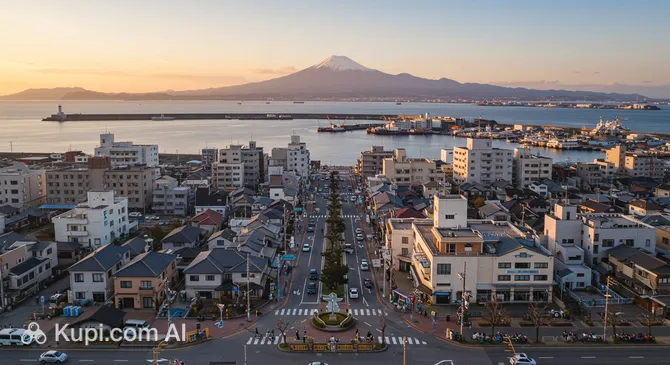
Arao is a cozy city located on the west coast of Kyushu Island, in Kumamoto Prefecture, Japan. With a population of about 50,570 people, the city is nestled between picturesque green hills and the coast of the Ariake Sea, creating a special atmosphere of tranquility and harmony with nature.

Despite its relatively modest size, Arao harmoniously combines a traditional way of life with the modern features of a Japanese provincial town. It is famous for its warm hospitality, slow pace of life, and sincere care for visitors. Here, it’s easy to feel like part of the local community while strolling through its streets or visiting local establishments.

Arao. Illustration.
Source: Kupi.com AI

The main appeal of Arao for tourists lies in its atmosphere of comfort and leisure, which is especially valued by those tired of the hustle and bustle of megacities. The city invites you to slow down, breathe in the fresh sea air, and enjoy the beauty of the Japanese countryside. Among its unique features are charming streets where you can observe daily life, traditional temples that preserve the spirit of history, and colorful local markets offering fresh produce and handmade goods. It is an ideal place for those seeking authentic experiences and wanting to get to know the real Japan away from the noisy tourist routes.

If you dream of a peaceful holiday and immersion in authentic Japanese culture, Arao will welcome you warmly and provide unforgettable memories.

You can find more interesting facts on the Arao city history page.

Weather Overview

The weather in Arao is characterized by a distinct change of seasons. Expect warm summers with occasional rain and cool, drier winters. In the hottest months, July and August, the average air temperature is approximately 26-28°C, with maximum values potentially rising to 30°C or higher. The summer months are also the most humid: for example, in July, there is about 13 mm of precipitation and approximately 20 rainy days.

In winter, especially in January and December, Arao becomes noticeably cooler: average temperatures hover around 6-8°C. Precipitation during the winter period is significantly lower; for instance, in January and December, the amount is only about 2 mm. For more detailed information on the city's weather conditions and climate by month, you can visit the Arao climate page.

Average monthly temperature

Average monthly precipitation

Interesting Facts

Beyond its obvious merits, the city of Arao hides many fascinating secrets and unexpected details. Ready to learn things about it that don't always make it into standard guidebooks?

  • Once, Arao was one of the key centers of the coal industry on the island of Kyushu. Today, its rich industrial past is remembered through preserved mining buildings and monuments, allowing you to touch the history of the region when one of the largest mines was located here.

  • Arao is home to one of the largest amusement parks in Kyushu—Mitsui Greenland. Its calling card is not only a multitude of attractions for the whole family but also a massive Ferris wheel offering breathtaking panoramic views of the surrounding area.

  • The city carefully preserves centuries-old traditions of pottery. Local masters create unique ceramic items characterized by a special style and quality, and travelers can not only purchase them as souvenirs but also try their hand at this ancient craft in special workshops.

  • Arao is famous for its bright and original festivals, where you can see unique rituals and national dances. Among them, the spectacular flower festival stands out: during its run, the city streets are transformed by colorful floral arrangements and parades, reflecting deep respect for nature and the changing seasons.

How to Get There

You can reach the city of Arao, located in Kumamoto Prefecture on the island of Kyushu, in several ways. For most international and domestic tourists, the most common option is to fly to one of the regional airports and then use ground transport to reach Arao itself.

One of the closest and most convenient options is Saga Airport (IATA: HSG), located in Saga City, only about 21.8 km from Arao. Although it is a regional airport with moderate passenger traffic, it can be convenient if your itinerary involves arriving here. A trip to Arao by car or taxi will take about 40–50 minutes.

Slightly further away, at a distance of about 42.8 km, is Kumamoto Airport (IATA: KMJ). This is a significant regional airport in Kumamoto City, receiving many domestic flights and having a high passenger volume. The journey from Kumamoto Airport to Arao by taxi or car usually takes about 1 hour to 1 hour 20 minutes. Bus routes are also available, which may require transfers.

The main international air hub serving the northern part of Kyushu is Fukuoka Airport (IATA: FUK). This large international airport with very high passenger traffic is located in Fukuoka City, approximately 66.5 km from Arao. From here, you can reach Arao by rental car, taxi, or using a combination of train and bus. A trip by taxi or car will take roughly 1.5–2 hours, depending on traffic conditions.

For clarity, here is summary information on the main airports that can be used for a trip to Arao:

AirportPassenger trafficDistance
Saga Airport600 58222 km
Kumamoto Airport2.9 mln43 km
Nagasaki Airport3.1 mln49 km
Amakusa73 06562 km
Fukuoka Airport24.9 mln66 km

As for rail connections, the provided data regarding specific stations does not pertain to Arao or Japan, so a table listing the nearest stations is not provided. Nevertheless, Japan is famous for its excellent and extensive railway network, including Shinkansen high-speed trains and numerous local lines. For a trip to Arao, travelers may consider using trains to larger cities in the Kyushu region, such as Fukuoka or Kumamoto, and then transferring to local transport (bus or local train lines) for the rest of the way to Arao. It is recommended to check routes and schedules in advance on the official websites of Japanese railway companies (e.g., JR Kyushu) to plan the most convenient transfer.

In addition to air and rail travel, Arao can be reached by car via Japan's well-developed road network. If you are traveling by car, use a navigator to plan the optimal route. It is also worth considering local bus lines that connect Arao with neighboring towns and railway stations in the region.

Main Attractions

Arao, a city with a rich history and interesting sites, offers its guests a variety of experiences. Among the key attractions worth visiting, several particularly noteworthy sites stand out.

One of the main points of interest in Arao is the famous Greenland (グリーンランド) amusement park. This is a massive complex offering attractions for every taste and age—from thrilling roller coasters for adrenaline seekers to various carousels and entertainment for the youngest visitors. The park is also known for its colorful seasonal events, festivals, and beautiful, well-maintained grounds, making it an excellent choice for a full day of family fun.

For those interested in Japan's history and industrial heritage, a visit to the Manda Pit (万田坑) is a must. This impressive site is included in the UNESCO World Heritage List as part of the "Sites of Japan’s Meiji Industrial Revolution: Iron and Steel, Shipbuilding and Coal Mining." Visitors can see well-preserved pithead structures, learn about the difficult working conditions of miners, and appreciate the significance of coal mining for the modernization of the region and the entire country. This place leaves a strong impression and allows you to touch an important period of Japanese industrialization.

Another landmark in Arao is the Miyazaki Brothers Museum (宮崎兄弟の生家・資料館). The museum is located in the historic house where the brothers Torazo, Tamizo, and Yazo Miyazaki were born and raised. They were known for their social and political activities and their support for the Chinese revolutionary Sun Yat-sen. The museum's exhibition details their lives, ideals, contribution to the region's development, and their role in international relations of that time. A visit to the museum will be especially interesting for those who want to better understand the historical ties and cultural aspects of Kumamoto Prefecture.

The city of Arao is located on the coast of the Ariake Sea (有明海), which is a unique natural attraction in itself. This inland sea is known for having the largest tidal range in Japan, reaching six meters, which creates vast and picturesque mudflats called "higata." These mudflats serve as a habitat for many specific species of flora and fauna, including the famous mudskippers (mutsugoro) and various species of crabs. A walk along the coast, especially during low tide, or observing the traditional nori seaweed harvest can be an unforgettable experience and provide beautiful photos.

Local Cuisine

The gastronomy of Arao is a true discovery for lovers of Japanese cuisine, where a special place is held by dishes made from the freshest fish and seafood caught in coastal waters. Be sure to try traditional sashimi, expertly prepared by local chefs, as well as various types of sushi, sometimes with very unusual and memorable fillings.

An equally important part of the culinary experience in Arao is the local ramen noodles. They are prepared with a rich broth, generously complemented with seasonal vegetables and seafood. While walking through the city, stop by local markets or street vendors to try the famous onigiri rice balls with fillings made from local products, as well as crispy tempura snacks made from fresh vegetables and shrimp.

Those with a sweet tooth will not be disappointed either. In Arao, you can enjoy traditional Japanese desserts such as mochi with a delicate sweet azuki bean filling, or simply feast on succulent fresh fruit grown on nearby farms. Special attention should be paid to the local sake, produced using ancient technologies and distinguished by a subtle aroma—a perfect addition to any meal.

Food culture in Arao offers diverse options: from cozy restaurants where you can enjoy haute cuisine to lively markets and street stalls offering authentic flavors. Throughout the year, the city also hosts gastronomic festivals. These events are a great opportunity not only to try rare dishes and get acquainted with local culinary traditions but also to truly experience the hospitable atmosphere of Arao.

Travel Tips

Welcome to Arao! To ensure your journey to this charming city in Kumamoto Prefecture goes smoothly and leaves only pleasant impressions, we have prepared some practical tips.

  1. Clothing and Essentials: The climate in Arao is subtropical, with hot and humid summers and mild winters.
    • In summer (June-August), choose light, breathable clothing.
    • In spring (March-May) and autumn (September-November), layered clothing is useful as temperatures can change.
    • In winter (December-February), you will need warm clothes, though severe cold is rare.
    • Be sure to bring comfortable walking shoes. An umbrella or light raincoat will come in handy at any time of year, especially during the rainy season (June-July).
    • In Japan, Type A and B electrical outlets (100V) are used, so a universal adapter may be needed.
    • When visiting temples and shrines, dress respectfully: it is preferable to have shoulders and knees covered.
  2. City Transport: There are several ways to get around Arao.
    • The main form of public transport will likely be local buses. Try to check routes and schedules in advance.
    • Taxis are available but can be expensive. Popular taxi-hailing apps in Japan may work, but their prevalence in smaller cities is lower.
    • Renting a car can be a good option if you plan to explore the surroundings of Arao and Kumamoto Prefecture. Remember that an international driving permit is required.
    • Walking or renting a bicycle is excellent for a leisurely exploration of the city.
  3. Finance: The national currency is the Japanese Yen (JPY, ¥).
    • It is recommended to always have some cash on hand, as not all small establishments, especially in towns like Arao, accept cards.
    • Large hotels, department stores, and some restaurants accept international credit cards (Visa, Mastercard).
    • ATMs accepting international cards can be found in post offices (Japan Post Bank) and 7-Eleven convenience stores (Seven Bank).
    • An approximate daily budget (excluding accommodation) can range from 7,000 to 15,000 Yen, depending on your preferences.
    • Tipping is not customary in Japan and may be perceived as impolite.
  4. Health and Safety: Japan is one of the safest countries in the world, and Arao is no exception.
    • Pharmacies (薬局 - yakkyoku or ドラッグストア - drug store) are easy to find. Some pharmacists may speak basic English. For 24-hour pharmacies, it's best to look near large hospitals.
    • In case of a medical emergency, call 119. It is recommended to have travel insurance before your trip.
    • Take general precautions: keep an eye on your belongings, especially in crowded places, although theft is rare here.
    • In Arao, as in most Japanese cities, there are no clearly defined "unsafe" areas, but always be attentive, especially after dark.
  5. Communication: The official language is Japanese.
    • English proficiency levels vary. In tourist spots and hotels in Arao, you may encounter English-speaking staff, but generally, be prepared to communicate in Japanese or use a translator.
    • Learn a few useful phrases: "Konnichiwa" (Hello), "Arigato gozaimasu" (Thank you), "Sumimasen" (Excuse me/Sorry).
    • For connectivity, it is convenient to purchase a tourist SIM card upon arrival at an airport in Japan or rent a pocket Wi-Fi router.
    • Free Wi-Fi is available in many hotels, some cafes, and public places.
    • Useful apps: Google Maps (for navigation), Google Translate (for translation).
  6. Local Etiquette: Respecting local customs will make your stay more pleasant.
    • Bowing (ojigi) is a traditional form of greeting. A slight nod of the head will suffice for a foreigner.
    • Remove your shoes before entering Japanese homes, some temples, traditional restaurants, and ryokans (Japanese-style inns).
    • In public places and transport, try not to speak too loudly.
    • When paying for purchases, place money on the small tray provided rather than handing it directly to the cashier.
    • Follow chopstick etiquette (e.g., do not stick them vertically into rice).
  7. What to Avoid:
    • Try not to point with your finger at people or objects; instead, use an open palm.
    • In Japan, it is not customary to eat or drink on the go on the street (except in designated areas, like near vending machines or at festivals).
  8. Arao Specialty: The city is known for its large Greenland amusement park, which can be a great place to relax, especially if you are traveling with family. Also, while in Kumamoto Prefecture, don't miss the chance to try local culinary delicacies and, if you're lucky, attend a local festival.

We hope these tips help you better prepare for your trip to Arao. We wish you an unforgettable journey and bright discoveries in this corner of Japan!

Entertainment & Nightlife

Arao, a city with a population of about 50,000, offers its guests a quieter and more authentic format of evening and night entertainment compared to Japan's major metropolises. Nightlife here focuses not on loud clubs but on cozy local establishments where you can enjoy a pleasant evening and get acquainted with the Japanese culture of hospitality.

As evening falls, Arao comes alive thanks to numerous izakayas—traditional Japanese pubs that serve not only drinks but also a variety of snacks. This is a great way to immerse yourself in the local atmosphere. Small karaoke bars are also very popular and are an integral part of Japanese leisure. Some restaurants also stay open late, offering guests local cuisine. The atmosphere in such places is usually very friendly and relaxed, and the dress code is typically casual. Most activity begins in the evening and can continue until midnight or slightly later, especially on weekends.

In Arao, there are no dedicated nightlife districts like in large cities. Instead, look toward the central streets or areas near the railway station, where restaurants and bars are usually concentrated. Prices in these establishments are generally moderate, especially compared to Japanese megacities. For traveling at night, a taxi is the most convenient option, as public transport schedules can be limited late in the evening. Arao, like most cities in Japan, is considered a safe place, but it is always worth taking standard precautions.

While Arao is not famous for the large nightclubs characteristic of big cities, you can find decent places for evening leisure. The core of the nightlife consists of the aforementioned izakayas and karaoke bars. If you are looking for a place for dinner that can smoothly transition into the late evening, you might consider the restaurant Araotto!, known for its local cuisine. Currently, specific information regarding other nightclubs or bars with provided links is unavailable, so it is recommended to explore the area on-site or consult current local guides.

Regarding daytime entertainment, there is also plenty to do in Arao and its surroundings. One of the most famous spots is Greenland Park—a large amusement park that will be interesting for both adults and children. History buffs should check out Manda Kō (Manda Pit), which is part of the UNESCO World Heritage Site "Sites of Japan's Meiji Industrial Revolution." Additionally, you can find local museums, parks for walking, or visit seasonal festivals that will add bright impressions to your trip. We recommend checking opening hours and event programs in advance.

Parks & Museums

The city of Arao in Kumamoto Prefecture offers its guests both pleasant green areas for relaxation and interesting cultural sites that tell the story of its rich heritage. Here you can find entertainment for every taste, from exciting rides to immersion in the history of the region.

Among the popular places for recreation and entertainment, Greenland (グリーンランド) stands out. It is one of the largest amusement parks in the Kyushu region, offering a huge number of attractions, from roller coasters to carousels for the little ones, as well as seasonal events. Although it is primarily an amusement park, its vast territory with well-maintained areas also provides space for walks. For a more relaxed holiday, Manjuen Park (万田公園), located near the historical site of the Manda Pit, is suitable. This park serves as a pleasant place for a stroll and reflection on the city's industrial past.

The main historical and cultural attraction of Arao is undoubtedly the Manda Pit (万田坑). This site, included on the UNESCO World Heritage List as part of the "Sites of Japan's Meiji Industrial Revolution: Iron and Steel, Shipbuilding and Coal Mining," represents one of the largest coal mines of its time. Visitors can see the surviving pithead buildings and equipment, and learn about the hard work of the miners and the importance of the coal industry for the modernization of Japan. This is a unique opportunity to touch the country's industrial heritage.

To gain a deeper understanding of local history and culture, it's worth visiting the Arao City Museum of History and Folklore (荒尾市立歴史文化館). The museum's exhibits cover various periods, from ancient times to the present day, presenting archaeological finds, household items, and documents related to the development of the city and its surroundings. This is a great place for those who want to learn more about Arao's local identity.

For an authentic experience, take a walk around the Manda Pit area to better feel the atmosphere of the former mining town. Also, don't miss the opportunity to try local cuisine in one of Arao's small restaurants, which often serve fresh seafood from Ariake Bay.

Getting Around

You can get around Arao and its surroundings using public transport, which consists mainly of buses and trains. The city's transport system is quite convenient for tourists, although not as extensive as in major metropolises. There is no metro or tram in Arao, but the existing routes allow you to reach key points in the city.

The main form of public transport in Arao is the bus. They run on various routes, connecting the city center with its districts and nearby settlements. Schedules are usually posted at stops, and can also be checked at the bus station or in tourist information centers. Fares on buses are most often paid in cash when boarding or exiting (sometimes the exact change is required) or using rechargeable transport IC cards, which are widely used in the region. The cost of the trip depends on the distance.

Rail connections also play an important role, especially for trips to neighboring cities or for longer journeys across Kumamoto Prefecture. Arao may have stations on local railway lines. Train tickets are purchased from machines at stations or at ticket offices. IC cards are also generally accepted for train fares.

For payment convenience, it is recommended to purchase a local or nationwide rechargeable IC card (e.g., Suica, Pasmo, or regional equivalents like Kumamon's IC Card, if they operate in Arao). These cards allow you to easily pay for bus and train trips by simply tapping the reader. You can top them up at machines in stations or in some convenience stores. Single tickets are also available, but an IC card eliminates the need to look for change every time. The cost of a single bus or train trip usually starts from a few hundred yen and depends on the route and distance.

Bus tickets can be bought directly from the driver when boarding (if paying cash) or by using an IC card. For trains, tickets are purchased at stations. IC cards are validated when entering and exiting transport (or at station turnstiles). Public transport in Arao usually operates from early morning until late evening, but the frequency of trips may decrease in the evening and on weekends. It is always useful to check the schedule in advance, especially if you plan trips to the outskirts or out of town.

Besides public transport, other ways of getting around are available in Arao. Taxis can be found at designated stands, especially near stations, or called by phone. This is a more expensive but comfortable option. For those who prefer more freedom of movement, especially for exploring the surroundings, renting a car might be suitable. In some parts of the city or at hotels, bicycle rentals may be available, which is a great way for leisurely rides and getting to know the area.

Accommodation

When planning a trip to Arao, you will find a variety of accommodation options to suit different preferences and budgets. The city offers both budget-friendly options and more comfortable hotels. The choice of housing ranges from standard hotel rooms to potential apartment rentals through online platforms, which can be convenient for families or long stays.

When choosing a place to stay in Arao, you should pay attention to areas with easy access to transport hubs or the parts of the city you plan to visit first. Although Arao may not have as wide a range of districts as major metropolises, proximity to main roads or railway stations (if available and actively used by tourists) can be an advantage. It is recommended to study the city map and the location of your points of interest in advance.

Overall, the price range for accommodation in Arao is consistent with offerings in other cities of similar size in Japan. You can find both budget options and mid-range hotels. It is most convenient to book accommodation through popular international or Japanese online platforms. It is especially important to take care of booking in advance if your trip coincides with national holidays or the peak tourist season, as the best options can be quickly sold out.

Nearby Cities

For those who want to explore the surrounding area, Arao serves as an excellent starting point for day trips to several interesting nearby locations:

CityPopulationDistance
Omuta110 0545 km
Nagasu15 2997 km
Tamana64 20613 km
Sekimachi85 63614 km
Yanagawa64 12020 km

Each of these cities offers unique experiences for a day trip. Kumamoto is known for its majestic castle, one of the most impressive in Japan, as well as the beautiful traditional Suizenji Garden. A trip to Kurume will allow you to enjoy the famous local ramen and get acquainted with the art of kasuri fabric production at the Ishibashi Cultural Center. Saga attracts visitors with the Saga Castle History Museum and the extensive Yoshinogari Archaeological Park, which tells the story of the ancient Yayoi period. In Isahaya, it is worth visiting Isahaya Park with the famous Meganebashi stone bridge ("Spectacles Bridge") and admiring the azalea blossoms. The closest city to Arao, Omuta, offers a chance to explore the region's industrial heritage, including the former Miike Coal Mine (part of a UNESCO World Heritage site), or visit the city zoo.

These nearby destinations provide an insight into the diverse culture and landscapes of the region. Each trip promises new impressions, whether it's exploring historic castles, walking through vibrant city centers, or enjoying the natural beauty of Kumamoto Prefecture and neighboring regions.

Shopping & Souvenirs

Shopping in Arao offers travelers the chance to immerse themselves in the atmosphere of a Japanese city, distinct from the bustle of major metropolises. While Arao may not be famous for world-renowned shopping streets or exclusive brands, you can find quality Japanese goods, local products, and charming souvenirs here. The main focus here is on stores serving the daily needs of locals, as well as small specialty shops where you can find something unique.

The main shopping spots in Arao are usually concentrated in the central part of the city, perhaps near the train station or along main streets. Here you can find shops for clothing, shoes, household goods, pharmacies, and food stalls. A walk through these areas will give you an idea of the local range and lifestyle. Large, specialized shopping streets like those in big cities may not be present here, but this is compensated for by a calmer and more authentic atmosphere.

As for shopping centers, Arao may have small shopping complexes or department stores offering a variety of goods—from clothing and accessories to food and household items. One should not expect the massive multi-story malls typical of the metropolises of Japan, but the existing retail outlets fully meet the needs of both locals and visitors.

Traditional markets in Arao, if present, are likely to be small morning bazaars where local farmers and fishermen offer fresh seasonal products: vegetables, fruits, and seafood. This is a great opportunity to try local delicacies and feel the flavor of everyday life. Specialized tourist or flea markets may not exist, but searching for fresh local products can be an interesting experience in itself.

As souvenirs from Arao and Kumamoto Prefecture, you can bring back traditional Japanese crafts. Look for ceramics, textiles with local patterns, or items made from wood or bamboo. Of course, Japanese green tea and various sweets (e.g., mochi, wagashi) are popular. You can also look for products with regional symbols or unique local handicrafts in small souvenir shops.

Shops in Arao are typically open from 10:00 or 11:00 AM to 7:00 or 8:00 PM. Small family-run shops may have their own more flexible hours. Supermarkets and some large stores may stay open later. Regarding payment, while credit cards are accepted in many places, especially in chain stores and shopping centers, cash is still widely used, particularly in small shops and markets. It is recommended to always carry some Japanese Yen with you.

For foreign tourists in Japan, a tax refund system (Tax Free) is available. When making purchases over a certain amount (usually over 5,000 Yen excluding tax) at licensed stores (look for the "Japan Tax-Free Shop" sign), you can apply for a consumption tax refund. You will need your passport for this. Usually, this applies to goods you plan to take out of the country, such as clothing, electronics, and cosmetics (excluding consumables, which must be specially packed). Check the details and procedures directly at the stores.
Reached the end of the page?

That means the route is fully explored