Support

Omura

Attractions

About

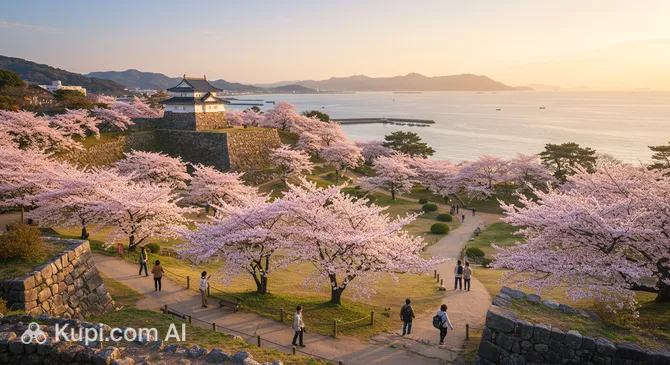
Omura is a cozy and colorful city stretching along the northern coast of the bay of the same name in Nagasaki Prefecture, on the island of Kyushu, Japan. The city's geographical location is unique: on one side, it is framed by the calm waters of the bay, and on the other, by picturesque hills and green parks that create a special atmosphere of serenity. The city is famous for its mild climate and proximity to the sea, allowing Omura to delight guests with fresh air and vibrant landscapes year-round.
Omura. Illustration.
Source: Kupi.com AI

With a population of about 95,000, Omura retains the charm of a small Japanese town where modern buildings harmonize with historical monuments. The city performs an important administrative function in the region and serves as a convenient starting point for traveling around Nagasaki Prefecture and to the famous Unzen hot springs.

Omura is a place where it's easy to feel at home: there is no metropolis bustle here, and the atmosphere is perfect for leisurely walks along ancient streets, visiting cozy cafes, and getting to know local traditions. Tourists are drawn here not only by the picturesque nature but also by the rich historical heritage. One of the city's main gems is Omura Park, famous for its stunning cherry blossom season in spring, when hundreds of trees paint the park in soft pink tones. Also worth noting are the ruins of Kushima Castle, a reminder of the region's samurai past.

Come to Omura to see one of Japan's most beautiful spring sights—the cherry blossoms in the famous park—experience the unique culture, try local delicacies, and discover the real Japan off the beaten tourist paths. This city will give you unforgettable impressions and a peaceful, restorative vacation.

You can find more interesting facts on the history of Omura page.
Weather Overview

The weather in Omura is characterized by noticeable seasonal changes, offering different conditions throughout the year. Summer, covering the period from June to August, brings warm and quite humid weather. Average temperatures during these months range from 22.7°C (June) to 27.8°C (August), with July often being the wettest month, with precipitation around 11 mm and approximately 19 rainy days.

Winters in Omura, lasting from December to February, are significantly cooler and drier. The average air temperature in this season stays within the range of 7.8°C (January) to 9.2°C (December). Precipitation in the winter months is minimal, amounting to only 2-4 mm per month, while the number of days with precipitation varies from 9 to 11.

Thus, when planning a trip to Omura, expect warm summers with periodic rains and cold, dry winters. For a more detailed understanding of weather conditions for each month, you can check the information on the Omura Climate page.

Average monthly temperature

Average monthly precipitation

Interesting Facts

In addition to its well-known attractions, Omura hides many surprising stories and features that make this city truly unique. Ready to learn some curious details?

Omura Park. Illustration.
Source: Kupi.com AI

Traveler photos:

  • Omura is proud of Omura Park, which is home not only to about 2,000 Somei Yoshino cherry trees but also to a very rare local variety—the Omurazakura. This makes the park a true gem for connoisseurs of hanami (the Japanese tradition of flower viewing), offering a chance to see a unique diversity of blossoming cherries.

  • In the 16th century, the city was ruled by Omura Sumitada, who became the first Japanese daimyo (a major military feudal lord) to convert to Christianity. It was he who sent the first diplomatic mission from Japan to Europe, turning Omura into an early center for cultural and religious exchange between the East and the West. Traces of this era can still be found today, for example, by exploring the area around historical Kushima Castle and in Omura Park.

  • Omura unofficially holds the title of "Gateway to the Unzen Hot Springs." Thanks to its strategic location, the city serves as a convenient starting point for journeys to famous volcanic resorts, healing thermal springs, and the picturesque sea bays of Nagasaki Prefecture.

  • Despite its relatively small size, Omura comes alive every year during colorful festivals. The cherry blossom festival is particularly famous, but traditional summer holidays also attract many guests with vibrant processions, performances by local artists, and the unique opportunity to try rare regional dishes prepared according to ancient recipes.

How to Get There

Getting to the city of Omura in Japan can be done in several ways, but the most convenient for most tourists is flying to one of the nearby airports. From there, you can continue your journey via local transport.

The main and closest airport to Omura is Nagasaki Airport (IATA: NGS). It is located in the city of Nagasaki, only about 4.5 km from the center of Omura. This major airport serves both domestic and some international flights. A taxi or bus ride from the airport to Omura will take approximately 25-30 minutes.

Another major transport hub to consider, especially if arriving on an international flight, is Fukuoka Airport (IATA: FUK). It is located in Fukuoka City, about 89 km from Omura, and is one of the busiest airports on Kyushu Island. From here, Omura can be reached by train or bus, with a total travel time of about 2.5 - 3 hours, depending on the chosen transport and schedule.

You can also consider Kumamoto Airport (IATA: KMJ), located in Kumamoto City, about 84 km from Omura. This airport also serves a significant number of passengers. The journey from Kumamoto Airport to Omura takes about 2.5 hours by car or using a combination of bus and train.

For convenience, here is a summary of the main airports:

AirportPassenger trafficDistance
Nagasaki Airport3.1 mln5 km
Saga Airport600 58242 km
Amakusa73 06550 km
Kumamoto Airport2.9 mln84 km
Fukuoka Airport24.9 mln89 km

Regarding rail connections, the stations presented in our list are not direct or convenient options for arriving in Omura. For example, Yeosu Expo Station is located in the city of Yeosu (South Korea), approximately 289.9 km from Omura. Another listed station, Sønderborg Station, is located in the city of Sønderborg (Denmark); the stated distance of 42.4 km is likely a geodesic (straight-line) measurement and does not reflect an actual travel route to Omura. For traveling within Japan by train, including trips to Omura, it is recommended to rely on the country's developed domestic rail network. Upon arrival at one of the major Japanese airports, you can use Shinkansen high-speed trains or JR local lines to reach the nearest stations to Omura in Nagasaki Prefecture.

Information on the mentioned railway stations is provided below, however, as noted above, they are not optimal for a trip to Omura:

StationPassenger trafficDistance
Sønderborg Station42 km
Yeosu Expo Station290 km

When planning a trip to Omura, also consider the possibility of using local bus routes or renting a car to move around the region, which will give you greater flexibility in exploring Nagasaki Prefecture.

Main Attractions

Omura, nestled in Nagasaki Prefecture, offers its guests several remarkable sites that allow for a deeper acquaintance with the culture and history of the region. There are interesting spots here for nature lovers, history buffs, and fans of local cuisine alike.

One of the most famous places in the city is Omura Park. This expansive park is especially beautiful in spring during the cherry blossom season, when thousands of trees are covered in soft pink flowers, attracting many visitors. The park is also known for its irises and other seasonal flowers. It is an excellent place for walks, picnics, and enjoying nature. The ruins of Kushima Castle are also located within the park, adding to its historical atmosphere.

Omura Park. Illustration.
Source: Kupi.com AI

Traveler photos:

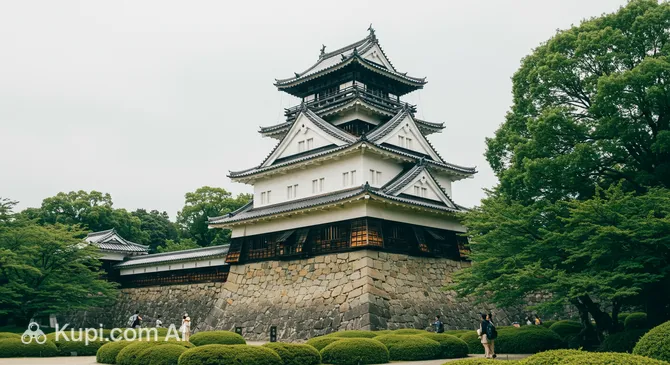
For those interested in historical heritage, a visit to Kushima Castle is a must. Although mostly stone walls and foundations remain of the original castle, the site is steeped in history. The castle was built at the end of the 16th century and played an important role in the history of the Omura clan. Today, the Omura Shinto Shrine is located on the castle grounds, and the elevations offer picturesque views of Omura Bay.

Kushima Castle. Illustration.
Source: Kupi.com AI

Traveler photos:

To experience the local gastronomy, it's worth stopping by Omura Kakuzushi Yamato. This establishment specializes in a unique local dish—Omura-zushi (or kakuzushi). This is a variety of pressed sushi where rice is mixed with various ingredients such as fish, vegetables, and omelet, and then cut into square or rectangular pieces. Trying this traditional dish is a great way to experience Omura's culinary traditions.

Omura Kakuzushi Yamato. Illustration.
Source: Kupi.com AI

Traveler photos:

Local Cuisine

The gastronomy of Omura is a true reflection of the richness of Japan's coastal region. The city is famous for the freshest seafood, fish, and delicacies caught in Omura Bay. Local cuisine carefully preserves traditions, offering tourists unique taste experiences.

A particular point of pride for Omura is Omurazushi—a unique type of sushi prepared exclusively in this region. It uses special local varieties of fish and rice, creating a distinctive flavor. To try authentic Omurazushi, stop by Omura Kakuzushi Yamato, where this dish is prepared according to traditional recipes.

In addition to Omurazushi, be sure to try nabe—a hearty Japanese stew generously filled with seafood, seasonal vegetables, and aromatic local spices. Local cafes and restaurants will also offer you eel and sea bass dishes. Don't miss Omura's farmers' markets, where you can find fresh seasonal products: from sweet citrus fruits to rare types of mushrooms and greens.

Street food is very popular in Omura. You can easily find appetizing onigiri rice balls filled with fresh fish, hot fried vegetable patties, or sweet rice flour cakes. Locals and tourists alike enjoy snacking at small cafes or right on the street, soaking up the city's atmosphere. Gastronomic festivals are an integral part of Omura's cultural life. They are especially vibrant in the spring during the cherry blossom season, for example, in Omura Park, where temporary stalls with traditional treats open. Summer holidays also delight with a variety of dishes prepared from family recipes.

A meal in Omura is perfectly complemented by traditional sake, which is presented here in a large assortment, often served with light snacks. Among non-alcoholic drinks, you should certainly try various types of Japanese green tea. Refreshing lemonades and juices from local fruits are also always available.

If you are looking for the real tastes of Japan and want to discover something new, the Omura gastronomic scene will give you unforgettable impressions and introduce you to the region's unique culinary traditions.

Travel Tips

Welcome to Omura! To ensure your trip to this charming corner of Japan is as comfortable and pleasant as possible, we have prepared a few practical tips. They will help you find your way around and avoid common mistakes.

  1. Clothing and Essentials: The climate in Omura, as in all of Nagasaki Prefecture, is temperate with distinct seasons. In summer (June-August), it is hot and humid, so choose light, breathable clothing. In spring (March-May) and autumn (September-November), the weather is pleasant, but evenings can be cool—a light jacket or sweater will come in handy. In winter (December-February), it can be chilly, so bring warm clothes. Be sure to bring comfortable walking shoes, as Omura and its surroundings are great for exploring on foot. Don't forget an adapter for your electronics (Japan uses type A and B sockets, voltage is 100V). When visiting temples and shrines, modest clothing covering shoulders and knees may be required.
  2. Local Transport: You can get around Omura on local buses—the primary form of public transport. It's best to check schedules and routes locally or online in advance. Taxis are also available but can be more expensive. If you plan to actively explore Nagasaki Prefecture, renting a car can be a good option, but keep in mind that Japan has left-hand traffic and an international driving permit may be required. For short trips around the city, a bicycle can also be convenient.
  3. Finances: The local currency is the Japanese Yen (JPY). While credit and debit cards are becoming increasingly common, especially in hotels and major stores, it is always useful to have cash with you, especially for small cafes, local markets, and temples. You can exchange currency at the airport, banks, or exchange offices. ATMs that accept international cards are most commonly found in post offices (Japan Post Bank) and 7-Eleven convenience stores. Tipping is not customary in Japan and may be perceived as impolite.
  4. Health and Safety: Omura, and Japan in general, is considered a very safe place. However, standard precautions never hurt. Pharmacies (薬屋 - kusuriya) are easy to find, but not all of them operate 24/7. For serious medical assistance, tourists are recommended to have travel insurance. In emergencies, you can contact local hospitals. Tap water is safe to drink.
  5. Communication: The main language is Japanese. In tourist spots and hotels, staff may speak English, but in general, the level of English proficiency among the population is not very high. Learn a few basic Japanese phrases, such as "konnichiwa" (hello), "arigato" (thank you), and "sumimasen" (excuse me/sorry)—this is highly appreciated by locals. For constant internet access, consider buying a local SIM card or renting a portable Wi-Fi router. Free Wi-Fi is available in some public places and hotels.
  6. Local Etiquette: Japanese people are very polite and value respectful behavior. Greetings are usually accompanied by a bow—its depth depends on the status of the person you are addressing. In public places, especially on transport, try not to talk loudly on the phone. It is customary to remove your shoes when entering a Japanese home, some temples, and traditional restaurants (ryokans). Never stick your chopsticks vertically into your rice—this is associated with funeral rituals.
  7. What to Avoid: In addition to the chopstick rule, try not to eat while walking on the street (except for designated areas at festivals). It is also not customary to point at people or objects with a finger—use an open palm instead. Smoking on streets is restricted to specially designated zones.
  8. A Special Feature of Omura: Be sure to visit Omura Park, especially if your trip coincides with the cherry blossom season (usually late March to early April) or the azalea season. The park is famous for its historical Kushima Castle ruins and is one of the best places for flower viewing in Japan. Even at other times of the year, it is a beautiful place for a walk.

We hope these tips help you enjoy every moment of your stay in Omura. We wish you an unforgettable journey and vibrant impressions from getting to know this beautiful city!

Entertainment & Nightlife

Evening Omura offers its guests a cozy and quiet atmosphere, distinct from the noisy nightlife of major metropolises. Here you won't find huge night clubs operating until dawn, but you can enjoy a pleasant time in traditional Japanese establishments, savoring delicious food and drinks.

Main evening activity in Omura is centered around restaurants and bars (izakayas), where you can try local delicacies and socialize with friends. Many establishments offer a wide selection of sake and other Japanese drinks. The atmosphere is usually relaxed and welcoming, perfect for ending the day after sightseeing. A popular spot for dinner is the Omura Kakuzushi Yamato restaurant, known for its local cuisine. Generally, these establishments stay open until late evening, around 10:00 PM – 11:00 PM. The dress code in most places is casual.

Omura Kakuzushi Yamato. Illustration.
Source: Kupi.com AI

Traveler photos:

As for practical advice, the best time to visit evening establishments is after 7:00 PM. Prices in Omura restaurants and bars are generally moderate. You can get around the city in the evening by taxi, which is a safe and relatively affordable way to get to your hotel or next destination. Public transport usually stops running earlier, so plan your route in advance if you aren't relying on a taxi. The areas around main stations are usually well-lit and safe for walking.

While Omura is not famous for a wild nightlife, the city offers plenty of interesting activities during the day. You can visit historical sites like Kushima Castle, which tells the story of the region's rich past. For lovers of nature and peaceful walks, Omura Park is an excellent choice, especially beautiful during the cherry blossom season. The city may also have small local theaters or cultural centers where evening performances are sometimes held, but it's best to inquire about these in advance.

Parks & Museums

The city of Omura invites travelers to enjoy its picturesque green spaces and touch its rich historical heritage. Natural beauty and monuments of the past harmonize here, offering a variety of experiences for curious tourists.

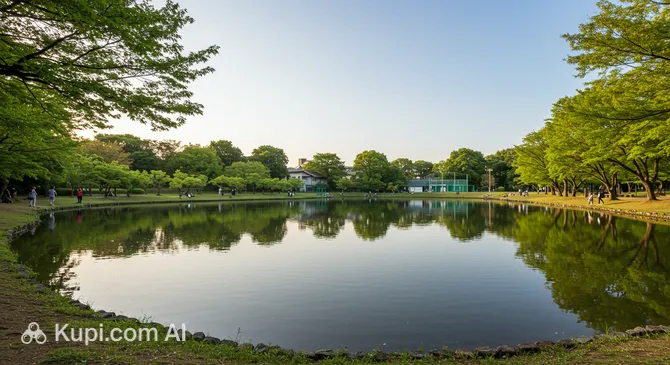
The main green gem of Omura is undoubtedly Omura Park. This place is particularly famous for its cherry blossoms in spring, when thousands of trees paint the park in soft pink tones, attracting visitors from all over the country. However, the park is beautiful at any time of year: in summer you can take cover in the shade of lush greenery, and in autumn you can admire the vibrant colors of maple trees. Omura Park is not just a place for contemplating nature but also a popular space for walks and relaxation for locals and tourists alike. Many other types of flowers grow here as well, including famous azaleas.

Omura Park. Illustration.
Source: Kupi.com AI

Traveler photos:

The historical heart of the city beats within Omura Park, where the ruins of Kushima Castle are located. This castle was once the residence of the Omura clan and played an important role in the region's history. Today, visitors can explore the preserved stone walls, foundations, and other remains of former greatness, imagining the lives of samurai and feudal lords. A stroll through the ruins of Kushima Castle allows you to immerse yourself in the past and learn more about local history. Information boards telling the stories of significant events related to the castle can often be found here.

Kushima Castle. Illustration.
Source: Kupi.com AI

Traveler photos:

In addition to these iconic sites, the city of Omura itself retains an atmosphere of historical heritage. Walking through its streets, you can notice traditional architecture and small temples. While Omura may not have a large number of major museums in the classical sense, Kushima Castle and its surroundings serve as a kind of open-air museum, complemented by the natural beauty of Omura Park.

To round out your impression of Omura, don't miss the chance to experience the local cuisine. For example, after a walk in the park and exploring the castle, you can try the traditional kakuzushi dish at one of the local restaurants, such as Omura Kakuzushi Yamato. Also worth noting are the picturesque views of Omura Bay, which open up from various points in the city, adding another dimension to your journey.

Getting Around

When planning your travel around Omura, it's worth noting that it is a compact city, and its transport system matches its size. The main types of public transport here are buses and local trains, which connect various city districts and nearby settlements.

The bus network in Omura is quite developed and is a convenient way to reach most points in the city. Routes cover both central and more remote areas. Additionally, railway lines pass through the city, such as the JR Omura Line, which can be used to travel both within the city and beyond its borders. There are no subways, trams, or trolleybuses in Omura.

The payment system in Japan, and Omura is no exception, is fairly standardized. The most convenient way to pay is using rechargeable smart cards (IC cards), such as Suica, Pasmo, or regional equivalents (for example, Nimoca, common in the Kyushu region). These cards can be used on both trains and buses by simply tapping them against the reader when entering and exiting. You can buy or top up such a card at railway stations at machines or ticket offices, as well as in some convenience stores. It's important to note that IC cards generally do not provide discounts on fares, but they significantly simplify the payment process, eliminating the need to buy a ticket every time or carry the exact amount of cash. Of course, cash payment is also possible. In buses, you usually need to take a ticket with a stop number when entering (if not using an IC card), and payment is made to the driver upon exiting according to the fare chart displayed on the screen. On trains, single-trip tickets are purchased at station machines before boarding. Approximately, a bus ride around the city costs about 150-300 yen depending on the distance, and the cost of a short train ride within Omura can also start from this range.

Tourists are recommended to purchase an IC card for convenience and time-saving. Buy train tickets at stations from machines or ticket offices. In buses, if paying by cash, try to have small change, as the driver may not always have change for large bills. Public transport usually operates from early morning until late evening, but the frequency of trips may decrease during off-peak hours and on weekends. Schedules can always be checked at stations or stops, as well as via online maps and route planners.

As an alternative to public transport, taxis are always available in Omura. They can be found at ranks near stations, major hotels, or called by phone. Taxis in Japan are comfortable, but they are a more expensive way to get around. For lovers of active recreation and leisurely city walks, bicycle rentals, if available, can be an excellent way to explore the surroundings at your own pace, especially in good weather.

Accommodation

In the city of Omura, tourists have access to a diverse range of accommodation options capable of satisfying various budgets and preferences. You can find economical guesthouses and hostels as well as comfortable mid-range hotels. Apartment rental options are also available, which can be convenient for families or long-term stays.

When choosing a place to stay in Omura, pay attention to areas located near major attractions such as Omura Park or Kushima Castle, as well as near transport hubs for ease of movement around the city and its surroundings. Central areas usually offer good access to restaurants, such as Omura Kakuzushi Yamato, and shops.

The price range for housing in Omura varies from budget options to more expensive offers, depending on the level of comfort and location. You can book accommodation through popular online platforms and aggregators, or directly on hotel websites or by contacting apartment owners. The city features both small family-run inns and hotels of various categories.

It is recommended to book your accommodation in advance, especially if your trip coincides with the peak tourist season or during major local events. This will help ensure the best choice and more favorable prices.

Nearby Cities

For those looking to explore the surroundings, Omura serves as an excellent starting point for day trips to several interesting nearby locations. Thanks to the developed transport network and the compactness of the region, you can easily reach iconic attractions in Nagasaki Prefecture and neighboring areas.

One of the most popular destinations is Nagasaki, located just 18 km from Omura. This city is famous for its unique blend of Japanese and Western cultures, reflected in its architecture and cuisine. Tourists come here to stroll through the picturesque Glover Garden, visit the Shinchi Chinatown, and enjoy one of the world's most beautiful night views from Mount Inasa. The proximity to Omura allows for a full day trip returning by evening.

Another interesting option is a trip to Sasebo. This is a port city with a special atmosphere where you can try the famous "Sasebo burgers" and visit "Huis Ten Bosch"—a massive theme park recreating a Dutch town with canals, windmills, and flower fields. It's an ideal place for families and vibrant photography.

For lovers of unusual experiences, Hashima Island (also known as Gunkanjima) is worth considering. This abandoned ghost island with its industrial ruins is a UNESCO World Heritage site. Boat tours to the island allow you to touch Japan's industrial history and see unique concrete structures in the middle of the sea.

CityPopulationDistance
Isahaya133 51211 km
Togitsu29 02513 km
Nagasaki404 65618 km
Kawatana13 37021 km
Ureshino25 59322 km

These nearby destinations provide a glimpse into the region's diverse culture and landscapes.

Shopping & Souvenirs

Shopping in Omura offers tourists the opportunity to discover local goods and Japanese quality in a calmer atmosphere than in major metropolises. While the city is not famous for massive shopping districts, you can find interesting shops and unique souvenirs that reflect the culture of the Nagasaki region.

Main shopping opportunities in Omura are likely concentrated around the central city streets and near the railway station. Here you can find small private shops, stalls with local products, and daily necessities. Walking through such areas will allow you to feel the authentic atmosphere of a Japanese town.

Omura may lack the large multi-story shopping centers characteristic of Tokyo or Osaka. However, it is quite possible to find department stores or small shopping complexes offering clothing, cosmetics, household goods, and electronics. Such places usually offer a good selection of high-quality Japanese products.

As for markets, in Omura, as in many Japanese cities, local fairs may be held periodically, or small markets may exist where farmers sell fresh produce. Specialized tourist markets with souvenirs might be few, but it's always worth asking locals or the tourist information center about upcoming events.

When it comes to souvenirs from Omura, you should pay attention to the work of local craftsmen. Goods related to the sea deserve special attention, given the city's location by Omura Bay, which is historically known for pearl cultivation. Therefore, pearl items or jewelry featuring pearls can make a wonderful gift. Traditional Japanese sweets (wagashi), local ceramics, textiles, and, of course, green tea are also popular. In Japan, quality and beautifully packaged goods are highly valued, so any souvenir will look presentable.

Shops in Omura usually operate from 10:00 AM or 11:00 AM until 7:00 PM or 8:00 PM. Small family shops may have their own individual schedules. Most stores accept credit cards, especially Visa and Mastercard. However, in small shops and markets, it is preferable to have cash (Japanese Yen) with you. You can also pay in many places using IC cards popular in Japan (such as Suica or Pasmo) if you have them.

For foreign tourists in Japan, a Tax Free system is available. When purchasing goods for a certain amount (usually over 5,000 yen excluding consumption tax in one store on one day) in stores marked with a "Tax Free" sign, you can apply for a tax refund. To do this, you must present your passport. The processing procedure usually takes place right in the store at a special counter.

Reached the end of the page?

That means the route is fully explored