Support

Imari

About

Imari is a small but incredibly vibrant city located in Saga Prefecture on the picturesque island of Kyushu. It is a place where seascapes and green hills intertwine harmoniously, creating an atmosphere of peace and inspiration. Although Imari is not a bustling metropolis — with a population of about 53,000 — it plays a vital role in the cultural life of the region and is one of the gems that Japan is proud of.

The city's main pride is its world-famous porcelain. The unique history of Imari is inextricably linked with the development of ceramic craftsmanship; together with the neighboring city of Arita, this region is considered the cradle of Japanese porcelain. It was from here that exquisite pieces were shipped to Europe, capturing the hearts of art connoisseurs with their refinement and beauty.

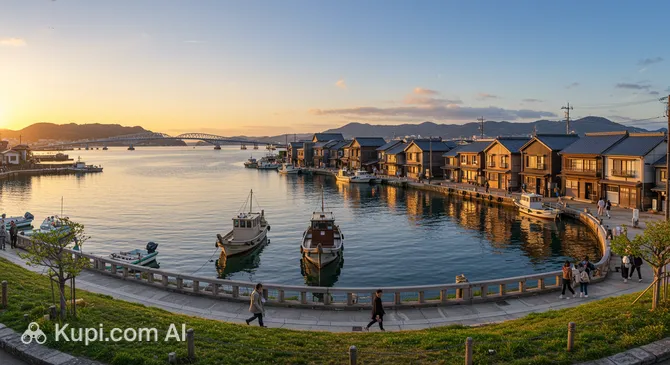
Imari. Illustration.
Source: Kupi.com AI

Travelers here can expect an immersion into the authentic atmosphere of traditional craft. Strolling through the cozy streets, you can look into numerous pottery workshops and museums where masters carefully preserve production secrets passed down from generation to generation. Of particular note is the potters' village of Okawachiyama, nestled in the mountains, which seems frozen in time.

Imari is an ideal destination for those who want to take a break from the hustle and bustle of big cities and touch real Japanese culture. Here you can not only enjoy the art of ceramics but also visit colorful traditional festivals, try local cuisine, and simply enjoy the silence and beauty of nature.

Weather Overview

The climate in Imari is characterized by pronounced seasonality, which makes the city interesting to visit at different times of the year, although each season has its own characteristics. Winter here is cool but quite mild: the average temperature in January is about 7.2°C. This is the driest period of the year when precipitation is minimal, which is great for quiet walks around the city.

In spring, the air warms up quickly, reaching a comfortable 18.9°C by May. Summer brings heat and high humidity. The warmest month is August with an average temperature of 27.7°C; however, travelers should be prepared for precipitation: July records the highest number of rainy days (up to 18 per month). In autumn, the heat subsides, and the temperature gradually decreases from 24.8°C in September to a cool 14.6°C in November.

To choose the ideal dates for your visit and not depend on the whims of nature, we recommend checking the weather in Imari in advance for the time of your trip. In general, expect a hot summer with occasional rain and a cool, relatively dry winter.

Average monthly temperature

Average monthly precipitation

Interesting Facts

In addition to the main attractions, Imari holds many fascinating secrets and historical details that open up only to the most curious travelers. Here are a few facts that will help you look at this city of potters from a new perspective:

  • The Secret Village of Masters. The Okawachiyama district, which is open to tourists today, was known as the "Village of Secret Kilns" during the Edo period. Exquisite Nabeshima porcelain was produced here exclusively for the shoguns and the imperial court. The territory was strictly guarded, and masters were forbidden from leaving the village so that the unique firing and painting technologies would not become public knowledge.

  • A Name Given by the Port. Around the world, this type of ceramic is known as "Imari porcelain," but historically, most of it was produced in the neighboring city of Arita. Imari served as the main logistics hub and shipping port. Since the crates of goods sent to Europe bore the port's seal, this name stuck to the products, becoming a synonym for Japanese quality.

  • Inspiration for Europe. Porcelain exported from here had a colossal influence on Western art. European aristocrats valued these items so highly that famous manufactories such as Meissen in Germany and Chelsea in England began their history by trying to copy the patterns and color palette of Imari masters.

  • Porcelain Guardians. At the Imari-jinja Shrine, the connection between religion and craft is visible to the naked eye. Unlike most Japanese temples where stone sculptures guard the entrances, unique porcelain "komainu" (guardian lion) statues are installed here, emphasizing the city's status as the capital of ceramics.

How to Get There

When planning a trip to Kyushu Island, it is important to think about logistics in advance and find out how to get to Imari. Since the city does not have its own airport, tourists usually fly into one of the neighboring large transport hubs and then continue their journey by land transport.

One of the most convenient options is Nagasaki Airport (IATA: NGS). It is located in the city of Nagasaki, about 39 km from Imari. This is a fairly large regional hub receiving many domestic flights. A trip from here by taxi or rental car will take approximately 1 hour 20 minutes.

An alternative could be Saga Airport (IATA: HSG), located in the city of Saga, about 41 km from Imari. Despite the fact that the passenger traffic here is smaller, this option may be convenient due to its proximity to the destination. Travel time by car will be approximately 1 hour 25 minutes.

For international travelers, the main hub is often Fukuoka Airport (IATA: FUK). This is a major international airport located in the city of Fukuoka, 64 km from Imari. Thanks to the developed infrastructure, you can get from here to the city of potters in about 2 hours by car; bus routes are also available.

For clarity, here is a summary of the main airports located in relative proximity to the city:

AirportPassenger trafficDistance
Nagasaki Airport3.1 mln39 km
Saga Airport600 58241 km
Iki Airport64 25854 km
Fukuoka Airport24.9 mln64 km
Amakusa73 06591 km

Main Attractions

Imari is a city where history lives in every stone and every product. Most of the attractions here are somehow connected to the centuries-old tradition of porcelain production, but the picturesque nature and unique architecture make walks around the city interesting even for those far from the art of pottery.

Okawachiyama (The Village of Secret Kilns) is perhaps the most atmospheric place in the region. Located in a secluded mountain valley, this village was once a restricted area where masters created masterpieces exclusively for the elite. Today, it is a picturesque open-air park-museum: narrow cobbled streets, ancient kilns, and numerous shops where you can buy unique ceramics. The landscapes here resemble classic ink paintings, and the sound of porcelain wind chimes creates a unique melody that accompanies travelers.

Imari-jinja Shrine is a vivid example of how craft defines the look of the city. This is one of the few places in Japan where traditional elements of a Shinto shrine are made of ceramics. Tourists come here to see the magnificent porcelain torii gates and "komainu" guardian lion statues decorated with intricate paintings. The temple is considered the guardian of the city and its masters, and here you can feel the deep spiritual connection of the locals with their work.

Aioi Bridge and the Imari River Embankment is an ideal place for leisurely walks. The bridge is decorated with elegant porcelain statues and vases, as well as the famous automaton clock, which plays a small performance at certain times. A walk along the river allows you to enjoy views of the old city and see the white-walled "kura" (dozo) warehouses preserved from trading times.

Imari Nabeshima Gallery will be of interest to those who want to deeply understand the value of local porcelain. It houses a collection of Nabeshima-style items — the pinnacle of Japanese porcelain art. In the museum, you can see rare exhibits that were once presented as gifts to shoguns and appreciate the incredible fineness of work and purity of colors that made Imari famous throughout the world.

Local Cuisine

Imari's local cuisine is a true mirror of the region's geography, where the bounty of the sea meets the fertility of the land. Thanks to its coastal location, the foundation of the gastronomic scene is fresh seafood. Travelers should definitely try local sushi and sashimi: fish here reaches the table almost directly from fishing nets, guaranteeing incredible tenderness and rich flavor. A particular delicacy is grilled shellfish, a dish often found in fine restaurants as well as small street stalls.

Agricultural products play an equally important role in Imari's culinary arts. The city's surroundings are famous for their farms, so rice and vegetable dishes here are distinguished by their naturalness. Local chefs are masters at highlighting the natural taste of ingredients without overloading them with spices. For dessert, we recommend looking for seasonal fruits at farmers' markets — they are juicy and sweet here and very popular among residents of Saga Prefecture.

Speaking of drinks, one cannot fail to mention the famous sake from Saga Prefecture. This region is considered one of the best producers of rice wine in Japan, and local sake perfectly complements the taste of seafood dishes. For those who prefer non-alcoholic drinks, green tea grown on Kyushu plantations is an excellent choice.

Dining culture in Imari is closely intertwined with traditions of hospitality. Gastronomic festivals are regularly held here, attracting gourmets from all over the country. This is the best opportunity to plunge into an authentic atmosphere: food is often served on the famous local porcelain, turning an ordinary lunch into an aesthetic delight. Tourists should look not only into restaurants but also into morning markets, where they can buy fresh products and chat with locals.

Travel Tips

A journey to the "porcelain capital" requires a bit of preparation so that nothing distracts you from contemplating art and nature. We have gathered practical recommendations to help make your visit to Imari as comfortable and carefree as possible.

  1. Clothing and Footwear. Imari is a city where you will have to walk a lot, especially if you plan to visit the mountain village of Okawachiyama with its cobbled slopes. Comfortable flat shoes (sneakers or trainers) are critically important. The climate here is humid: in summer, choose light, breathable fabrics and bring an umbrella (rainy season is in June-July); in winter, layered clothing and a windproof jacket will be useful, as a cool breeze can blow from the sea.

  2. Transport. There is public transport in the city (buses and Matsuura Railway trains), but it runs with long intervals characteristic of the province. For maximum freedom of movement around Saga Prefecture, car rental is highly recommended. If you are without a car, use the local tourist bus for trips between the center and the potters' village or a taxi (apps like Uber work poorly here; it's better to ask the hotel or info center to call a car).

  3. Finances. The official currency is the yen (JPY). Although Japan is moving toward cashless payments, in Imari, especially in small family pottery workshops and souvenir shops, only cash is accepted. Be sure to withdraw money in advance. 7-Eleven (Seven Bank) ATMs operate 24/7 and accept most international cards. Tipping is not customary — excellent service is considered the norm here.

  4. Communication and Internet. The level of English among local residents is not high, so having internet on your smartphone is essential. Buy a SIM card or rent a pocket Wi-Fi router at the arrival airport. Install a translator app with a photo translation function (Google Translate or DeepL) — it is an indispensable helper for reading menus and exhibit descriptions in museums.

  5. Precautions in Shops. A specific tip for Imari: when entering ceramic shops, take off your backpack and hold it in your hands or leave it at the entrance. Aisles in shops are often narrow, and shelves are packed with fragile and expensive items. A sudden turn can be very costly. Also, always ask for permission before picking up an item.

  6. Health. Imari is a safe city, but there are few 24-hour pharmacies. We recommend having a basic first-aid kit, especially if you need specific medications. Tap water is safe to drink. In summer, be sure to use sunscreen and insect repellent if you walk in parks or mountains.

  7. Etiquette and Behavior. Be polite and reserved. Loud conversations in public places and transport are considered bad form. When entering traditional restaurants with tatami or some exhibition halls, you need to take off your shoes — make sure your socks are intact and clean. A slight bow when greeting or thanking will always be received with approval.

  8. What to Avoid. Do not try to haggle aggressively in artists' workshops. Imari ceramics is an art with a high cost of manual labor, and an attempt to heavily lower the price may be seen as a lack of respect for the master. Discounts are possible, but only if the seller offers them or during large ceramic fairs.

Following these simple rules will help you easily find common ground with local residents and immerse yourself in the unique atmosphere of Imari. May your journey be filled only with pleasant discoveries and inspiration!

Entertainment & Nightlife

Entertainment and Nightlife:

Imari is a city with a measured pace of life, where night entertainment has its own unique, intimate character. Here you won't find bustling metropolises with neon lights and 24-hour dance floors. Evening leisure in Imari is, above all, a gastronomic journey, soulful conversations in cozy bars, and immersion in authentic Japanese drinking culture, hidden from the eyes of the mass tourist.

The center of evening life is the area around Imari Station. It is here, in the labyrinth of narrow streets, that the city's main establishments are concentrated. At nightfall, red "chochin" lanterns are lit, inviting you to look into local izakayas (Japanese pubs). The atmosphere in such places is very democratic and friendly: it is customary to loudly greet new guests, share a table with strangers, and enjoy local sake to the accompaniment of yakitori (chicken skewers).

A special phenomenon of nightly Imari is snack bars (sunakku). These are small establishments, often run by a hostess ("Mama-san"), where guests pay for time, drinks, and the opportunity to chat or sing karaoke. For a foreigner, this can be an interesting cultural experience; however, it's worth remembering that English is rarely spoken in such places, and menus are often absent. If you want to feel like a local, look for signs with a microphone or a glass icon.

Among specific establishments popular with residents and guests, it is worth noting:

  • Cafe Museum — an atmospheric place combining features of a cafe and a bar. Live music often plays here, creating a pleasant background for the evening. The interior is filled with antique details, and the menu offers an excellent choice of drinks. This is an ideal choice for those looking for a more European-style leisure format.

  • Izakaya Kaachan — a classic example of a Japanese tavern where you can try home cooking and fresh seafood. It is always lively here, and prices remain affordable. This is a great place to get acquainted with the gastronomic traditions of the Saga region.

  • Tomato Head — a cozy restaurant suitable for a quiet dinner with a glass of wine. Although this place is more about food, it is popular among those who want to spend the evening in a relaxed atmosphere, enjoying delicious pizza and pasta after a day of walking.

Practical tips for night walks:

Most establishments in Imari close quite early — around midnight or 1:00 AM. When planning your evening, keep in mind that public transport (trains and buses) stops working even earlier. The only way to get to the hotel at night is by taxi. They can be found at the station stand or you can ask the bar staff to call a car for you. Also, the "daiko" service is popular in Japan, where a driver takes you home in your own car if you have rented transport.

In terms of safety, Imari is an ideal city. The crime rate here is extremely low, and night walks, even alone, pose no threat. However, it is worth being careful on narrow, unlit streets to avoid tripping. An important nuance: many small bars and izakayas only accept cash, so take care of withdrawing money in advance.

Regarding daytime entertainment that smoothly transitions into evening, Imari offers something special. Besides the famous pottery workshops, the city is famous for its fruit orchards. In season, you can visit farms for pear and grape picking — a popular activity for families and couples. History buffs should check out the local ceramic museums before they close (usually at 5:00 PM) to see the masterpieces that made this region famous worldwide.
Parks & Museums

Imari is an amazing city where the boundaries between nature and art are practically erased. Green zones here often serve as natural backdrops for ceramic masterpieces, and the city's museums hold treasures for which European monarchs once outfitted entire expeditions. A walk through local parks and galleries is the best way to understand the soul of this craft region.

Nabeshima Domain Kiln Park. This park, located in the heart of Okawachiyama village, represents a unique symbiosis of landscape design and industrial history. The main feature of the place is a bridge decorated with exquisite porcelain tiles depicting dragons and phoenixes, and ceramic maps of the area. In spring, cherry blossoms and azaleas bloom here, creating a stunning contrast with the rugged cliffs surrounding the valley. For tourists, it's an opportunity to see historical stepped kilns and enjoy the silence of the mountain gorge.

Imari Beach Park. If you want to change mountain landscapes for seascapes, head to this coastal park. It is a popular recreation area with an artificial beach and a promenade offering panoramic views of Imari Bay and numerous islands. The park is ideal for leisurely sunset walks and picnics. In summer, it is particularly lively, and tourists can feel the resort atmosphere of a Japanese province.

Imari Nabeshima Gallery. This is perhaps the city's main cultural site and a must-visit. The exposition is dedicated to Nabeshima porcelain — the pinnacle of Japanese ceramic art, which was produced exclusively for the ruling clan and the shogunate. Plates and vases of incredible fineness, which were never sold for export in the past, are exhibited here. A visit to the museum allows you to understand the difference between mass-market "Old Imari" and elite porcelain, whose secrets were guarded under penalty of death.

Imari City History and Folklore Museum. This museum offers a broader look at the history of the region. Besides ceramics, it features exhibits telling about the lives of merchants, the development of the port, and the trade of rice and coal. Of particular interest is a model of a merchant ship "Sengokubune," clearly demonstrating how goods were delivered to Japan's major cities. This place will be interesting for those who want to know how the city lived beyond the pottery workshops.

Among the architectural landmarks, Aioi Bridge stands out. It is not just a crossing over the river, but a real art object. The bridge is decorated with large porcelain vases and statues, but the main show begins exactly on the hour: the automaton clock mechanism opens, and figures appear to melodic ringing, acting out scenes. This sight invariably attracts tourists and photographers.

Insider Tip: If you find yourself in Imari in summer (from mid-June to August), be sure to visit the "furin" wind chime festival in Okawachiyama. Thousands of porcelain bells are hung throughout the village, and every gust of wind fills the valley with a gentle, crystal-clear chime. This is a magical experience that cannot be found anywhere else in Japan.

Getting Around

Imari's transport infrastructure has its own characteristics that distinguish it from major metropolises. There is no subway here, and the pace of life is set by railway lines and bus routes. The central hub is Imari Station, shared between the major company JR Kyushu (Chikuhi Line) and the local carrier Matsuura Railway.

Traveling on the Matsuura Railway (often called "MR") is a unique pleasure in itself. Small, often single-car trains run along the picturesque coast and through mountains, offering passengers magnificent views of rural landscapes. The cars are often decorated in a bright style, making the trip a memorable part of the tourist experience.

For trips to key attractions, such as the potters' village of Okawachiyama, it is convenient to use buses. The main carriers in the region are Saihi Bus and Showa Bus. Tourists should pay close attention to the schedules: service intervals can be long, and evening trips often end quite early, around 5:00 PM – 6:00 PM. Local public buses also run within the city, connecting the main districts.

A significant advantage for travelers is the modern payment system. On the Matsuura Railway line, as well as on buses of the main operators (Saihi Bus, Showa Bus), popular transport IC cards are accepted (the local Nimoca, as well as compatible ones like Suica, Pasmo, Sugoca, and others). This eliminates the need to constantly look for change. Nevertheless, we recommend always having some cash with you, as it may be needed for paying for lockers, in taxis, or at small shops where terminals are absent.

Despite the availability of public transport, the most convenient way to explore the region remains car rental. This will give you freedom from schedules and allow you to reach remote kilns and observation decks where buses do not go. Rental offices are located in the railway station area. An international driver's license is required for rental.

For short walks in the city center in good weather, a bicycle is perfect. Conventional or electric bicycles can be rented at the tourist information center at Imari Station. There are also always taxis waiting at the station; however, to call a car from remote locations, it's better to ask for help from hotel or restaurant staff, as drivers rarely speak foreign languages.

When planning your movement around Imari, always check the schedule in advance. Services like Google Maps work quite accurately here, but it's better to have a backup plan in case you are delayed in a remote area after the last bus has left.

Accommodation

The choice of accommodation in Imari reflects the calm and measured character of this craft city. Here you will not find huge chain resorts or skyscrapers with luxury apartments. Instead, the city offers travelers cozy and authentic accommodation options ranging from functional business hotels to traditional Japanese inns — ryokans. The hospitality of local residents, known as "omotenashi," compensates for the lack of metropolitan gloss with sincere care and attention to detail.

From a logistics perspective, the most convenient area to stay is the vicinity of Imari Station. This is a strategically important point: from here it is easy to reach the potters' village of Okawachiyama by bus or head out to explore the coast by train. This is where most Western-style hotels are concentrated. It is an ideal choice for those planning active trips around the region who value proximity to transport hubs, restaurants, and convenience stores.

For those seeking cultural immersion, ryokans are the best choice. In such inns, the floors are covered with tatami, you sleep on futons, and dinner often consists of an exquisite set of "kaiseki" dishes served on local porcelain. Some traditional inns are located a bit further from the center, closer to nature or hot springs, offering peace and serenity after a busy day.

Pricing in Imari is quite democratic compared to major tourist centers in Japan:

  • Budget segment: Simple guesthouses and hostels popular with backpackers are less common but offer overnight stays at affordable prices.
  • Middle class (Business hotels): The most common category. Rooms here are compact but spotlessly clean and equipped with everything you need. This is a great option for solo travelers and couples.
  • High-end segment: Represented mainly by the best ryokans, where the cost of stay includes meals and a high level of service.

Booking tip: Although Imari is not overcrowded with tourists year-round, the situation changes drastically during major events such as the Imari Autumn Festival or ceramic fairs. During these periods, as well as during "Golden Week" (early May) and New Year holidays, it is necessary to book accommodation 2–3 months in advance. Most business hotels are available on international booking platforms, but reserving spots in small family ryokans may sometimes require a direct request through their website or help from tourist centers.

Nearby Cities

For those who want to explore the surroundings, Imari serves as an excellent starting point for day trips to several interesting nearby places. The city's location in northwestern Kyushu makes it easy to reach other cultural and historical centers of the region.

One of the most popular destinations is Karatsu. This coastal city is famous for its majestic castle overlooking the sea and the picturesque Nijino-Matsubara pine grove. Ceramic lovers will find another famous style here — Karatsu-yaki, which differs from the Imari style in its simplicity and "earthiness."

Another interesting option is Sasebo, a port city with a unique atmosphere where Japanese traditions mix with American influence due to the presence of a naval base. Here you can try the famous Sasebo burgers, take a cruise around the Kujukushima Islands, or visit the Huis Ten Bosch theme park, which recreates a Dutch city in full size.

Also worth noting is the prefecture's capital — Saga City. This place is rich in history from the Bakumatsu and Meiji periods. Tourists can visit a reconstruction of the Saga Castle main palace and learn about the region's role in Japan's modernization. Additionally, a world-famous hot air balloon festival takes place here in the fall.

CityPopulationDistance
Arita18 8677 km
Hasami14 33214 km
Takeo47 68115 km
Sasebo242 66418 km
Matsuura21 26118 km

These nearby destinations provide insight into the diverse culture and landscapes of the region, making a trip through Saga Prefecture and neighboring areas even more fulfilling.

Shopping & Souvenirs

Shopping in Imari is not about huge shopping malls and global clothing brands, but about touching centuries-old traditions. The city is famous throughout Japan and far beyond for its unique porcelain, so ceramics are the main goal for most travelers. Here you can find both exquisite works of art for a collection and practical tableware that will delight you at home every day.

The heart of ceramic shopping is the village of Okawachiyama. A walk through its narrow streets resembles a treasure hunt: almost every house has a shop attached to a workshop. Here you buy products directly from the manufacturers, which guarantees authenticity and often a more pleasant price. The assortment is huge: from tiny chopstick rests (hashioki) to majestic vases. This place is ideal for a leisurely selection of unique souvenirs in the atmosphere of old Japan.

In the city center, it's worth checking out the Imari Machinaka Ichibankan complex. This is a convenient venue in a renovated historical building where products from various regional kilns are collected. Here you can also find works by local artisans and souvenirs. If you are interested in gastronomic purchases, head to the Michi-no-Eki Imari station. This is the best market for buying fresh local products: famous Imari pears, marbled beef (including ready-to-eat curry sets), sweets, and, of course, local sake.

The best time to hunt for porcelain is during the big fairs: the Spring Ceramics Festival (during Golden Week) and the Autumn Festival. At these times, the streets are filled with stalls, and prices drop significantly. You can find so-called "second-grade" goods with barely noticeable defects that are sold at huge discounts and are perfect for personal use.

Useful Tips: Plan your purchases for the first half of the day, as many shops close as early as 5:00 PM – 5:30 PM. Large tourist centers accept cards, but in small family workshops and markets, they often only take cash. Some shops have a Tax Free system for purchases over 5,000 yen — look for the relevant stickers at the entrance and don't forget your passport.

Reached the end of the page?

That means the route is fully explored