Support

Itoshima

About

Itoshima is a true corner of Japanese harmony, located on the west coast of Kyushu island in Japan, just a few dozen kilometers from the bustling city of Fukuoka. The city stretches across a picturesque peninsula washed by the waters of the Sea of Japan and is famous for its magnificent beaches, green hills, and surprisingly fresh air. Here, it is easy to feel like a part of nature while enjoying the sea breezes and the scent of pine needles.
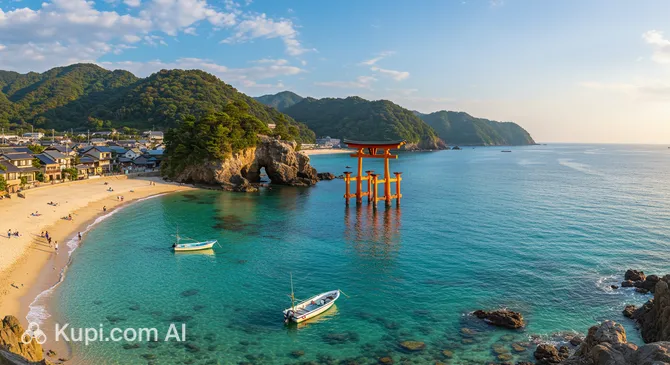
Itoshima. Illustration.
Source: Kupi.com AI

With a population of about 98,500 people, Itoshima maintains an atmosphere of comfort and leisure characteristic of small Japanese towns, yet remains modern and welcoming. The city occupies a significant area, making it one of the largest municipalities in Fukuoka Prefecture. Thanks to its favorable location, Itoshima serves as an excellent starting point for exploring the natural beauty of Kyushu.

The main attraction of Itoshima is its natural diversity. On one hand, it features world-class beaches, such as Futamigaura with its famous "married couple rocks," where you can go surfing or simply enjoy the sunset. On the other hand, there are scenic mountain trails and waterfalls, such as Shiraito Falls, which attract hiking and adventure enthusiasts. The city also charms visitors with its ancient shrines hidden in the forests and cozy seaside cafes offering fresh local products.

It is worth visiting Itoshima for its atmosphere of lightness and inspiration. This is a place where traditions harmoniously blend with modernity, and every corner is filled with a special charm. Itoshima is the ideal destination for those who want to escape the city bustle, breathe deeply, and experience true Japanese hospitality.

You can find more interesting facts on the Itoshima city history page.
Weather Overview

The weather in Itoshima is characterized by noticeable seasonal changes. Summer, especially in July and August, is warm here, with average temperatures reaching 27.3°C and a significant amount of rainfall—9 mm in July, which is also the month with the highest number of rainy days (18). Winters, by contrast, are cool, with average temperatures around 6-8°C in January and December, and less precipitation (2-3 mm). Spring and autumn are transitional seasons with moderate temperatures and changeable weather. Expect a warm and rather humid summer, as well as cool and relatively dry winters. For a more detailed forecast and information by month, you can check out the detailed description: Itoshima Climate.

Average monthly temperature

Average monthly precipitation

Interesting Facts

Itoshima is not just about picturesque landscapes and popular holiday spots. This coastal city holds many fascinating secrets and unique features that will reveal it to you in a new way.

Sannomiya Shrine. Illustration.
Source: Kupi.com AI

Traveler photos:

  • One of the symbols of Itoshima is the sacred Meoto Iwa rocks—two majestic stones connected by a ritual shimenawa rope. They symbolize marital harmony and unity, attracting romantics and photographers, especially at sunset.

  • Every year, Itoshima becomes the center of musical life thanks to the unique Sunset Live Festival. This vibrant event gathers thousands of music lovers on the coast, offering live performances in the open air with a stunning view of the sea.

  • Deep in the mountains in the south of the city lies one of Kyushu's natural gems—Shiraito Falls. It is famous for its beauty and surrounded by many local legends, being a popular spot for hikers and nature enthusiasts.

  • Itoshima is known as a city of artists and craftsmen. Here you can find many galleries and workshops showcasing the work of local potters and other artists. The city carefully preserves its traditions, which is evident in annual festivals dedicated to fire, the harvest, and the sea.

How to Get There

When planning a trip to this picturesque corner of Fukuoka Prefecture, it is important to think about your route in advance. Itoshima is located in close proximity to major transport hubs on Kyushu island, making it easily accessible for tourists. You can find all the details and alternative routes on the how to get to Itoshima page, and below we will look at the main air gateways welcoming guests to the region.

There is no airport in the city of Itoshima itself, but you can fly into Fukuoka Airport (IATA: FUK) in Fukuoka City, which is only 24 km from Itoshima. This is the main and most convenient hub for travelers heading to this part of the country. Due to its close proximity, the journey from the airport to the center of Itoshima by taxi or car will take approximately 56 minutes. The airport serves many international and domestic flights, making it the optimal choice.

Alternatively, you can consider Saga Airport (IATA: HSG), located in Saga City. It is a bit further away, about 46 km from Itoshima. This is a regional hub that may be convenient if you plan to visit neighboring prefectures as well. The car ride from here will take about 1 hour and 30 minutes. Nagasaki and Kitakyushu airports are also available in the region, but they are located quite far away and will require more time for transfer.

For clarity, here is a summary of the main airports through which you can reach the region:

AirportPassenger trafficDistance
Fukuoka Airport24.9 mln24 km
Iki Airport64 25843 km
Saga Airport600 58246 km
Nagasaki Airport3.1 mln76 km
Kitakyushu Airport1.6 mln84 km

As for rail transport, Itoshima is perfectly integrated into the railway network of Japan. The main artery is the JR Chikuhi Line, which connects directly to the Fukuoka City Subway Kuko (Airport) Line. This means that tourists can catch a train directly at Fukuoka Airport or Hakata Station and reach Itoshima's main stations, such as Chikuzen-Maebaru, without transfers (or with minimal effort). A train ride is not only a budget-friendly but also a very scenic way to reach the coast, enjoying the views from the window.

Main Attractions

Itoshima, a charming city on the coast of Fukuoka Prefecture in Japan, offers travelers both natural beauty and interesting cultural sites. Among the places worth visiting, several unique attractions stand out, allowing for a deeper exploration of local culture and gastronomy.

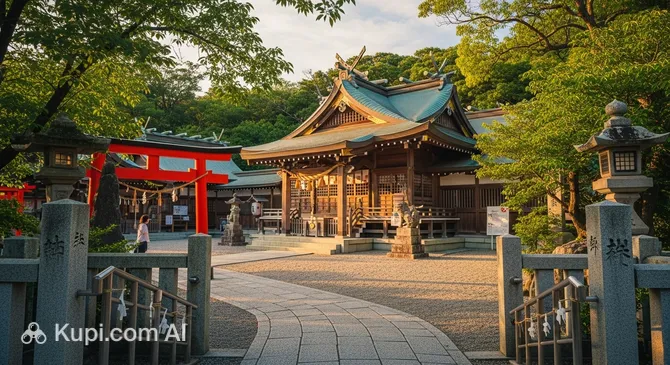
One of the iconic landmarks is Sannomiya-jinja. This ancient Shinto shrine attracts visitors with its peaceful atmosphere and the opportunity to connect with the spiritual traditions of the region. A walk through its grounds allows you to enjoy the silence and beauty of traditional Japanese architecture, making this place a must-visit for those interested in the history and culture of Japan.

Sannomiya Shrine. Illustration.
Source: Kupi.com AI

Traveler photos:

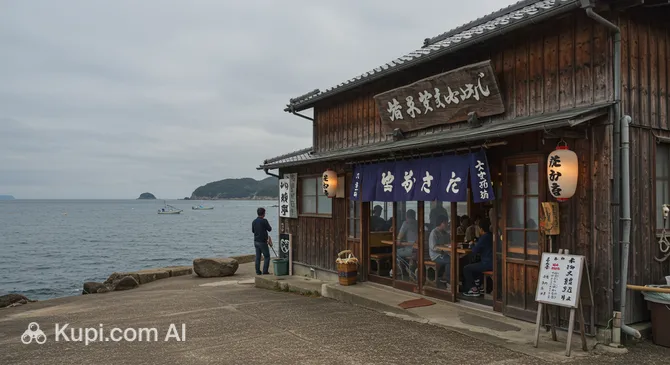
Lovers of Japanese cuisine and the freshest seafood should definitely stop by Tsukamoto Fresh Fish. Located in the coastal city of Itoshima, it is famous for its dishes made from freshly caught fish, offering an authentic gastronomic experience. This is a great opportunity to taste local delicacies and appreciate the bounty of the sea for which this region is famous.

Tsukamoto Fresh Fish. Illustration.
Source: Kupi.com AI

Traveler photos:

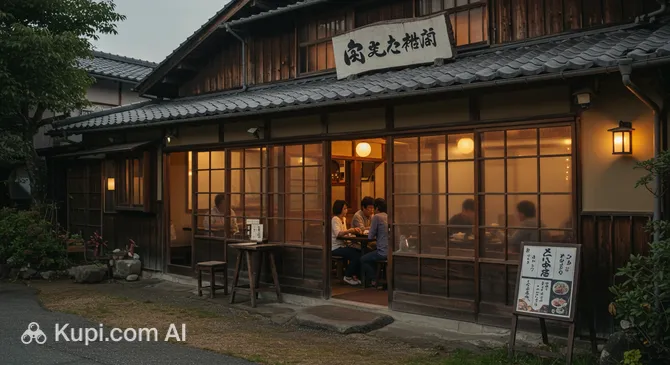
Another notable spot for foodies is Makinoudon Kafuri Honten. This establishment likely specializes in udon (a popular Japanese wheat noodle), offering hearty and delicious dishes. Visiting this restaurant will allow you to get to know another side of Japanese cuisine and enjoy traditional flavors in a cozy setting.

Makinodon Kafuri Main Store. Illustration.
Source: Kupi.com AI

Traveler photos:

Local Cuisine

The gastronomic scene of Itoshima is a true paradise for lovers of the freshest seafood. The city is famous for its seafood, with oysters holding a special place. They are served in the famous oyster huts right on the shore, where you can enjoy them grilled with various sauces and side dishes. In addition to oysters, there is always an abundance of sea urchins, shrimp, and a variety of fish delivered to the tables of local establishments directly from the coastal waters.

The cuisine of Itoshima is not limited to seafood. Dishes made from seasonal vegetables and rice grown in the region's fertile fields play an important role. Try traditional onigiri with seafood fillings, refreshing seaweed salads, or farm vegetables prepared according to old recipes. Street food will also delight you with its variety: from aromatic grilled squid to hearty Japanese okonomiyaki pancakes.

Food culture in Itoshima is closely tied to the sea and the land. In addition to the mentioned oyster huts, it is worth visiting the local farmers' markets. Here you can not only buy the freshest products but also try original treats, such as sweet potato sweets, homemade pickled vegetables, natural sauces, and jams. For a more thorough acquaintance with local cuisine, you can visit one of the restaurants, such as Tsukamoto Fresh Fish, known for its fresh fish dishes. The city also frequently hosts gastronomic festivals where you can fully experience a celebration of taste.

Tsukamoto Fresh Fish. Illustration.
Source: Kupi.com AI

Traveler photos:

As for drinks, in Itoshima, as throughout Japan, you will find traditional options. Sake or shochu goes perfectly with seafood dishes. Among non-alcoholic drinks, green tea is popular, as are various lemonades and juices based on local fruits. Many establishments offer a good selection of both alcoholic and non-alcoholic drinks to complement your meal.

Travel Tips

Planning a trip to charming Itoshima? These practical tips will help you prepare for your journey and enjoy every moment in this picturesque corner of Japan, known for its beautiful beaches and natural landscapes.

  1. Seasonal Clothing and Useful Items: Itoshima's climate implies changing seasons. In summer, pack light clothing, swimwear, sunscreen, a hat, and sunglasses. In the shoulder seasons and winter, layered clothing, a windbreaker, and a raincoat will come in handy. The key element is comfortable shoes for walking along the coast, natural trails, and visiting local attractions. Don't forget a universal adapter for electronics (Japan uses Type A and B sockets). When visiting temples and shrines, choose clothing that covers your shoulders and knees.
  2. Transportation Nuances: To get around Itoshima, you can use JR Chikuhi Line trains and local Showa Bus routes. However, to fully enjoy all the beauties of the region, including secluded beaches and mountain landscapes, renting a car will be the best solution. Taxis are available but can be expensive for long trips. A bicycle is a great option for leisurely exploring specific areas, especially coastal ones.
  3. Financial Guide: The official currency is the Japanese yen (JPY). Credit cards (Visa, Mastercard) are accepted in most hotels, large restaurants, and shops. Nevertheless, it is always useful to have some cash with you, especially for paying in small local cafes, at markets, or when buying souvenirs from craftsmen. ATMs that accept international cards can be found in post offices (Japan Post Bank) and in konbini (24-hour convenience stores such as 7-Eleven or Family Mart). The tipping culture in Japan is non-existent; an attempt to leave a tip may be met with confusion.
  4. Health and Safety: Itoshima, and Japan as a whole, is a very safe place for tourists. Observe normal precautions. Pharmacies (薬, kusuri) are easy to find, but staff do not always speak English, so it is useful to have a translator app. In case of a need for serious medical care, it is better to contact large hospitals in neighboring Fukuoka. Tap water is safe to drink.
  5. Language and Communication: The main language of communication is Japanese. In tourist spots and hotels, staff may speak English, but overall its prevalence is not very high. Learn a few basic phrases in Japanese (e.g., "konnichiwa"—hello, "arigato"—thank you, "sumimasen"—excuse me); this will be highly appreciated by locals. Wi-Fi is available in many hotels, cafes, and some public places. For constant internet access, consider purchasing a local SIM card or renting a pocket Wi-Fi router.
  6. Local Etiquette: Japanese people are very polite and value respect for tradition. Greetings are usually accompanied by a bow. In public places, especially in transport, try not to make noise. When entering a Japanese home, some temples, and traditional restaurants (ryokans), it is customary to take off your shoes. It is not customary to eat on the go in the street (except for festivals or special areas).
  7. What to Avoid: Try not to leave trash—Japan is very clean, and bins are not common on the streets; it's better to carry a small trash bag with you. Avoid loud phone conversations on public transport. Do not point at people or objects with your finger—use an open palm.
  8. Special Feature of Itoshima: This region is famous for its "kakigoya" (kaki goya)—oyster shacks that open in winter. If your visit falls during this season, be sure to try the freshest grilled oysters. Itoshima is also known for its craft workshops and pottery studios—stop by them to find unique souvenirs. And, of course, don't miss the stunning sunsets over the Genkai Sea.

We hope these tips make your trip to Itoshima even more pleasant and fulfilling. Enjoy the unique atmosphere, natural beauty, and hospitality of this wonderful corner of Japan!

Entertainment & Nightlife

Itoshima, a charming city on the coast of Fukuoka Prefecture, primarily offers its guests a quiet and relaxing evening, which perfectly complements daytime explorations of its natural beauty. Instead of the noise of sprawling metropolises, the nightlife here is centered around cozy restaurants, local bars, and the chance to enjoy fresh seafood in a pleasant atmosphere.

In the evening, Itoshima comes alive thanks to numerous establishments where you can enjoy a delicious dinner and spend time. Seafood restaurants are particularly popular, which is not surprising for a coastal city. Here you can sample the freshest catches of the day. The atmosphere in most places is casual and welcoming, ideal for a dinner with family or friends. Although there are no dedicated "nightlife districts" in Itoshima, charming venues can be found scattered throughout the city, especially in areas with good transport accessibility and clusters of cafes.

Among the places where you can spend a pleasant evening, it is worth noting Tsukamoto Fresh Fish, known for its fresh fish dishes. Another popular spot is Makinoudon Kafuri Honten, where you can enjoy traditional Japanese cuisine. It is recommended to arrive at popular places for dinner around 6:00-7:00 PM, especially on weekends, or to book a table in advance. Prices vary but generally remain affordable. The dress code is usually casual unless you choose an exclusive establishment.

Tsukamoto Fresh Fish. Illustration.
Source: Kupi.com AI

Traveler photos:

Regarding more active nocturnal entertainment, such as major nightclubs or concert venues, the selection in Itoshima may be limited. The city is better suited for quiet gatherings in small bars (izakayas), where you can try local drinks and snacks. Some seaside cafes and restaurants may offer live music on certain evenings, creating a romantic setting.

Makinodon Kafuri Main Store. Illustration.
Source: Kupi.com AI

Traveler photos:

You can get around Itoshima at night by taxi. Public transport runs on a schedule that should be checked in advance if you plan to stay out late. The city is considered safe, like most places in Japan, but you should always observe normal precautions, especially if walking alone late at night. It is best to call a taxi via an app or ask the staff of the establishment where you are spending your evening to do so.

During the day, Itoshima offers many options for leisure. You can explore picturesque beaches like Futamigaura, visit local art galleries and craft workshops, or stroll through the parks. History and culture buffs can visit shrines such as Sannomiya-jinja. Although the city does not have large theme parks or major theaters, its charm lies in its natural beauty and the opportunity for a calm, peaceful holiday.

Parks & Museums

Itoshima is not only about scenic beaches and fresh seafood but also a place where you can connect with the nature and culture of the Fukuoka region. The city offers visitors both peaceful green zones and interesting sites reflecting its rich heritage.

Regarding parks and natural areas, Itoshima is famous for its magnificent coastline. While there may not be large formal city parks, the entire shoreline acts as one large natural attraction. Especially popular are beaches such as Futamigaura with its famous "married couple rocks" (Meoto Iwa), connected by a sacred shimenawa rope, and Keya Beach. These places are ideal for walking, enjoying sunsets, and the sea breeze. Active recreation enthusiasts will appreciate the opportunities for surfing and other water sports. A walk along the Itoshima Peninsula will reveal picturesque bays and rocky cliffs.

In terms of museums and galleries, Itoshima offers several interesting options for getting to know local history and art. One of the key places is the Itokoku History Museum, where you can learn about the ancient state of Ito that existed in this territory and see archaeological finds. The city is also known for its craft traditions, especially ceramics. You can find small private galleries and studios of local artists and craftsmen where you can not only see but also purchase unique products. Visiting such a workshop will allow for a deeper understanding of local culture.

Among the significant historical and cultural sites, Sannomiya-jinja stands out. This Shinto shrine has a rich history and is located in a peaceful wooded area. A visit to this shrine provides an opportunity to experience the calm and spiritual atmosphere characteristic of traditional Japanese shrines. This place attracts visitors with both its architecture and its connection to local beliefs and history.

For authentic impressions, we advise you to turn off the beaten tourist paths and explore Itoshima's numerous farmers' markets, where you can taste the freshest local products. Another tip—rent a bicycle and ride along the coast, discovering secluded beaches and cafes with stunning views. This will allow you to feel the true rhythm of life in Itoshima.

Getting Around

The main modes of public transport in Itoshima are trains and buses. The city is served by the JR Chikuhi Line, which provides convenient connections to Fukuoka and other neighboring settlements. The bus network complements the trains, offering routes to various parts of the city, including popular beaches, natural attractions, and areas not covered by the railway.

For fare payment in Itoshima, rechargeable smart cards (IC cards) such as SUGOCA (common on Kyushu island) or other nationwide cards (e.g., Suica, Pasmo) are most convenient; they are accepted on JR trains and most buses. You can also pay the fare in cash. On buses, you are usually required to take a numbered ticket from the machine at the entrance (or simply enter if the system is different), and payment is made to the driver upon exiting; the amount depends on the distance traveled. Train tickets are purchased from machines or ticket offices at stations before boarding. Fares generally depend on the distance.

Tourists are advised to purchase an IC card upon arrival for ease of movement. These cards can be bought and topped up at special machines at major railway stations. When using an IC card, it must be tapped against the reader at the turnstile when entering and leaving the station, and on buses when entering and leaving. Public transport in Itoshima starts early in the morning and ends late in the evening. However, it is worth considering that the frequency of trips may be lower in the evening hours and on less busy routes, so it is always useful to check the schedule in advance, especially if you plan trips to more remote parts of the peninsula.

In addition to public transport, other ways of getting around are available in Itoshima. Taxis can be found at stands near railway stations or called by phone. To explore the picturesque coast and countryside, bicycle rental is an excellent option—rental points are often found in tourist areas and near some stations. If you plan to actively explore the entire Itoshima Peninsula and its surroundings with maximum flexibility, you should consider renting a car.

Although there is no metro or tram system in Itoshima, the existing combination of JR trains and bus routes provides sufficiently good coverage for most tourist needs. The key to comfortable movement is planning your routes in advance, especially if your goal is to enjoy the natural beauty and less accessible beaches of the peninsula. The system is oriented toward both local residents and visitors looking for active recreation.

Accommodation

In Itoshima, travelers will find various accommodation options to suit different preferences and budgets. The city offers budget options, such as guest houses and hostels, as well as comfortable mid-range hotels. For those seeking more space and privacy, apartments and short-term rental houses are also available, allowing you to feel like a local resident.

When choosing a place to stay in Itoshima, pay attention to areas that provide convenient access to the attractions, beaches, or transport hubs that interest you. Some areas may offer a quieter atmosphere and scenic views, while others are closer to bustling tourist spots and restaurants. Study the city map to determine which locations will be most convenient for your plans.

Although a detailed list of specific hotels is not provided in this overview, Itoshima has a wide selection of places to stay. We recommend exploring popular online booking platforms such as Booking.com, Agoda, or Expedia. On these sites, you can find current offers, compare prices, view photos, and read reviews from other travelers to choose a hotel, ryokan (a traditional Japanese inn), or apartment that perfectly matches your expectations and budget.

When planning your trip, especially during the peak tourist season (for example, in summer or during national holidays), it is strongly recommended to book your accommodation in advance. Early booking not only guarantees the availability of rooms in popular places but often allows you to take advantage of better rates and special offers.

The price range for accommodation in Itoshima varies: you can find quite affordable options for budget travelers, as well as mid-range and high-end offers with an expanded set of services. In addition to international booking systems, you can sometimes find unique options on local Japanese travel sites or by contacting accommodation facilities directly, especially in the case of small family-run guest houses.

Nearby Cities

For those who want to explore the surroundings, Itoshima serves as an excellent starting point for day trips to several interesting nearby locations:

CityPopulationDistance
Fukuoka2 286 00020 km
Karatsu116 05224 km
Kasuga111 14426 km
Onojo101 60326 km
Shime46 20727 km

These nearby destinations provide insight into the diverse culture and landscapes of the region. Each trip promises new discoveries, whether it's vibrant city centers or quieter historical towns. Exploring Itoshima's surroundings will allow you to get to know Fukuoka Prefecture and neighboring regions of Japan more deeply.

Shopping & Souvenirs

Shopping in Itoshima is a delightful opportunity to step away from standard shopping routes and immerse yourself in a world of authentic finds and local flavor. The city and its surroundings are famous not so much for large shopping centers but for unique craft products, the freshest produce from local farmers and fishermen, as well as charming small shops where every item holds the warmth of a master's hands.

In Itoshima, there is no single main shopping street as in large metropolises. Instead, interesting shops, galleries, and craft workshops are often located along scenic coastal roads, in small settlements, or near popular natural attractions. Exploring these scattered points can be a fascinating part of your journey in itself.

You will likely not find large, modern shopping centers common to big cities in Itoshima itself. For that format of shopping, it is better to head to the neighboring large city of Fukuoka. Itoshima offers a more intimate and individual approach to shopping, where uniqueness and local production are valued.

Special attention in Itoshima should be paid to local markets, especially if you are lucky enough to encounter them. These can be farmers' markets selling fresh seasonal vegetables and fruits, as well as the seafood for which this region is so rich. Sometimes you can also find products from local craftsmen here. Such markets are a great place to feel the real atmosphere of the city and buy something truly fresh and local.

As souvenirs from Itoshima, it is worth bringing back products from local artisans. Ceramics are particularly valued—the Fukuoka region is famous for its pottery traditions. Also, pay attention to local products: sea salt, handmade soy sauces, jams from local fruits, and dried seafood. In small galleries, you can find works by local artists and photographers reflecting the natural beauty of Itoshima.

Shops in Itoshima are usually open from 10:00 or 11:00 AM to 6:00 or 7:00 PM. However, small private shops and workshops may have their own more flexible schedules, and some may be closed on certain days of the week. Regarding payment, while cash is still widely used, especially in small shops and markets, credit cards (Visa, Mastercard) are accepted in many places geared toward tourists. Various mobile payment systems are also gaining popularity in Japan.

For foreign tourists in Japan, a tax refund (Tax Free) system is available for purchases. Look for stores with the corresponding "Tax-Free Shop" sign. As a rule, to process a VAT refund, you must make a purchase of over 5,000 yen (excluding tax) in one store within one day and present your passport at the checkout. This is a good opportunity to save on souvenirs and other goods.

Reached the end of the page?

That means the route is fully explored