Support

Fukutsu

About

Fukutsu is a charming coastal city nestled on the northern coast of Kyushu Island, in Fukuoka Prefecture, Japan. Its shores are washed by the Sea of Japan, and the coastline itself is famous for picturesque beaches, impressive sand dunes, and emerald pine groves, creating a unique atmosphere of peace.
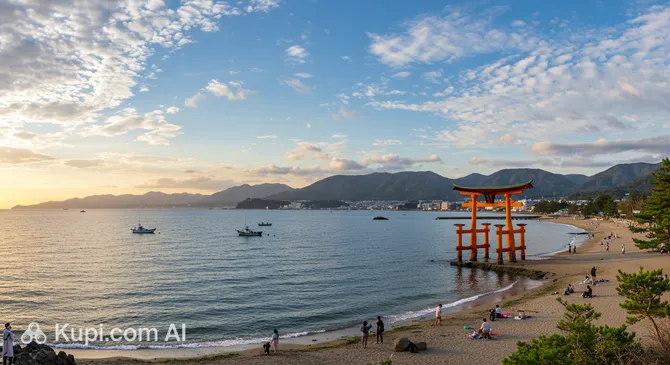
Fukutsu. Illustration.
Source: Kupi.com AI

With a population of about 65,770 people, Fukutsu successfully preserves the spirit of a traditional Japanese town, where centuries-old customs are harmoniously interwoven with modern trends. Thanks to its strategic location between the major cities of Fukuoka and Kitakyushu, Fukutsu is easily accessible to travelers. It is an ideal place for those seeking a quiet getaway away from the hustle and bustle of the city without losing touch with modern conveniences.

The atmosphere of Fukutsu invites leisurely walks along the seashore, contemplating breathtaking sunsets, and enjoying the surrounding silence. A special tranquility reigns here: the sound of the surf, the fresh sea breeze, and the hospitality of the local residents make a stay in the city truly relaxing and restorative.

The main magnets for tourists in Fukutsu are its magnificent beaches, perfect for relaxation and water activities, picturesque sand dunes that create unique landscapes, and shady pine groves that invite strolls. The city is rightfully considered one of the best destinations for ecotourism and outdoor recreation on the entire island of Kyushu, offering guests the opportunity to experience authentic Japanese culture in its natural manifestation.

If you appreciate natural beauty, seek solitude, and dream of a journey without unnecessary haste, Fukutsu will be a real discovery for you and will provide many unforgettable impressions.

You can find more interesting facts on the Fukutsu city history page.
Weather Overview

The weather in Fukutsu is characterized by clearly defined seasons. Summer, especially in July and August, is quite warm and humid, with average temperatures ranging from 22.4°C to 27.7°C, and maximums reaching 30°C. These months also see the highest rainfall (up to 9 mm) and the highest number of rainy days (up to 17 days in July). Winters, from December to February, are cool: the average temperature stays around 7-8°C, and the minimum can drop to 4.8°C. There is less precipitation in winter (2-3 mm), but the number of days with precipitation remains significant, about 10-12 per month. Spring and autumn are transitional periods with moderate temperatures and rainfall.

In general, expect warm, humid summers with periodic rain and cool winters with less precipitation but still frequent overcast days. For more detailed information about the weather by month, you can visit the Fukutsu Climate page.

Average monthly temperature

Average monthly precipitation

Interesting Facts

In addition to its picturesque landscapes and hospitality, Fukutsu hides many amazing stories and features that make it truly unique. Here are just a few interesting facts about this Japanese city:

Fukuma Seaside Park. Illustration.
Source: Kupi.com AI

Traveler photos:

  • Fukutsu is famous for its Miyajidzu Beach, which is considered one of the best surfing spots on the entire island of Kyushu. Competitions are held here regularly, and local surf schools are ready to teach the sport even to beginners. The city's coastline offers other great places for relaxation, such as Fukuma Seaside Park.

  • Ancient kofun burial mounds dating back to the Yayoi and Kofun periods have been preserved within the city limits. These impressive archaeological monuments serve as a reminder of the region's rich history and attract connoisseurs of antiquities and Japanese mythology.

  • Fukutsu is proud of its unique tradition — the "Hamaori-sai" festival. During this colorful event, city residents dressed in traditional kimonos process to the sea for ritual purification and prayers for well-being.

  • The city is known as the birthplace of talented ceramicists and artists. Their exquisite works, created using ancient porcelain and woodworking techniques, not only adorn local galleries but are also exhibited throughout Japan.

How to Get There

When planning your trip, it is important to think through your route in advance. Fukutsu has excellent transport accessibility thanks to its proximity to the major transport hubs of Kyushu Island. You can find out all the ways to get to the city on our detailed page, and below we will consider the main options.

Fukutsu itself does not have its own airport, but you can comfortably fly into one of the neighboring major cities. The closest and most popular option is Fukuoka Airport (IATA: FUK), located in Fukuoka city, just 20.3 km from Fukutsu. It is a major international hub receiving flights from all over the world. The journey from there by taxi or car will take approximately 50 minutes, and convenient rail connections are also available.

Another convenient option is Kitakyushu Airport (IATA: KKJ), located in Kitakyushu city, about 51.2 km from Fukutsu. Although smaller than Fukuoka Airport, it is an excellent alternative for domestic and some international flights. The travel time by taxi or bus is about 1 hour and 40 minutes.

For your convenience, here is summary information on the region's main airports:

AirportPassenger trafficDistance
Fukuoka Airport24.9 mln20 km
Kitakyushu Airport1.6 mln51 km
Iki Airport64 25865 km
Saga Airport600 58271 km
Yamaguchi Ube Airport1.3 mln75 km

Rail travel is one of the most reliable and scenic ways to reach Fukutsu. The city is served by the JR Kagoshima Main Line. The main station for travelers is Fukuma Station. Tourists often arrive via Shinkansen bullet trains at Hakata Station in nearby Fukuoka, then transfer to a rapid or local train to Fukutsu. This trip takes only 20–30 minutes and allows you to enjoy views of the suburbs.

Main Attractions

Fukutsu, a cozy city in Fukuoka Prefecture, offers its guests several interesting places to spend time and get to know the local atmosphere. Among them, the following attractions stand out in particular:

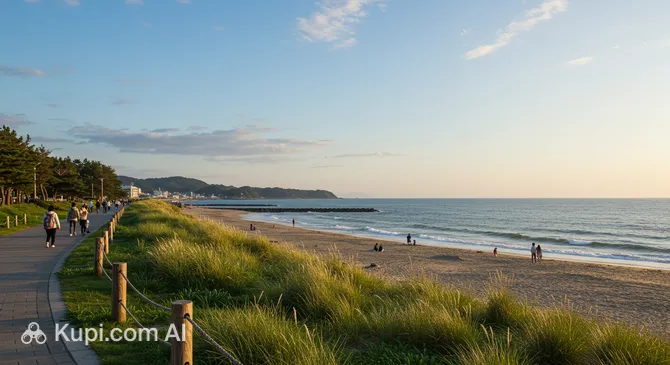
Fukuma Seaside Park is a true gem for nature lovers and those seeking peaceful relaxation. Located right by the sea, the park attracts visitors with its picturesque landscapes, well-kept paths, and the opportunity to enjoy fresh sea air. It is an ideal spot for walks, family picnics, or simply watching the sunset over the water. Its popularity stems from its beautiful views and relaxing atmosphere.

Fukuma Seaside Park. Illustration.
Source: Kupi.com AI

Traveler photos:

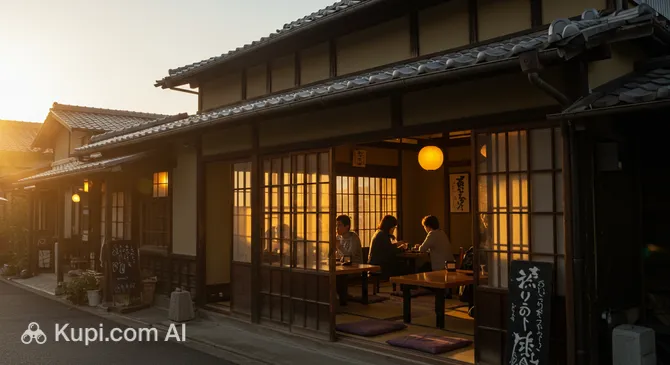
For those who wish to experience the local cuisine or simply spend a pleasant evening in a cozy setting, it is worth visiting the Rosetta Fukutsu restaurant. This establishment is famous for its welcoming atmosphere and diverse menu. Guests can enjoy delicious dishes prepared with fresh ingredients, making it an attractive place for both locals and tourists seeking gastronomic experiences in Fukutsu.

Rosetta Fukutsu. Illustration.
Source: Kupi.com AI

Traveler photos:

Local Cuisine

The gastronomy of Fukutsu is a true feast for connoisseurs of the freshest seafood. The city is rightfully proud of its oysters, scallops, squid, and, of course, the legendary Japanese fugu fish, which is prepared here with special skill. Be sure to try "kaisen-don" – the signature dish of local coastal restaurants. The dish is a bowl of rice topped with an assortment of the freshest fish and seafood, skillfully decorated with seaweed and roe.

Beyond exquisite restaurant dishes, Fukutsu's culinary scene offers many interesting street delicacies. At markets and during city festivals, you can taste grilled eels on skewers, octopus in delicate batter, and aromatic seafood-filled pastries. Don't miss the chance to visit farmers' markets, famous for seasonal vegetables and succulent fruits grown on the fertile lands of the surrounding area.

A traditional meal in Fukutsu is perfectly complemented by local drinks. Among the alcoholic options, sake and shochu are popular, pairing harmoniously with seafood dishes. If you prefer non-alcoholic drinks, a cup of fragrant green tea is an excellent choice to accompany your meal or simply to quench your thirst.

Locals and visitors alike prefer to enjoy culinary delights in cozy seaside restaurants, where fishermen deliver their fresh catch daily, as well as at lively city markets where you can experience the authentic atmosphere. Fukutsu is also known for its food festivals. At these "feasts for the stomach," you can not only try a variety of local dishes but also participate in fascinating workshops on making sushi, traditional miso soup, or rice flour desserts. If you are looking for a place to get acquainted with the local cuisine, check out Rosetta Fukutsu.

In general, the culinary culture of Fukutsu is a harmonious blend of centuries-old Japanese traditions and the exceptional freshness of ingredients. Here, every gourmet, from the lover of refined delicacies to the connoisseur of simple and hearty street food, will find something to their taste. The city warmly introduces travelers to the richness of Japanese gastronomy, leaving the warmest and most delicious memories.

Travel Tips

Welcome to Fukutsu! To make your journey to this charming corner of Japan as comfortable and pleasant as possible, we have prepared some practical tips. We hope they will help you better plan your trip and enjoy every moment.

  1. Seasonal Clothing and Useful Items:

    The climate in Fukutsu, as in all of Fukuoka Prefecture, is temperate with four distinct seasons. In summer (June-August), choose light, breathable clothing; don't forget an umbrella or raincoat, especially in June-July (the "tsuyu" rainy season). In spring (March-May) and autumn (September-November), layered clothing will be useful. In winter (December-February), dress warmly: a jacket, sweater, hat, and gloves won't go amiss. Comfortable walking shoes are extremely important. Don't forget an adapter for electrical appliances (Japan has 100V voltage, Type A plugs). When visiting temples and shrines, such as the famous Miyajidake Shrine, choose modest clothing that covers shoulders and knees, and be prepared to remove your shoes before entering some rooms.

  2. Transport in Fukutsu:

    The main way to get around Fukutsu and its surroundings is via the JR train network (e.g., the Kagoshima Main Line). Local buses also run in the city. Taxis are available but can be expensive. If you plan to actively explore Fukuoka Prefecture, you might consider renting a car (an international driving permit is required, and driving is on the left), however, for travel within Fukutsu itself, public transport is usually quite sufficient.

  3. Financial Matters:

    The local currency is the Japanese yen (JPY, ¥). It is recommended to always carry some cash, as not all small establishments and shops accept cards. You can exchange currency at the airport, banks, or the post office. International credit and debit cards (Visa, Mastercard) are accepted in hotels, large shops, and restaurants. ATMs that work with foreign cards can be found in 7-Eleven branches, at the post office (Japan Post Bank), and in some banks. Important to remember: tipping is not customary in Japan and may cause confusion.

  4. Health and Safety:

    Fukutsu, like Japan as a whole, is considered a very safe city. Pharmacies ("kusuriya" or drugstores) are easy to find, but staff do not always speak English, so it's useful to have a translator or written medicine names handy. Be sure to get travel medical insurance before your trip. If necessary, medical assistance will be provided at a high level. Also remember that Japan is in a seismically active zone; familiarize yourself with basic earthquake procedures.

  5. Language and Connectivity:

    The official language is Japanese. English is common in tourist areas but not everywhere. Learn a few basic phrases: "konnichiwa" (hello), "arigato" (thank you), "sumimasen" (excuse me/sorry). For communication convenience, we recommend renting a pocket Wi-Fi router or purchasing a tourist SIM card upon arrival at the airport. Free Wi-Fi is available but not everywhere. Translation apps and maps (e.g., Google Maps) will be useful.

  6. Local Etiquette and Traditions:

    Japanese people value politeness and respect for tradition. When greeting, Japanese people bow; a slight nod of the head from a foreigner will be perceived normally. In public transport, try to speak quietly and do not talk on the phone. Remove your shoes before entering homes, some temples, and traditional restaurants. When using chopsticks (o-hashi), do not stick them vertically into rice or pass food from chopsticks to chopsticks – this is considered bad manners.

  7. What to Avoid:

    Firstly, avoid speaking too loudly and noisy behavior in public places, especially in transport and temples. Secondly, as already mentioned, do not leave tips – it is not expected and can embarrass the staff.

  8. A Special Feature of Fukutsu:

    Be sure to try and visit Miyajidake Shrine, famous for its "Path of Light" – a stunning sight when the setting sun perfectly aligns with the road leading to the sea from the shrine (usually in February and October). Fukutsu is also famous for its beaches, such as Fukuma Beach, popular with water sports enthusiasts. Don't miss the chance to try the local cuisine of Fukuoka Prefecture, known for its Tonkotsu ramen and hot pot dishes like motsunabe and mizutaki.

We hope these tips make your stay in Fukutsu even more memorable. We wish you amazing discoveries and vivid impressions in this beautiful Japanese city!

Entertainment & Nightlife

Evening Fukutsu offers its guests a rather calm and cozy getaway rather than loud parties until dawn, which is typical for small Japanese cities. Here you can enjoy delicious food, a pleasant atmosphere in local establishments, and immerse yourself in a leisurely rhythm of life, discovering the authentic side of Japan.

The core of evening entertainment in Fukutsu consists of restaurants and traditional Japanese pubs – izakayas. These establishments are usually scattered around the city, though some can be found in the vicinity of Fukutsu's railway stations. This is a great opportunity to try local dishes and feel like part of the local community. One of the places where you can spend a pleasant evening over dinner is the Rosetta Fukutsu restaurant, which offers guests a varied menu.

Since Fukutsu is a city where more secluded and authentic experiences are valued, it is not always easy to find exhaustive lists of all bars and izakayas in tourist guides. Therefore, we strongly recommend asking local residents or your hotel staff for advice – they will be happy to suggest tried-and-tested places where you can enjoy real Japanese atmosphere and cuisine.

The evening atmosphere in Fukutsu is generally calm and safe. Establishments usually stay open until late evening but not all night, so it is worth checking opening hours in advance. The dress code in most places is casual. Regarding prices, they are considered moderate by Japanese standards in most Fukutsu establishments; the average bill for dinner at an izakaya or local restaurant allows you to enjoy quality food without excessive spending. For getting around the city late at night, it is most convenient to use a taxi, as public transport may run less frequently.

In terms of safety, Fukutsu, like most cities in Japan, is a fairly safe place for evening walks. However, it is always worth taking basic precautions. You can ask the restaurant or hotel to call a taxi, or find designated taxi stands.

During the day, there is also plenty to do in Fukutsu. The city offers opportunities to get acquainted with local culture and nature. For example, you can visit Fukuma Seaside Park, which is perfect for walks and outdoor recreation. Here you can enjoy beautiful views, especially at sunset, which will be an excellent end to the day before the evening program.

In general, the nightlife in Fukutsu is not about loud parties and big nightclubs, but about the opportunity to relax, eat well, and experience the hospitality of local residents in a cozy and calm environment. It is the perfect choice for those seeking an authentic Japanese experience away from the noise of megacities.

Parks & Museums

Fukutsu, cozily located in Fukuoka Prefecture, offers its guests a pleasant combination of coastal landscapes and opportunities to get acquainted with local culture. The city will delight both nature lovers and those interested in the history and traditions of Japan.

The main green gem of the city is undoubtedly Fukuma Seaside Park. This is a wonderful place for walks, relaxing by the sea, and enjoying the fresh breeze. The park is especially popular among families with children and anyone seeking tranquility in nature while admiring picturesque views of the Sea of Japan. You can have a picnic here or simply relax while watching the waves.

Fukuma Seaside Park. Illustration.
Source: Kupi.com AI

Traveler photos:

In addition to this famous coastal park, other charming natural corners can be found in and around Fukutsu. These might be small city gardens perfect for a short break, or scenic trails along the coast that invite leisurely strolls and allow you to fully appreciate the beauty of the local nature.

While Fukutsu may not possess large museum complexes with world-renowned names, there are certainly places where you can delve deeper into the history and culture of the region. Travelers interested in the past should look out for local history museums or small themed exhibitions. Such displays often tell the story of the unique heritage of coastal towns, their maritime traditions, crafts, and the everyday lives of local residents.

Like many cities in Japan, Fukutsu and its surroundings preserve traces of a rich spiritual heritage. Here you can find traditional Shinto shrines and Buddhist temples. These places are often not only active religious centers but also significant historical and architectural monuments where you can feel an atmosphere of calm and touch centuries-old traditions.

For a more authentic immersion into life in Fukutsu, don't limit yourself only to the well-known attractions. Explore the quiet streets, peek into local craft shops, or try regional dishes in one of the cozy restaurants, such as Rosetta Fukutsu. This will allow you to more fully experience the unique character and hospitality of this Japanese city.

Getting Around

Getting around Fukutsu and its surroundings is quite convenient thanks to the developed public transport system characteristic of Japan. The backbone of the transport network consists of trains and buses, offering residents and tourists efficient ways to reach their destinations.

The main mode of transport for medium and long-distance travel, as well as for connections with major cities in Fukuoka Prefecture, is the train. The JR Kagoshima Main Line passes through Fukutsu, providing fast links to cities like Fukuoka and Kitakyushu. Stations are well-equipped, and trains run regularly and on schedule.

For movements within the city and to nearby settlements not reached by rail lines, buses are actively used. Local bus routes are likely operated by the Nishitetsu Bus company or similar regional operators. They connect residential areas, attractions, and railway stations.

The fare payment system in Fukutsu is integrated with nationwide Japanese standards. The most convenient way to pay is using transport IC cards, such as SUGOCA (from JR Kyushu), Nimoca (from Nishitetsu), Hayakaken (Fukuoka Subway), as well as the nationwide Suica and PASMO. These rechargeable cards allow you to pay for travel with a simple tap on the validator at the entrance and exit. Of course, you can also purchase single tickets at station vending machines or directly from the bus driver (it's advisable to have small change with you).

Practical tips for tourists: Train tickets can be bought at station vending machines, which often have menus in English. IC cards are sold at ticket offices in major stations and in some vending machines; you can top them up there or at convenience stores (konbini). When entering a railway station or a bus, tap your IC card on the reader; when exiting, repeat the procedure – the system will automatically deduct the correct amount. Public transport usually operates from early morning (about 5-6 AM) until late evening (around midnight), but it's best to check the exact schedule in advance, especially for the last trips. For route planning, it's convenient to use online maps or specialized Japanese transport apps.

Among alternative ways to get around Fukutsu, you might consider taxis. They are available, especially near railway stations, but are a more expensive option. For a leisurely introduction to the city and its surroundings, bicycle rental may be suitable if such a service is available. In some areas, it's convenient to move on foot, especially if you want to explore local streets and small attractions.

Accommodation

In Fukutsu, you will find a variety of accommodation options to suit the needs and budget of any traveler. The city offers a choice from cozy guesthouses (minshuku) and traditional Japanese inns (ryokans), where you can immerse yourself in the local culture, to more familiar hotels of various star ratings and modern apartments for those who prefer independence.

When choosing a place to stay in Fukutsu, pay attention to areas located near the coast, especially if you plan a beach holiday or want to enjoy sea views. In such zones, you can often find accommodation with great views and easy access to popular recreation spots, such as Fukuma Seaside Park. Options near major transport hubs can also be convenient, facilitating travel around the city and its surroundings. Many hotels and apartments are within walking distance of various cafes and restaurants, including establishments like Rosetta Fukutsu.

To guarantee the best accommodation option, especially during peak tourist season or local festivals, it is recommended to book your stay in advance. Most hotels and apartments in Fukutsu are available for booking through popular online platforms such as Booking.com, Agoda, or Expedia. Direct booking through hotel websites is also an option.

The price range for accommodation in Fukutsu varies: you can find budget options for thrifty travelers, mid-range hotels with a good set of services, and more luxurious offers for those seeking maximum comfort. Regardless of your choice, planning ahead will help you find the best value for your money.

Nearby Cities

For those who want to explore the surrounding area, Fukutsu serves as an excellent starting point for day trips to several interesting nearby locations:

CityPopulationDistance
Munakata97 0416 km
Okagaki30 89115 km
Sasaguri31 09216 km
Kasuya47 98117 km
Kurate14 90117 km

These nearby destinations offer a variety of experiences. For example, Fukuoka, a major urban center, attracts with its modern architecture, historical sights, and lively food scene. For history and nature lovers, a trip to Onojo, where you can explore the ruins of an ancient fortress, will be interesting. Each of these trips will allow for a deeper acquaintance with the culture and landscapes of the region.

Shopping & Souvenirs

While Fukutsu is not a major shopping center like neighboring Fukuoka, you can still find interesting places to shop and bring home memorable souvenirs. The city offers a rather calm and authentic shopping experience focused on local goods and everyday needs.

In Fukutsu, there are no clearly defined huge shopping districts or streets filled exclusively with shops as in megacities. Most likely, you will find shops scattered along the main streets or near railway stations. These might be small family-run stores, convenience stores, as well as specialized shops offering local products or handicrafts.

International-scale shopping malls may not exist in Fukutsu, but it is likely there are small local shopping complexes or supermarkets where you can buy groceries, clothing, and household goods. For more extensive shopping with a larger selection of brands, it is worth considering a trip to larger cities in Fukuoka Prefecture.

As for markets, in Fukutsu, as in many Japanese cities, local markets may be organized periodically where farmers sell fresh vegetables and fruits, as well as seafood, given the city's proximity to the coast. It's also worth paying attention to temple fairs if any are held during your visit – unique souvenirs and local delicacies can often be found there.

As souvenirs from Fukutsu and the Fukuoka region, you can consider traditional Japanese items. Look for ceramics, textiles, local sweets (for example, region-specific types of mochi or cookies), as well as small maritime-themed souvenirs or symbols of local attractions. Seaweed products or dried seafood are also popular.

Shops in Fukutsu usually operate from 10:00 or 11:00 AM until 7:00 or 8:00 PM. Small private shops may have their own more flexible schedules. Regarding payment, cash is still widely used, especially in small shops and markets. However, in larger retail outlets and chain stores, credit cards are likely to be accepted. Contactless payments and IC card payments (like Suica or Pasmo) are also becoming increasingly popular.

For foreign tourists in Japan, a Tax-Free system is in place. Look for the corresponding signs in shops. Usually, to process a tax refund, you need to make a purchase over a certain amount (most often over 5,000 yen) and present your passport at the checkout or a special Tax-Free counter.

Reached the end of the page?

That means the route is fully explored