Support

Dazaifu

About

Dazaifu is a charming city located on the island of Kyushu in Fukuoka Prefecture, Japan. Nestled among picturesque hills and lush gardens just 15 kilometers from Fukuoka City, it is famous for its rich history and tranquil atmosphere. In ancient times, Dazaifu was an important administrative and political center of Kyushu, and today it attracts travelers as the cultural heart of the region.
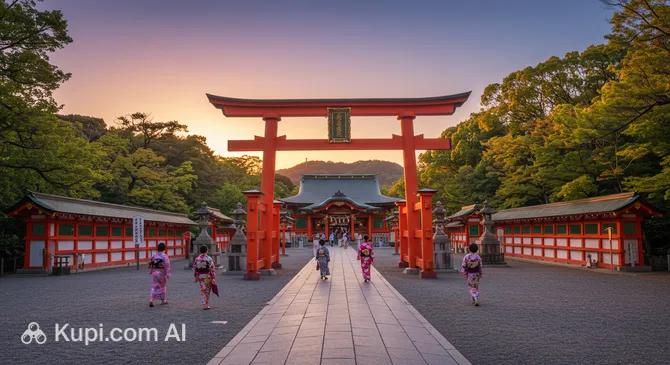
Dazaifu. Illustration.
Source: Kupi.com AI

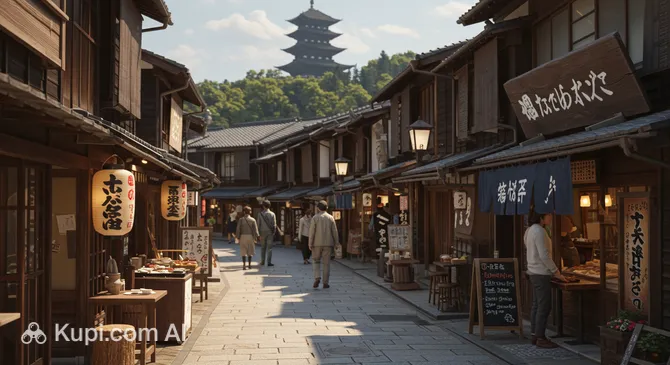
With a population of about 72,430 people, Dazaifu manages to maintain the coziness and serenity of a small town despite its historical significance. The city harmoniously combines centuries-old traditions with modernity. Here, you will find famous ancient temples such as the Dazaifu Tenmangu Shrine, known for its blooming plum trees, and the modern Kyushu National Museum, which presents the island's rich history. A stroll through its cozy streets with traditional shops and tea houses will allow you to immerse yourself deeper in the local culture.

Dazaifu is an ideal destination for those seeking an authentic Japanese experience away from the noise of megacities. Visiting this city will give you the opportunity to touch history, enjoy the beauty of nature, and feel the true spirit of the Land of the Rising Sun in the silence of temple gardens and the hospitality of local residents. This is a journey that will be remembered for a long time!

You can find more interesting facts on the history of Dazaifu page.
Weather Overview

When planning a trip to Dazaifu, expect warm and quite humid summers with periodic rain, especially intense in July (up to 10 mm of precipitation, about 20 rainy days). Average summer temperatures range from 23.0°C in June to a peak of 28.1°C in August, when the maximum temperature can reach 31.4°C. Winters here are cool and relatively dry: average temperatures stay around 6.0°C - 7.3°C, sometimes dropping to 2.8°C, and the amount of precipitation is minimal (about 2 mm per month).

Spring (March-May) and autumn (September-November) offer a pleasant transitional climate with moderate temperatures and rainfall. For example, in May the average temperature is a comfortable 19.3°C, and in October it is about 18.7°C. To get more detailed information about weather conditions by month, you can read the full description on the Climate in Dazaifu page.

Average monthly temperature

Average monthly precipitation

Interesting Facts

In addition to its famous shrines, Dazaifu hides many amazing stories and little-known details that make it even more attractive to curious travelers. Ready to learn a few secrets of this ancient city?

Dazaifu Tenmangu Museum. Illustration.
Source: Kupi.com AI

Traveler photos:

  • Few people know that for many centuries, Dazaifu was actually the administrative center for the entire island of Kyushu and Japan's main "window" into Asia, from where diplomatic and trade relations were conducted with China and Korea. It was not just a city, but a real government outpost.

  • The legendary "Flying Plum" (Tobiume) at the Dazaifu Tenmangu Shrine, according to legend, flew from Kyoto on its own to follow its owner, the disgraced scholar Sugawara Michizane, who is revered as the god of learning. Today, this tree is a symbol of loyalty, and the shrine itself and the nearby Dazaifu Tenmangu Museum attract thousands of students praying for academic success.

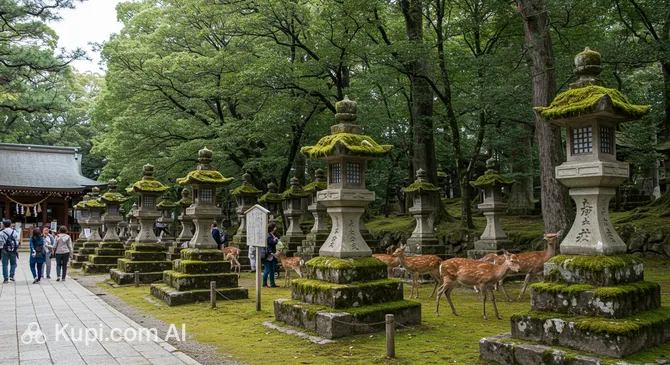
  • The Kanzeonji temple, one of the oldest in the region, houses not only the oldest functioning temple bell in Japan, cast back in the 7th century, but also an extremely rare statue of the eleven-faced goddess Kannon with a horse's head on her crown – a unique image in Buddhist art symbolizing swift salvation.

  • Although the Dazaifu Tenmangu Shrine is famous for its plums, their number is impressive: there are about 6,000 plum trees of more than 200 different varieties growing on the grounds, turning the area into a fragrant pink and white garden every spring.

How to Get There

When planning a trip to this historical corner, it is important to think through your route in advance. The city has excellent transport accessibility due to its proximity to the major hubs of Kyushu island. You can learn more about how to get to Dazaifu by studying all available options, and below we will consider the main air and rail gateways to the region.

Dazaifu does not have its own airport, but this will not cause any inconvenience as Fukuoka Airport (FUK) is located very close by. It is only 10.7 km from the city and is the region's largest aviation hub with a huge passenger flow. The journey from the airport by taxi or car will take about 30–40 minutes. Fukuoka Airport handles many flights and serves as an ideal entry point for most tourists.

As an alternative, you can consider Saga Airport (HSG), located in Saga City, about 45.4 km from Dazaifu. This is a quieter regional airport that may be convenient if you are traveling domestically or choosing low-cost carriers. Also within a radius of 60–80 km are Kitakyushu Airport and Kumamoto Airport, which may be suitable for building complex routes across the island of Kyushu.

Below is information on the nearest airports through which it is convenient to reach the region:

AirportPassenger trafficDistance
Fukuoka Airport24.9 mln11 km
Saga Airport600 58245 km
Kitakyushu Airport1.6 mln60 km
Iki Airport64 25874 km
Kumamoto Airport2.9 mln81 km

Regarding rail connections, it is important to remember that there is no Shinkansen high-speed train station in Dazaifu itself. The nearest major rail hub is Hakata Station in Fukuoka City. High-speed trains from Tokyo, Osaka, and other major Japanese cities arrive here. From Hakata Station or Tenjin Station, tourists usually transfer to the local lines of the Nishitetsu private railway, which quickly and comfortably take passengers directly to the heart of Dazaifu.

Main Attractions

Dazaifu, a city with a rich history and cultural heritage, offers tourists many interesting places to visit. Here, ancient sanctuaries and temples stand alongside picturesque parks and informative museums, immersing guests in the atmosphere of old Japan.

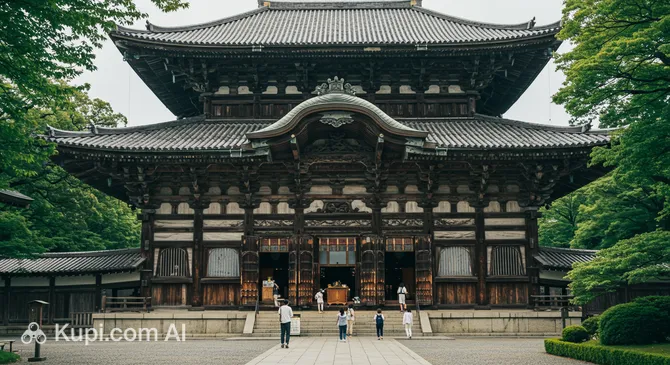
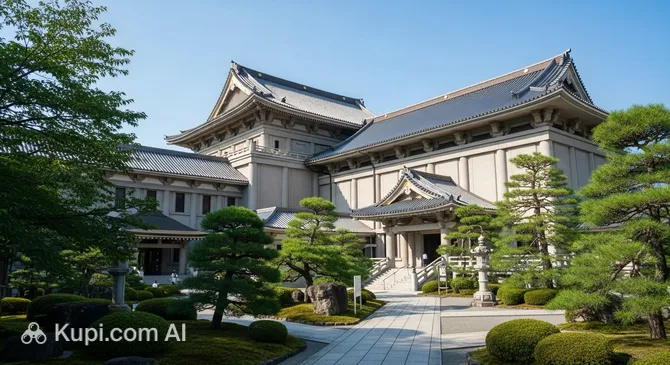
One of the key attractions is the Dazaifu Tenmangu Museum. This museum is dedicated to the history and artifacts associated with the famous Dazaifu Tenmangu Shrine, one of Japan's major shrines dedicated to Sugawara no Michizane – the patron of learning. Visitors can see valuable exhibits here that tell the story of Michizane's life, as well as the culture and history of the region. The museum provides a deeper understanding of the significance of this place for the Japanese people.

Dazaifu Tenmangu Museum. Illustration.
Source: Kupi.com AI

Traveler photos:

Equally significant is the ancient Buddhist temple Kanzeonji, founded in the 8th century. It is famous for its historical buildings and collection of valuable Buddhist statues, many of which are designated as National Treasures of Japan. The temple played an important role in the spiritual and cultural life of the region for centuries and still attracts pilgrims and tourists seeking peace today.

Kanzeon-ji. Illustration.
Source: Kupi.com AI

Traveler photos:

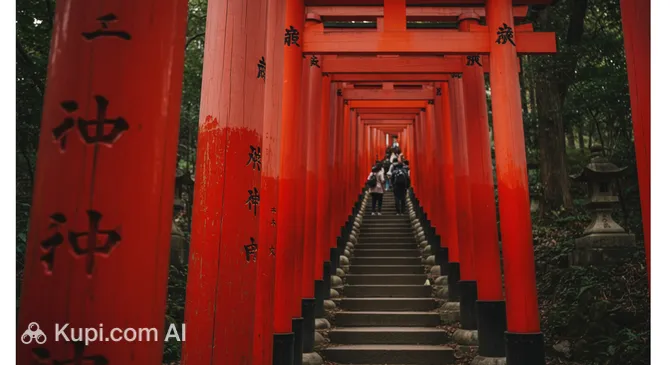
For lovers of picturesque and atmospheric spots, the Tenkai Inari Shrine is well worth a visit. It is famous for its numerous bright red torii gates, which form impressive tunnels leading up the hillside. The shrine is dedicated to Inari, the deity of rice, prosperity, and foxes, who are considered his messengers. This is a wonderful place for walks, photography, and prayers for success in business.

Tenkai Inari Shrine. Illustration.
Source: Kupi.com AI

Traveler photos:

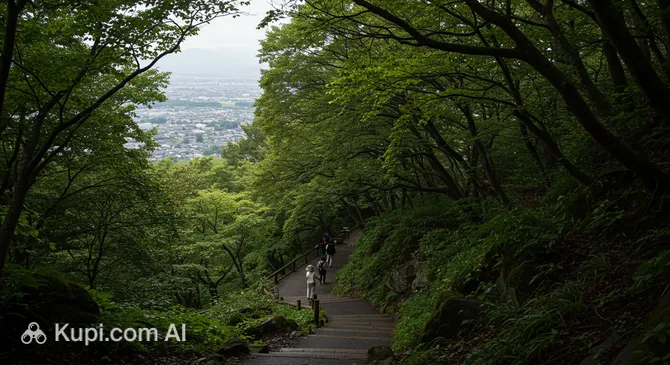
For those who appreciate the combination of history and nature, the Tenpaizan Historical and Nature Park is an excellent choice. Mount Tenpaizan is closely linked to the legend of Sugawara no Michizane, who, according to tradition, climbed to its summit to pray for his innocence before his exile. Today, the park is a popular spot for hiking, offering magnificent panoramic views of the Dazaifu area and where one can enjoy the beauty of Japanese nature.

Tenpaizan Historical Nature Park. Illustration.
Source: Kupi.com AI

Traveler photos:

Local Cuisine

The gastronomic world of Dazaifu is a delightful journey for any foodie, full of aromas and unique flavors closely intertwined with the city's history and culture. The culinary scene here offers both traditional Japanese dishes and local specialties that are definitely worth a try.

The main gastronomic star of Dazaifu is undoubtedly umegaimochi. These are delicate rice cakes filled with sweet azuki bean paste, decorated with the characteristic imprint of a plum flower – the symbol of the Dazaifu Tenmangu Shrine. They are prepared right before your eyes in numerous shops, especially on the approach to the shrine, and the aroma of fresh baking literally envelops the streets. This treat is a must for every guest of the city.

In addition to umegaimochi, Dazaifu's cuisine is famous for its use of seasonal products. In spring, you can enjoy dishes made from fresh plums; in summer, refreshing desserts based on matcha green tea; and in winter, you will be warmed by hearty soups and seafood snacks, which the Kyushu region is rich in. Local vegetables and seafood always take pride of place on the tables in Dazaifu, ensuring freshness and authenticity of taste.

As for drinks, green tea, especially matcha, holds a special place. Dazaifu has traditional Japanese tea houses where you can not only drink a cup of fragrant tea with exquisite wagashi sweets but also immerse yourself in the atmosphere of a tea ceremony, experiencing Japanese aesthetics and hospitality. Among alcoholic beverages, it's worth paying attention to local sake and shochu, which will perfectly complement your meal.

Dazaifu Tenmangu Omotesando Café. Illustration.
Source: Kupi.com AI

Traveler photos:

The food culture in Dazaifu is diverse. Locals and tourists love to snack on freshly prepared umegaimochi right on the street, buying them from stalls. For a more substantial meal, there are numerous restaurants offering both traditional Japanese cuisine and dishes with local flavor. For example, you can stop by one of the Cafes on Omotesando near Dazaifu Tenmangu Shrine to enjoy local flavors in an authentic atmosphere. The city also comes alive during gastronomic festivals dedicated to plums and other local products, when the streets fill with fairs and tastings.

Travel Tips

Welcome to Dazaifu! To ensure your trip to this historical city, known for its shrines and peaceful atmosphere, is as comfortable and pleasant as possible, we have prepared a few practical tips. We hope they will help you better plan your journey and enjoy every moment.

  1. Clothing and Essentials:

    The climate in Dazaifu, as in all of Japan, is clearly divided into seasons. In summer (June-August), it is hot and humid – choose light, breathable clothing. In winter (December-February), it can be chilly, so you will need warm items, including a jacket, hat, and gloves. Spring and autumn are the most comfortable times with moderate temperatures, ideal for walking; layering your clothes will come in handy. Comfortable shoes are extremely important, as you will be doing a lot of walking, especially around the Dazaifu Tenmangu Shrine and the Komyozenji Garden. When visiting temples and shrines, dress respectfully (covered shoulders and knees) and be prepared to remove your shoes before entering some buildings, so wear socks. Don't forget a universal adapter for your electronics (in Japan, Type A and B sockets are used).

  2. Getting Around the City:

    Dazaifu is a small city, and many of its attractions, including the famous Dazaifu Tenmangu Shrine, are easily accessible on foot from Dazaifu Station. The most convenient way to get to Dazaifu from Fukuoka is by Nishitetsu trains: first take the Tenjin Omuta Line to Nishitetsu Futsukaichi Station, then transfer to the Dazaifu Line to the station of the same name. Local buses exist, but they are less relevant for seeing the main tourist sites. Taxis are available but will cost more. Car rental is usually not required for moving around Dazaifu itself, and parking can be difficult.

  3. Finances: Currency, Cards, Tipping:

    The local currency is the Japanese Yen (JPY, ¥). Although the popularity of bank cards is growing, especially in tourist areas, it is strongly recommended to always carry a sufficient amount of cash. Many small shops, local restaurants, and ticket counters at some attractions in Dazaifu may only accept cash. International cards (Visa, Mastercard) are usually accepted at Japan Post Bank ATMs and 7-Eleven (Seven Bank) convenience stores. Check with your bank about the conditions for withdrawing cash abroad. An approximate daily budget (excluding accommodation) might be 5,000-10,000 yen. Tipping is not practiced in Japan; it may even cause confusion.

  4. Health and Safety:

    Pharmacies (薬 "kusuri" or "drugstore") are easy to find, but staff may not always speak English. Try to have a description of your symptoms ready or use a translator. Not all pharmacies are open 24 hours. In case of emergency, call 119. Make sure your travel insurance covers medical expenses in Japan. Dazaifu, like most Japanese cities, is very safe. Observe standard precautions: keep an eye on your belongings, especially in crowded places. Tap water in Japan is safe to drink.

  5. Communication: Language, Connectivity, Apps:

    The official language is Japanese. In tourist spots like Dazaifu Tenmangu Shrine, staff may speak a little English, but don't count on it being used everywhere. Learn a few basic phrases: "Konnichiwa" (hello), "Arigato" (thank you), "Sumimasen" (excuse me/sorry). For constant internet access, it is recommended to rent a pocket Wi-Fi router or buy a tourist SIM card. Google Maps, HyperDia (for train schedules), and an offline translator will be useful apps.

  6. Local Etiquette:

    A slight bow ("ojigi") is a common greeting and sign of respect. In public places, especially on transport, avoid loud conversations and phone calls. Eating and drinking while walking is generally not common, although on the shopping street leading to the Dazaifu Tenmangu Shrine, trying local delicacies is a normal thing. When visiting temples, keep quiet and follow instructions. Before entering some temple buildings, traditional restaurants, and private homes, you must remove your shoes.

  7. What to Avoid:

    Firstly, never stick your chopsticks vertically into a bowl of rice – this is associated with funeral rituals and is considered extremely impolite. Secondly, do not litter. Japan is famous for its cleanliness; be prepared to carry your trash with you until you find a bin (often near shops or at stations).

  8. Special Tip – Try Umegae Mochi:

    Be sure to try umegae mochi – it's Dazaifu's signature treat. These are grilled rice cakes filled with sweet azuki (red bean) paste, decorated with an image of a plum blossom. They are sold freshly made in many shops on Omotesando street leading to the Dazaifu Tenmangu Shrine. This is not just a treat, but an important part of the local cultural experience!

We hope these tips help you feel more confident and get the most out of discovering Dazaifu, its rich history, and unique atmosphere. Have a great trip!

Entertainment & Nightlife

Dazaifu, known for its ancient temples and rich history, offers visitors a calm and peaceful atmosphere that extends into the evening. While you won't find loud nightclubs and neon-lit districts like in the megacities, the city charms with the opportunity to spend an evening in a cozy setting, enjoying local cuisine and hospitality.

Evening entertainment in Dazaifu is mainly focused around restaurants and traditional Japanese pubs – izakayas. Here you can taste local dishes and have a pleasant time in the company of friends or family. The atmosphere in such establishments is usually relaxed and welcoming. Among the noteworthy places for dinner are the Cafe on Omotesando near Dazaifu Tenmangu Shrine, where you can have a snack near the famous sanctuary, or the Daimaru Besso restaurant, which offers more refined dishes. Many establishments are located along the main Omotesando Street leading to the Dazaifu Tenmangu Shrine, as well as near the railway station.

Daimaru Besso. Illustration.
Source: Kupi.com AI

Traveler photos:

Most restaurants and cafes in Dazaifu are open until late evening, but not until the early hours of the morning as in large cities. It is recommended to check the opening hours in advance. The dress code is mostly casual; formal attire is rarely required. Prices vary depending on the level of the establishment but generally remain affordable. An evening stroll through the illuminated streets of the city can be a pleasant end to the day in itself.

Dazaifu is considered a safe city, and evening walks here generally do not cause concern. However, it is always worth observing standard precautions. For evening travel, you can use taxi services, which are available in the city. Public transport, such as trains and buses, runs according to a schedule that is best checked in advance if you plan on late trips.

During the day, Dazaifu offers a rich cultural program. Be sure to visit the famous Dazaifu Tenmangu Shrine. History and art lovers will appreciate the exhibits at the Dazaifu Tenmangu Museum and the Dazaifu Exhibition Hall. There are also beautiful parks for walking in and around the city, such as Kasuga Park.

Thus, Dazaifu offers its own special rhythm of evening life – calm, conducive to socializing and enjoying the moment, which perfectly complements its historical and cultural character.

Parks & Museums

Dazaifu, a city rich in history and culture, offers its guests not only famous shrines but also wonderful opportunities for outdoor relaxation and immersion into the past through fascinating museums. Well-maintained green areas and treasuries of knowledge preserving the heritage of centuries are harmoniously combined here.

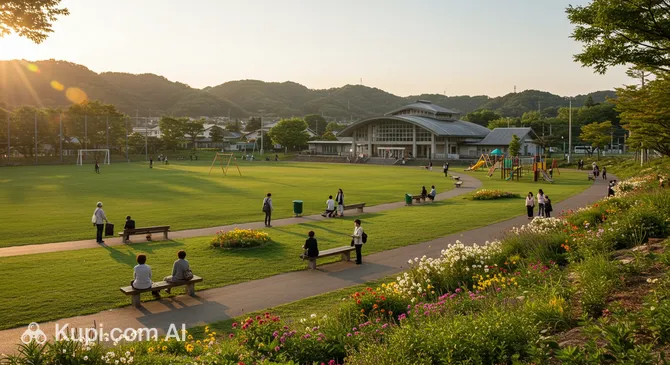
Among the green corners of Dazaifu, the Tenpaizan Historical and Nature Park particularly stands out. This is not just a place for walking, but a territory shrouded in legends and linked to important historical events. Visitors can enjoy picturesque landscapes, stroll along the trails, and feel a connection with the nature and history of the region. Another pleasant place for relaxation is Kasuga Park, offering a calm atmosphere for leisurely walks and picnics. For those seeking more active outdoor recreation, the Chikushino City General Park, located nearby, can offer various leisure opportunities.

Chikushino City Multipurpose Park. Illustration.
Source: Kupi.com AI

Traveler photos:

Kasuga Park. Illustration.
Source: Kupi.com AI

Traveler photos:

To deeper understand the cultural significance of Dazaifu, it is worth visiting its museums. A key one is the Dazaifu Tenmangu Museum, located on the grounds of the famous shrine. Its exposition is dedicated to the history of the shrine, the deity Sugawara no Michizane, and includes valuable artifacts, works of art, and historical documents. This is a must-visit place for those who want to learn more about the spiritual center of Dazaifu. Another interesting cultural site is the Dazaifu Exhibition Hall, where you can get acquainted with various aspects of local history and culture through themed exhibitions.

Dazaifu Exhibition Hall. Illustration.
Source: Kupi.com AI

Traveler photos:

In addition to parks and museums, Dazaifu's historical heritage is vividly represented in its ancient temples and shrines. Places like the Kanzeonji temple, one of the oldest in the Kyushu region, or the picturesque Tenkai Inari Shrine, offer a unique opportunity to touch centuries-old history and the architectural traditions of Japan. For a more authentic experience, turn off the busy Omotesando street leading to the main shrine and explore the quiet side streets – there you can find small craft shops and cozy tea houses that convey the atmosphere of the old city.

Getting Around

Getting around Dazaifu and its surroundings is quite convenient, thanks to the city's compact size and a well-developed transport network oriented towards both locals and numerous tourists. The main ways to move around here are trains and buses, supplemented by taxis and the possibility of bicycle rental.

The Nishitetsu Dazaifu Line plays a key role in Dazaifu's transport system. This is the most popular and fastest way to reach the city's main attractions, especially if you are coming from Fukuoka. Trains run regularly, and Dazaifu Station is located in the immediate vicinity of the famous Dazaifu Tenmangu Shrine. The travel time from Nishitetsu Fukuoka (Tenjin) Station to Dazaifu is usually about 25-30 minutes with one transfer at Futsukaichi Station.

Bus service in Dazaifu is also well-developed. Local buses run on various routes, connecting the main areas of the city, the railway station, and tourist sites. There are also routes connecting Dazaifu with neighboring settlements. For tourists, the "Mahoroba" bus, which follows a circular route covering the main attractions, can be especially useful.

The fare payment system in Dazaifu is standard for Japan. The most convenient method is using rechargeable IC cards, such as the local Nimoca or national ones like Suica, Pasmo, or ICOCA. These cards can be used on both trains and buses by simply tapping them against the reader at the entrance and exit. Single-trip tickets can be purchased at station vending machines or paid for in cash directly to the bus driver (it is advisable to have small change). The fare depends on the distance.

Practical tips for tourists: buy train tickets at station vending machines or use IC cards. On buses, when entering through the back door, you often need to take a ticket (if you don't have an IC card), and payment is made when exiting through the front door. Schedules can be found at stations and stops, as well as on the websites of transport companies. Public transport usually operates from early morning until late evening, but the frequency of trips may decrease in the evening hours.

As an alternative to public transport, taxis are always available in Dazaifu. They can be found at ranks near stations or called by phone. For a leisurely exploration of the compact city center and its picturesque surroundings, bicycle rental is an excellent option – rental points are often found near tourist zones.

Accommodation

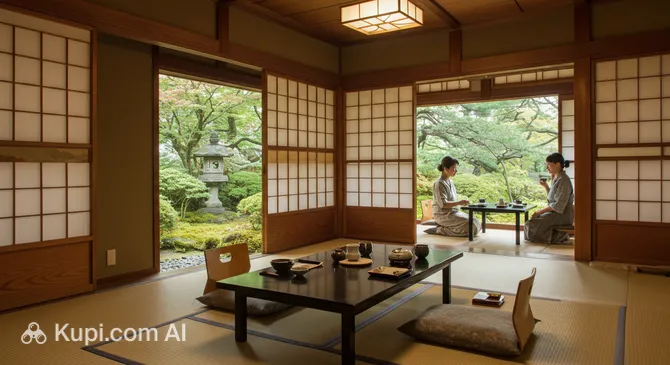
When planning a trip to Dazaifu, you will find a variety of accommodation options to suit different preferences and budgets. The city offers both traditional Japanese inns (ryokans), where you can immerse yourself in the local culture, and more modern hotels. Guesthouses and, to a lesser extent, apartments for short-term rent are also available, allowing you to choose the best option for your stay.

For the convenience of tourists, it is recommended to choose accommodation near the main attractions, such as the famous Dazaifu Tenmangu Shrine, or near the Dazaifu and Gojo railway stations, which will provide easy access to transport for exploring the city and its surroundings. Staying in these areas will allow you to be in the center of things and save time on travel. Many ryokans and hotels offer beautiful views and a calm atmosphere, conducive to relaxation after an eventful day.

As for the price range, in Dazaifu you can find options from budget to more expensive, especially when it comes to authentic ryokans with full board. It is recommended to book accommodation in advance, especially if your trip coincides with the cherry blossom season, autumn festivals, or other popular tourist seasons, as the best options are quickly snapped up. For booking, it is convenient to use popular online platforms or contact the hotels directly, which sometimes allows you to get better offers or special conditions.

Nearby Cities

For those who want to explore the surrounding area, Dazaifu serves as an excellent starting point for day trips to several interesting nearby places:

CityPopulationDistance
Chikushino103 1852 km
Onojo101 6035 km
Umi37 7136 km
Kasuga111 1446 km
Chikuzen29 6089 km

Each of these cities offers something unique, making day trips from Dazaifu diverse and exciting. For example, it's worth visiting Fukuoka, a vibrant metropolis known for its modern shopping districts, excellent cuisine, including the famous Hakata ramen, as well as historical attractions like the ruins of Fukuoka Castle and the beautiful Ohori Park. Nearby is Chikushino, which attracts visitors with its Futsukaichi Onsen hot springs, where you can relax and unwind after sightseeing. In Kurume, you can get acquainted with the traditional craft of Kurume-kasuri (a fabric dyeing technique) and enjoy the calm atmosphere of local temples and gardens, as well as visit annual flower festivals.

These nearby destinations provide an insight into the region's diverse culture and landscapes. Each of these trips will give you new impressions and complement your journey through Japan.

Shopping & Souvenirs

Shopping in Dazaifu is primarily an immersion into the atmosphere of traditional Japan with the opportunity to purchase unique local souvenirs and delicacies. The city is not famous for large shopping centers but offers charming streets with many small shops specializing in goods related to the region's rich history and culture.

The main place for shopping in Dazaifu is Omotesando Street, leading directly to the famous Dazaifu Tenmangu Shrine. This busy pedestrian street is filled with various shops offering traditional sweets, handicrafts, ceramics, textiles, and souvenirs. Here you can also find many cafes and restaurants where you can relax and have a snack, such as the Cafe on Omotesando near Dazaifu Tenmangu Shrine.

In Dazaifu, you won't find the large modern shopping malls typical of megacities. Shopping here has a more intimate and authentic character, centered around historical attractions. The same applies to markets – there are no traditional large markets in the city; their role is played by numerous shops and stalls on Omotesando and the surrounding streets.

A must-do for any tourist in Dazaifu is to buy the local sweets umegae mochi. These are freshly baked rice cakes filled with sweet azuki bean paste, decorated with an image of a plum blossom. They are sold practically at every turn, and they make the perfect edible souvenir. In addition, it is worth paying attention to traditional Japanese crafts, charms (omamori) from the shrine, calligraphy supplies, and items featuring the plum, the symbol of Dazaifu.

Most shops in Dazaifu, especially on Omotesando Street, open around 9:00-10:00 AM and work until 5:00-6:00 PM. Some souvenir shops may close earlier, especially in the low season. Regarding payment, many shops and restaurants accept credit cards, however it is always useful to have some cash with you, especially for purchases in small shops or from street vendors.

For foreign tourists in Japan, a tax refund system (Tax Free) is in place. Many shops in Dazaifu, especially those aimed at tourists, participate in this program. Look for the corresponding "Tax-Free Shop" logo. To process a tax refund, you will need to present your passport, and the purchase amount must exceed the established minimum (usually 5,000 yen excluding tax). Conditions may vary, so it's best to check them directly in the shop.

Reached the end of the page?

That means the route is fully explored