Support

Asakura

About

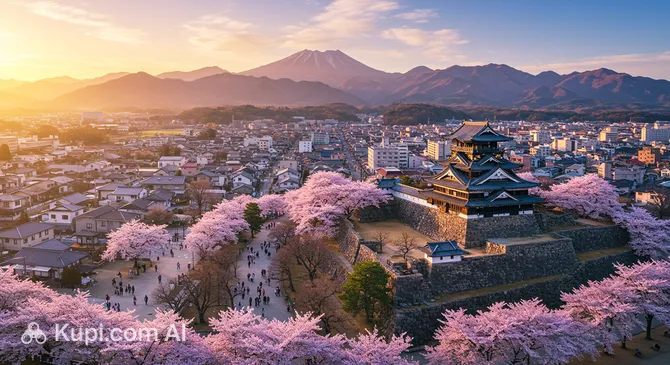
Asakura is a cozy corner tucked away among the picturesque hills of Fukuoka Prefecture on Kyushu Island. This city embodies the heart of the countryside for which Japan is so famous: here, emerald rice fields give way to rushing mountain rivers and traditional villages. Located just an hour's drive from the major metropolis of Fukuoka, Asakura is an excellent starting point for exploring the country's authentic culture without the usual city noise.

Asakura. Illustration.
Source: Kupi.com AI

With a population of about 49,000, the city maintains a wonderfully relaxed pace of life. There is no hustle and bustle here, only fresh air and the sincere hospitality of the local residents. Asakura charms with its harmony: ancient temples and historical estates stand alongside cozy cafes, and the rich history of Asakura is reflected in unique crafts whose secrets are passed down by masters from generation to generation.

Tourists come here primarily for peace and natural beauty. It is the ideal place for those seeking warmth of soul and wanting to see the Land of the Rising Sun in its original form. Allow yourself to slow down and enjoy the tranquility of this picturesque region.

Weather Overview

The climate in this region features a clear change of seasons, which gives the city a special charm at any time of year. To correctly plan your wardrobe for the trip and choose a good time to visit, we recommend finding out in advance what the weather in Asakura is expected to be during your travel dates. There are no extreme frosts here, but the influence of the mountainous terrain ensures fresh air and a variety of natural colors.

Summer in the city is truly warm, and sometimes hot. The sweltering month is traditionally August, when the average temperature reaches 27.7°C, and during the day the air often warms up above 31°C. Travelers should take high humidity into account: July brings the most precipitation, with up to 21 rainy days. Winters here are cool but fairly mild: in January, the thermometer stays on average at 5.4°C, although at night the temperature can drop to 1.9°C.

Spring and autumn are considered the most comfortable periods for walking and sightseeing. In May, the air warms up to a pleasant 19°C, and October pleases with mild warmth around 18.2°C and a relatively small amount of precipitation (only about 9 days with rain). Expect a warm summer with periodic rains and cool, relatively dry winters.

Average monthly temperature

Average monthly precipitation

Interesting Facts

Beyond the main attractions, Asakura holds many fascinating secrets and features that reveal themselves only to inquisitive travelers. Here are a few facts to help you better understand the unique character of this place:

  • A Symbol of Engineering. One of the city's icons is the Hishino Triple Water Wheels. This is the oldest active system of its kind in Japan, which still irrigates rice fields today. The roar of the water and the rotation of the massive wooden wheels create a mesmerizing sight, demonstrating the wisdom of ancestors in harmony with nature.

  • Healing Waters of Harazuru. The famous Harazuru hot spring district (Harazuru Onsen) is located on the banks of the Chikugo River. The local waters are known for their rejuvenating properties thanks to a unique mineral composition. It is the perfect place to relax in traditional baths while enjoying views of the river and mountain landscapes.

  • Center of Craftsmanship. Asakura and its surroundings are famous for their artisans. Traditions of textile creation, fabric dyeing, and woodworking are carefully preserved here. In small family workshops, travelers can not only observe the meticulous work but also purchase unique handmade items as souvenirs.

  • Atmosphere of "Little Kyoto." The Akizuki castle ruins area is often called "Little Kyoto" for its historical appearance. Ancient samurai residences and the famous moss-covered "Black Gate" (Kuromon) have been preserved here. This place is especially beautiful in autumn, when the maple leaves turn a crimson hue, attracting photographers and history buffs from all over the country.

How to Get There

When planning a trip to this picturesque corner of Fukuoka Prefecture, it's worth thinking through your route in advance. Asakura is conveniently located relative to the major transport hubs of Kyushu Island. You can find out more about how to get to Asakura on a separate page, and below we will look at the main options for arriving via the nearest airports.

The most convenient way to reach the region is by flight. There is no airport in the city of Asakura itself, but you can fly into Fukuoka Airport (FUK), located in Fukuoka city. This is a major international hub receiving many flights. It is located just 26.9 km from Asakura, making it an ideal point of entry. A trip by car or taxi from the terminal will take about 40–50 minutes, depending on traffic. Express buses also run from the airport, connecting the metropolis with the suburbs.

An alternative option could be Saga Airport (HSG), located in Saga city, about 45.5 km from your destination. This is a small regional airport that may be convenient if you are flying on domestic routes or from certain Asian countries. The travel time by taxi from here will be a little over an hour. For travelers planning a broader route around the island, Kumamoto Airport (KMJ) is also available, located 67.4 km away, though the transfer from there will take more time.

For clarity, here is summary information on the main airports through which you can reach the region:

AirportPassenger trafficDistance
Fukuoka Airport24.9 mln27 km
Saga Airport600 58245 km
Kitakyushu Airport1.6 mln58 km
Kumamoto Airport2.9 mln67 km
Yamaguchi Ube Airport1.3 mln80 km

As for rail connections, traveling by train is a great way to enjoy the views of the Japanese countryside. Although there are no major Shinkansen stations in the immediate vicinity, the city is served by local lines. Typically, tourists take high-speed trains to Hakata Station in Fukuoka or to Kurume Station, and then transfer to JR lines or the private Amagi Railway, which will take you directly to the historical districts of Asakura.

Main Attractions

This picturesque region is rich in places where history intertwines with natural beauty. The city's main attractions allow you to immerse yourself in the atmosphere of old Japan and enjoy unique landscapes rarely found in modern metropolises.

One of the main points of attraction is the Akizuki Castle Ruins area. This place is often called the "Little Kyoto of Chikuzen" for its preserved feudal-era atmosphere. A walk along Sugi-no-Baba Street, lined with cherry trees and maples, will provide unforgettable impressions, especially in spring and autumn. Here you will see the famous "Black Gate" (Kuromon), which leads to a shrine dedicated to the former rulers of these lands. It is an ideal location for leisurely strolls and discovering traditional architecture.

It is impossible to visit this city without seeing the famous Asakura Triple Water Wheels. This monument of 18th-century engineering is not just a museum piece but an active irrigation system recognized as a national historical treasure. In summer, the massive wooden wheels, scooping water from the river for the rice fields, create a refreshing coolness and a peaceful sound. A park is laid out around them where you can have a picnic and observe the power of the water element tamed by man.

For those seeking relaxation, Harazuru Onsen is a must-visit — one of the largest hot spring resorts in Fukuoka Prefecture. Located on the banks of the Chikugo River, this resort is famous for its "double beauty water," which combines the properties of sulfur and alkaline springs, beneficially affecting the skin. In addition to bathing, during the summer season, you can watch traditional cormorant fishing (ukai) — a fascinating sight that takes place at night by torchlight.

Lovers of bright colors and gastronomic discoveries should check out the Kirin Brewery and its flower fields. This place attracts tourists not only with the opportunity to learn the secrets of brewing and taste fresh drinks but also with its incredible flower plantations. In autumn, millions of cosmos bloom here, turning the fields into a pink and white sea, while in spring, the area is decorated with red poppies. This is one of the most photogenic locations in the region, popular with both tourists and locals.

Local Cuisine

Asakura is a true paradise for foodies seeking to discover the authentic flavors of the Japanese countryside. The city's gastronomic scene is built on simple but incredibly high-quality ingredients: fresh vegetables and rice grown in the fertile local fields. Here, food is not just a way to satisfy hunger, but a way to feel connected to nature and the changing seasons.

Among the main dishes that are a must-try is the traditional Asakura miso soup. It is prepared based on a thick homemade miso paste with the addition of seasonal mushrooms and vegetables, which gives the broth a rich and warming taste. No less popular is the local udon noodle dish, which is usually served here with crunchy vegetables and a signature sauce. The secret of this sauce lies in the harmonious combination of classic soy and refreshing notes of citrus.

Speaking of citrus: a special place in the region's culinary arts is held by yuzu. This fragrant fruit is added to almost everything — from spicy marinades for main dishes to exquisite desserts. If you find yourself in the city in autumn, don't miss the chance to try unique yuzu ice cream or traditional sweets often offered at seasonal fairs.

The dining culture in Asakura lends itself to leisurely walks. Residents and tourists often snack at small markets and street stalls where a warm atmosphere prevails. Street food is particularly loved: hot buns filled with sweet adzuki bean paste and soft rice bread. Gastronomic adventure lovers can also visit food festivals held several times a year — a great opportunity to meet local chefs and even participate in culinary workshops.

Travel Tips

Welcome to Asakura — a city where time flows a little slower than in bustling metropolises. To ensure your journey to this picturesque corner of "real Japan" is flawless, we have prepared a list of practical recommendations to help you feel confident and comfortable.

  1. Clothing and Footwear. Since Asakura's main beauties, such as the Akizuki castle ruins or the water wheels district, involve long walks, comfortable shoes are your top priority; skip the heels in favor of sneakers. The climate here is humid: in summer, be sure to bring light breathable fabrics and a sun hat, while in winter and mid-season, layered clothing will come in handy as evenings can be cool. When visiting temples and shrines, observe a modest style: it's better to cover shoulders and knees.

  2. Transport Nuances. Although the city can be reached by train, renting a car is strongly recommended for moving between attractions within the region. Public transport (buses) runs infrequently and ends work early, which may limit your freedom. If you don't drive, download a taxi-hailing app in advance (e.g., JapanTaxi or Uber), as catching a car on the street in rural areas can be difficult.

  3. Cash is King. Despite digitalization, Asakura remains a traditional city. Many souvenir shops, small family restaurants, and entry points to some attractions accept only cash yen. Be sure to withdraw money in advance. ATMs that accept foreign cards are guaranteed to be in 24-hour convenience stores like 7-Eleven (Seven Bank) and Lawson, but they may not be at remote tourist spots. Tipping is not expected here — excellent service is considered the norm.

  4. Health and Pharmacies. There are pharmacies (drugstores) in the city, but they do not work 24/7, usually closing by 8:00 PM – 9:00 PM. We recommend bringing a basic first aid kit, especially if you are prone to allergies (there is a lot of pollen in spring). Asakura is a safe city, and you can walk peacefully even in the evening, however, in forested zones in summer, it's worth using insect repellent.

  5. Language Barrier and Connectivity. Unlike Tokyo, few people here speak English. Install a translator app on your smartphone with a photo translation feature — this will save you when reading menus and signs. Free Wi-Fi is not everywhere, so rent a pocket router or buy a tourist SIM card/eSIM at the arrival airport to always stay connected.

  6. Local Etiquette. Manners are extremely important in the country. Always remove your shoes when entering traditional inns (ryokans), some restaurants, and temple premises — socks should be clean and without holes. Greet locals with a slight bow; handshakes are not as common here. In public places, try to speak quietly and do not talk on the phone in transport.

  7. What to Avoid. Never stick your chopsticks vertically into rice — this resembles a funeral ritual and shocks local residents. Also, avoid walking in shoes on tatami (straw mats) — this is considered a gross violation of house cleanliness. If you have tattoos, be prepared that you might not be allowed into public baths (onsens) unless you cover them with a special patch.

  8. Tip for Onsen Lovers. Asakura is famous for the Harazuru resort. Remember an important rule: before dipping into the communal bath, you must wash thoroughly with soap under the shower while sitting on a small stool. You enter the bath itself only when clean, without soap or a towel. This is a ritual of purification and relaxation that is the heart of the local leisure culture.

By following these simple tips, you can avoid awkward situations and fully immerse yourself in the atmosphere of peace that Asakura provides. Local residents appreciate respect for their traditions and will surely respond with sincere hospitality and smiles.

Entertainment & Nightlife

Nightlife in Asakura is radically different from the neon madness of Tokyo or the noisy parties of neighboring Fukuoka. Here you won't find multi-story night clubs with loud music until morning. Evening leisure in this region is, first and foremost, an immersion in authentic Japanese culture of relaxation, delicious food, and heartfelt communication. Most activity is concentrated in two locations: the hot spring resort area and in the city center near the railway station.

The heart of evening life is rightfully considered the Harazuru Onsen district. With the onset of twilight, life here doesn't stop but flows into cozy restaurants at ryokans (traditional inns) and local bars. A unique nighttime entertainment available from May to September is particularly popular — cormorant fishing (Ukai) on the Chikugo River. Tourists can watch from boats as fishermen in traditional clothing manage birds catching fish by the light of torches. This mesmerizing fire show on the water creates a unique mystical atmosphere.

If you are looking for a more casual and lively setting, head to the Amagi Station area. Here you will find classic Japanese izakayas — bars serving drinks and a variety of small snacks. A relaxed atmosphere reigns in these establishments: locals talk loudly, laugh, and relax after work. There is no dress code; the style is casual. This is the best place to try yakitori chicken skewers and local sake while feeling like part of the local community.

Prices in Asakura's establishments will pleasantly surprise you with their affordability compared to major cities. The average check for dinner with drinks in an izakaya will be around 3,000–4,000 yen. Most establishments close quite early, around 11:00 PM or midnight, though some karaoke bars ("snack bars") may stay open longer. It's important to remember that public transport practically doesn't run at night. If you stay out late, the only way to get to your hotel will be by taxi. We recommend writing down the numbers of local taxi services in advance or asking bar staff to call a car for you.

In terms of safety, Asakura is an exceptionally peaceful place. You can walk safely after dark, though you should keep in mind that streets in rural areas are not as brightly lit as in big cities. A main tip for tourists: always carry cash, as small bars and family restaurants rarely accept cards.

The daytime entertainment program in the city is no less rich but has a different character. Travelers visit the Akizuki castle ruins, enjoy nature in parks, or study history in local museums. However, it is an evening visit to an onsen or dinner in a small izakaya that allows you to truly understand the steady and warm way of life in this Japanese corner.

Parks & Museums

The city of Asakura offers travelers not only relaxation in hot springs but also wonderful opportunities for cultural enrichment and outdoor walks. Local parks and museums carefully preserve the history and natural beauty of this region of Japan, allowing guests to take a break from the hustle and bustle and learn more about the country's past.

One of the citizens' most favorite vacation spots is Amagi Park, which locals often call Maruyama Park. This is a vast green zone of about 30 hectares, spread around a picturesque pond with fountains. The park is famous for its cherry alleys: in spring, about 4,000 sakura trees bloom here, turning the landscape into a sea of pink. It is an ideal place for family picnics, morning jogs, or quiet contemplation of nature at any time of year.

For those who want to dive deeper into the samurai era, the Akizuki Museum is a must-visit. It is located on the grounds of a former feudal clan school and is styled externally as a traditional Japanese dwelling. The museum's exhibition is dedicated to the history of the Akizuki district and the ruling Kuroda clan. Here you can see authentic samurai armor, swords, ancient scrolls, and everyday objects that convey the spirit and aesthetics of the feudal era.

A unique window into an even more ancient history is provided by the Hiratsuka Kawazoe Archaeological Park. This is an open-air museum that transports visitors to the Yayoi period (about 2,000 years ago). On the site of an actual ancient settlement surrounded by moats, thatched dwellings, storehouses, and other buildings have been reconstructed with historical accuracy. A walk among these structures allows one to vividly imagine how the ancient inhabitants of the Japanese archipelago lived, worked, and protected their homes.

Getting Around

The public transport system in Asakura, though not as extensive as in major cities, has its own charm and allows you to reach all key locations. The main transport hub is Amagi Station, where railway lines and bus routes intersect. Rail service is provided by two operators: the private Nishitetsu line and the picturesque local Amagi Railway (Amatetsu). The trains of the latter are small, often one- or two-car sets, a ride on which becomes a small adventure in itself with views of rice fields and mountains.

The bus network, operated by Nishitetsu Bus, plays a key role in moving within the city and beyond. It is the buses that connect the railway station with the popular historical district of Akizuki ("Little Kyoto") and the Harazuru hot spring zone. For intercity trips, highway buses are actively used, departing from the Amagi IC interchange and allowing you to reach the airport or downtown Fukuoka quickly without transfers.

Fare payment systems may vary depending on the chosen transport. Popular Japanese transport IC cards (such as Suica, Pasmo, Nimoca, and others) are widely accepted on Nishitetsu lines (trains and buses). This is the most convenient way: just tap your card against the validator when entering and exiting. However, for trips on the Amagi Railway or on some local shuttle buses, tourists should have cash. Tickets are purchased at machines at the station, and if there are no ticket offices, payment is made to the driver or through a machine inside the car.

For those using local buses for the first time, it's important to remember a simple rule: entry is through the rear door. If you are paying in cash, be sure to take a small paper slip (seiriken) from the machine at the entrance — the number on it will indicate your boarding zone. When exiting through the front door, check the slip number against the electronic board above the driver to find out the fare, and drop the coins along with the slip into the box. Drivers do not give change for large bills, but there is usually a change machine in the cabin for coins and 1,000-yen bills.

As an alternative to public transport, taxis are popular in Asakura, with stands located right at the exit of Amagi Station. This is especially relevant if you are traveling with heavy luggage or want to visit distant attractions where buses run infrequently. You can also rent a bicycle (standard or electric) at the tourist information center at the station. A bike ride to the castle town of Akizuki will take about 30–40 minutes and allow you to enjoy the scenery at your own pace.

There is no metro or tram in the city, and bus and train schedules may not be as frequent as residents of large cities are used to. Evening trips often end quite early, around 8:00 PM – 9:00 PM. Therefore, tourists are strongly recommended to check the schedule in advance (for example, via Google Maps or navigation apps) and plan their return trip to avoid having to call a taxi from a neighboring city.

Accommodation

Choosing accommodation in Asakura is an opportunity to experience authentic Japanese hospitality, known as "omotenashi." Unlike major metropolises with their standard business hotels for which Japan is so well known, traditional inns — ryokans — prevail here. Tourists have options ranging from cozy family pensions to luxury resort complexes with their own hot springs, where you can fully relax after a busy day.

The most popular and convenient area to stay is the Harazuru Onsen zone, located along the picturesque Chikugo River. This is one of the largest thermal water resorts in the region. Large hotels and ryokans are concentrated here, offering spacious rooms with views of the river and mountains, as well as exquisite traditional kaiseki-style dinners. Staying in this area is ideal for those who want to combine an excursion program with wellness treatments.

For lovers of history and privacy, the Akizuki district is an excellent choice. Although the number of places to stay here is limited compared to the resort zone, staying overnight in this "Little Kyoto" provides a unique experience. When the day tourists depart, the streets plunge into silence, and you can enjoy the atmosphere of an ancient castle town by staying in a small guesthouse or a converted historical residence.

Booking Tip: Since Asakura is a popular destination for domestic tourism, especially during the peak seasons of cherry blossoms (spring) and red maples (autumn), the demand for accommodation increases sharply. It is strongly recommended to book rooms 2–3 months before your trip, especially if you plan a visit on weekends or holidays.

The price range in the city varies from medium to high. There are few budget hostels here. A night in a standard hotel can cost from 8,000 yen, while staying in a good ryokan with dinner and breakfast included will cost from 15,000 to 35,000 yen per person and up. Booking is available through major international online platforms, however, some small family inns may only take bookings directly or through local Japanese websites.

Nearby Cities

For those who want to explore the surroundings, Asakura serves as an excellent starting point for day trips to several interesting nearby places. The city's location in Fukuoka Prefecture makes it easy to reach other cultural and historical centers of the region.

Just 19 km away is Kurume — a city foodies know as the birthplace of the famous tonkotsu ramen. In addition to gastronomic pleasures, it is famous for its traditional "Kurume Kasuri" textiles and magnificent fruit orchards. Another interesting destination is Chikushino, where the historical Futsukaichi hot spring district is located, known since the Nara period. It is also worth paying attention to Iizuka, a former coal mining center where today you can visit the ancient Kaho Theater and beautiful parks.

CityPopulationDistance
Tachiarai15 3877 km
Chikuzen29 6088 km
Ogori58 32211 km
Ukiha27 47412 km
Kiyama17 45513 km

These nearby destinations provide a sense of the diverse culture and landscapes of the region, complementing the impressions of a visit to Asakura with new discoveries.

Shopping & Souvenirs

General Overview: Shopping in Asakura is not a chase after global brands, but a fascinating immersion into the culture of the Japanese countryside. The city is not famous for huge malls or high-fashion boutiques; its main value lies in authentic local products, handicrafts, and gifts of nature. Travelers come here to find unique items that cannot be bought in metropolises and to enjoy the atmosphere of traditional Japanese shops where every object holds the warmth of a master's hands.

Main Shopping Districts and Streets: The main point of attraction for lovers of atmospheric shopping is the historical Akizuki district. Walking along the main street, Sugi-no-Baba, which is swathed in cherry blossoms in spring, you will find many small shops. They sell antiques, bamboo products, and handmade textiles. This is the ideal place for a leisurely promenade where shopping is combined with viewing ancient architecture.

Shopping Centers and Complexes: There are no giant entertainment malls in the city, but for daily needs and purchasing Japanese cosmetics or clothing, AEON Amagi is a great choice. However, the real "shopping centers" for tourists here are the roadside stations — Michi-no-Eki. Be sure to visit the "Sanren Suisha no Sato Asakura" complex. Here, next to the famous water wheels, there is a huge selection of local products, souvenirs, and prepared food in a comfortable modern setting.

Markets: The heart of local trade is the "Basaro" farmer's market (Farm Station Basaro) near the Harazuru hot springs. This place is incredibly popular not only with tourists but also with residents of neighboring cities. Fresh vegetables and fruits straight from the fields are sold here at very attractive prices. Special attention should be paid to seasonal fairs, which often take place on the market grounds and are accompanied by the sale of street food.

Souvenirs: From Asakura, it is worth bringing back gastronomic souvenirs and folk crafts. The region's calling card is kuzu — starch from the roots of the kudzu plant, from which exquisite desserts and noodles are made; the best sets can be found in Akizuki. The city is also famous for its fruits: in autumn, be sure to buy sweet "Fuyu" persimmons or giant grapes. Alcohol connoisseurs will enjoy the local sake from ancient breweries, while craft lovers will appreciate items made of wood and fabric dyed with natural indigo.

Opening Hours and Payment: Life in Asakura quietens down fairly early. Most souvenir shops and private stores open around 10:00 AM and finish work by 5:00 PM – 6:00 PM. Supermarkets may stay open until 9:00 PM or 10:00 PM. It is important to remember that Japan in rural areas remains a cash-centric country. While supermarkets and large centers accept cards, in the small shops of Akizuki or at the markets, you will need cash yen.

Tax Free: The tax refund system (Tax Free) is available in Asakura on a limited basis. You can process a refund at large chain stores such as AEON or large drugstores, provided you make a purchase over 5,000 yen (excluding tax). In small souvenir shops and farmer's markets, this service is generally not provided, so check for a "Tax Free Shop" sticker at the entrance.
Reached the end of the page?

That means the route is fully explored