Support

Hita

About

Hita is a charming city nestled on the picturesque banks of the Mikuma River in Oita Prefecture, on the island of Kyushu in Japan. Surrounded by green hills and dense forests, the city's surroundings are famous for their natural hot springs and pleasant, mild climate. Thanks to its strategic location, Hita often serves as an excellent starting point for exploring the island of Kyushu, offering easy access to famous destinations like Yufuin and Beppu.
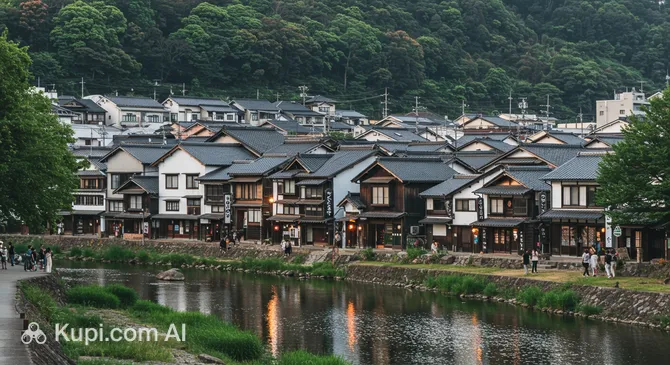
Hita. Illustration.
Source: Kupi.com AI

With a population of about 61,755 people, Hita retains the unique atmosphere of a traditional Japanese provincial town. Here, modern amenities are harmoniously interwoven with centuries-old traditions and a slow, peaceful pace of life. Despite its administrative importance for the region, the city has not lost its coziness and hospitality, attracting travelers with its authenticity.

Hita is a place where you can truly feel the spirit of the Japanese countryside. Stroll through ancient streets, admire traditional wooden houses, and visit craft workshops where ancient techniques are still preserved. The city is especially popular with those seeking tranquility and natural beauty, as well as those wishing to experience authentic Japanese culture. Tourists come here to enjoy the unique atmosphere, relax in hot springs, and make gastronomic discoveries.

If you want to see another side of Japan, far from the noise of megacities, and immerse yourself in an atmosphere of peace and tradition, Hita will be a true discovery for you and will provide unforgettable impressions.

You can find more interesting facts on the Hita city history page.
Weather Overview

The weather in Hita is characterized by noticeable seasonal changes. Summer, especially in July and August, is quite warm here, with average temperatures reaching 26-27°C and maximum values around 29-31°C. This period also sees the highest amount of rainfall, particularly in July. Winters, conversely, are cool: the average temperature in January is around 4.6°C, with minimums dropping to 0.9°C, and precipitation in the winter months is minimal.

In general, Hita features warm summers with occasional rain and cool, relatively dry winters. Spring and autumn are transitional seasons with moderate temperatures and changeable weather. For more detailed information about the weather by month, you can study the Hita climate.

Average monthly temperature

Average monthly precipitation

Interesting Facts

In addition to its famous attractions, Hita hides many amazing stories and facts that make this city in Oita Prefecture truly special. Discover a few interesting details that will add color to your image of this charming corner of Japan.

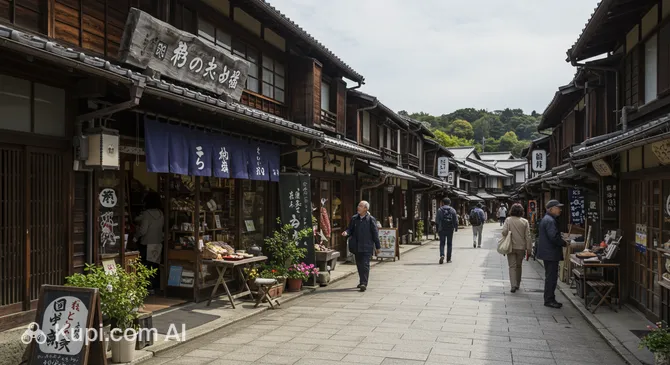
Mamedamachi Shopping Street. Illustration.
Source: Kupi.com AI

Traveler photos:

  • Hita is nicknamed the "City of Water" for a reason. Numerous rivers and canals flow through it, and the crystal-clear water has historically contributed to the development of excellent sake production and the traditional craft of making washi Japanese paper. This craftsmanship is passed down from generation to generation, preserving ancient techniques.

  • The historic Mameda district, also known as Mameda-machi Shopping Street, is a real portal to the past. Many buildings here have been preserved since the Edo period and look almost the same as they did two hundred years ago, inviting you for a leisurely stroll among old shops, tea houses, and atmospheric restaurants.

  • One of Hita's hallmarks is romantic cruises on traditional wooden yakatabune roofed boats. This looks especially magical on summer evenings when lantern-lit boats glide along the Mikuma River, and passengers enjoy dinners featuring fresh fish and other local delicacies.

  • Hita hosts a colorful and unique Hina-matsuri Doll Festival. During this holiday, the city is transformed, decorated with thousands of traditional Japanese dolls. This event attracts many visitors and connoisseurs of Japanese traditions from all over Kyushu, offering an unforgettable experience.

How to Get There

You can reach the city of Hita in several ways, but it is important to note that the city does not have its own airport. Travelers usually need to first arrive at one of the region's major transport hubs and then use local transportation.

The primary method for many tourists, especially those arriving from afar, is flying to one of the nearest airports. The most significant and frequently used is Fukuoka Airport (FUK), located in the city of Fukuoka. This is a very large international airport located approximately 54.2 km from Hita. A trip by car, taxi, or bus from the airport to central Hita will take about 1 hour and 40 minutes.

Another convenient option is Kumamoto Airport (KMJ), located in the city of Kumamoto. It is also about 54.2 km away from Hita, and the travel time to the city is approximately 1 hour and 40 minutes. This airport serves a significant number of domestic and some international flights.

You may also consider Kitakyushu Airport (KKJ), which is located in Kitakyushu, about 58.9 km from Hita. The journey from this airport to Hita will take roughly 1 hour and 50 minutes. This is an important regional airport that may be convenient depending on your route.

For clarity, here is a summary of the main airports used to reach Hita:

AirportPassenger trafficDistance
Kumamoto Airport2.9 mln54 km
Fukuoka Airport24.9 mln54 km
Kitakyushu Airport1.6 mln59 km
Saga Airport600 58262 km
Yamaguchi Ube Airport1.3 mln75 km

Traveling by rail is also a popular way to get around Japan. Hita has rail connections served by local lines. The provided data mentions Sønderborg Station (QSG), located in the city of Sønderborg, approximately 62.4 km from Hita. It is important to note that the city of Sønderborg is in Denmark, so this information is likely irrelevant for planning a trip to Hita, Japan. Tourists planning a rail trip to Hita are advised to look at the Japanese rail network and search for routes through major stations in Oita Prefecture or neighboring regions, such as Fukuoka or Kumamoto, from where Hita can be reached via local trains or buses.

Below is a table with information about the railway station from the provided data:

StationPassenger trafficDistance
Sønderborg Station62 km

In addition to air and rail transport, Hita can be reached by intercity buses from major cities on the island of Kyushu, as well as by car, which allows you to enjoy the scenic roads of the region.

Main Attractions

The city of Hita, located in Oita Prefecture, offers travelers the chance to immerse themselves in the atmosphere of traditional Japan through its unique attractions. Among them, several places stand out where you can get acquainted with the history and culture of the region.

One of the main jewels of Hita is the Mameda-machi Shopping Street. This beautifully preserved historic quarter transports visitors back to the Edo period with its characteristic merchant houses and shops. While walking through Mameda-machi, you can not only enjoy the ancient architecture but also visit numerous small shops offering local handicrafts, traditional sweets, and the famous soy sauce for which Hita is renowned. It is an ideal place to feel the spirit of old Japan and purchase memorable souvenirs.

Mamedamachi Shopping Street. Illustration.
Source: Kupi.com AI

Traveler photos:

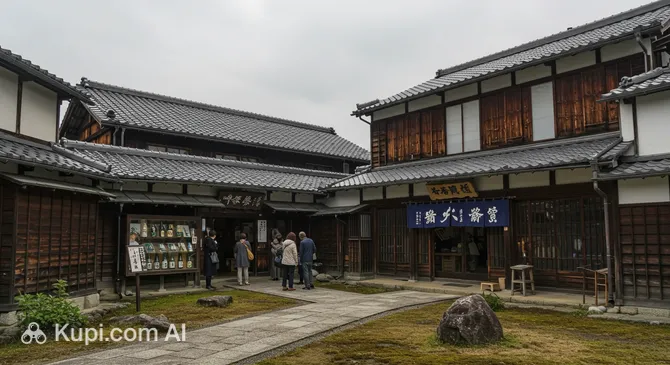
Another iconic spot that is definitely worth a visit in Hita is the Kuncho Sake Brewery Museum. The museum is located in the historic building of a brewery that has been producing sake for over 300 years, since 1702. Here, visitors can learn in detail about the traditional process of making sake, see antique equipment, and discover the rich history of this drink. Of course, a visit wouldn't be complete without a tasting of various sake varieties, allowing for a deeper understanding of this important part of Japanese gastronomic culture. This is a unique opportunity to touch centuries-old brewing traditions.

Kuncho Sake Brewery Museum. Illustration.
Source: Kupi.com AI

Traveler photos:

Local Cuisine

The culinary scene in Hita is a true discovery for connoisseurs of authentic Japanese cuisine, which is inextricably linked here to local nature and centuries-old traditions. The pure waters of the Mikuma River play a key role in shaping the unique flavors of local dishes and drinks, making the dining experience in Hita truly special.

The main gastronomic pride of Hita is rightfully considered to be unagi – freshwater eel caught in the Mikuma River. It is masterfully grilled here and served with a delicious caramel sauce. This dish is a must-try for every gourmet visiting the city. Besides eel, look out for dishes made from fresh river fish, seasonal vegetables, and delicate tofu. A special touch is added to local cuisine by delicacies steamed in thermal springs – a method that not only preserves maximum flavor but also all the healthy properties of the ingredients.

Speaking of drinks, one cannot fail to mention the famous local sake. Thanks to the crystal-clear spring water, Hita's sake is distinguished by a surprisingly soft and refined taste. Many sake breweries hospitably open their doors for tours and tastings, allowing you to immerse yourself in the mystery of Japanese winemaking. If you want to get better acquainted with this traditional drink, we recommend visiting the Kuncho Sake Brewery Museum, where you can learn a lot of interesting things about its production and, of course, try different varieties.

Kuncho Sake Brewery Museum. Illustration.
Source: Kupi.com AI

Traveler photos:

The food culture in Hita encourages slow enjoyment. Locals and tourists prefer cozy small family restaurants and lively street markets where you can taste the freshest products and traditional dishes. For example, while walking along Mameda-machi Shopping Street, you will find many authentic establishments offering local specialties. Throughout the year, Hita also hosts vibrant gastronomic festivals that turn the city into a real celebration of taste and hospitality, gathering gourmets to taste not only local delicacies but also dishes from the entire Kyushu region.

Mamedamachi Shopping Street. Illustration.
Source: Kupi.com AI

Traveler photos:

Overall, Hita's cuisine is a harmonious combination of fresh local products, traditional recipes, and special attention to detail. It will surely impress you with its simplicity, sophistication, and unique taste, leaving the warmest memories of your journey.

Travel Tips

Welcome to Hita! To make your trip to this charming corner of Oita Prefecture as comfortable and memorable as possible, we have prepared a few practical tips. They will help you navigate better and enjoy every moment of your stay.

  1. Clothing and Essentials: The climate in Hita, like in much of Japan, features distinct seasons. In summer (June-August), it can be hot and humid, so choose light, breathable clothing. Spring (March-May) and autumn (September-November) are ideal times to visit with pleasant temperatures, though it can be cool in the evenings, so bring a light jacket or sweater. In winter (December-February), temperatures can drop, so warm clothing is needed. Be sure to bring comfortable shoes for walking the historic streets of Mameda-machi. Don't forget an adapter for electrical appliances (Japan uses Type A and B sockets, 100V voltage).
  2. City Transport: Hita is a relatively small city, and its central areas, including the historic Mameda-machi quarter, are pleasant to explore on foot. For longer trips, you can use local buses. Taxis are also available but can be more expensive. If you plan to actively explore the surroundings of Oita Prefecture, renting a car can be a good option; however, note that Japan has left-hand traffic.
  3. Finances: The official currency is the Japanese Yen (JPY). It is best to exchange currency at the airport upon arrival or at major banks. Credit cards are accepted in many hotels, large shops, and restaurants, but small establishments and markets prefer cash. International cards usually work at 7-Eleven ATMs and Post Offices (Japan Post Bank). A typical daily budget can vary, but aim for 7,000-15,000 JPY (excluding accommodation), depending on your plans. Tipping in Japan is not practiced and may be seen as a misunderstanding.
  4. Health and Safety: Hita, like Japan in general, is considered a very safe city. Pharmacies (薬, kusuri) are easy to find and offer a wide range of over-the-counter medicines. If you need serious medical help, go to a local hospital; having travel insurance is highly recommended. Standard precautions, such as keeping an eye on personal belongings, are always relevant.
  5. Communication: The primary language is Japanese. English may be understood at tourist information centers and some hotels, but generally, its prevalence is low. Learn a few basic phrases in Japanese (e.g., "konnichiwa" - hello, "arigato" - thank you, "sumimasen" - excuse me/sorry). For constant connectivity, you can purchase a local SIM card or rent a portable Wi-Fi router. Free Wi-Fi is available in many hotels and some public places.
  6. Local Etiquette: Japanese people are very polite. A slight bow is a traditional form of greeting and expressing gratitude. In public places, especially on transport, try to speak quietly. When visiting temples or someone's home, be prepared to remove your shoes. Attentiveness and respect for local customs will be highly appreciated.
  7. What to Avoid: Try not to eat while walking on the street, unless it's in specially designated areas (e.g., street festivals). It is also strongly discouraged to stick chopsticks vertically into a bowl of rice, as this is associated with funeral rituals.
  8. Features of Hita: Be sure to walk through the historic Mameda-machi quarter with its beautifully preserved Edo period merchant houses. Hita is also known for its traditional crafts, such as Onta-yaki pottery and geta sandals. If your trip coincides with one of the local festivals, like Hita Gion Matsuri in July or Hita Tenryo Matsuri in autumn, you will have an unforgettable experience.

We hope these tips help you plan the perfect trip to Hita and get the most enjoyment out of discovering this unique city and its rich culture!

Entertainment & Nightlife

Hita, known for its traditions and picturesque landscapes, offers guests a cozy and authentic atmosphere for evening relaxation. While it is not a large metropolis with a bustling 24-hour nightlife, you can find pleasant places here to unwind after a busy day and experience the local culture of hospitality.

Main evening activity in Hita is usually concentrated around the central streets of the city and near the railway station. Here you will find traditional Japanese drinking establishments – izakayas – where you can not only drink sake or local beer but also try a variety of snacks. There are also small bars with a more modern setting and, of course, karaoke halls, which are popular in Japan and perfect for having fun with friends. Large nightclubs are few in Hita, as the focus here is shifted towards a more intimate and quiet pastime.

The atmosphere in Hita's evening establishments is generally very friendly and welcoming. The crowd is mostly local, providing a wonderful opportunity to delve deeper into the Japanese culture of daily life. A special dress code is usually not required; a neat casual style of clothing is sufficient. Most izakayas and bars open in the evening around 6:00 PM – 7:00 PM and operate until midnight or slightly later, especially on Fridays and Saturdays.

If you are planning an evening out, the best time to visit is after 8:00 PM when the venues start to come alive. Prices in Hita's izakayas and bars are considered quite moderate, especially when compared to Japan's major tourist centers. As for night transport, after buses stop running, taxis remain the main option. They can be called by phone from the establishment or found at designated stands in the city center.

Hita, like most Japanese cities, is a safe place for evening walks. Nevertheless, it is always recommended to observe standard precautions: keep an eye on your belongings and avoid poorly lit or deserted areas if you are walking alone late at night.

While Hita may lack noisy world-class nightclubs, the city's charm lies in its authentic local venues. Exploring the city's streets, you are sure to discover cozy family bars and traditional izakayas where you can enjoy excellent local drinks and dishes. This is a great chance to chat with locals and feel the true spirit of provincial Japan.

During the day, Hita also offers interesting options for leisure and entertainment. You can take an educational walk through the historic Mameda-machi Shopping Street, which has perfectly preserved the Edo period atmosphere with its old merchant houses. It is also worth visiting the Kuncho Sake Brewery Museum to learn more about the traditional Japanese drink, its production, and perhaps taste a few varieties. These places will allow you to get better acquainted with the rich culture and history of Hita.

Parks & Museums

Hita, a charming city in Oita Prefecture, offers its guests not only an immersion into rich history and culture but also the chance to enjoy picturesque natural landscapes. Here, peaceful green zones and unique museums harmonize to tell the story of the past and present of this amazing corner of Japan.

While Hita may not be famous for massive urban parks in the traditional sense, its location surrounded by forested hills and along the scenic Mikuma River creates excellent conditions for outdoor relaxation. The riverbanks are perfect for leisurely strolls, especially during the cherry blossom season or the autumn burst of colors when the scenery becomes particularly vibrant. Many tourists appreciate the opportunity to enjoy peace and fresh air while exploring the city's surroundings, where one can find secluded trails and viewpoints overlooking the valley.

For lovers of history and authentic Japanese culture, Hita has several interesting spots. One of the most notable is the Kuncho Sake Brewery Museum. Here, visitors can not only learn about the centuries-old history and intricacies of traditional Japanese drink production but also taste various types of sake. The museum's exhibition is housed in the historic brewery building, adding a special atmosphere and authenticity to the visit.

Kuncho Sake Brewery Museum. Illustration.
Source: Kupi.com AI

Traveler photos:

No less significant for understanding the spirit of the city is Mameda-machi Shopping Street. This beautifully preserved historic district with traditional Edo period merchant houses feels like stepping back several centuries into the past. Walking along the cobblestone streets, you can look into numerous shops offering local handicrafts, traditional sweets, and unique souvenirs. Mameda-machi is not just a street, but a real open-air living museum reflecting Hita's rich merchant and cultural heritage.

Mamedamachi Shopping Street. Illustration.
Source: Kupi.com AI

Traveler photos:

In addition to these key attractions, you can find other small museums and galleries in Hita dedicated to local crafts, such as the famous Onta pottery or traditional geta wooden sandals. Visiting such places provides a deeper understanding of the region's cultural traditions and the skill of local artisans.

For a more authentic experience, we suggest veering off the main tourist routes to explore the quiet side streets of the old town, where you might discover small hidden temples or traditional workshops passing their art from generation to generation. Also, don't miss the chance to try local culinary specialties, such as ayu river fish dishes, in one of the cozy restaurants tucked away in the alleys of Mameda-machi.

Getting Around

Getting around Hita and its surroundings can be done in several ways, and public transport here is quite convenient for tourists. The basis of the transport system consists of buses and trains, complemented by taxis and the option to rent bicycles.

Buses are the main form of public transport within the city of Hita. The route network covers major areas and attractions. Typically, you board the bus through the rear or middle door where, if you are paying with cash, you need to take a numbered ticket (整理券 - seirikenn). Payment is made upon exiting through the front door, next to the driver. The amount due will be indicated on an electronic display above the driver, opposite your ticket number. If you have an IC transport card, you need to tap it on the validator when entering and exiting.

For trips to other cities or more remote areas of Oita Prefecture, it is convenient to use trains. Hita has a railway station served by the JR Kyushu company. Trains offer a comfortable and relatively fast way to travel through the region.

The payment system for travel in Japan, and Hita is no exception, is quite standardized. The most convenient way is using rechargeable IC cards, such as Suica, Pasmo, ICOCA, or local versions (like SUGOCA for the Kyushu region). These cards can be used on both buses and trains by simply tapping them against the reader when entering and exiting. You can top up these cards at machines at railway stations or in some convenience stores. Of course, there is always the option to pay for travel in cash directly to the bus driver (it's best to have small change, as change availability may be limited) or buy a train ticket at a ticket office or machine at the station.

Practical tips for tourists: bus tickets (if paying cash) are taken upon boarding, and payment is made upon exiting. Train tickets can be purchased at stations at ticket offices or special machines. Public transport hours can vary, but generally, buses and trains start early in the morning and stop late in the evening. In smaller cities like Hita, night routes may be absent or very limited, so plan your evening movements in advance. Schedules are usually available at stops and stations, as well as online.

As an alternative to public transport, taxis are always available. Taxi stands are usually located near railway stations and major tourist sites. This is a more expensive but comfortable way to travel, especially if you are traveling with luggage or in a small group. To explore the city itself and its picturesque surroundings, you can consider renting a bicycle – it's a great way to enjoy the local views at your own pace. Rental points can be found near tourist information centers or the station.

Accommodation

In Hita, travelers will find a variety of accommodation options suitable for any budget and travel style. The city offers a choice ranging from traditional Japanese inns (ryokans), where you can immerse yourself in local culture, to modern hotels and cozy guest houses.

When choosing a place to stay, it's worth paying attention to areas located near the main attractions or transport hubs. For example, the area around the historic Mameda-machi Shopping Street is popular, as it allows for easy access to interesting spots on foot. Accommodation near the railway station can also be convenient for those planning trips around the region.

For an authentic experience, many tourists choose ryokans – traditional Japanese inns with tatami mats, futons, and often communal hot springs (onsens). In addition to ryokans, Hita has standard European-style hotels offering familiar comfort, as well as more budget-friendly options such as guest houses (minshuku) and apartment rentals, which are particularly convenient for families or long stays.

It is recommended to book accommodation in advance, especially if your trip falls during the high tourist season, cherry blossom or autumn foliage periods, or during local festivals. Most accommodation options can be found and booked through popular online platforms or by contacting the hotel directly. The price range varies from affordable hostels and guesthouses to more expensive ryokans and hotels, allowing every traveler to find a suitable option.

Nearby Cities

For those who want to explore the surrounding area, Hita serves as an excellent starting point for day trips to several interesting nearby locations:

CityPopulationDistance
Ukiha27 47418 km
Asakura49 25428 km
Soeda8 78629 km
Tachiarai15 38730 km
Chikuzen29 60836 km

Here is what makes these cities interesting for a day trip:

Kurume, one of the major cities in Fukuoka Prefecture, attracts visitors with its history related to the production of traditional "kasuri" fabric and as the birthplace of the founder of the Bridgestone company. Here you can visit museums and parks and enjoy the city atmosphere.

Iizuka, a former coal mining center, today offers a chance to explore the region's industrial heritage, visit historical sites, and see Kabuki theaters. The city is also known for its festivals and calm atmosphere.

Nakatsu is famous for its majestic Nakatsu Castle, one of Japan's three great "water castles," and is the birthplace of the famous Japanese fried chicken "karaage." It is a great place for history buffs and culinary explorers.

Tosu, an important transport hub, attracts shopping enthusiasts thanks to the large Tosu Premium Outlets center. The city is also known for its football stadium, home to the J-League team Sagan Tosu, and a bird park.

Yame is a paradise for Japanese green tea lovers, as the region is famous for its high-quality tea plantations. Here you can learn about traditional crafts such as "washi" paper making and Buddhist altar production, as well as enjoy picturesque rural landscapes and old merchant houses.

These nearby destinations offer insight into the diverse culture and landscapes of the region.

Shopping & Souvenirs

Shopping in Hita is an immersion into the atmosphere of traditional Japan, where you can find unique handmade products and local delicacies. The city is famous for its craft traditions, specifically Onta-yaki pottery and geta wooden sandals, as well as high-quality sake production. There are no massive modern malls here like in the megacities, but the charm of local shops and workshops more than compensates for it.

The main place for shopping and discovering local goods is Mameda-machi Shopping Street. This historic district has preserved the atmosphere of the Edo period, and walking through it is a pleasure in itself. Numerous shops offering traditional sweets, wooden items, ceramics, textiles, and, of course, local sake are located here. Many shops have existed for generations, passing down the secrets of their craftsmanship.

In Hita, the focus is on small specialty shops and historic shopping streets rather than large modern shopping centers. The city's charm lies specifically in the opportunity to find unique goods in an authentic setting. Instead of anonymous malls, you will find cozy family shops where every item has its own story.

While Hita may not have large food or flea markets that draw crowds in bigger cities, local shops and stores on historic streets often offer fresh local produce and unique finds. Some farms in the area may sell their products directly, providing an opportunity to try seasonal delicacies.

When in Hita, it is worth bringing back unique souvenirs reflecting the region's culture and crafts. Look for the famous Onta-yaki pottery, created using ancient technologies. Traditional Japanese geta sandals, produced by local craftsmen, are also popular. Don't forget about local sake – an excellent selection can be found, for example, by visiting the Kuncho Sake Brewery Museum, where you can learn about the production process and purchase varieties you like.

Most shops in Hita are typically open from 10:00 AM or 11:00 AM until 6:00 PM or 7:00 PM. Some small family shops may have their own schedules. Credit cards are accepted in many places, especially in tourist zones, but it is always useful to have some cash on hand, especially for purchases in small shops or in case of emergencies.

For foreign tourists in Japan, a Tax Free system is available. When purchasing goods for a certain amount in participating shops, you can receive a refund of the consumption tax. Usually, you need to present your passport for this. Look for the relevant Tax Free signs in shop windows.

Reached the end of the page?

That means the route is fully explored