Support

Yufu

About

Yufu is a true gem of the Japanese island of Kyushu, nestled comfortably at the foot of the picturesque Mount Yufu (Yufu-dake). This charming city, located in Oita Prefecture just 10 kilometers from the famous Beppu, is renowned for its stunning landscapes. Surrounded by the natural beauty of the Aso-Kuju National Park, Yufu invites guests to immerse themselves in an atmosphere of tranquility and harmony with the nature of Japan.

With a population of around 32,698 people, Yufu maintains the atmosphere of a small but very welcoming town. Despite its size, it is rightfully considered one of the most popular resort destinations in Kyushu. The secret of its appeal lies in its healing hot springs (onsens), cozy traditional inns (ryokans), and numerous boutique cafes where you can enjoy local delicacies.
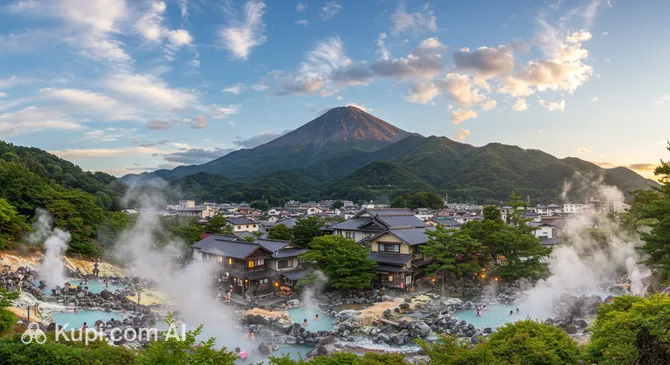
Yufu. Illustration.
Source: Kupi.com AI

Yufu is a place where ancient Japanese traditions blend harmoniously with modern comfort. Strolling through its streets, you will discover many small art galleries, craft shops, and atmospheric restaurants. The area around Lake Kinrin is particularly popular, where you can leisurely enjoy nature and the reflection of the mountains in the water. It is also worth visiting Yunotsubo Kaido Street, known for its souvenir shops, cafes, and workshops.

Yufu is an ideal destination for travelers seeking seclusion, inspiration, and aesthetic pleasure. Here, everyone will find something to their liking: from relaxing baths in onsens to walks along scenic trails and visiting local festivals. Come to Yufu to experience its unique charm and slow pace of life at any time of year.

You can find more interesting facts on the history of Yufu page.
Weather Overview

The weather in Yufu is characterized by distinct seasonal changes. Summer, especially in July and August, is warm here, with average temperatures reaching 25-26°C and maximums around 28-29°C. This period also sees the highest rainfall, with July being the wettest month. Winters, from December to February, are cool, with average temperatures around 4-5°C and minimums dropping to 0.5-1.5°C; precipitation during this time of year is significantly lower. Spring and autumn are transitional seasons with moderate temperatures and rainfall. Overall, expect a warm summer with occasional rain and cool, drier winters.

To get more detailed information about weather conditions and forecasts for specific dates, you can check the Climate of Yufu page.

Average monthly temperature

Average monthly precipitation

Interesting Facts

In addition to its famous hot springs and picturesque landscapes, Yufu hides many surprising details and stories that make it truly special. Ready to learn a few secrets of this charming town in Japan?

  • Despite its popularity as an onsen resort, few people know that Yufu has more than 800 hot springs, each with its own unique character. Unlike its more bustling neighbor Beppu, the central Yufuin area offers guests a secluded, almost aristocratic atmosphere, where many ryokans (traditional inns) feature baths with mountain views.

  • The local Mount Yufu (Yufu-dake) is often called the "Fuji of Kyushu" because of its recognizable silhouette, but it also has its own legend: it is believed that its two peaks, resembling camel humps, bring happiness and long life to those who conquer both. Climbing the mountain is a popular but manageable route for active tourists.

  • Yufu is not just about nature; it is also a true center of craftsmanship. The city is famous for its artisans who create unique items from bamboo and ceramics, which can be found in numerous shops. Local artists' exhibitions are also held regularly, and among the cozy museums, you can find, for example, a Glass Museum or a Retro Car Museum.

  • The special atmosphere of Yufu has attracted creative people for centuries. The city has served as a source of inspiration for many famous Japanese writers and artists, and its picturesque streets and landscapes have repeatedly appeared in Japanese films and popular anime series, making it recognizable to fans of Japanese culture.

How to Get There

There are several ways to reach the charming city of Yufu in Japan, and one of the most convenient is by flying into one of the airports on Kyushu Island. Although Yufu does not have its own airport, several regional and international airports are within reasonable distance, from which you can continue your journey via ground transport.

The closest airport to Yufu is Oita Airport (OIT), located in Oita City about 44 km away. This is a regional airport, and a trip from there to Yufu by taxi or bus takes about 1.5 hours. Another convenient option is Kumamoto Airport (KMJ), located in Kumamoto City, approximately 65.6 km from Yufu. The journey from this medium-sized airport to Yufu takes about 2 hours. For many international travelers, the main hub may be Fukuoka Airport (FUK). This is a large international airport located in Fukuoka City, about 101 km from Yufu. A trip from here to Yufu by ground transport (bus or train with a transfer) takes approximately 2.5-3 hours.

For clarity, here is a summary of the main airports from which you can reach Yufu:

AirportPassenger trafficDistance
Oita Airport1.9 mln44 km
Kumamoto Airport2.9 mln66 km
Kitakyushu Airport1.6 mln82 km
Yamaguchi Ube Airport1.3 mln84 km
Fukuoka Airport24.9 mln101 km

Traveling by train is a popular way to get around Japan thanks to its advanced railway network. To reach Yufu, you will likely need to use local railway lines, such as the Kyudai Main Line, which passes through the city and connects it with other settlements. Major railway hubs, such as stations in Fukuoka, Kumamoto, or Oita, serve as main transfer points for those traveling from afar, including those arriving on high-speed Shinkansen trains. From these cities, Yufu can be reached by regional trains or buses. Additionally, buses run regularly from major cities and airports in Kyushu to Yufu, providing another convenient option. For those who prefer traveling by car, scenic roads lead to Yufu.

In the provided railway station data, Sønderborg Station (QSG) is mentioned, located in the city of Sønderborg at a distance of 105 km from Yufu. It is important to note that this station is located in Denmark and, therefore, is not relevant to a trip to Yufu, Japan. Tourists planning a railway trip to Yufu should focus on Japanese railway hubs and local transport companies for up-to-date information on routes and schedules.

Below is information about the railway stations according to the provided data:

StationPassenger trafficDistance
Sønderborg Station105 km

Main Attractions

Yufu, a cozy resort town in Oita Prefecture, attracts travelers not only with its famous hot springs (onsens) but also with a range of other interesting sites. Here are some of the key attractions to include in your itinerary:

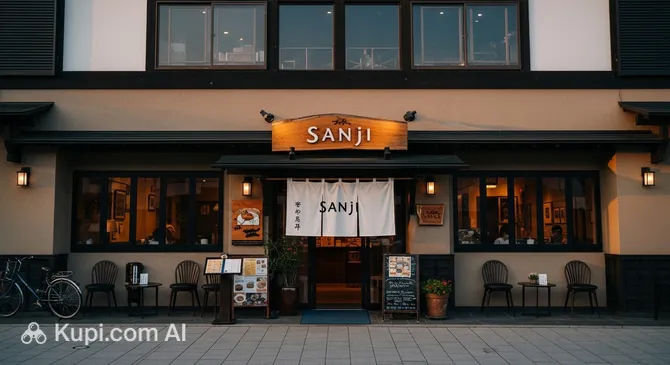
For connoisseurs of Japanese cuisine, one of the iconic places in Yufu is the restaurant Sanji. It is famous for its creative approach to preparing dishes from the freshest local ingredients. Visitors often note the exquisite presentation and authentic atmosphere, making a visit here a true gastronomic experience and an opportunity to get closer to the region's culinary traditions.

Sanji. Illustration.
Source: Kupi.com AI

Traveler photos:

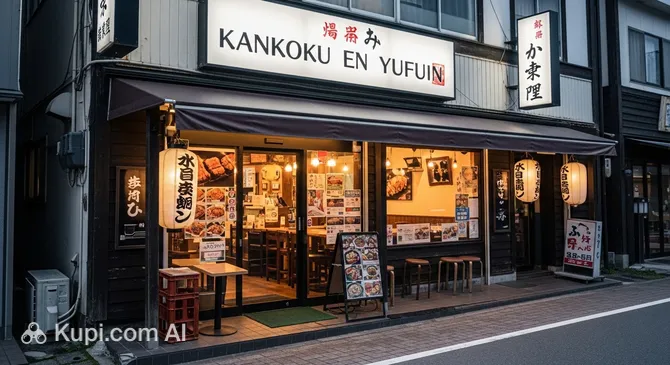
If you prefer meat dishes and a lively atmosphere, check out the restaurant Kankoku En Yufuin (Korean BBQ). Here, guests can grill their own meat while enjoying classic Korean barbecue. It is an excellent place for dinner with friends or family, offering a delicious and interactive way to spend an evening.

Kankoku En Yufuin (Korean BBQ). Illustration.
Source: Kupi.com AI

Traveler photos:

It is impossible to imagine Yufu without Lake Kinrinko. This small but incredibly picturesque lake is especially beautiful in the early morning when mist rises from its surface, created by the mixing of hot and cold springs. A walk along the paths around the lake, among small shrines and cozy cafes, brings peace and allows you to enjoy the beauty of nature.

A must-do for many tourists is a stroll along Yunotsubo Kaido Street. This charming shopping street stretches from Yufuin Station to Lake Kinrinko and is teeming with shops offering local delicacies, sweets (such as the famous B-speak roll), ceramics, handmade goods, and unique souvenirs. Here you can wander leisurely, try local treats, and feel the atmosphere of a hospitable Japanese resort.

Local Cuisine

The gastronomic scene of Yufu is a true discovery for lovers of Japanese cuisine, where traditions blend harmoniously with unique local products. One of the highlights is the use of water from the famous hot springs not only for bathing but also for cooking, which gives dishes a special, unique flavor and a delicate texture.

It is definitely worth trying two gastronomic symbols of Yufu. The first is Yufuin-gyu, incredibly tender marbled beef raised on the clean mountain pastures of this region. It is served in various forms: from classic steaks and sashimi to traditional Japanese sets. The second is onsen-tamago, eggs boiled directly in the hot spring water. Thanks to this preparation method, they acquire a special creamy texture and a subtle aroma.

For those with a sweet tooth, Yufu offers delicious desserts. The city is famous for its creamy puddings and various milk-based sweets, as local farms supply high-quality milk. You can also find seasonal pastries and traditional Japanese treats in numerous cafes. Among beverages, in addition to classic green tea, it's worth trying local sake or shochu, a popular distilled drink in Kyushu. Of course, one cannot ignore the fragrant coffee, often served in establishments with picturesque mountain views.

The food culture in Yufu is quite diverse. Here you will find both fine dining restaurants and cozy family establishments. Cafes where you can leisurely enjoy a dessert and a drink are popular. Be sure to check out local farmers' markets and street vendors—there you can try fresh vegetables, fruits, and river fish dishes. For those who want to experience authentic local cuisine in a restaurant setting, places like Sanji, which offers traditional dishes, are recommended.

A gastronomic journey through Yufu will be remembered for the freshness of the ingredients, unique culinary techniques associated with hot springs, and the opportunity to get to know the distinctive traditions of Kyushu. The city is also known for its gastronomic festivals, where you can dive even deeper into the world of Japanese cuisine and try rare delicacies.

Travel Tips

Welcome to charming Yufu! To make your journey to this picturesque corner of Japan as comfortable and memorable as possible, we have prepared some practical tips.

  1. Clothing and Essentials:

    The climate in Yufu, as in all of Japan, is clearly divided into seasons. In summer, it is warm and humid, so choose light, breathable clothing. In winter, it can be chilly and snow sometimes falls, so warm clothes, including a hat and gloves, are essential. Spring and autumn are the most comfortable times with moderate temperatures, ideal for layered clothing. Comfortable shoes are extremely important, as Yufu is best explored with long walks, especially along the main street Yunotsubo Kaido and around Lake Kinrin. Don't forget an adapter for your electronics (Japan uses type A and B sockets, 100V voltage). If you plan to visit onsens (hot springs), special clothing is not needed, but familiarize yourself with the etiquette rules on-site.

  2. Local Transportation:

    Yufu is a small town, and many of its charms, including the main shopping street and Lake Kinrin, are easily accessible on foot. This is the best way to enjoy the atmosphere. For further travel around the area or if you are tired, you can use local buses or taxis. Renting a car can be useful if you plan to explore Oita Prefecture more broadly, but for Yufu itself, it is not a necessity. If you arrive in Yufu by train, Yufuin Station is conveniently located.

  3. Finance:

    The local currency is the Japanese Yen (JPY). Despite the growing popularity of bank cards, especially in tourist areas, cash is still very important, especially in small shops, restaurants, and for paying entrance fees at some attractions. International bank cards are accepted in most hotels, large stores, and some restaurants. ATMs accepting foreign cards can be found in post offices (Japan Post Bank) and convenience stores like 7-Eleven. Tipping in Japan, including Yufu, is not practiced and can be perceived as an insult. An approximate daily budget can vary greatly, but it's worth planning for 7,000-15,000 JPY per person, excluding accommodation.

  4. Health and Safety:

    Yufu, like Japan in general, is considered a very safe place for tourists. The crime rate is low. Pharmacies (薬, "kusuri") exist, but finding an English-speaking pharmacist can be difficult, so it's better to have a basic first-aid kit with you. Tap water is safe to drink. If you need medical assistance, contact your hotel reception; they will help call a doctor or point you to the nearest clinic. It is highly recommended to take out travel medical insurance before your trip.

  5. Communication:

    The official language is Japanese. In Yufu's tourist zones, hotels, and at the station, you may encounter staff who speak basic English, and there are signs in English. However, knowing a few simple Japanese phrases like "konnichiwa" (hello), "arigato" (thank you), and "sumimasen" (excuse me/sorry) will be very useful and appreciated by locals. For constant internet access, it is recommended to purchase a local SIM card or rent a pocket Wi-Fi router at the airport. Free Wi-Fi is available in many hotels and some cafes.

  6. Local Etiquette:

    Japanese people are very polite and value respect for their traditions. Greetings are often accompanied by bows. In public places, especially on transport and in onsens, try to speak quietly. Be sure to remove your shoes before entering Japanese homes, ryokans (traditional inns), and some temples. When visiting an onsen, it is important to wash thoroughly before entering the communal bath, and remember that swimsuits are not used in traditional onsens.

  7. What to Avoid:

    Try not to eat while walking on the street unless it's in specially designated areas (e.g., street food stalls). It is also not common to talk loudly on the phone in public transport. Never stick your chopsticks vertically into your rice—this is associated with funeral rituals and is considered bad manners.

  8. The Unique Charm of Yufu:

    Yufu is famous for its onsens and art galleries. Don't miss the opportunity to visit one of the local hot springs—it's a wonderful way to relax. Also, stroll along Yunotsubo Kaido street, where many shops with local souvenirs, craft products, and delicacies are located. Note that many shops and cafes here close quite early, around 5:00-6:00 PM, so plan your shopping and dinner in advance.

We hope these tips help you better prepare for your trip and get the most enjoyment out of your stay in beautiful Yufu. We wish you an unforgettable journey!

Entertainment & Nightlife

Evening Yufu offers its guests a special atmosphere, distinct from the noisy nightlife of major cities. You won't find large nightclubs or bustling districts with bars open until dawn here. Instead, Yufu settles into a tranquility conducive to peaceful relaxation and enjoying exquisite cuisine.

The foundation of evening entertainment in Yufu consists of restaurants and traditional Japanese taverns (izakaya). Many establishments, especially those located along the main tourist street Yunotsubo Kaido or near ryokans (traditional inns), offer a cozy setting for dinner. The atmosphere here is generally relaxed and welcoming. Most restaurants and shops close relatively early, usually by 9:00 PM or 10:00 PM, so plan your evening accordingly.

Among the places where you can enjoy a pleasant evening over dinner are, for example, the restaurant Sanji, which offers local cuisine. Also popular is Kankoku En Yufuin (Korean BBQ), where you can enjoy flavorful grilled meat. These establishments allow you to experience the region's gastronomic traditions in a calm setting.

If you are looking for bars, your choice will be limited to small venues within hotels or a few izakayas where you can have a glass of sake or local beer. There is usually no dress code; casual clothing is welcome. Prices in restaurants and izakayas can vary but generally correspond to the city's tourist status. It is better to arrive for dinner not too late to catch places before they close.

Getting around Yufu in the evening is mostly done on foot, especially if you are staying in the center. Taxis can be called, but their numbers are limited, particularly late at night. The city is considered very safe, and evening walks through the lit streets usually don't cause concern; however, it's always worth taking standard precautions.

Regarding daytime entertainment, Yufu is famous for its natural beauty and hot springs (onsens). During the day, you can visit the picturesque Lake Kinrin, stroll along Yunotsubo Kaido with its many souvenir shops and cafes, visit small art galleries, or museums like the Marc Chagall Museum. However, the main emphasis in Yufu is on relaxing and connecting with nature, which is reflected in the character of its evening life.

Parks & Museums

Yufu, a picturesque corner of Japan, charms travelers not only with its famous hot springs but also with a harmonious combination of natural beauty and rich cultural heritage. Here you can enjoy peaceful landscapes and discover unique museums and galleries that reflect the spirit of this place.

One of the main natural gems of Yufu is Lake Kinrinko. This small but incredibly picturesque lake is especially beautiful in the early morning when mist drifts over its surface, creating a truly magical atmosphere. It is pleasant to stroll around the lake, enjoying the tranquility and the reflection of the surrounding mountains and trees in the clear water. For lovers of active recreation and breathtaking views, Mount Yufu (Yufu-dake) is a must-visit. This majestic mountain with its two peaks, resembling hands folded together, dominates the landscape and offers several hiking trails of varying difficulty. The reward for the climb will be panoramic views of the Yufuin Valley and its surroundings.

The cultural life of Yufu is no less rich and offers many interesting discoveries. It is worth looking into the Yufuin Mingei Mura (Kyushu Folk Craft Village), where you can learn about the region's traditional crafts, such as pottery, washi paper making, and skillful bamboo products. Workshops are often held here, allowing tourists to try their hand at creating something unique. Art lovers will undoubtedly enjoy the COMICO ART MUSEUM YUFUIN, designed by the famous architect Kengo Kuma. The museum presents contemporary art in a unique architectural space, harmoniously integrated into nature. Also by Lake Kinrinko is the small but charming Marc Chagall Museum, where you can see reproductions of the great artist's works and enjoy a cup of coffee overlooking the lake.

Strolling along Yufuin's main tourist street, Yunotsubo Kaido, and its surroundings, you can see many charming buildings that have preserved traditional Japanese style, as well as visit small temples like Bussanji Temple, which adds a touch of peace to the lively atmosphere. An unusual and seemingly fairy-tale place is the Yufuin Floral Village—a themed village in the style of the English countryside, inspired by the Harry Potter films, with small shops, cafes, and even a mini-zoo with owls. This place is particularly popular for photos.

To experience a more authentic atmosphere of Yufu, don't be afraid to turn off the busy tourist paths onto quiet side streets. It is there that you can find cozy family cafes, small galleries of local artists, and workshops hidden from the main flow of tourists, and observe the leisurely life of this charming town.

Getting Around

Getting around Yufu is quite simple, especially if you plan to explore its central part with its many shops, cafes, and onsens. Many attractions are within walking distance of each other. However, for more distant locations or if you prefer not to walk much, there are several convenient transport options in the city.

The main form of public transport in Yufu is local buses. They run on various routes, connecting Yufuin railway station with key points such as Lake Kinrin, Yunotsubo Kaido Street, and various onsens. Payment is usually made in cash when getting off the bus; when entering, it is recommended to take a special ticket with your stop number (if the system requires it) so the driver can calculate the fare. Some routes may accept common IC cards (prepaid transport cards). Information about routes and schedules can be found at the bus station near Yufuin station or at the tourist information center.

For those who value comfort and speed, taxis are always available. Taxi stands are usually located at Yufuin railway station, and a car can also be called by phone. This is a more expensive way to get around, but it can be convenient if you are traveling with luggage, in a small group, or heading to a place not served by buses. A taxi ride can also save time if you are on a tight schedule.

A very popular way to explore Yufu is by renting a bicycle. The town and its surroundings, with their picturesque landscapes, are perfect for cycling. Several bicycle rental points are located near Yufuin Station. This is an excellent option for a leisurely introduction to the resort's atmosphere, allowing you to easily stop at places you like. Some hotels also offer bicycles to their guests.

In addition, do not forget about walking, which will bring much pleasure, especially along the main tourist street Yunotsubo Kaido, leading to Lake Kinrin. For travel in the wider Kyushu region, you might consider renting a car, but for moving directly within Yufu, it is less relevant due to the city's compactness and potential parking difficulties in popular areas.

Accommodation

In the city of Yufu, known for its picturesque landscapes and hot springs (onsens), travelers will find a variety of accommodation options to suit different tastes and budgets. Here, you can stay in traditional Japanese ryokans, as well as in more modern hotels or cozy guesthouses.

The main choice of accommodation in Yufu ranges from authentic ryokans with their own onsens, offering complete immersion in Japanese culture, to guesthouses (minshuku) and small hotels. Many ryokans offer meals that include exquisite local cuisine. Apartment rental options are also available for those who prefer more independence. While luxury resorts in the classical sense are less common, many ryokans offer services and comfort of the highest level.

The most popular areas to stay are located along the main street Yunotsubo Kaido, where shops, cafes, and galleries are concentrated, and near Yufuin Station, which provides convenient access to transport and main attractions. Many ryokans are located in more secluded, scenic spots, offering guests peace and quiet.

Regarding booking, especially during peak seasons (such as the cherry blossom season or the autumn leaves period), it is recommended to book accommodation well in advance. Prices for accommodation can vary greatly: from budget options in guesthouses to premium prices in exclusive ryokans with full board and private onsens. It is convenient to book through popular online platforms, but some traditional ryokans may be available for booking directly or through Japanese travel agencies.

Nearby Cities

For those who want to explore the surrounding area, Yufu serves as an excellent starting point for day trips to several interesting nearby locations:

CityPopulationDistance
Beppu115 99213 km
Oita477 18618 km
Taketa19 68823 km
Hiji27 88724 km
Kitsuki27 66832 km

Oita, the capital of the prefecture, attracts travelers with the ruins of Oita Castle, modern art at the Oita Prefectural Art Museum (OPAM), and a lively urban atmosphere. This city offers a combination of historical sites and modern amenities, making it an interesting destination for cultural enrichment.

Beppu is a world-famous resort city, renowned for its numerous hot springs (onsens) and unique "hell" ponds (jigoku). A trip here will allow you to immerse yourself in traditional Japanese bathing culture and see impressive geothermal phenomena.

Nakatsu is interesting for its majestic Nakatsu Castle, one of Japan's three "water castles," and its historical heritage related to Fukuzawa Yukichi, a prominent figure of the Meiji era. The city offers immersion into the samurai past and the history of Japanese enlightenment.

Saiki is a coastal city that beckons with the freshest seafood and picturesque seascapes. It is a great place for those who want to enjoy the calm atmosphere of a port city and try local cuisine.

Hita, often called the "Little Kyoto of Kyushu," charms with its well-preserved Mamedamachi old town, with its traditional houses and shops. Here you can discover local crafts such as Onta pottery and enjoy walks along the Mikuma River.

These nearby destinations provide insight into the diverse culture and landscapes of the region.

Shopping & Souvenirs

Shopping in Yufu is a charming addition to relaxing in hot springs and admiring nature. The city is not famous for huge shopping centers but offers unique opportunities to buy local products, delicacies, and souvenirs that reflect Japanese craftsmanship and culture. Here you will find many small shops, art galleries, and stalls with locally produced goods.

The main center of attraction for shopping enthusiasts in Yufu is Yunotsubo Kaido Street. This picturesque street, stretching from Yufuin Station to Lake Kinrinko, is dotted with a variety of shops, cafes, and galleries. Here you can find everything: from traditional handicrafts and ceramics to fashionable clothing, accessories, and sweets. A walk along Yunotsubo Kaido is a pleasant activity in itself, allowing you to immerse yourself in the city's atmosphere.

There are no large multi-story shopping centers in the usual sense in Yufu. Shopping here is mainly concentrated in individual boutiques, craft workshops, and specialized stores located along Yunotsubo Kaido and adjacent streets. This creates a more intimate and authentic shopping atmosphere.

Although there are no large traditional markets in Yufu, Yunotsubo Kaido and its surroundings offer a market atmosphere thanks to the abundance of small stalls selling fresh local products, snacks, and souvenirs. Here you can find farm-made jams, honey, pickles, as well as freshly prepared desserts and street food.

From Yufu, it's worth bringing home unique souvenirs and local goods. Pay attention to Oita ceramics (for example, items in the Onta-yaki style), wood and bamboo products, and textiles with local patterns. Local delicacies are also popular: yuzu or strawberry jams, honey, sauces, local sake or shochu. Don't forget the famous "P-Roll" from the B-speak confectionery, which often sells out very quickly. Art galleries offer paintings and sculptures by local masters.

Most shops in Yufu open around 9:00-10:00 AM and close by 5:00-6:00 PM. Some establishments, especially restaurants and cafes, may stay open longer. Credit cards are accepted in many shops and restaurants, especially those oriented toward tourists, but it is recommended to have some cash for small purchases or at tiny stalls.

International tourists can use the Tax Free system in participating stores (they usually display the corresponding logo). To do this, you must make a purchase of a certain amount (usually over 5,000 yen excluding tax in one store on one day) and present your passport. It is best to clarify the tax refund conditions directly in the store.

Reached the end of the page?

That means the route is fully explored