The transport system in Usuki is quite simple and compact, which is typical for small provincial cities in this region. There is no metro, trams, or trolleybuses. The main burden of passenger transport falls on bus routes, the JR rail line, and taxis. Since the main attractions are scattered at some distance from each other (for example, the historical center and the Stone Buddhas), it is important for tourists to plan their movements in advance.
Rail service is provided by the JR Nippo Main Line. The main transport hub is Usuki Station. Trains are convenient for arriving and departing the city, as well as for short trips to the neighboring Kami-Usuki Station, which is closer to the historical samurai district. Trains run on a schedule that is always followed to the minute.
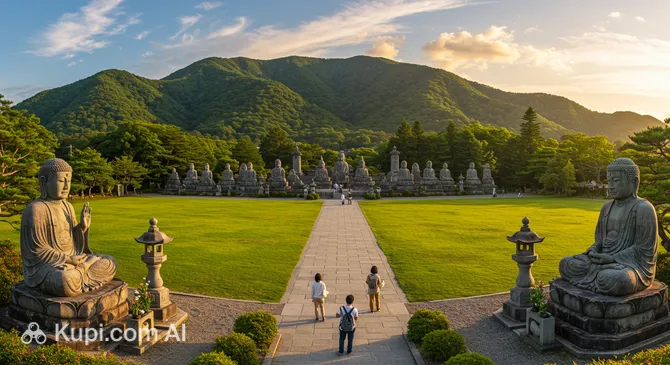
The bus network is the primary way to reach the famous Stone Buddhas, located about 5 kilometers from the center. Routes are operated by Oita Bus. Buses depart from the square in front of the train station. Keep in mind that intervals can be long (one trip per hour or less), so be sure to take a photo of the schedule at the stop or pick up a booklet at the tourist information center immediately upon arrival.
For paying fares on Usuki buses, cash is most commonly used. The payment system is as follows: you enter through the rear door and take a small paper ticket (seiriken) with a stop number. When exiting through the front door, you match the number on your ticket with the electronic display above the driver showing the fare, and drop the coins along with the ticket into a transparent box. Drivers do not give change, but a machine near the fare box can exchange 1,000 yen notes and 500 yen coins into smaller denominations.
At Usuki Station, you can use transport IC cards (such as Suica, Pasmo, Sugoca, and others) by tapping them on the turnstiles. However, given the city's provincial status, it is highly recommended to always carry a supply of cash, especially small coins, as terminals on buses or in small shops may not support contactless payment.
One of the best alternatives to public transport is renting a bicycle. The Usuki Station Tourist Information Center offers rentals of both regular and electric bicycles. This is the most convenient way to see the historical center, castle ruins, and Nioza district, as the streets there are narrow and picturesque. The trip to the Stone Buddhas by bicycle takes about 25–30 minutes, but the terrain can be hilly, so an electric bike is preferable.
Taxis are a reliable but fairly expensive way to get around. A taxi stand is located right outside the station exit. Popular Western ride-hailing apps (like Uber) do not work in the city, so you must either pick up a car at the stand or ask hotel reception or restaurant staff to call one. This is the best option if you are traveling with heavy luggage or don't want to depend on bus schedules.
Renting a car (car sharing in the usual sense is poorly developed here, we are talking about classic rentals) makes sense if you plan to visit not only Usuki but also the surrounding areas of Oita Prefecture. Rental points are mainly at large transport hubs and the airport; in the city itself, the choice may be limited. Having a car gives you full freedom of movement, but remember the left-hand traffic and the need to have an appropriate international driver's license.