Support

Aso

About

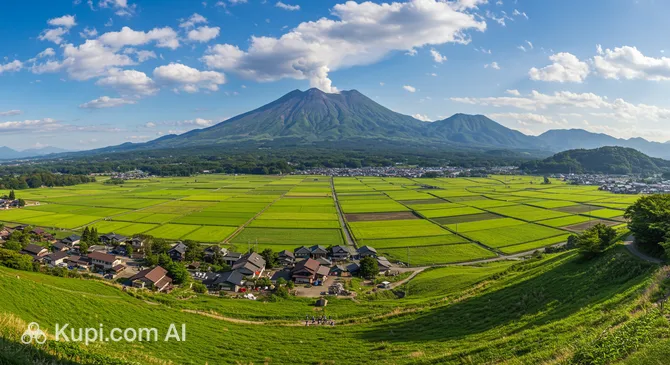
Aso is a true natural masterpiece located on the island of Kyushu, in Kumamoto Prefecture, Japan. The heart of this amazing place beats at the foot of one of the country's largest and most active volcanoes—Mount Aso. The city is nestled in a unique caldera formed by an ancient eruption, which provides truly fantastic panoramas of vast green pastures, steaming craters, and rolling landscapes stretching to the horizon. This unique geographical position makes Aso a real magnet for nature lovers, photographers, and adventure seekers.
Aso. Illustration.
Source: Kupi.com AI

With a population of about 24,820, Aso is a cozy place where every resident takes pride in their hometown and its incredible natural wealth. Although Aso is the administrative center of the district of the same name, the atmosphere is far from the urban bustle; it feels more like an alpine village with a unique Japanese flair, where centuries-old traditions, sincere hospitality, and deep respect for nature coexist in harmony.

The main reason travelers come here is, of course, the majestic Mount Aso. However, the city offers much more: you will find numerous observation decks with breathtaking views, healing thermal springs (onsens) where you can relax and recharge, ancient shrines preserving the spirit of history, and picturesque routes for hiking and cycling. Aso is an ideal destination for those who want to see the real, non-touristic Japan, enjoy crystal-clear air, and immerse themselves in an atmosphere of peace and tranquility.

The city is literally filled with a sense of adventure and a thirst for discovery. Here, you can feel like a fearless explorer standing on the edge of a steaming crater one moment, and just minutes later find yourself in the silence and peace of a traditional shrine or a cozy family cafe, enjoying local cuisine. Aso is the Japan where past and present, ancient myths and modern reality intertwine in an amazing dance of nature and culture. Come to Aso to witness this unique fusion and take home unforgettable memories.

You can find more interesting facts on the Aso city history page.
Weather Overview

Weather in Aso is characterized by distinct seasonal changes. Summer, especially from June to August, is warm and humid. The average temperature in July and August reaches 24-26°C, with highs around 28-29°C. These months also see the highest amount of rainfall: July can have up to 22 rainy days with total precipitation of about 11 mm. Winters in Aso are cool, with average temperatures in January and December hovering around 3-4°C, while night temperatures can drop below freezing. In winter, rainfall is significantly lower (about 2 mm per month), but there are still 7-9 days with precipitation. Overall, expect warm summers with frequent rain and cool winters with low precipitation. For more detailed information about weather conditions in different months, you can explore the Aso climate.

Average monthly temperature

Average monthly precipitation

Interesting Facts

Beyond its impressive landscapes and famous volcano, Aso holds many surprising details and stories that make it a truly unique place. Here are just a few interesting facts about this corner of Japan:

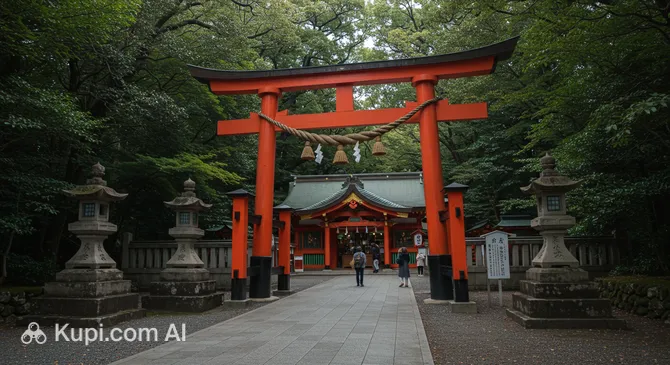
Aso Shrine. Illustration.
Source: Kupi.com AI

Traveler photos:

  • The city of Aso is actually located inside one of the world's largest calderas of the active Aso volcano. Its diameter reaches 25 kilometers, and this vast area hosts not only towns and farms but even a railway line—a phenomenon rarely seen elsewhere!

  • Aso is home to Aso Shrine, one of the oldest in Japan. According to legend, its history begins in 281 AD, making it a witness to centuries of history and the spiritual heart of the region.

  • Local residents view Mount Aso as more than just a geological object. They believe the volcano's spirit is the guardian of these lands, and its activity is a reminder of nature's power rather than just a disaster. There are many legends and rituals associated with appeasing the volcano.

  • Aso is famous for its unique festivals, many of which are dedicated to the volcano and a bountiful harvest. These celebrations are not just entertainment but an opportunity to see ancient traditional dances, colorful costume processions, and rituals of gratitude to the mountain spirits.

How to Get There

There are several ways to reach the picturesque city of Aso, located in Kumamoto Prefecture on the island of Kyushu. The most popular options are flying into nearby regional airports followed by a transfer via ground transport.

Although Aso does not have its own airport, several air hubs in the region provide convenient access. The most convenient option for a trip to Aso is Kumamoto Airport (KMJ). This regional airport is located in Kumamoto City, just 28 km from Aso, making it the closest air hub. A taxi or bus ride from the airport to the center of Aso usually takes about 1 hour. Kumamoto Airport serves many domestic flights and some international destinations.

For travelers arriving from further away, Fukuoka Airport (FUK) is often the primary choice. This is the largest international airport on Kyushu, located in Fukuoka City, approximately 94 km from Aso. Despite the greater distance, you can reach Aso from here in about 2.5 – 3 hours by taking a high-speed train to Kumamoto and then local transport, or a direct bus if available. Fukuoka Airport offers a wide range of international and domestic flights.

It is also worth considering Oita Airport (OIT), located in Oita City about 82 km from Aso. This is another regional airport that may be convenient depending on your route and flight availability.

For convenience, here is a summary of the main airports used to reach Aso:

AirportPassenger trafficDistance
Kumamoto Airport2.9 mln28 km
Saga Airport600 58280 km
Oita Airport1.9 mln82 km
Fukuoka Airport24.9 mln94 km
Kitakyushu Airport1.6 mln99 km

Regarding rail connections, for direct access to Aso or its immediate surroundings by train, travelers should generally look to major Kumamoto Prefecture railway hubs like Kumamoto Station. From there, Aso can be reached via local trains on the JR Hohi Main Line, buses, or taxis. The provided data includes information about Sønderborg Station (QSG), located in the city of Sønderborg. Given that this station is outside of Japan, it is not a relevant transport hub for traveling to Aso. It is recommended to check current schedules and routes on the JR Kyushu websites.

Below is information about the railway stations from the provided list:

StationPassenger trafficDistance
Sønderborg Station80 km

In addition to air and rail travel, Aso can be reached by car. The city is connected to other parts of Kyushu by a network of roads. Renting a car can be a convenient option for exploring the region and its natural beauty.

Main Attractions

The city of Aso, located in Kumamoto Prefecture, is famous for its natural beauty and rich culture. Every traveler will find something of interest here, from ancient shrines to breathtaking panoramic views.

One of the city's main gems is Aso Shrine. It is one of the oldest Shinto shrines in Japan, with a history spanning over two millennia. The shrine is dedicated to deities associated with agriculture and protection from natural disasters. Despite damage from earthquakes, it continues to be an important spiritual center, attracting visitors with its majestic architecture and peaceful atmosphere.

Aso Shrine. Illustration.
Source: Kupi.com AI

Traveler photos:

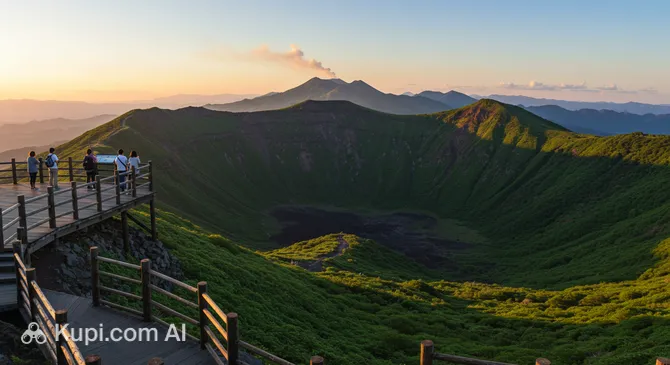
For those who want to enjoy stunning views of the Aso caldera and the surrounding mountains, a visit to the Shiroyama Lookout is a must. From here, a magnificent panorama opens up over the city of Aso, the steaming peaks of Mount Nakadake, and the vast green valleys. It is an ideal spot for photography and contemplating the unique volcanic landscape, especially at sunrise or sunset.

Shiroyama Scenic Overlook. Illustration.
Source: Kupi.com AI

Traveler photos:

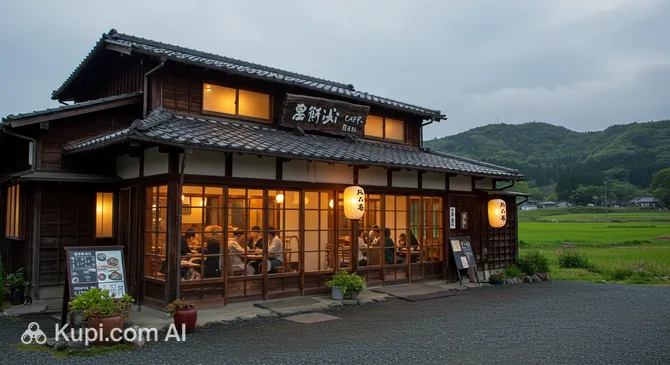
After a busy day of exploring, it is pleasant to rest and refuel at Hibari Cafe. This is a popular spot among locals and tourists alike, known for its cozy atmosphere and delicious food made from fresh local ingredients. Here, you can try regional dishes, including the famous Akagyu beef, and enjoy the hospitality of the region.

Hibari Cafe. Illustration.
Source: Kupi.com AI

Traveler photos:

Local Cuisine

The cuisine of Aso is a true gastronomic revelation, deeply connected to the region's unique nature. Thanks to the fertile volcanic soil of the Aso caldera, local vegetables have a rich flavor, and farm produce is famous throughout Japan. The city's food scene emphasizes freshness, seasonality, and the bounty of the local land.

One of the signature dishes you must try in Aso is "Aso-gyudon." This is a hearty rice bowl topped with tender beef from cows that graze on the alpine meadows of the caldera. The unique herbs the animals eat give the meat a special aroma and tenderness. Another point of pride for the region is Akaushi beef, known for its exceptional quality and taste.

Dairy products hold a special place in Aso's gastronomy. Local milk is considered some of the best in the country, and the yogurts, cheeses, and ice cream made from it have an incredibly rich taste. There is even a special "Milk Road" route that runs through picturesque pastures, connecting farms where you can sample and purchase fresh products directly from the producer.

In addition to meat and dairy, Aso's cuisine is rich in fresh vegetables, mushrooms gathered from nearby forests, and, of course, noodles. Be sure to try the local udon, which is often served with seasonal toppings and original sauces. For dessert, traditional Japanese sweets made from rice and beans following ancient recipes await you.

As for drinks, your meal can be perfectly complemented by traditional Japanese green tea, as well as refreshing beverages based on local fruits and berries. In some establishments, you can also find local sake or shochu, which highlight the flavors of the regional cuisine.

You can get acquainted with the local culinary culture in numerous small family-run restaurants and cafes where dishes are prepared with heart and using home recipes. One such cozy spot is Hibari Cafe, where you can enjoy an authentic atmosphere and delicious food. It is also worth visiting local markets that sell fresh produce and street food. Throughout the year, Aso hosts various food festivals where you can try seasonal delicacies and dive deeper into the culinary traditions of this amazing corner of Japan.

Eating in Aso is not just about satisfying hunger; it is an important part of local culture and lifestyle, allowing you to feel the harmony with nature and the hospitality of the local people.

Travel Tips

Planning a trip to Aso? Wonderful! To ensure your journey through this picturesque corner of Japan is as comfortable as possible and leaves only pleasant impressions, we have prepared some practical tips.

  1. Clothing and Essentials: The climate in Aso changes depending on the season. In summer (June-August), it is warm and humid, so bring light clothing but don't forget a raincoat. In winter (December-February), it can be quite cold, especially near the volcano, so warm clothes, a hat, and gloves are mandatory. In spring and autumn, the weather is moderate, perfect for walking. A key point is comfortable shoes, as you will be doing a lot of walking while exploring the natural beauty. Don't forget a universal adapter for electronics (Japan uses Type A and B sockets). There is usually no specific dress code when visiting temples or shrines, but modest clothing is always welcome.

  2. Transport around Aso: The city of Aso and its vast surroundings, including Aso-Kuju National Park, are best explored with some freedom of movement. Public transport consists of local buses, but their routes and schedules may not always be convenient for tourists wanting to visit remote attractions. Renting a car can be an excellent solution, especially if you plan on actively exploring the region. Taxis are available but can be an expensive pleasure for long distances. Check options at the local station or tourist center.

  3. Financial Matters: The official currency is the Japanese Yen (JPY). Although credit cards are accepted at major hotels and some tourist sites, cash remains the primary means of payment in many small shops, restaurants, and ryokans (traditional inns). We recommend exchanging currency in advance or withdrawing cash from ATMs located in post offices (Japan Post Bank) or convenience stores (e.g., 7-Eleven), which usually accept international cards. Tipping in Japan is not practiced and can even cause confusion.

  4. Health and Safety: Aso, and Japan in general, is considered a very safe place for tourists. Follow standard precautions. Pharmacies (薬局 - kusuri-ya) can be found, but pharmacists do not always speak English, so it is helpful to carry a small basic first-aid kit. If medical assistance is needed, your hotel staff can help or direct you to the nearest clinic. An important aspect for Aso: always check the current information on Mount Aso's volcanic activity, as access to the crater and some surrounding zones may be restricted for safety reasons.

  5. Language and Connectivity: The official language is Japanese. In tourist areas, you may encounter staff who speak basic English, but in general, the level of English proficiency, especially in more remote parts of Aso, may be low. Learn a few simple Japanese phrases: "Konnichiwa" (Hello/Good day), "Arigato gozaimasu" (Thank you very much), "Sumimasen" (Excuse me/Sorry). For connectivity, consider buying a travel SIM card or renting a pocket Wi-Fi router—this can be done at airports or ordered online in advance. Free Wi-Fi is available in most hotels and some public places.

  6. Local Etiquette and Communication: Japanese people value politeness and respect. A slight bow (o-jigi) is a traditional form of greeting and expressing gratitude. In public places, especially on transport, try to keep noise levels down and avoid talking loudly on the phone. It is customary to remove your shoes before entering Japanese homes, many temples, traditional restaurants, and ryokans—look for special shoe shelves (genkan). If in doubt, it is best to observe the behavior of locals.

  7. What to Avoid: One of the main taboos at the table is sticking your chopsticks vertically into a bowl of rice, as this resembles a ritual offering to the deceased. Also, try not to eat while walking on the street unless it is a designated area (for example, during a festival). Loud public displays of emotion are generally discouraged.

  8. Aso Speciality – Onsens: Be sure to take the opportunity to visit local onsens (natural hot springs). This is an integral part of Japanese culture and a wonderful way to relax after a busy day. Before visiting, familiarize yourself with the rules: you must wash thoroughly in the designated area before entering the communal bath, and enter the water without a swimsuit.

We hope these tips help you better prepare for your trip to Aso and enjoy every moment of your stay in this unique region of Japan, full of natural beauty and sincere hospitality!

Entertainment & Nightlife

Aso, known primarily for its natural beauty and majestic volcano, offers guests quiet and cozy evening leisure, making for a pleasant conclusion to a day of exploration. You won't find noisy metropolitan nightclubs here, but you can enjoy a relaxing atmosphere in local establishments.

Evening entertainment in Aso centers around restaurants serving local cuisine and small bars or traditional Japanese pubs (izakayas). The atmosphere in these places is usually welcoming and laid-back, perfect for conversation. One place where you can enjoy a pleasant evening over dinner is Hibari Cafe, known for its food and cozy setting. Most such establishments are concentrated in the city center or near hotels.

Some hotels may also offer evening entertainment for their guests. For example, it is worth checking for a bar or lounge area at places like the Aso Resort Hotel, where you can relax with a drink after a full day. Overall, nightlife in Aso is more intimate and focused on peaceful relaxation.

Aso Resort Hotel. Illustration.
Source: Kupi.com AI

Traveler photos:

When planning your evening, keep in mind that many establishments in small towns like Aso may close earlier than in large metropolises. The dress code is usually casual. For getting around in the evening, it is most convenient to use a taxi, which can be ordered through your hotel or found at taxi stands. Public transport may run less frequently at night or stop altogether.

Aso, like most cities in Japan, is considered a very safe place. However, standard precautions are always appropriate, especially when walking after dark. Central areas where hotels and restaurants are located are generally well-lit and safe for walking.

During the day, Aso offers plenty of activities for tourists. You can visit historical sites like Aso Shrine or enjoy panoramic views from spots like the Shiroyama Lookout. Of course, the main attraction of the region is the Aso-Kuju National Park with its famous volcano, offering many routes for hiking and admiring nature.

Parks & Museums

The city of Aso and its surroundings are a true treasure for travelers wishing to experience Japan's impressive natural power and its ancient cultural heritage. Here, majestic volcanic landscapes blend harmoniously with oases of tranquility, historical shrines, and educational museums.

The heart of the region's natural splendor is undoubtedly Aso-Kuju National Park. This vast park encompasses one of the world's largest volcanic calderas—the Aso caldera. Visitors can expect breathtaking views of the active Nakadake volcano, picturesque meadows like Kusasenri-ga-hama—perfect for walking or horseback riding—and numerous hiking trails of varying difficulty. This place attracts outdoor enthusiasts and anyone who wants to feel the primal force of nature.

To enjoy some of the best panoramic views of the Aso caldera and its surrounding mountain peaks, a visit to the Shiroyama Lookout is a must. From here, you get a magnificent overview that is especially impressive at sunrise or sunset, allowing you to fully appreciate the scale of this unique geological formation.

Aso's cultural heritage is closely intertwined with its volcanic history and ancient traditions. To gain a deeper understanding of this unique region, visit its iconic shrines and museums. One of the most important spiritual and historical centers is Aso Shrine. This ancient Shinto shrine, with a history of over two millennia, is dedicated to deities associated with agriculture and protection from natural disasters. Despite the tests of time, it remains an important pilgrimage site and a significant cultural landmark.

For those who want to learn more about the region's geological wonders, the Aso Volcano Museum is a must-visit. Located near the Kusasenri-ga-hama meadows, the museum offers interactive exhibits and videos detailing the formation of the caldera, the volcanic activity of Mount Aso, and safety measures. It is an excellent place to gain scientific knowledge about the powerful natural forces shaping this landscape. Additionally, small local exhibits dedicated to the area's flora, fauna, and history can be found throughout the region, rounding out your understanding of Aso's culture.

For a more authentic experience and a glimpse into local life, don't miss the chance to visit one of the many onsens (hot springs) that the region is famous for thanks to its volcanic activity. Also, stop by small local shops where you can find unique handmade souvenirs and products created using local natural gifts, such as items made with volcanic ash or local delicacies.

Getting Around

When planning your travel around Aso and its picturesque surroundings, it is important to consider that this is a small town located in a mountainous area, which shapes its transport system. The main focus here is on bus services and the railway line serving the region.

Main types of transport:

Buses: This is the primary way to get around both within the city and to access major tourist sites, including Aso-Kuju National Park and the foot of Mount Aso. Local bus routes connect key points of the city, the railway station, and popular attractions. Buses also run between Aso and other cities in Kumamoto Prefecture. Schedules may not be very frequent, especially on less popular routes, so it is recommended to check them in advance.

Trains: The JR Hohi Main Line passes through Aso, connecting Kumamoto and Oita. Aso Station is an important transport hub. Both regular local trains and the popular "Aso Boy!" tourist train (when scheduled) run on this line. Trains are a convenient way to reach Aso from major cities on the island of Kyushu.

Payment system:

IC cards (such as Suica, Pasmo, ICOCA) are widely used in Japan and are accepted on JR trains and many buses throughout the country, including the Aso region. This is the most convenient way to pay. For bus travel, if you do not have an IC card or it is not accepted on a specific route, a cash payment system is usually used upon exiting: you take a numbered zone ticket (整理券 - seiriken) when boarding, and pay the amount shown on the display next to your ticket number when getting off. Train tickets can be purchased at ticket offices or machines at stations. If you are traveling through Japan with a Japan Rail Pass, it will be valid on JR Hohi Line trains.

Practical tips for tourists:

It is best to buy train tickets at the stations. On buses, payment is made either by IC card when boarding and exiting, or by cash when exiting. It is recommended to have small change for bus fares. Public transport hours in Aso may be limited, especially in the evening. Always check current schedules in advance, particularly if planning trips to the volcano, as access and transport movement can depend on volcanic activity and weather conditions. Schedule information can be found at stations, bus stops, or tourist information centers.

Alternatives:

Car Rental: To explore the vast Aso caldera and the national park in detail, renting a car is a very popular and convenient option, providing maximum flexibility. Roads in the region are of good quality but can be winding.

Taxi: Taxis are available, especially at Aso Station, but can be expensive for long trips. This is a good option for short distances or when public transport is inconvenient.

Bicycle Rental: In some places, you can rent a bicycle to explore the immediate surroundings, which can be a pleasant way to experience the local scenery in good weather.

Special considerations:

Access to the Nakadake crater (one of Aso's main attractions) is often regulated due to volcanic activity. The formerly operating Aso Ropeway was damaged and dismantled. Currently, when conditions permit, special shuttle buses run to the observation decks at the crater. Always check the current access status before your trip.

Accommodation

When planning a trip to Aso, you will find a variety of accommodation options to suit different preferences and budgets. The city offers a choice ranging from traditional Japanese inns (ryokans), where you can immerse yourself in local culture, to more familiar hotels and guesthouses. You can also consider apartment rentals, especially if traveling as a family or group.

When choosing a place to stay in Aso, pay attention to its location relative to the attractions and transport hubs you are interested in. Many tourists prefer staying in areas that provide easy access to the region's natural beauty, such as Mount Aso, or near the railway station for ease of travel. Overall, the city is quite compact, making most key points easily accessible.

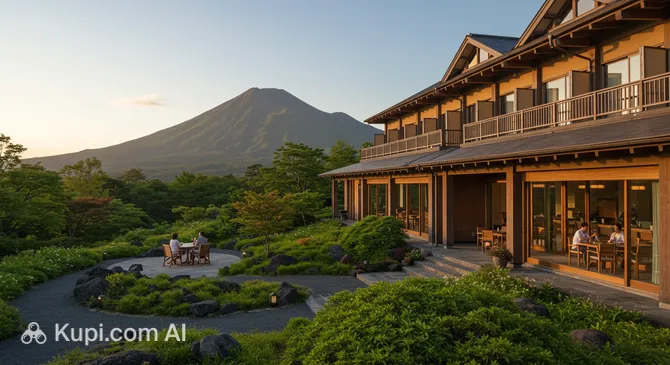
Among the accommodation options in Aso, you can find both cozy family pensions and larger hotel complexes. For example, one well-known location is the Aso Resort Hotel, which offers a comfortable stay with beautiful views. Your choice depends on your preferences—whether you are looking for privacy and authenticity or modern comfort and a wide range of services.

To ensure the best accommodation option, especially during peak tourist season, it is recommended to book your stay in advance. Prices can vary from budget-friendly to higher-end, depending on the level of comfort and location. Popular online platforms are convenient for booking, or you can contact hotels directly. Pay attention to reviews from other travelers to make an informed choice.

Nearby Cities

For those looking to explore the surroundings, Aso serves as an excellent starting point for day trips to several interesting nearby locations:

CityPopulationDistance
Takamori12 65014 km
Minamiaso10 21215 km
Taketa19 68826 km
Kikuyo43 44329 km
Kikuchi45 97129 km

These nearby destinations provide a glimpse into the diverse culture and landscapes of the region. Each of these cities offers its own unique attractions: from historical castles and gardens in Kumamoto to the famous onsen hot springs of Beppu and the coastal views of Oita. Trips to these cities will enrich your journey through Japan with new experiences.

Shopping & Souvenirs

Aso, known for its majestic natural landscapes and powerful volcano, offers tourists a cozy and authentic shopping experience rather than a hunt for global brands. Here, you can find unique local products, handicrafts, and souvenirs that reflect the spirit of the Kyushu region. Shopping in Aso is a wonderful opportunity to bring home a piece of local culture and gastronomy rather than just standard goods.

The main shopping opportunities in Aso are concentrated in the central part of the city, especially around Aso Railway Station, as well as on the streets adjacent to popular tourist sites like Aso Shrine. Here, you will discover small shops offering souvenirs, local delicacies, and everyday goods. Don't expect large shopping avenues or districts; shopping in Aso is characterized by a more intimate and relaxed atmosphere.

Aso Shrine. Illustration.
Source: Kupi.com AI

Traveler photos:

In Aso, you won't find the large modern shopping malls typical of big Japanese cities. Instead, look for small local department stores or individual specialized shops. The charm of shopping in Aso lies in finding unique items in small family-run stores, where you can often chat with the owners and learn more about local products.

While there may not be large, well-known daily markets in Aso, it is worth looking for local farm stalls or temporary market sales. This is especially relevant if you want to purchase fresh seasonal regional products—vegetables, fruits, and, of course, Aso's famous dairy products. Sometimes small markets appear during local festivals, offering visitors both food and crafts.

From Aso, it is worth bringing back something special that reflects the local flavor. Local products are popular, such as the famous dairy items (cheese, yogurt, ice cream from cows grazing on the Aso plateau), traditional sweets (like "ikinari dango" made with sweet potato), as well as locally produced sake and shochu. Handicrafts are also of interest: ceramics, wooden items, or textiles with authentic patterns. Of course, don't forget souvenirs from Aso Shrine, such as "omamori" amulets, and items featuring Kumamon—the adorable mascot of Kumamoto Prefecture. If you're lucky, you might find unique items made from volcanic ash or stone, which serve as perfect reminders of the mighty Mount Aso.

Most shops in Aso are open from about 10:00 to 18:00 or 19:00. Small family shops may have more flexible hours and close earlier or take a lunch break. Shops at tourist sites may stay open longer. Regarding payment, cash (Japanese yen) is the most common method, especially in small shops and markets. Credit cards are accepted in hotels, some restaurants, and larger souvenir shops, but it is always better to have enough cash on hand to avoid inconvenience.

Tourists in Japan can take advantage of the Tax-Free system when shopping at participating stores. Look for the special "Tax-Free Shop" logo. Usually, to process a tax refund, you need to make a purchase of a certain amount (most often 5,000 yen or more excluding tax) in one store on one day and present your passport. The refund can be processed either directly in the store at the time of purchase or at special tax refund counters. It is recommended to check the terms and procedure in each specific store where you plan to shop.

Reached the end of the page?

That means the route is fully explored