Support

Yamaga

About

Yamaga is a cozy and picturesque city located in the northern part of Kumamoto Prefecture on the island of Kyushu. Sprawled across a valley surrounded by green hills and rice fields, it is famous for its peaceful atmosphere and harmony with nature. For many travelers, Japan is associated with the dynamic rhythm of megacities, but it is here that you can discover a different, more traditional, and steady side of the country.
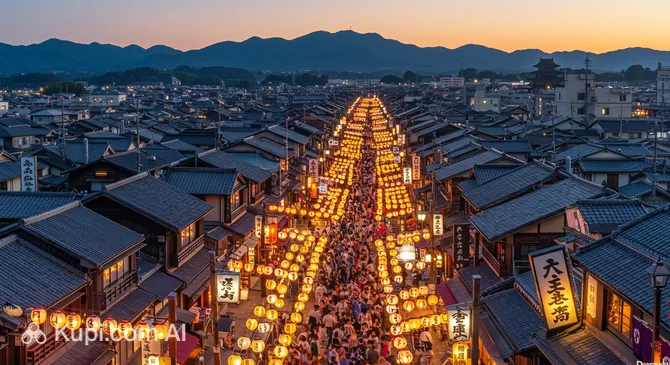
Yamaga. Illustration.
Source: Kupi.com AI

With a population of about 48,000 people, Yamaga retains the charm of a provincial town where traditions of the past are carefully preserved. The history of Yamaga can be traced through its ancient streets, which harmoniously coexist with modern infrastructure. The city is located at the intersection of important cultural and natural routes in the region, making it an excellent starting point for exploring the heart of the island.

The city's unique attractions give it a special appeal. The jewel of its architectural heritage is the Yachiyoza Theater—a magnificently preserved building from the early 20th century where kabuki performances are still held today. The city is also known for its healing hot springs, the water of which is notably soft. Once a year, the streets transform into a fairytale space of light thanks to the famous lantern festival, which attracts guests from all over the country.

Yamaga is an ideal destination for those who want to escape the city bustle and immerse themselves in an authentic atmosphere. Here you can take a leisurely stroll through historical quarters, enjoy a relaxing soak in a traditional onsen, and experience the sincere hospitality of the local residents.

Weather Overview

The climate in the city is characterized by a distinct change of seasons, which makes each time of year attractive for a visit in its own way. To make your trip as comfortable as possible, we recommend checking what the weather in Yamaga is expected to be during your chosen dates. Generally, expect hot and humid summers with occasional rain and fairly cool but dry winters.

Spring arrives with gradual warming: while the average temperature in March is about 10.8°C, by May the air warms up to a comfortable 18.9°C. Summer is characterized by high temperatures and humidity. The hottest month is August, with an average maximum of about 30.7°C. Travelers should take the rainy season into account: July is the wettest month, with up to 21 rainy days recorded.

Autumn brings a pleasant coolness, especially in October and November, when temperatures range from 12°C to 18°C. Winters here are mild compared to more northern regions, but warm clothing will still be needed. The coldest month is January, with an average temperature of 5.6°C and nightly minimums around 2.0°C, although precipitation is minimal during this time.

Average monthly temperature

Average monthly precipitation

Interesting Facts

In addition to its well-known attractions, Yamaga holds many amazing stories and cultural features that make this city truly unique. Here are a few facts that will help you better understand the soul of this place:

  • The Legend of the "Living Lighthouses." The famous Yamaga Toro Matsuri festival has beautiful historical roots. The tradition, where thousands of women dance with lanterns on their heads, dates back to an ancient legend: it is said that local women once went out into a thick fog to light the way for a lost imperial procession, becoming a life-saving guide for them.

  • Theatrical Backstage. The Yachiyoza Theater is a rare example of preserved wooden architecture from the late 19th century. The uniqueness of this place lies not only in the kabuki performances but also in its accessibility to tourists: visitors are allowed to walk backstage and even go under the stage to see ancient mechanisms usually hidden from view.

  • Secrets of Paper Craftsmanship. Yamaga is famous for the complex art of creating paper lanterns used during festivals. This craft is passed down from generation to generation, and today any visitor to the city can try their hand as a master in special workshops, creating their own souvenir.

  • Energy for the Whole Year. The local hot springs (onsens) are known far beyond the city for their healing properties. There is a belief among residents that bathing in these waters doesn't just relax the body but also recharges a person with vital energy for a whole year ahead.

How to Get There

When planning a trip to this picturesque corner of Kumamoto Prefecture, it is important to think through the logistics in advance, as the city does not have a direct rail link. You can find out more about how to get to Yamaga by various means on a separate page, and below we will look at the main transport hubs through which it is most convenient to reach the city.

The most convenient option for most tourists is by air. The closest airport to the city is Kumamoto Airport (KMJ). It is located not in Yamaga itself, but in the neighboring city of Kumamoto, about 25 km from your destination. This is a regional airport with moderate passenger traffic, receiving many domestic flights. The journey from here by taxi or rental car takes about 1 hour (approximately 60 minutes).

If you are flying from abroad or looking for more transfer options, you should consider Fukuoka Airport (FUK). This is a major international hub located in the city of Fukuoka, about 67 km from Yamaga. Thanks to the high passenger traffic, there are many more flight options here. The road from Fukuoka Airport to Yamaga by car takes roughly 2 hours.

For clarity, here is a summary of the main airports in the region:

AirportPassenger trafficDistance
Kumamoto Airport2.9 mln25 km
Saga Airport600 58239 km
Fukuoka Airport24.9 mln67 km
Nagasaki Airport3.1 mln74 km
Amakusa73 06578 km

Regarding rail connections, it is important to note that there is no train station in Yamaga itself. Travelers who prefer trains (including Shinkansen high-speed trains) are usually recommended to travel to major stations in neighboring cities, such as Kumamoto Station or Shin-Tamana Station. From there, you can reach Yamaga by regular buses or taxi. The bus trip from Kumamoto Station takes about an hour, making this route quite popular among tourists traveling around Kyushu.

Main Attractions

Yamaga is a city where history comes alive at every turn, and cultural heritage is carefully protected by the locals. A walk through its streets feels like traveling through time, allowing you to immerse yourself in the atmosphere of Edo and Meiji era Japan. Here is a list of the main places that are definitely worth including in your travel itinerary.

The undisputed symbol of the city is the Yachiyoza Theater. This magnificent building, constructed in 1910, is considered one of the best examples of traditional kabuki theaters in the country. Tourists are drawn here not only by the chance to see performances but also by the unique architecture: wooden structures, a manually operated rotating stage, and a stunning ceiling decorated with vintage advertisements from local merchants. Even if you don't catch a show, a tour of the building allows you to peek into the dressing rooms and learn the secrets of the last century's stage mechanics.

For those seeking relaxation, the perfect spot is Sakurayu—a majestic public bathhouse restored to its original historical appearance. Once a retreat for feudal lords, today anyone can enjoy the soft thermal water in interiors featuring high wooden ceilings and traditional design. It is more than just a spa treatment; it is a true cultural experience that lets you feel the spirit of an ancient onsen.

To gain a deeper understanding of local craft traditions, it is worth visiting the Yamaga Lantern Museum. Housed in a beautiful former bank building, it is dedicated to the famous art of creating "toro" paper lanterns. The exhibition is mind-boggling: masters create incredibly complex structures—from miniature temples to castles—using only paper and glue (no wood or metal). Here you can see the masterpieces used during the city's main summer festival.

Connecting all these attractions is the historical Buzen Kaido street. Walking along it is a pleasure in itself. Ancient merchant shops, sweet stores, and sake and miso breweries—many of which have been operating for over a hundred years—line the paved road. A peaceful and nostalgic atmosphere reigns here, perfect for a leisurely exploration of the city and purchasing authentic souvenirs.

Local Cuisine

The gastronomic life of Yamaga will be a true discovery for foodies wanting to get to know the authentic flavors of Japan. The local cuisine is deeply rooted in the traditions of Kyushu, where the main principles are exceptional freshness of products and simplicity that highlights their natural qualities. The basis of many dishes is premium rice and various seasonal vegetables grown on nearby farms.

One of the city's main culinary signatures is yuzu-kosho—a unique spicy paste made from aromatic yuzu citrus and hot peppers. This sauce adds zest and freshness to many dishes: it is served with meat, fresh fish, and even added to soups for aroma. In Yamaga's restaurants, you can often find tasting sets that allow you to try various versions of this famous seasoning.

Fans of hearty lunches should pay attention to the local udon noodles, prepared here according to recipes passed down through generations. Also, thanks to the proximity to the coast, the menu of establishments always features the freshest fish and seafood. If your visit coincides with one of the gastronomic festivals, don't miss the chance to try signature treats from the region's best chefs.

Street food is another important part of the food culture in Yamaga. While strolling through markets or festive streets, be sure to try yakisoba (fried noodles with vegetables and meat) and the famous taiyaki—hot fish-shaped cakes with sweet adzuki bean filling. And for a pleasant break, cozy cafes serving exquisite desserts based on rice and rich matcha green tea are ideal.

Travel Tips

A trip to Yamaga is an opportunity to touch authentic Japanese culture far from the bustling megacities. To ensure your trip to this cozy city in Kumamoto Prefecture goes smoothly and leaves only pleasant memories, we have prepared a list of important practical recommendations.

  1. Clothing and Footwear: Since Yamaga is famous for its historical streets and onsens, you will have to walk a lot. Choose the most comfortable shoes that are easy to take off and put on: in the Yachiyoza Theater, museums, traditional restaurants, and at the entrance to bathhouses, taking off your shoes is mandatory. In summer, prioritize light, breathable fabrics due to high humidity.
  2. Transport Specifics: There is no train station in the city, so buses or taxis will be the main means of transport. If you plan to actively explore the surroundings, the best solution is to rent a car. This will give you freedom from public transport schedules, which can be quite infrequent in the province.
  3. Finance and Cash: Yamaga is a traditional city, and the "Cash is King" principle is very relevant here. Although hotels and supermarkets accept cards, many souvenir shops on Buzen Kaido, small cafes, and ticket offices in temples work only with Japanese yen. Always carry a supply of cash with you.
  4. Communication and Navigation: Free Wi-Fi is available in tourist centers (for example, in Sakurayu) and some hotels, but coverage on the city streets is unstable. We strongly recommend purchasing a tourist SIM card or renting a pocket Wi-Fi router at your arrival airport in advance so you always have access to maps and a translator.
  5. Onsen Etiquette: Visiting hot springs is an important part of a visit to Yamaga. Remember the main rule: before dipping into the communal bath, you must wash thoroughly with soap under the shower while sitting on a small stool. You enter the water completely naked; swimsuits are prohibited in traditional onsens. Long hair should be tied up so it doesn't touch the water.
  6. Language Barrier: Unlike Tokyo or Osaka, not many people in Yamaga speak English fluently. Locals are very friendly and will try to help, but for communication, it's better to install a translator app on your smartphone (e.g., Google Translate or DeepL). Learn a few phrases: "Arigato" (thank you) and "Sumimasen" (excuse me).
  7. What to Avoid: Strictly watch where you walk in shoes. Never step in outdoor shoes onto tatami (straw mats) and do not enter wooden platforms indoors if you see a row of slippers at the entrance. Also, avoid loud conversations in public places and transport—peace and quiet are valued here.
  8. City Operating Hours: Life in provincial Japan slows down early. Most shops, museums, and cafes close by 5:00 PM–6:00 PM. Plan your dinner in advance: many restaurants may close their kitchens early or work only by advance reservation, especially when it comes to traditional kaiseki cuisine.

Following these simple rules will help you feel confident and show respect for local traditions. Yamaga is a hospitable city, and by paying a little attention to details, you will be rewarded with the sincere warmth of its residents.

Entertainment & Nightlife

Nightlife in Yamaga isn't about noisy dance floors and neon signs, but rather a warm, intimate atmosphere steeped in the spirit of old Japan. Evening arrives early here, and the city bathes in the soft glow of lanterns, inviting guests to relax after a busy day. The main form of evening leisure is a leisurely dinner in traditional establishments and chatting with the locals.

The epicenter of evening activity is the area around the historical Buzen Kaido street and the famous Sakurayu bathhouse. This is where most of the gastronomic establishments are concentrated. Nightlife in Yamaga is mainly represented by two types of places: izakayas (Japanese gastropubs) and snack bars. People come to izakayas in large groups to try yakitori (chicken skewers), sashimi, and drink local sake or beer. The atmosphere here is always lively, bustling, and casual.

For those who want to continue the evening, "snack bars" are open. This is a unique Japanese phenomenon: small, cozy bars where the hostess (usually called "mama-san") pours drinks, serves light snacks, and chats with guests. Karaoke is often sung here, and foreign tourists are always welcome, even if you only know a couple of words in Japanese. There is no dress code in such places—casual style is perfectly appropriate.

A special place in the city's nightlife is held by Sakurayu. Although it is not a bar or a club, this majestic public bathhouse stays open until late evening (usually until midnight) and serves as a true community hub. Locals often come here before bed to soak in the hot springs and discuss the news. The sight of the illuminated wooden building in the dark is one of the most beautiful scenes in the city.

In terms of safety, Yamaga is an ideal place. The crime rate here is extremely low, and night walks through the well-lit central streets are perfectly safe. However, keep in mind that public transport stops running quite early. If you stay out late at a bar, the only way to get back to your hotel will be by taxi. It's best to ask the establishment's staff to call one for you, as catching a cab on the street at night can be problematic. An average trip around the city is inexpensive due to the short distances.

As for daytime entertainment leading up to evening relaxation, Yamaga offers a rich cultural program. Guests can visit the historical Yachiyoza Theater, stroll through the picturesque parks surrounding the city, or visit the Lantern Museum to see masterpieces of paper art by daylight.

Parks & Museums

Yamaga offers its guests not only relaxation in hot springs but also the chance to enjoy picturesque nature and deep historical heritage. City parks here are often not just green zones, but "power spots" where ancient monuments sit alongside magnificent scenery, and museums carefully preserve artifacts that tell of life in the region long before modern borders appeared.

Fans of outdoor walks should definitely visit Iwabaru Park. This unique site is an extensive green area where ancient burial mounds (kofun) are located. Here you can not only walk along well-kept paths among ancient trees but also see historical burials dating back to the 5th–6th centuries. The park is ideal for picnics and quiet relaxation, allowing you to feel the breath of antiquity surrounded by peaceful nature.

Another impressive natural attraction is the Fudo-iwa Rock. This massive natural monument towers over the city and serves as an excellent observation deck. The climb up is a small adventure rewarded with a breathtaking panoramic view of the Yamaga Valley and rice terraces. Locals consider this a "power spot" where you can recharge with natural energy and enjoy the silence far from the city bustle.

For those who want to dive deeper into the region's history, the Kumamoto Prefectural Ancient Burial Mound Museum is open. It is located in the immediate vicinity of Iwabaru Park and is dedicated to the culture of the Kofun period. The museum's exhibition is unique in that it details "decorated tombs"—a phenomenon specific to this part of Japan. Visitors can see replicas of the interior chambers of tombs with preserved wall paintings, original ceramics, and jewelry found during excavations.

Another important cultural site is the Yamaga City Museum. Unlike highly specialized exhibitions, this museum offers a broader look at the city's development: from ancient times to the era of the Buzen Kaido trade route's prosperity. It houses ethnographic collections, samurai and townspeople's household items, as well as historical documents. It's a great place to understand how Yamaga's unique character was shaped over centuries.

Insider Tip: If you want to combine active recreation with nature contemplation, rent a bike and go for a ride along the Kikuchi River embankment. There is a convenient bike path (Cycling Road) here, which is especially beautiful in spring during the mustard blossom and in autumn when the banks are covered with a carpet of cosmos flowers. This is a route that rarely makes it into standard guidebooks but is very much loved by locals.

Getting Around

The public transport system in Yamaga has its own unique features dictated by the city's geographical location. The main thing a traveler needs to know is that there is a complete lack of a rail connection. There are no metro or train stations in the city, so the main link to the outside world and the means of transport within the region are buses and cars. The central transport hub is the Yamaga Bus Center, from which services depart to neighboring cities and major transport hubs.

The bus network is primarily served by the Kyushu Sanko Bus company. Buses run regularly, connecting the city center with Kumamoto Station, the Shin-Tamana Shinkansen station, and the airport. The buses themselves are comfortable and clean. It is important to remember the boarding rule common to many Japanese provinces: entry is through the back door, and exit is through the front door, next to the driver. When entering, be sure to take a ticket (seiriken) from the machine, which will indicate your boarding zone number.

The fare payment system in the Kumamoto region has recently undergone changes that are important for tourists to know. Traditional nationwide transport cards (such as Suica or Pasmo), popular in Tokyo, are no longer accepted on route buses here. Instead, a contactless payment system using bank cards (Visa, Mastercard, JCB, etc. with a touch pay function) has been introduced. You simply tap your credit card against the validator when entering and exiting. Cash payment is also always available: upon exiting, drop your coins and ticket into the transparent box next to the driver. If you have large bills, change them in the same machine in advance while the bus is at a red light.

Taxis are a convenient but quite expensive alternative to buses. Taxi stands can always be found at the Bus Center and near major hotels. This is the best option if you need to get to remote onsens or attractions where buses run infrequently. Drivers rarely speak English, so we recommend preparing the destination name in Japanese in advance or showing the point on a smartphone map. Taxi apps don't work as stably here as in megacities; it's more reliable to ask hotel staff to make a booking.

For those who want maximum freedom of movement, car rental is the ideal option. The roads in and around Yamaga are of excellent quality, traffic is calm, and navigation is clear. This will allow you to explore the picturesque surroundings, rice terraces, and mountain temples at your own pace without being tied to bus schedules. Most attractions and hotels are equipped with free parking.

In the historical city center, bicycle rental is popular. Yamaga is a city with relatively flat terrain in the central part, making cycling a pleasant way to see the sights. Rental points can often be found at tourist information centers or at major hotels. A bicycle will allow you to easily get from the Yachiyoza Theater to the Kikuchi River embankment, enjoying views of the old streets.

Accommodation

Choosing accommodation in Yamaga is significantly different from the usual tourist standards of large metropolises. Here you will find almost no faceless chain hotels or high-rise hotel complexes. The core of the room stock consists of ryokans—traditional Japanese inns that offer more than just a place to sleep, but a full cultural immersion. Options range from cozy family-run guesthouses (minshuku) to luxury resorts with their own gardens and thermal baths in the rooms.

When choosing a place to stay, you should focus on two main areas. The first is the historical city center, within walking distance of the Yachiyoza Theater and the Sakurayu bathhouse. By staying here, you can stroll through the evening streets, enjoying the atmosphere of an old merchant town. The second popular area is Hirayama Onsen, located in a picturesque valley slightly away from the center. This place is famous for its secluded ryokans surrounded by nature and water that is considered some of the best for the skin ("water of beauty").

When planning your budget, it's important to consider the specifics of pricing in traditional Japanese inns. The cost is usually quoted per person, not per room, and often includes two meals (kaiseki dinner and breakfast). Prices can vary from budget options (around 8,000–10,000 yen per night) to premium levels (from 30,000 yen and up). It's best to book through major international online platforms or specialized Japanese sites, as many small inns may not have English-speaking phone support.

Special attention should be given to booking if your trip falls in August, when the famous lantern festival is held, or during "Golden Week" in May. During these periods, demand for accommodation is colossal, and the best options are snapped up 3–5 months before the arrival date. We also recommend confirming dinner availability when booking: the cuisine in Yamaga's ryokans is magnificent, and you shouldn't miss the chance to try local seasonal dishes right at the hotel.

Nearby Cities

For those who want to explore the surrounding area, Yamaga serves as an excellent starting point for day trips to several interesting nearby places. Just a few dozen kilometers away is the major city of Kumamoto, where you can see one of Japan's most impressive castles and stroll through the picturesque Suizenji Garden. Food lovers should head to Kurume, which is famous for its contribution to ramen culture, while neighboring Tamana offers a relaxing getaway and additional opportunities to learn about the region's history.

CityPopulationDistance
Kikuchi45 97112 km
Tamana64 20615 km
Sekimachi85 63615 km
Kikuyo43 44321 km
Omuta110 05423 km

These nearby destinations provide insight into the diverse culture and landscapes of the region, making your journey through Kyushu even more rich and memorable.

Shopping & Souvenirs

Shopping in Yamaga is fundamentally different from what large metropolises offer. Here you won't find huge shopping malls with luxury brands or endless rows of fast-fashion boutiques. Instead, the city invites guests on a cozy journey through artisan workshops and family shops, where every item has its own story. Shopping here is a way to support local traditions and take home a piece of the soul of this ancient region.

The main shopping artery for tourists is the historical Buzen Kaido street. Walking along it resembles a visit to an open-air museum: Edo and Meiji era buildings have been preserved here, where traditional shops still operate. On this street, you can find stores specializing in miso and soy sauce production according to old recipes, as well as cozy confectioneries selling fresh Japanese sweets. It is an ideal place for a leisurely selection of unique gifts in an authentic atmosphere.

Since there are no giant malls in the city, the role of large shopping points is fulfilled by roadside stations such as Michi-no-Eki Kamoto. This is a popular format in Japan, combining a farmers' market and a souvenir center. A wide range of local goods is presented here: from the freshest seasonal fruits (especially the famous watermelons) and vegetables to handicrafts. Tourists often stop by here to buy everything they need in one place, enjoying the high quality of products that local farmers are proud of.

If you're looking for what to bring back from your trip, pay attention to the famous Yamaga Toro lanterns. Although full-size paper lanterns are too large for a suitcase, local masters create elegant miniatures and postcards in this style. A gastronomic symbol of the city is the "Toro Monaka" sweets—crispy wafers filled with sweet bean paste, shaped like a lantern. The region is also famous for its chestnuts and delicious rice, so products based on them make excellent souvenirs.

When planning your shopping time, keep in mind that Yamaga lives at a steady pace. Most shops on Buzen Kaido and souvenir stalls open around 9:00–10:00 AM and close quite early—by 5:00 PM or 6:00 PM, many doors will be shut. Only chain konbini (convenience stores) operate 24/7, where the range is limited to essentials.

An important nuance concerns payment: despite digitalization, small family shops and old stores still prefer cash. Credit cards are accepted in supermarkets and at Michi-no-Eki stations, but for buying street food or souvenirs from artisans, it's better to have a supply of small bills and coins.

The Tax-Free system (tax refund) is rarely found in Yamaga. Unlike Tokyo, where you can arrange a deduction in almost every large store, here this service is available only in some drugstores or large supermarkets outside the historical center. You should not count on tax refunds in small souvenir shops.

Reached the end of the page?

That means the route is fully explored