Support

Karatsu

About

Karatsu is a charming coastal city located in the northern part of Saga Prefecture on the island of Kyushu in Japan. Situated along the shores of the Sea of Japan, the city is renowned for its picturesque setting, surrounded by magnificent beaches, centuries-old pine groves, and rolling hills. Karatsu attracts visitors with its unique atmosphere, where tradition harmoniously blends with natural beauty.

With a population of about 116,000, Karatsu maintains the cozy feel of a provincial Japanese town where time moves at a leisurely pace. Despite its relatively small size, the city plays a significant role in the region. It is known as a major center for traditional Karatsu-yaki pottery, a craft with several centuries of history, and as a gateway for exploring the cultural and natural treasures of northern Kyushu.
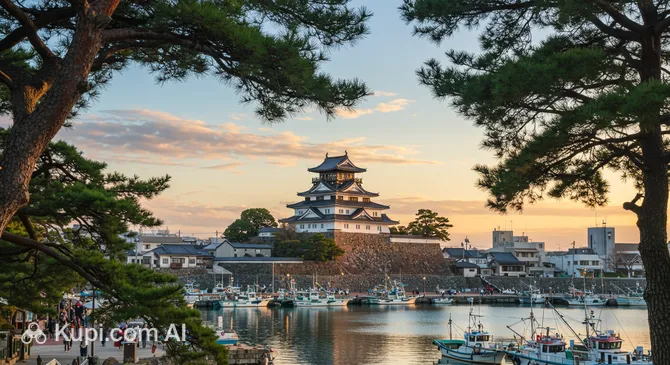
Karatsu. Illustration.
Source: Kupi.com AI

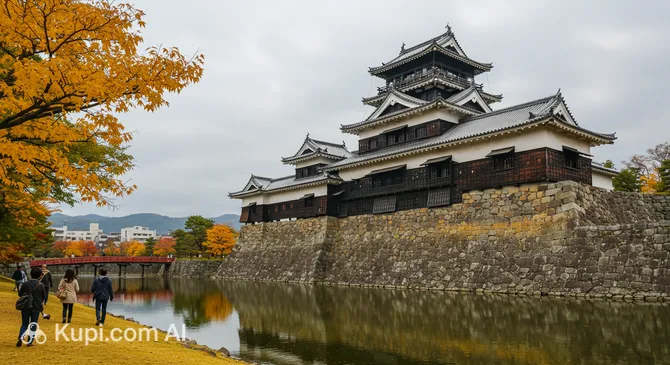
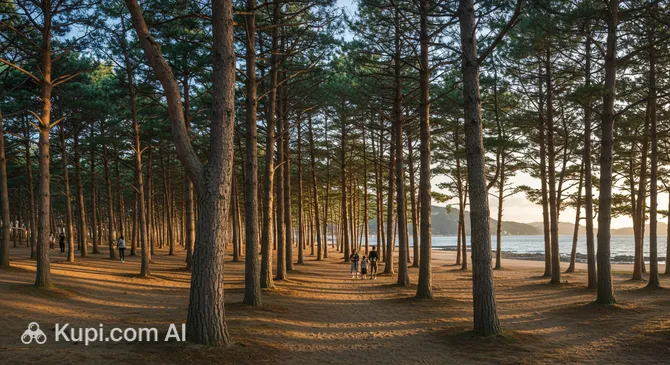
Among the key landmarks that make Karatsu particularly attractive to tourists is the majestic Karatsu Castle, which stands on a hill and offers panoramic views of the city and the sea. Equally famous is the Niji-no-Matsubara coastal pine grove—an impressive natural monument consisting of a curved strip of thousands of Japanese black pines stretching for several kilometers along the beach. The city is also famous for its annual festivals, such as the colorful Karatsu Kunchi, which draws massive crowds.

Karatsu is a place where you can immerse yourself in authentic Japanese culture, enjoy the tranquility of coastal life, and discover unique artisanal traditions. If you are looking for more than just standard tourist routes and want a true immersion into an atmosphere of comfort and hospitality, Karatsu undoubtedly deserves your attention and will leave unforgettable impressions.

You can find more interesting facts on the history of Karatsu page.
Weather Overview

The weather in Karatsu is characterized by warm and humid summers, especially from June to August when average temperatures reach 22-27°C, and July is the rainiest month with 18 days of precipitation. Winters, from December to February, are cool here, with average temperatures around 7-8°C and less precipitation, with December being the driest month. Expect warm summers with occasional rain and cool, drier winters.

Spring and autumn are transitional seasons with moderate temperatures. In March, the average temperature is about 11.4°C, gradually rising to 18.7°C in May. In autumn, the temperature decreases from 24.6°C in September to 14.3°C in November. The number of rainy days varies from 8 to 14 during these periods. For more detailed information, please visit the Karatsu Climate page.

Average monthly temperature

Average monthly precipitation

Interesting Facts

Beyond its well-known landmarks like the majestic Karatsu Castle, this coastal city holds many surprising stories and less obvious, but no less fascinating, features. Are you ready to see Karatsu from an unexpected perspective?

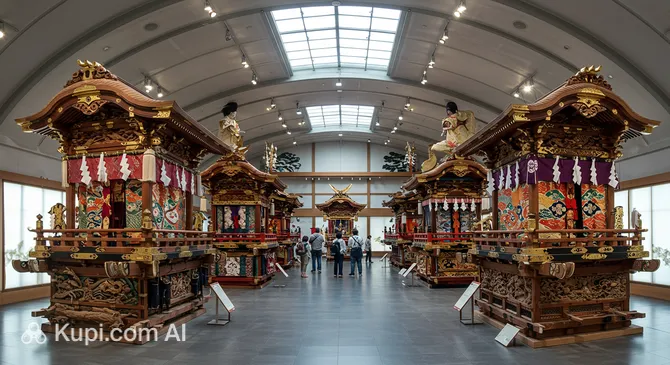
Hikiyama Exhibition Hall. Illustration.
Source: Kupi.com AI

Traveler photos:

  • Every November, the city transforms during the grand Karatsu Kunchi festival, which has been held since 1592! It is not just a holiday but a UNESCO Intangible Cultural Heritage of Japan, famous for its giant, richly decorated hikiyama floats. You can see these works of art year-round at the Hikiyama Exhibition Hall.

  • Karatsu is the birthplace of a unique pottery style called Karatsu-yaki. These pieces, known for their simple, slightly rugged beauty and functionality, are highly valued across Japan and abroad. The traditions of their creation have been carefully preserved by local masters for centuries, and you can visit numerous pottery workshops.

  • Near Karatsu, in the town of Yobuko, the legendary morning market comes to life every day. This is a true gourmet paradise where you can not only try the freshest squid the region is famous for (often served while still translucent!), but also watch lively auctions and soak in the authentic atmosphere of a Japanese fishing port.

  • Few tourists know that in the past, the coast of Karatsu was a center for whaling. In the historic Nakao district, old whalers' houses are still preserved, and local small museums offer a chance to learn more about this important, though controversial, chapter of the city's maritime history.

How to Get There

When planning a trip to the picturesque city of Karatsu in Saga Prefecture, it is important to think through your route in advance. The city has good transport accessibility, and you can choose the most convenient option, whether it's a flight followed by ground transportation or a train journey. For those who want to plan their trip in maximum detail, we recommend exploring all the ways to get to the city.

The most convenient way for international tourists to reach the region is by air. The nearest major hub is Fukuoka Airport (FUK), located in Fukuoka City. This is one of Kyushu's most important international airports with huge passenger traffic, accepting flights from all over the world. It is located about 47 km from Karatsu. The unique feature of this airport is its direct connection to the subway line, which transitions into the JR Chikuhi Line, going straight to Karatsu. A taxi ride from the airport takes about 90 minutes.

An alternative option is Saga Airport (HSG), also known as "Kyushu Saga International Airport." It is located in Saga City, about 45 km from Karatsu. This is a more compact airport with less passenger traffic, ensuring quick formal procedures. From here, Karatsu can be reached by bus or taxi; the travel time by car is about 90 minutes. It is also worth mentioning Nagasaki Airport (NGS), located a bit further away at 59 km, which may be convenient if you are planning a multi-city trip through the region.

For convenience, here is a summary of the main airports used to reach Karatsu:

AirportPassenger trafficDistance
Iki Airport64 25837 km
Saga Airport600 58246 km
Fukuoka Airport24.9 mln47 km
Nagasaki Airport3.1 mln59 km
Kumamoto Airport2.9 mln107 km

Regarding rail connections, Karatsu is integrated into the JR Kyushu network. The city's main station is Karatsu Station. Although there is no Shinkansen high-speed train stop in the city itself, you can comfortably get here from Hakata Station in Fukuoka via the JR Chikuhi Line. A train ride along the scenic coast is not just a way to get around, but also an opportunity to enjoy views of the Sea of Japan.

Main Attractions

Karatsu, a charming city in Saga Prefecture, offers its guests many interesting sites that combine rich history, culture, and natural beauty. Travelers will find everything here from majestic castles to peaceful natural landscapes.

Karatsu Castle. Illustration.
Source: Kupi.com AI

Traveler photos:

One of the city's main gems is Karatsu Castle. This magnificent castle, also known as the "Dancing Crane Castle," rises on a hill by the sea and offers stunning panoramic views of the city and the bay. Visitors can learn about its history and admire exhibits related to the clan that once ruled these lands.

Niji-no-Matsubara Pine Grove. Illustration.
Source: Kupi.com AI

Traveler photos:

Nature lovers should definitely visit the Niji-no-Matsubara Pine Grove. This picturesque coastal strip with thousands of gnarled black pines stretches for several kilometers and is considered one of the three most beautiful pine groves in Japan. It is an ideal place for walking and enjoying the fresh sea air.

Hikiyama Exhibition Hall. Illustration.
Source: Kupi.com AI

Traveler photos:

To dive deeper into local culture, stop by the Hikiyama Exhibition Hall. Here, the magnificent festival floats (hikiyama) used during the famous Karatsu Kunchi autumn festival are stored and displayed. These richly decorated floats, some of which are hundreds of years old, are true works of art.

Karatsu Shrine. Illustration.
Source: Kupi.com AI

Traveler photos:

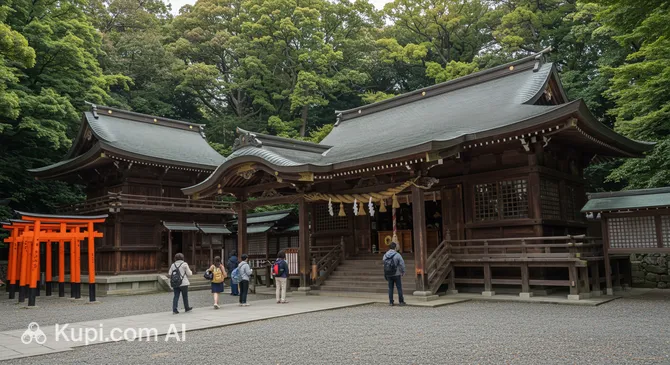
You cannot miss Karatsu Shrine, which plays an important role in the city's spiritual life and serves as the starting point for the Karatsu Kunchi festival. This ancient shrine with its peaceful atmosphere attracts both pilgrims and tourists interested in Japanese traditions.

Local Cuisine

Karatsu's cuisine is a true immersion into the world of the freshest seafood provided by the generous Sea of Japan. The city's gastronomic hallmark is undoubtedly the famous squid from the Yobuko district. Their uniqueness lies in the serving style: they are often brought to the table while still translucent and prepared right before your eyes. You must try ikizukuri—sashimi made from transparent, fresh squid slices that literally melt in your mouth, surprising you with their delicate texture and freshness. Squid is also grilled, baked, and used to prepare flavorful soups here.

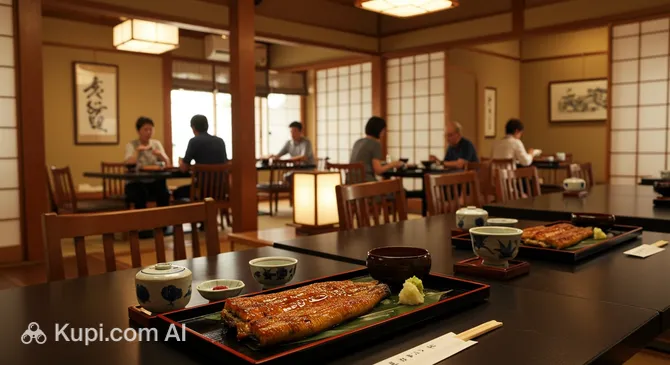
In addition to squid, Karatsu offers a rich selection of other marine delicacies. In local restaurants and markets, you will always find fresh sea urchins, oysters, mussels, and a variety of fish. Be sure to try traditional Japanese dishes like sushi, sashimi, and tempura, made from the morning's catch. For connoisseurs of specific flavors, the city offers establishments specializing in particular seafood. For example, the Unagi Takeya restaurant is famous for its exquisite eel dishes prepared according to traditional recipes.

Unagi Takeya. Illustration.
Source: Kupi.com AI

Traveler photos:

The dining culture in Karatsu is closely tied to the sea and product freshness. Locals and tourists love to visit the Yobuko Morning Market, where you can not only buy the freshest seafood but also try local vegetables, mochi rice cakes, various sweets, and traditional Japanese snacks. Street food is also popular here: squid and fish grilled right in front of you emit incredible aromas. This is a great place to feel the authentic atmosphere of the city and enjoy the flavors of local cuisine.

A meal in Karatsu is perfectly complemented by local drinks. Sake or shochu is traditionally served with seafood, while aromatic green tea is a great non-alcoholic option. A special aesthetic is added to every meal by the famous Karatsu-yaki pottery in which dishes are served. This is not just tableware, but part of the cultural heritage that turns lunch or dinner into a small celebration. To fully experience the region's gastronomic diversity, it is worth visiting the city in November during the Karatsu Kunchi festival, when the streets are filled with fairs and tastings of local delicacies.

Travel Tips

Welcome to Karatsu! This charming coastal city in Saga Prefecture is ready to give you an unforgettable experience. To ensure your trip goes smoothly and comfortably, we have prepared some practical tips to help you better prepare for your journey.

  1. Clothing and Seasonal Items:

    The climate in Karatsu is temperate, with hot and humid summers and mild winters. In summer, bring light, breathable clothing; in spring and autumn, layering is useful, and in winter, a warm jacket and sweater. Don't forget comfortable shoes for walking around the city and its picturesque surroundings. An umbrella or raincoat may be needed at any time of year. For electronics, bring an adapter (Type A and B sockets are used in Japan, voltage is 100V). When visiting temples and shrines, choose modest clothing; sometimes you will need to remove your shoes, so clean socks are a good idea.

  2. Getting Around Karatsu:

    It is convenient to move around Karatsu and its surroundings by public transport. JR Kyushu railway lines connect the city with other settlements. Local buses run within the city. Taxis are available but can be quite expensive. For exploring the city center and places like the Niji-no-Matsubara pine grove, walking or renting a bicycle is perfect. If you plan to travel extensively around Saga Prefecture, you might consider renting a car (an international driving permit is required, and driving is on the left).

  3. Financial Matters:

    The local currency is the Japanese Yen (JPY, ¥). While credit cards (Visa, Mastercard) are accepted in many hotels, restaurants, and large shops, having cash is extremely important, especially for smaller establishments, local markets, temples, and fares for some types of transport. You can exchange currency at banks or post offices, but it's better to do it in advance or at major airports. ATMs that accept international cards can be found in 7-Eleven stores (7-Bank) and at the post office (Japan Post Bank). Tipping in Japan is not customary and may be perceived as a misunderstanding.

  4. Health and Safety:

    Karatsu, like Japan in general, is a very safe place for tourists. Observe standard precautions. Pharmacies ("kusuri" 薬) are easy to find, but staff do not always speak English. It is recommended to have travel medical insurance. In emergencies, call 119 (ambulance, fire service).

  5. Language and Connectivity:

    The official language is Japanese. English is limited, mainly in tourist areas and hotels. Learn a few basic phrases: "Konnichiwa" (Hello), "Arigato" (Thank you), "Sumimasen" (Excuse me/Sorry). For ease of navigation and communication, we recommend renting a pocket Wi-Fi router or buying a local SIM card. Free Wi-Fi is available, but not everywhere.

  6. Local Etiquette:

    Japanese people value politeness and respect for traditions. Greetings are often accompanied by a slight bow. In public places, especially in transport, try to speak quietly and not disturb others. Remove your shoes before entering homes, some temples, traditional restaurants, and ryokans (Japanese-style inns). Observe rules for using chopsticks (for example, do not stick them vertically into rice).

  7. Discover Local Art:

    Karatsu is famous for its pottery—Karatsu-yaki (唐津焼). This is one of the most famous types of Japanese ceramics with a centuries-old history. Visit one of the pottery workshops or galleries to see these beautiful items, and perhaps purchase a unique souvenir. It's a great way to touch the local culture.

  8. Things to Avoid:

    Try not to eat or drink while walking on the street (although this rule is becoming less strict). Avoid loud phone conversations on public transport. Do not point at people or objects with one finger—use an open palm. Remember that tipping is not accepted and can cause confusion.

We hope these tips help you plan the perfect trip to Karatsu. This city, with its rich history, beautiful nature, and hospitable people, is sure to leave you with the warmest memories. Enjoy your trip!

Entertainment & Nightlife

In the evening, Karatsu offers travelers the chance to immerse themselves in the authentic atmosphere of a Japanese city after sunset. Unlike large metropolises, the nightlife here is quieter and centered on local traditions, offering cozy places for dinner and conversation rather than boisterous nightclubs that stay open until dawn.

Main evening entertainment is concentrated in the city center, especially around Karatsu Station and the adjacent shopping streets. Here you will find many traditional Japanese pubs—izakaya—where you can try local dishes and sake in a relaxed setting. Small bars with a unique atmosphere and karaoke bars, which are an integral part of Japanese leisure culture, are also popular. While there aren't many large nightclubs in Karatsu, you can always find a place for a pleasant evening. Permanent night markets are not a typical feature of Karatsu; however, during festivals like the famous Karatsu Kunchi, numerous street food stalls and entertainment booths appear, creating a lively evening atmosphere.

For dinner and starting your evening program, Unagi Takeya, a restaurant famous for its eel dishes, is an excellent choice. This is a wonderful place to enjoy high-quality Japanese cuisine before heading out to explore further. Many restaurants in Karatsu specialize in fresh seafood, which is no surprise for a coastal city. Besides seafood restaurants, it’s worth checking out the numerous izakayas where you can not only have a snack but also dive deeper into the local culture of socializing. Small themed bars, each with its own unique vibe, are also popular.

The atmosphere in Karatsu's evening establishments is generally very welcoming and friendly. The crowd is mixed—local residents relaxing after a workday and tourists alike. Most bars and izakayas are open until midnight or slightly later, especially on weekends. There is usually no specific dress code; neat casual style is encouraged.

When planning your evening leisure, it is best to head out as dusk falls. Average prices in izakayas and bars are quite affordable. To get around the city at night, it is most convenient to use taxis, which can be called by phone or found at stands near the station. Public transport follows a schedule, and the last trips can be quite early, so it is worth checking this in advance.

Karatsu is generally a safe city, and evening walks along the well-lit central streets should not cause concern. Nevertheless, as everywhere, standard precautions should be observed. You can call a taxi through an app or ask the staff at your hotel or restaurant to do it for you.

During the day, Karatsu offers many other interesting activities. You can visit historical sites such as the majestic Karatsu Castle, which offers beautiful views of the city and the bay. It is also worth visiting the Hikiyama Exhibition Hall to learn more about the famous Karatsu Kunchi autumn festival, or take a walk through the picturesque Niji-no-Matsubara pine grove.

Parks & Museums

Karatsu, a charming city in Saga Prefecture, offers its guests a harmonious blend of natural beauty and rich cultural heritage. Here you will find peaceful green areas for relaxation and interesting museums that tell the story of the region's history and traditions.

For nature lovers, the Niji-no-Matsubara Pine Grove is a must-visit. This famous coastal strip of Japanese black pines, one of the three most beautiful in Japan, offers ideal conditions for walking, cycling, and enjoying the fresh sea breeze. It is a wonderful place for outdoor recreation.

Niji-no-Matsubara Pine Grove. Illustration.
Source: Kupi.com AI

Traveler photos:

Karatsu Castle, a majestic symbol of the city, not only introduces you to the feudal past through its museum with samurai artifacts but also invites you for a walk through its surrounding grounds—Maizuru Park. From the hill where the castle stands, breathtaking panoramic views of the city and the Sea of Japan open up, and the park itself is a popular spot for relaxing and admiring the cherry blossoms in spring.

Karatsu Castle. Illustration.
Source: Kupi.com AI

Traveler photos:

To touch the vibrant festival culture, stop by the Hikiyama Exhibition Hall. This museum displays the impressive "hikiyama" floats—giant, richly decorated platforms that are the main attribute of the famous Karatsu Kunchi autumn festival. You can appreciate their craftsmanship and scale here at any time of the year.

Hikiyama Exhibition Hall. Illustration.
Source: Kupi.com AI

Traveler photos:

Architectural interest is found in the Former Karatsu Bank building. This elegant Western-style structure, designed in the early 20th century by a student of the famous architect Tatsuno Kingo, is an important cultural asset and a vivid example of architecture from Japan's modernization period. It is often visited by history and architecture enthusiasts.

In addition to these main sites, for a more authentic experience, take a walk through the old streets of Karatsu, where the atmosphere of past eras is still preserved. Drop into one of the many pottery workshops—after all, the city is famous for its "Karatsu-yaki" ceramics—and perhaps you will find a unique souvenir to remember your trip. To explore the city's spiritual life, you can also visit Karatsu Shrine or the secluded Hoto Shrine.

Getting Around

Getting around Karatsu is quite convenient, although the public transport system here is not as extensive as in Japan's major metropolises. The main form of transport within the city limits is buses. Local bus routes operated by Showa Bus (昭和自動車) connect key city areas, railway stations, and major attractions.

The payment system in buses is fairly standard for Japan. When entering the bus (usually through the rear door), you need to take a paper ticket with a stop number or tap your transport IC card against the reader. When exiting (through the front door), you pay the driver in cash according to the fare grid displayed on the screen above their cabin (the price depends on your ticket number), or tap your IC card again. Karatsu accepts major Japanese IC cards such as SUGOCA, Nimoca, Suica, Pasmo, and others. You can purchase or top up an IC card at machines at major railway stations or in konbini (convenience stores). Single tickets are paid in cash directly to the driver; keep in mind that change may not always be available, so it is advisable to have small money with you.

Day passes might be useful for tourists if offered by the local bus company—it's best to check for this at the main bus terminal or the tourist information center. Buses usually run on a schedule found at stops or on the transport company's website. Public transport operating hours are generally from early morning until late evening, but there are usually no night routes.

In addition to buses, JR Kyushu trains play an important role, especially for trips to neighboring cities and some remote attractions in the prefecture. There are several railway stations in Karatsu itself. It is also convenient to use IC cards for paying fares on trains or buy tickets at station vending machines.

Among alternative ways to get around Karatsu, taxis are available. They can be found at stands near stations and major hotels, or called by phone. This is a more expensive but comfortable option. Bicycle rentals are also popular in the city, especially for exploring the coastal zone and parks. Bike rental points are often located near railway stations or tourist sites.

Accommodation

In Karatsu, travelers will find a variety of accommodation options to suit different preferences and budgets. The city offers traditional Japanese inns (ryokans) as well as modern hotels, guest houses, and short-term rental apartments.

For tourists, areas near major attractions such as Karatsu Castle or along the picturesque coastline may be particularly convenient. It is also worth considering staying near transport hubs, such as Karatsu Station, to make it easier to move around the city and its surroundings. Some travelers prefer to stay near unique natural sites like the Niji-no-Matsubara Pine Grove to enjoy its beauty.

While specific famous hotels are not listed in the provided data, you can find accommodation for every taste in Karatsu: from budget options for thrifty travelers to mid-range hotels with a good set of services and more luxury offerings. Ryokans are also represented in the city, where you can immerse yourself in Japanese culture and enjoy traditional hospitality.

Booking Tip: It is recommended to book your accommodation in advance, especially if your trip coincides with the peak tourist season (such as the spring cherry blossoms or autumn colors) or during major local festivals. This will help ensure a better selection and more favorable prices.

The price range for accommodation in Karatsu varies from budget to mid-range and luxury. You can book accommodation through popular online travel platforms, as well as directly on the websites of hotels or ryokans. Some small guest houses may accept bookings by phone or email.

Nearby Cities

For those who wish to explore the surrounding area, Karatsu serves as an excellent starting point for day trips to several interesting nearby locations:

Among them, Fukuoka stands out—a vibrant metropolis with modern architecture, excellent shopping, and famous cuisine, especially Hakata ramen. Also interesting is Saga, the prefectural capital known for its pottery traditions like Arita and Imari ware, as well as its annual hot air balloon festival. No less attractive is Sasebo, known for its beautiful Kujukushima Bay, naval history, and the popular Huis Ten Bosch theme park.

CityPopulationDistance
Imari52 69422 km
Taku18 21522 km
Itoshima98 52724 km
Matsuura21 26127 km
Takeo47 68129 km

These nearby destinations provide a glimpse into the region's diverse culture and landscapes.

Shopping & Souvenirs

Karatsu offers a pleasant experience for shopping enthusiasts, especially those looking for authentic Japanese crafts and souvenirs. The city is famous for its unique pottery and provides opportunities to buy both traditional goods and modern items.

Overview of Shopping in Karatsu

Shopping in Karatsu is primarily an immersion into the world of traditional crafts. The city is known throughout Japan and beyond for its Karatsu-yaki pottery. These pieces are distinguished by their simple forms, natural shades, and a special warmth appreciated by connoisseurs. In addition to pottery workshops and shops, you can find stores in Karatsu offering local food products, souvenirs, and everyday goods.

Main Shopping Areas and Streets

The main shopping areas in Karatsu are concentrated in the city center, particularly around the JR Karatsu station. Here, you can find both individual shops and small shopping arcades (shotengai), where locals do their daily shopping. Strolling through these streets will allow you to discover small family-run shops offering unique items.

Shopping Centers

Karatsu is not a city of large modern shopping malls like those found in metropolises. Shopping here has a more intimate character. However, in the central part of the city and near the station, you can find several small department stores or commercial buildings that offer clothing, accessories, cosmetics, and household goods.

Markets

While there may not be large tourist markets in Karatsu itself, it is worth paying attention to local food stalls and perhaps small morning markets where farmers and fishermen sell fresh produce. Special attention should be given to the Yobuko Morning Market, located in the neighboring town of Yobuko, which is easily accessible from Karatsu. This is one of Japan's most famous morning markets, offering the freshest seafood, especially squid, as well as local vegetables, fruits, and souvenirs.

Souvenirs: What to Bring from Karatsu

The main souvenir from Karatsu is undoubtedly Karatsu-yaki pottery. You will find a wide selection: from cups and plates to vases and decorative items. Local sweets are also popular, such as manju (buns with bean paste) or chestnut-based products. Interesting reminders of your trip could be souvenirs related to the grand Karatsu Kunchi autumn festival. You can get an idea of the scale of this holiday and its attributes by visiting the Hikiyama Exhibition Hall, where giant hikiyama festival floats are displayed.

Hikiyama Exhibition Hall. Illustration.
Source: Kupi.com AI

Traveler photos:

Store Hours and Payment Methods

Most shops in Karatsu are open from approximately 10:00 to 19:00 or 20:00. Small shops may have individual schedules and a day off (often Wednesday or Thursday). Large stores usually operate seven days a week. Most shops and restaurants accept credit cards (Visa, Mastercard, JCB). However, in markets and small family shops, it is preferable to have cash (Japanese Yen) with you.

Tax Free

Foreign tourists can use the tax refund system (Tax Free) in shops that have the appropriate license (look for the "Japan Tax-free Shop" sign). Usually, it is necessary to make a purchase of over 5000 yen (excluding tax) in one store during one day. You will need to present your passport when processing a tax refund. The procedure usually takes place at a special counter in the store.

Reached the end of the page?

That means the route is fully explored